The rise of the T-shirt from underwear to fashion

Trending Now
The T-shirt, a staple in wardrobes worldwide, began its journey as a simple undergarment. Originating in the late 19th century, it was initially designed for practicality and comfort, primarily worn by laborers and soldiers.
Its name comes from its T-shape, formed by the body and sleeves. This unassuming piece of clothing has since evolved into a cultural icon, transcending its utilitarian roots to become a canvas for personal expression and a symbol of casual style.
The T-Shirt’s Military Beginnings
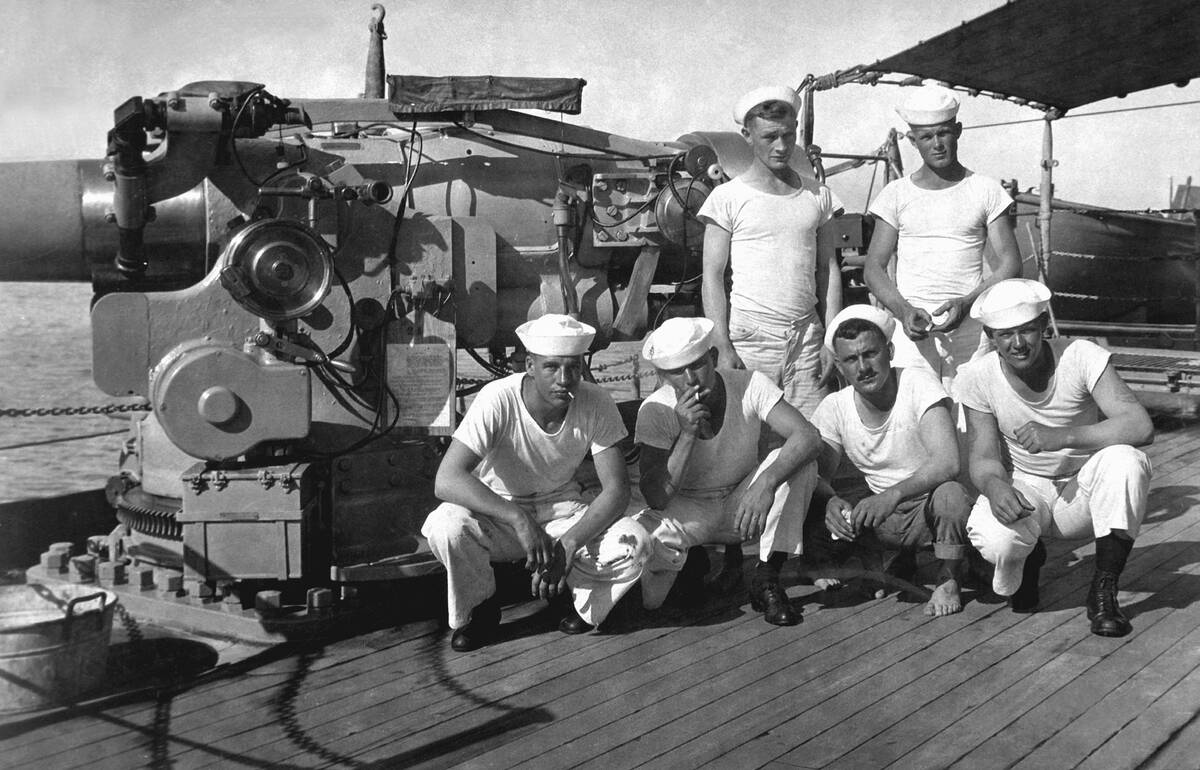
The T-shirt’s rise to popularity was closely connected to the U.S. military in the early 20th century. The U.S. Navy was issuing short-sleeved cotton undershirts by 1913, before the United States entered World War I. Their lightweight, practical design made them useful for sailors and servicemen, particularly in warm conditions.
By World War II, T-shirts were widely issued and worn throughout the U.S. armed forces. Their widespread use by servicemen helped introduce the garment more broadly into civilian life after the war, setting the stage for its evolution into a fashion staple.
From Function to Fashion: The T-Shirt in the Early 20th Century

In the 1920s and 1930s, the T-shirt began its transition from functional wear to a fashion item. It gained popularity among athletes and college students, who appreciated its comfort and versatility.
The University of Southern California’s football team was one of the first to print logos on T-shirts, marking the beginning of the graphic tee trend. This shift laid the groundwork for the T-shirt’s role as a medium for self-expression and style.
The Influence of Hollywood: Marlon Brando and James Dean
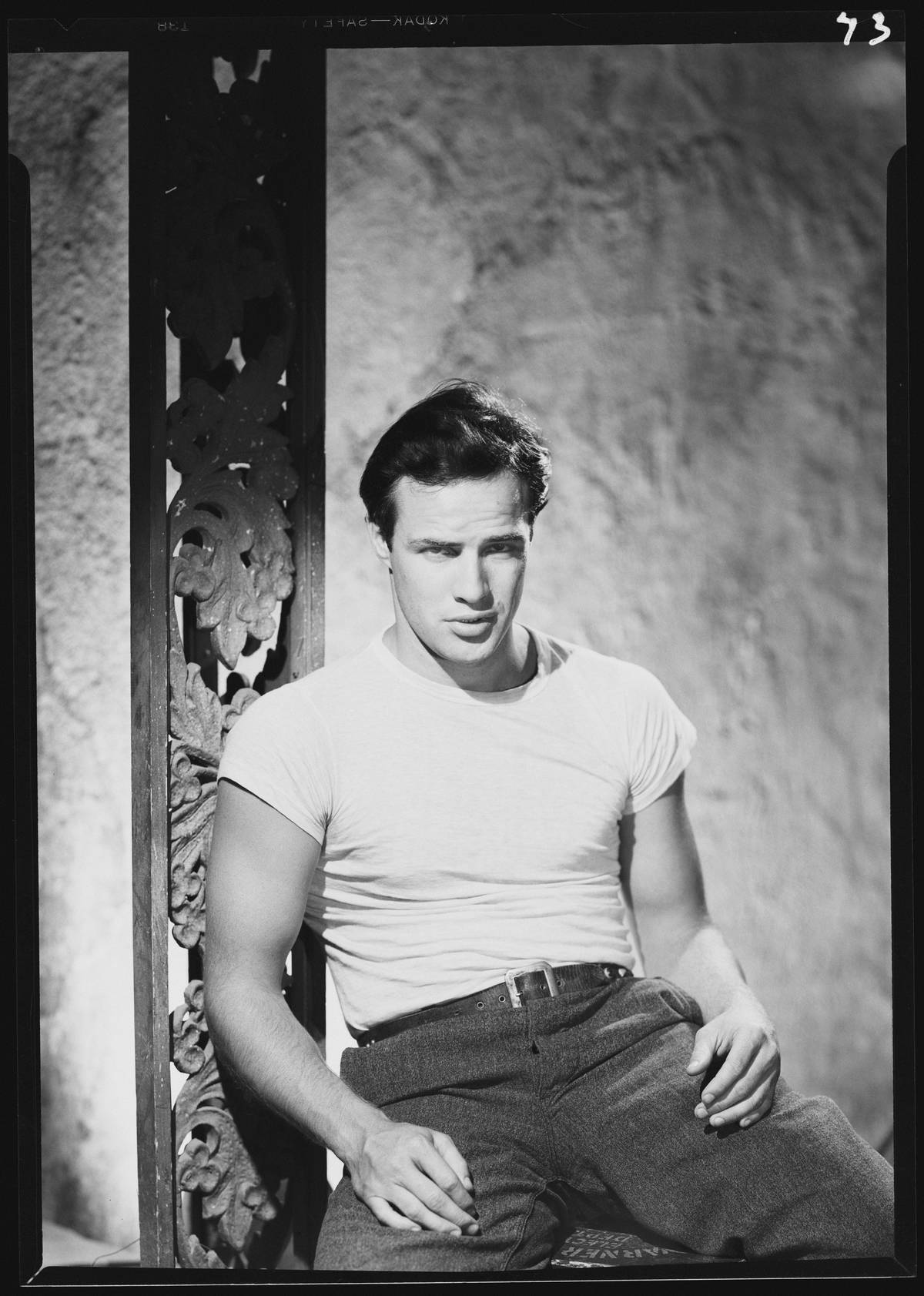
Hollywood played a pivotal role in elevating the T-shirt to iconic status. In the 1950s, actors like Marlon Brando and James Dean wore T-shirts in films such as “A Streetcar Named Desire” and “Rebel Without a Cause.”
Their on-screen appearances made the T-shirt synonymous with youthful rebellion and cool nonchalance. This cinematic influence helped cement the T-shirt’s place in popular culture, transforming it into a symbol of effortless style.
The Rise of the Graphic Tee: A Canvas for Expression

The 1960s and 1970s saw the rise of the graphic tee, turning the T-shirt into a canvas for artistic expression. Advances in screen printing technology allowed for bold designs and slogans to be emblazoned across the chest.
Bands, brands, and activists alike used graphic tees to convey messages, promote causes, and showcase creativity. This era marked the beginning of the T-shirt as a powerful tool for communication and individuality.
The T-Shirt in the 1960s: A Symbol of Rebellion and Protest

In the tumultuous 1960s, the T-shirt became a symbol of rebellion and protest. Activists and counterculture movements adopted the garment to express dissent and advocate for change.
Slogans like “Make Love, Not War” and “Ban the Bomb” adorned T-shirts, turning them into wearable statements. This period solidified the T-shirt’s role as a vehicle for social and political commentary, reflecting the spirit of the times.
Band Tees: Rock ‘n’ Roll’s Favorite Merchandise

Band tees emerged as a staple of rock ‘n’ roll culture in the 1970s. Fans eagerly donned T-shirts featuring their favorite bands, using them to showcase musical allegiance. Iconic bands like The Rolling Stones and Led Zeppelin capitalized on this trend, producing merchandise that became highly sought-after collectibles.
Band tees not only served as souvenirs but also played a crucial role in promoting artists and fostering a sense of community among fans.
The Evolution of T-Shirt Fabrics and Fits
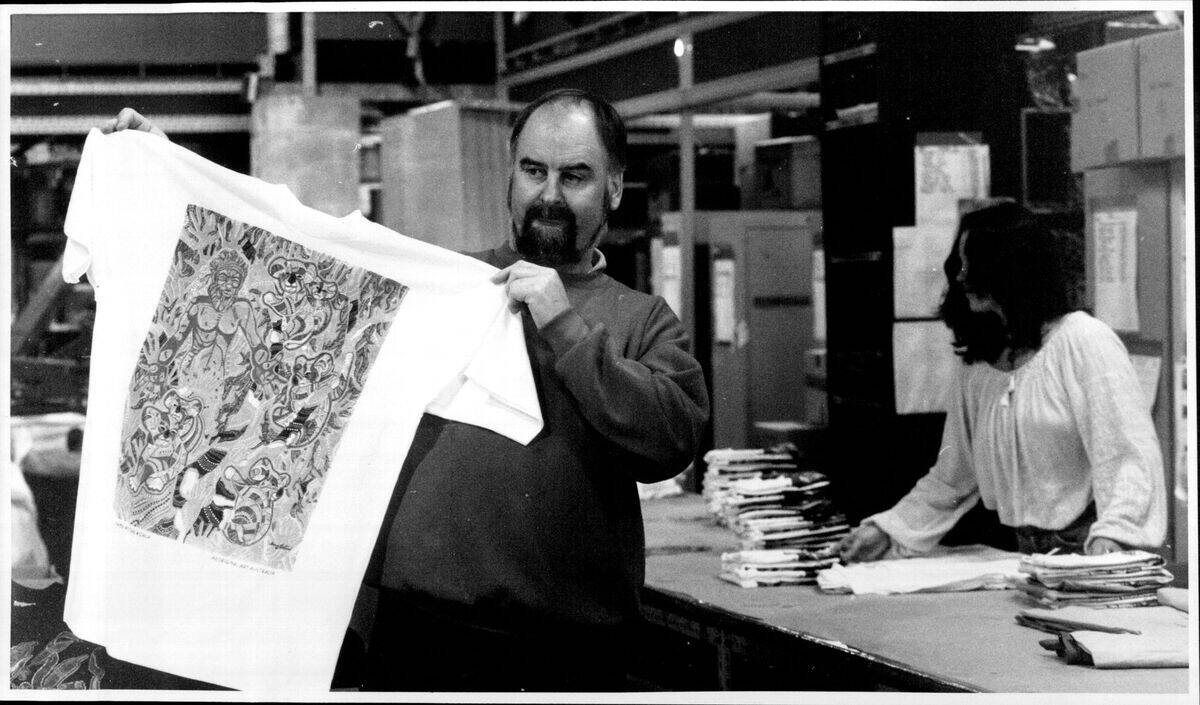
Over the decades, T-shirt fabrics and fits have evolved to meet changing consumer preferences. While traditional cotton remains popular, blends with materials like polyester and rayon offer enhanced comfort and durability.
Fits have also diversified, with options ranging from slim and tailored to oversized and relaxed. This evolution reflects the T-shirt’s adaptability, ensuring its continued relevance in the ever-changing landscape of fashion.
Designer T-Shirts: High Fashion Meets Casual Comfort

In recent years, designer T-shirts have bridged the gap between high fashion and casual wear. Luxury brands like Gucci and Balenciaga have embraced the T-shirt, incorporating it into their collections with innovative designs and premium materials.
These high-end tees often feature intricate graphics, embroidery, and embellishments, elevating the humble garment to a statement piece. Designer T-shirts exemplify the fusion of comfort and style, appealing to fashion-forward consumers.
The T-Shirt as a Marketing Tool: Logos and Branding

The T-shirt has long been a powerful marketing tool, with logos and branding playing a central role. Companies recognize the T-shirt’s potential to increase brand visibility and foster customer loyalty.
Iconic logos like Nike’s Swoosh and Coca-Cola’s script have graced T-shirts, turning wearers into walking advertisements. This strategy not only boosts brand recognition but also creates a sense of identity and belonging among consumers.
Customization and Personalization: The DIY T-Shirt Movement
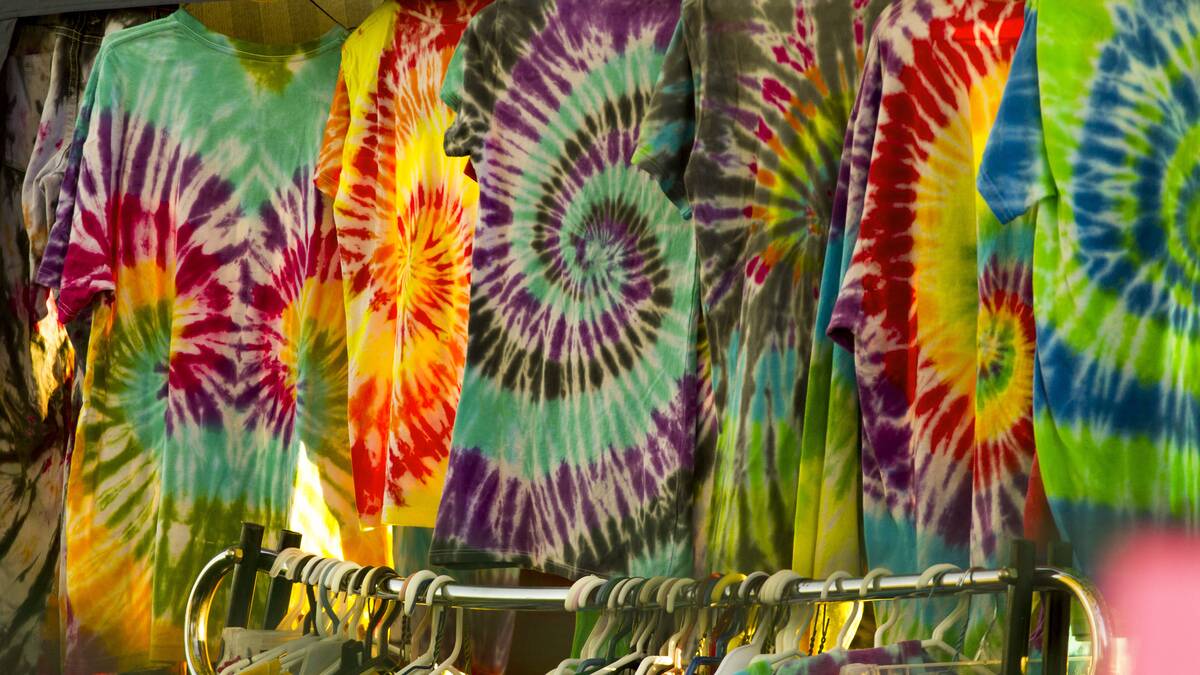
The DIY T-shirt movement has empowered individuals to customize and personalize their garments. With the rise of online platforms and accessible printing technologies, creating unique T-shirts has never been easier.
From tie-dye patterns to custom slogans, people can express their creativity and individuality through their clothing. This trend highlights the T-shirt’s versatility and its ability to serve as a blank canvas for personal expression.