Historical hoaxes that tricked the world

Trending Now
Throughout history, humans have been fascinated by the bizarre and the unbelievable. Hoaxes, especially historical ones, captivate our imagination because they blend the line between reality and fiction.
They often reveal more about human nature than the events themselves. Whether driven by curiosity, malice, or the sheer joy of trickery, these tales remind us that not everything is as it seems.
The Great Moon Hoax of 1835

In 1835, The Sun newspaper published a series of articles falsely claiming that astronomer Sir John Herschel had observed life on the Moon through a powerful telescope. The articles described fantastical creatures, including bat-like humanoids.
This hoax captivated the public, demonstrating the power of media in shaping perceptions. Though it was eventually debunked, the Great Moon Hoax remains a testament to the public’s willingness to believe the extraordinary.
Piltdown Man: The Fake Fossil That Fooled the World
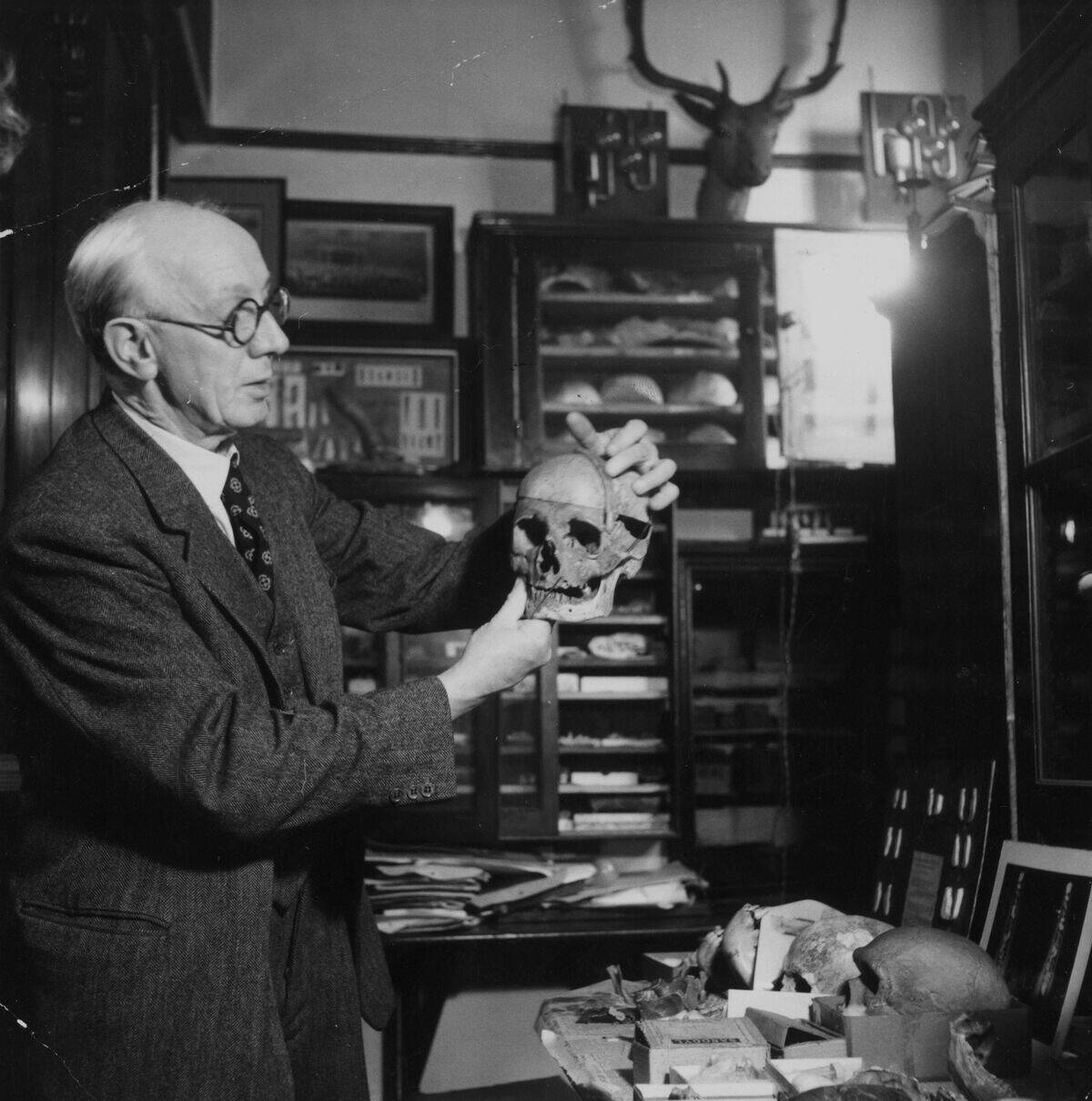
In 1912, amateur archaeologist Charles Dawson claimed to have found the ‘missing link’ between apes and humans in Piltdown, England. The Piltdown Man was hailed as a major discovery until it was exposed as a forgery in 1953.
The hoax involved a human skull and an orangutan jaw. This deception misled scientists for decades and highlighted the importance of skepticism in scientific research.
The Cardiff Giant: America’s Greatest Stone Man Prank
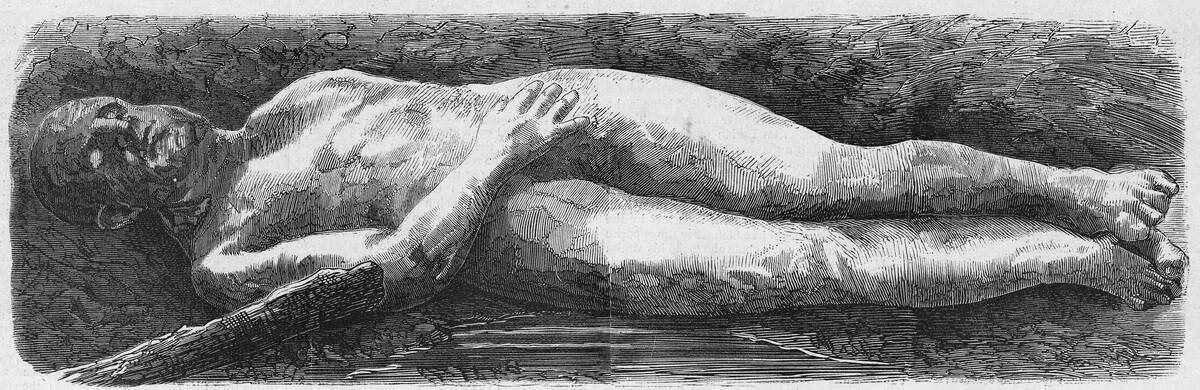
The Cardiff Giant was a 10-foot-tall stone figure unearthed in 1869 in New York. Created by George Hull, it was meant to mock religious beliefs about giants.
Despite being a known hoax, people flocked to see it, and it became a profitable attraction. The Cardiff Giant illustrates how easily people can be swayed by spectacle and the allure of the mysterious.
The Cottingley Fairies: When Photos Fooled the Public

In 1917, two young girls in England took photographs of what they claimed were fairies. The images gained widespread attention, even convincing Sir Arthur Conan Doyle of their authenticity.
It wasn’t until the 1980s that the photographs were admitted to be fakes, created using cutouts. The Cottingley Fairies story underscores the power of photography to deceive and the human desire to believe in the magical.
The Tasaday Tribe: The Lost Stone Age Tribe That Never Was

In the 1970s, the Tasaday tribe was presented as a “Stone Age” people living in isolation in the Philippines. The story captured global attention, but later investigations raised serious doubts about how isolated they were and whether aspects of their lifestyle had been exaggerated or staged.
The Tasaday controversy highlights how easily compelling narratives can be constructed and the impact of cultural romanticism on our understanding of indigenous peoples.
The Dreadnought Hoax: A Naval Prank of Titanic Proportions

In 1910, a group of pranksters led by Horace de Vere Cole, including writer Virginia Woolf, tricked the British Royal Navy into giving them a tour of HMS Dreadnought. Disguised as Abyssinian royalty, they were welcomed with full ceremonial honors and shown around the warship.
The hoax humorously mocked the British establishment and demonstrated how audacity and convincing disguises could make an elaborate prank succeed.
The Protocols of the Elders of Zion: A Hoax with Lasting Impact
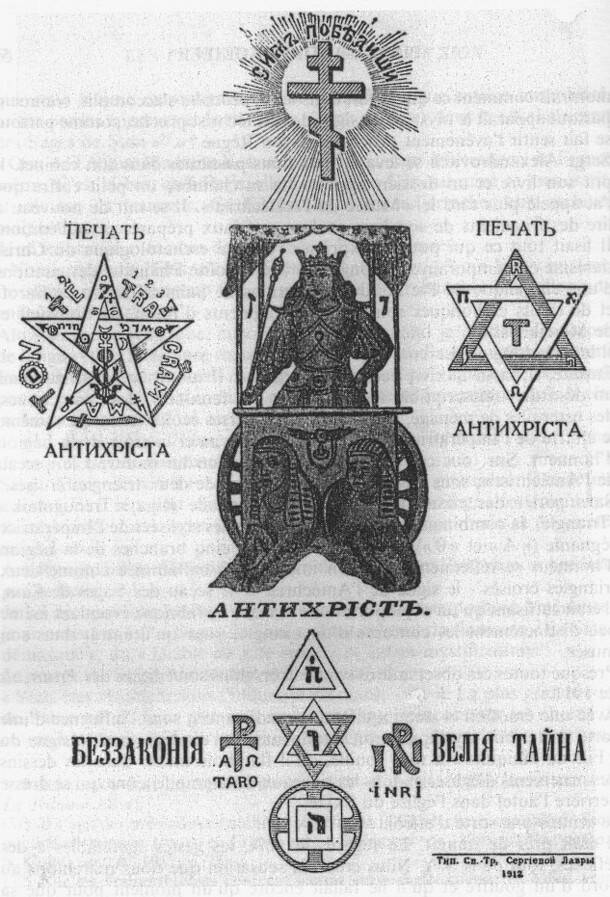
The Protocols of the Elders of Zion, first published in the early 20th century, falsely claimed to reveal a secret Jewish plan for world domination. Although it was exposed as a forgery, the document fueled antisemitic sentiment and has been repeatedly used as propaganda.
Its history demonstrates the dangerous influence of fabricated documents and the enduring impact of conspiracy theories on public opinion and historical narratives.
The War of the Worlds Broadcast: When Fiction Became Reality

In 1938, Orson Welles’s radio adaptation of H.G. Wells’s The War of the Worlds convinced some listeners that an alien invasion was underway. Its realistic news-bulletin format and the fact that some people tuned in after the introduction contributed to the confusion.
Although later research found that reports of widespread panic were exaggerated, the broadcast became a landmark example of media’s influence on public perception and the fine line between entertainment and reality.
The Hitler Diaries: The Forgery That Shocked the World
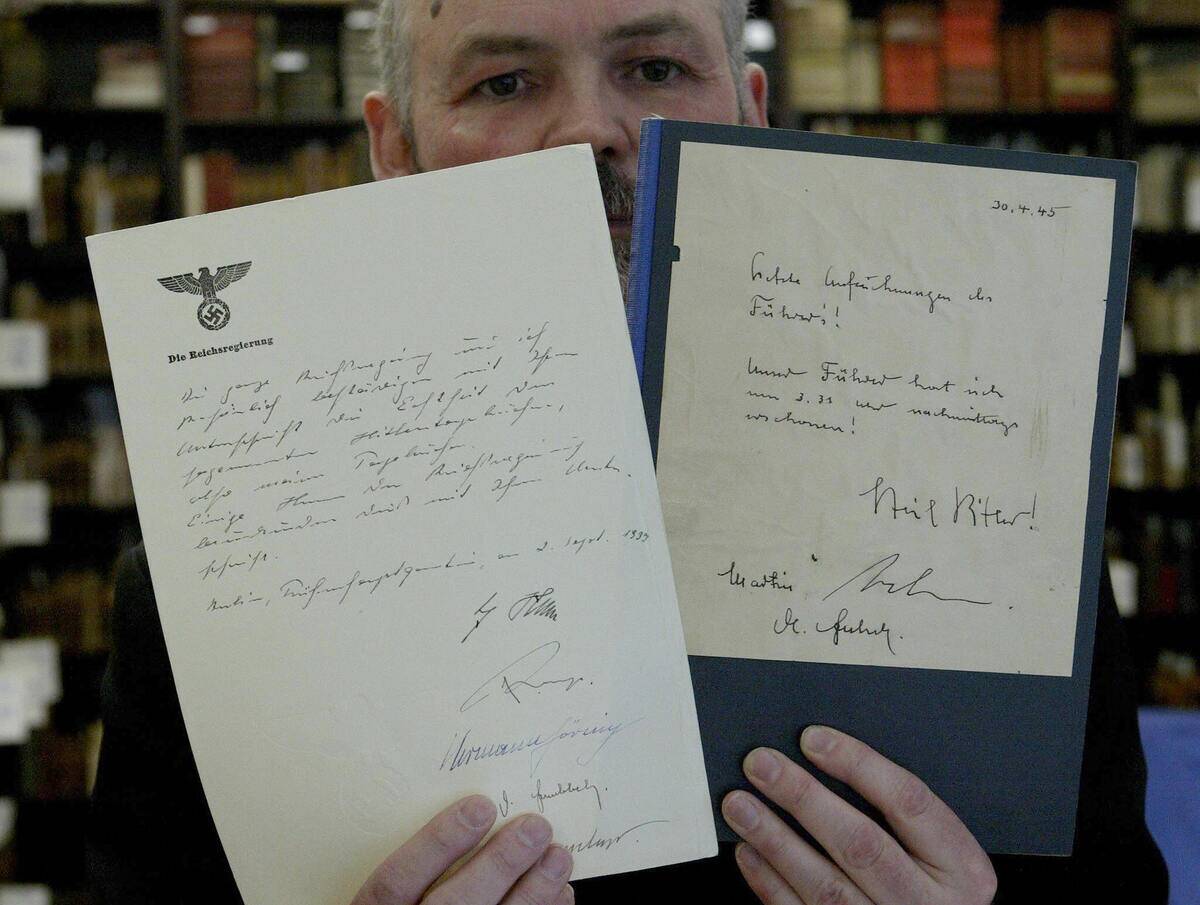
In 1983, the German magazine Stern announced the discovery of Adolf Hitler’s diaries. The world was captivated until forensic analysis revealed them to be forgeries.
The scandal tarnished reputations and underscored the importance of verifying historical documents. The Hitler Diaries incident serves as a reminder of the potential for deception in the pursuit of sensational stories.
The Loch Ness Monster: A Legendary Hoax or Mythical Creature?
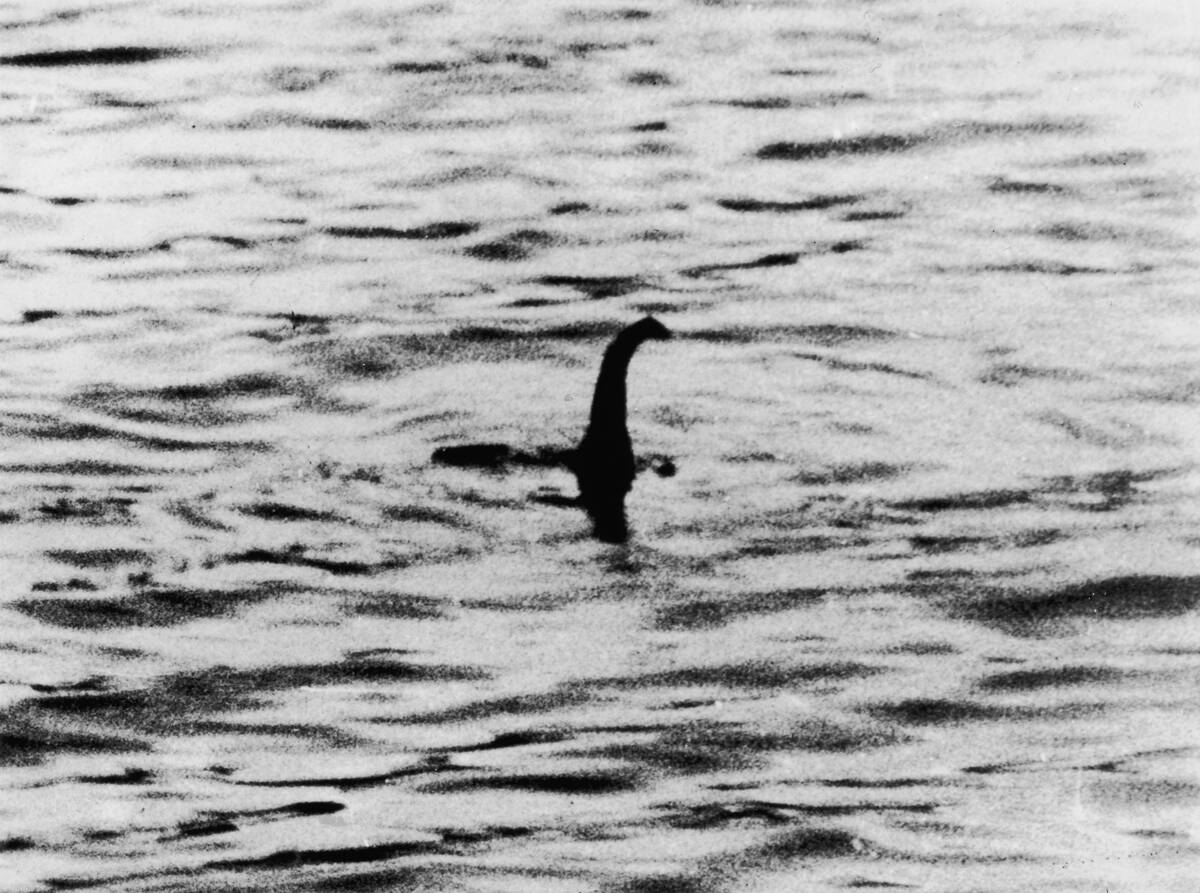
The Loch Ness Monster, affectionately known as “Nessie,” has been a subject of fascination since the 1930s. Numerous sightings and photographs have been reported, with some famous examples later revealed to be hoaxes or misinterpretations.
Despite the lack of scientific evidence confirming Nessie’s existence, the legend persists, drawing tourists and enthusiasts to Scotland. Nessie’s tale illustrates the enduring appeal of mysteries and the human desire to believe in the unknown.
The Feejee Mermaid: P.T. Barnum’s Bizarre Attraction

In the 1840s, showman P.T. Barnum exhibited the Feejee Mermaid, a creature purportedly part fish, part monkey. It was later revealed to be a taxidermy creation.
Despite its dubious authenticity, the mermaid attracted large crowds, showcasing Barnum’s skill in marketing and the public’s appetite for the bizarre. This hoax is a classic example of how curiosity and spectacle can drive public interest.
The Spaghetti Tree Hoax: A Deliciously Deceptive Broadcast

On April 1, 1957, the BBC aired a segment showing Swiss farmers harvesting spaghetti from trees. The humorous report fooled some viewers, with many calling the BBC to ask how they could grow their own spaghetti.
The Spaghetti Tree Hoax became a famous example of the power of authoritative media presentation and the public’s willingness to believe unusual claims. It remains one of the most memorable April Fool’s pranks in broadcasting history.
The Turk: The Chess-Playing Automaton That Wasn’t
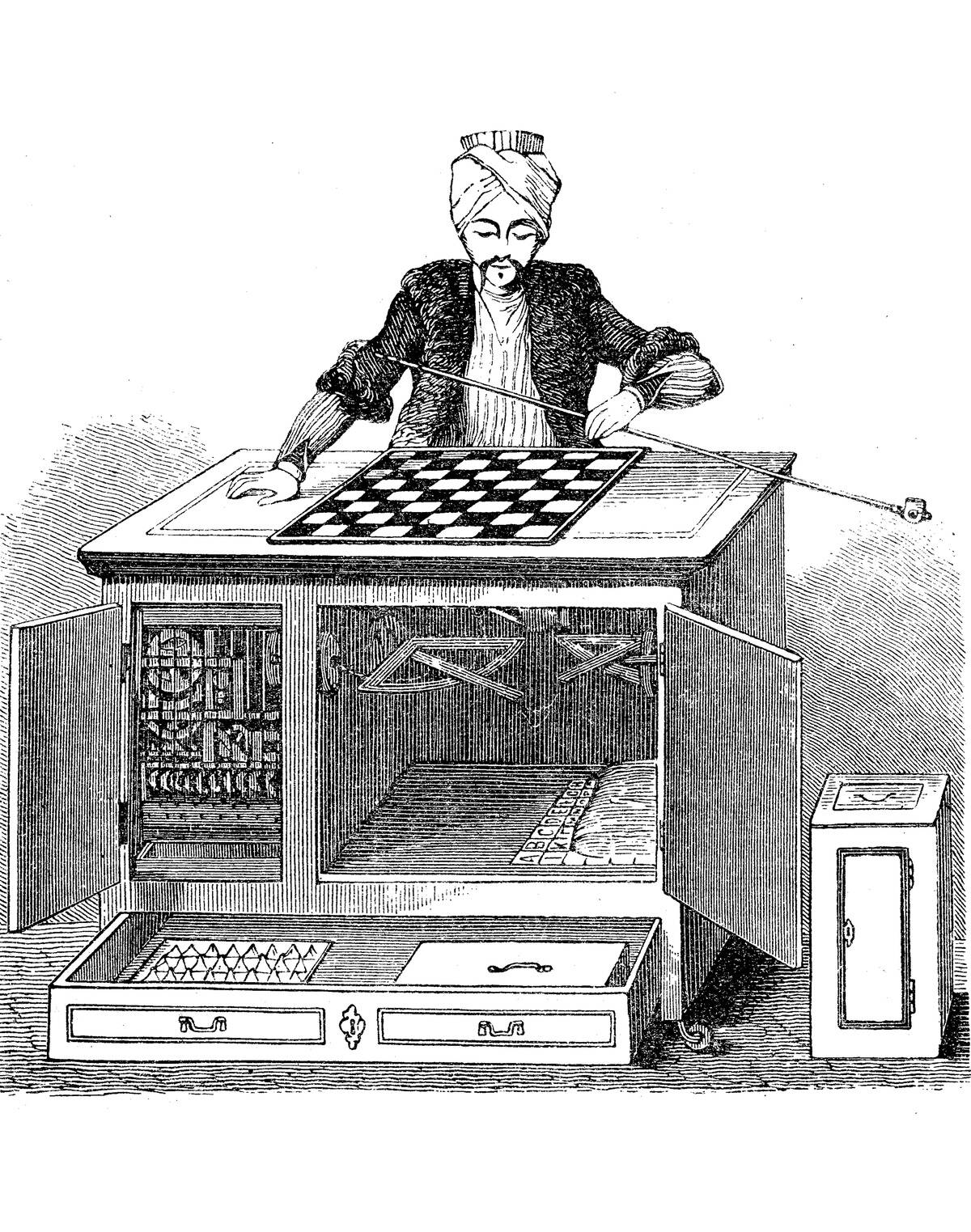
In the late 18th century, The Turk was presented as a mechanical chess-playing machine capable of defeating skilled opponents. It played against many notable figures, including Napoleon Bonaparte and Benjamin Franklin, but it was later revealed that a human chess master was hidden inside and operating the machine.
The Turk became one of history’s most famous technological illusions, highlighting the fascination with automatons and the lengths people would go to create the appearance of a mechanical marvel.
The Lying Stones of Dr. Beringer: A Cautionary Tale of Academic Fraud
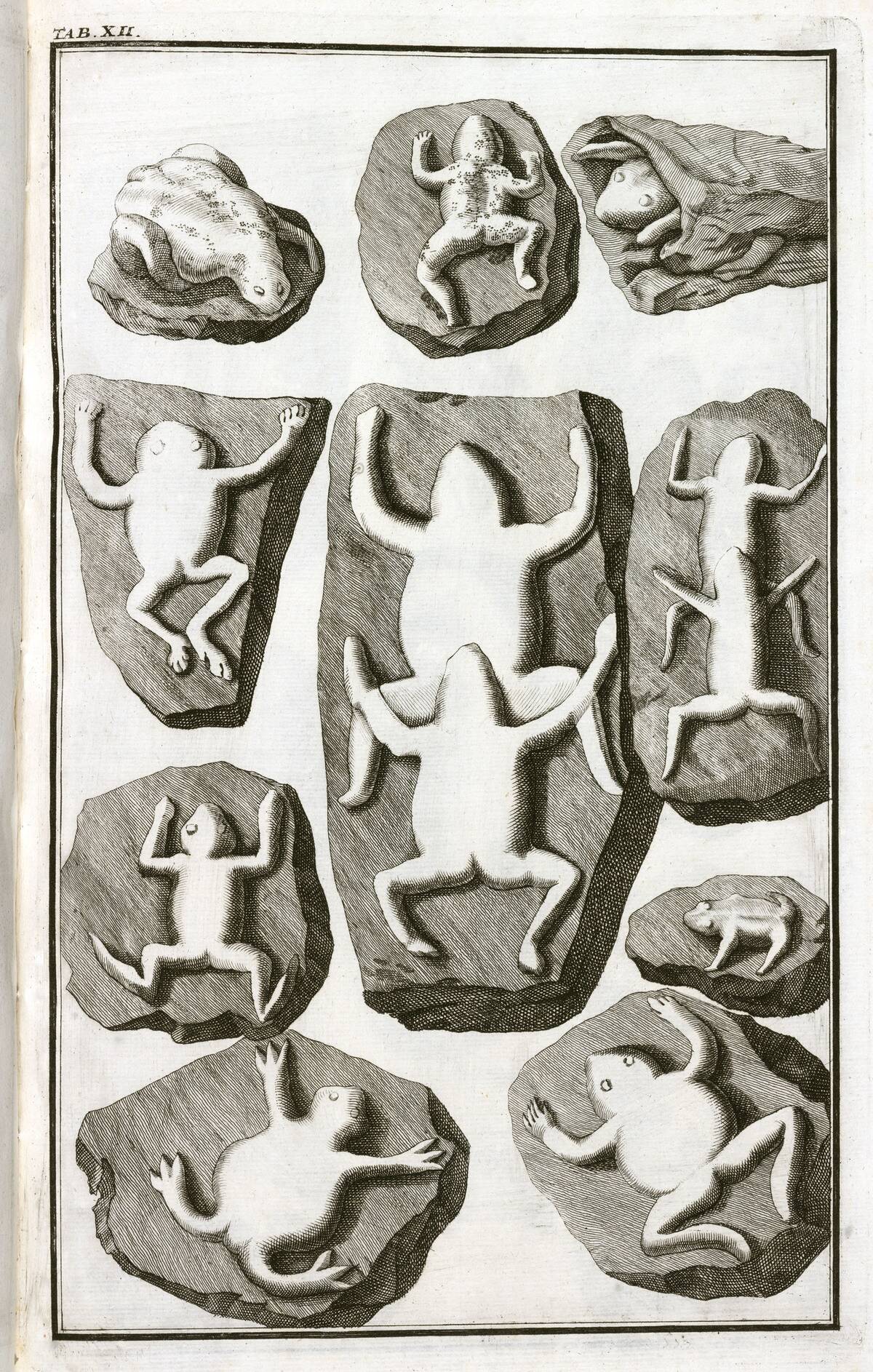
In the early 18th century, Johann Beringer, a German professor, was deceived by colleagues who planted fabricated stones that appeared to be fossils with unusual markings and biblical references.
Believing them to be genuine discoveries, Beringer published his findings before the hoax was exposed. The incident, which was likely motivated by academic rivalry, became a cautionary tale about the importance of critical scrutiny and careful verification in scientific research.
The Sokal Affair: A Hoax on the Academic World

In 1996, physicist Alan Sokal submitted a deliberately nonsensical paper to the cultural studies journal Social Text, where it was accepted and published. The Sokal Affair sparked debate about academic standards, peer review, and the evaluation of scholarly work across disciplines.
The hoax highlighted the importance of critical evaluation and careful reasoning in academic discourse, while also raising broader questions about the relationship between scientific evidence, interpretation, and ideology.