Ancient cities rediscovered by explorers

Trending Now
Lost cities have always captured the imagination of explorers and historians alike. These ancient metropolises, hidden beneath layers of earth and time, offer a glimpse into the lives of civilizations long gone.
Whether buried by natural disasters or abandoned due to mysterious circumstances, each lost city holds secrets waiting to be uncovered. As we delve into their stories, we find a blend of history, mythology, and the allure of the unknown.
Pompeii: The City Frozen in Time
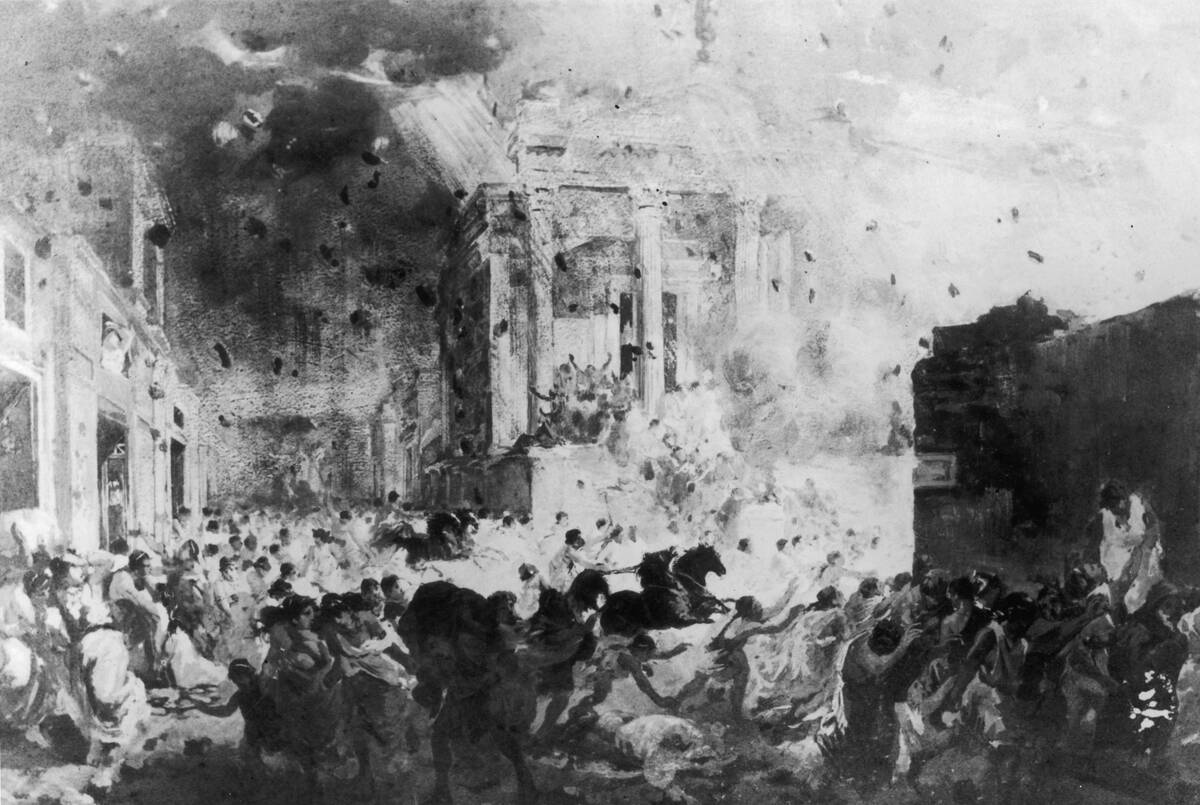
Pompeii, buried under volcanic ash from Mount Vesuvius in 79 AD, offers a unique snapshot of Roman life. The city’s sudden burial preserved buildings, artifacts, and even the people themselves, frozen in their final moments.
Excavations have revealed intricate frescoes, mosaics, and everyday items, providing insight into the daily lives of its inhabitants. This tragic event has become a window into the past, allowing us to explore ancient Roman culture in vivid detail.
Machu Picchu: The Lost City of the Incas

Nestled high in the Andes Mountains, Machu Picchu was rediscovered by Hiram Bingham in 1911. This Incan city is renowned for its sophisticated dry-stone construction and panoramic views.
Scholars believe it was a royal estate or religious retreat, though its exact purpose remains debated. The site, with its terraced fields and intricate stonework, showcases the ingenuity of the Inca civilization and continues to be a testament to their architectural prowess.
Petra: The Rose City of the Desert
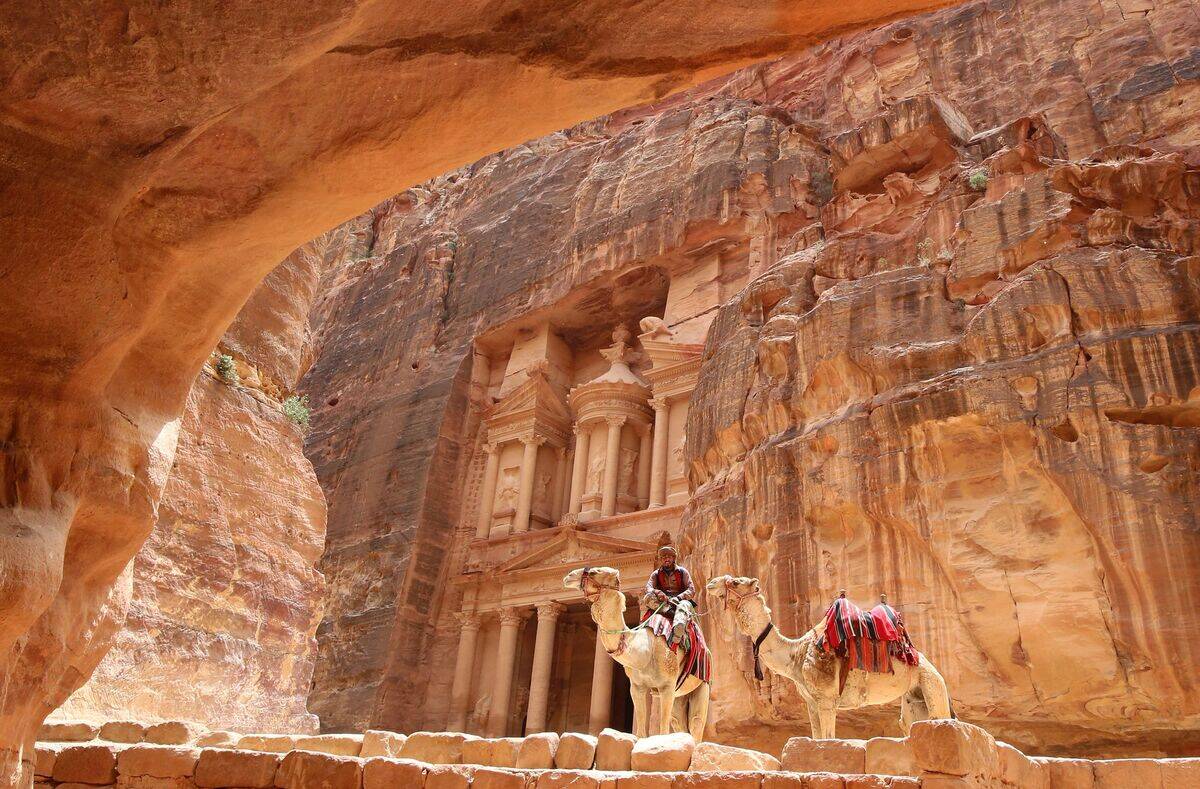
Petra, carved into the rose-red cliffs of southern Jordan, was once a thriving trade hub of the Nabataean kingdom. Rediscovered in 1812 by Swiss explorer Johann Ludwig Burckhardt, Petra is famed for its rock-cut architecture and water conduit system.
The iconic Treasury, or Al-Khazneh, greets visitors with its grand façade, while the city’s extensive ruins reveal a complex society adept at engineering and commerce. Petra’s beauty and history continue to captivate travelers worldwide.
Angkor Wat: The Hidden Temple Complex

Angkor Wat, the largest religious monument in the world, was originally constructed as a Hindu temple dedicated to Vishnu. Located in Cambodia, it later transformed into a Buddhist site, reflecting the region’s shifting religious landscape.
Built in the early 12th century by King Suryavarman II, the temple complex is renowned for its intricate bas-reliefs and massive scale. Its rediscovery in the 19th century sparked global interest, leading to extensive restoration efforts and a deeper understanding of Khmer architecture.
Troy: Myth and Reality Intertwined

The ancient city of Troy, immortalized in Homer’s “Iliad,” was long thought to be a mere legend. However, in the 1870s, archaeologist Heinrich Schliemann unearthed its ruins in modern-day Turkey. The discovery confirmed that Troy was a real city, though its connection to the Trojan War remains debated.
Excavations have revealed multiple layers of settlement, indicating a city that was rebuilt numerous times. Troy’s blend of myth and reality continues to fascinate historians and literature enthusiasts alike.
Babylon: The Legendary City of Wonders

Babylon, once the heart of the Mesopotamian empire, is famed for its Hanging Gardens, one of the Seven Wonders of the Ancient World. Though the gardens’ existence remains speculative, Babylon’s grandeur is well-documented through its impressive walls and the Ishtar Gate.
King Nebuchadnezzar II’s reign marked the city’s zenith, with advancements in architecture and culture. Today, Babylon’s ruins, located in modern-day Iraq, offer a glimpse into a civilization that was a beacon of ancient innovation.
Tikal: The Mayan Marvel in the Jungle

Tikal, hidden deep within the Guatemalan rainforest, was one of the most powerful Mayan city-states. Its towering pyramids and sprawling plazas are testaments to the Mayans’ architectural and astronomical prowess.
At its peak, Tikal was home to tens of thousands of people and served as a vital cultural and political center. Rediscovered in the 19th century, Tikal’s ruins have provided invaluable insights into Mayan civilization, from their intricate calendar systems to their complex societal structures.
Knossos: The Minoan Palace Rediscovered
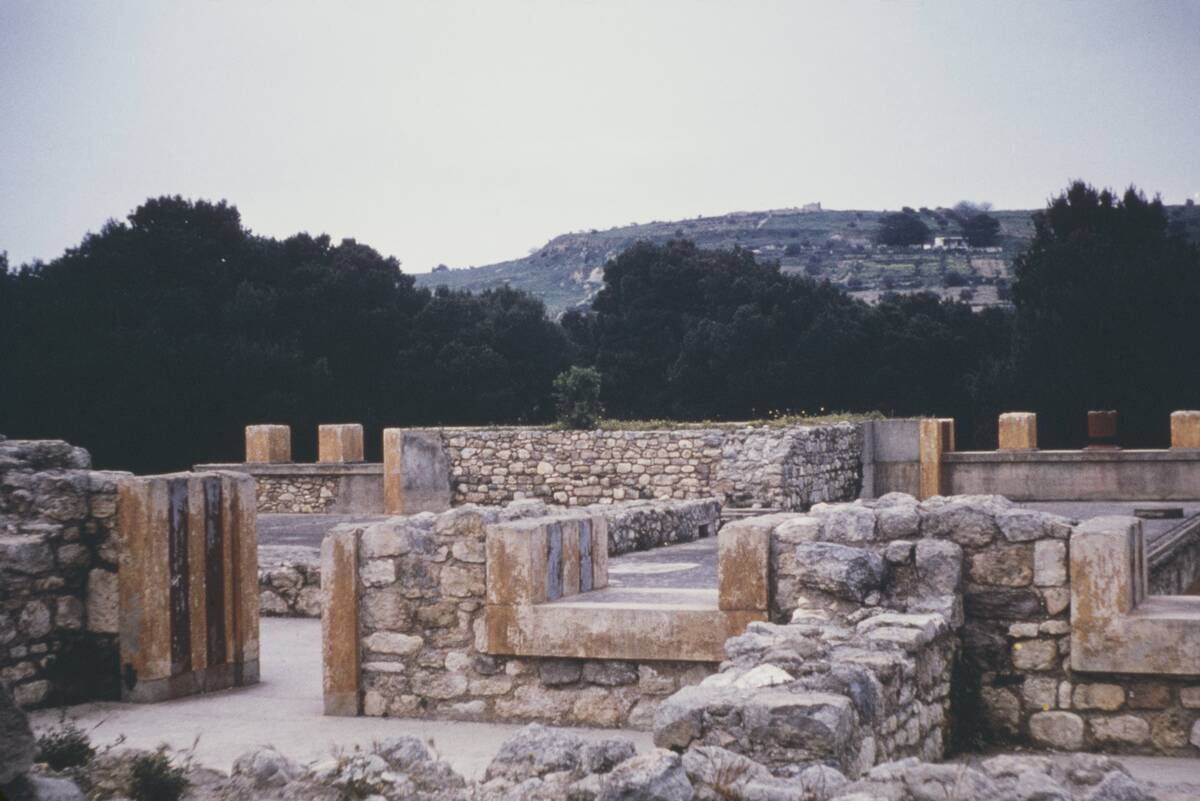
Knossos, located on the island of Crete, is the largest Bronze Age archaeological site in Europe. Excavated by Sir Arthur Evans in the early 20th century, the site is believed to be the ceremonial and political center of the Minoan civilization.
The palace complex, with its labyrinthine layout and vibrant frescoes, has been linked to the myth of the Minotaur. Knossos offers a glimpse into a sophisticated society known for its art, trade, and early writing systems.
Mohenjo-Daro: The Indus Valley Enigma

Mohenjo-Daro, one of the largest settlements of the ancient Indus Valley Civilization, remains shrouded in mystery. Discovered in the 1920s in present-day Pakistan, the city’s advanced urban planning and drainage systems are remarkable.
Despite its size and complexity, much about the civilization’s language and culture remains unknown. The lack of deciphered written records adds to the enigma, leaving historians to piece together Mohenjo-Daro’s story through its ruins and artifacts.
Herculaneum: Pompeii’s Lesser-Known Neighbor

Herculaneum, like Pompeii, was buried under the ash of Mount Vesuvius in 79 AD. However, it remained better preserved due to the manner of its burial, with many wooden structures and even food items surviving.
The city’s excavation has revealed luxurious villas adorned with intricate mosaics and frescoes, offering a glimpse into the opulent lifestyles of its residents. Though less famous than Pompeii, Herculaneum provides equally valuable insights into Roman life and society.
El Mirador: The Cradle of Maya Civilization

El Mirador, located in the dense jungles of northern Guatemala, is one of the earliest and largest Mayan cities. Known for its monumental architecture, the site includes the massive La Danta pyramid, one of the largest pyramids by volume in the world.
El Mirador’s discovery in the 1920s and subsequent excavations have shed light on the Preclassic Maya period, revealing a complex society with advanced agricultural and architectural practices long before the more famous Classic Maya cities.
Çatalhöyük: The Ancient Settlement of Anatolia

Çatalhöyük, located in modern-day Turkey, is one of the oldest known cities, dating back to around 7500 BC. This Neolithic settlement is remarkable for its densely packed houses and lack of streets, with residents moving across rooftops.
Excavations have uncovered intricate wall paintings and figurines, suggesting a rich cultural and spiritual life. Çatalhöyük provides a unique glimpse into early urban life and the development of human societies during the transition from hunting and gathering to agriculture.