Natural wonders that still puzzle scientists

Trending Now
Nature, in all its splendor, never ceases to amaze us with its myriad mysteries. From the depths of the oceans to the heights of the mountains, the Earth is a canvas of enigmatic phenomena that challenge our understanding.
These natural wonders not only captivate our imagination but also remind us of the vastness and complexity of the world we inhabit.
The Ever-Changing Patterns of the Sailing Stones in Death Valley
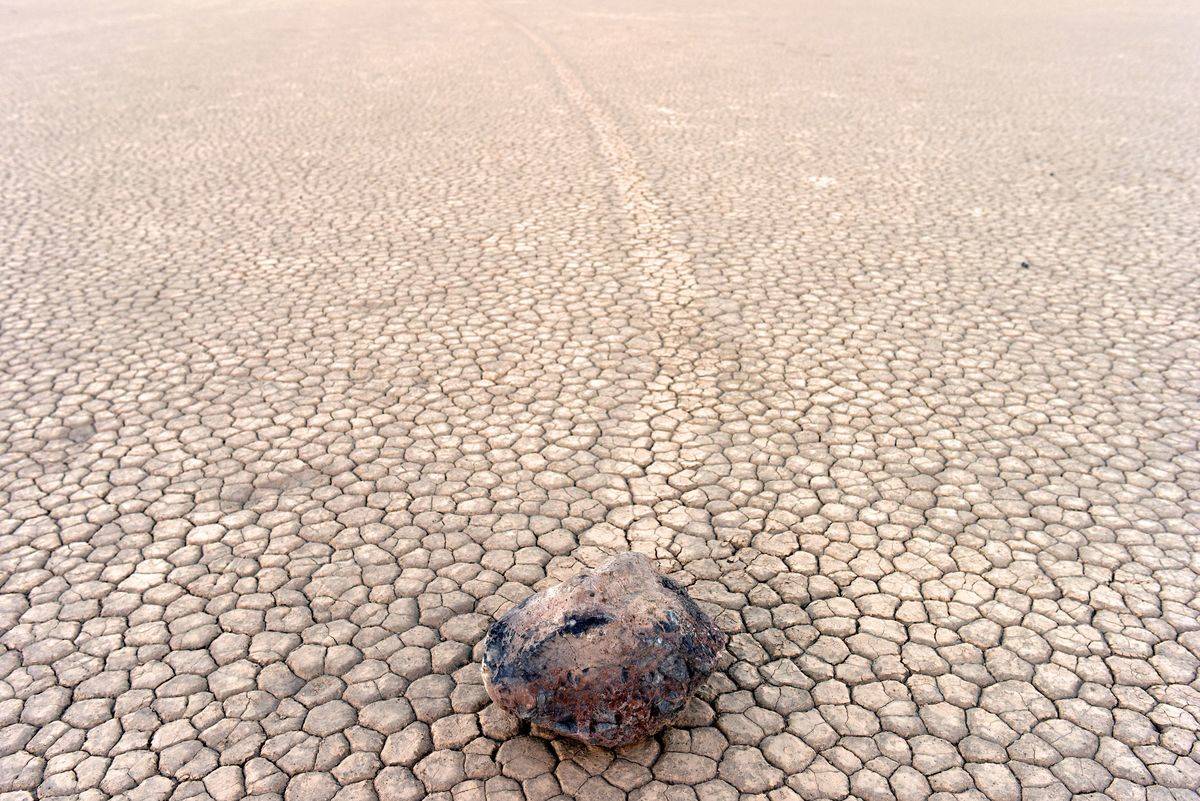
In the heart of California’s Death Valley, the sailing stones of Racetrack Playa have puzzled scientists for decades. These rocks, some weighing up to 700 pounds, mysteriously move across the flat desert landscape, leaving long trails behind them.
Researchers have since shown that thin sheets of ice, shallow water, and light winds work together to move the rocks under rare conditions. The sight of these stones seemingly gliding across the desert floor is a testament to nature’s ability to surprise us.
The Unsolved Mystery of the Blood Falls in Antarctica
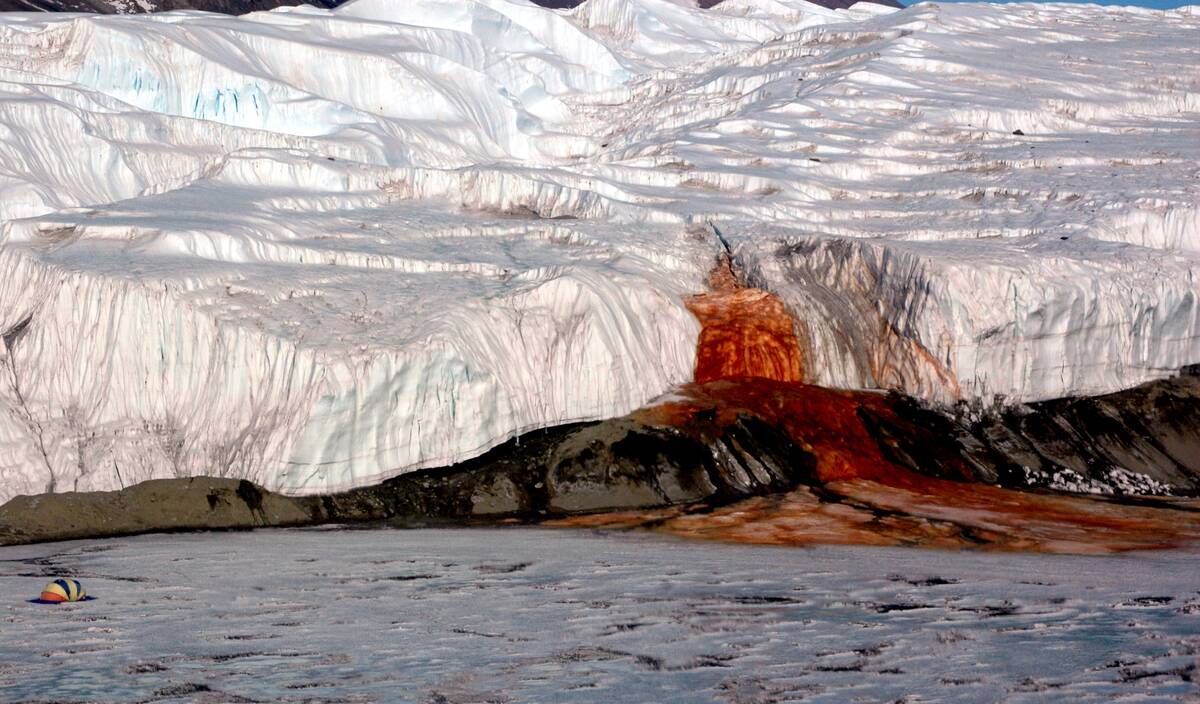
Antarctica, a land of ice and snow, is home to the eerie Blood Falls. This crimson cascade flows from the Taylor Glacier, staining the surrounding ice with a deep red hue. The color is due to iron-rich brine oxidizing upon contact with air, and the water originates from a subglacial reservoir that has been isolated for more than a million years.
Despite this explanation, the source of the iron and the ancient microbes thriving in the subglacial brine beneath the glacier continue to intrigue scientists.
The Baffling Hum of the Taos Hum
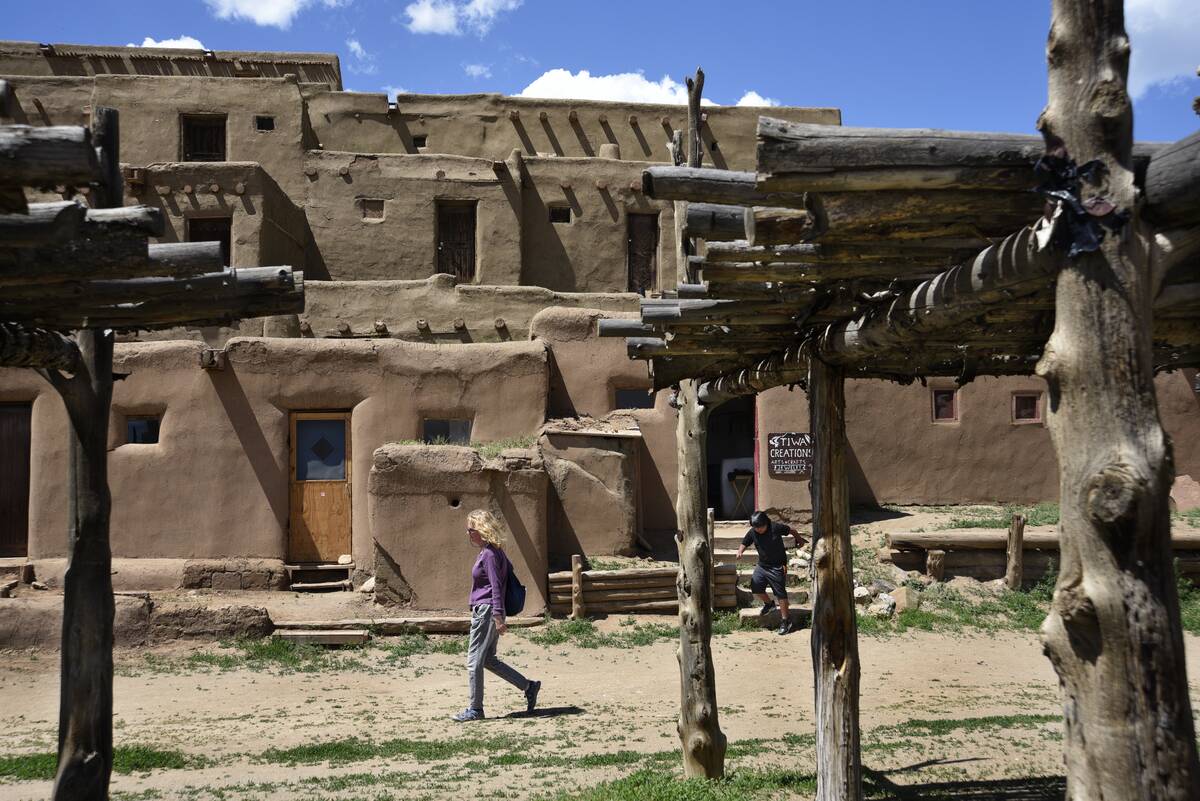
In the small town of Taos, New Mexico, some residents have reported hearing a persistent low-frequency hum for decades. This phenomenon, known as the Taos Hum, is described as a faint droning or rumbling sound that only a small percentage of people can hear.
Despite numerous investigations, no confirmed source has been identified. Researchers have explored possible explanations, including industrial equipment, infrastructure, and natural sources, while other more unconventional theories remain unproven.
The Puzzle of the Fairy Circles in the Namib Desert

Scattered across the Namib Desert are thousands of circular patches of barren land known as fairy circles. These enigmatic formations, ranging from about 6 to 40 feet in diameter, have inspired several scientific explanations.
Some researchers suggest that termites help create the circles by removing vegetation, while others believe they result from plants competing for limited water resources. Recent studies indicate that different factors may contribute to their formation, making fairy circles a fascinating example of complex desert ecosystems.
The Mysterious Moeraki Boulders in New Zealand

Along the coast of New Zealand’s South Island, the Moeraki Boulders lie scattered like giant marbles on the beach. These spherical stones, some up to 7 feet in diameter, formed over millions of years through a process called concretion.
Local Maori legends speak of the boulders as the remains of eel baskets from a mythical canoe. While science explains their formation, the boulders’ perfect roundness and size continue to captivate visitors.
The Enigmatic Glow of the Bioluminescent Bays
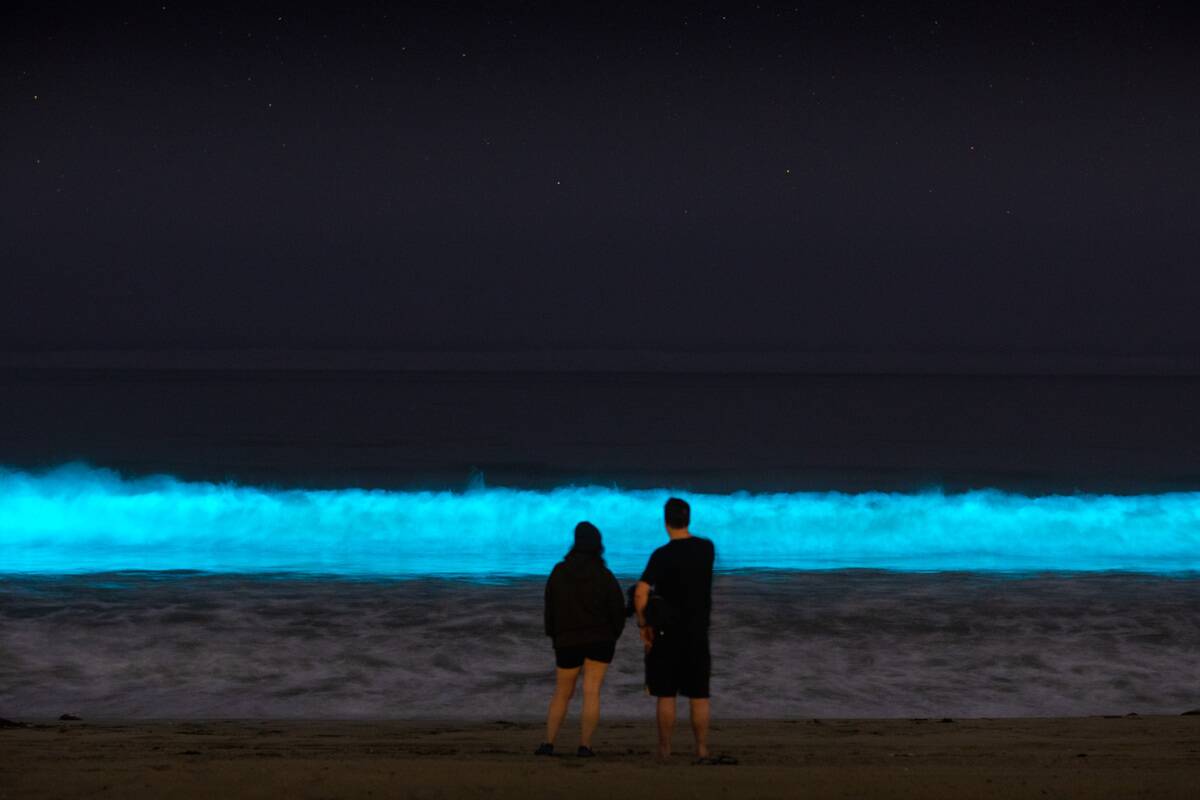
In certain coastal areas around the world, the sea glows with an otherworldly light, a phenomenon known as bioluminescence. This magical glow is caused by microscopic organisms called dinoflagellates, which emit light when agitated.
Famous bioluminescent bays, such as Mosquito Bay in Puerto Rico, offer a mesmerizing spectacle as the water lights up with every splash. This natural wonder not only dazzles the eyes but also highlights the delicate balance of marine ecosystems.
The Unfathomable Depths of the Mariana Trench
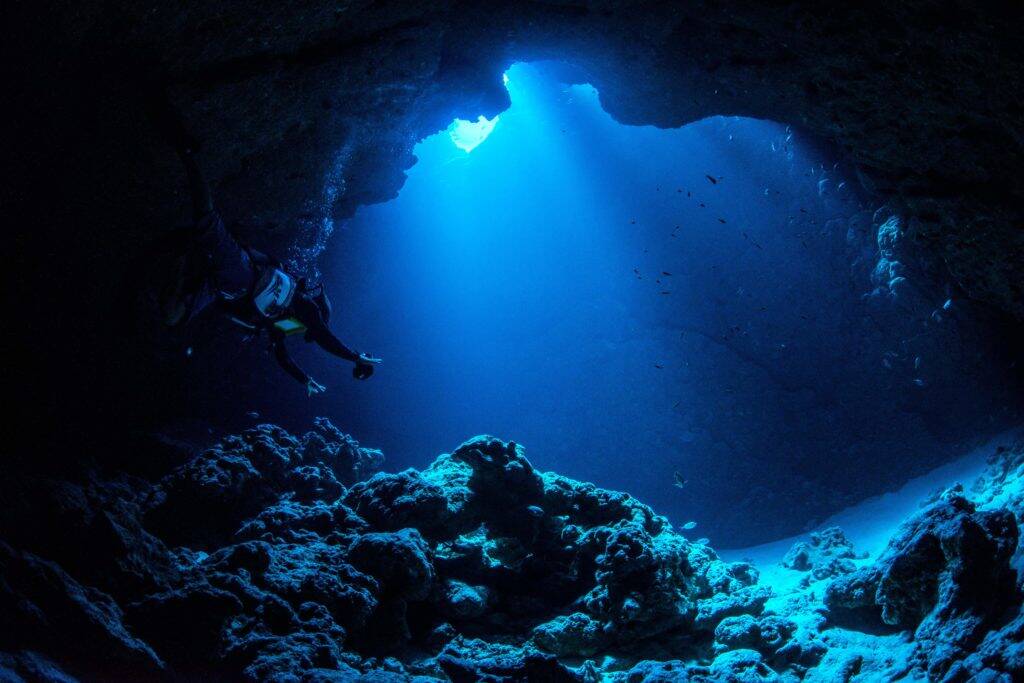
The Mariana Trench, located in the western Pacific Ocean, is the deepest known part of the world’s oceans. Its Challenger Deep section plunges nearly 36,000 feet below sea level, a depth that remains largely unexplored.
Despite the extreme conditions, life exists in the trench, including hadal snailfish, microbes, and deep-sea organisms such as xenophyophores. The trench’s inaccessibility and the unique life forms it harbors continue to intrigue scientists and explorers alike.
The Strange Singing Sand Dunes of the World

In deserts around the world, certain sand dunes produce a mysterious humming or booming sound when disturbed. Known as singing sand dunes, this acoustic phenomenon occurs when dry sand grains with specific properties move together and create synchronized vibrations.
The sound can range from a gentle hum to a deep roar, depending on the dune and the conditions of the sand movement. While scientists understand the basic mechanism behind the sounds, the unique qualities that allow only certain dunes to “sing” continue to fascinate researchers and visitors alike.
The Intriguing Formation of the Giant’s Causeway

The Giant’s Causeway, located on the coast of Northern Ireland, is a natural wonder composed of about 40,000 interlocking basalt columns. These hexagonal stones were formed around 60 million years ago by volcanic activity.
As the lava cooled, it contracted and cracked into the distinctive shapes we see today. According to legend, the causeway was built by the giant Finn McCool as a path to Scotland, adding a mythical dimension to this geological marvel.
The Unraveling Mystery of the Bermuda Triangle
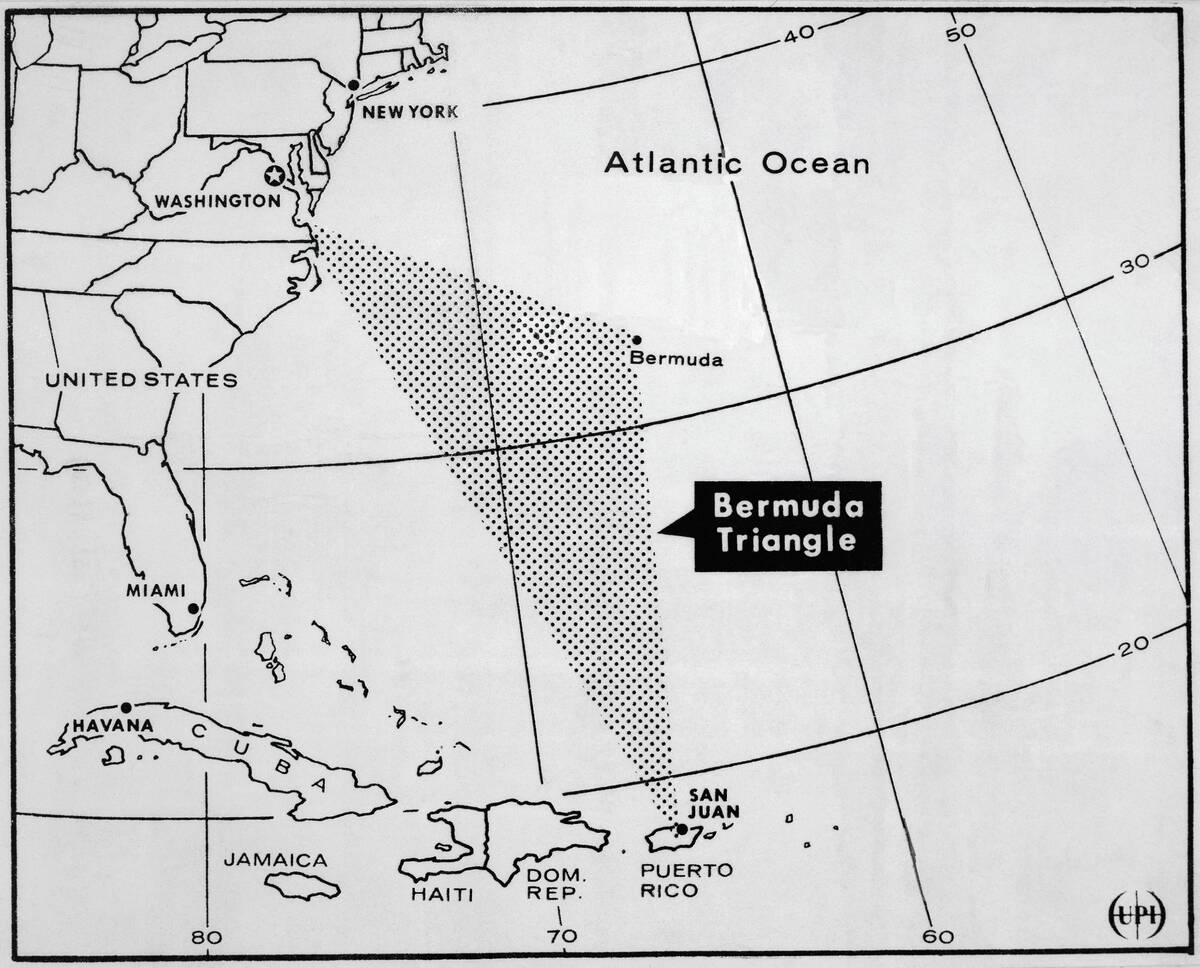
The Bermuda Triangle, a loosely defined area in the North Atlantic Ocean, has long been associated with mysterious disappearances of ships and aircraft. While popular theories have suggested supernatural causes, researchers have pointed to more common explanations, including severe weather, human error, mechanical failures, and ocean conditions.
Although the region remains a subject of fascination, there is no evidence that it has unusual properties that make disappearances more likely than in other heavily traveled areas. Its enigmatic reputation continues to capture the public’s imagination.
The Curious Case of the Petrifying Well in Knaresborough

In Knaresborough, England, the Petrifying Well is a unique natural attraction where objects left in its waters gradually turn to stone. This process, known as calcification, occurs as the well’s mineral-rich waters deposit layers of calcite on the submerged items.
Local folklore once attributed this phenomenon to witchcraft, but today it is understood as a fascinating geological process. Visitors can witness everyday objects transformed into stone curiosities, adding to the well’s allure.
The Enigmatic Phenomenon of the Northern Lights
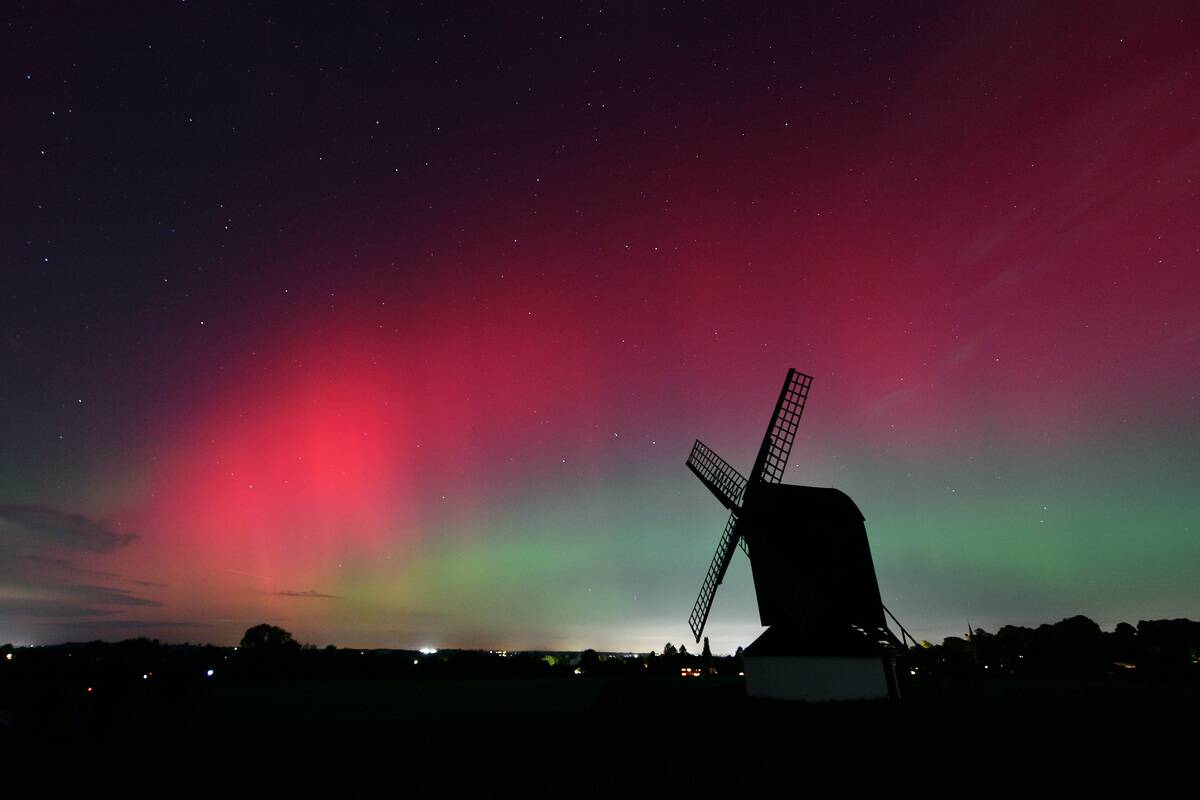
The Northern Lights, or Aurora Borealis, are a breathtaking display of natural light that illuminates the polar skies. This phenomenon occurs when charged particles from the sun collide with Earth’s atmosphere, creating vibrant colors that dance across the sky.
While the science behind the auroras is well understood, their unpredictable nature and stunning beauty continue to captivate observers. The Northern Lights are a reminder of the dynamic interactions between our planet and the cosmos.
The Unsolved Puzzle of the Devil’s Kettle Waterfall

At Minnesota’s Judge C.R. Magney State Park, the Devil’s Kettle Waterfall was once considered a hydrological mystery. The Brule River splits into two streams, with one side flowing normally and the other plunging into a pothole-like formation known as the Devil’s Kettle.
For years, experiments including dye tests failed to reveal the water’s path, leading to speculation about where it disappeared. Later studies confirmed that the water eventually rejoins the Brule River downstream, although the unusual formation continues to fascinate visitors.
The Enchanting and Puzzling Stone Forest of Madagascar
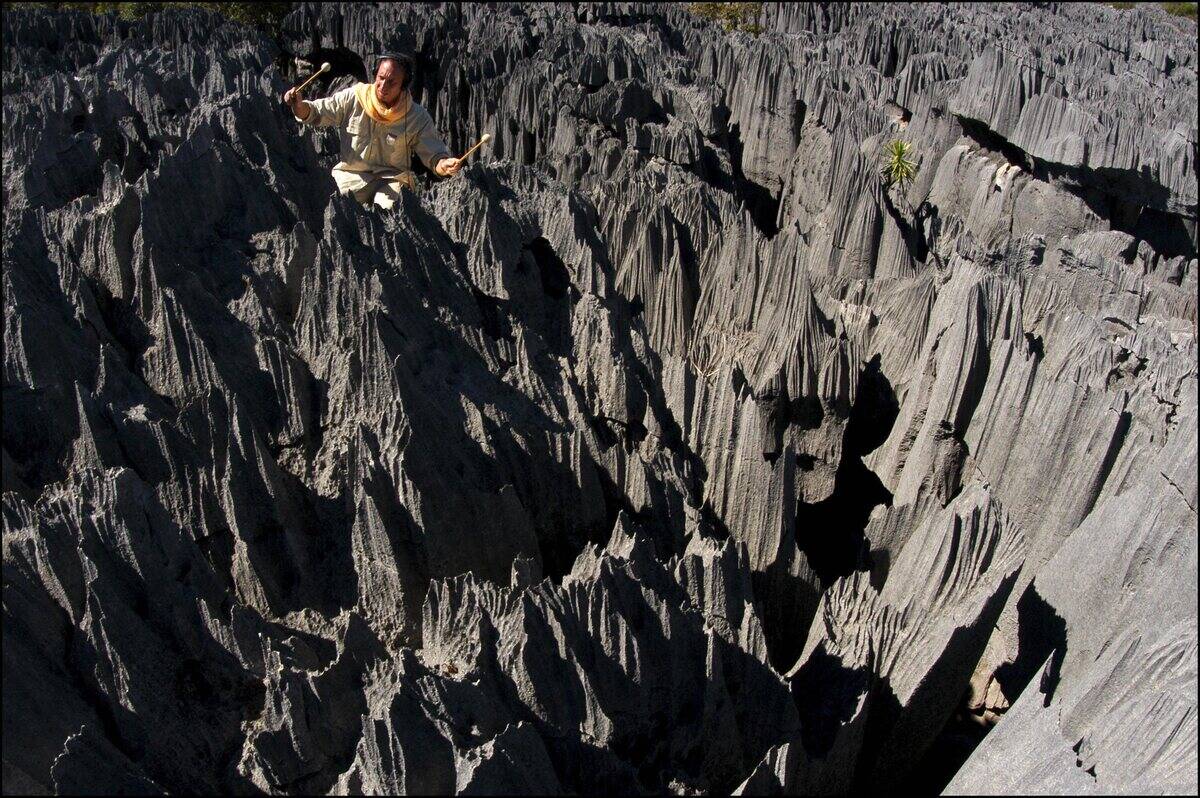
The Tsingy de Bemaraha in Madagascar is a stone forest like no other, with sharp limestone pinnacles reaching skyward. This UNESCO World Heritage Site was formed by the erosion of limestone over millions of years, creating a labyrinth of jagged formations.
The Tsingy is home to unique flora and fauna, many of which are found nowhere else on Earth. Navigating this natural maze is both a challenge and a wonder, offering a glimpse into the island’s geological history.