The strangest survival strategies in nature

Trending Now
Nature never ceases to amaze us with its array of survival strategies. From the tiniest insects to the largest mammals, every creature has its own unique way of staying alive.
These tactics can be as dramatic as a Hollywood blockbuster or as subtle as a magician’s sleight of hand. Let’s dive into the fascinating world of nature’s quirky survival techniques and discover how these incredible creatures manage to thrive in the wild.
The Art of Playing Dead: Nature’s Oscar-Winning Performers

Playing dead, or thanatosis, is a survival tactic used by various animals to help avoid predators. The Virginia opossum is one of the most famous examples, becoming limp and sometimes releasing a foul odor when threatened to make itself less appealing to attackers.
Some snakes, such as hognose snakes, use an even more dramatic version of this defense by flipping onto their backs, opening their mouths, and letting their tongues hang out. This behavior can fool some predators into losing interest, giving the animal a better chance of survival.
The Disappearing Act: Camouflage Masters in the Wild
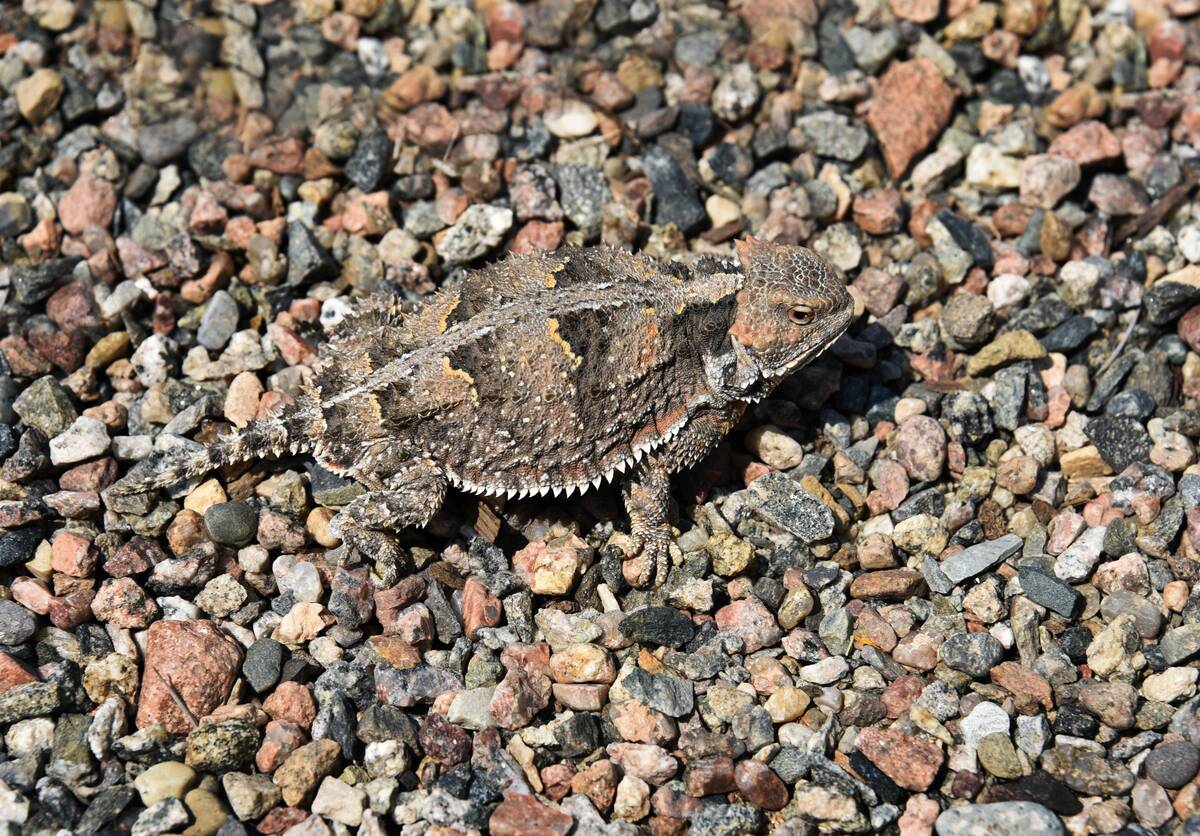
Camouflage is a common survival strategy that helps animals blend into their surroundings and avoid detection. Stick insects are masters of disguise, using their body shape and coloring to mimic twigs and branches.
Similarly, leaf-tailed geckos can blend into tree bark and vegetation thanks to their leaf-like tails, flattened bodies, and mottled skin patterns. These adaptations make them harder for predators to detect and provide an important advantage for survival in the wild.
Mimicry Marvels: When Imitation is the Best Form of Survival

Mimicry is a fascinating survival strategy in which animals evolve to resemble other species in appearance or behavior. Some harmless snakes, such as certain kingsnakes and milk snakes, mimic the coloration of venomous coral snakes, which may discourage predators from attacking them.
The viceroy butterfly resembles the monarch butterfly, and both species share similar warning patterns that can signal to predators that they may be unappealing as prey. These adaptations demonstrate how animals can use resemblance and deception to improve their chances of survival.
The Explosive Defense Mechanism of the Bombardier Beetle
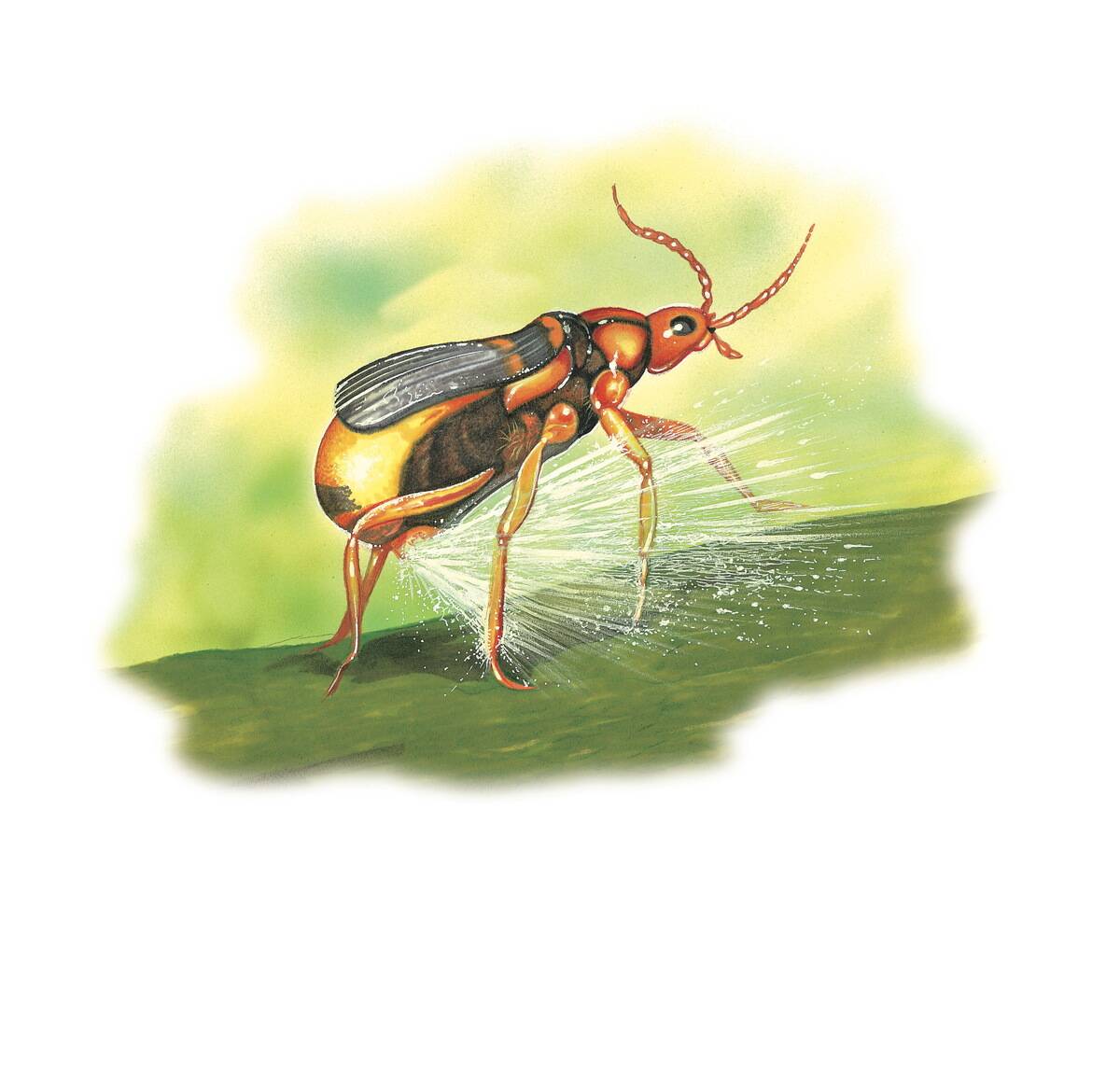
The bombardier beetle has one of the most remarkable chemical defense mechanisms in the animal kingdom. When threatened, it releases a hot, irritating spray from its abdomen, producing a popping sound as the chemicals react inside a specialized chamber.
The spray is created when hydrogen peroxide and hydroquinones mix with enzymes, generating heat, pressure, and defensive chemicals. The beetle can aim this spray at predators, helping protect itself from attacks and increasing its chances of escape.
Freeze and Thaw: The Frogs That Defy Winter

Some frogs have developed the remarkable ability to survive freezing temperatures by entering a state of extreme dormancy. The wood frog, for example, can freeze a large portion of its body water, with its heartbeat and breathing temporarily stopping during the frozen state. As temperatures rise, the frog thaws and gradually returns to normal activity.
This adaptation allows wood frogs to survive harsh winter conditions and remain active when warmer temperatures return in the spring.
The Spiky Shield: Porcupines and Their Quill Defense
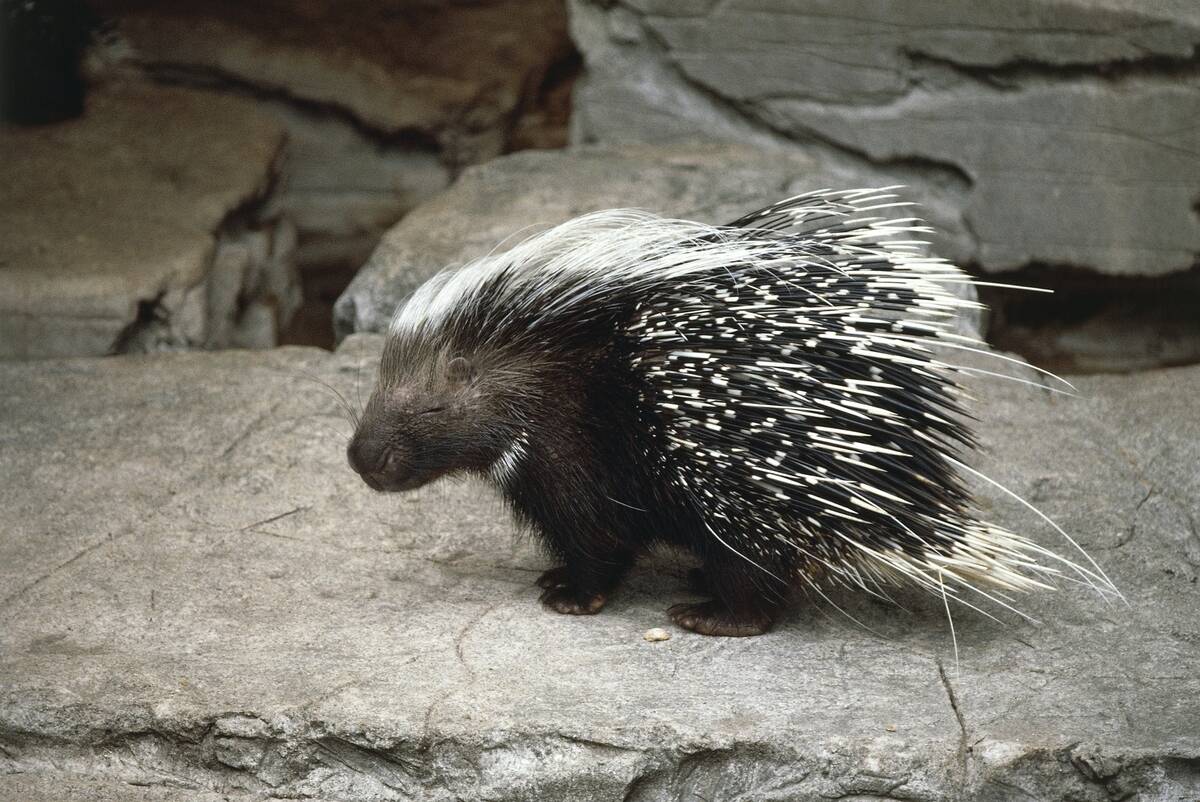
Porcupines are well known for their powerful quill-based defense system. These sharp, barbed quills cover parts of their bodies and can detach when a predator makes contact. Contrary to a common myth, porcupines cannot shoot their quills, but they can raise them and use their tails and bodies to defend themselves.
The painful quills are difficult for predators to remove and often discourage attacks, giving the porcupine a better chance of escaping unharmed.
The Slime Factor: Hagfish and Their Slick Escape Plan
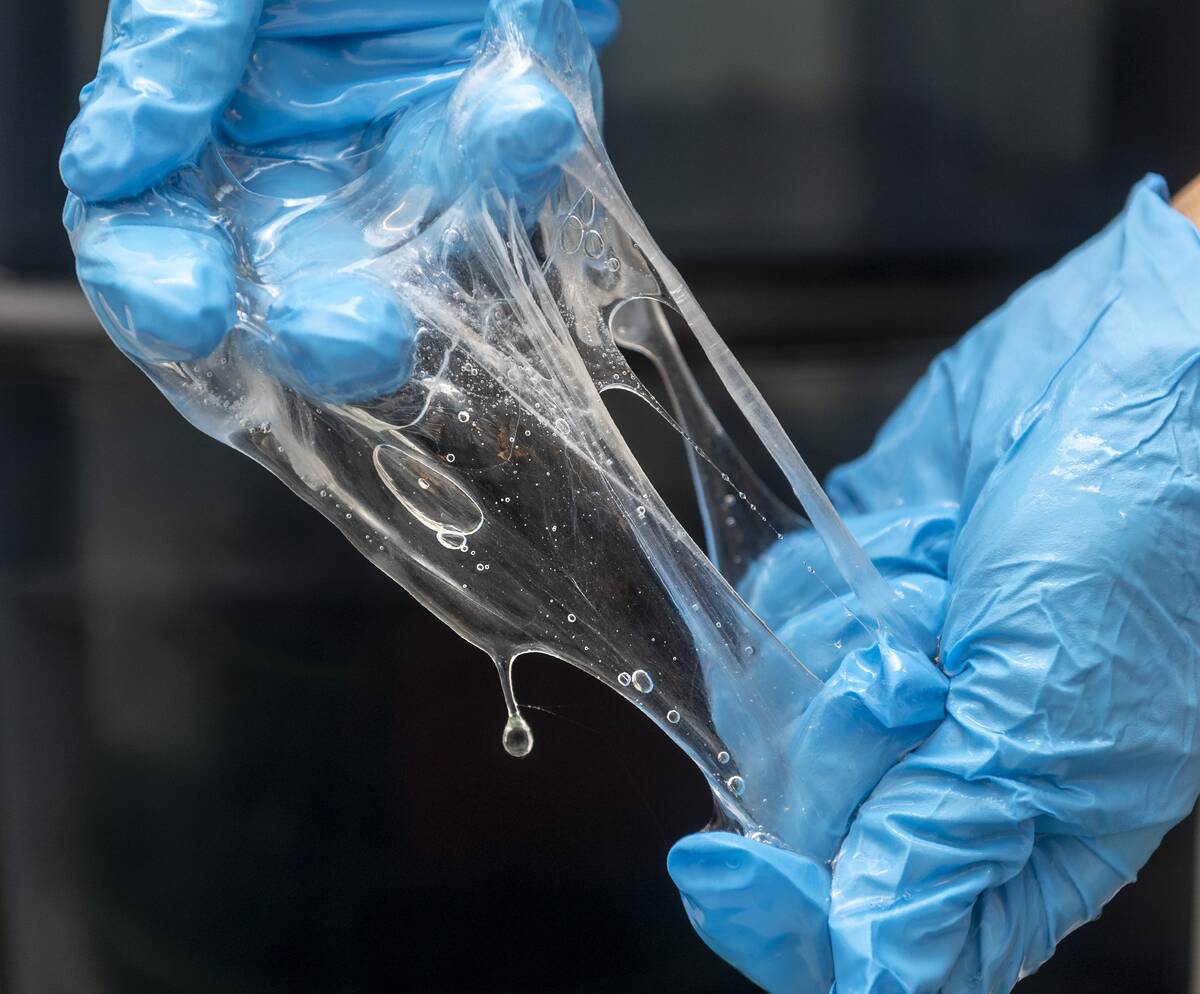
Hagfish are fascinating marine animals known for their ability to produce large amounts of slime as a defense mechanism. When threatened, they release a protein-based slime that rapidly expands when mixed with seawater, creating a thick, slippery barrier.
This slime can interfere with predators attempting to attack or consume them, often causing the predator to retreat. This unusual adaptation helps hagfish escape threats and is one of the most distinctive defenses found in the animal kingdom.
Antifreeze Blood: Fish That Swim in Subzero Waters
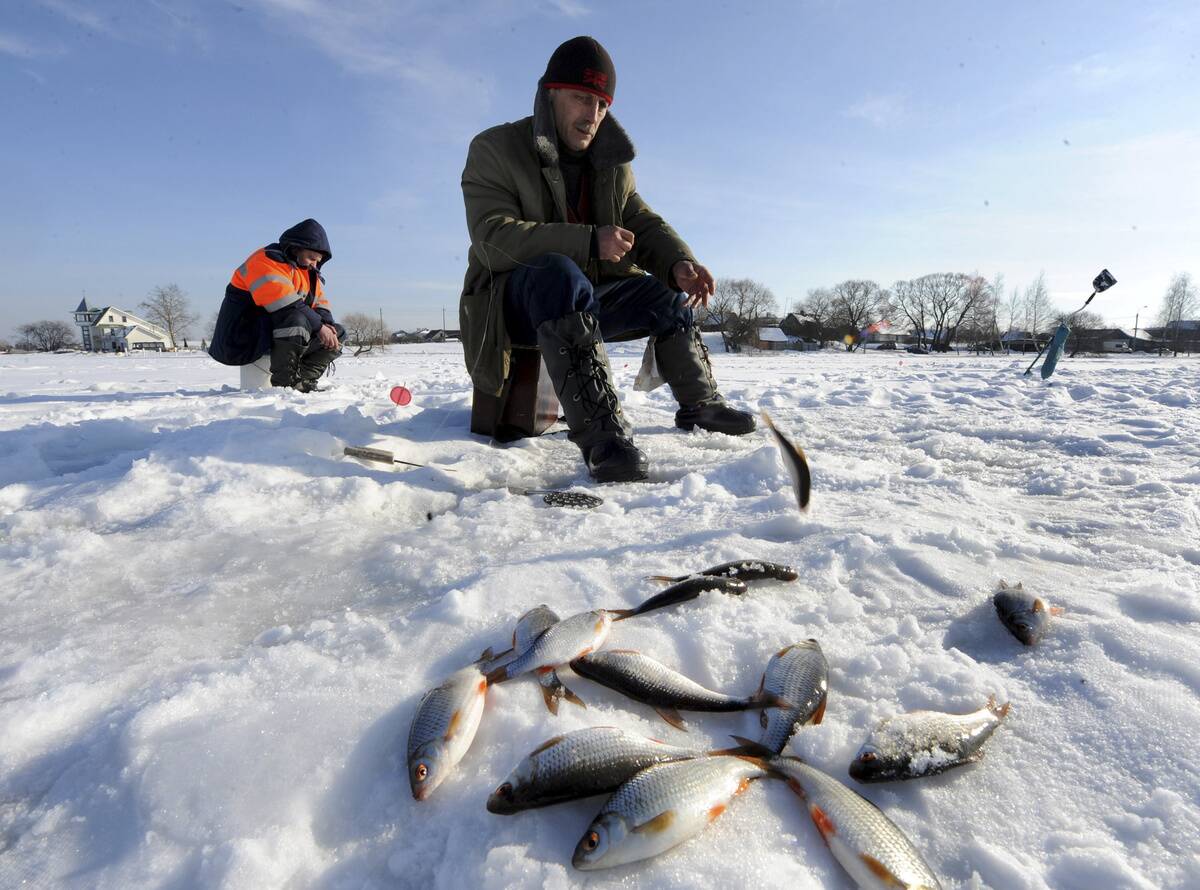
Some polar fish have evolved antifreeze proteins in their blood and other body fluids to survive in icy waters. Antarctic notothenioid fish produce antifreeze glycoproteins that bind to ice crystals and prevent them from growing, allowing the fish to live in seawater below the normal freezing point of their fluids.
These adaptations help protect them from freezing in extreme environments and demonstrate the remarkable ways animals evolve to survive challenging conditions.
The Lure of Deception: Anglerfish and Their Bait-and-Switch Strategy
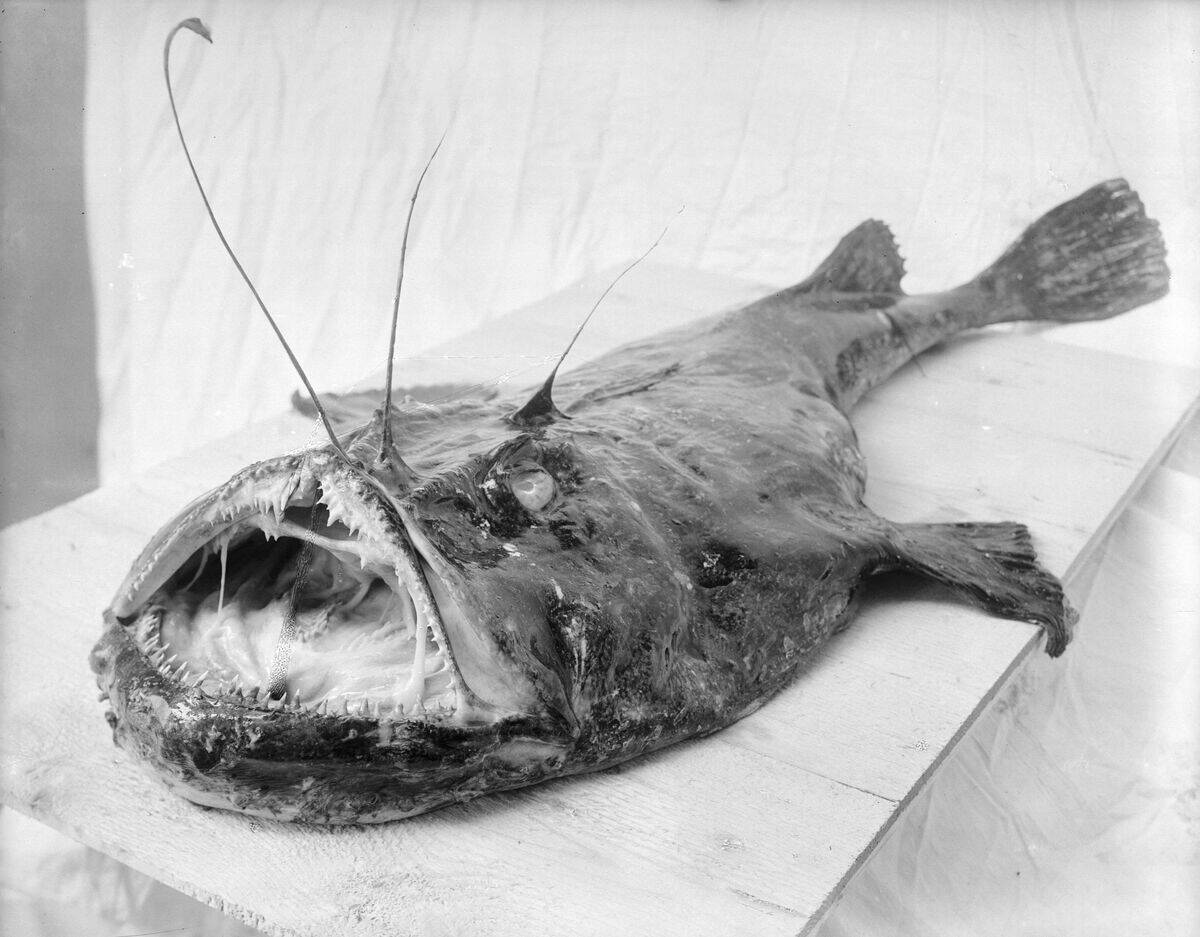
Anglerfish are deep-sea predators known for their unusual hunting strategy. Many species possess a bioluminescent lure that extends in front of their mouths, attracting prey in the darkness of the ocean depths.
When an animal approaches, the anglerfish uses its large mouth and rapid suction feeding to capture it. This energy-efficient ambush technique helps anglerfish survive in deep-sea environments where encounters with food can be rare.
The Self-Amputation Trick: Lizards and Their Detachable Tails
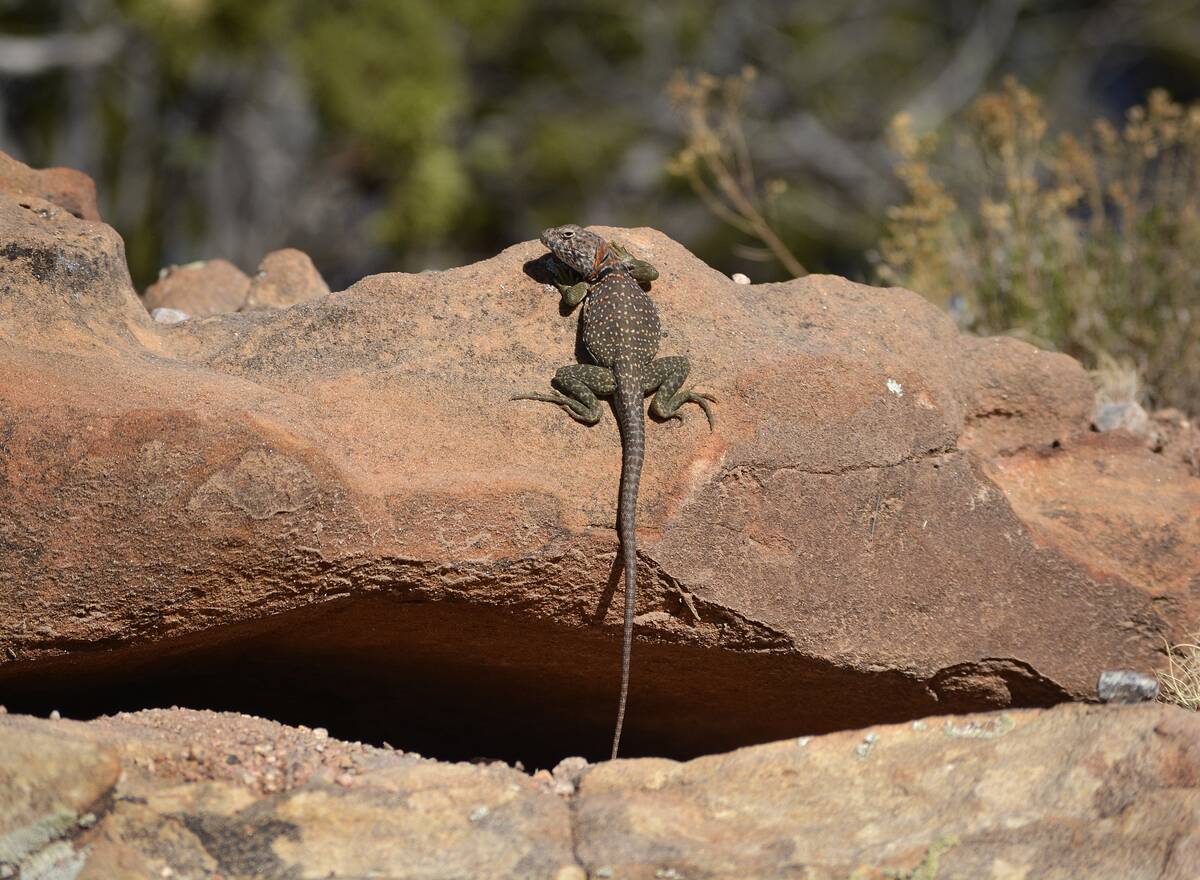
Many lizards have the ability to detach their tails as a defense mechanism known as autotomy. When threatened, they can shed part of their tail, which may continue to move and distract predators while the lizard escapes.
Some species can regenerate their tails over time, although the replacement is often different in structure, texture, and appearance from the original. This remarkable adaptation helps many lizards survive encounters with predators in the wild.
The Deadly Dance: Cuttlefish and Their Color-Changing Camouflage
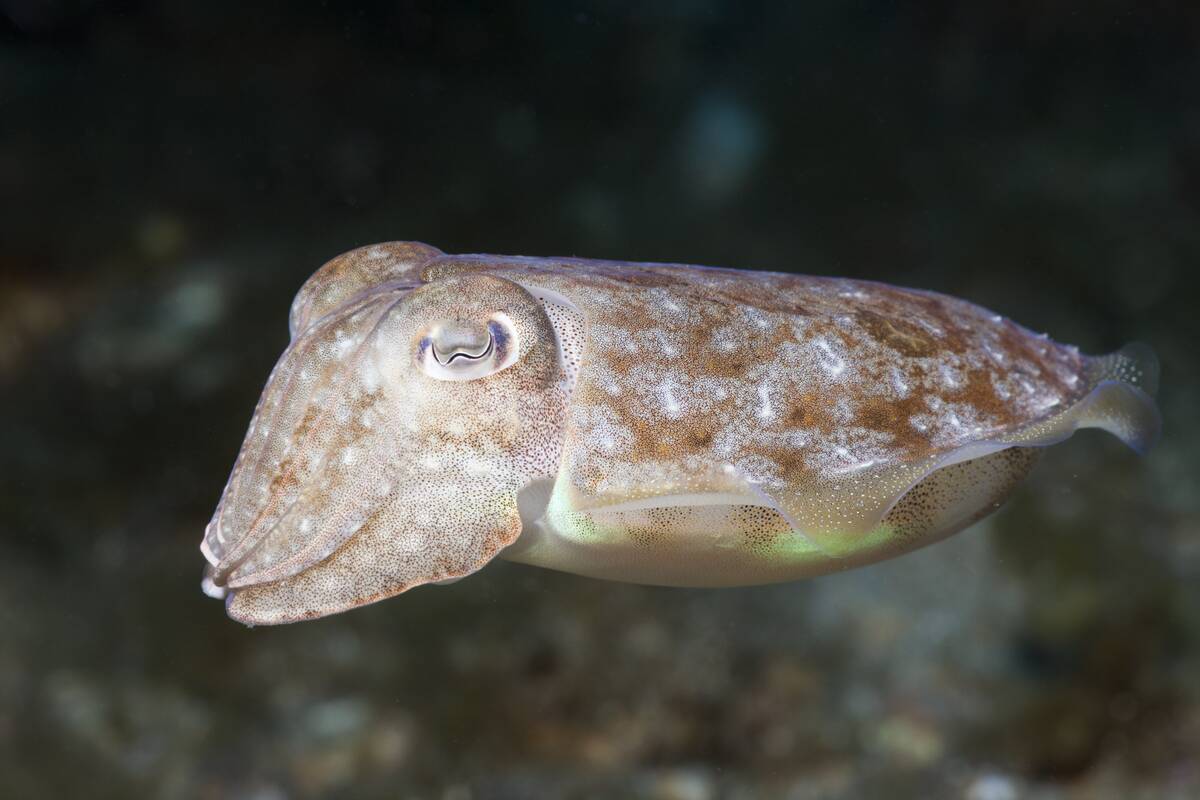
Cuttlefish are masters of disguise, capable of rapidly changing their skin color, patterns, and texture. This ability is controlled by specialized structures in their skin, including chromatophores that display different pigments along with other light-reflecting cells that enhance their camouflage.
By mimicking their surroundings, cuttlefish can avoid predators and approach prey more effectively. Their color-changing abilities are also used for communication, courtship, and social displays, making them one of the ocean’s most remarkable examples of adaptation.
The Ultimate Hide-and-Seek Champions: Octopuses and Their Ink Clouds
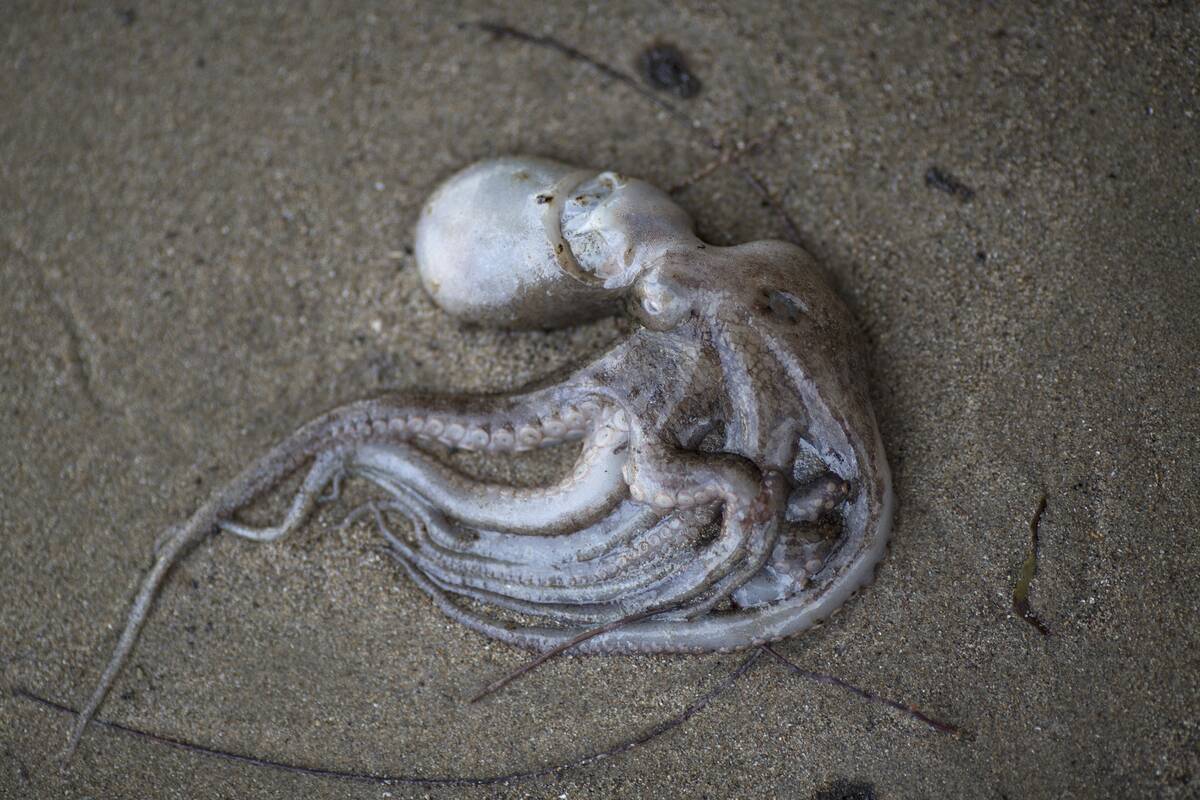
Octopuses are renowned for their intelligence and remarkable ability to avoid predators. When threatened, they can release a cloud of ink that disrupts a predator’s vision and creates an opportunity to escape.
The ink may also interfere with the chemical senses of some predators. In addition, octopuses can rapidly change their color and skin texture to blend into their surroundings. These adaptations make them highly effective at avoiding threats in the ocean.
The Armor of Armadillos: Rolling Up to Avoid Predators
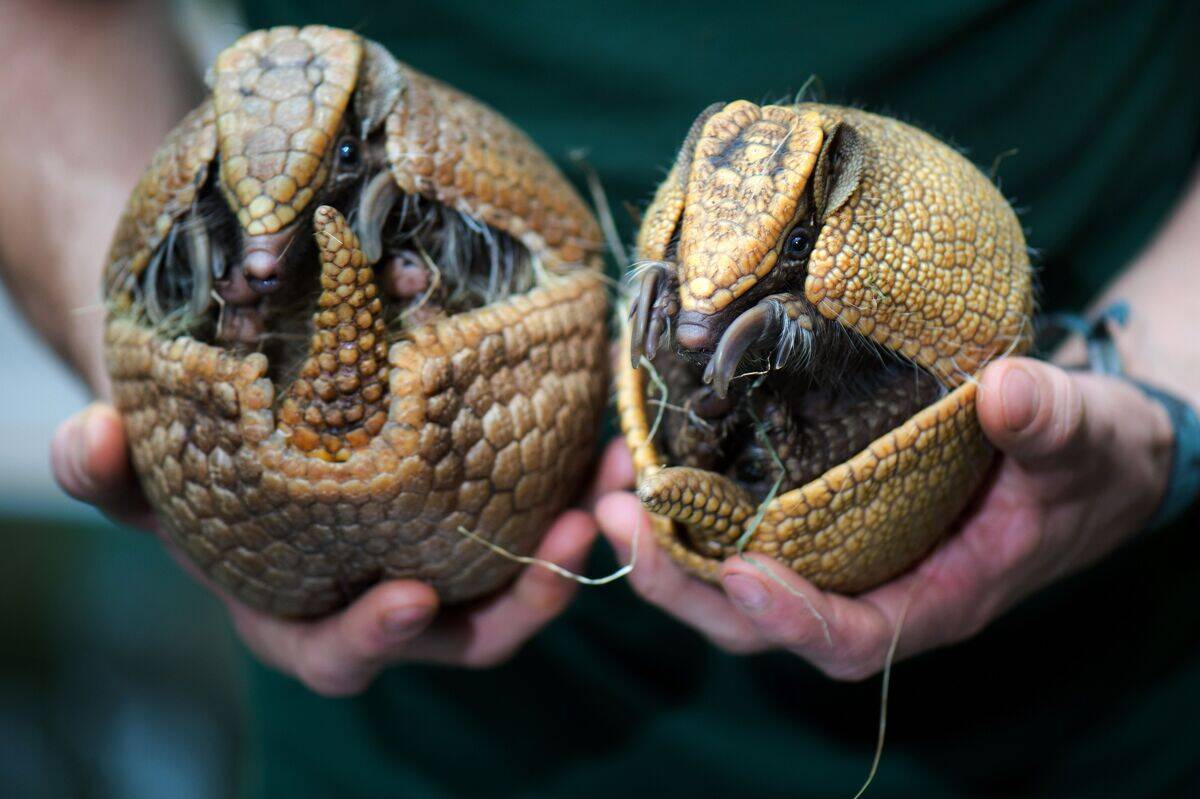
Armadillos are unique mammals known for their protective shells made of bony plates called osteoderms. When threatened, some species, such as three-banded armadillos, can roll into a tight ball to shield their vulnerable body parts.
Most armadillo species cannot fully curl up, but their tough armor still provides protection from many predators. Combined with their digging abilities and adaptability, these defenses help armadillos survive in a variety of environments.
The Chemical Warfare of Skunks: A Stinky but Effective Defense

Skunks are well known for their powerful spray, which serves as an effective defense mechanism against predators. The foul-smelling liquid is produced by anal scent glands near the base of their tails and can be directed toward threats with surprising accuracy.
The spray contains sulfur-based compounds called thiols that create a strong, lingering odor, discouraging many predators from attacking. Although skunks usually try to avoid confrontation, their defensive spray provides an effective way to protect themselves when threatened.
The Bizarre World of Parasitic Survival: Cuckoo Birds and Their Nest Invasion

Cuckoo birds are well known for their brood parasitism, a strategy used by many species in which they lay their eggs in the nests of other birds. The unsuspecting host birds may then incubate the eggs and raise the cuckoo chicks, sometimes at the expense of their own offspring.
This reproductive strategy allows cuckoos to avoid the energy demands of raising their own young, although some host birds have evolved ways to detect and reject foreign eggs. This unusual adaptation is one of the most fascinating examples of survival strategies in the bird world.
The Defensive Bubble: Pufferfish and Their Inflatable Strategy
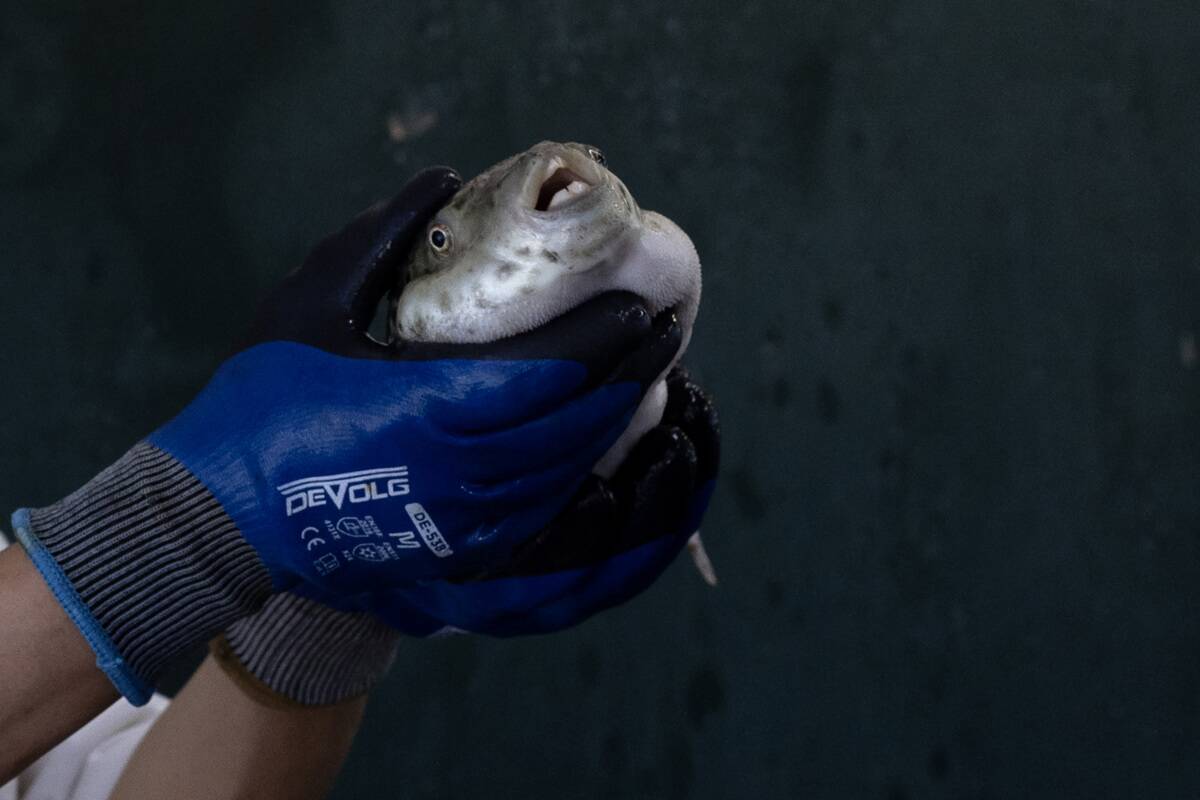
Pufferfish have a remarkable defense mechanism that allows them to inflate their bodies by rapidly taking in water, making them appear much larger and more difficult for predators to swallow.
Many pufferfish species also contain tetrodotoxin, a powerful neurotoxin that makes them dangerous and unappealing as prey. These physical and chemical defenses help protect pufferfish from predators and allow them to survive in challenging marine environments.
The Living Fortress: Tortoises and Their Impenetrable Shells
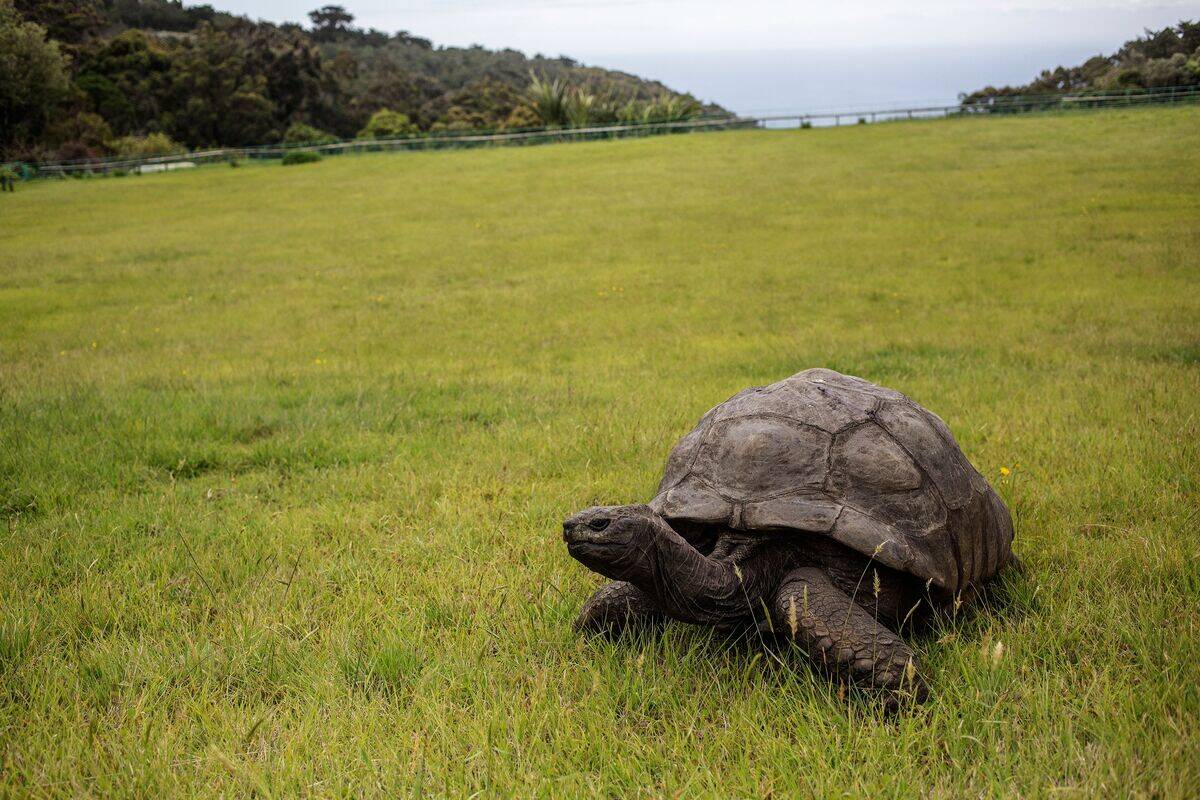
Tortoises are well known for their hard, protective shells, which provide defense against many predators and environmental challenges. Their shells consist of a bony structure covered by keratin-rich scutes, creating a strong barrier around their bodies.
When threatened, many tortoises can retract their heads, limbs, and tails into their shells for protection. This remarkable adaptation, combined with other survival traits, helps tortoises thrive in a wide range of environments, from dry deserts to forest habitats.