Places where night never truly ends

Trending Now
Welcome to the fascinating world of perpetual twilight, where the sun barely graces the horizon and the night stretches endlessly. These unique destinations, often nestled within the Arctic and Antarctic Circles, offer a serene yet mysterious experience that captivates adventurers and nature enthusiasts alike.
From the stunning auroras painting the sky to the tranquil landscapes enveloped in moonlight, these regions promise a journey like no other, challenging our perceptions of day and night.
Understanding the Phenomenon: What Causes Perpetual Night?
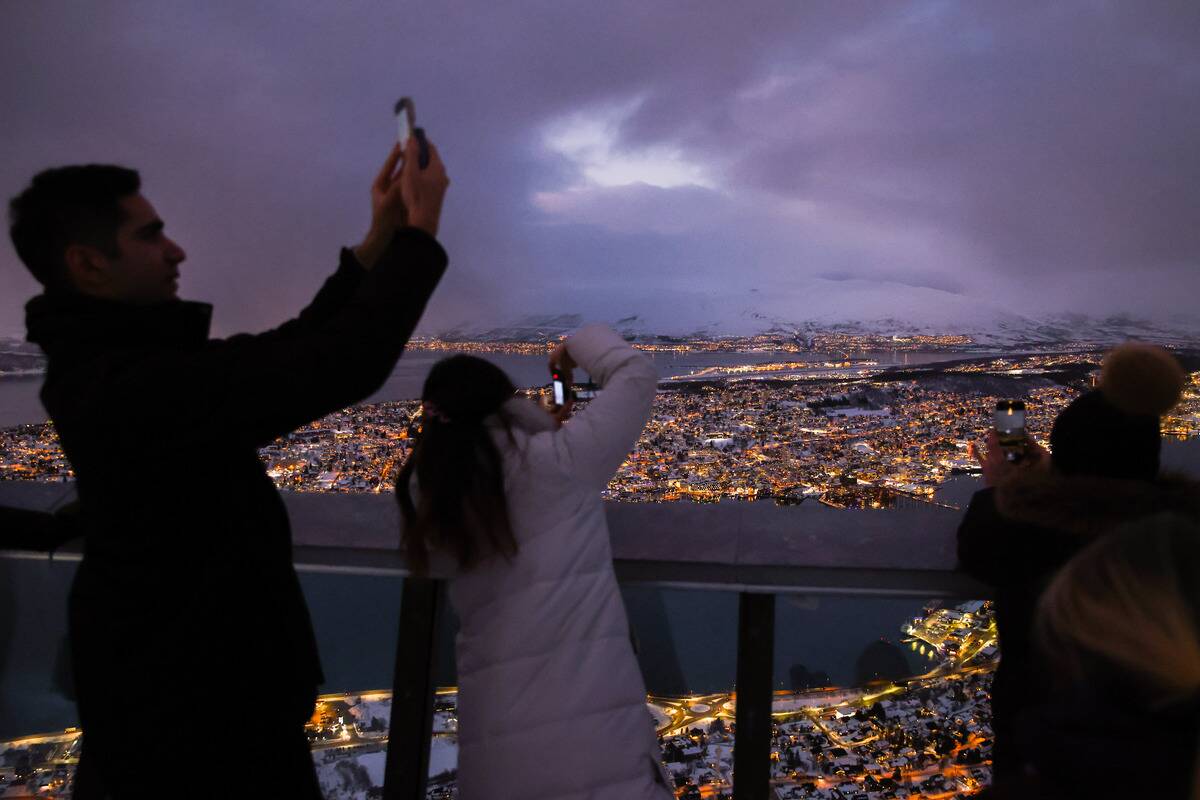
Perpetual night, or polar night, occurs in regions above the Arctic Circle and below the Antarctic Circle due to the tilt of the Earth’s axis. During the winter months, these areas experience a lack of direct sunlight as the Earth tilts away from the sun.
This phenomenon leads to extended periods of darkness, creating an environment where night and day blur into one. Understanding this natural occurrence opens the door to appreciating the unique beauty and challenges of life in these regions.
The Earth’s Tilt and Its Impact on Daylight
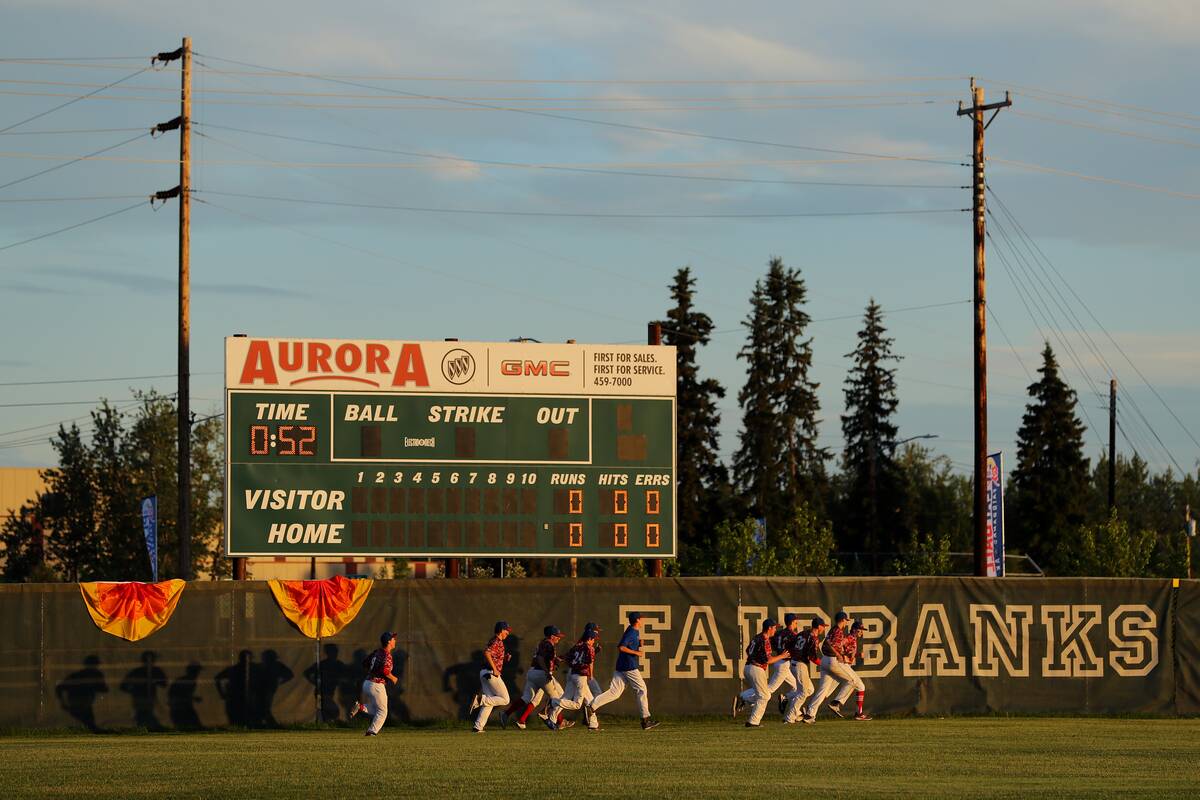
The Earth’s axial tilt of approximately 23.5 degrees is the primary reason for the variation in daylight hours across the globe. In polar regions, this tilt causes the sun to remain below the horizon for extended periods during winter months, resulting in polar night.
Conversely, during summer, these areas experience the midnight sun, where the sun never sets. This tilt-driven cycle plays a crucial role in shaping the climate and ecosystems of polar regions, influencing both human and wildlife adaptations.
Svalbard, Norway: A Journey to the Arctic Night
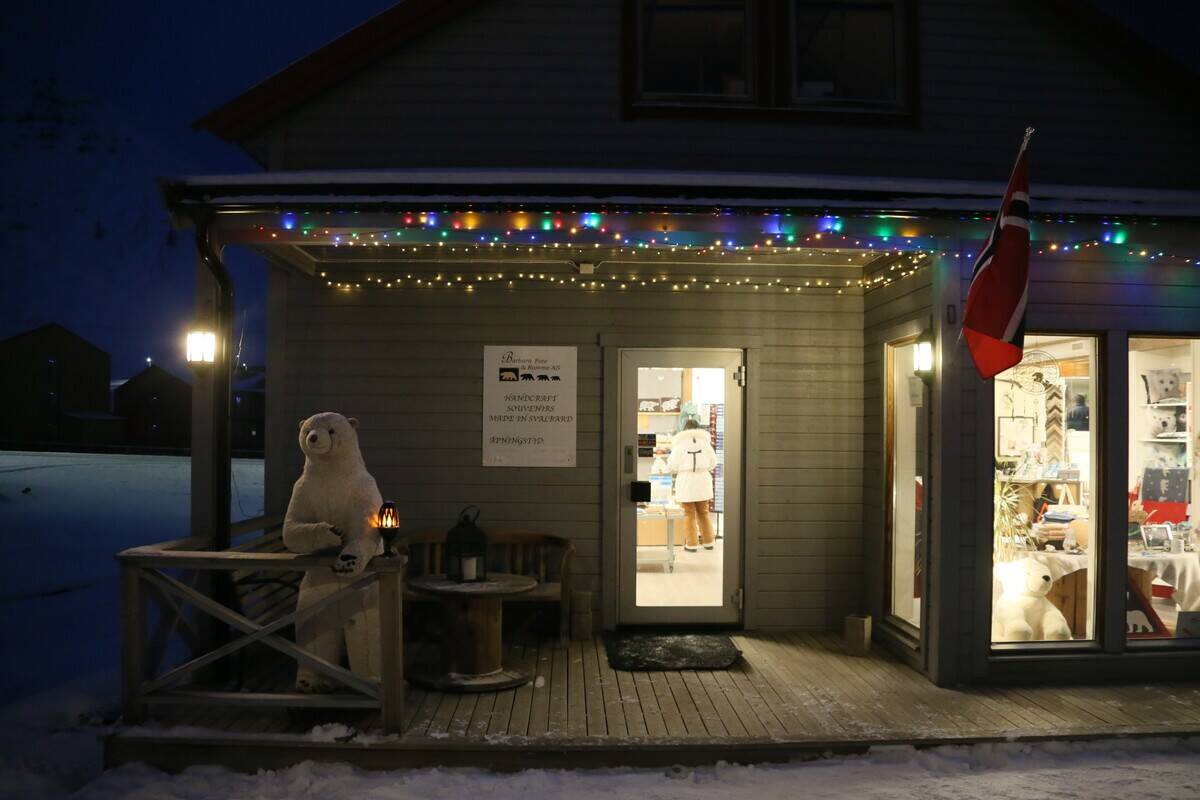
Svalbard, located halfway between Norway and the North Pole, is a prime destination for those seeking the mystical allure of polar night. From mid-November to late January, the archipelago is cloaked in darkness, offering visitors a chance to witness the ethereal beauty of the aurora borealis.
Svalbard’s unique position also makes it a haven for wildlife, with polar bears, arctic foxes, and reindeer adapting to the long winter nights. Adventurers can explore ice caves, go dog sledding, and experience the untouched Arctic wilderness.
Longyearbyen: The Town That Sleeps in Darkness
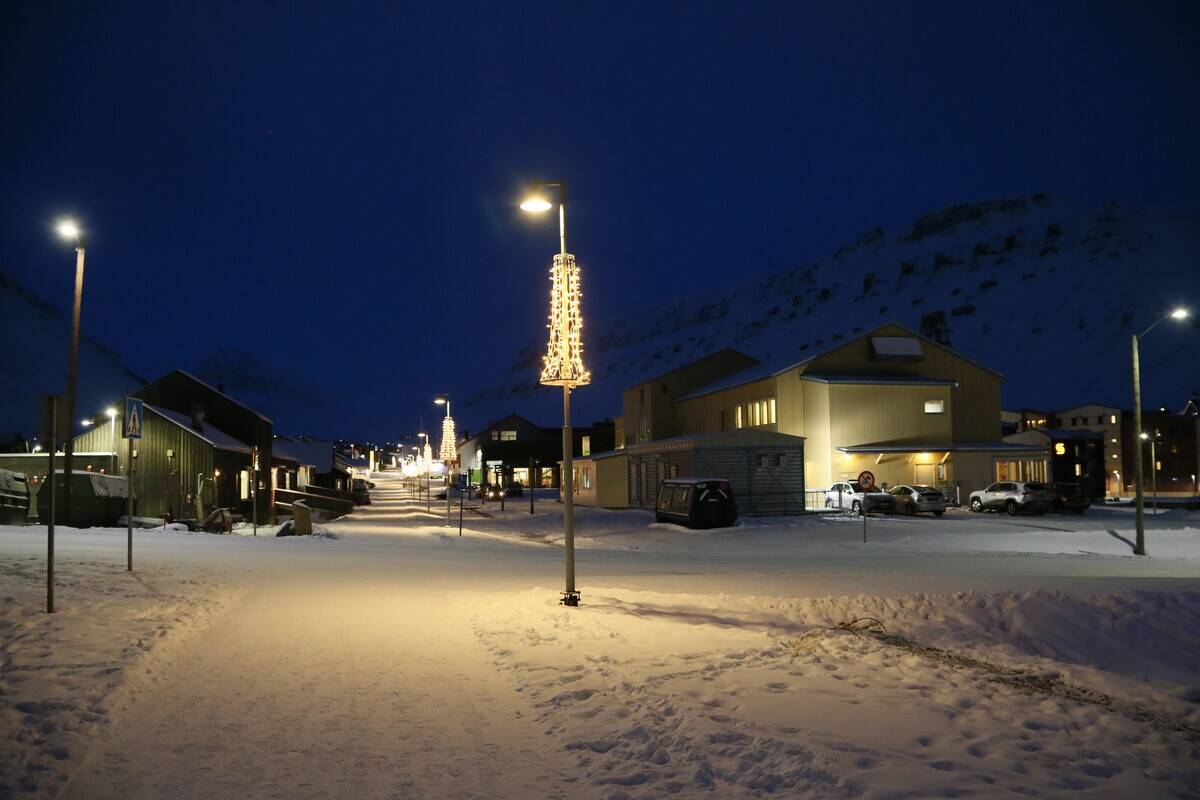
Longyearbyen, the largest settlement in Svalbard, is a vibrant community that thrives despite the challenges of polar night. From November to February, the sun never rises (and the mountains block it until early March), yet life continues with a myriad of winter activities and cultural events.
The town boasts a robust infrastructure catering to tourists, including museums, restaurants, and guided tours. Residents embrace the polar night with a positive spirit, organizing festivals like the Polarjazz and celebrating the return of the sun with the annual Solfestuka festival.
Tromsø, Norway: The Gateway to the Arctic Circle
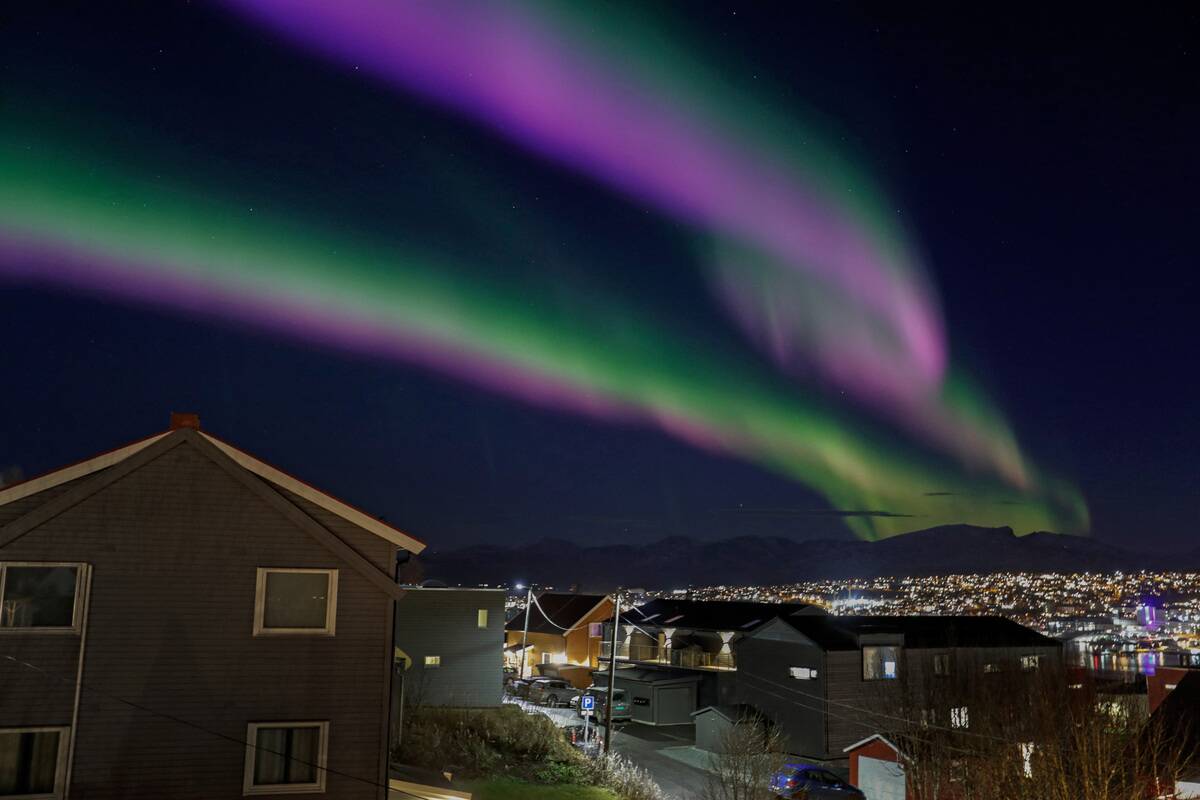
Tromsø, often referred to as the Gateway to the Arctic, is a lively city known for its stunning natural beauty and cultural experiences during the polar night. Located above the Arctic Circle, Tromsø offers an array of winter activities such as northern lights safaris, whale watching, and snowshoeing.
The city is also home to the world’s northernmost university, which contributes to its vibrant cultural scene. Visitors can explore its rich history, enjoy local cuisine, and experience the warmth of Norwegian hospitality.
Exploring Northern Sweden: Kiruna’s Polar Night
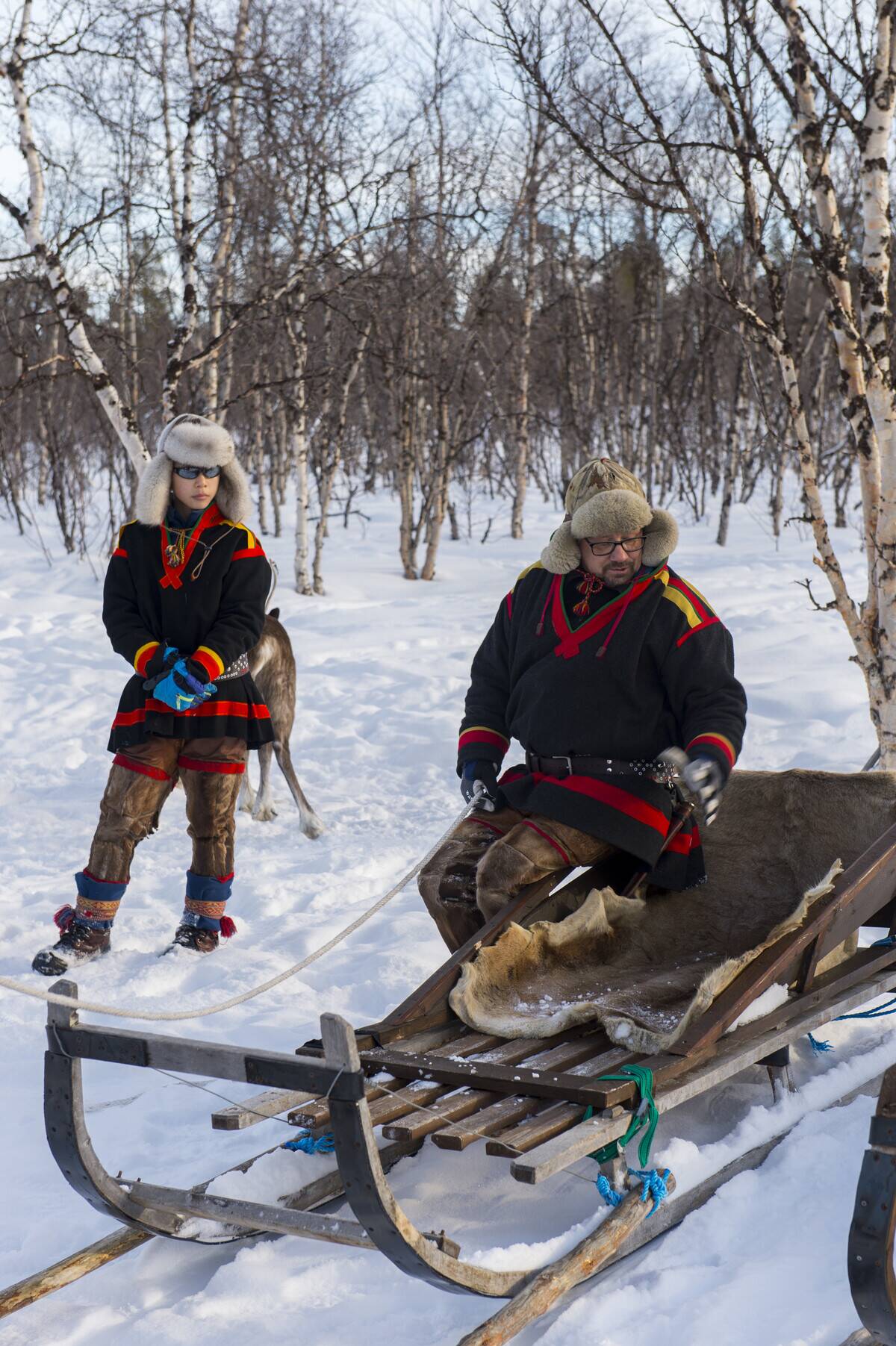
Kiruna, located in Swedish Lapland, is a town that experiences the polar night from mid-December to early January. This unique period offers travelers the opportunity to engage in distinctive experiences like exploring the famous nearby Icehotel, carved anew every winter from the frozen waters of the Torne River.
The town is also a hub for Sami culture, offering insights into the indigenous people’s traditions and way of life. Kiruna’s winter landscape provides a stunning backdrop for outdoor activities such as dog sledding and snowmobiling.
The Magic of Finnish Lapland Under a Starry Sky
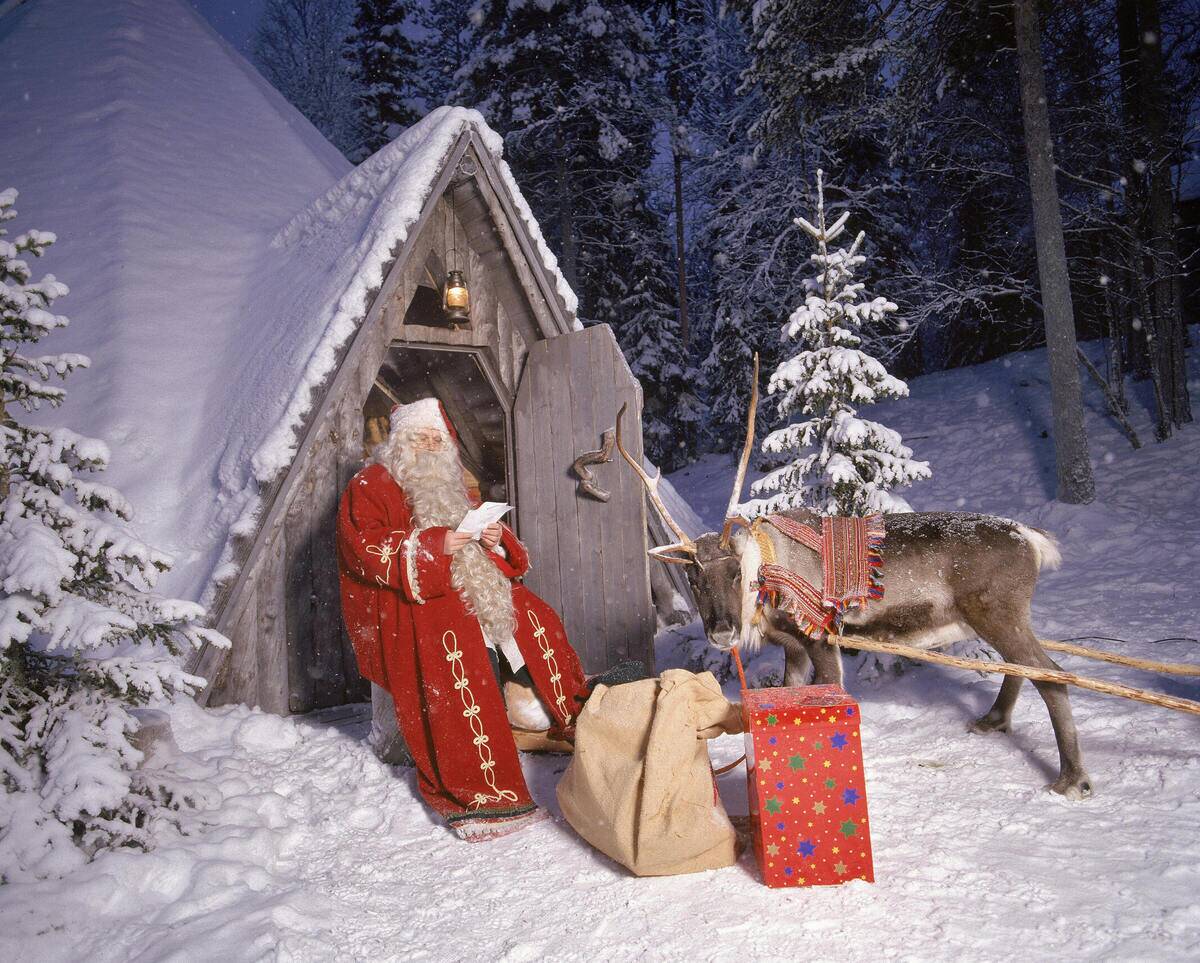
Finnish Lapland is a winter wonderland where the polar night creates a magical atmosphere. The region is famous for its snow-covered landscapes and the enchanting northern lights that dance across the sky.
Visitors can stay in glass igloos for unobstructed views of the auroras or embark on reindeer sleigh rides through the snowy wilderness. Rovaniemi, known as the official hometown of Santa Claus, offers festive experiences for families, while the serene surroundings provide a perfect escape for those seeking tranquility and natural beauty.
Russia’s Murmansk: Embracing the Polar Night
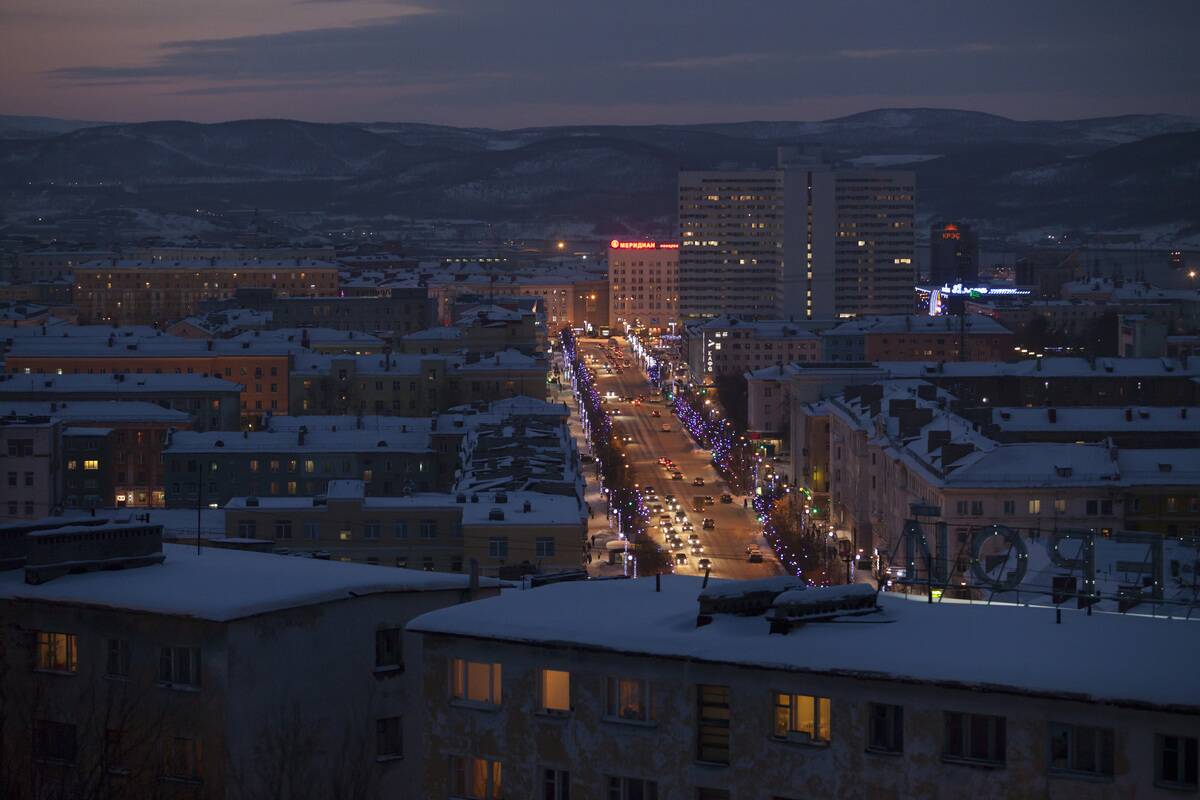
Murmansk, the largest city above the Arctic Circle, is a bustling port city that embraces the polar night with a mix of modernity and tradition. From early December to mid-January, the city is enveloped in darkness, yet it remains vibrant with cultural events and winter sports.
Murmansk is a gateway to the Kola Peninsula, where travelers can explore pristine wilderness, visit the Sami people, and enjoy the mesmerizing auroras. The city’s blend of Russian culture and arctic charm makes it a unique destination during the polar night.
Canada’s Yukon Territory: The Dark Winter Wonder
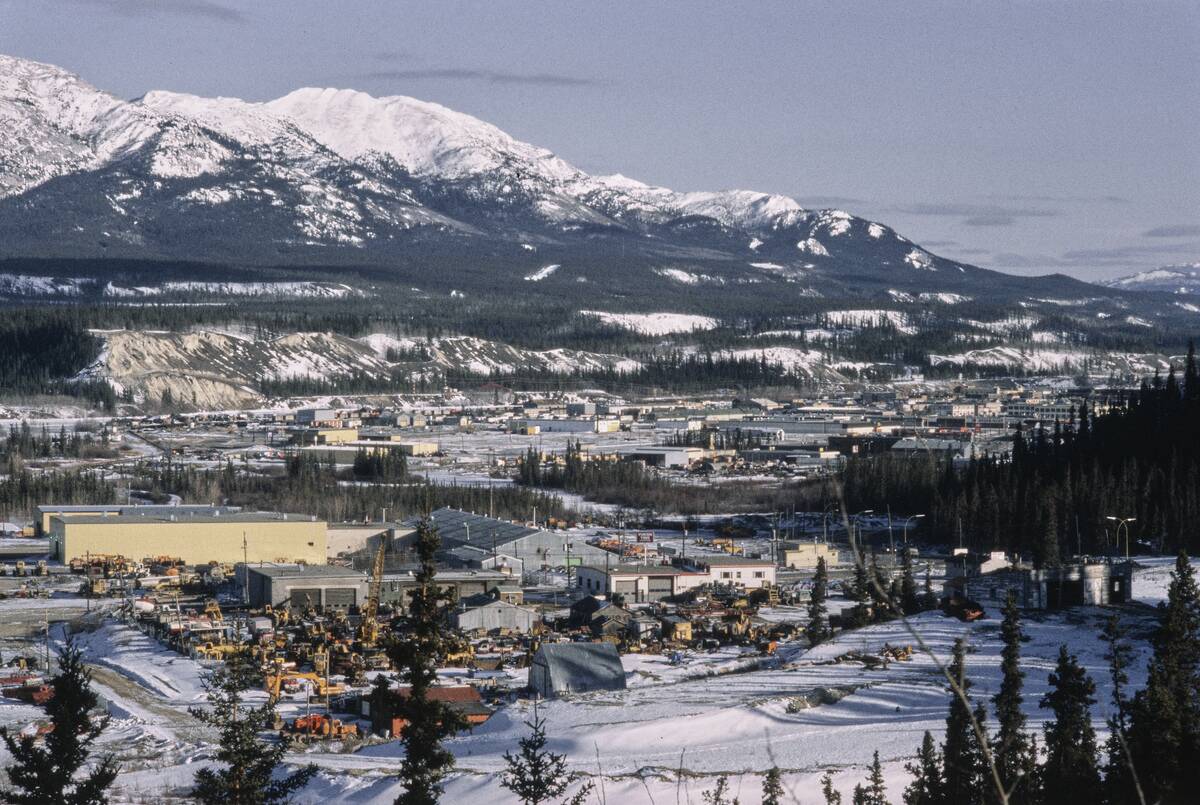
Yukon, in Canada’s northwest, is a land of rugged beauty where the polar night casts a long shadow over the landscape. While the region doesn’t experience true polar night, its long winter nights are perfect for witnessing the northern lights.
Whitehorse, the territory’s capital, offers a mix of cultural and outdoor activities, from exploring the history of the Klondike Gold Rush to hiking through the breathtaking wilderness. The Yukon’s remote beauty and rich heritage provide a captivating backdrop for winter adventures.
Alaska’s Barrow: A Unique Polar Night Experience
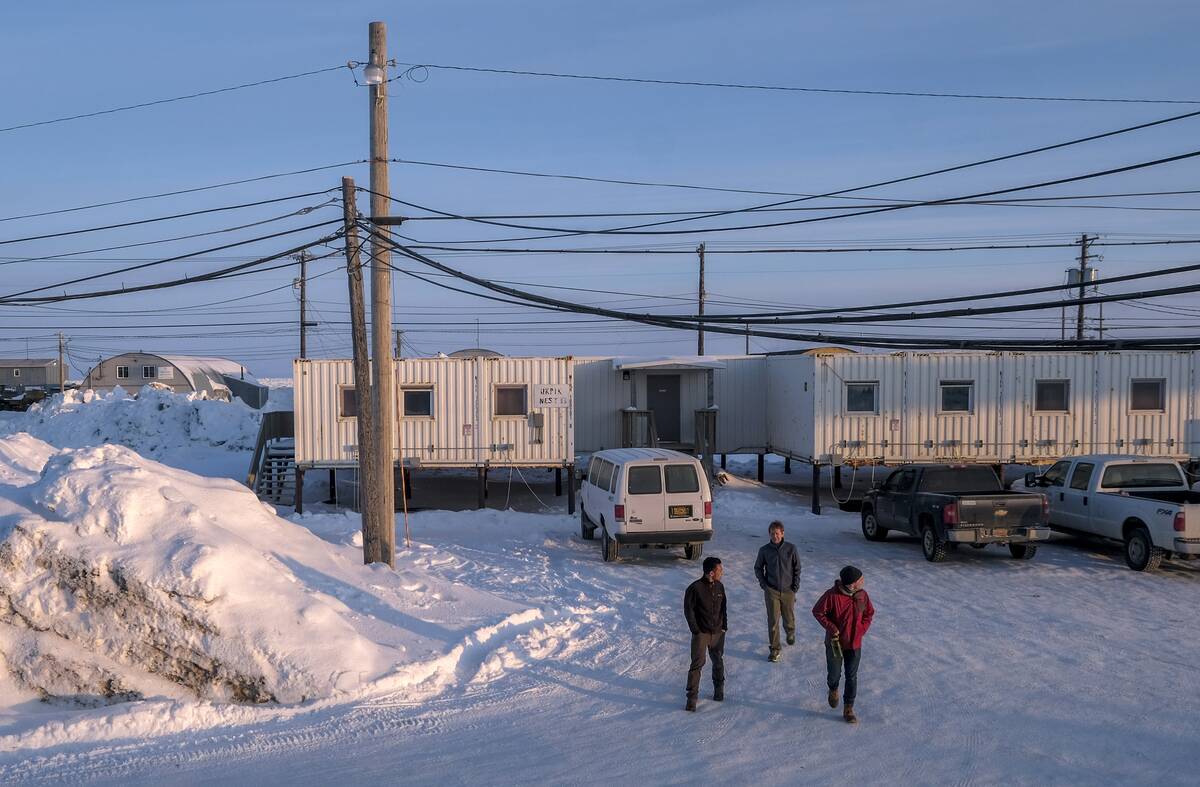
Barrow, officially known as Utqiaġvik, is the northernmost city in the United States, where the polar night lasts from late November to late January. This remote Alaskan town offers a unique glimpse into the challenges and beauty of life above the Arctic Circle.
Visitors can learn about the local Iñupiat culture, participate in traditional activities, and marvel at the stark yet stunning arctic landscapes. The extended darkness also provides a perfect setting for observing the northern lights and experiencing the true essence of the Arctic.
Antarctica’s Winter: The Continent of Endless Night
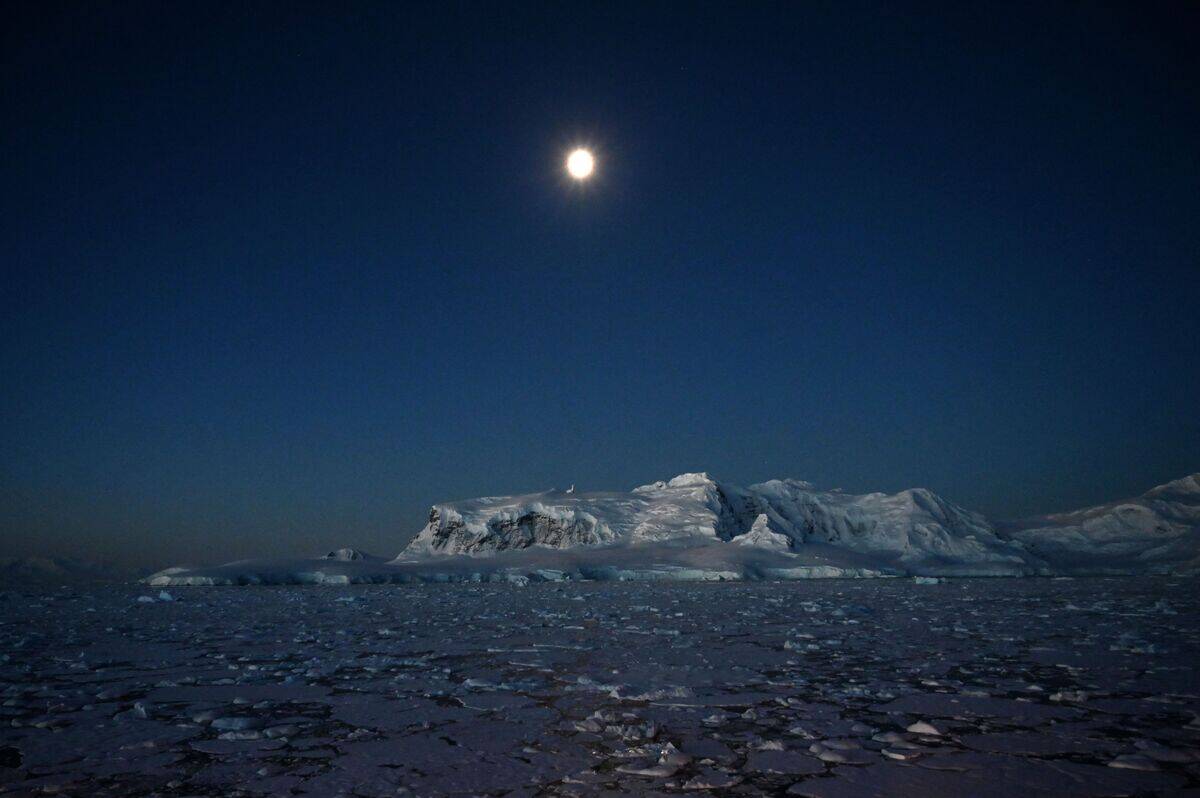
During the Antarctic winter, from May to October, the continent is often shrouded in complete darkness, creating an otherworldly environment. Despite the harsh conditions, scientists and researchers continue their work at various research stations, contributing to our understanding of the planet.
The lack of daylight offers a unique opportunity for studying the night sky, with minimal light pollution, revealing a dazzling array of stars. The extreme environment of Antarctica during its polar night provides invaluable insights into climate change and its global impacts.
Greenland’s Dark Season: Inuit Traditions and Culture
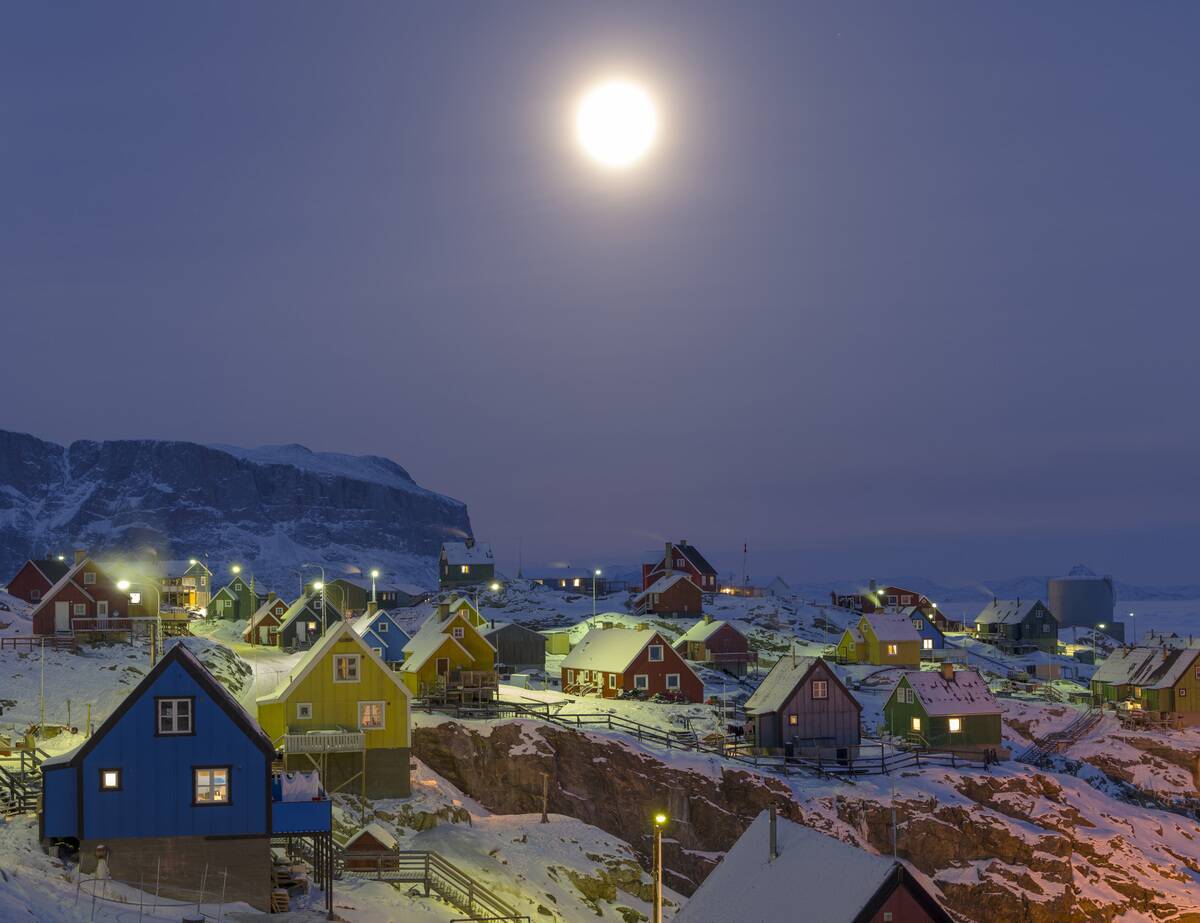
Greenland’s dark season, from November to January, is a time when the Inuit people celebrate their rich traditions and culture. The extended darkness is marked by community gatherings, storytelling, and traditional music and dance.
Visitors to Greenland can experience the local way of life, from dog sledding across vast ice fields to ice fishing in frozen fjords. The dark season also provides a backdrop for the spectacular northern lights, illuminating the sky and adding to the mystique of this remote and beautiful land.