Lakes that influence their own weather patterns

Trending Now
Lakes are more than just serene bodies of water; they can create their own unique weather systems! Imagine standing by a lake on a sunny day, only to witness a sudden, localized snowstorm. This fascinating phenomenon occurs when large lakes interact with atmospheric conditions, leading to unexpected weather patterns.
These microclimates are not only intriguing but also play a vital role in shaping the environment and local climate. Let’s dive into the world of lakes and their incredible weather systems.
What Causes Unique Weather Systems Over Lakes?
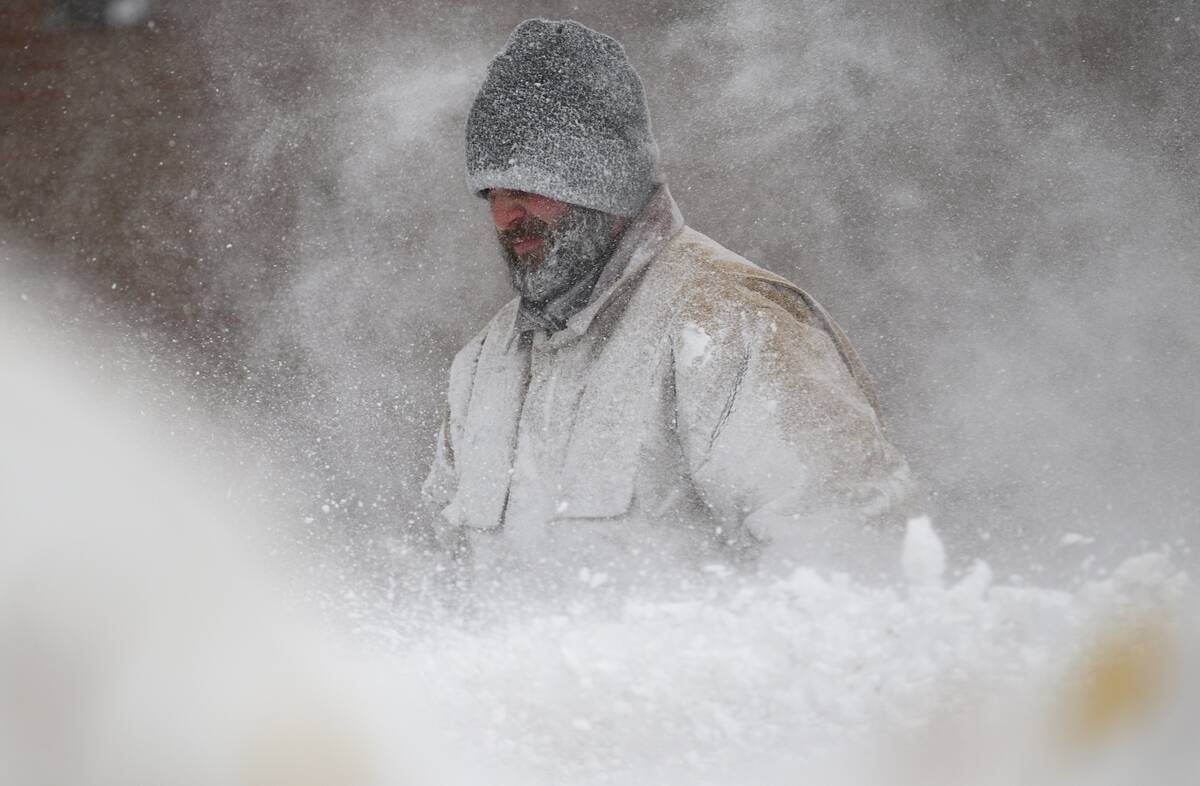
Lakes can generate distinct weather systems primarily due to the temperature differences between the water and the air above it. When cold air moves over a relatively warmer lake, it picks up moisture and heat, which can lead to clouds and precipitation.
Wind direction, lake size, and water temperature also significantly influence the formation of lake-induced weather. These factors combined create the perfect conditions for localized storms, making each lake’s weather system unique and sometimes unpredictable.
The Science Behind Lake-Effect Snow
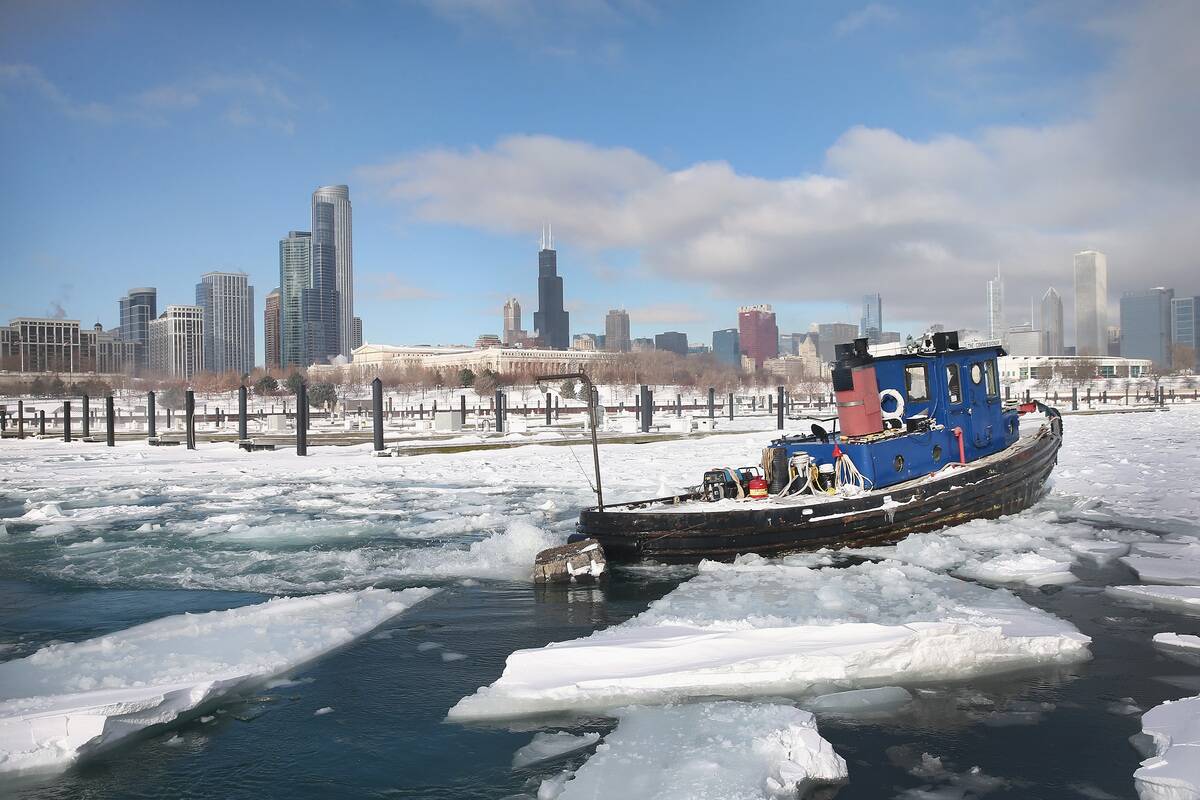
Lake-effect snow is a spectacular result of cold air passing over warmer lake waters. As the air warms and absorbs moisture from the lake, it rises and cools, forming clouds. Once these clouds reach land, they release their moisture as snow.
This phenomenon is most common in the Great Lakes region, where the expansive water bodies provide ample moisture. The intensity of lake-effect snow can vary dramatically, sometimes leading to severe snowstorms that blanket nearby areas in deep snow.
Lake Superior: A Giant with a Stormy Personality
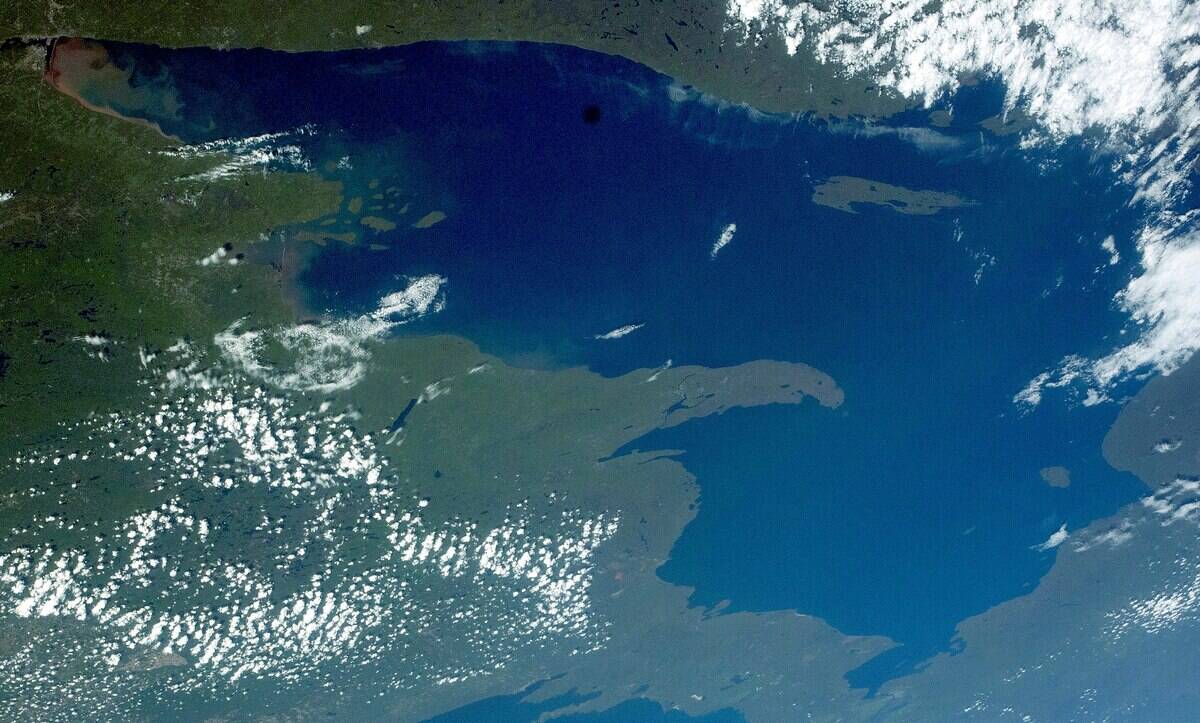
Lake Superior, the largest of the Great Lakes, is notorious for its powerful storms. Its vast surface area allows it to generate intense weather patterns, including fierce winds and heavy snowfalls.
The lake’s size and depth contribute to prolonged storm systems, impacting the surrounding regions. Maritime lore is filled with tales of shipwrecks and dramatic weather changes on Lake Superior, making it a captivating subject for both meteorologists and adventurers alike.
Lake Victoria: Africa’s Weather-Making Marvel
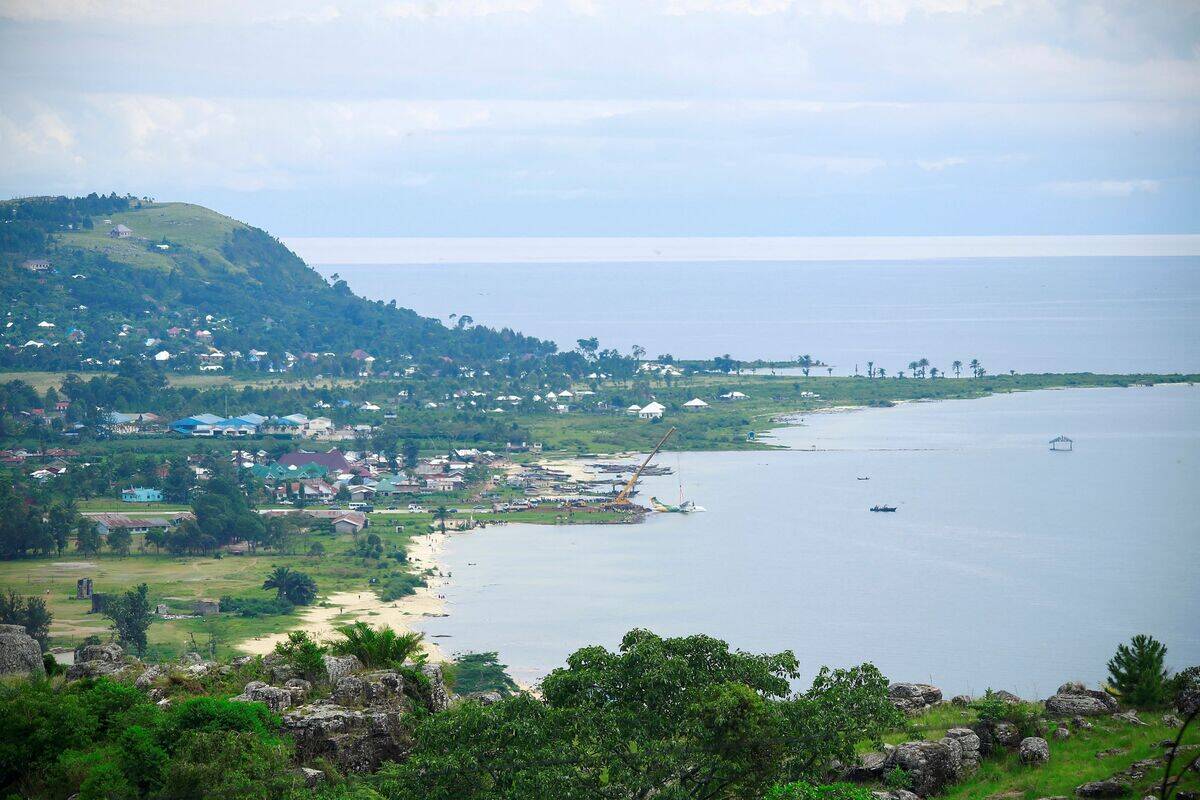
Lake Victoria, Africa’s largest lake, plays a crucial role in the region’s climate. Its warm waters can produce thunderstorms, particularly during the rainy season. The lake’s influence extends to the surrounding areas, where these storms can provide much-needed rainfall.
However, the same weather systems can also lead to dangerous conditions for fishermen and local communities. Lake Victoria’s unique position near the equator enhances its ability to generate these weather phenomena, making it a vital component of Africa’s meteorological landscape.
The Great Salt Lake: A Salty Source of Snowstorms
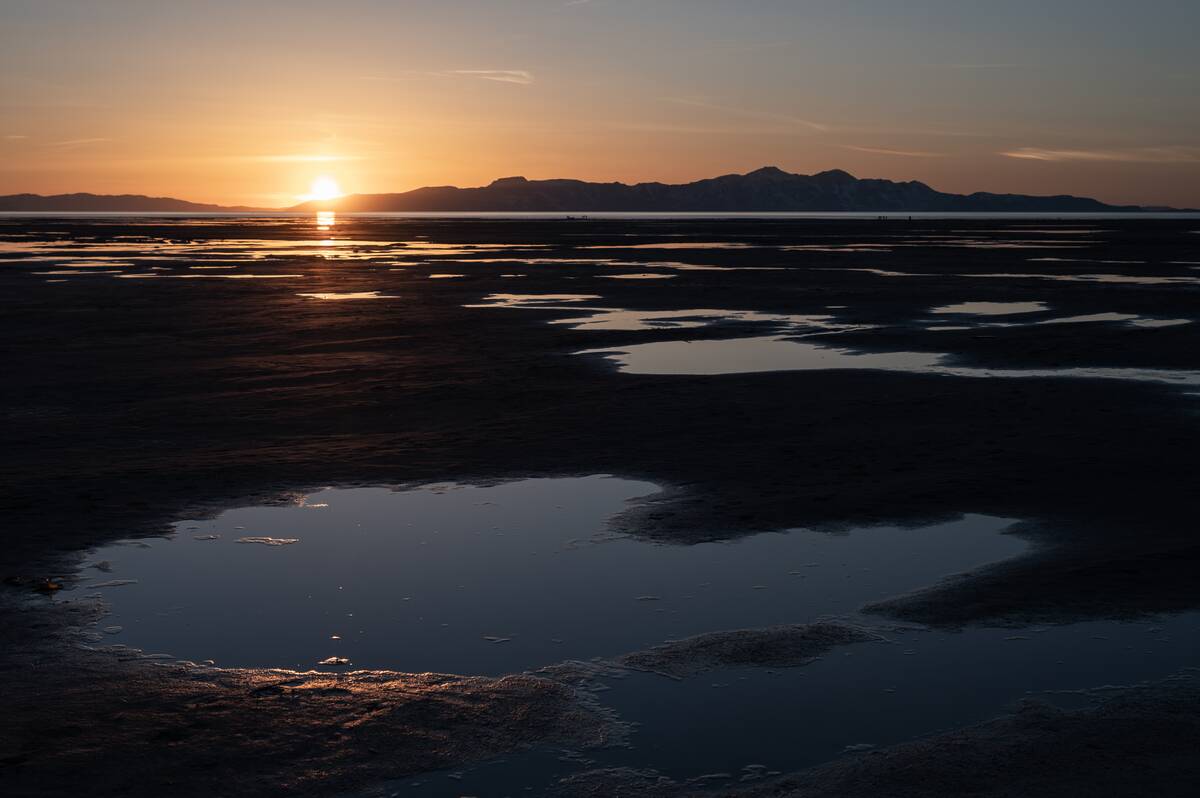
The Great Salt Lake in Utah is famous for its high salinity and its ability to create snowstorms. These unique weather events occur when cold air moves across the lake’s salty waters, picking up moisture and forming clouds.
The result is lake-effect snow that can be surprisingly heavy, especially in the winter months. The Great Salt Lake’s shallow depth and high salt content enhance evaporation rates, making it a potent source of these localized snowstorms.
Lake Tahoe: A High-Altitude Weather Wizard
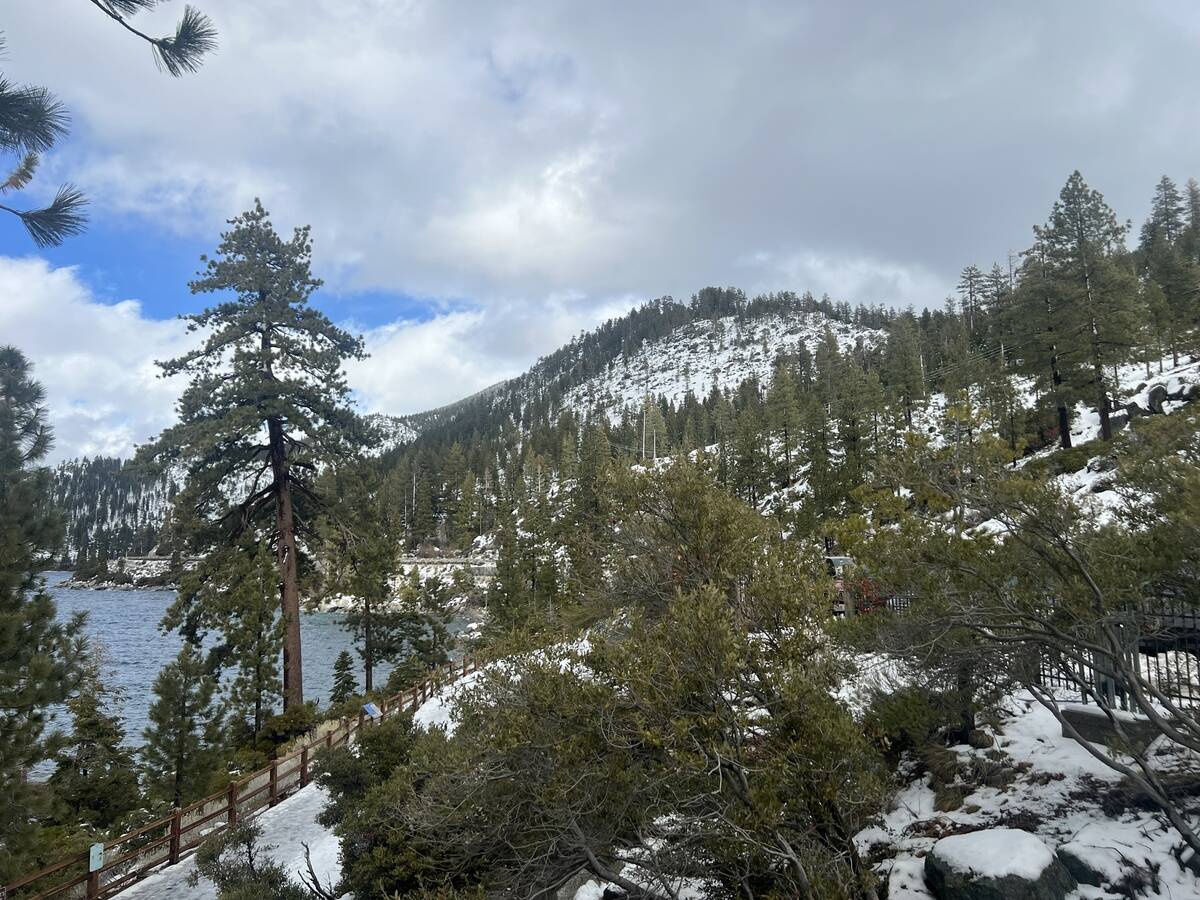
Nestled in the Sierra Nevada mountains, Lake Tahoe is a high-altitude lake known for its stunning beauty and dynamic weather patterns. The lake’s elevation and cold waters can create sudden weather changes, including unexpected snowfalls and thunderstorms.
Visitors to the area can enjoy the lake’s crystal-clear waters and its ever-changing weather, which adds an element of surprise to every visit.
Lake Michigan: Brewing Storms in the Midwest

Lake Michigan is a key player in the Midwest’s weather systems, known for its ability to brew powerful storms. The lake’s vast expanse provides ample moisture, which can lead to significant snowfall during the winter months.
Lake Michigan’s role in generating lake-effect snow is well-documented, especially in areas like northwestern Indiana. The lake’s weather influence extends beyond snow, as it can also produce strong winds and thunderstorms, making it an integral part of the region’s climate.
The Role of Lake Ontario in New York’s Winter Wonderland
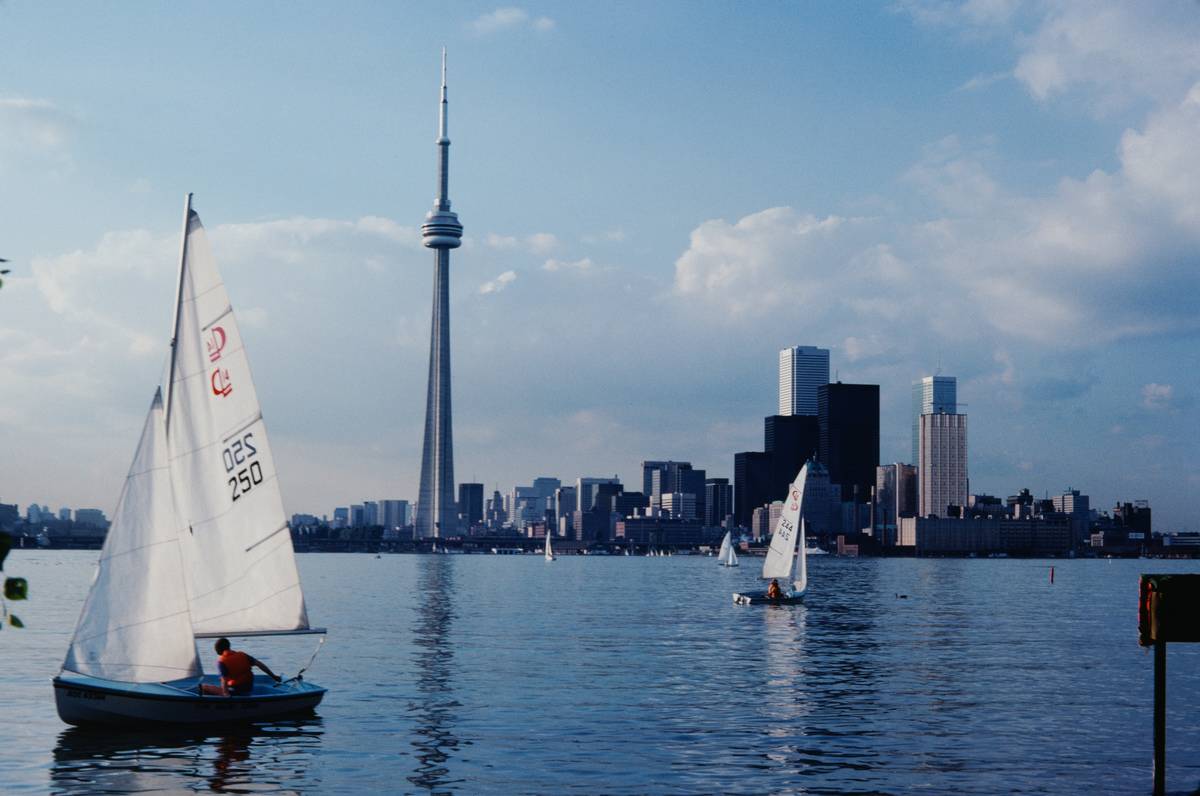
Lake Ontario, the smallest of the Great Lakes, punches above its weight when it comes to creating winter weather. Its location and size make it a prime source of lake-effect snow, particularly in New York’s snowbelt regions like the one surrounding Syracuse.
The lake’s relatively warm waters in autumn and early winter can lead to massive snowfalls, often resulting in picturesque winter landscapes. Residents and visitors alike marvel at the transformative power of Lake Ontario’s weather systems, which can blanket areas in several feet of snow.
Lake Baikal: Siberia’s Weather Shapeshifter
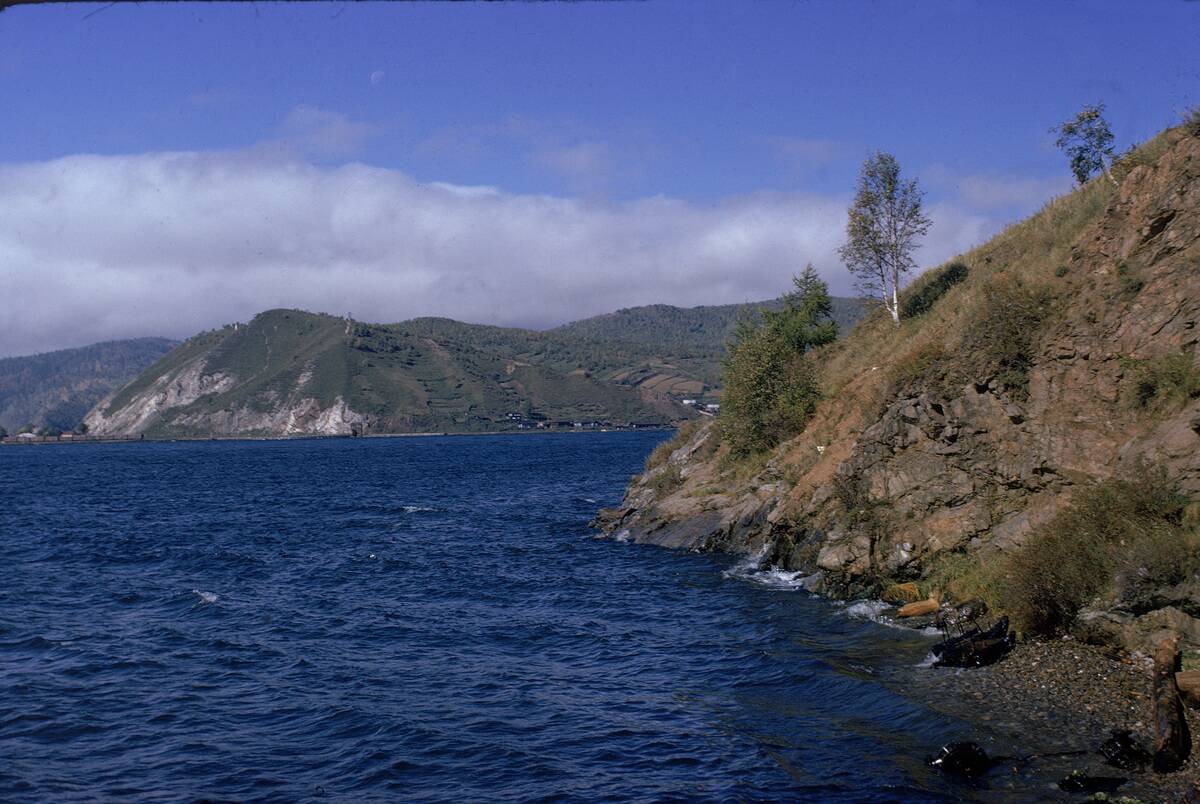
Lake Baikal, located in Siberia, is the world’s deepest and oldest freshwater lake. Its unique geography allows it to influence local weather patterns significantly. The lake’s vast volume and depth help moderate the surrounding climate, preventing extreme temperature fluctuations.
This moderation can lead to milder winters and cooler summers in the region. Lake Baikal’s ability to shape weather patterns is a testament to its ecological importance, providing a buffer against Siberia’s harsh climate.
Lake Erie: A Snowstorm Powerhouse
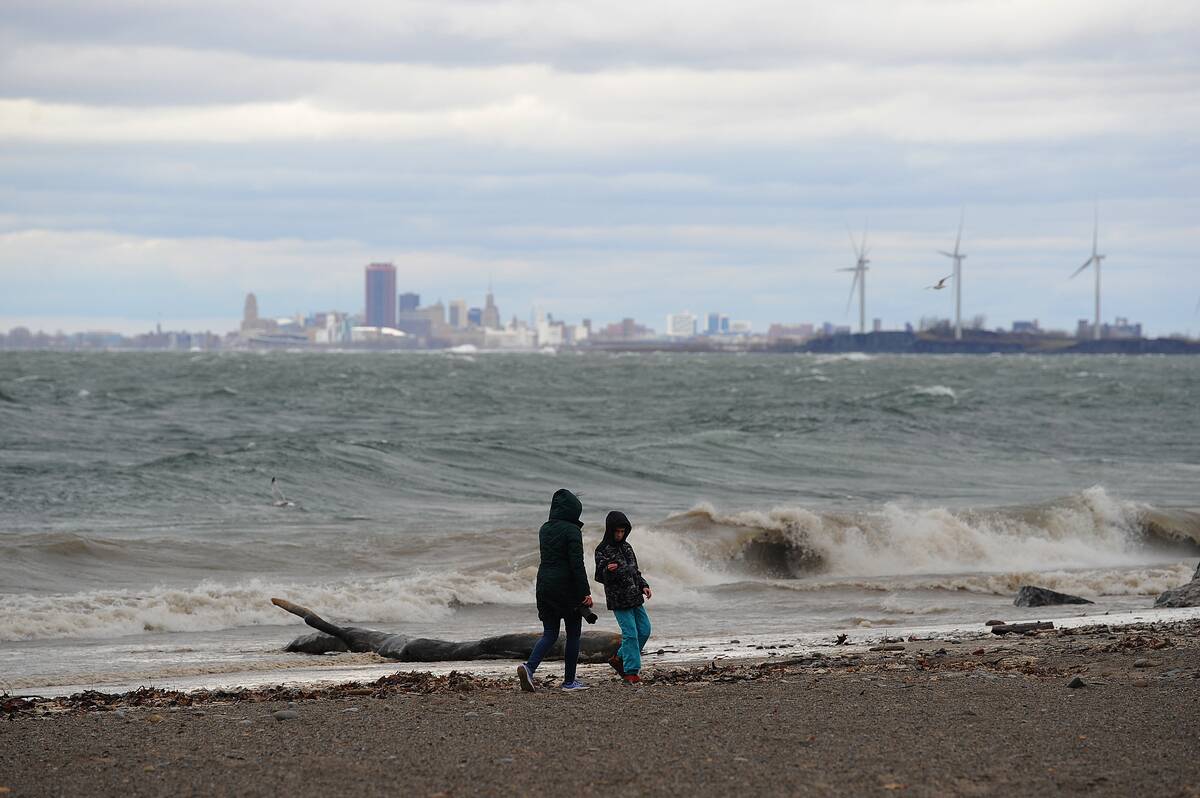
Lake Erie is famed for its ability to produce intense snowstorms, particularly affecting cities like Buffalo and Cleveland. Its relatively shallow waters warm quickly in summer, creating ideal conditions for lake-effect snow in the colder months.
These snow events can be sudden and severe, often catching residents off guard. Lake Erie’s weather influence doesn’t stop at snow; it also plays a role in summer thunderstorms, making it a year-round powerhouse of weather activity.