Chilling folklore from around the world

Trending Now
Folklore has a way of capturing our imagination, drawing us into tales that are as eerie as they are fascinating. From the frostbitten tundras to the lush tropics, every corner of the globe has its own spine-tingling stories.
These tales often reflect the fears and values of the cultures they originate from, offering a glimpse into the human psyche.
North America’s Spine-Chilling Wendigo

In the forests of North America, the legend of the Wendigo remains one of the most enduring figures in Algonquian folklore. Traditionally associated with greed, starvation, and the dangers of cannibalism, the Wendigo was often described as a person transformed by extreme hunger or selfish desires.
Modern stories frequently portray it as a gaunt, terrifying creature, though these details vary from traditional accounts. As a symbol of unchecked greed and destructive impulses, the Wendigo continues to influence folklore and popular culture today.
South America’s Terrifying El Silbón
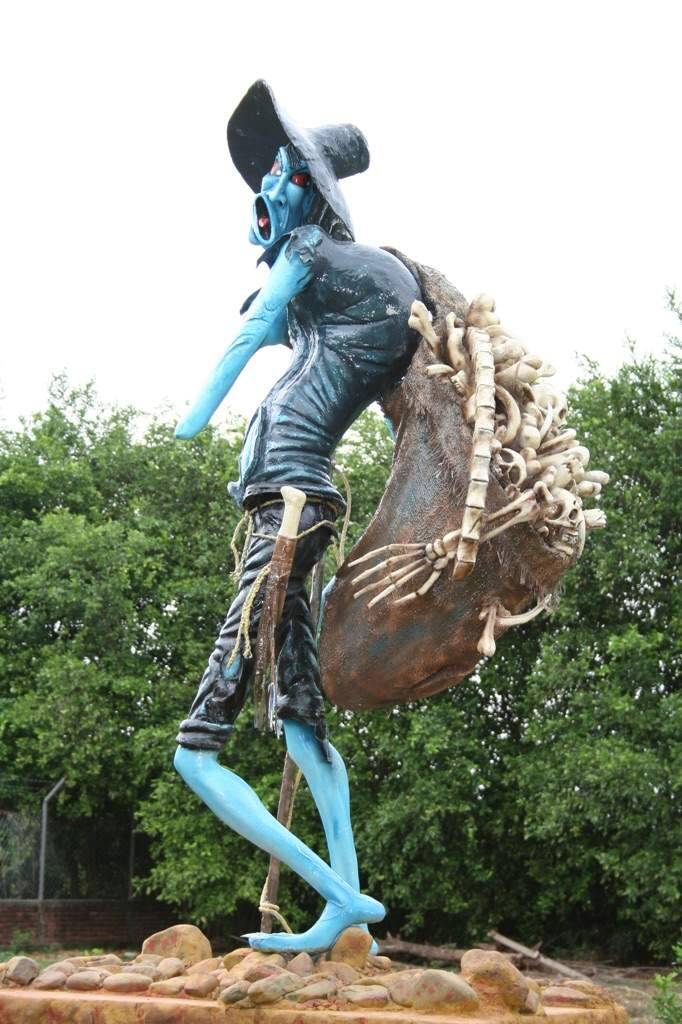
El Silbón, or “The Whistler,” is a ghostly figure from Venezuelan folklore, especially associated with the plains of Venezuela and Colombia. According to legend, he is the spirit of a young man who murdered his father and was cursed to wander forever carrying a sack of bones. His eerie whistle is said to have a supernatural quality, with some versions claiming that hearing it nearby means he is actually far away.
The tale serves as a cautionary legend about violence, wrongdoing, and the consequences of immoral actions.
Europe’s Eerie Tale of the Baba Yaga
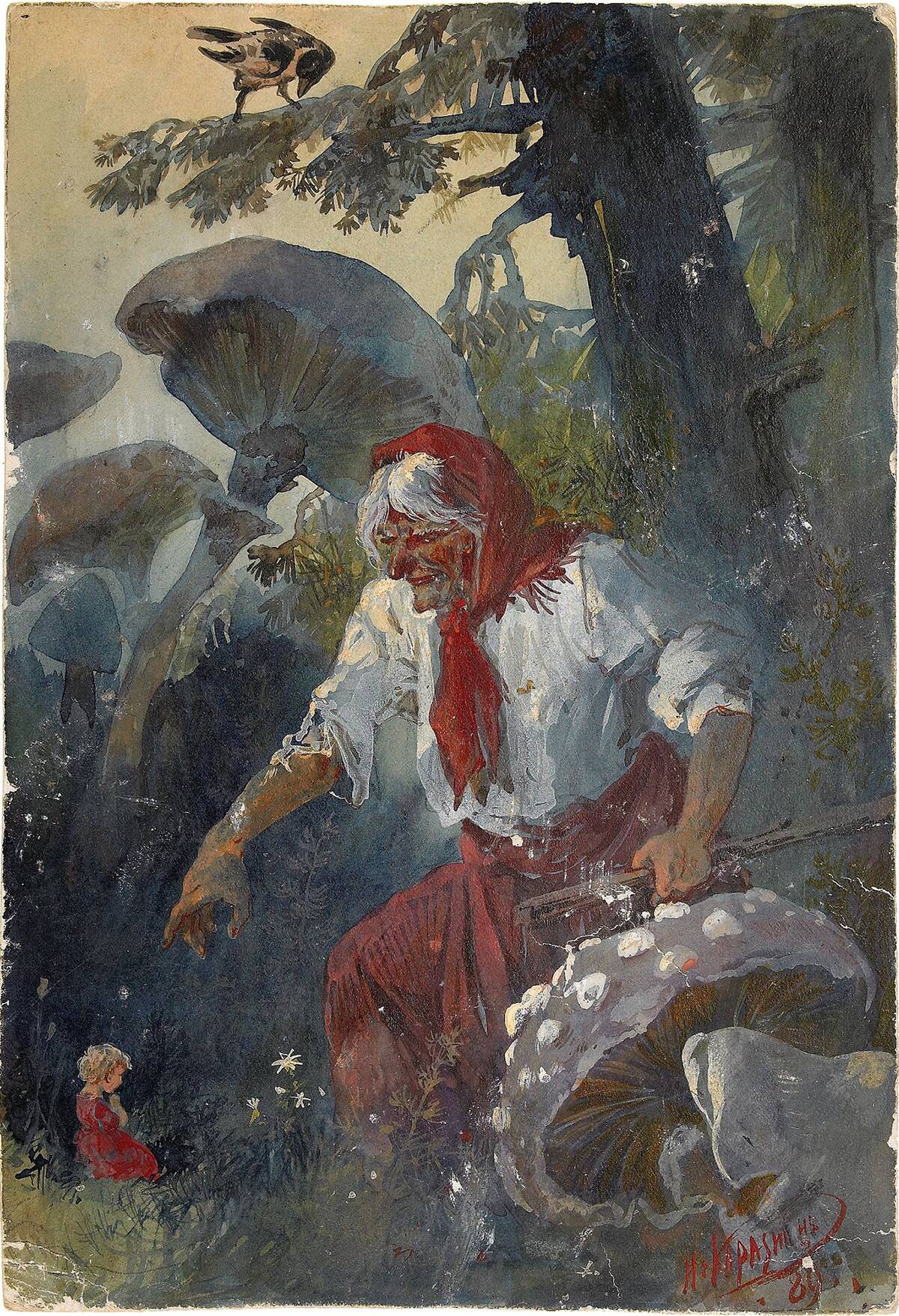
In the forests of Eastern Europe, Baba Yaga remains one of the most mysterious figures in Slavic folklore. Often depicted as a witch who lives in a hut standing on chicken legs, she is both feared and respected in traditional tales.
Known for her unpredictable nature, Baba Yaga may help or challenge those who seek her out, often testing their courage, intelligence, and character. Her stories reflect themes of transformation, wisdom, and the uncertain boundary between danger and assistance.
Asia’s Frightening Story of the Kuchisake-onna
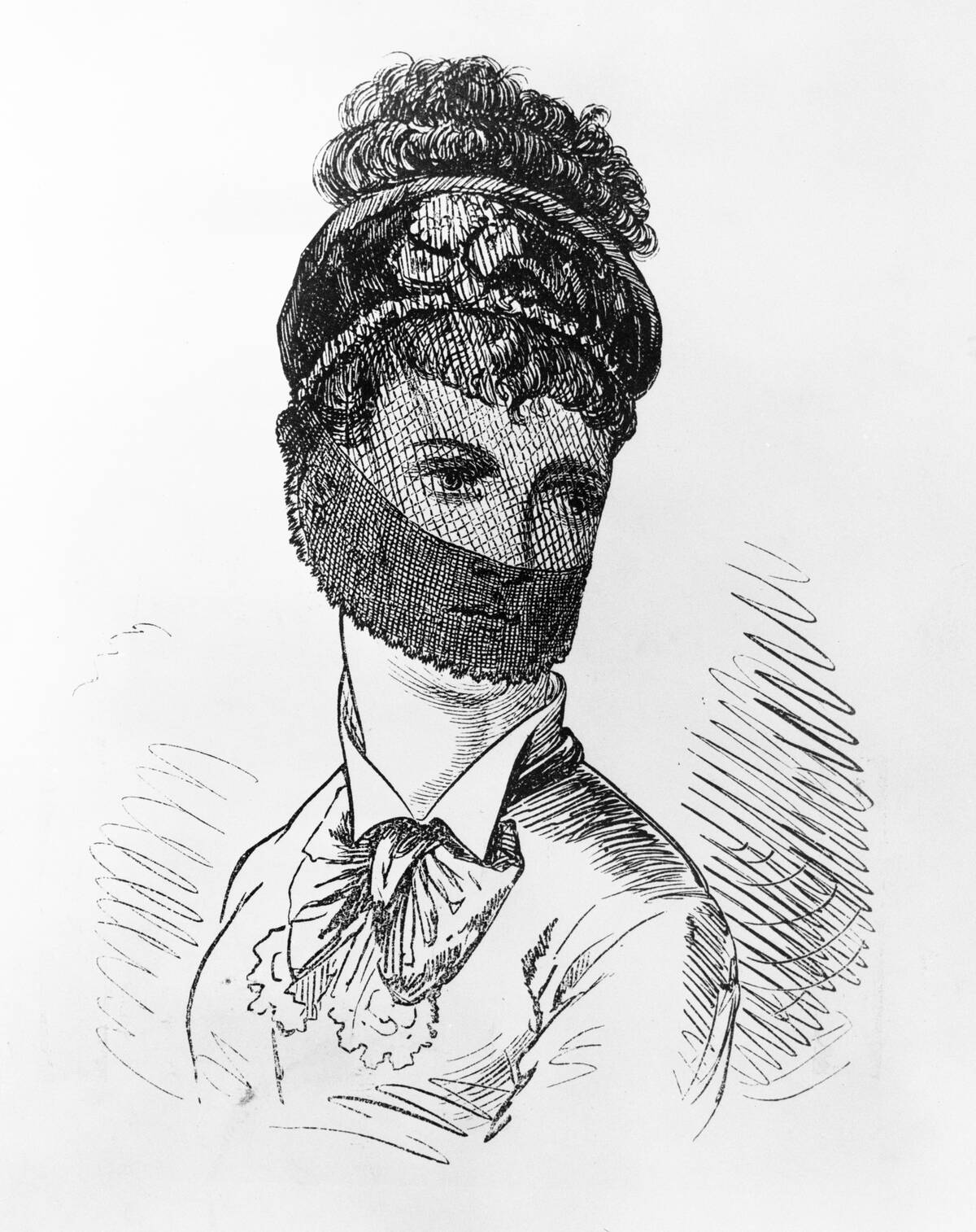
The Kuchisake-onna, or “Slit-Mouthed Woman,” is one of Japan’s most famous urban legends. According to many versions of the tale, she was once a beautiful woman whose mouth was cut open, leaving her with a terrifying scar.
She is said to wander the streets wearing a surgical mask and asks people whether they think she is beautiful before revealing her frightening smile. The legend reflects cultural anxieties surrounding appearance, identity, and fear of the unknown, continuing to capture imaginations through modern storytelling.
Australia’s Mysterious Bunyip

Deep in the waterways of Australia, the Bunyip remains one of the most mysterious figures in Aboriginal folklore. Associated with swamps, rivers, and billabongs, the creature has been described in many different ways depending on the cultural tradition, with later accounts often portraying it as a strange and frightening animal-like being.
Stories of the Bunyip frequently include terrifying sounds and warnings about dangerous waters. The legend reflects the importance of respecting nature and the mysteries found within the environment.
Antarctica’s Chilling Ghost Ship Tales
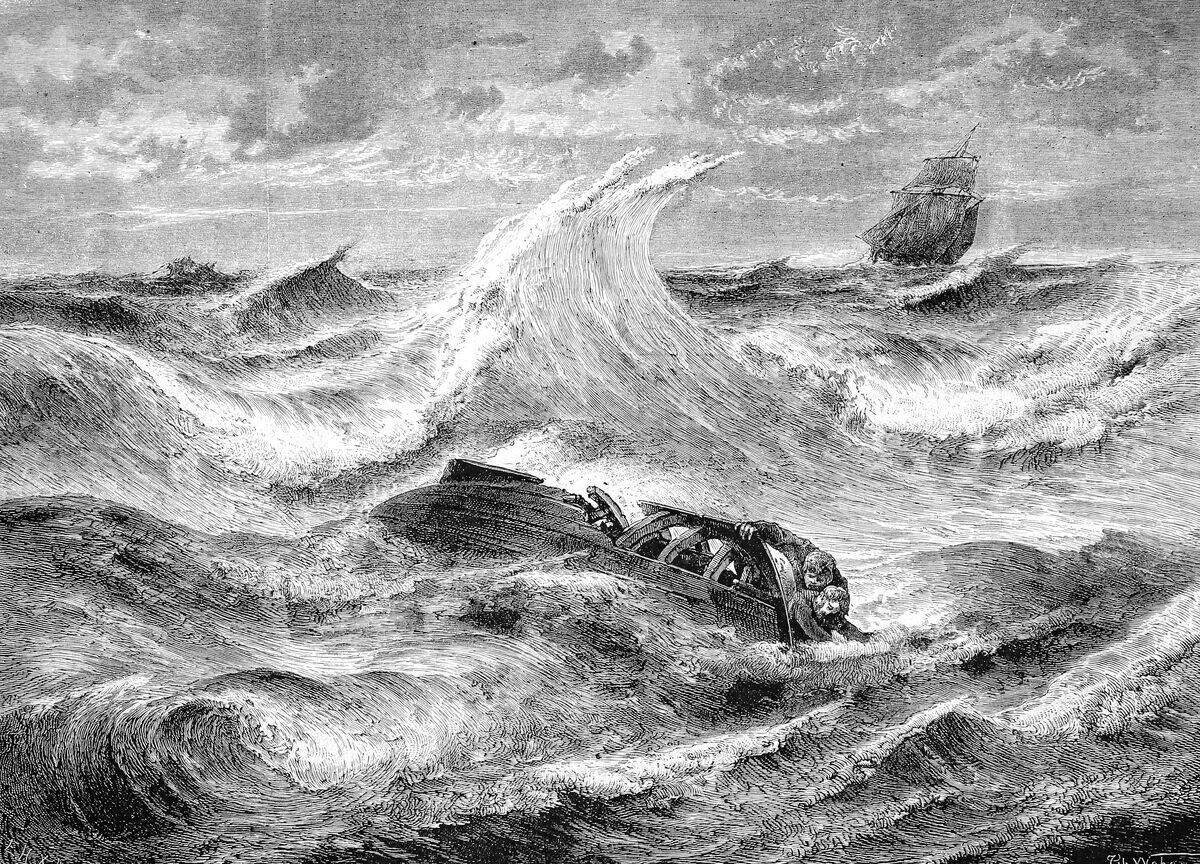
The Arctic, a land of ice and mystery, has given rise to some of history’s most famous ghost ship stories. Among them is the tale of the SS Baychimo, a cargo ship that became trapped in Arctic ice off the coast of Alaska in 1931 and was later abandoned by its crew.
Remarkably, the vessel was reportedly seen drifting without a crew for years afterward, earning a legendary reputation as a ghost ship. The story captures the isolation and unpredictability of polar waters, where even strong vessels can become lost to the frozen wilderness.
The Caribbean’s Spooky Soucouyant

In the Caribbean, the Soucouyant is a feared figure of the night found in regional folklore. Often described as a witch-like being, she is said to shed her skin and transform into a ball of fire, entering homes through small openings to drain the blood of her victims.
Associated with witchcraft and supernatural forces, the Soucouyant legend reflects cultural fears about hidden dangers and the consequences of harmful actions. The tale continues to endure as one of the Caribbean’s most recognizable supernatural stories.
The Middle East’s Sinister Djinn

The Djinn, or Jinn, are supernatural beings found in Middle Eastern folklore and Islamic tradition, known for their ability to interact with humans and, in many stories, change forms. Often associated with remote places, they are portrayed in different traditions as either benevolent or harmful beings with their own free will.
The Qur’an describes jinn as beings created from “smokeless fire,” emphasizing their distinct nature among the unseen creations. Stories about jinn reflect cultural and religious beliefs about the unseen world and humanity’s relationship with forces beyond ordinary understanding.
Oceania’s Creepy Taniwha

In Māori mythology, the Taniwha is a powerful supernatural being associated with rivers, lakes, oceans, caves, and other significant places. Depending on the tradition, a taniwha may be viewed as a protective guardian or a dangerous force that must be respected.
Often described in various forms, from animal-like creatures to powerful beings, taniwha hold an important place in Māori culture and oral traditions. Their stories reflect the deep spiritual connection between Māori communities and the natural world.
The Arctic’s Bone-Chilling Qalupalik

The Qalupalik is a creature from Inuit folklore, traditionally associated with the icy waters of the Arctic. Often described as a mysterious and frightening being that hides beneath the surface, the Qalupalik is said to capture children who wander too close to dangerous waters.
Modern retellings often portray it with features such as green skin, scales, and long fingernails, though descriptions vary among Inuit communities. The legend serves as a cautionary tale about the dangers of the Arctic environment and the importance of respecting its powerful forces.
Southeast Asia’s Ghostly Pontianak

The Pontianak is a ghostly figure from Malay and Indonesian folklore, often described as the spirit of a woman who died during pregnancy or childbirth. Commonly portrayed with pale skin and long black hair, she is said to haunt or attack those who encounter her, particularly men, in some versions of the legend.
Stories often associate her presence with the scent of frangipani flowers. The tale reflects themes of loss, tragedy, and vengeance, remaining one of the most enduring supernatural legends in Southeast Asian folklore.