The most impressive engineering achievements

Trending Now
Throughout history, human beings have pushed the boundaries of what is possible, creating marvels of engineering that inspire awe and admiration.
From ancient wonders to modern technological feats, these achievements showcase the creativity and determination that define our species.
The Roman Aqueducts: Mastering Water Supply

The Roman aqueducts are a testament to the ingenuity of ancient Rome, providing a reliable water supply to urban centers across the empire. These structures, some of which spanned over 50 miles, utilized gravity to transport water from distant sources into cities.
The Pont du Gard in France is a stunning example, with its three tiers of arches standing as a testament to the Romans’ mastery of engineering and their understanding of hydraulics.
The Panama Canal: Bridging Two Oceans

The Panama Canal, completed in 1914, revolutionized global trade by connecting the Atlantic and Pacific Oceans. This engineering marvel required the excavation of over 200 million cubic meters of earth and the construction of a series of locks to raise and lower ships.
The canal’s completion was a testament to human determination, overcoming challenges such as disease and difficult terrain to create a vital shipping route that continues to serve the world today.
The Hoover Dam: Harnessing the Power of Water
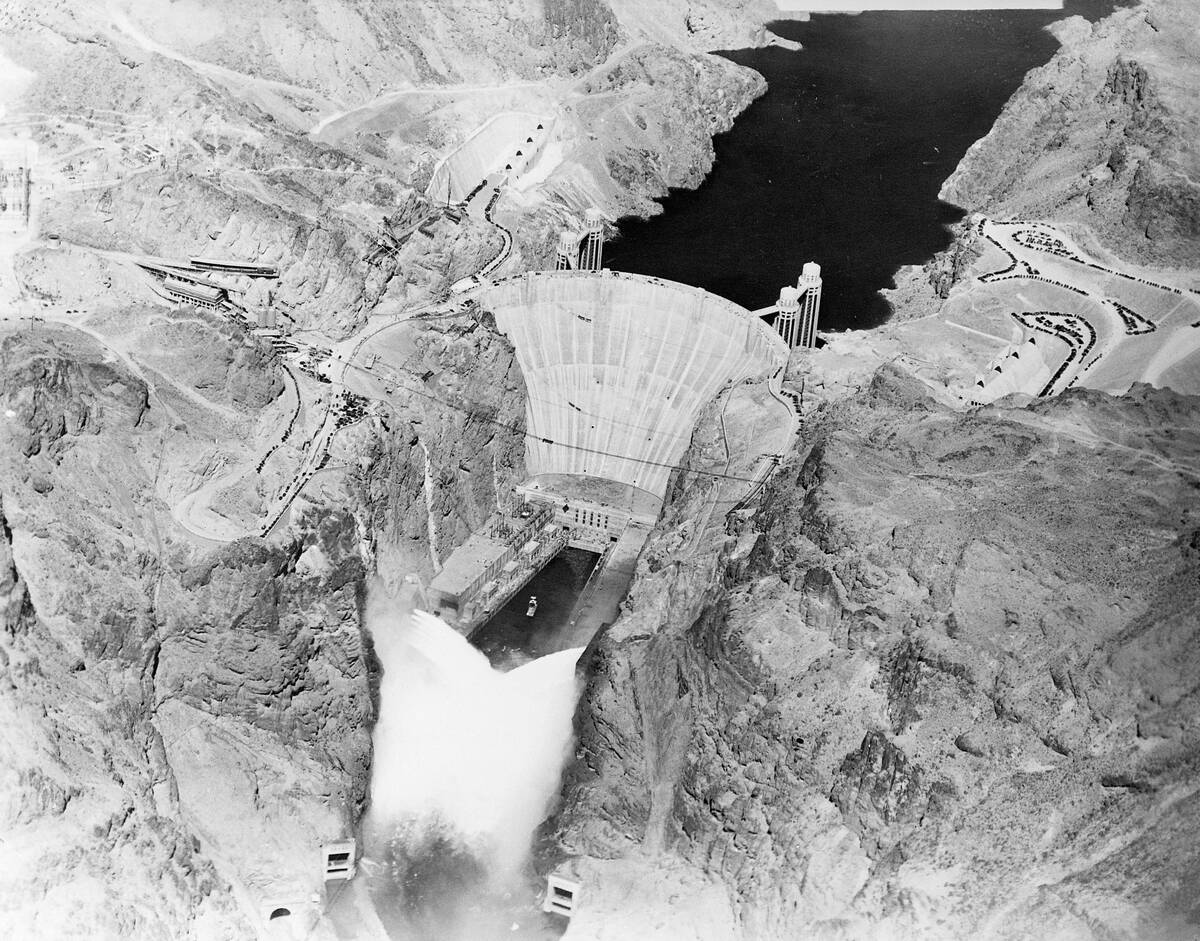
Completed in 1936, the Hoover Dam is an iconic example of 20th-century engineering, harnessing the power of the Colorado River to provide water and electricity to millions. Standing 726 feet tall, the dam’s construction involved thousands of workers and innovative techniques, such as the use of interlocking concrete blocks.
Its creation not only transformed the surrounding region but also demonstrated the potential of large-scale infrastructure projects to improve lives.
The Channel Tunnel: Connecting Nations Underwater

The Channel Tunnel, or “Chunnel,” is a remarkable feat of engineering that connects the United Kingdom and France beneath the English Channel. Opened in 1994, this 31.4-mile tunnel includes three separate tunnels and required the excavation of millions of tons of earth.
The project overcame significant geological and logistical challenges, ultimately creating a vital transportation link that has facilitated travel and commerce between the two nations.
The Golden Gate Bridge: Spanning the Impossible

The Golden Gate Bridge, completed in 1937, is an iconic symbol of San Francisco and a marvel of engineering. Spanning 1.7 miles across the Golden Gate Strait, the bridge’s Art Deco design and international orange color make it instantly recognizable.
Its construction faced numerous challenges, including strong tides and winds, but the result is a stunning structure that has become a beloved landmark and testament to human ingenuity.
The Apollo Moon Landing: A Giant Leap for Mankind

The Apollo Moon Landing in 1969 was a monumental achievement in human history, marking the first time humans set foot on another celestial body. The mission required the collaboration of thousands of scientists and engineers, as well as the development of new technologies, such as the Saturn V rocket.
Neil Armstrong’s famous words, “That’s one small step for man, one giant leap for mankind,” captured the significance of this incredible engineering feat.
The Internet: Revolutionizing Global Communication

The Internet has transformed the way we communicate, access information, and conduct business, revolutionizing global society. Its origins can be traced back to the ARPANET project in the 1960s, which laid the groundwork for the interconnected network we know today.
The development of the World Wide Web in the 1990s further accelerated its growth, making it an indispensable tool that connects billions of people worldwide and continues to evolve.
The Large Hadron Collider: Unlocking the Secrets of the Universe

The Large Hadron Collider (LHC), located at CERN near Geneva, is the world’s largest and most powerful particle accelerator. Operational since 2008, the LHC has enabled scientists to explore fundamental questions about the universe, including the discovery of the Higgs boson in 2012.
By colliding particles at near-light speeds, the LHC provides insights into the fundamental forces and particles that make up our universe, pushing the boundaries of human knowledge.
The International Space Station: A Collaborative Space Odyssey

The International Space Station (ISS) is a testament to international collaboration and human ingenuity in space exploration. Since its first module was launched in 1998, the ISS has served as a unique laboratory for scientific research and technological development.
Orbiting Earth at an altitude of approximately 400 kilometers, it brings together contributions from multiple countries, fostering cooperation and advancing our understanding of life in space and the potential for future exploration.
The Burj Khalifa: Reaching New Heights

The Burj Khalifa in Dubai, completed in 2010, is the tallest building in the world, standing at 828 meters. This architectural marvel required innovative engineering techniques to withstand the harsh desert environment and high winds.
Its design, inspired by Islamic architecture, features a unique Y-shaped structure that maximizes views of the Arabian Gulf. The Burj Khalifa is a symbol of modern engineering excellence and a testament to the ambition of its creators.
The Three Gorges Dam: Engineering on a Grand Scale

The Three Gorges Dam in China is the world’s largest hydroelectric power station, completed in 2012. Spanning the Yangtze River, the dam stretches over 2 kilometers and stands 185 meters tall.
Its construction involved the relocation of over a million people and the use of cutting-edge technology to manage the river’s flow. The dam generates enormous amounts of electricity, showcasing the potential of large-scale engineering projects to meet energy demands.
The Mars Rover Missions: Exploring the Red Planet

The Mars Rover missions, including Spirit, Opportunity, Curiosity, and Perseverance, have expanded our understanding of the Red Planet. These robotic explorers have traversed the Martian surface, analyzing soil, rocks, and the atmosphere to uncover clues about the planet’s history and potential for life.
Each mission has faced unique challenges, from harsh terrain to communication delays, yet they continue to provide invaluable data and inspire future exploration.
The Human Genome Project: Decoding Life’s Blueprint

The Human Genome Project, completed in 2003, was a groundbreaking international effort to map the entire human genome. This monumental task involved sequencing over 3 billion DNA base pairs, providing insights into the genetic basis of human biology and disease.
The project’s completion has revolutionized fields such as medicine, genetics, and biotechnology, paving the way for personalized medicine and a deeper understanding of what makes us uniquely human.