The most powerful animals in the world

Trending Now
Welcome to a world where strength, speed, and sheer size reign supreme. The animal kingdom is home to some truly awe-inspiring creatures, each with their own unique traits and abilities.
From the savannas of Africa to the icy waters of the Arctic, these titans showcase the incredible diversity and power of nature.
The Mighty Elephant: Nature’s Bulldozer

Elephants are the largest land animals on Earth, with African elephants weighing up to 12,000 pounds. Their trunks, made up of over 40,000 muscles, are versatile tools used for feeding, drinking, and social interactions.
These gentle giants are known for their intelligence and strong social bonds, often forming close-knit family groups led by a matriarch. Despite their size, elephants are surprisingly agile and can run at speeds of up to 25 miles per hour.
The Ferocious Grizzly Bear: Strength in the Wild

Grizzly bears are formidable predators, with males weighing up to 1,700 pounds. Their powerful forelimbs and sharp claws make them adept hunters, capable of taking down large prey such as moose and elk.
Grizzlies are also excellent swimmers and can run at speeds of up to 40 miles per hour. Despite their fearsome reputation, these bears are primarily solitary creatures, with a diet that includes berries, fish, and small mammals.
The Intimidating Hippopotamus: River Giants

Hippos are often underestimated, but these massive creatures are among the most dangerous animals in Africa. Weighing up to 4,000 pounds, they are highly territorial and can be extremely aggressive.
Hippos spend much of their time in water, where their eyes, ears, and nostrils are positioned to remain above the surface. Despite their bulk, they can run on land at speeds of up to 19 miles per hour, making them formidable opponents.
The Tenacious Rhinoceros: Horned Powerhouses
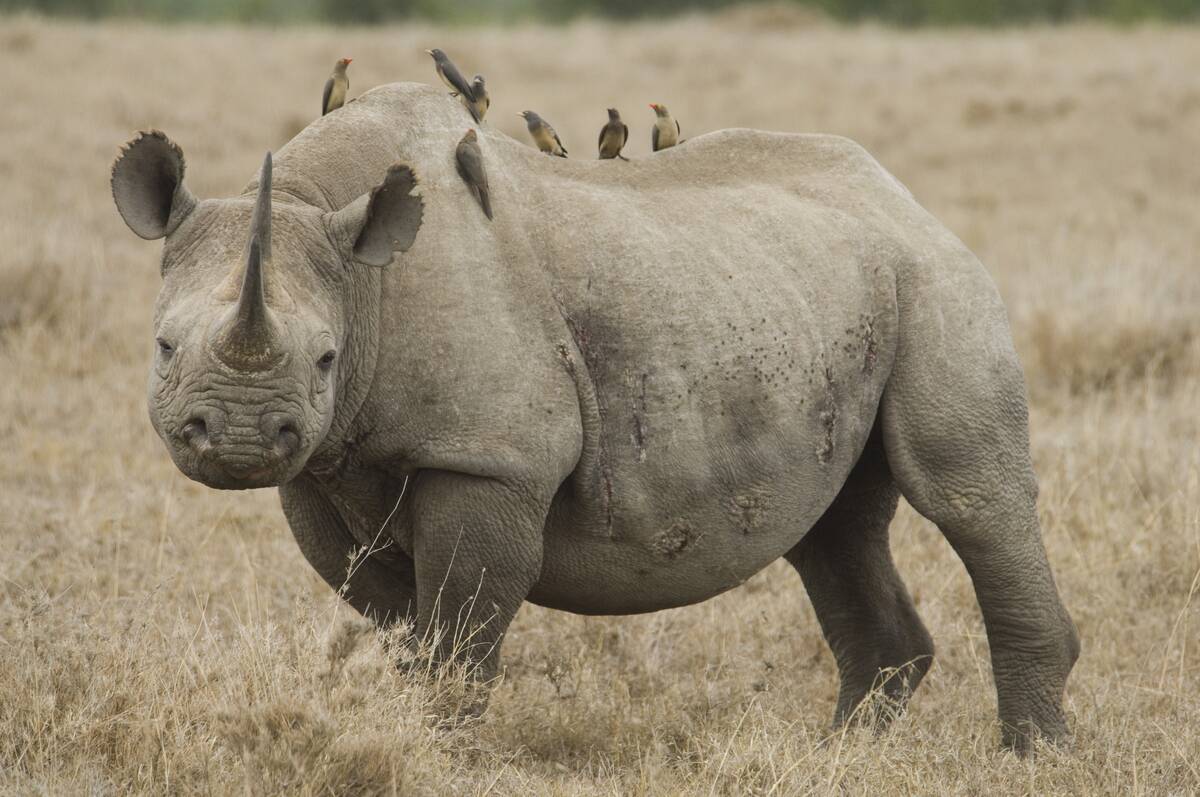
Rhinoceroses are known for their distinctive horns, which are made of keratin, the same protein found in human hair and nails. These massive herbivores can weigh up to 5,000 pounds and are found in Africa and Asia.
Rhinos have thick, protective skin and are capable of charging at speeds of up to 34 miles per hour. Despite their tough exterior, they face threats from poaching and habitat loss, making conservation efforts critical for their survival.
The Swift Cheetah: Speed Demons of the Savanna
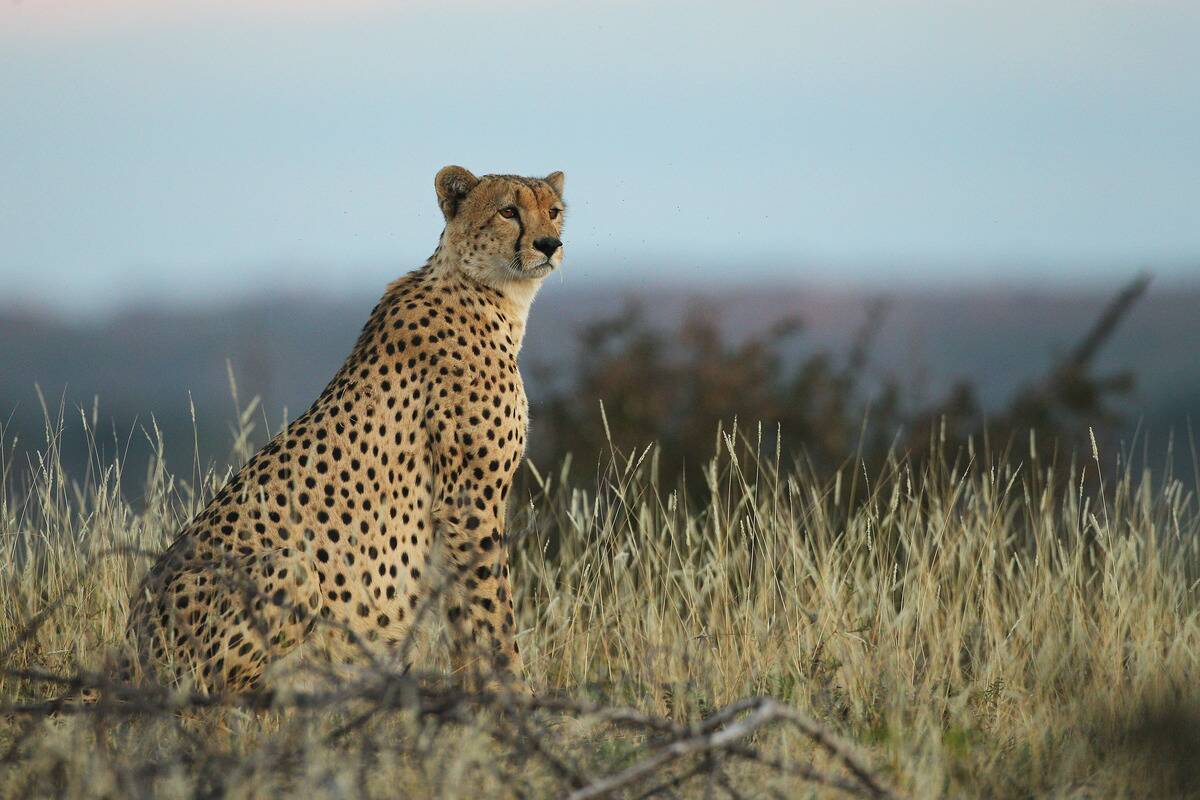
Cheetahs are the fastest land animals, capable of reaching speeds of up to 70 miles per hour in short bursts covering distances up to 1,500 feet. Their slender bodies and long legs are built for speed, allowing them to outpace most prey.
Unlike other big cats, cheetahs rely on their keen eyesight and rapid acceleration to hunt, often targeting antelope and other small mammals. Their distinctive black “tear marks” help reduce glare from the sun, improving their focus during high-speed chases.
The Formidable Saltwater Crocodile: Ancient Predators
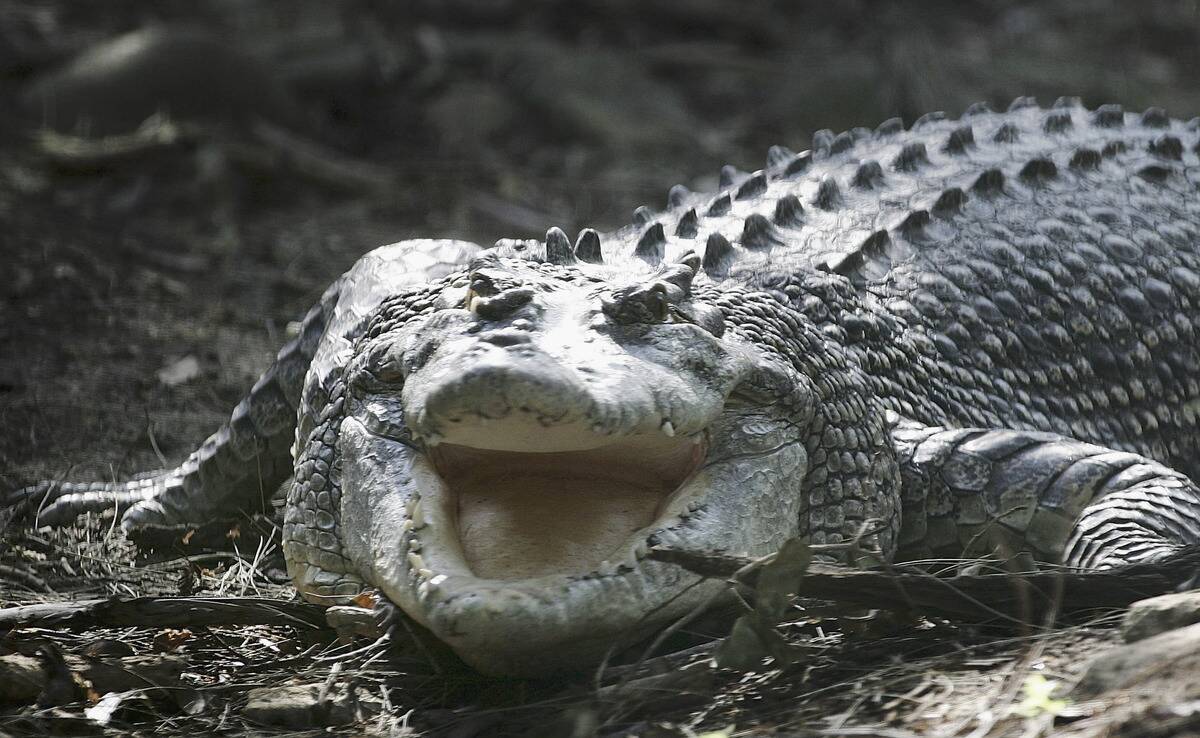
Saltwater crocodiles are the largest living reptiles, with some individuals exceeding 20 feet in length and weighing over 2,000 pounds. Found in Southeast Asia and northern Australia, these apex predators are highly territorial and can be extremely aggressive.
Their powerful jaws can exert a bite force of over 3,700 pounds per square inch, making them capable of taking down large prey such as water buffalo. Saltwater crocodiles are excellent swimmers and can remain submerged for up to an hour.
The Majestic Lion: The King of the Jungle

Lions are social animals, living in prides that can include up to 30 individuals. Known for their majestic manes, male lions can weigh up to 500 pounds. These apex predators are skilled hunters, often working together to take down large prey such as zebras and wildebeests.
Lions are primarily nocturnal, using the cover of darkness to stalk their prey. Despite their fearsome reputation, lions spend much of their time resting, conserving energy for their next hunt.
The Robust Gorilla: Gentle Giants with Incredible Strength

Gorillas are the largest primates, with males, known as silverbacks, weighing up to 500 pounds. These gentle giants are known for their intelligence and complex social structures, often living in groups led by a dominant male. Gorillas are primarily herbivorous, feeding on leaves, stems, and fruit.
Despite their size and strength, they are generally peaceful creatures, using vocalizations and gestures to communicate with one another. Conservation efforts are crucial to protect these endangered animals from habitat loss and poaching.
The Powerful Anaconda: Constrictor Extraordinaire

Anacondas are among the largest snakes in the world, with green anacondas reaching lengths of up to 30 feet and weighing over 500 pounds. Found in South America, these powerful constrictors use their muscular bodies to subdue prey, which can include large mammals and even caimans.
Anacondas are excellent swimmers, often lurking in rivers and swamps to ambush their prey. Despite their fearsome reputation, they are generally shy and elusive, avoiding human contact whenever possible.
The Indomitable Polar Bear: Arctic Powerhouses
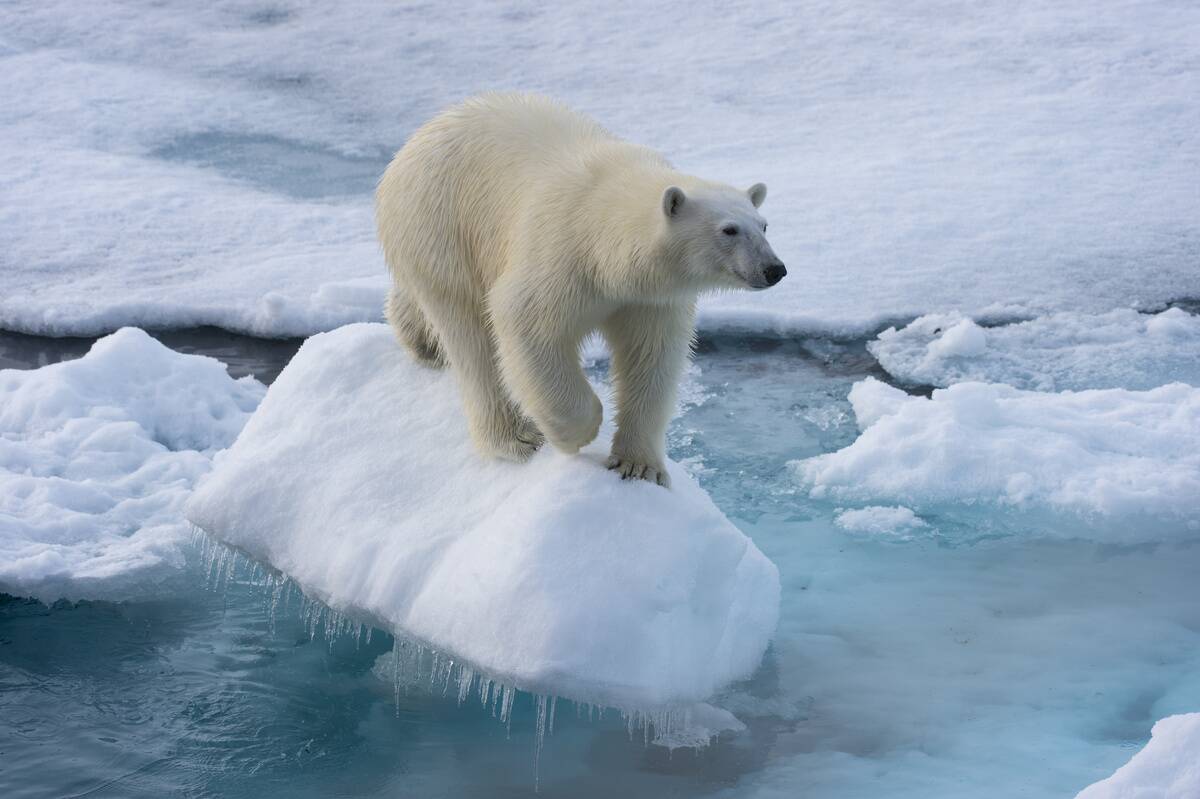
Polar bears are the largest land carnivores, with males weighing up to 1,500 pounds. These Arctic powerhouses are superbly adapted to their icy environment, with thick fur and a layer of blubber providing insulation against the cold.
Polar bears are skilled hunters, primarily preying on seals, which they hunt on the sea ice. Despite their solitary nature, they are highly social animals, often interacting with one another during the breeding season or when food is abundant.
The Resilient Cape Buffalo: The Black Death

Cape buffalo are known for their resilience and formidable nature, earning them the nickname “The Black Death.” Weighing up to 2,000 pounds, these powerful herbivores are found in sub-Saharan Africa.
They live in large herds, providing protection against predators such as lions and crocodiles. Cape buffalo are highly unpredictable and can be aggressive when threatened, using their sharp horns to defend themselves. Despite their fearsome reputation, they play a crucial role in their ecosystems, helping to maintain the balance of the savanna.
The Agile Harpy Eagle: Sky Sovereigns

Harpy eagles are among the largest and most powerful birds of prey, with wingspans reaching up to 7 feet. Found in the rainforests of Central and South America, these majestic raptors are skilled hunters, preying on monkeys, sloths, and other arboreal animals.
Harpy eagles have powerful talons, capable of exerting a grip strength of over 500 pounds per square inch. Despite their impressive hunting abilities, they are vulnerable to habitat loss and deforestation, making conservation efforts vital for their survival.
The Fierce Komodo Dragon: Lethal Reptiles
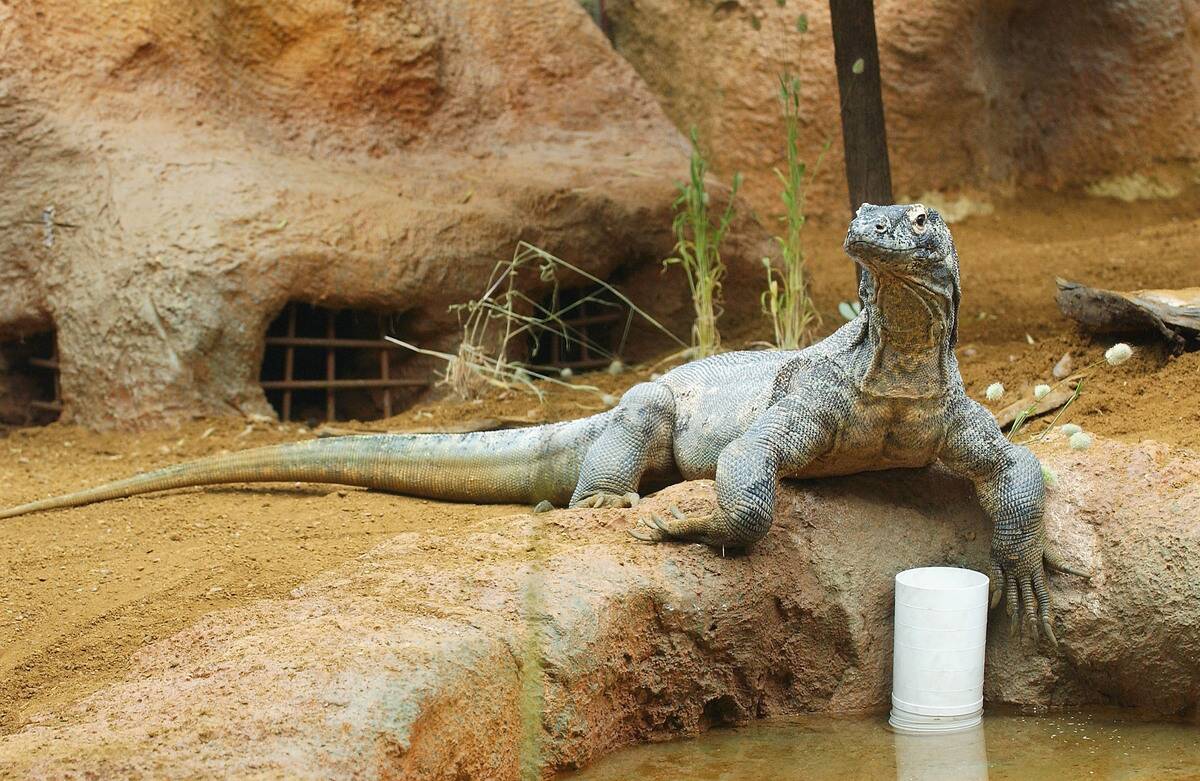
Komodo dragons are the largest lizards in the world, growing up to 10 feet in length and weighing over 300 pounds. Native to the Indonesian islands, these formidable predators are known for their powerful bites and venomous saliva, which contains toxic proteins that can incapacitate prey.
Komodo dragons are opportunistic hunters, feeding on a variety of animals, including deer, pigs, and even water buffalo. Despite their fearsome reputation, they are vulnerable to habitat loss and human encroachment.
The Mighty Blue Whale: Oceanic Leviathans
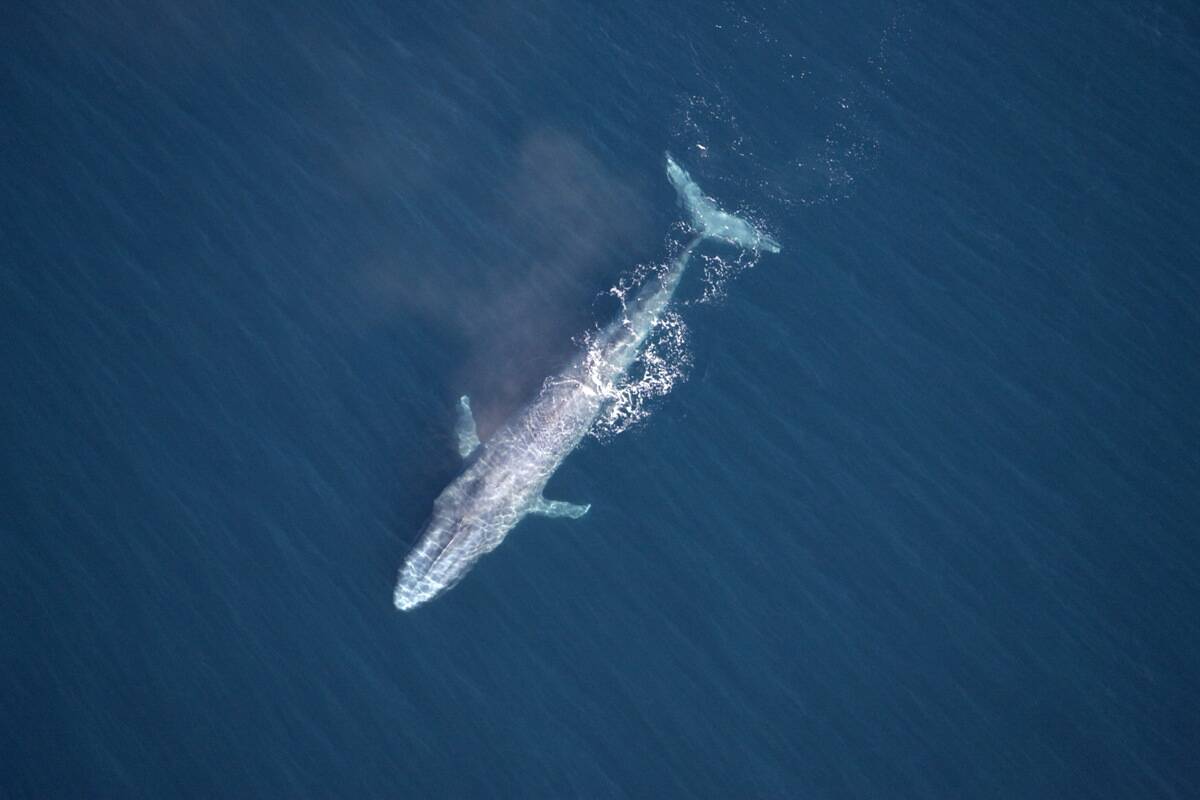
Blue whales are the largest animals to have ever lived, reaching lengths of up to 100 feet and weighing as much as 200 tons. These gentle giants are found in oceans around the world, feeding primarily on tiny shrimp-like animals called krill.
Despite their massive size, blue whales are graceful swimmers, capable of reaching speeds of up to 20 miles per hour. Their haunting songs can travel for thousands of miles underwater, serving as a means of communication across vast distances.
The Impressive Orca: Apex Predators of the Sea
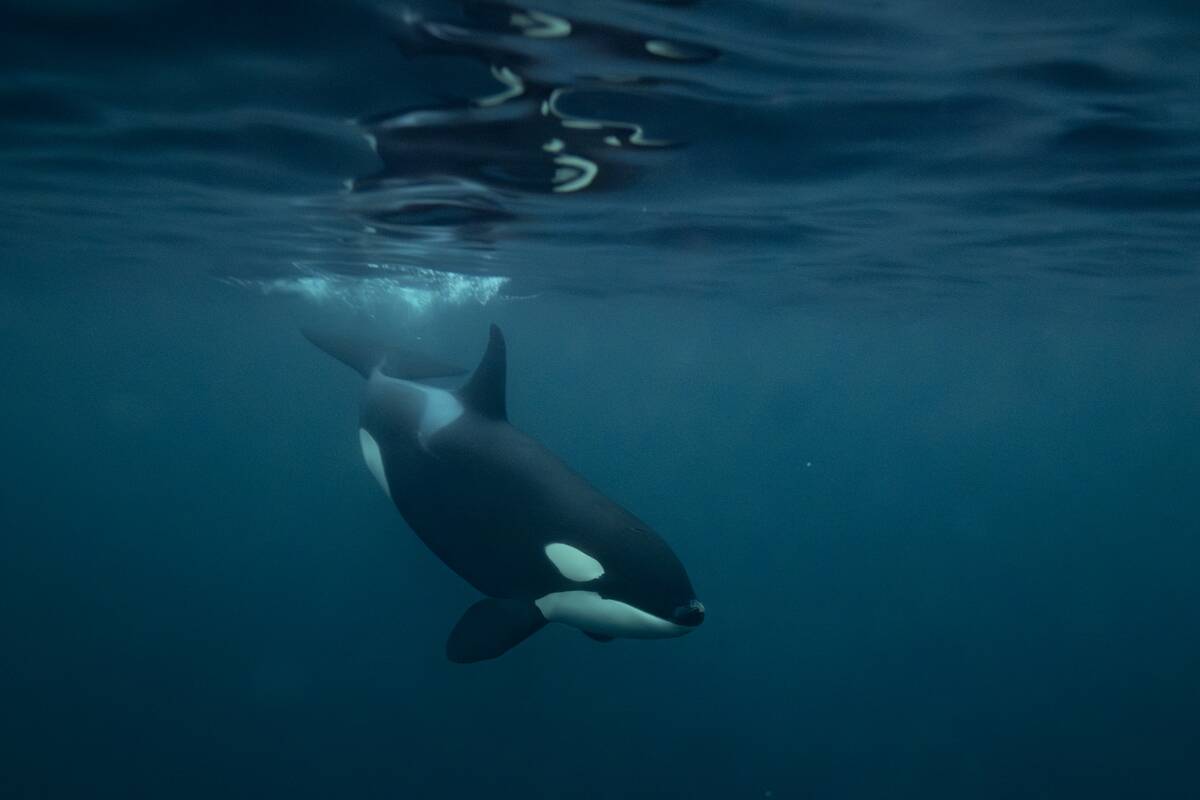
Orcas, also known as killer whales, are highly social and intelligent marine mammals, found in oceans worldwide. These apex predators are known for their complex social structures, often living in pods that can include up to 40 individuals. Orcas have diverse diets, preying on fish, seals, and even other whales.
They are known for their sophisticated hunting techniques, including cooperative hunting and using echolocation to locate prey. Despite their name, orcas are not true whales but are the largest members of the dolphin family.