The science behind déjà vu

Trending Now
Déjà vu, a French term meaning “already seen,” is a fascinating phenomenon that many people have experienced at least once in their lives. It’s that eerie feeling when you think you’ve lived a moment before, even though you know you haven’t.
This sensation has intrigued scientists, psychologists, and philosophers for centuries, leading to numerous studies and theories. Despite its common occurrence, déjà vu remains one of the most mysterious quirks of the human mind.
Déjà Vu: A Glimpse into the Mind’s Time Machine

Imagine your mind as a time machine, offering brief glimpses into moments that feel strangely familiar. Déjà vu is like a glitch in this mental time travel, where your brain creates the compelling illusion that you’re reliving an experience.
This sensation is usually fleeting, lasting only a few seconds, but it often leaves a lasting impression. Researchers believe déjà vu is linked to memory processes, making it a valuable phenomenon for studying how the brain processes familiarity, memory,
The History of Déjà Vu: From Ancient Beliefs to Modern Science

The concept of déjà vu has roots in ancient beliefs, where it was often attributed to mystical or supernatural causes. In the 19th century, French philosopher Émile Boirac coined the term “déjà vu,” sparking scientific interest.
Today, modern science has taken the reins, exploring déjà vu through the lens of psychology and neuroscience. While the mystery hasn’t been fully unraveled, the journey from ancient myths to scientific inquiry highlights humanity’s enduring fascination with this peculiar experience.
What Exactly Is Déjà Vu? Defining the Unexplainable

Déjà vu is a complex sensation that defies easy explanation. At its core, it’s the feeling that a current experience is eerily familiar, even though it’s objectively new. This paradoxical experience challenges our understanding of memory and perception.
Scientists define déjà vu as a “subjective anomaly of memory,” where the brain mistakenly recognizes a new situation as familiar. Despite advances in research, the exact mechanisms behind this phenomenon remain elusive, adding to its enigmatic allure.
The Brain’s Role in Déjà Vu: A Neuroscientific Perspective
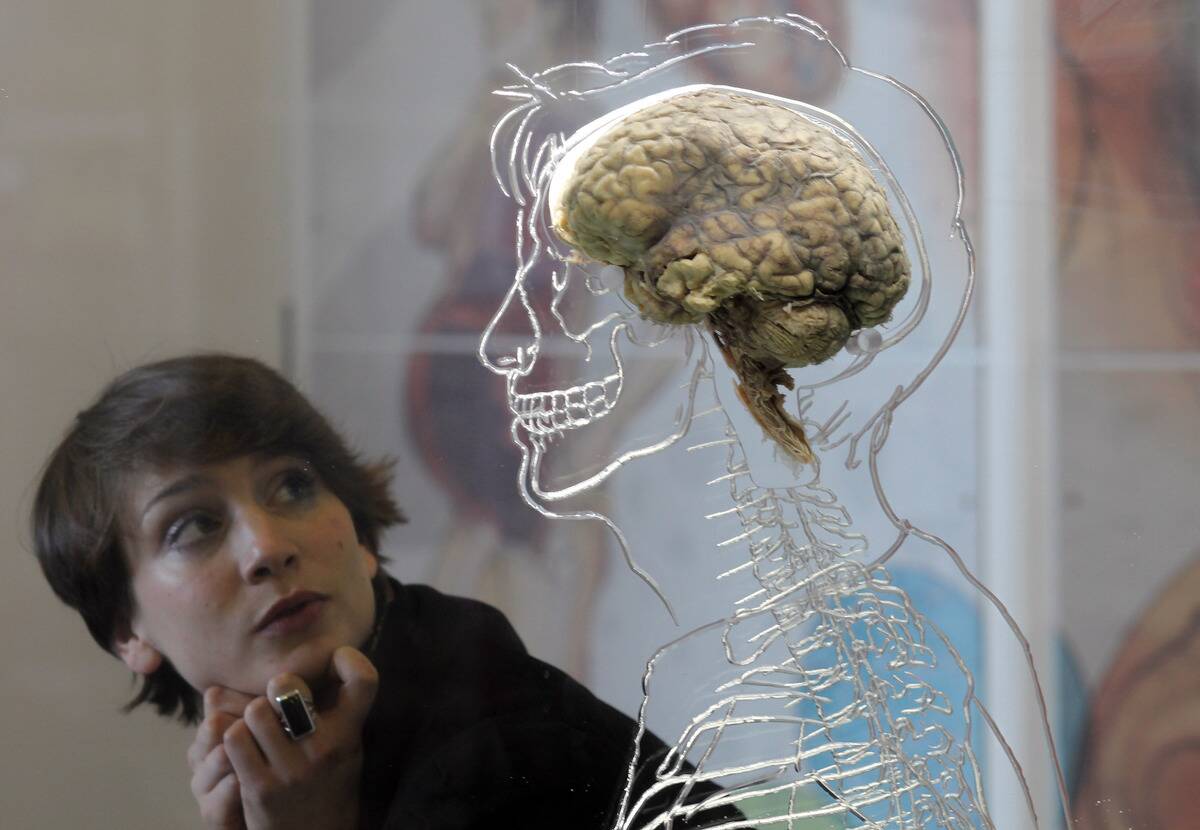
The brain plays a crucial role in the occurrence of déjà vu, acting as the command center for this peculiar experience. Neuroscientists have identified the temporal lobe, particularly the hippocampus and surrounding memory-related structures, as key players in memory processing and recognition.
During déjà vu, these brain regions may briefly process familiarity incorrectly, creating the illusion that a new experience has happened before. Although the exact mechanism remains uncertain, studies involving brain imaging, electrical stimulation, and patients with temporal lobe epilepsy support the idea that déjà vu has a neurological basis.
Memory Glitches: How the Brain Mixes Up Past and Present

Déjà vu can be thought of as a temporary memory-processing glitch, where the brain creates a false sense of familiarity for a new experience. Rather than recalling an actual past event, the brain mistakenly interprets the present moment as something it has encountered before.
Researchers believe this may result from a brief mismatch in the brain’s systems for processing memory and familiarity. This fascinating interplay highlights the complexity of human cognition and demonstrates how our perceptions can occasionally be shaped by subtle errors in the brain’s intricate processes.
The Role of Familiarity and Recognition in Déjà Vu

Familiarity and recognition are key components of the déjà vu experience. When encountering a new situation, the brain rapidly evaluates whether it feels familiar, drawing on memory and subtle contextual cues. In déjà vu, this process appears to momentarily malfunction, creating a false sense of recognition.
Researchers believe this may result from a brief mismatch in the brain’s familiarity and memory systems, causing a new experience to feel strangely familiar despite the absence of a real memory. Understanding this phenomenon provides valuable insight into how the brain processes memory, familiarity, and perception.
Déjà Vu and the Temporal Lobe: A Brainy Connection

The temporal lobe, a region of the brain associated with memory and sensory processing, is closely linked to déjà vu. Studies have shown that stimulation of parts of the temporal lobe can trigger déjà vu-like sensations, suggesting that this region plays an important role in the phenomenon.
This connection is further supported by cases of temporal lobe epilepsy, where individuals often report frequent déjà vu episodes due to abnormal activity in brain areas involved in memory and recognition. These findings highlight the temporal lobe’s significance in understanding the complex processes behind déjà vu.
Theories Behind Déjà Vu: From Dual Processing to Hologram Theory

Several theories attempt to explain the enigma of déjà vu, each offering a different perspective. The dual processing theory suggests that déjà vu may occur when cognitive processes involved in perception and memory become temporarily misaligned, creating a false sense of familiarity.
Another hypothesis, known as the hologram theory, proposes that a small fragment of a stored memory may trigger recognition of an entire experience, similar to how a hologram contains information about a whole image. While not a confirmed explanation, these theories reflect the various approaches researchers use to understand this complex phenomenon.
Déjà Vu and Dreaming: Is There a Link?
Some researchers have explored a possible connection between déjà vu and dreaming, suggesting that the sensation may occur when a present experience resembles a forgotten dream. This idea proposes that similarities between a current situation and a previous dream could create a feeling of familiarity, although the theory remains unproven.
While the dream-like quality of déjà vu has inspired several explanations, current research more strongly supports theories involving memory and recognition processes. Further studies are needed to better understand the possible relationship between dreams and this mysterious experience.
The Frequency of Déjà Vu: Who Experiences It and How Often?

Déjà vu is a common experience, with studies suggesting that approximately 60–80% of people have experienced it at least once in their lives. It is reported more frequently among younger individuals, particularly teenagers and young adults, although the exact peak age range varies across studies.
This pattern may be related to differences in memory processing and cognitive development, though the underlying reasons remain unclear. While déjà vu is generally a harmless experience, studying its frequency and patterns provides valuable insights into how the human brain processes familiarity and memory.
Déjà Vu and Psychological Conditions: When It Becomes a Concern

While déjà vu is typically a harmless and common experience, unusually frequent or intense episodes can sometimes occur alongside certain neurological conditions. For example, people with temporal lobe epilepsy may experience recurrent déjà vu as part of their seizure activity.
Some research has also explored possible links between frequent déjà vu and factors such as anxiety or stress, although these connections remain unclear. When déjà vu becomes distressing, frequent, or interferes with daily life, consulting a healthcare professional may help determine whether an underlying condition is present.
Can Déjà Vu Be Induced? Exploring Experimental Studies

Researchers have explored ways to study déjà vu in controlled settings to better understand its underlying mechanisms. Some studies have used virtual reality and carefully designed scenarios to create déjà vu-like feelings by combining familiar and unfamiliar elements.
By examining how people respond to these experiences, scientists can investigate the cognitive processes involved in recognition and memory. Although inducing true déjà vu remains challenging, these experiments provide valuable insights into how the brain creates feelings of familiarity.
Déjà Vu and the Paranormal: Separating Fact from Fiction

Déjà vu has often been associated with paranormal explanations, with some people interpreting it as evidence of psychic abilities or past life memories. However, scientific research has not found evidence supporting these claims and instead focuses on cognitive and neurological explanations involving memory and recognition processes.
While supernatural interpretations of déjà vu remain popular in culture, scientific studies help clarify the experience by examining the brain mechanisms behind feelings of familiarity and recognition.