Why food tastes different on airplanes

Trending Now
Have you ever wondered why airplane food tastes different than meals on the ground? It’s a question that intrigues many travelers. The mystery of airplane food taste is a fascinating blend of science and culinary art.
At 30,000 feet, your senses are exposed to unique conditions that alter how you perceive flavors. Let’s dive into the factors that transform your in-flight dining experience into something truly unique.
The Unique Environment at 30,000 Feet

Flying high above the clouds, the environment inside an airplane is unlike any other. The cabin is pressurized to simulate conditions at around 6,000 to 8,000 feet, and the combination of reduced pressure and low humidity can affect how you perceive food.
These conditions can reduce the sensitivity of your taste and smell, making some flavors seem less pronounced. Additionally, the dry cabin air can make your mouth and nasal passages feel dry, further influencing your perception of taste and flavor.
How Cabin Pressure Affects Your Taste Buds
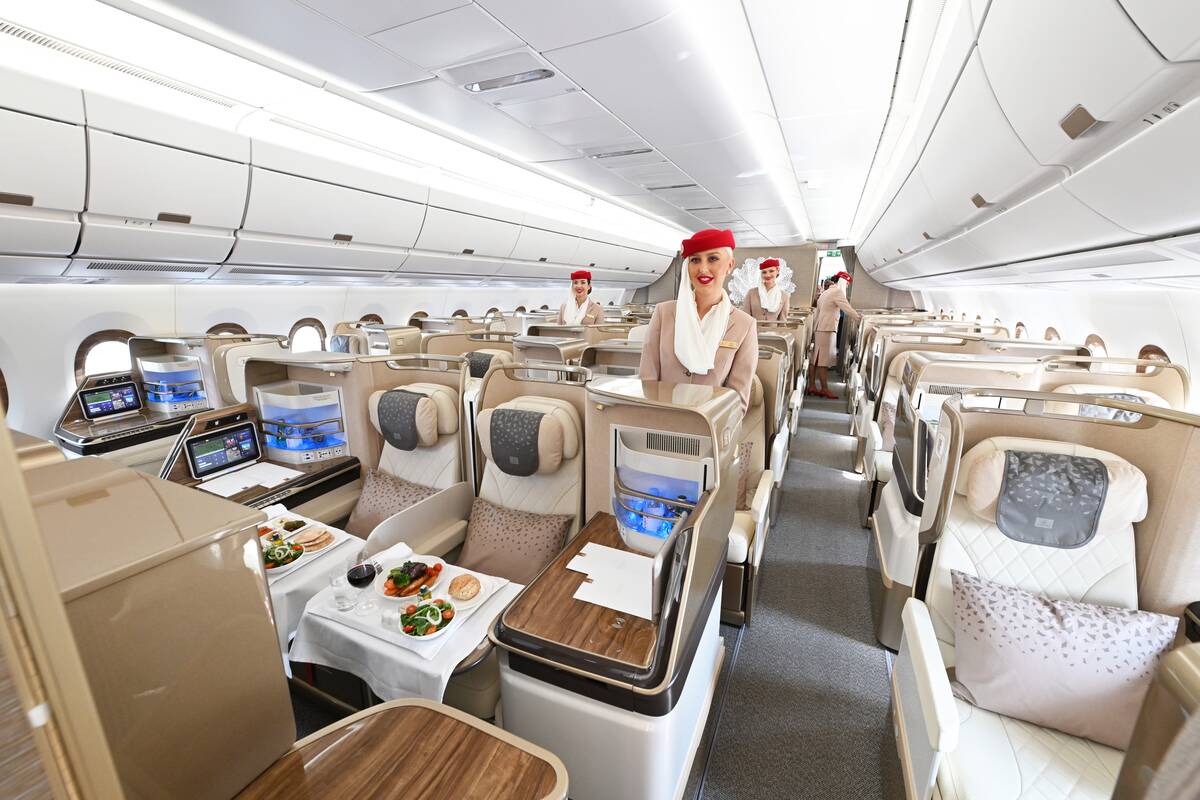
Cabin conditions can play a role in altering taste perception during flights. The dry, pressurized environment of an aircraft can reduce the sensitivity of the nose and mouth, making some flavors and aromas seem less pronounced than they would on the ground. This effect is particularly linked to reduced humidity and changes in the sense of smell, which plays an important role in how we experience flavor.
Airlines may therefore adjust recipes with stronger seasonings and flavors to make meals more appealing in the air, although the idea that they simply compensate by adding more salt and sugar is an oversimplification.
The Role of Humidity in Flavor Perception

Humidity levels in an airplane cabin are significantly lower than those typically experienced in many indoor environments on the ground. Cabin humidity commonly falls to around 10–20%, while indoor humidity on the ground can vary considerably depending on climate and conditions.
This dry environment can cause a dry mouth and nasal passages, which may affect taste and smell perception. Because the sense of smell plays an important role in flavor detection, reduced olfactory sensitivity can make food taste less flavorful during a flight.
The Impact of Engine Noise on Taste Sensation
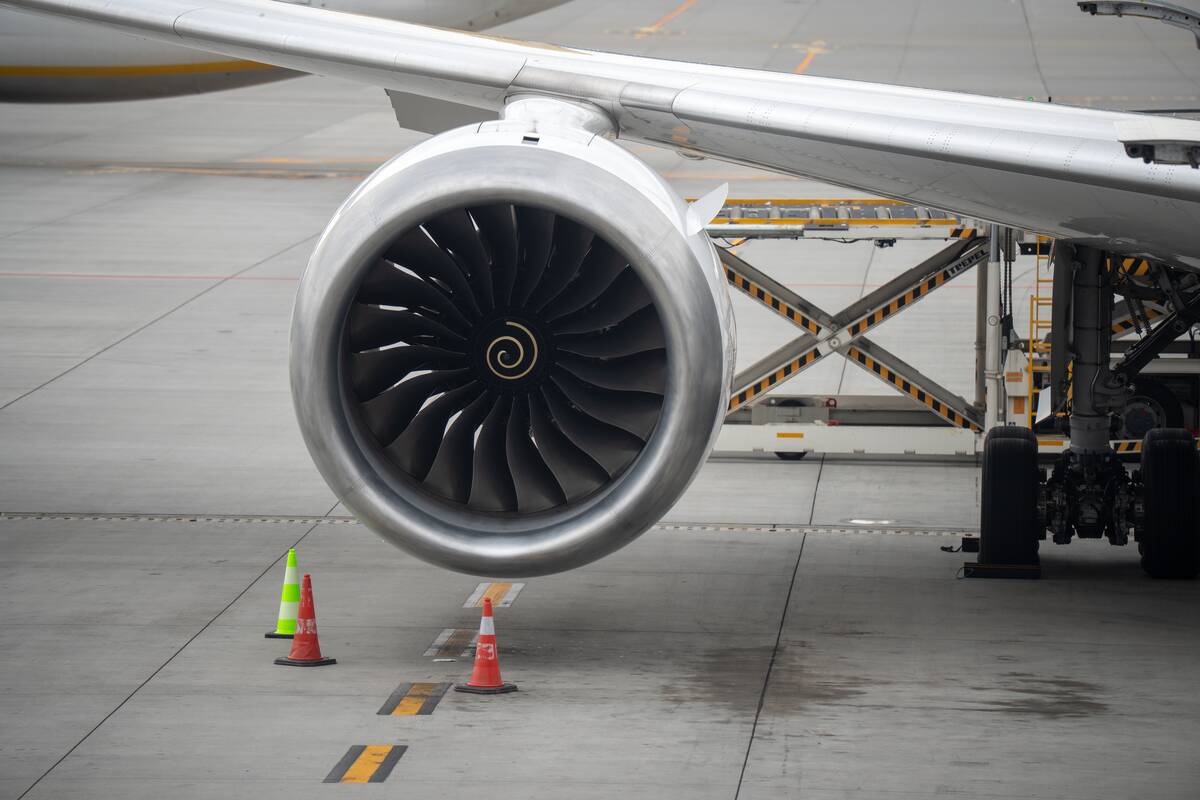
The constant hum of airplane engines isn’t just background noise—it can influence how we perceive food. Studies have found that loud background noise can reduce the perceived intensity of sweetness while enhancing the perception of umami flavors.
This may help explain why some savory flavors can stand out differently during a flight, although noise can also reduce overall enjoyment of food. The constant sound may further affect attention and sensory processing, making it harder to appreciate subtle aspects of flavor.
Why Your Sense of Smell is Diminished in Flight

Your sense of smell is crucial for enjoying food, and conditions during flights can affect how aromas are perceived. Research has found that changes in barometric pressure and dry air can influence olfactory function, although the extent of the effect varies and the often-cited 30% reduction is not well established for normal commercial flights.
Reduced sensitivity to aromas can affect flavor perception, since smell plays an important role in how we experience food. As a result, some foods may seem less flavorful or satisfying in the air.
The Science of Sweet and Salty: Altered Taste Perception

In the air, our perception of sweet and salty flavors can be altered. Research has found that sweetness and saltiness may be perceived less intensely under typical flight conditions.
This is one reason airline meals can seem more heavily seasoned when tasted on the ground. Airlines may adjust recipes to compensate for these changes, helping passengers experience a more satisfying range of flavors despite the unusual sensory conditions of flying.
The Influence of Altitude on Beverage Choices

Flying can influence beverage preferences as well as food perception. The dry air inside aircraft cabins can contribute to fluid loss and thirst, while changes in taste and smell can make certain drinks taste different.
Tomato juice is a famous example: its savory, umami qualities may be perceived more strongly during a flight, helping explain why it has become an unusually popular choice among airline passengers. Together, these sensory changes can make familiar beverages taste noticeably different in the air.
How Airlines Adapt Recipes for In-Flight Dining
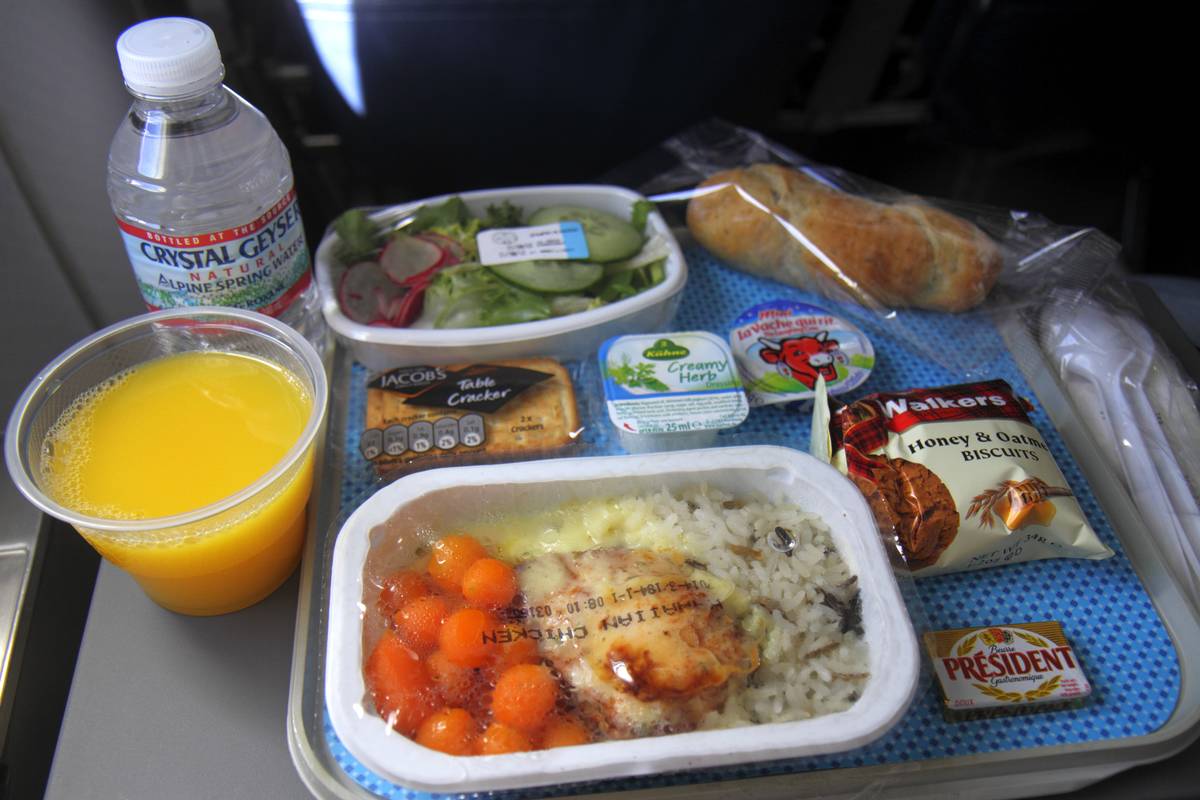
Airlines and their catering partners have developed ways to adapt recipes to the altered taste perceptions experienced during flights. Chefs may adjust seasoning and use ingredients such as herbs, spices, acidity, and umami-rich flavors to make dishes more appealing when some tastes are muted.
Food companies and airlines have also used simulated cabin environments and taste testing to evaluate how meals perform under flight-like conditions. These adaptations help create meals that remain flavorful and enjoyable despite the unusual sensory conditions inside an aircraft.
The Role of Umami in Enhancing Airplane Meals

Umami, the savory taste, plays an important role in airplane meals. Unlike some other tastes, umami can remain relatively noticeable under flight conditions, making it a useful flavor for in-flight dining.
Airlines and their catering partners may incorporate umami-rich ingredients such as tomatoes, mushrooms, soy sauce, and broths to strengthen the overall flavor of meals. By emphasizing savory flavors, food designers can create dishes that remain satisfying and flavorful despite the changes in taste perception experienced during a flight.
The Psychology of Eating in the Sky
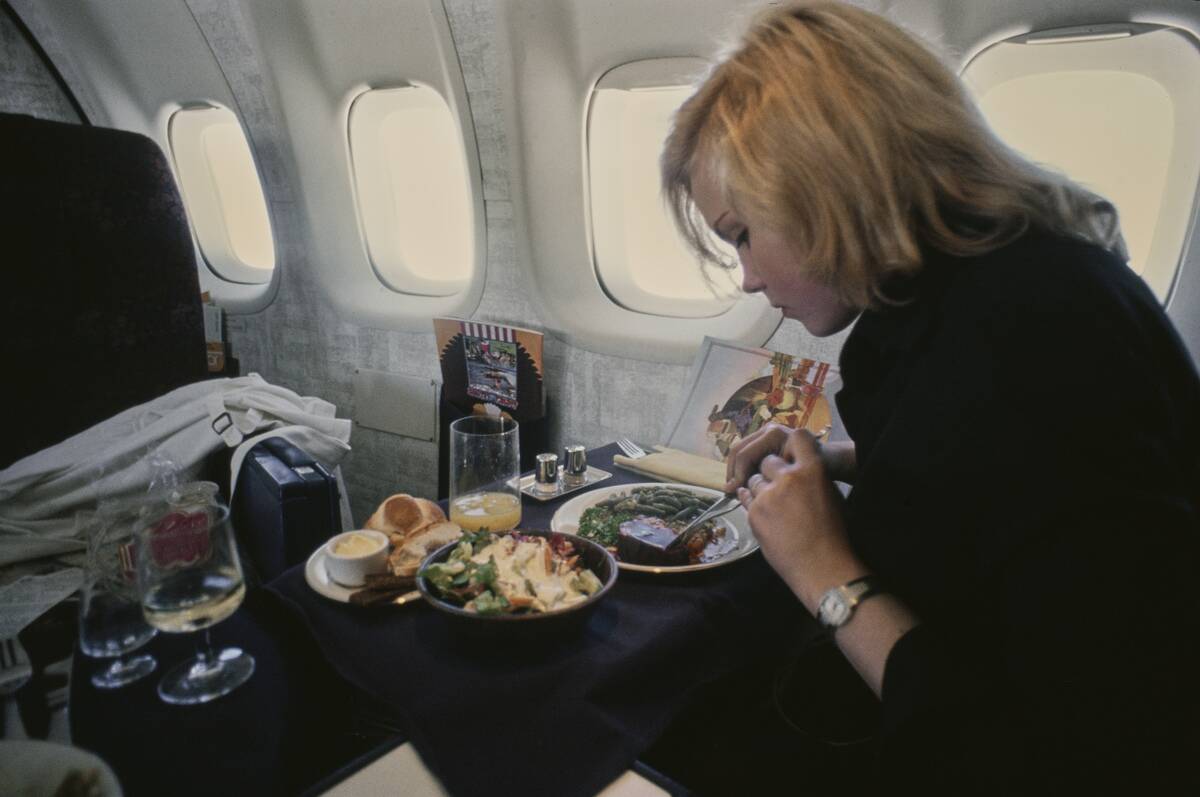
Eating on an airplane is not just a sensory experience but can also be influenced by psychological factors. The unusual setting, travel environment, expectations, and individual mood can all affect how passengers experience food.
Excitement, stress, or fatigue may also influence appetite and eating habits during a journey. By considering these factors alongside changes in taste and smell, airlines can design meals that aim to be appealing, familiar, and satisfying for passengers.
The Effect of Airplane Air Quality on Appetite
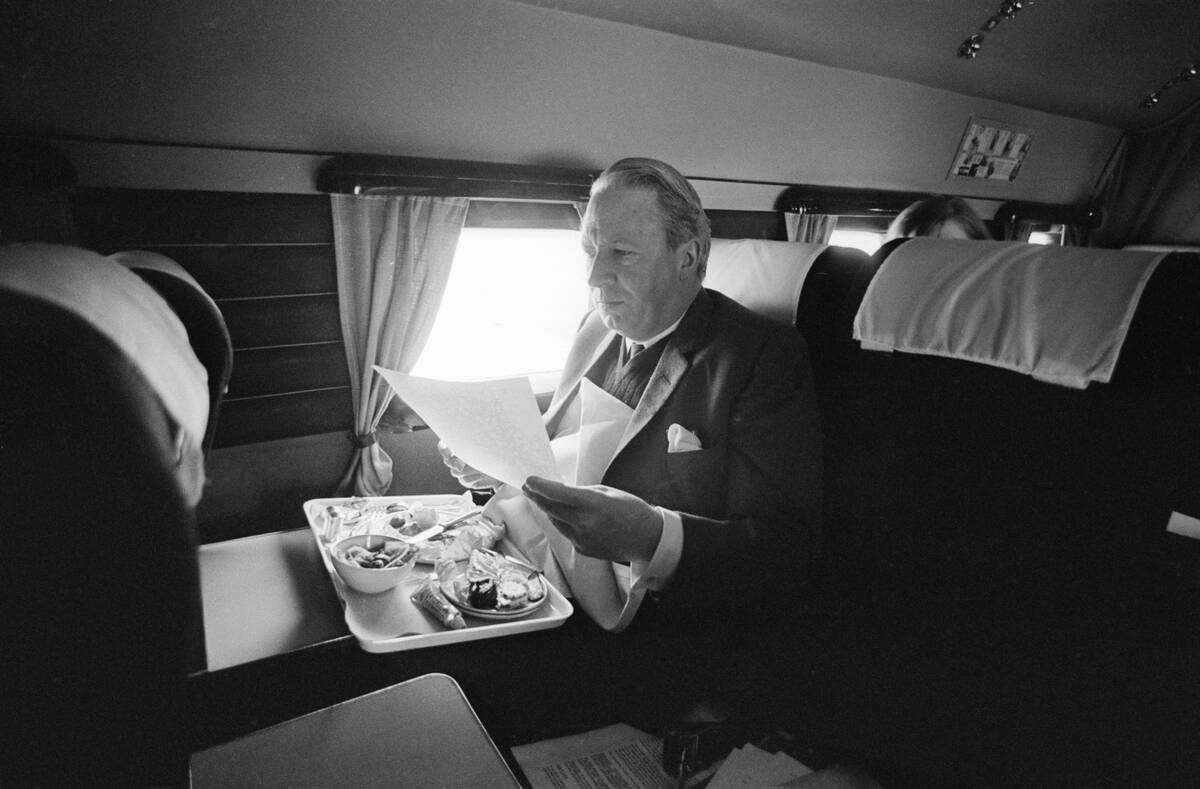
Cabin air conditions can influence the experience of eating on an airplane. The combination of low humidity and recirculated air can contribute to dryness and discomfort, while changes in the cabin environment can also affect taste and smell.
These factors may make food seem less appealing to some passengers, even when they are hungry. Airlines therefore consider factors such as aroma, presentation, and strong flavors when developing meals, helping make food more appealing under the unusual conditions of air travel.
The Importance of Presentation in Airplane Meals

Presentation can play an important role in the experience of eating on an airplane. An attractive meal may increase its visual appeal and influence passengers’ expectations before they take the first bite. Airlines and their catering partners consider packaging, arrangement, and presentation when designing inflight meals, while also accounting for the practical demands of serving food at altitude.
A well-presented dish can make a meal appear more appetizing and contribute to a more enjoyable dining experience despite the sensory changes associated with flying.