Weird plants that don’t seem real

Trending Now
The plant kingdom is full of surprises, with some species so unique they seem to belong in a fantasy novel. From flowers that emit unpleasant odors to succulents that mimic stones, these plants challenge our understanding of nature.
They captivate botanists and casual observers alike with their bizarre adaptations and appearances. Join us as we delve into the fascinating world of unbelievable flora, where each plant tells its own extraordinary story.
The Corpse Flower: Nature’s Unpleasant Surprise
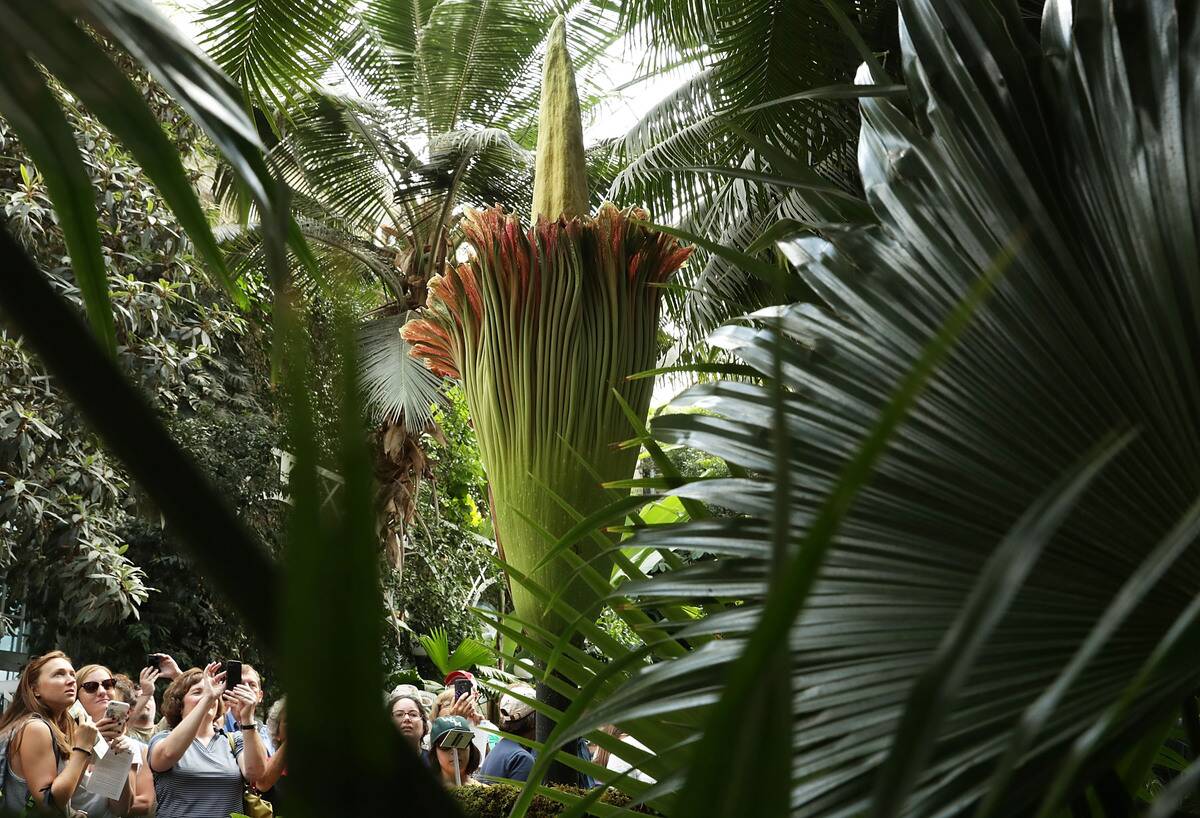
The Corpse Flower, or Amorphophallus titanum, is infamous for its foul odor, reminiscent of rotting flesh. This smell attracts carrion beetles and flies, which help pollinate the plant.
Native to the rainforests of Sumatra, it can grow over 10 feet tall and bloom once every 7 to 10 years. Despite its off-putting scent, the Corpse Flower draws crowds wherever it blooms, a testament to nature’s curious allure.
Venus Flytrap: The Carnivorous Plant That Bites Back

The Venus Flytrap, Dionaea muscipula, is a carnivorous plant native to the subtropical wetlands of the United States. Its jaw-like leaves snap shut when trigger hairs are touched, trapping unsuspecting insects.
This remarkable adaptation allows it to thrive in nutrient-poor soil by digesting prey. The Venus Flytrap’s quick reflexes and eerie beauty make it a favorite among plant enthusiasts and a staple in pop culture.
Rafflesia Arnoldii: The Giant Bloom with a Peculiar Aroma

Rafflesia arnoldii boasts the largest individual flower on Earth, measuring up to three feet in diameter. Found in the rainforests of Southeast Asia, it emits a strong odor akin to decaying meat to attract pollinators.
This parasitic plant lacks stems, leaves, and roots, relying entirely on its host vine for nutrients. Despite its unusual characteristics, Rafflesia arnoldii remains a symbol of biodiversity and ecological wonder.
Lithops: The Living Stones That Blend In

Lithops, commonly known as living stones, are succulents that mimic the appearance of pebbles. Native to southern Africa, they have evolved this camouflage to avoid being eaten by herbivores.
Their unique shape and ability to store water make them well-suited to arid environments. Lithops’ intriguing appearance and low-maintenance nature have made them popular among succulent collectors worldwide.
Welwitschia Mirabilis: The Ancient Wonder of the Desert

Welwitschia mirabilis is a plant like no other, found only in the Namib Desert. It consists of just two leaves that grow continuously throughout its lifespan, which can exceed 1,000 years.
The leaves are often tattered by the desert winds, giving the plant a rugged appearance. Despite its harsh environment, Welwitschia thrives, drawing water from fog and deep-rooted systems, a testament to its resilience and adaptability.
Pitcher Plant: The Deceptive Nectar Trap

Pitcher plants, belonging to the family Nepenthaceae, have evolved a unique pitfall trap to capture prey. Their pitcher-shaped leaves are filled with digestive fluid, and their slippery rims lure insects with sweet nectar.
Once inside, the prey cannot escape and is eventually digested. Found in nutrient-poor environments, these plants have adapted to derive essential nutrients from their catch, showcasing nature’s ingenuity.
Sensitive Plant: The Shrinking Violet of the Plant World
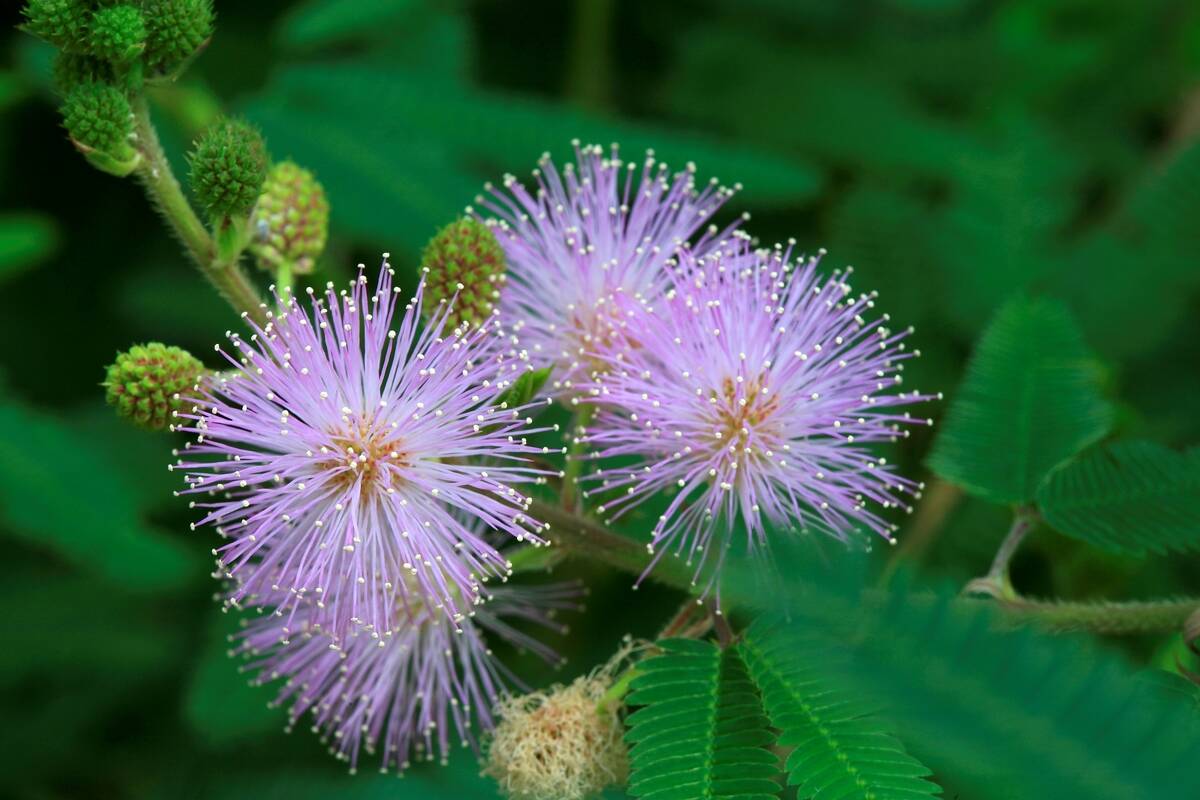
The Sensitive Plant, Mimosa pudica, is known for its rapid movement in response to touch. When disturbed, its leaves fold inward, a defense mechanism against herbivores. This fascinating trait has earned it the nickname “shy plant.”
Native to Central and South America, it has become a popular ornamental plant due to its unique behavior. Its sensitivity continues to intrigue scientists and plant lovers alike.
Dragon’s Blood Tree: The Umbrella of the Socotra
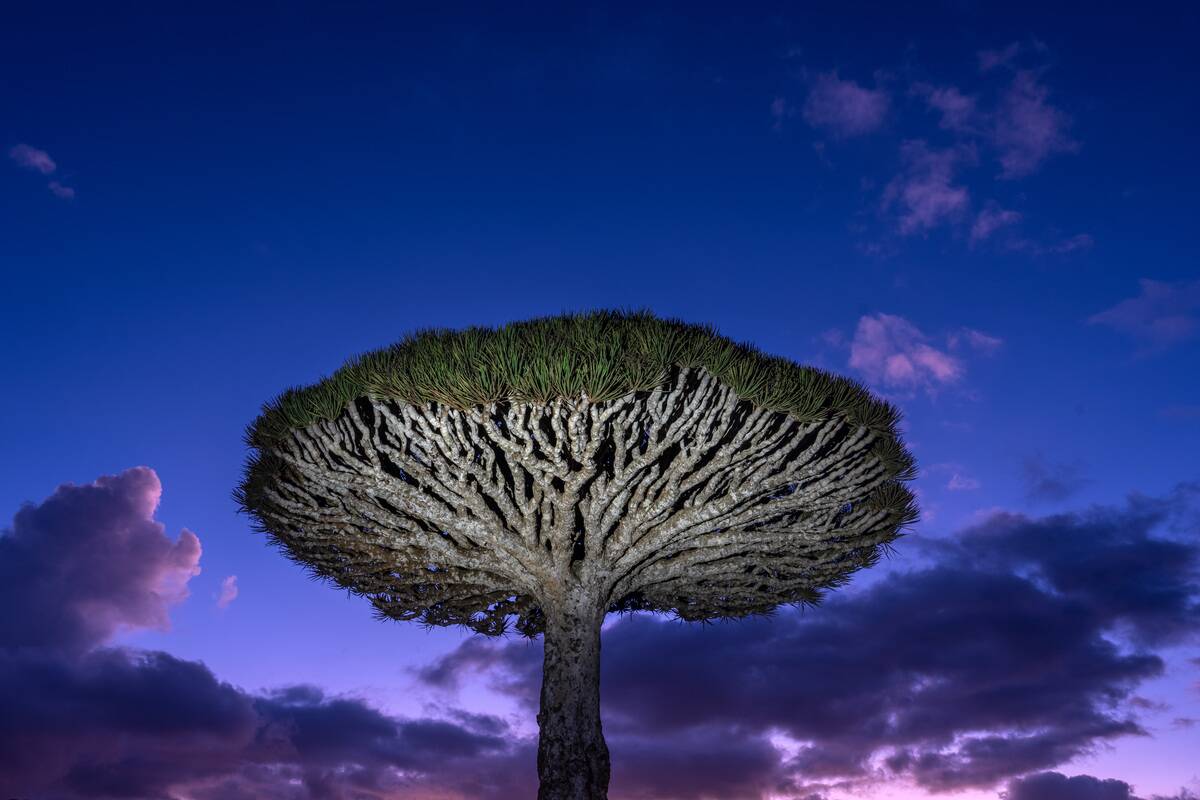
The Dragon’s Blood Tree, Dracaena cinnabari, is native to the Socotra archipelago in Yemen. Its umbrella-like canopy provides shade and reduces water loss in its arid habitat.
The tree’s red sap, known as “dragon’s blood,” has been used for centuries in medicine and dye. This iconic tree is a symbol of the unique biodiversity of Socotra, a UNESCO World Heritage site, and a reminder of nature’s adaptability.
Ghost Plant: The Hauntingly Beautiful Succulent
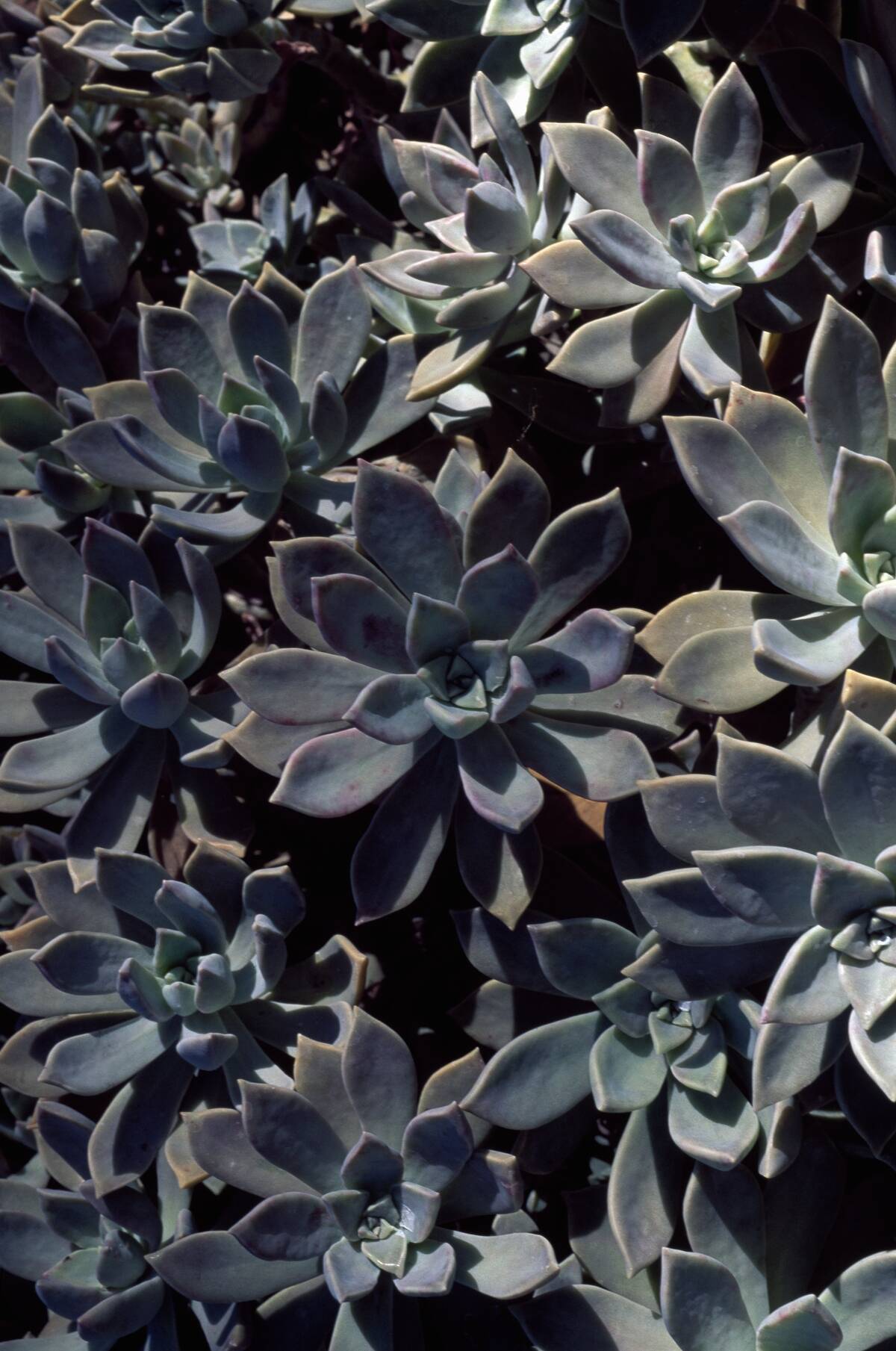
The ghost plant, Graptopetalum paraguayense, is a succulent native to Mexico with thick leaves covered in a pale, powdery wax coating that gives them a ghostly appearance. Its foliage can range from blue-grey in partial shade to pinkish or yellow-pink under strong sunlight and hot, dry conditions.
It is drought-tolerant and grows well in sunny, well-drained locations, including rock gardens. Its unusual appearance and ease of propagation make it popular among succulent growers.
Hydnora Africana: The Underground Oddity

Hydnora africana is a parasitic plant that spends most of its life underground, with only its flower emerging above the surface. Native to southern Africa, it has a strong odor reminiscent of feces, attracting dung beetles for pollination.
Its unique lifecycle and appearance make it a subject of fascination for botanists. Despite its unusual characteristics, Hydnora africana plays an important role in its ecosystem.
Sea Onion: The Bulb That Defies Convention

The Sea Onion, or Bowiea volubilis, is a bulbous plant native to South Africa. Despite its name, it is not related to onions but is known for its climbing, leafless stems. These stems can reach up to 8 feet in length, creating a tangled mass.
The plant’s unusual growth habit and resilience make it an intriguing addition to any plant collection, thriving with minimal care and attention.
Monkey Orchid: The Floral Face That Smiles Back

The Monkey Orchid, Dracula simia, is named for its striking resemblance to a monkey’s face. Found in the cloud forests of Ecuador and Peru, it thrives in cool, moist environments. Its flowers emit a scent similar to ripe oranges, attracting pollinators.
The Monkey Orchid’s unique appearance and delightful fragrance make it a sought-after plant among orchid enthusiasts, adding a touch of whimsy to any collection.
Baobab Tree: The Upside-Down Marvel of Africa
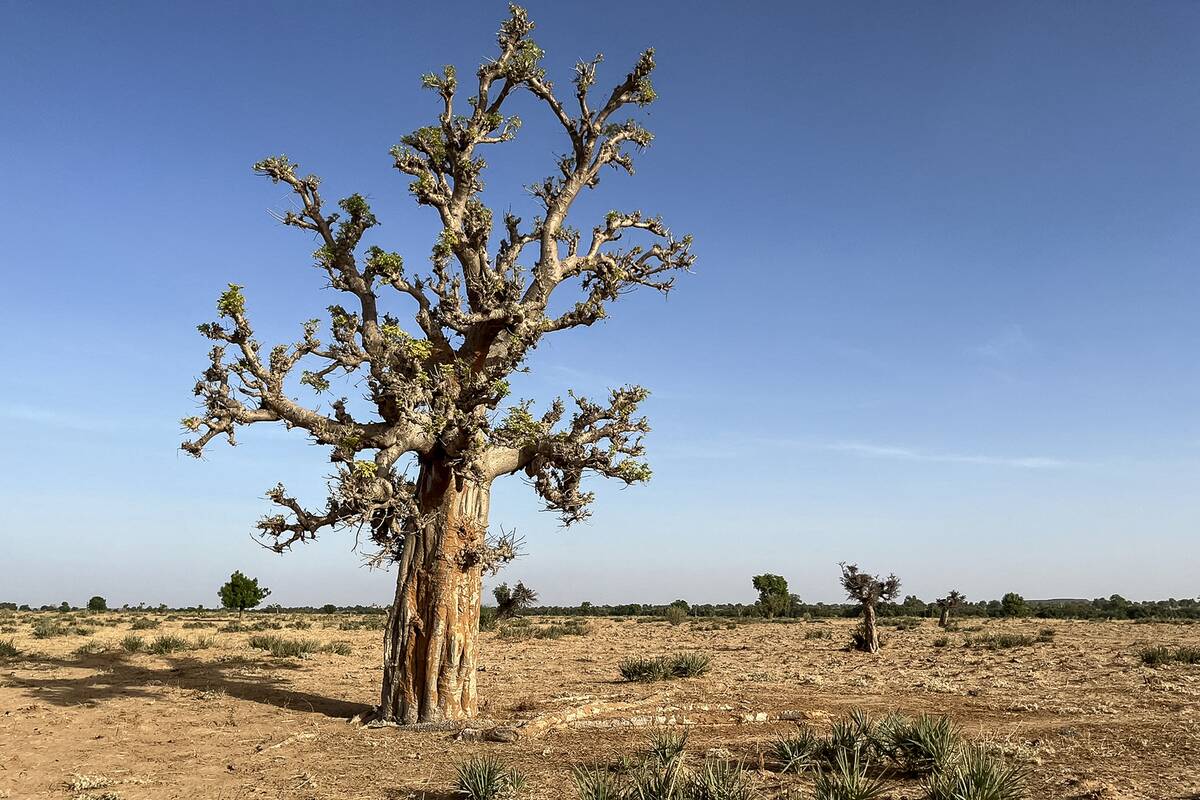
The Baobab Tree, Adansonia, is native to Africa and is known for its distinctive shape, resembling an upside-down tree. Its trunk can store thousands of liters of water, an adaptation to its arid environment.
Baobabs can live for over a thousand years, providing food, water, and shelter to both humans and wildlife. These iconic trees are deeply rooted in African culture and folklore, symbolizing life and resilience.
White Baneberry: The Doll’s Eyes That Stare Back

White Baneberry, Actaea pachypoda, is a perennial plant native to North America. Its distinctive white berries, resembling doll’s eyes, are highly toxic if ingested. The plant thrives in shady, woodland environments, adding a touch of eeriness with its ghostly berries.
Despite its toxicity, White Baneberry is an intriguing plant, captivating those who encounter it with its unusual appearance and mysterious allure.
Silver Torch Cactus: The Fuzzy Column of the Desert
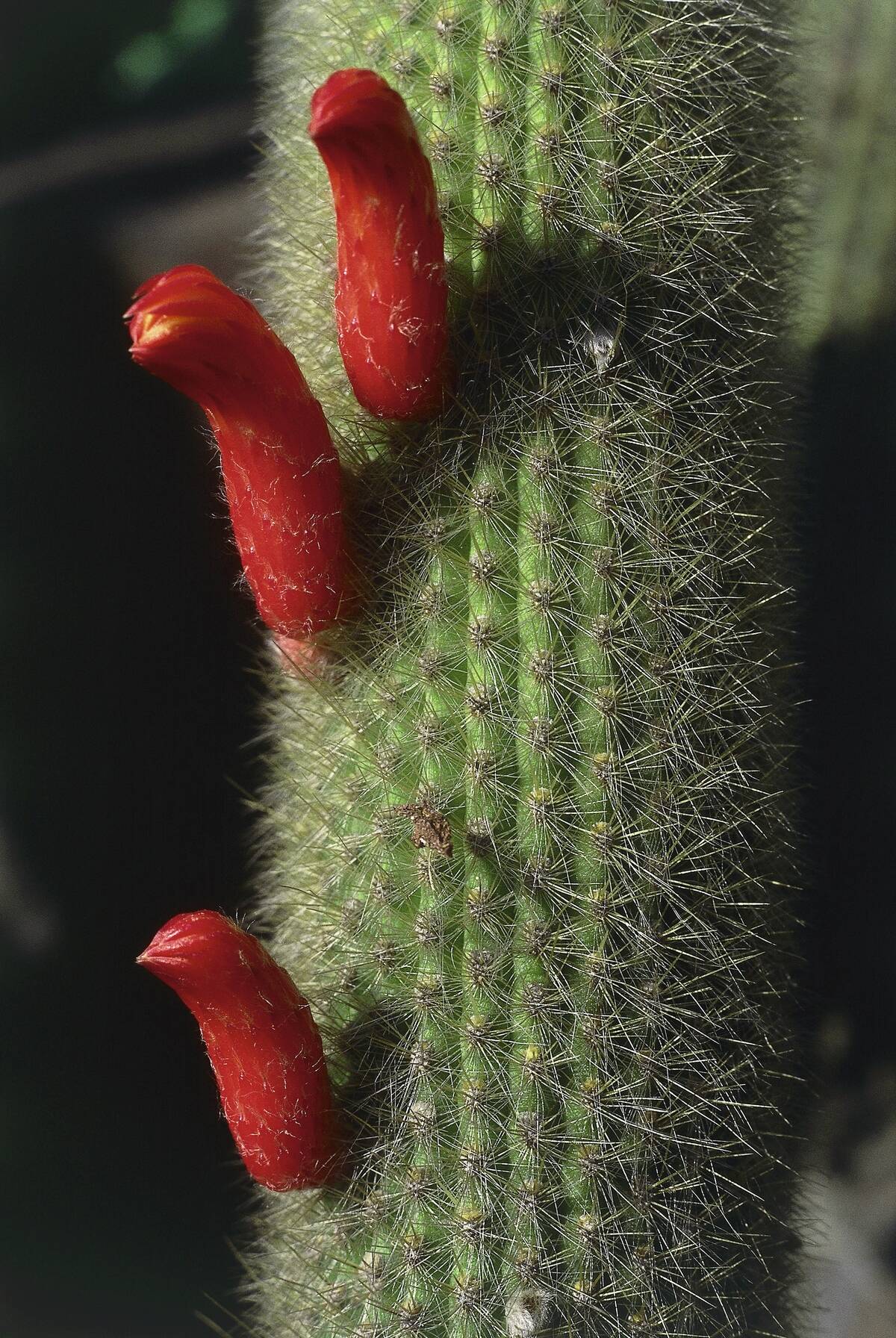
The Silver Torch Cactus, Cleistocactus strausii, is native to the high deserts of Bolivia and Argentina. It is characterized by its tall, columnar shape and dense covering of silvery-white spines.
These spines provide protection from the sun and help conserve water. The cactus produces striking red flowers that contrast beautifully with its silvery exterior. Its unique appearance and resilience make it a standout in any cactus collection.
Rainbow Eucalyptus: The Tree with a Colorful Bark
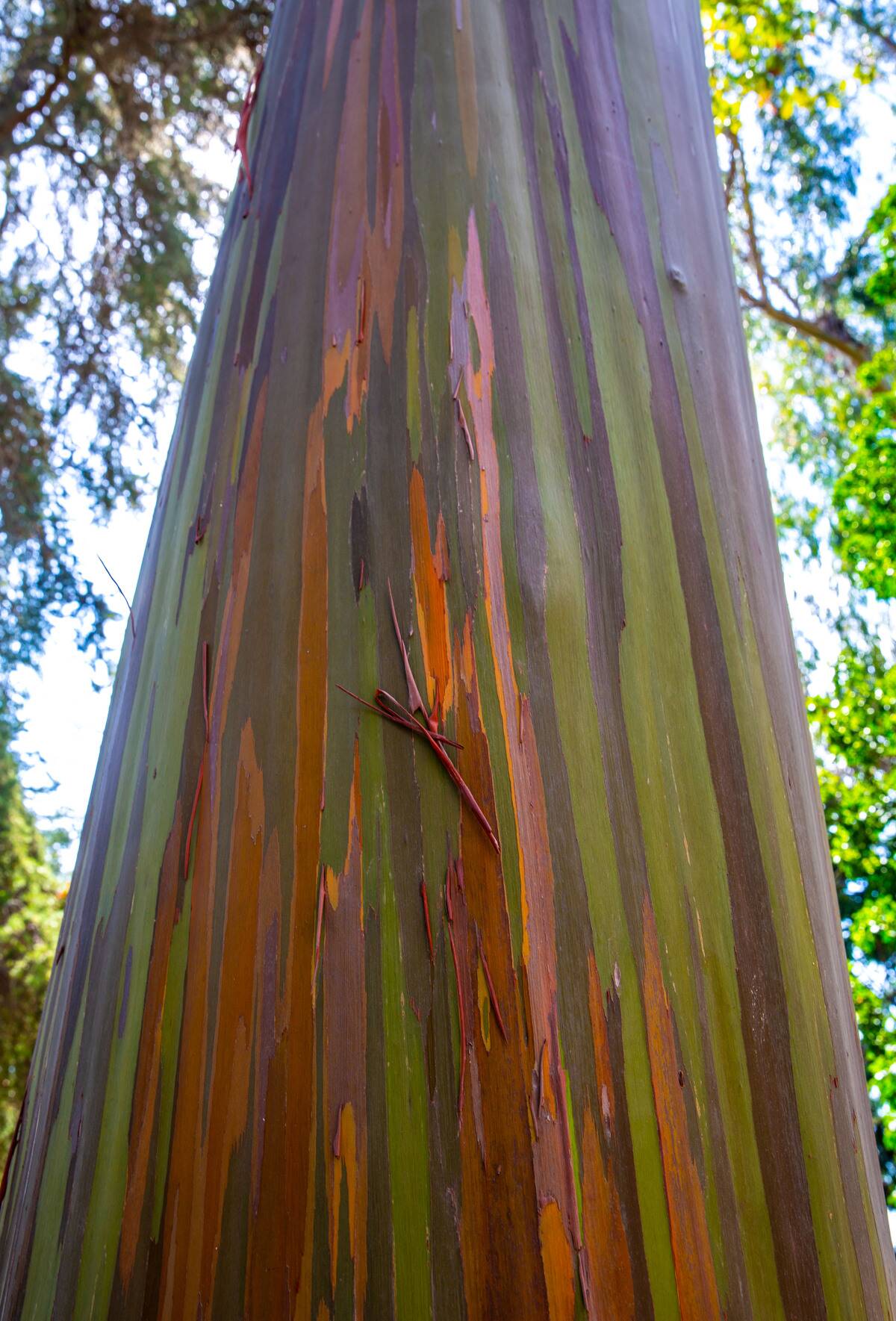
The Rainbow Eucalyptus, Eucalyptus deglupta, is known for its vibrant, multicolored bark. Native to the Philippines, Indonesia, and Papua New Guinea, its bark peels away to reveal a spectrum of colors, including green, blue, orange, and maroon.
This striking feature makes it a popular ornamental tree in tropical and subtropical regions. The Rainbow Eucalyptus’s dazzling appearance is a testament to the diversity and beauty of the natural world.