YouTube’s forgotten beginning as a dating platform

Trending Now
When you think of YouTube today, it’s hard to imagine it as anything other than the video-sharing behemoth it has become. However, its origins are surprisingly different from what you might expect.
Founded in 2005, YouTube was initially conceived as a dating site, aimed at helping people connect through video profiles. This quirky beginning is a testament to the unpredictable nature of digital innovation.
The Visionaries Behind YouTube: Meet the Founders

YouTube was the brainchild of three former PayPal employees: Chad Hurley, Steve Chen, and Jawed Karim. These tech-savvy individuals saw an opportunity in the burgeoning world of online video.
Their combined expertise in technology and business laid the foundation for what would become one of the most influential platforms on the internet. Despite their initial dating-focused idea, they were quick to pivot when the concept didn’t gain traction.
The Early 2000s: A Time of Digital Experimentation

The early 2000s were a wild west of digital experimentation. New ideas were constantly being tested as the internet became more accessible. This era saw the rise of social media platforms, online dating sites, and peer-to-peer sharing services.
YouTube’s founders were inspired by this wave of innovation, eager to carve out their own niche in the online landscape. Their initial concept was bold, but not entirely aligned with user interests.
The Concept: YouTube as a Video Dating Site
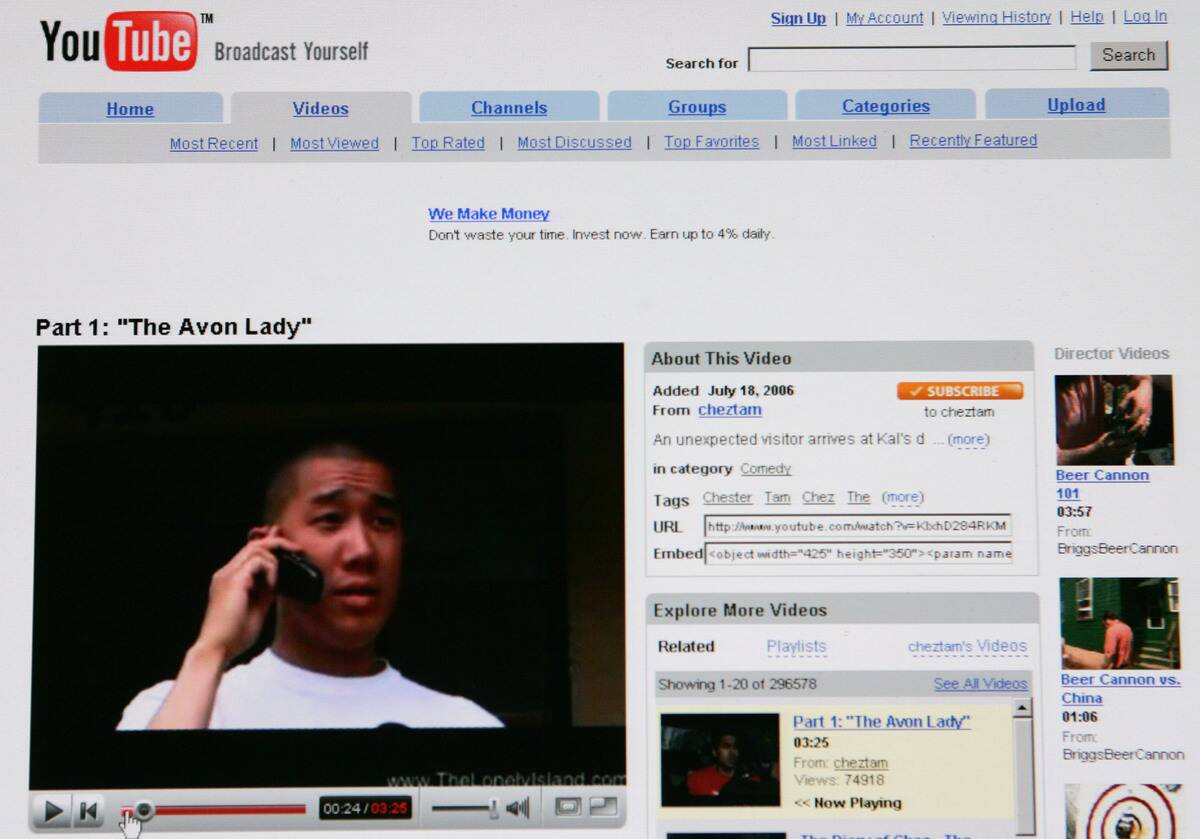
The original concept for YouTube was to create a video dating site where users could upload clips introducing themselves. The idea was to make online dating more personal and engaging.
By allowing people to see and hear potential matches, it was hoped that connections would be more meaningful. However, this concept faced significant challenges, particularly given the technological limitations of the time.
“Tune In Hook Up”: The Original YouTube Idea

YouTube’s initial project was dubbed “Tune In Hook Up.” This catchy name reflected the founders’ vision of a platform where users could ‘tune in’ to video profiles and ‘hook up’ with potential partners.
Despite its catchy name, the idea didn’t resonate with users. The founders quickly realized that people were more interested in sharing a variety of videos, not just dating profiles.
The Role of Video in Online Dating: A Novel Approach

Using video for online dating was a novel approach at the time. The founders believed that video could add a layer of authenticity and personality to online profiles. It was a way to stand out in an increasingly crowded digital dating market.
However, the infrastructure for video streaming was still in its infancy, making it difficult for users to upload and view videos seamlessly.
The Challenges of Video Dating in the Early Internet Era
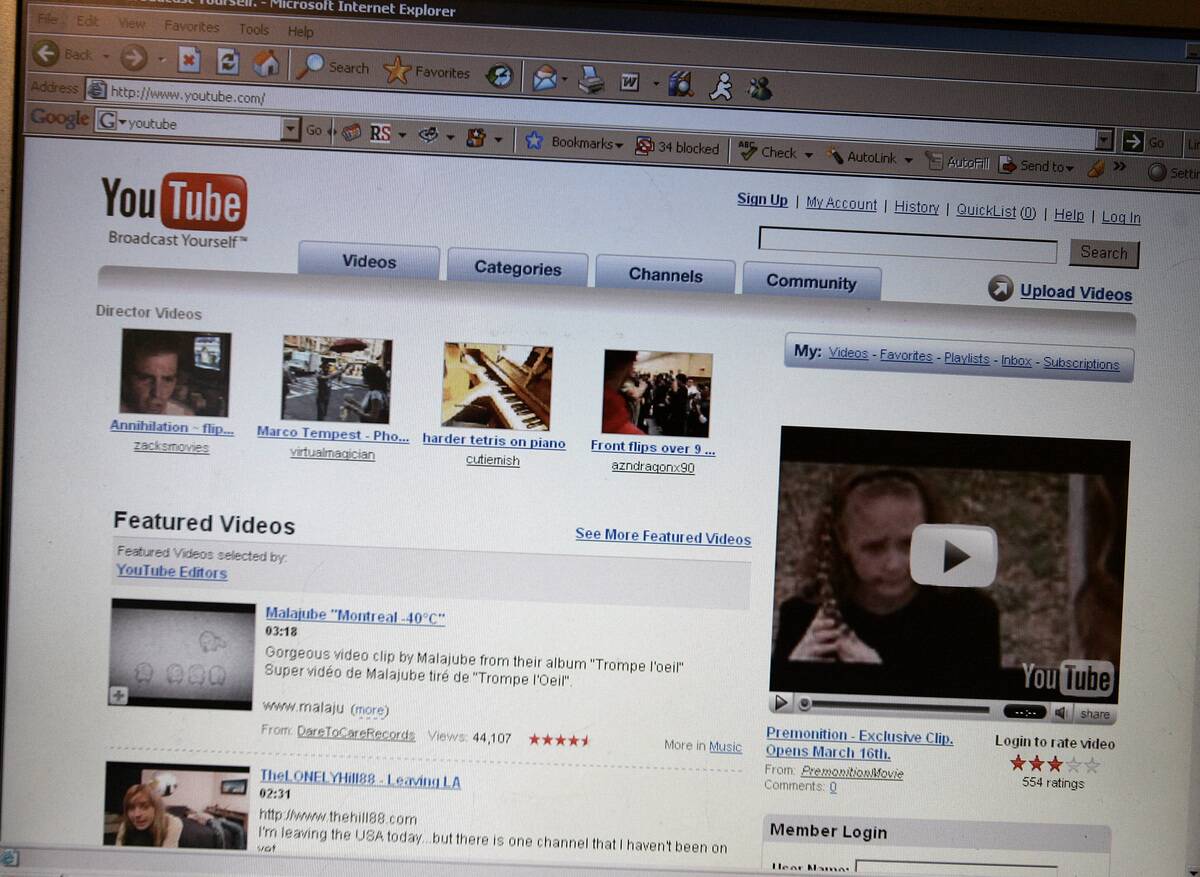
In the early 2000s, internet speeds were much slower than they are today, posing a significant challenge for video-based platforms. Uploading and streaming videos required more bandwidth than most users had access to.
Additionally, the cost of hosting videos was prohibitive for many startups. These technical hurdles made it difficult for YouTube’s original dating concept to gain traction.
The Shift: From Dating to a General Video Platform

Recognizing the broader potential for video sharing, YouTube’s founders pivoted from their original dating concept. They opened the platform to all kinds of video content, allowing users to upload and share whatever they wanted.
This shift was a turning point, transforming YouTube into a versatile platform that catered to a wide range of interests and communities.
The Role of User Feedback in YouTube’s Evolution

User feedback played a crucial role in YouTube’s evolution. As more people began using the platform, the founders paid close attention to how users interacted with it. They incorporated features like video comments, ratings, and subscriptions based on user suggestions.
This responsiveness to user needs helped YouTube grow and adapt, ensuring it remained relevant in a rapidly changing digital landscape.
The Viral Phenomenon: YouTube’s Unexpected Growth

YouTube’s growth was fueled by the viral nature of its content. Videos like “Charlie bit my finger” and “Evolution of Dance” captured the internet’s attention, spreading rapidly across social media and email.
This viral phenomenon helped YouTube gain visibility and attract new users. The platform’s ability to host and share viral content became one of its defining features, setting it apart from other video sites.
The Legacy of YouTube’s Quirky Origin
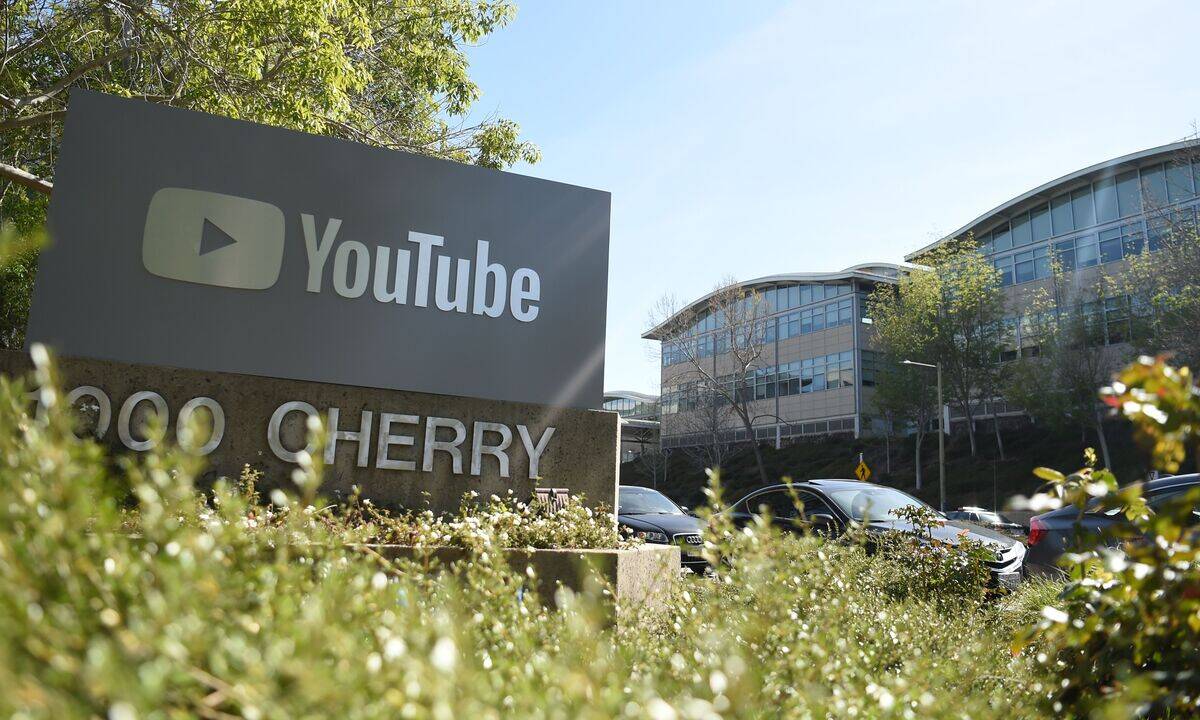
YouTube’s quirky origin as a dating site is a fascinating footnote in its history. It serves as a reminder that great ideas often start in unexpected places. The platform’s evolution from a niche dating concept to a global powerhouse highlights the importance of flexibility and open-mindedness in the tech industry.
This legacy continues to inspire entrepreneurs and innovators around the world.