Species with the ability to regrow lost limbs

Trending Now
Welcome to the captivating realm of regeneration, where nature showcases its incredible power to heal and renew. From the mysterious depths of the ocean to the dense forests, many creatures possess the ability to regrow lost or damaged body parts.
This remarkable process not only showcases the resilience of life but also opens up exciting possibilities for medical advancements. As we explore the wonders of regeneration, prepare to be amazed by the diverse strategies and skills that different species employ.
The Science Behind Regeneration: How Does It Work?
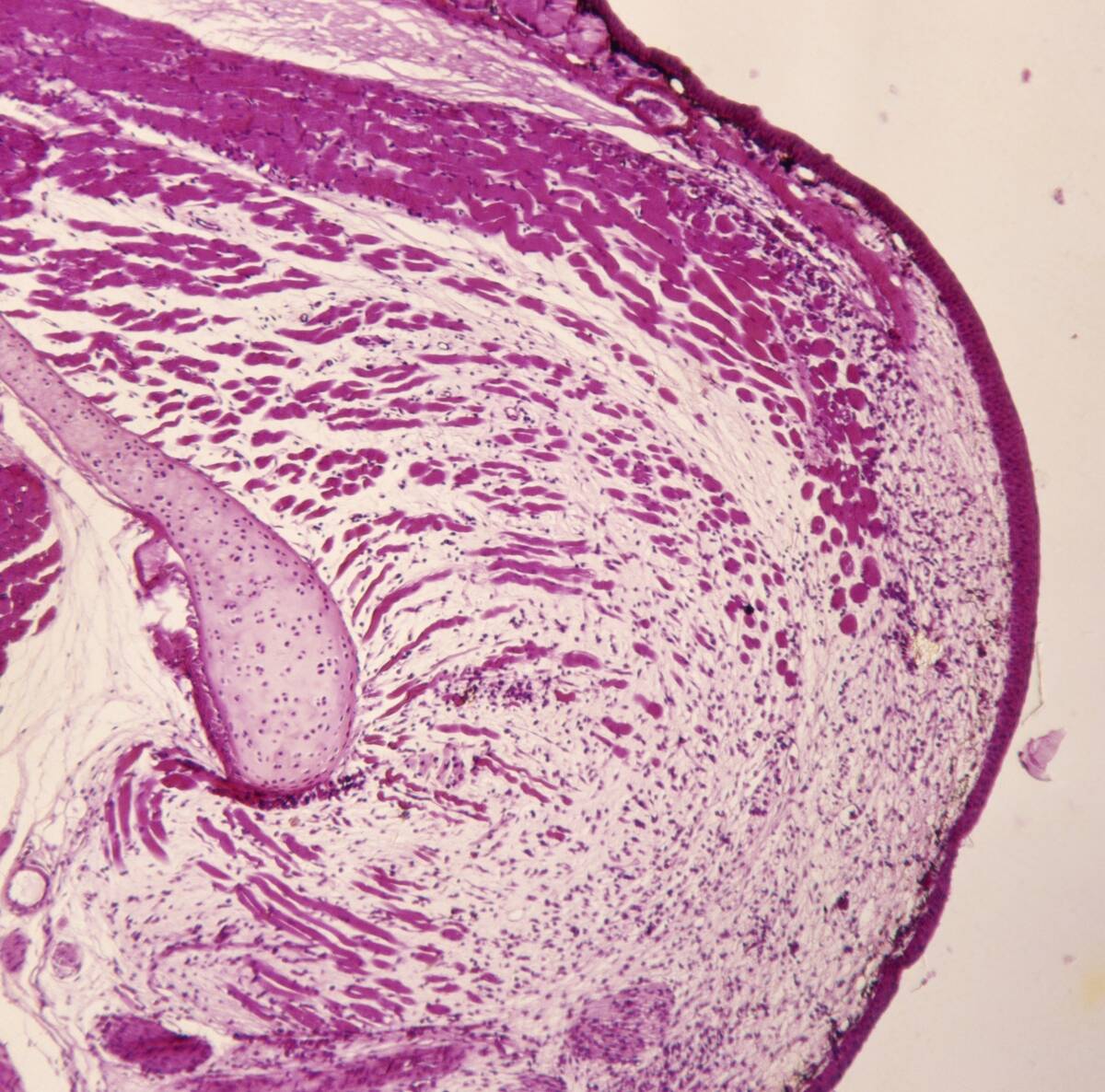
Regeneration is a complex biological process that involves the restoration of cells, tissues, or even entire limbs. The key to this process lies in the cells’ ability to divide and differentiate into various cell types, a capability often seen in multipotent or progenitor cells. C
ertain proteins and signaling pathways, such as the Wnt and FGF pathways, play crucial roles in regulating this regrowth. Understanding these mechanisms is vital for scientists aiming to harness regenerative powers for medical purposes, potentially revolutionizing treatments for injuries and diseases.
Axolotls: The Masters of Regrowth
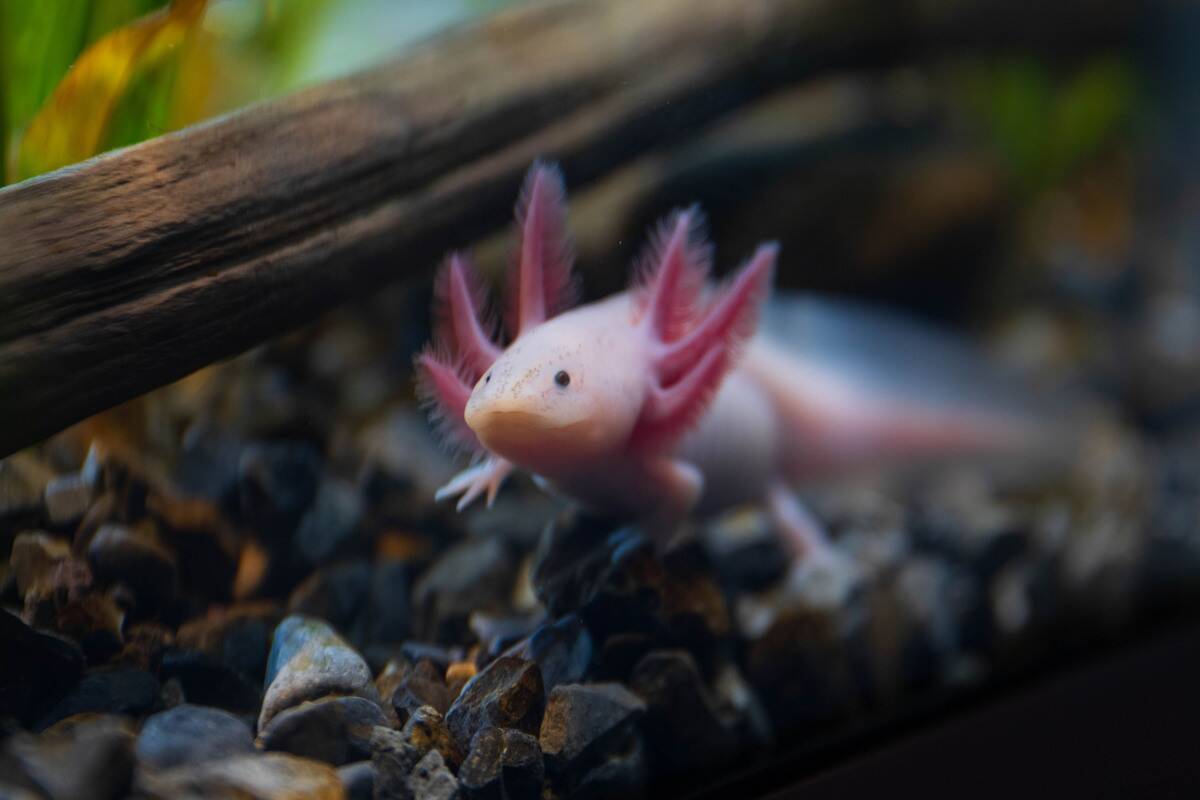
Axolotls, often dubbed the ‘Mexican walking fish,’ are amphibians with an extraordinary gift for regeneration. These fascinating creatures can regrow entire limbs, spinal cords, hearts, and even portions of their brains without leaving scars.
This ability is attributed to their unique immune system and the presence of specific proteins that promote tissue growth. Researchers are keenly studying axolotls, hoping to uncover the secrets behind their regenerative capabilities and apply this knowledge to human medicine in the future.
Starfish: Regenerating from the Deep Blue
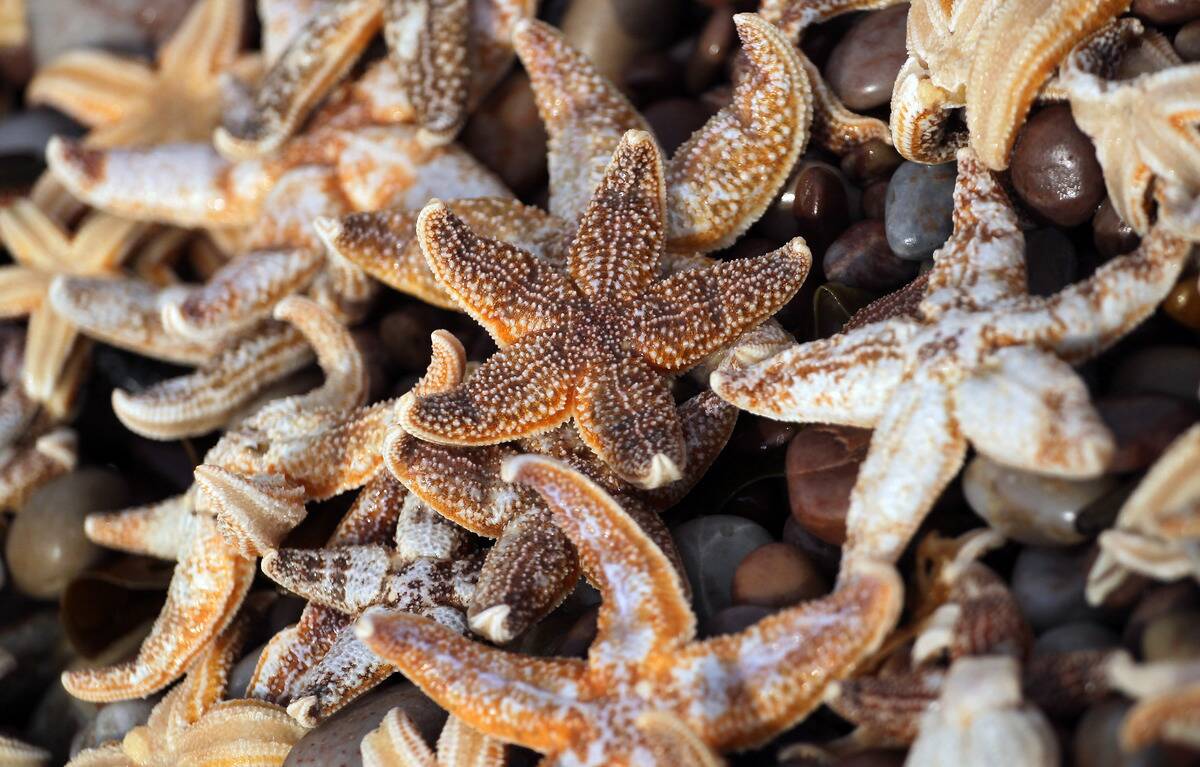
Starfish, or sea stars, are marine echinoderms with a remarkable ability to regenerate lost arms. This regeneration is facilitated by their decentralized nervous system and undifferentiated cells capable of tissue regrowth.
In some cases, an arm attached to a portion of the central disc can give rise to an entirely new starfish. This natural wonder serves as a fascinating study subject for scientists, who are exploring how starfish might hold the key to understanding wound healing and tissue regeneration in other species, including humans.
Salamanders: Nature’s Little Healers
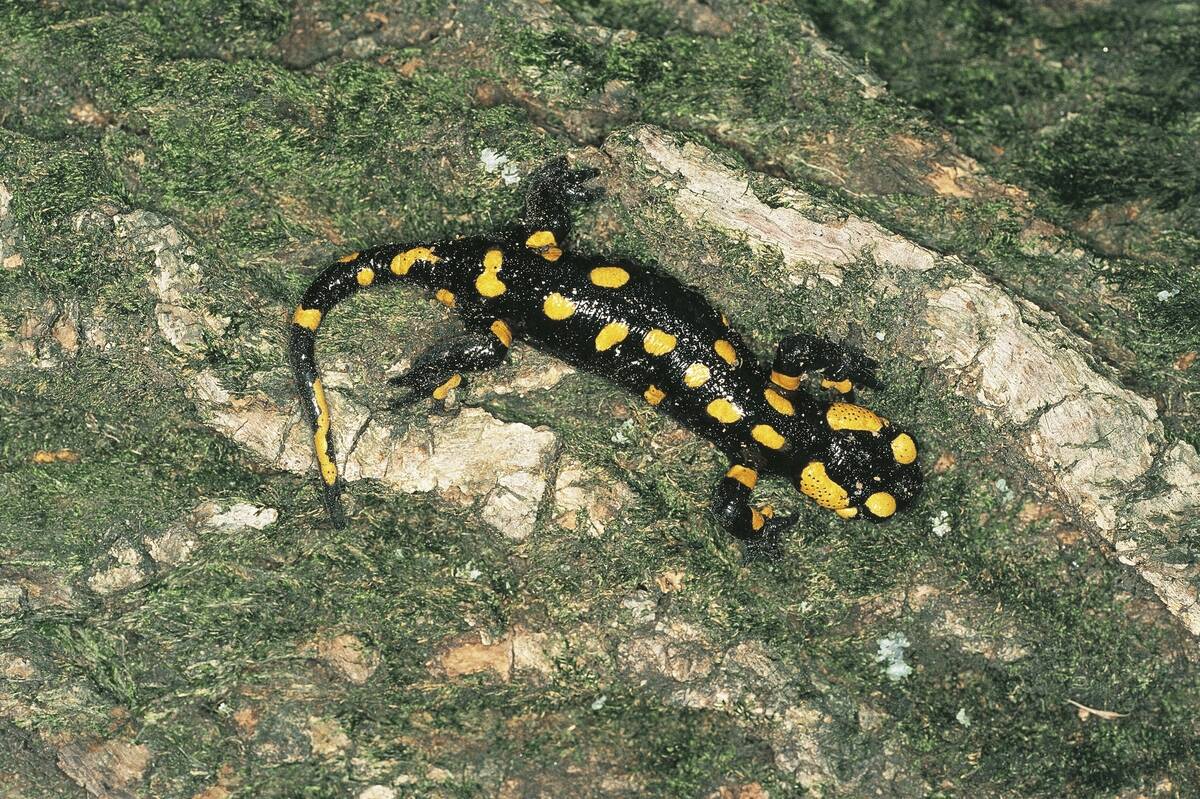
Salamanders are well-known for their impressive regenerative abilities, particularly among vertebrates. These amphibians can regrow limbs, tails, and even parts of their hearts and eyes. The process involves the formation of a blastema, a mass of cells capable of growing into new tissue.
Salamanders’ regenerative prowess has been a subject of scientific fascination for decades, as researchers work to decipher the cellular and molecular mechanisms behind their healing capabilities, with hopes of applying these insights to human regenerative medicine.
Planarians: The Flatworms That Never Quit
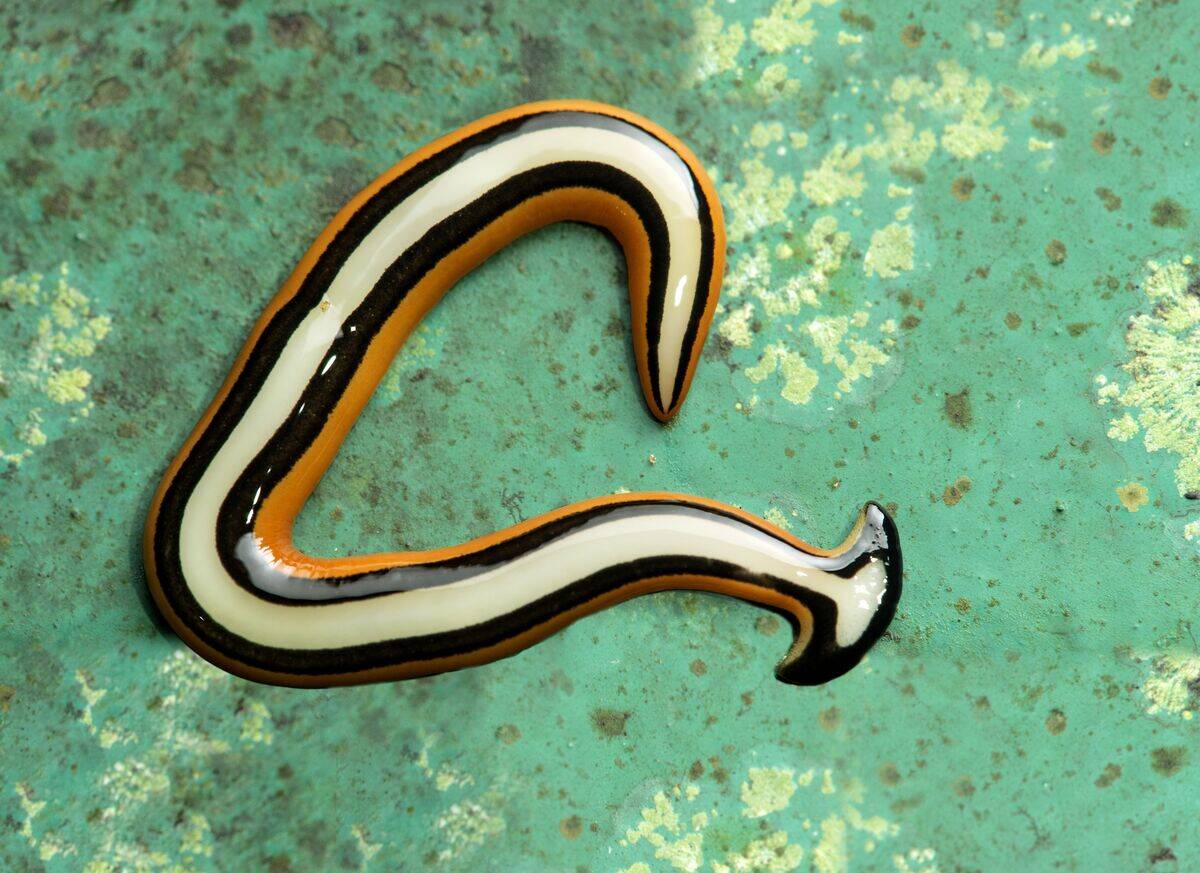
Planarians, a type of flatworm, are regeneration champions capable of regrowing their entire bodies from a mere fragment. This astounding ability is made possible by their abundance of pluripotent stem cells, which can transform into any cell type required.
Planarians are a favorite model organism for scientists studying regeneration due to their simple structure and extraordinary healing capabilities. Insights gained from planarian research could one day lead to breakthroughs in regenerative therapies for humans, particularly in repairing damaged tissues and organs.
Sea Cucumbers: The Unlikely Regenerators
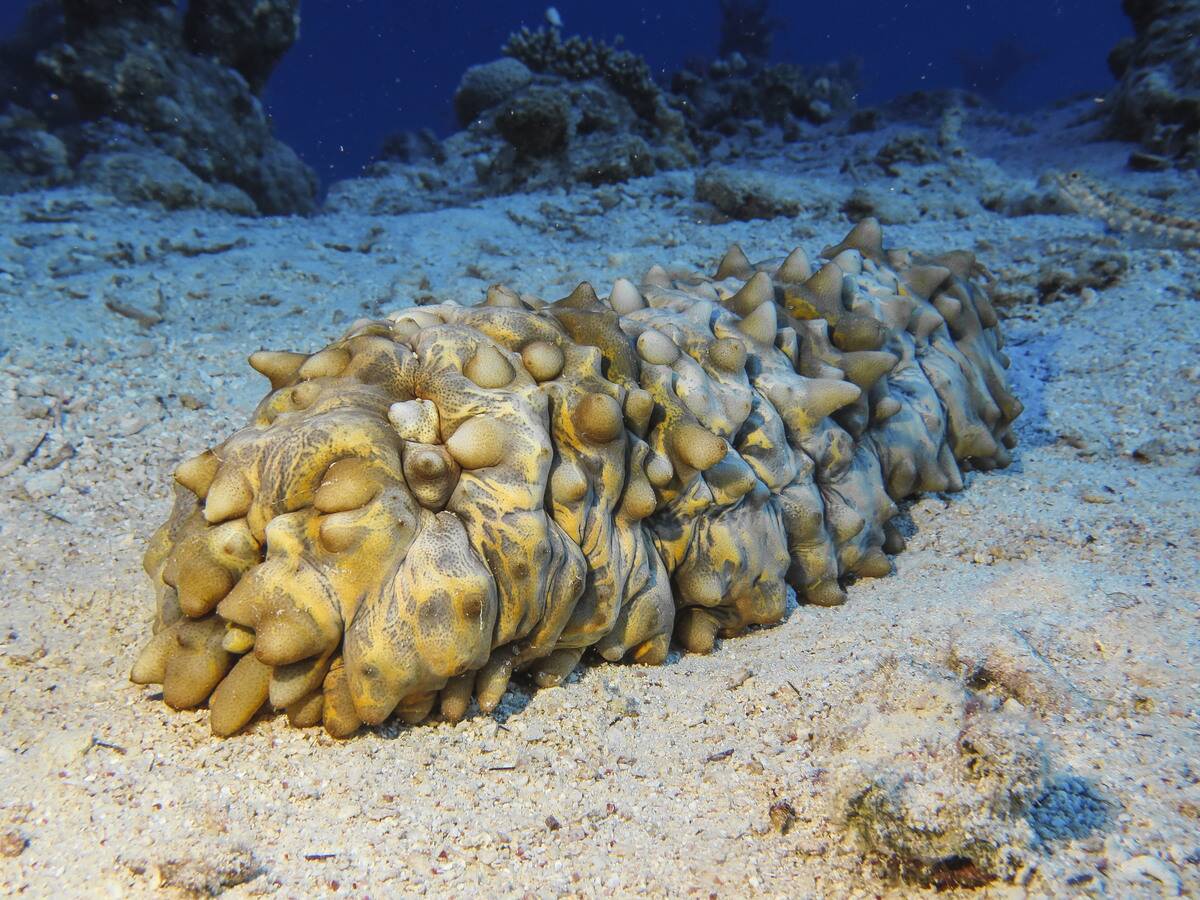
Sea cucumbers might seem like an unusual candidate for regeneration, but these echinoderms possess remarkable healing abilities. When threatened, they can expel their internal organs as a defensive mechanism and regenerate them later.
This unique strategy is made possible by specialized cells that rapidly divide and form new tissues. Scientists are intrigued by sea cucumbers’ regenerative prowess, as understanding their mechanisms might provide clues for developing new medical treatments, especially in the field of organ transplantation and repair.
Lizards: Shedding Tails and Growing New Ones
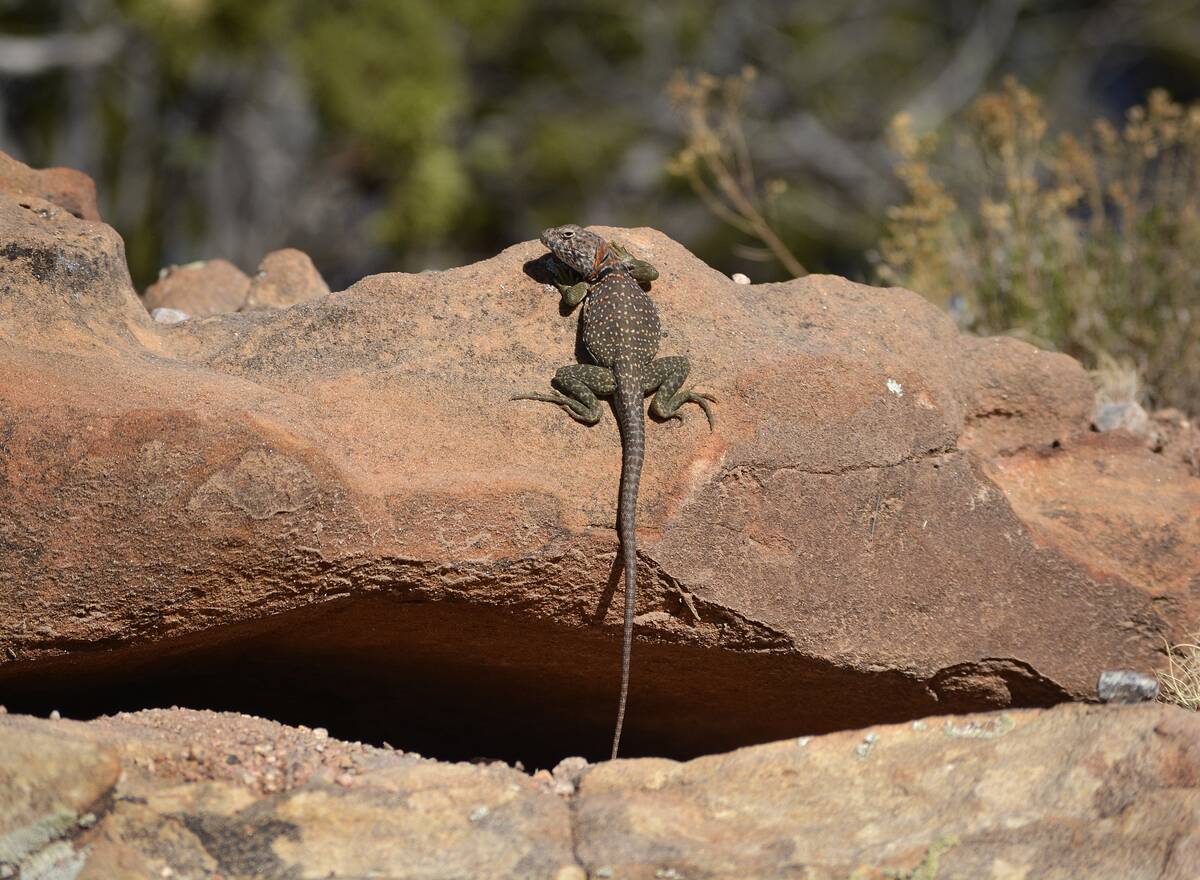
Lizards are famous for their ability to drop and regrow their tails, a defense mechanism against predators. This process, known as autotomy, is facilitated by pre-existing fracture planes in the tail vertebrae. Once a tail is lost, a lizard’s body initiates a complex regenerative process involving cell migration and differentiation to form a new tail.
While the regrown tail may differ slightly in structure and color, the ability to regenerate offers lizards a survival advantage. Researchers hope to apply insights from lizard regeneration to improve wound healing and tissue repair in humans.
Zebrafish: The Aquatic Wonder of Regeneration
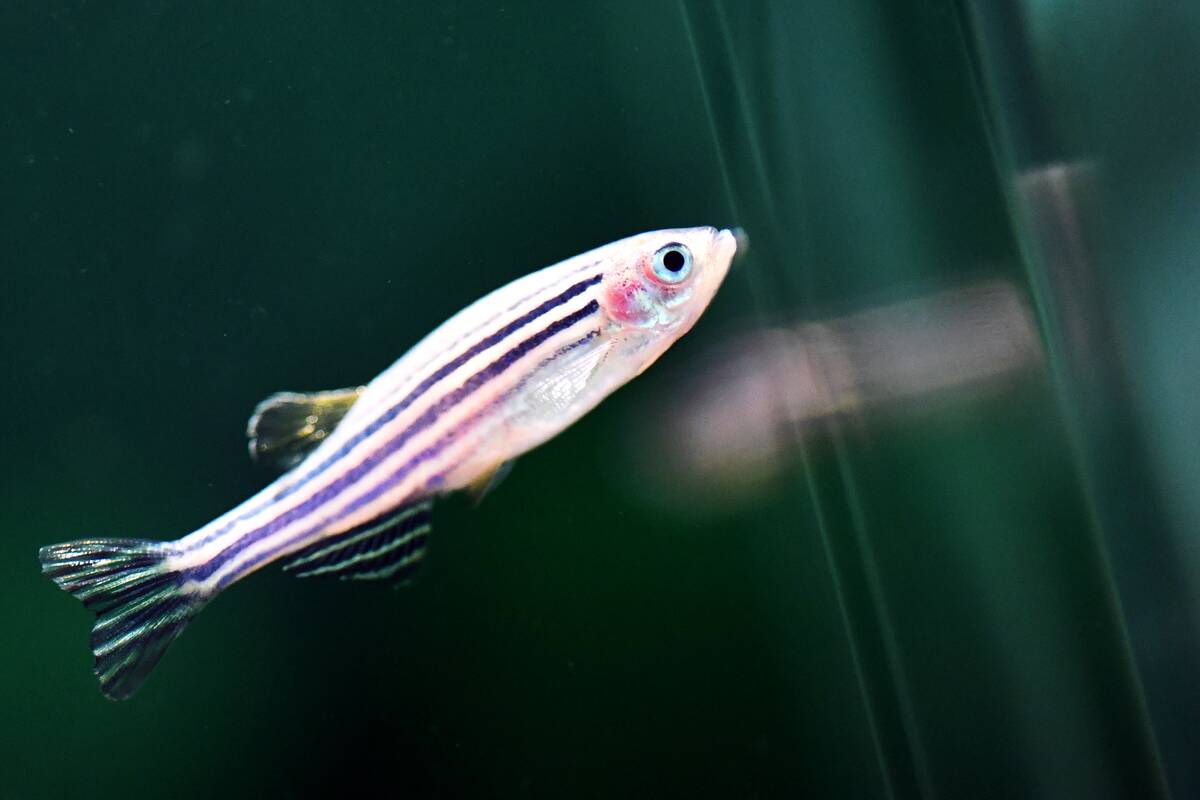
Zebrafish, small freshwater fish, have garnered significant attention for their impressive regenerative abilities. These aquatic wonders can regenerate their fins, heart muscle, and even parts of their brain and spinal cord.
Zebrafish regeneration is driven by the activation of specific genetic pathways and the proliferation of progenitor cells. Scientists are particularly interested in zebrafish due to their genetic similarity to humans, making them valuable models for studying regeneration and developing potential treatments for human injuries and diseases.
Sponges: Ancient Creatures, Timeless Tricks
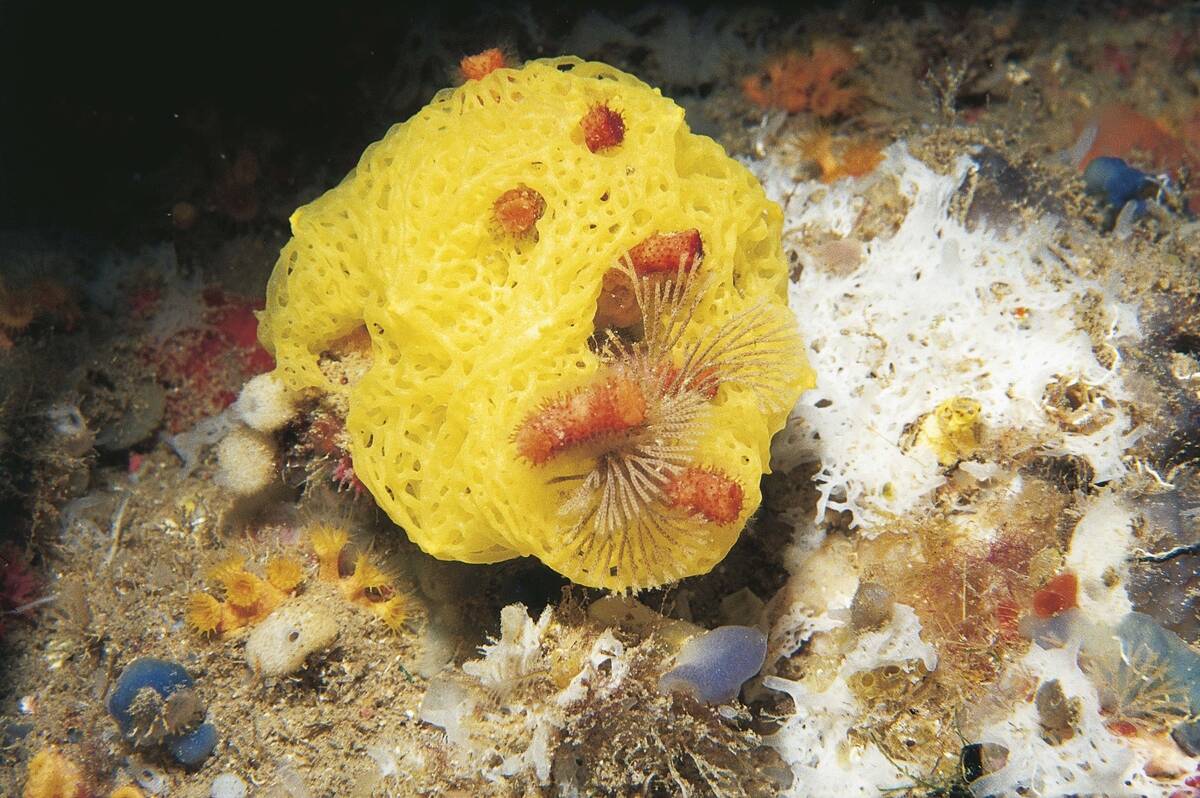
Sponges, among the oldest multicellular organisms, possess fascinating regenerative abilities. These simple creatures can regenerate from small fragments, thanks to their totipotent cells that can transform into any cell type.
Sponges lack complex structures, yet their ability to rebuild their entire bodies from pieces is remarkable. Studying sponges provides valuable insights into the evolution of regenerative processes and offers clues about the fundamental biological mechanisms involved in tissue renewal, which could inform future regenerative medicine approaches.
Crabs: Clawing Back to Full Health
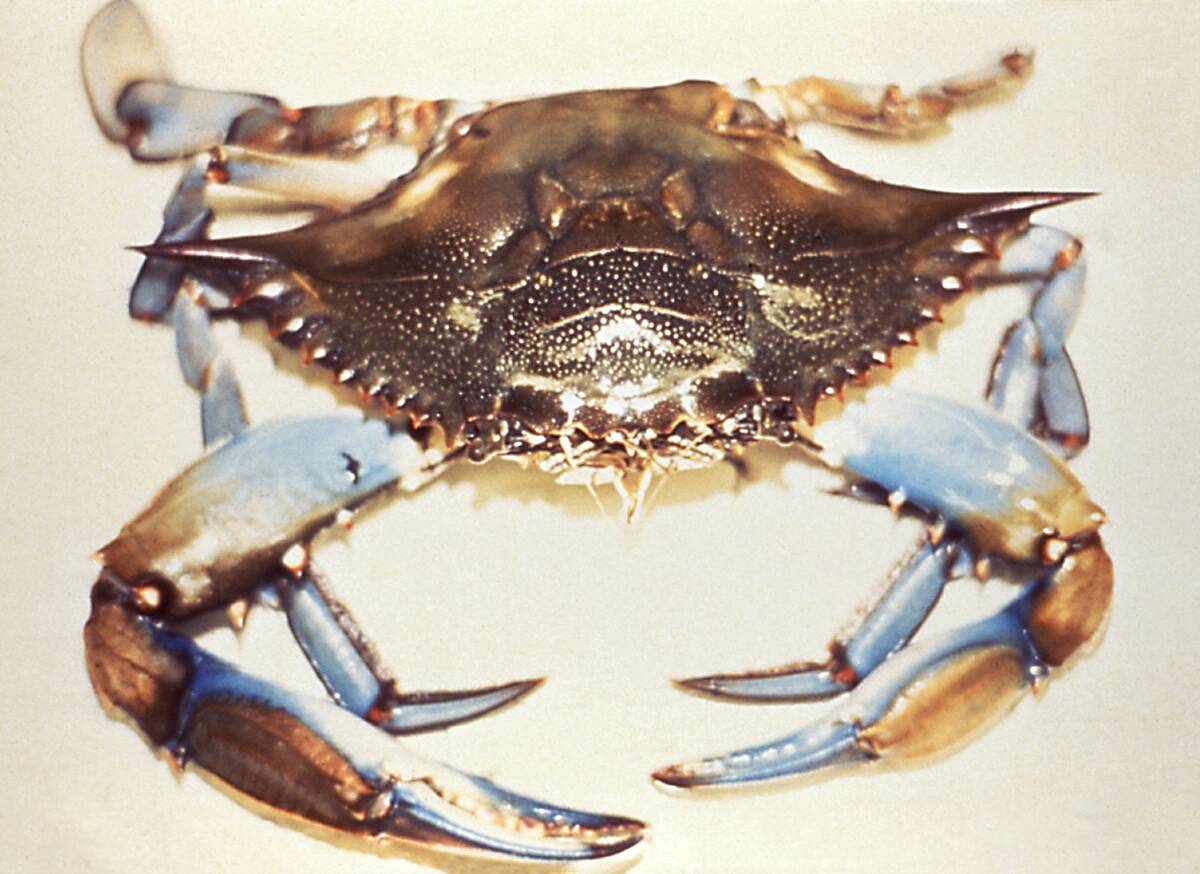
Crabs, known for their hard exoskeletons and powerful claws, also have the ability to regenerate lost limbs. This process occurs over several molting cycles, during which the crab’s body rebuilds the lost appendage.
The new limb often starts smaller but becomes fully functional after a few molts. Understanding how crabs regenerate their limbs not only provides insights into arthropod biology but also holds potential for developing innovative approaches to limb regeneration and repair in other species, including humans.
Deer: The Annual Antler Renewal
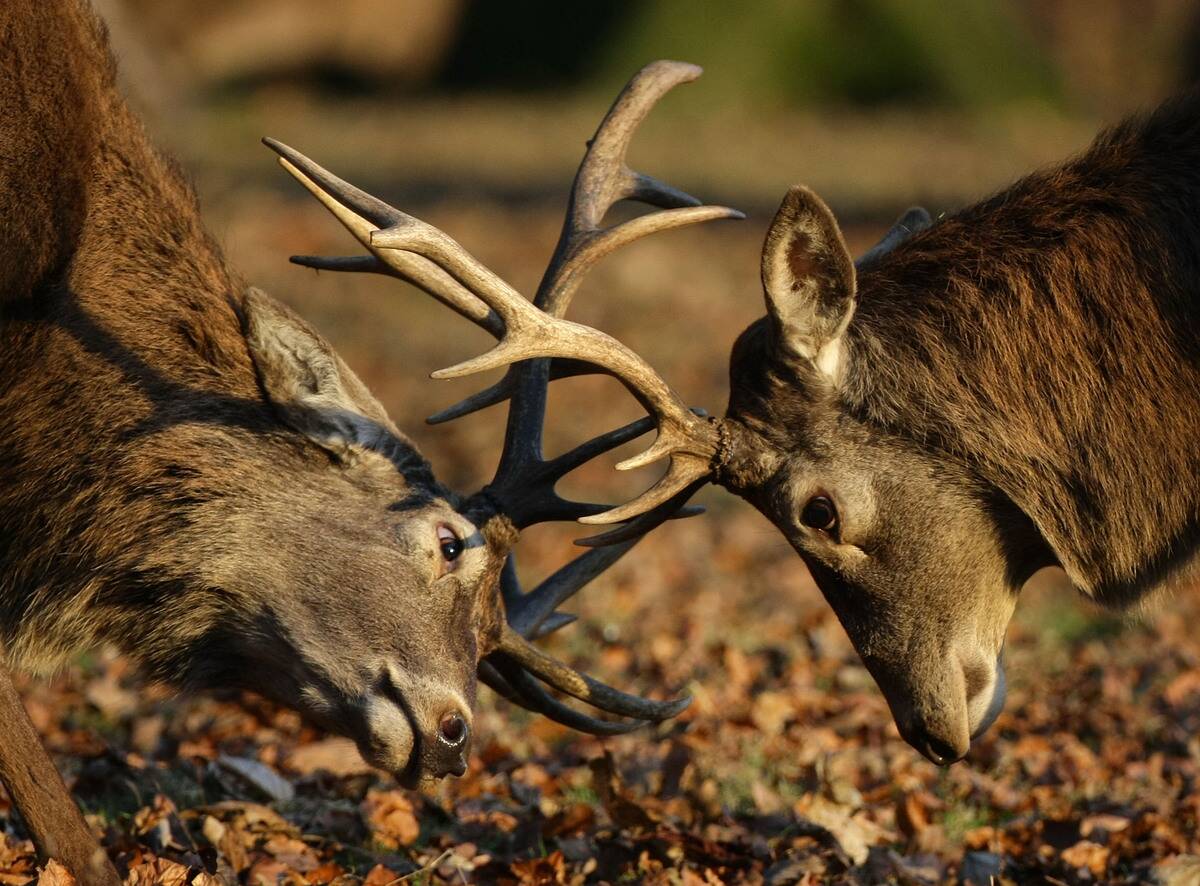
Deer are unique among mammals for their ability to annually shed and regenerate their antlers. This rapid regrowth occurs over a few months, driven by a complex interplay of hormones and growth factors. The process involves the formation of a cartilage scaffold that mineralizes into bone.
Studying antler regeneration has intrigued scientists, as it represents one of the few instances of complete organ regrowth in mammals. Insights from antler regeneration could pave the way for advances in regenerative medicine, particularly in bone repair and growth.
Snakes: Skin Shedding and Beyond
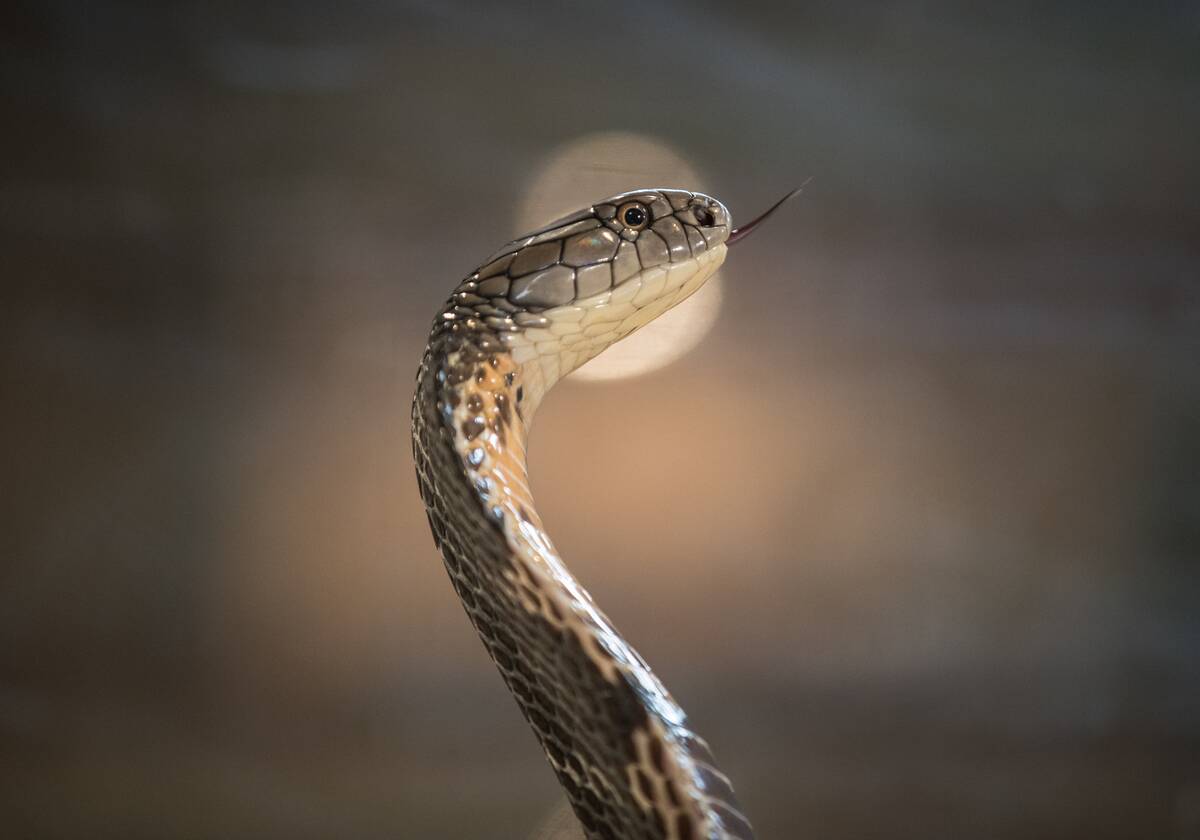
While snakes are often associated with the shedding of their skin, a process known as ecdysis, they exhibit limited regenerative capabilities.
Snakes can shed their skin to maintain health and adapt to environmental changes, but unlike some lizards, they generally do not regenerate lost tail tips. Studying skin regeneration could lead to new insights into skin repair and the development of treatments for skin-related conditions in humans.
Cockroaches: Not Just Survivors, But Regenerators
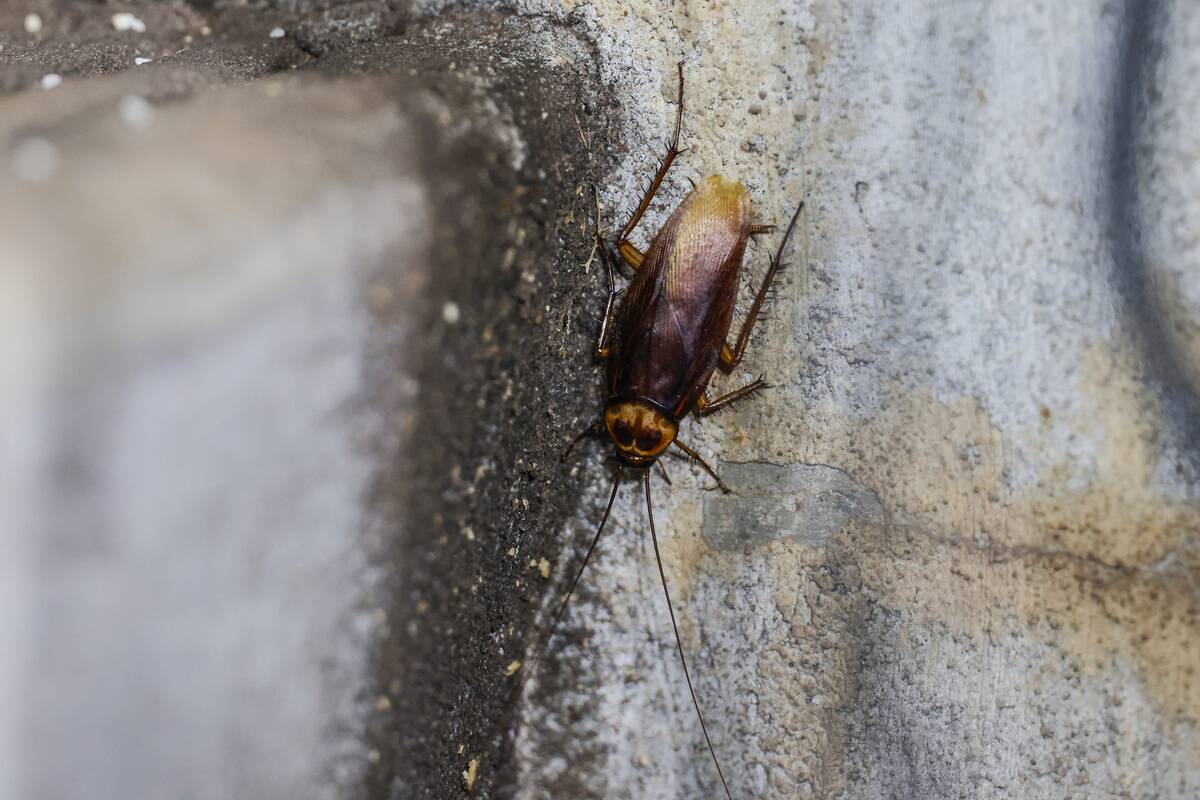
Cockroaches, often regarded as hardy survivors, also possess some regenerative abilities. These insects can regrow lost legs and antennae, although the process is slower compared to other regenerators.
Cockroaches form a blastema—a mass of proliferating cells—to regenerate lost appendages, which gradually restore function over several molts. Understanding cockroach regeneration offers intriguing possibilities for developing new strategies in tissue engineering and repair, potentially leading to advances in regenerative medicine for more complex organisms, including humans.
Humans: Our Limited Regenerative Abilities

Humans, while not as adept at regeneration as many other species, still possess some regenerative capabilities. Our skin, liver, and bone tissues can regenerate to a certain extent, and children’s fingertips can regrow if injured.
However, the complexity of human organs limits our regenerative potential. Researchers are exploring ways to enhance human regeneration by studying the mechanisms behind other species’ abilities. This research holds promise for developing therapies to improve wound healing and tissue regeneration in humans.
Potential Medical Applications: Learning from Nature
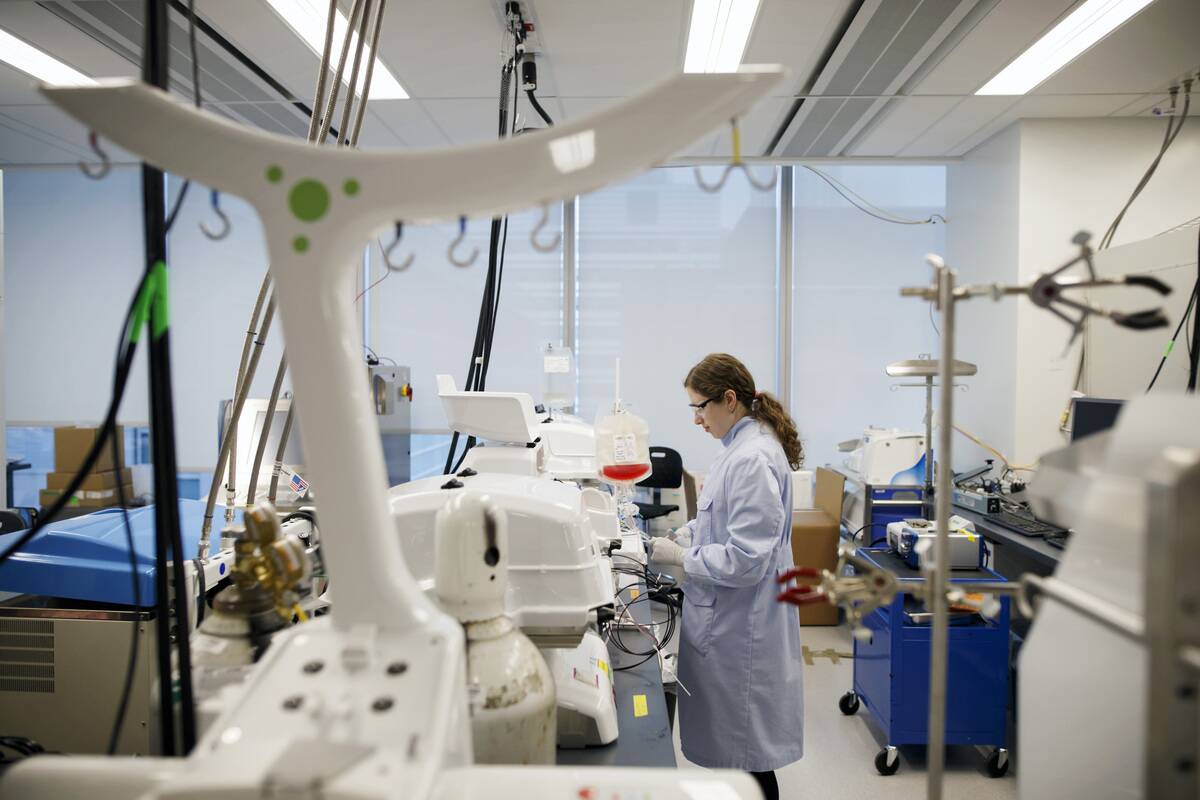
The study of regeneration in nature has significant implications for medical science, offering potential breakthroughs in healing and recovery. By understanding how different species regenerate, scientists aim to develop innovative treatments for injuries and degenerative diseases.
These insights could lead to improved wound healing, tissue engineering, and even the regeneration of complex organs. The potential to apply nature’s regenerative strategies to human medicine could revolutionize healthcare, offering hope for patients with conditions previously thought untreatable.