Remarkable facts about how your body works

Trending Now
The human body is a marvel of nature, a complex system that continues to intrigue scientists and laypeople alike. From the intricate workings of our organs to the mysteries of our genetic code, there’s always something new to discover.
This article will delve into some of the most fascinating aspects of our anatomy and physiology, shedding light on the remarkable capabilities and hidden secrets of the human body.
The Incredible Regenerative Power of the Liver

The liver is an extraordinary organ with a remarkable ability to regenerate itself after significant damage. It can restore its original size and function after losing a large portion of its tissue, making this ability crucial for recovery from certain injuries and surgeries.
However, chronic liver conditions can reduce its regenerative capacity. The liver performs hundreds of essential functions, including detoxification, protein synthesis, metabolism, and the production of bile and other substances needed for digestion.
The Brain’s Astonishing Processing Speed
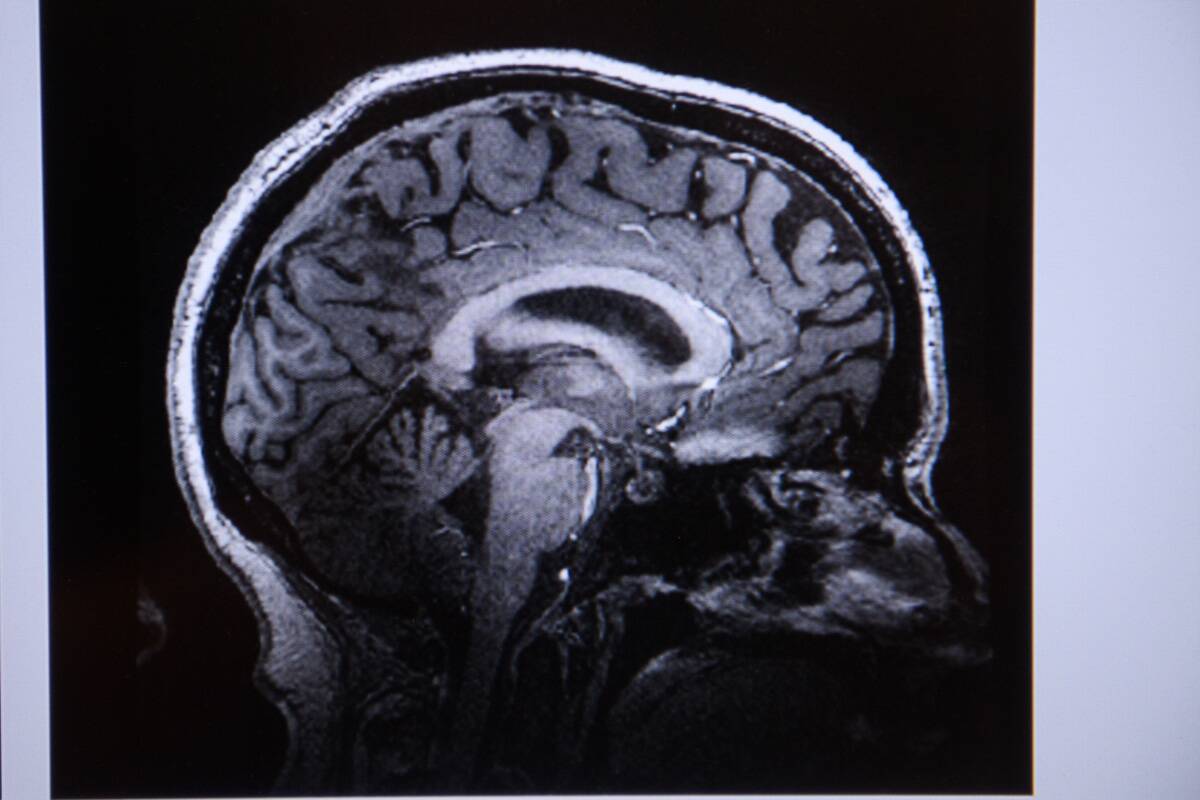
The human brain is an incredibly complex organ capable of processing vast amounts of information through billions of neurons and trillions of connections. Although scientists cannot measure its activity using computer metrics like FLOPS in a direct way, the brain’s ability to interpret sensory information, perform complex tasks, and make rapid decisions demonstrates its extraordinary capabilities.
Its unique combination of speed, efficiency, and adaptability remains unmatched by modern technology in many areas.
The Heart’s Unbelievable Lifetime Mileage

Your heart is a remarkable organ, beating around 100,000 times a day in a typical adult. Over an average lifetime, it may complete roughly 2.5 billion beats while continuously pumping blood throughout the body.
Although exact lifetime volumes vary, the heart moves an enormous amount of blood over the years. Its endurance and efficiency are essential for maintaining circulation and delivering oxygen and nutrients to every part of the body.
Fingernails and Hair: The Truth About Their Growth After Death

Contrary to popular belief, fingernails and hair do not continue to grow after death. The illusion occurs because the skin loses moisture and shrinks after death, making nails and hair appear longer.
During life, fingernails grow roughly 3 millimeters per month, while scalp hair grows about 1 to 1.25 centimeters per month. These growth rates can vary depending on factors such as age, genetics, health, hormones, and nutrition.
The Stomach’s Acidic Superpower
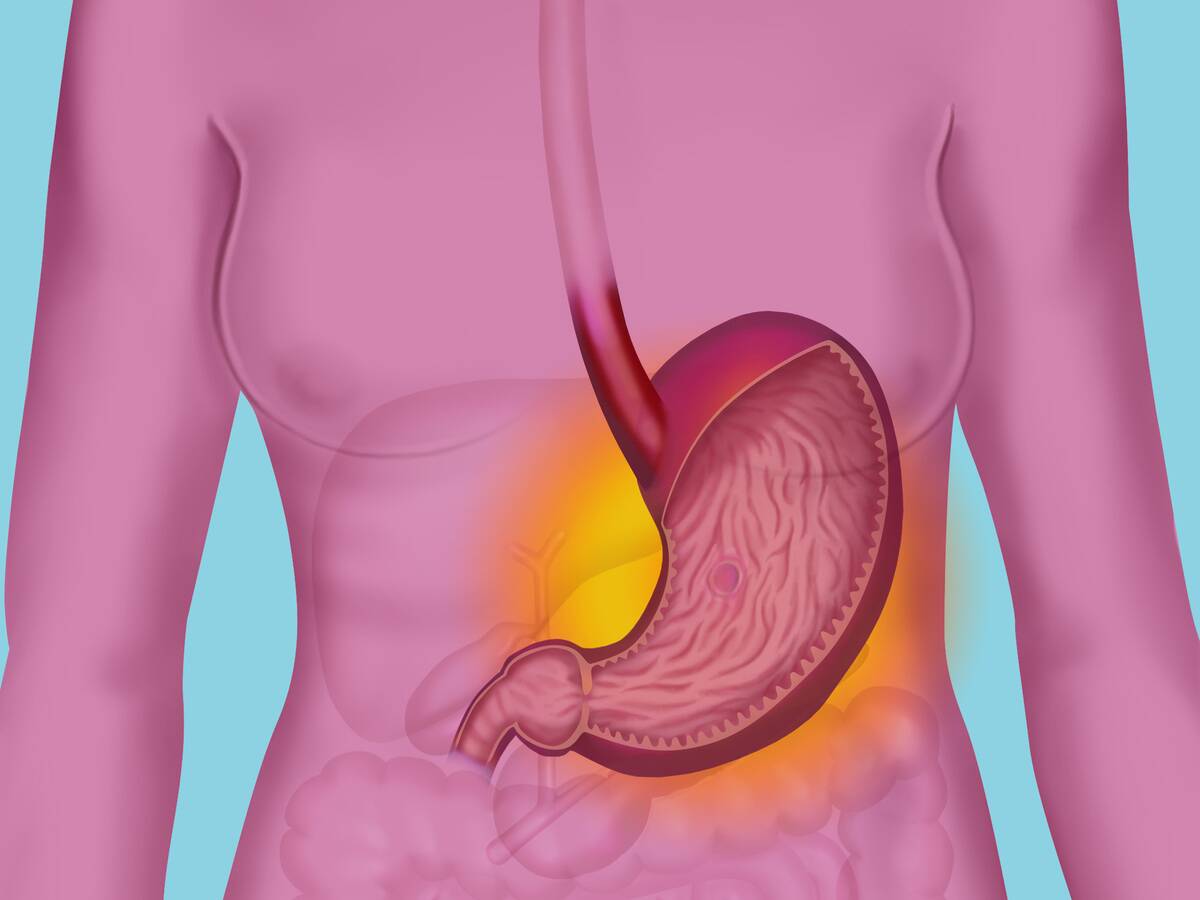
The stomach produces powerful hydrochloric acid, which plays a vital role in digestion by breaking down food, activating digestive enzymes, and helping kill harmful bacteria.
Although this acid is highly corrosive and can react with certain metals under the right conditions, the stomach is protected from self-digestion by a thick layer of mucus, bicarbonate, and specialized cells that constantly renew its lining. This protective balance is essential for healthy digestion and overall gut function.
The Unique Fingerprint of the Tongue

Research suggests that every person’s tongue has distinctive features, including its shape and surface texture, making it a potential biometric identifier. The tongue is covered with tiny bumps called papillae, some of which contain taste buds, while others help provide grip and texture.
These unique characteristics have led researchers to investigate tongue recognition for biometric identification, although it is not widely used in practice. The tongue also plays essential roles in taste, speech, chewing, and swallowing.
The Body’s Natural Painkiller: Endorphins

Endorphins are natural opioid peptides produced by the body that help reduce pain and promote feelings of well-being. They are released during activities such as vigorous exercise and in response to stress or pain, and may also increase during experiences like laughter or eating spicy foods.
Endorphins bind to opioid receptors in the brain and nervous system, helping reduce pain perception. They contribute to the “runner’s high,” a feeling that is also influenced by endocannabinoids, and play an important role in stress relief and emotional well-being.
The Amazing Flexibility of the Human Spine
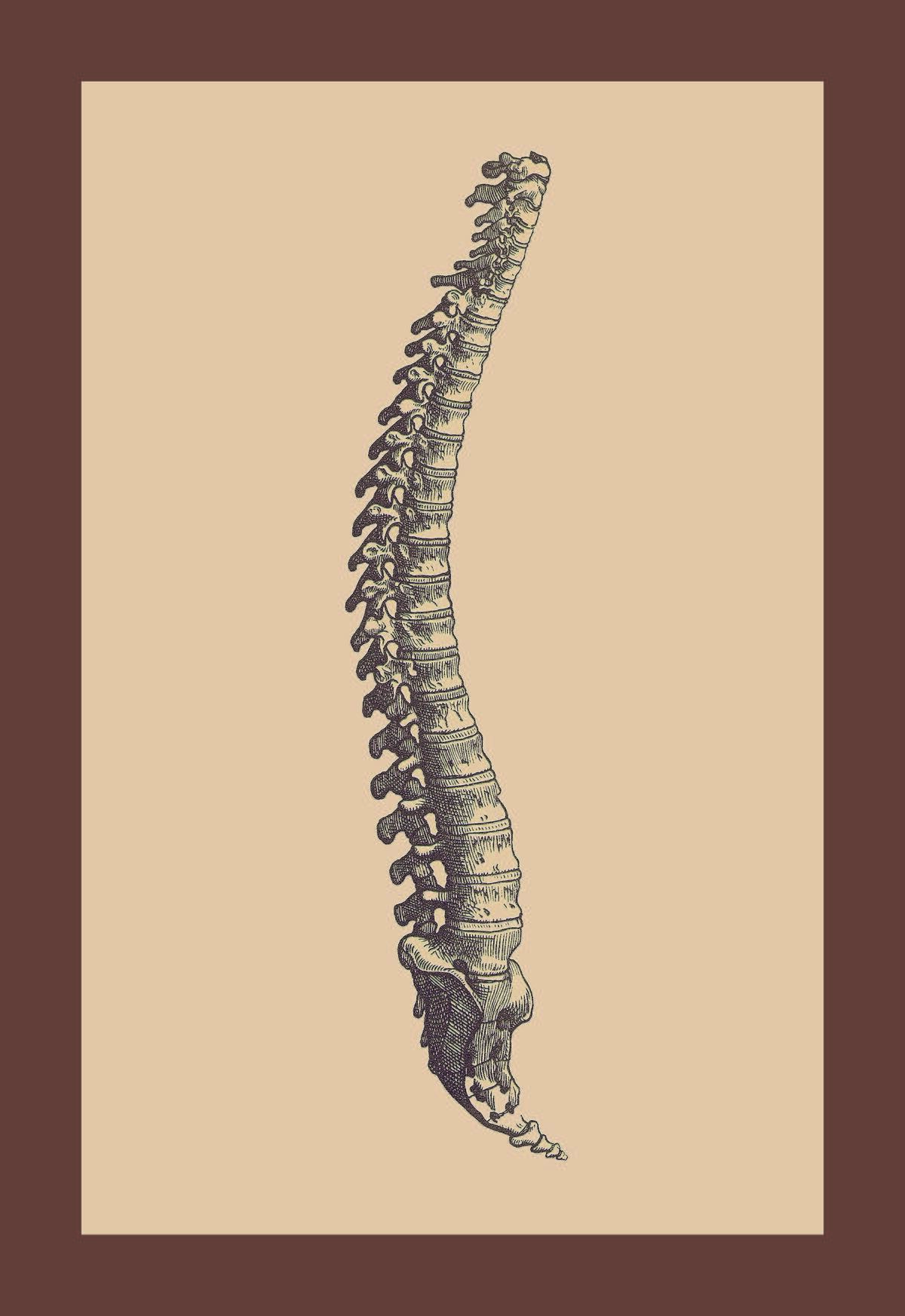
The human spine is a masterpiece of engineering, consisting of 33 vertebrae that provide both support and flexibility. It allows us to bend, twist, and move with ease.
The spine’s S-shaped curve helps absorb shock and maintain balance. Intervertebral discs act as cushions, preventing friction between the bones and facilitating smooth movement.
The Surprising Strength of Human Bones

Human bones are remarkably strong and have an excellent strength-to-weight ratio. The femur, or thigh bone, is the longest and strongest bone in the body, capable of withstanding tremendous forces during everyday activities such as walking and running.
Bones are composed of a collagen matrix reinforced with calcium phosphate minerals, giving them both strength and flexibility. In addition to supporting the body, bones produce blood cells through the bone marrow and store essential minerals such as calcium and phosphorus.
The Skin: Our Largest Organ with a Big Job

The skin is the body’s largest organ, covering about 20 square feet in adults. It serves as a protective barrier against environmental hazards, regulates temperature, and allows the sensation of touch.
The skin also plays a role in vitamin D synthesis, essential for bone health. Its three layers—epidermis, dermis, and hypodermis—work together to perform these vital functions.
The Nose’s Incredible Ability to Detect Trillions of Scents

The human nose is a remarkable sensory organ, capable of distinguishing an enormous variety of scents. This ability is made possible by specialized olfactory receptors in the nasal cavity, which detect odor molecules and send signals to the brain’s olfactory bulb for processing.
The sense of smell is closely connected to memory and emotion because of its direct links to brain regions involved in these functions, often triggering vivid recollections and emotional responses.
The Power of the Human Voice: A Unique Instrument

The human voice is a remarkably versatile instrument, capable of producing a wide range of sounds and pitches. It is generated by the vocal folds, which vibrate as air from the lungs passes through the larynx.
The shape of the vocal tract, together with the movement of the tongue, lips, and jaw, gives each person a distinctive voice and allows us to produce speech and other vocal sounds. Beyond communication, the human voice is also a powerful expression of identity, personality, and emotion.
The Remarkable Elasticity of the Lungs

The lungs are incredibly elastic, capable of expanding and contracting with each breath. They contain about 300 million alveoli, tiny air sacs where gas exchange occurs.
This elasticity allows the lungs to hold up to six liters of air, facilitating efficient oxygen intake and carbon dioxide expulsion. The diaphragm and intercostal muscles play a crucial role in the breathing process.