Facts about the narwhal, the unicorn of the sea

Trending Now
The narwhal, often dubbed the ‘unicorn of the sea,’ is a fascinating marine mammal that has captured human imagination for centuries. With its long, spiraled tusk, it resembles the mythical unicorn, sparking curiosity and wonder.
These creatures are part of the whale family and are known for their elusive nature, making them a subject of intrigue for scientists and marine enthusiasts alike. Their mysterious presence in the Arctic waters only adds to their allure.
What Exactly is a Narwhal?
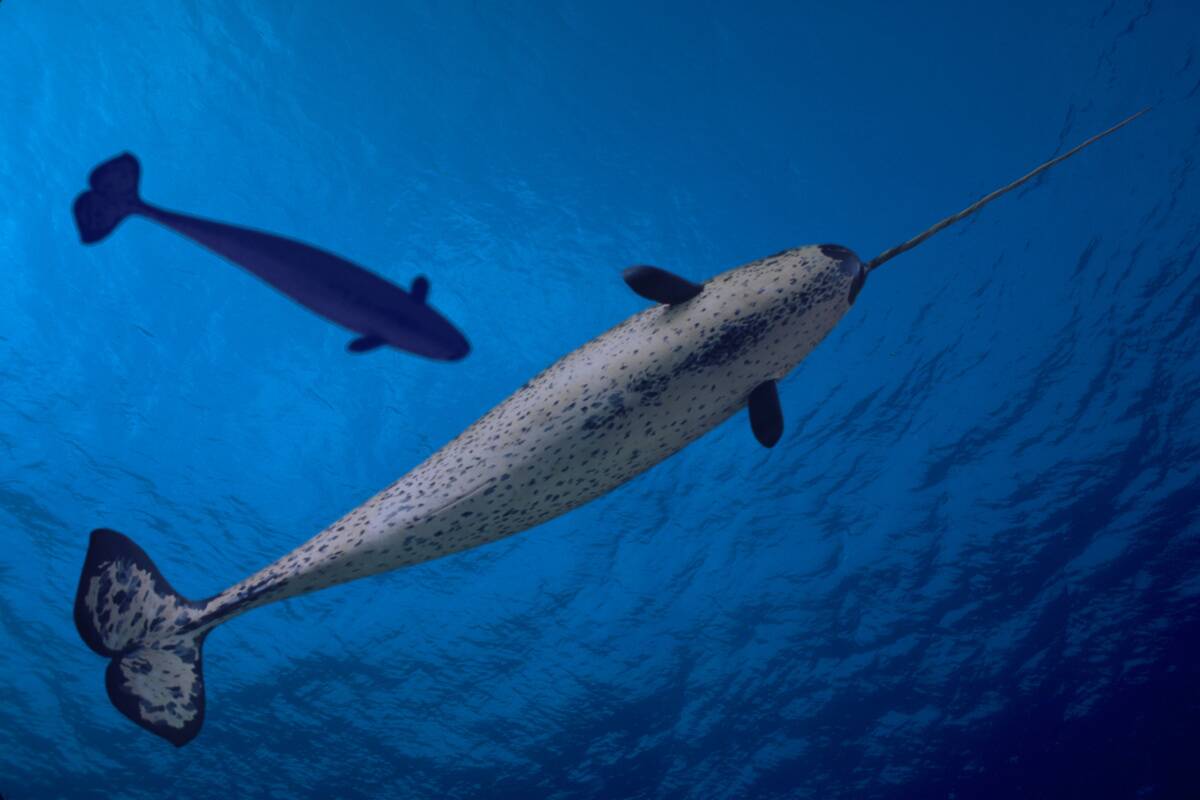
Narwhals are medium-sized toothed whales that belong to the Monodontidae family, which also includes the beluga whale. They are characterized by their mottled gray skin and, most notably, the long tusk that protrudes from the males’ heads.
This tusk is actually an elongated tooth that can grow up to 10 feet long. Narwhals are native to the Arctic waters around Greenland, Canada, and Russia, where they spend their lives navigating icy seas.
The Narwhal’s Unique Tusk: Not Just for Show
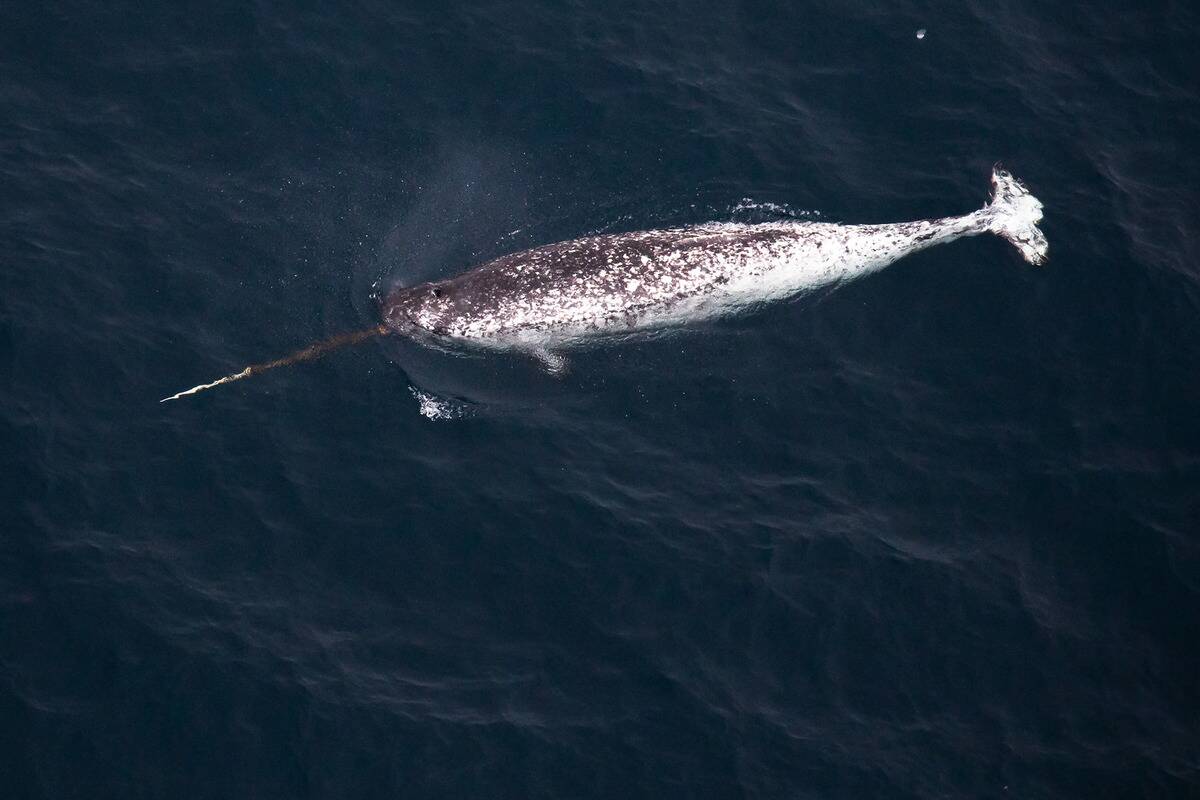
The narwhal’s tusk has long been a subject of fascination and speculation. While it might look like a weapon, research suggests it serves various sensory functions.
The tusk is filled with nerve endings, allowing narwhals to detect changes in their environment, such as water temperature and salinity. Some studies also suggest the tusk plays a role in social interactions, possibly used in mating displays or to establish dominance among males.
Where in the World Do Narwhals Live?

Narwhals are primarily found in the Arctic waters surrounding Greenland, Canada, and Russia. These regions provide the cold, icy habitat that narwhals thrive in.
During the summer months, they are often spotted in the coastal waters of these areas, while in winter, they move to deeper waters beneath the pack ice. Their preference for such extreme environments makes them one of the most elusive marine mammals to study.
Narwhal Social Life: Pods and Communication
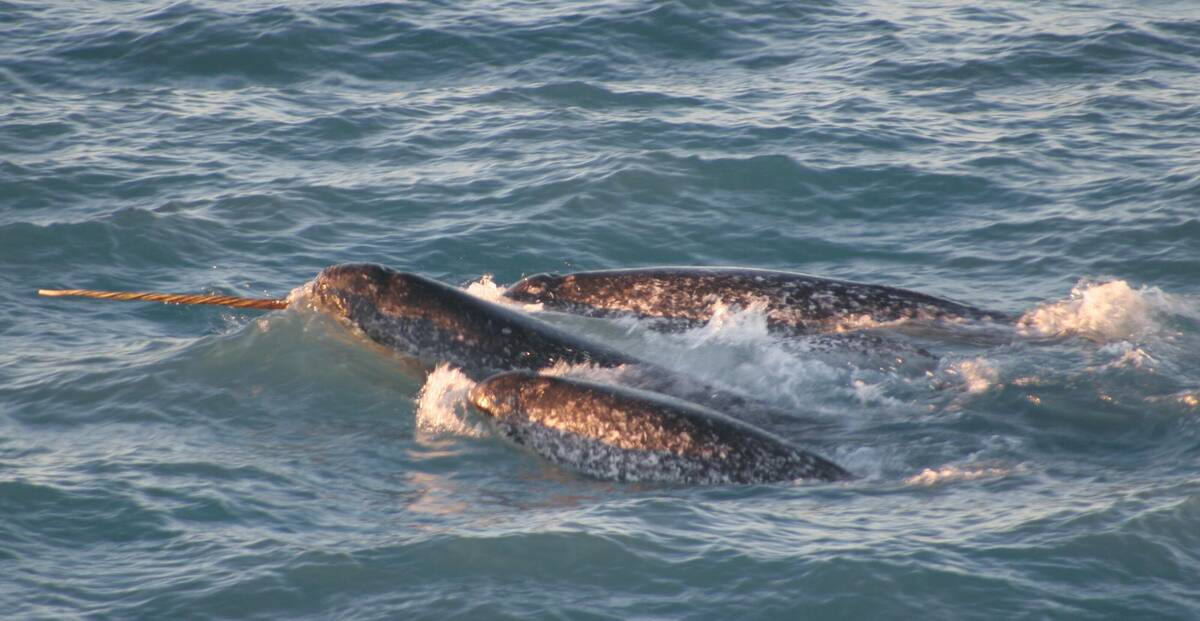
Narwhals are social creatures that travel in groups known as pods, typically consisting of 10 to 20 individuals. These pods can sometimes merge, forming superpods of hundreds of narwhals.
Communication within these groups is vital, and narwhals use a variety of clicks, whistles, and knocks to interact with one another. These sounds are not only used for socializing but also play a crucial role in navigation and hunting.
Narwhal Diet: What’s on the Menu?
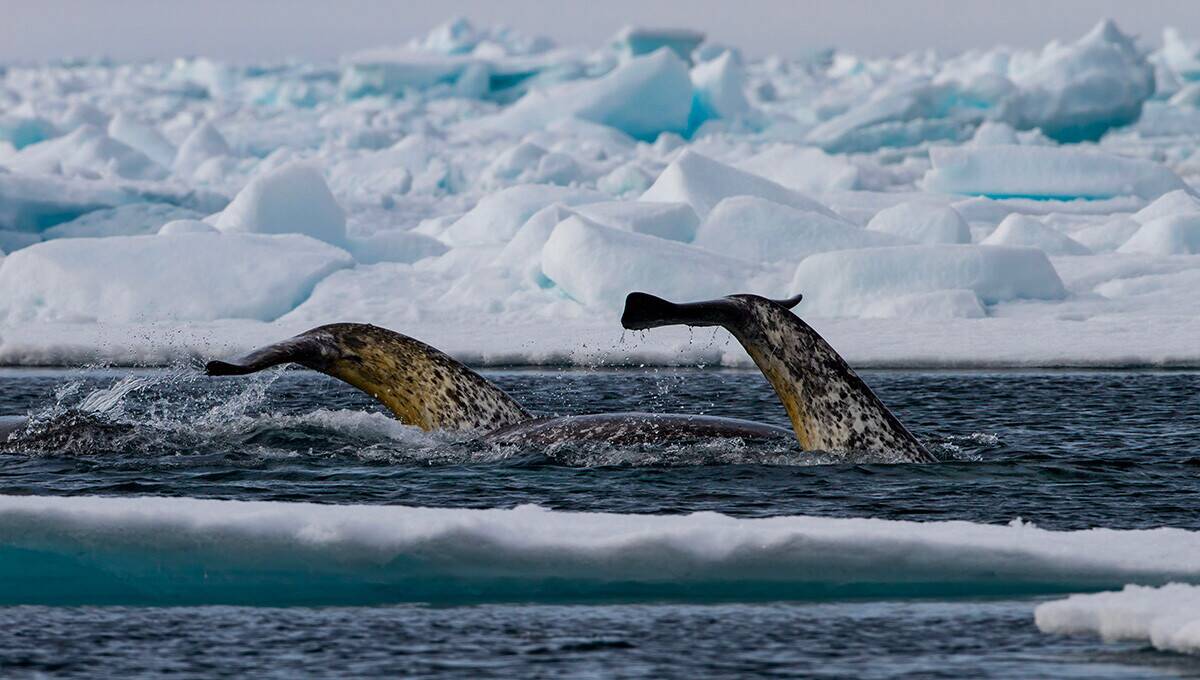
The narwhal’s diet consists mainly of fish, squid, and shrimp, with Greenland halibut being a particular favorite. They hunt using echolocation, a technique that involves emitting sound waves to locate prey in the dark, murky waters of the Arctic.
Narwhals are known to dive to incredible depths, sometimes reaching over 1,500 meters, to find food. This deep-diving ability is essential for survival in their harsh, icy habitat.
The Narwhal’s Role in Inuit Culture and Mythology

Narwhals hold significant cultural importance for the Inuit people, who have lived alongside these creatures for centuries. They are a vital source of food and materials, with every part of the narwhal being used, from the meat to the tusk.
In Inuit mythology, narwhals are often depicted as magical creatures, and their tusks were historically traded as unicorn horns, believed to possess mystical properties.
How Narwhals Adapt to the Arctic Environment

Narwhals have evolved several adaptations to survive in the harsh Arctic environment. Their blubber provides insulation against the freezing temperatures, while their streamlined bodies allow them to swim efficiently through icy waters.
Narwhals also have a unique ability to slow their heart rates, which helps them conserve oxygen during deep dives. These adaptations are crucial for their survival in one of the planet’s most extreme habitats.
Narwhal Migration Patterns: A Seasonal Journey

Narwhals undertake seasonal migrations, moving between coastal summering grounds and deeper wintering areas. In summer, they are often found in ice-free coastal waters, where they feed and socialize.
As winter approaches, they migrate to deeper waters under the ice, where they continue to hunt. These migrations are closely tied to the movements of sea ice, highlighting the narwhal’s reliance on this critical habitat feature.
Narwhal Conservation: Challenges and Efforts

Narwhals face several conservation challenges, including climate change, which affects their icy habitat, and increased human activities like shipping and oil exploration. Conservation efforts focus on understanding narwhal populations and their habitats to develop effective protection strategies.
Organizations and governments are working together to monitor narwhal populations and implement measures to mitigate the impacts of human activities and climate change.
Narwhal Fun Facts: Quirky Tidbits You Didn’t Know

Did you know that narwhals can live up to 50 years? Or that their tusks can bend about a foot without breaking? These quirky creatures are full of surprises.
Despite their mysterious nature, narwhals are not shy about making noise; they are known for their vocalizations, which can be heard above and below the water. These fun facts only add to the narwhal’s charm and mystique.