How plants share information beneath the soil

Trending Now
Plants are more than just passive green beings swaying in the breeze. Beneath their serene facade lies an intense world of communication and interaction. Think of plants as nature’s secretive social network.
They chat, warn, and even collaborate in ways that can put our own social media platforms to shame. This article peels back the layers of soil to uncover the hidden dialogues of the plant kingdom.
The Mysterious World Beneath Our Feet

Beneath the ground, a bustling world thrives, unseen and often unexplored. This underground network comprises roots, fungi, and countless microorganisms. It’s a complex system, much like a bustling city, with connections that extend over great distances.
This hidden world is vital for plants’ survival and growth, facilitating nutrient exchange and communication in ways we are only beginning to understand.
Meet the Mycorrhizal Fungi: Nature’s Internet

Mycorrhizal fungi are the unsung heroes of the plant world, acting as nature’s very own internet. These fungi form symbiotic relationships with plant roots, creating vast networks that interconnect different plants.
Through these fungal networks, plants can share nutrients and information, much like emails zipping across the web. These interactions are crucial for the health and resilience of ecosystems.
How Roots and Fungi Form Partnerships
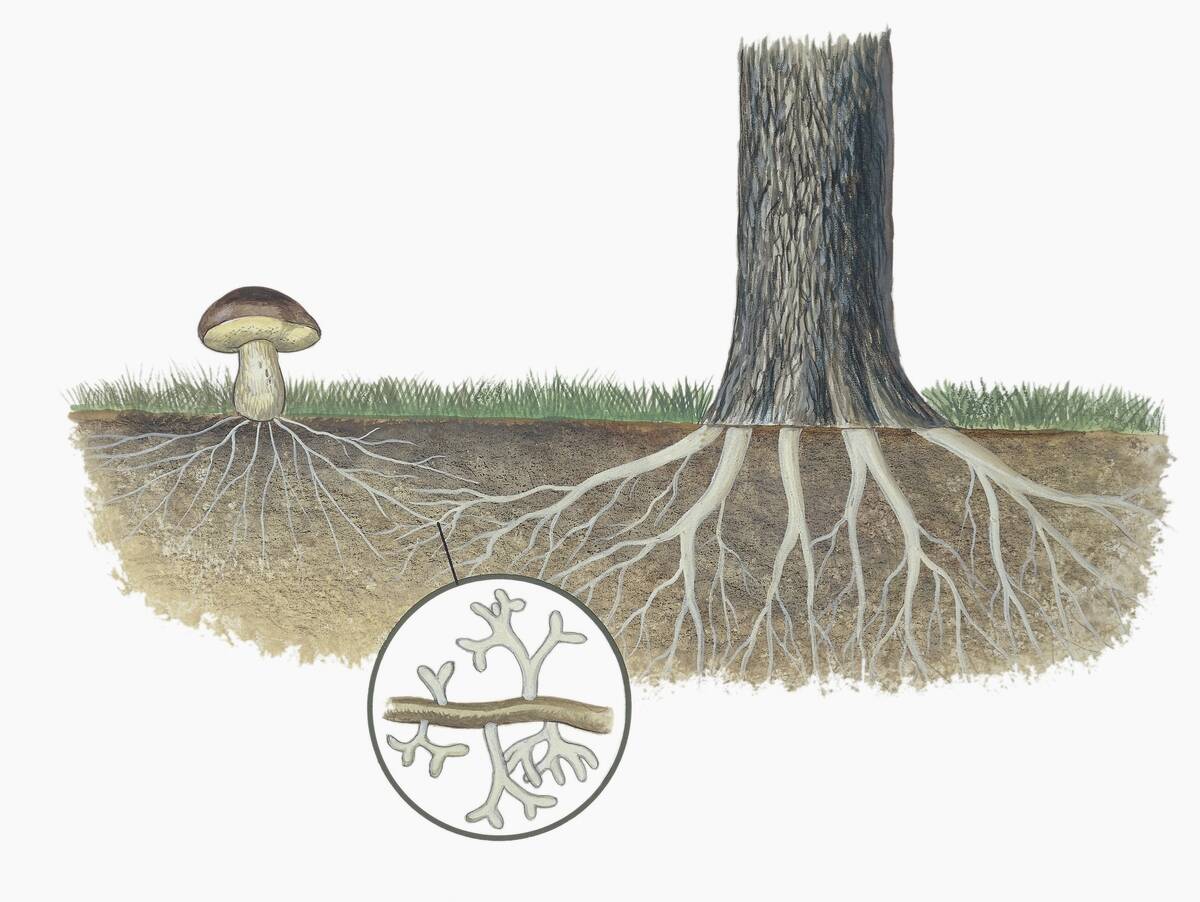
The partnership between roots and fungi is a classic example of mutualism. Plant roots secrete sugars and other compounds that attract fungi, which, in return, extend their hyphae to increase the plant’s nutrient absorption capacity.
This relationship is a win-win, providing plants with essential nutrients like phosphorus while fungi receive the carbohydrates they need to thrive. It’s like a friendly neighbor exchanging home-grown veggies for a delicious pie.
The Science Behind Plant Communication
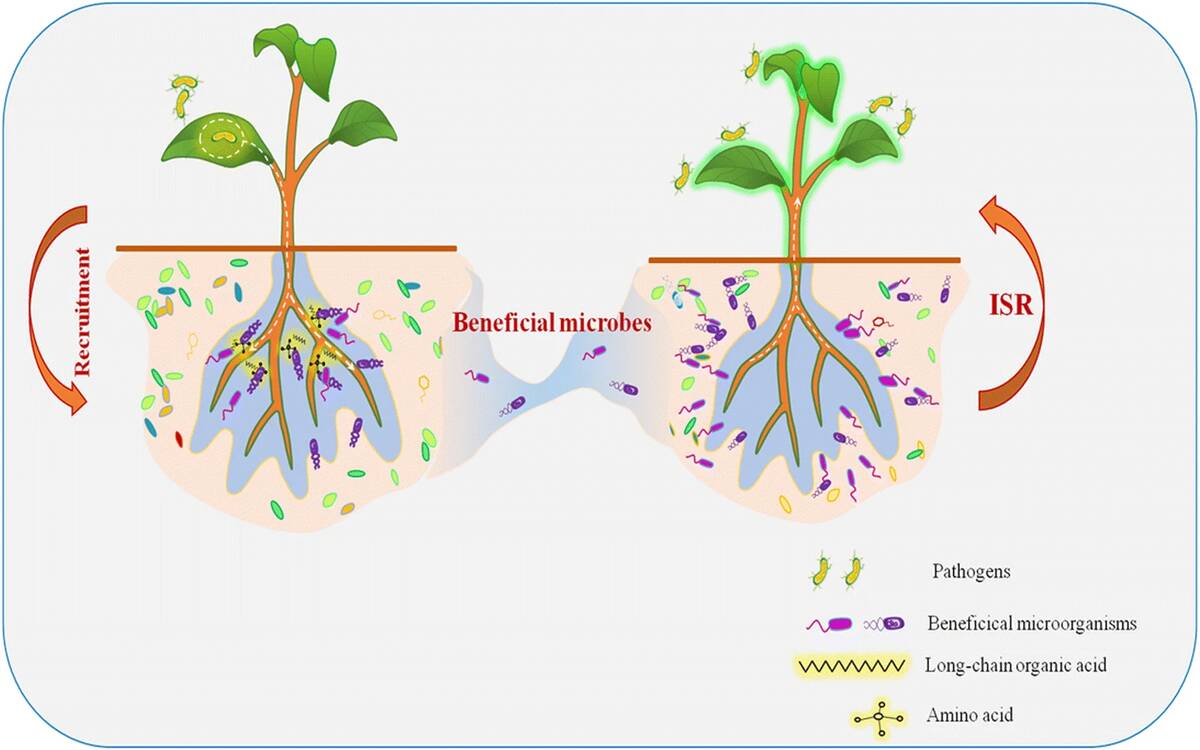
Scientists have uncovered that plants communicate using a complex language of chemical signals. These signals can be likened to Morse code, with each chemical compound carrying a specific message.
Root exudates and volatile organic compounds are just a few of the ways that plants send and receive these messages. This intricate communication system is vital for survival, enabling plants to respond to environmental changes and threats.
Plants Have a Lot to Say: What Are They Talking About?

Plants communicate about a wide range of topics, from pest invasions to nutrient deficiencies. When under attack by herbivores, they can release chemicals to alert neighboring plants of the danger.
This early warning system helps other plants to ramp up their defenses. In essence, plants are chatting about their needs, experiences, and strategies for survival, engaging in a form of social gossip that’s crucial for their wellbeing.
The Role of Chemical Signals in Plant Chatting

Chemical signals are the lingua franca of the plant world. These signals can travel through the air or soil, carrying information about a plant’s condition. Volatile organic compounds can drift through the air to reach other plants, while root-secreted chemicals travel through the soil.
These messages can prompt responses such as altering growth patterns or initiating defense mechanisms, highlighting the adaptability of plant communication.
From Warnings to Welcomes: Messages Plants Send

Plants are not only about warnings; they also send friendly messages. They can release chemicals that attract pollinators or beneficial insects. For instance, the scent of a blooming flower is essentially a welcoming message to bees.
Similarly, root exudates can attract helpful microbes. These signals are crucial for fostering symbiotic relationships that support plant health and reproduction, making the plant world a truly collaborative community.
Resource Sharing in the Plant Kingdom

Resource sharing among plants is akin to neighbors lending a cup of sugar. Through the mycorrhizal networks, plants can share water and nutrients with others, especially those in need.
This generosity helps maintain ecosystem stability, ensuring that even plants in less-than-ideal conditions have a chance to thrive. It’s a remarkable display of cooperation, showing that plants are not just in it for themselves but for the greater good.
The Incredible Speed of Underground Messaging
While plant communication might seem slow to us, some messages travel through the underground networks with surprising speed. Electrical signals, akin to those in our own nervous systems, can move through plant networks at rates up to several centimeters per second.
This rapid exchange of information allows plants to respond quickly to threats or changes in their environment, showcasing an impressive level of reactivity.
How Plants Help Each Other Survive

Plants are the ultimate team players when it comes to survival. They can provide shade to their neighbors, help each other in nutrient acquisition, and offer support in resisting pests.
Studies have shown that plants growing in communities often fare better than those in isolation. This cooperation is essential for maintaining biodiversity and resilience, proving that in the plant world, unity truly is strength.
The Impact of Human Activity on Plant Networks
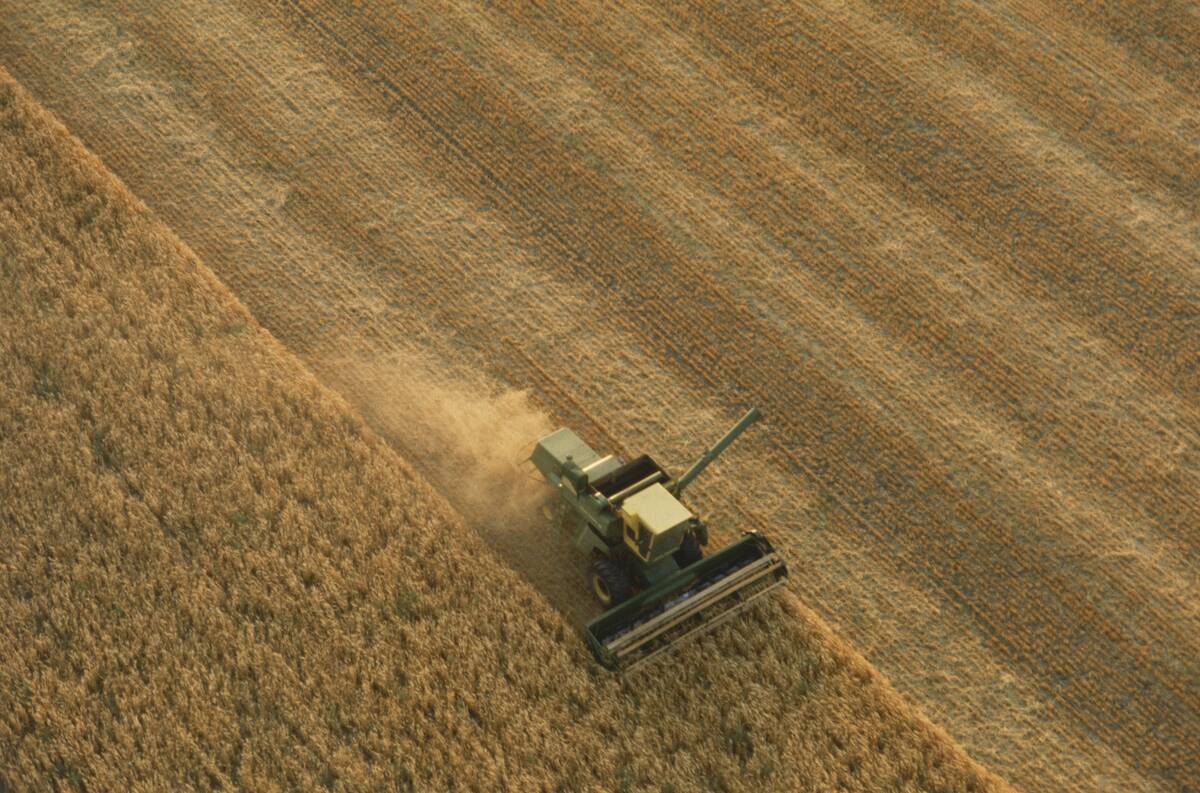
Human activities, such as agriculture and urbanization, can disrupt the delicate balance of plant communication networks. Soil degradation, pollution, and habitat loss can sever the connections between plants and their fungal partners.
This disruption can lead to reduced plant health and diminished ecosystem resilience. Preserving these networks is crucial for maintaining biodiversity and ensuring the sustainability of our natural environments.
The Role of Soil Health in Plant Communication
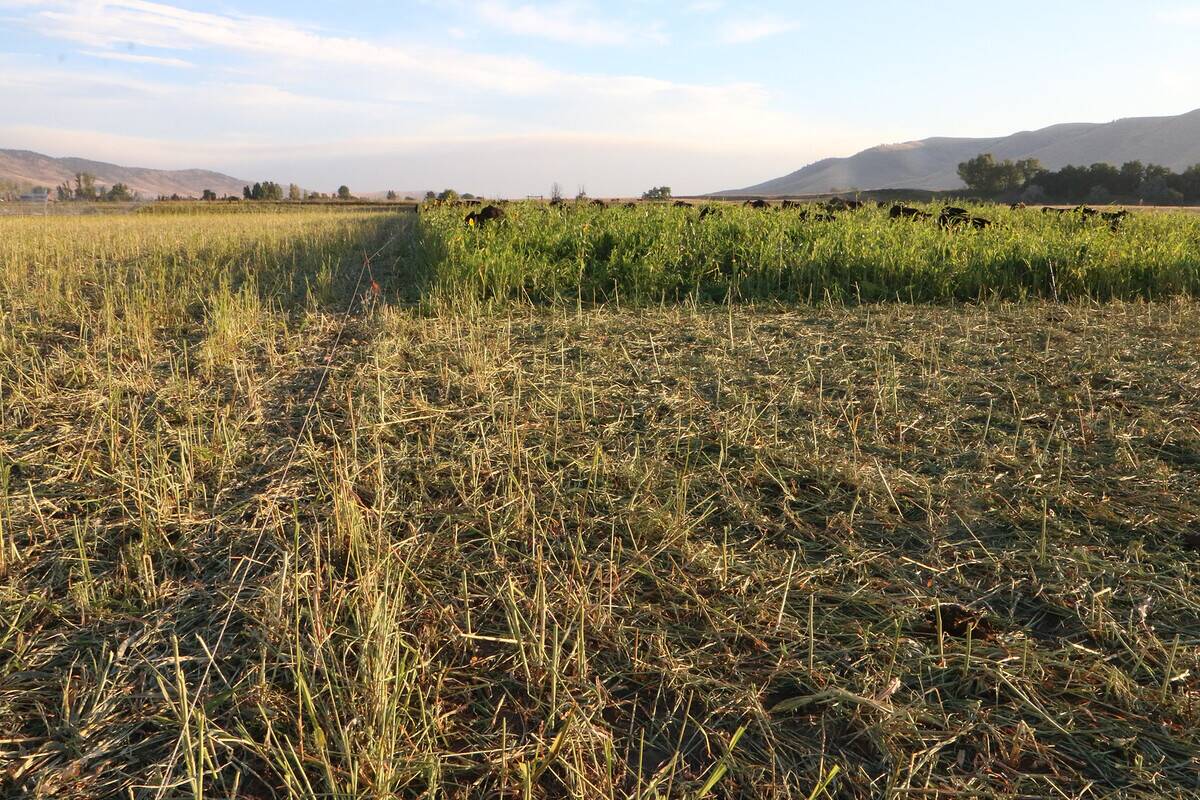
Soil health plays a pivotal role in facilitating plant communication. Healthy soils are teeming with microorganisms that support the growth of mycorrhizal networks. These networks are essential for nutrient exchange and chemical signaling between plants.
By maintaining rich, organic soils, we can enhance plant communication and foster more robust ecosystems. Healthy soil is the foundation upon which all plant interactions are built.
How This Knowledge Could Change Agriculture
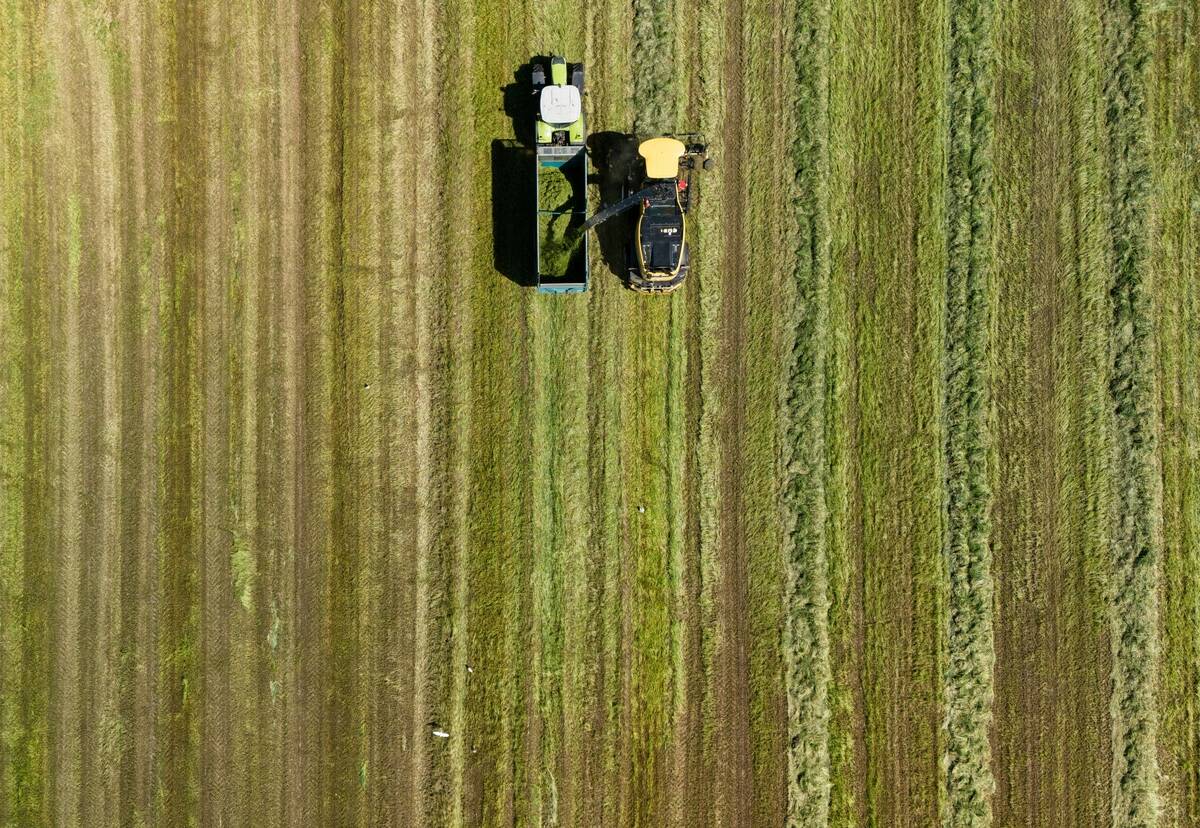
Understanding plant communication could revolutionize agriculture by promoting more sustainable practices. By harnessing mycorrhizal networks, farmers can reduce the need for chemical fertilizers and pesticides.
Encouraging natural plant interactions can lead to healthier crops and improved yields. This approach not only benefits the environment but also creates more resilient agricultural systems that are better equipped to withstand the challenges of climate change.
Fun Facts About Plant Communication

Did you know that some plants can recognize their relatives? Research has shown that plants are more likely to share resources with their kin. Another fun fact is that certain plants can “taste” the chemicals in their environment, allowing them to distinguish between friend and foe.
These fascinating abilities highlight the complexity and intelligence of plant interactions, proving that there’s much more to them than meets the eye.