Napoleon Bonaparte’s biggest strategic mistakes

Trending Now
Napoleon Bonaparte, a name synonymous with military genius, often conjures images of grand conquests and indomitable spirit. Yet, beneath the surface of his legendary status lie fascinating flaws that shaped his historical narrative.
His ambitious nature often led to strategic oversights, turning victories into burdens. These flaws, while contributing to his ultimate downfall, also provide a captivating insight into the complexities of leadership. Join us as we delve into a few of Napoleon’s most notable blunders.
The Egyptian Campaign: A Desert Debacle
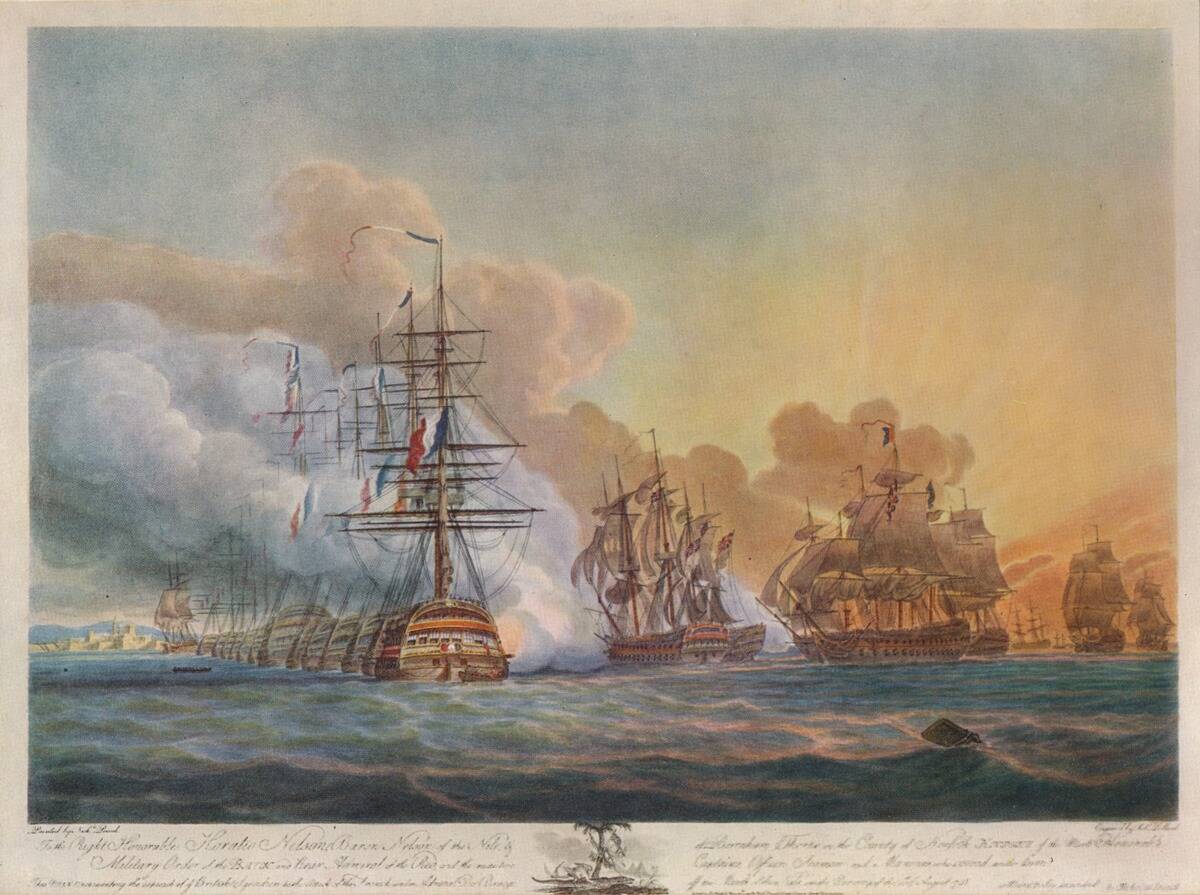
Napoleon’s Egyptian Campaign was intended to disrupt British trade routes and expand French influence. However, the desert proved unforgiving, and the campaign quickly spiraled into a logistical nightmare.
The Battle of the Nile in 1798 saw the British Navy, led by Admiral Nelson, decimate the French fleet, stranding Napoleon’s forces. Despite initial success in Cairo, the campaign’s failure highlighted the importance of naval power and the challenges of sustaining an army in hostile terrain.
Underestimating the British Navy: The Battle of Trafalgar
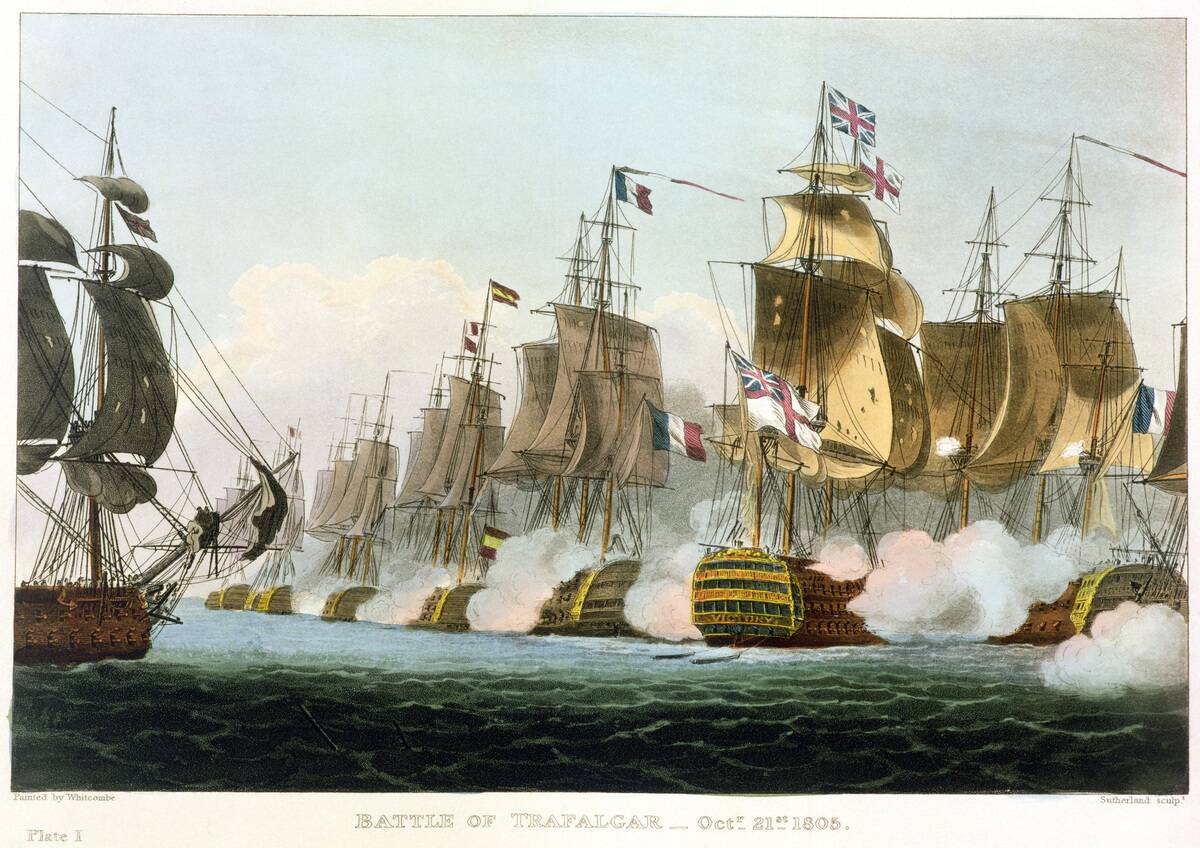
Napoleon’s miscalculation of British naval might became glaringly evident at the Battle of Trafalgar in 1805. Admiral Nelson’s fleet, though outnumbered, executed brilliant tactics to secure a decisive victory.
This defeat shattered Napoleon’s hopes of invading Britain and established British naval dominance for years to come. The loss underscored the crucial role of maritime supremacy in global conflicts, a lesson Napoleon learned too late.
The Continental System: A Trade War Blunder

In an attempt to cripple Britain’s economy, Napoleon enforced the Continental System, a blockade intended to prohibit European trade with the British. Unfortunately, the policy backfired, damaging France’s economy while Britain found alternative markets.
Smuggling flourished, and resentment grew among European allies forced to comply. This economic misjudgment highlighted the limits of coercive diplomacy and the resilience of global trade networks in the face of political pressure.
The Spanish Ulcer: Misadventures in the Iberian Peninsula
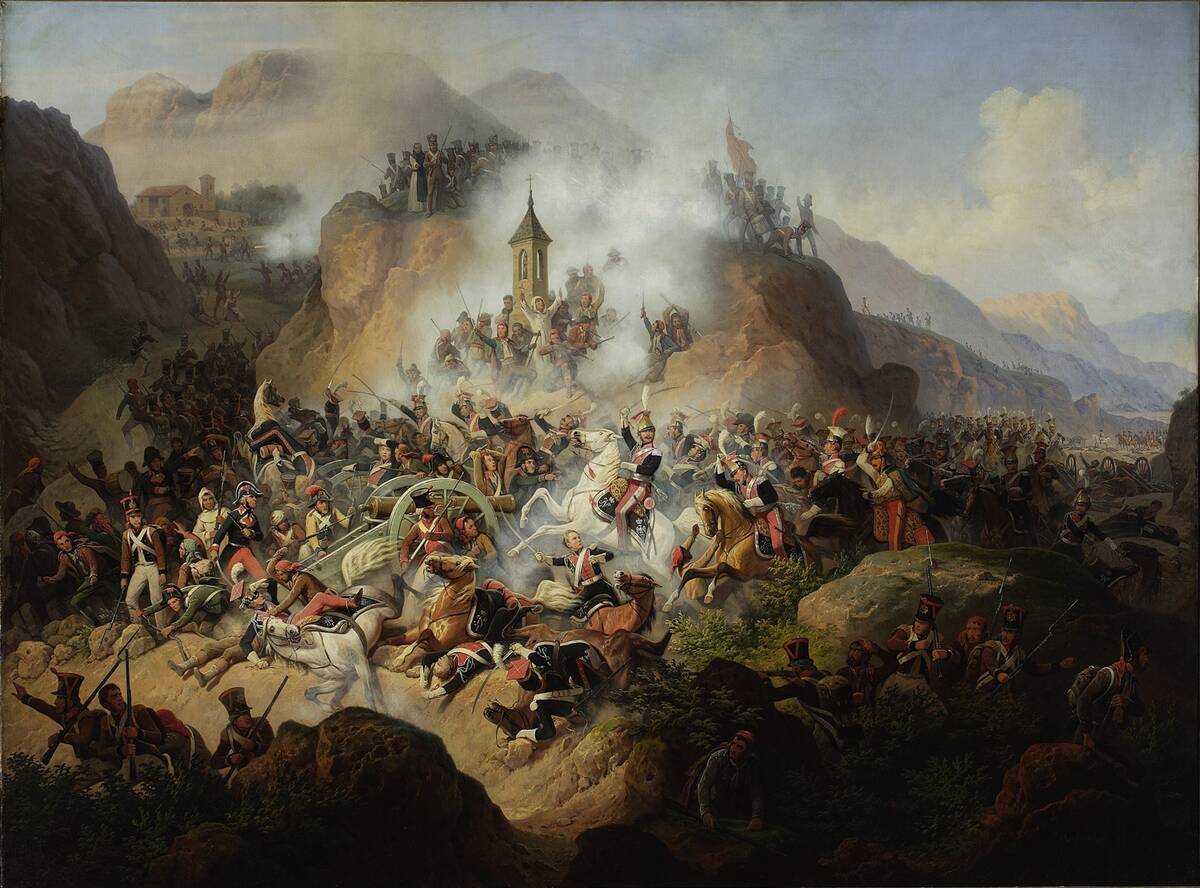
Napoleon’s intervention in Spain, often referred to as the “Spanish Ulcer,” became a costly quagmire. In 1808, he installed his brother Joseph on the Spanish throne, sparking widespread resistance.
The ensuing Peninsular War drained French resources and morale, as Spanish guerillas waged a relentless campaign. This protracted conflict not only bogged down French forces but also served as a rallying point for nationalist movements against Napoleon’s rule.
Overextending the Empire: The Perils of Ambition
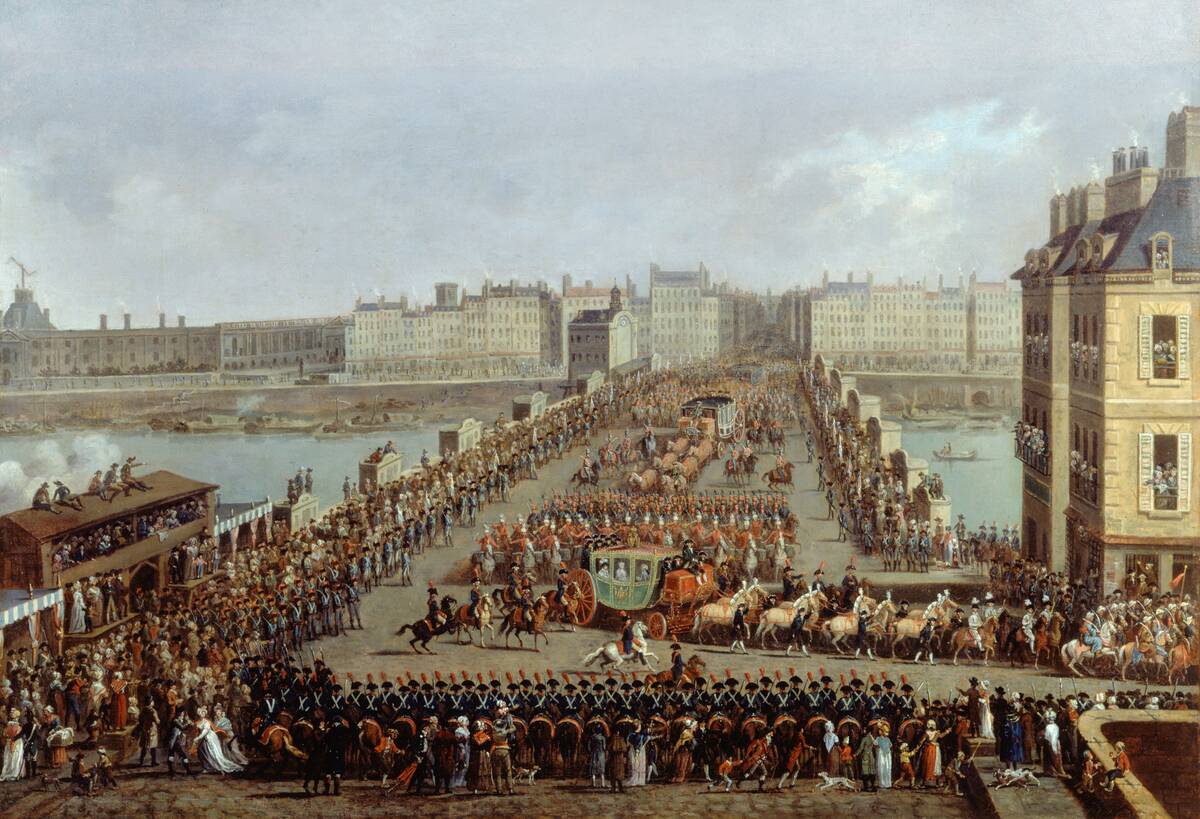
Napoleon’s insatiable ambition led him to overextend his empire, stretching resources thin across Europe. His relentless pursuit of expansion created logistical challenges and strained alliances. As territories grew, so did the complexity of governance and the burden on military forces.
This overextension exposed vulnerabilities, making it difficult to defend the sprawling empire against coordinated resistance from various coalitions determined to curb Napoleon’s influence.
The Russian Campaign: A Chilling Catastrophe
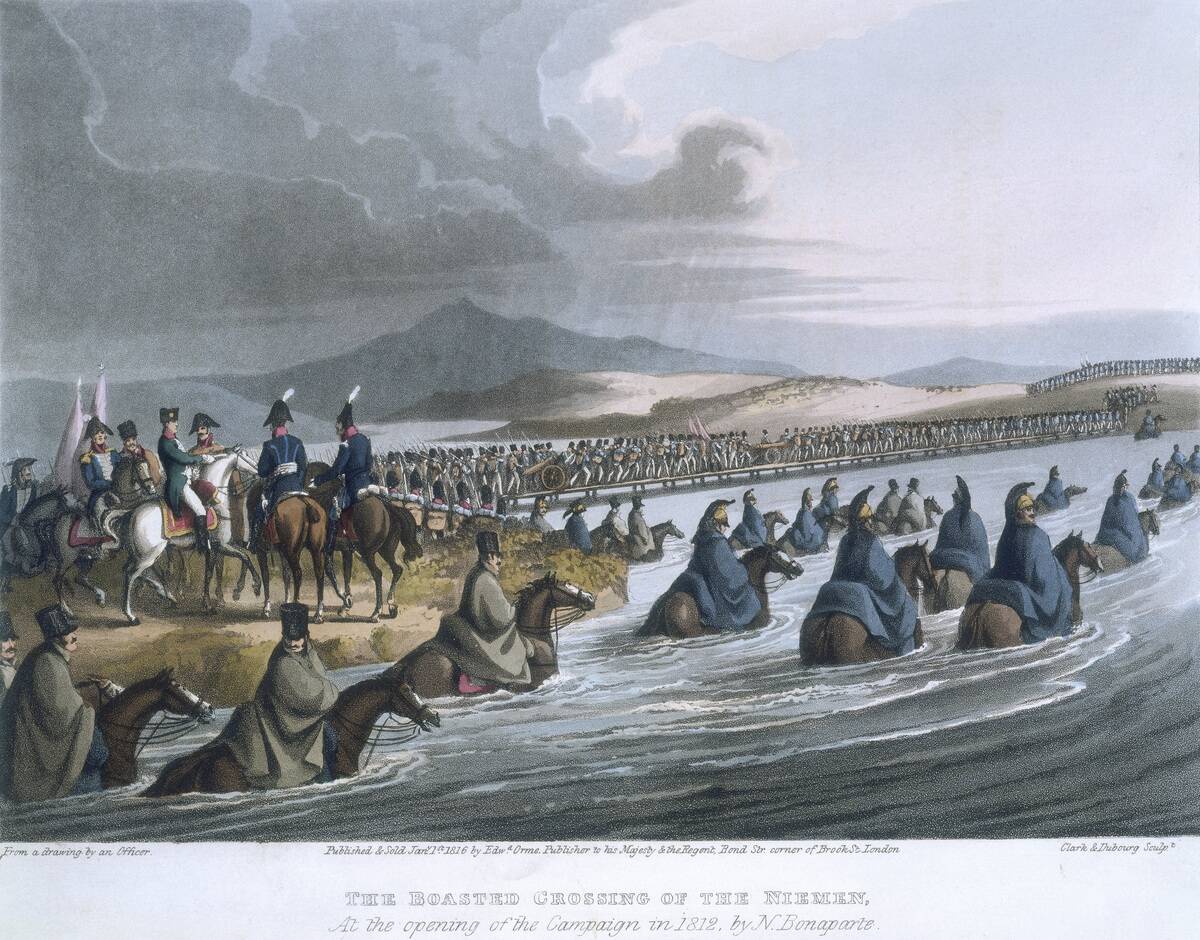
The ill-fated Russian Campaign of 1812 stands as one of Napoleon’s most infamous blunders. Expecting a swift victory, he underestimated Russia’s vastness and harsh winters. The retreat from Moscow became a harrowing ordeal, with his Grand Army decimated by cold, starvation, and guerilla attacks.
The campaign’s failure marked a turning point, severely weakening his military might and emboldening his adversaries. It remains a cautionary tale about the perils of underestimating the environment.
Ignoring Advice: The Downside of Overconfidence
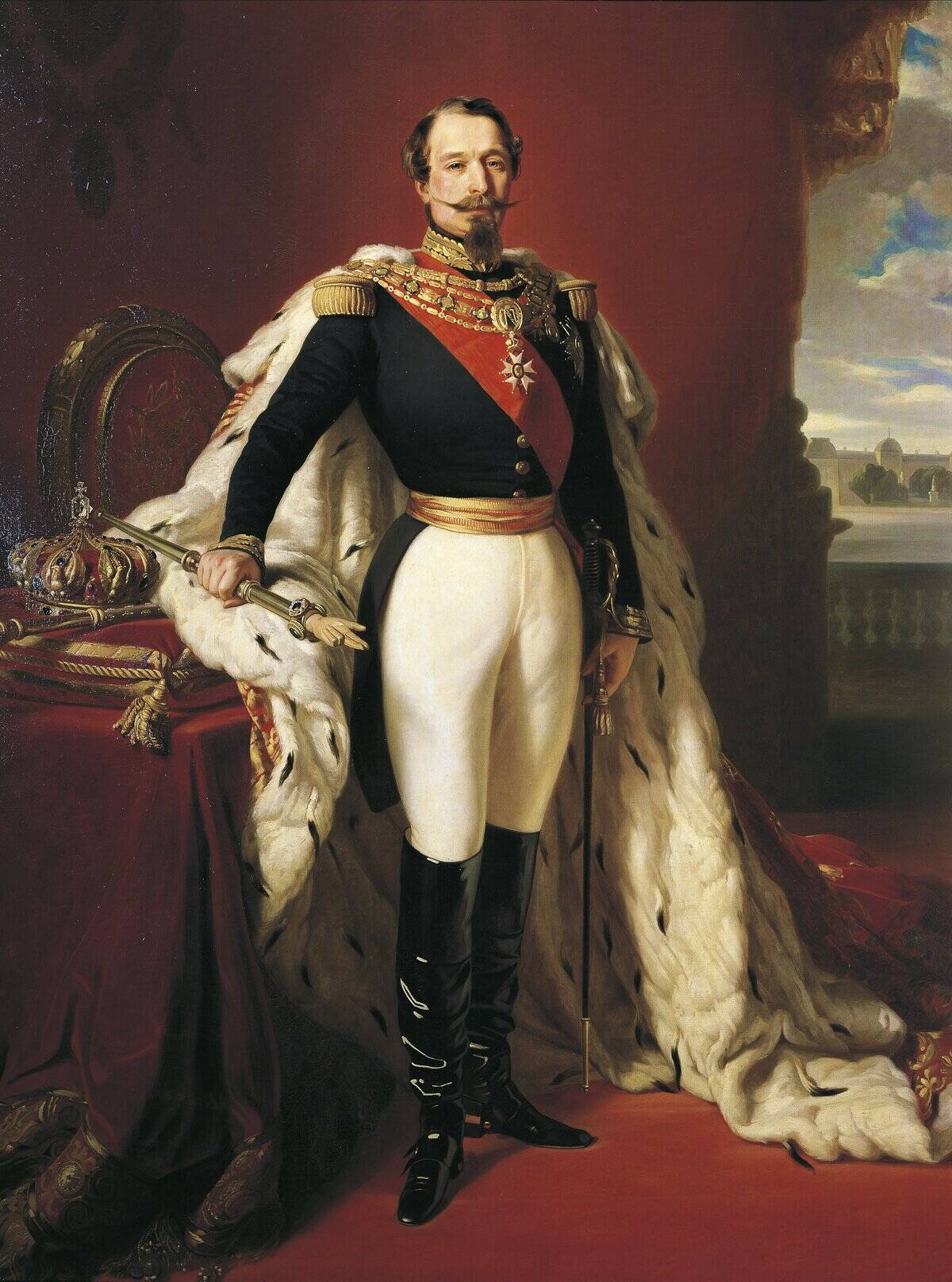
Napoleon’s overconfidence often led him to dismiss valuable advice from his generals and advisors. His belief in his own infallibility resulted in strategic errors that could have been avoided with a more collaborative approach.
This hubris was evident in several campaigns where he ignored logistical concerns and underestimated enemy capabilities. It serves as a reminder of the importance of humility and the value of diverse perspectives in leadership.
The Peninsular War: Guerilla Warfare Woes
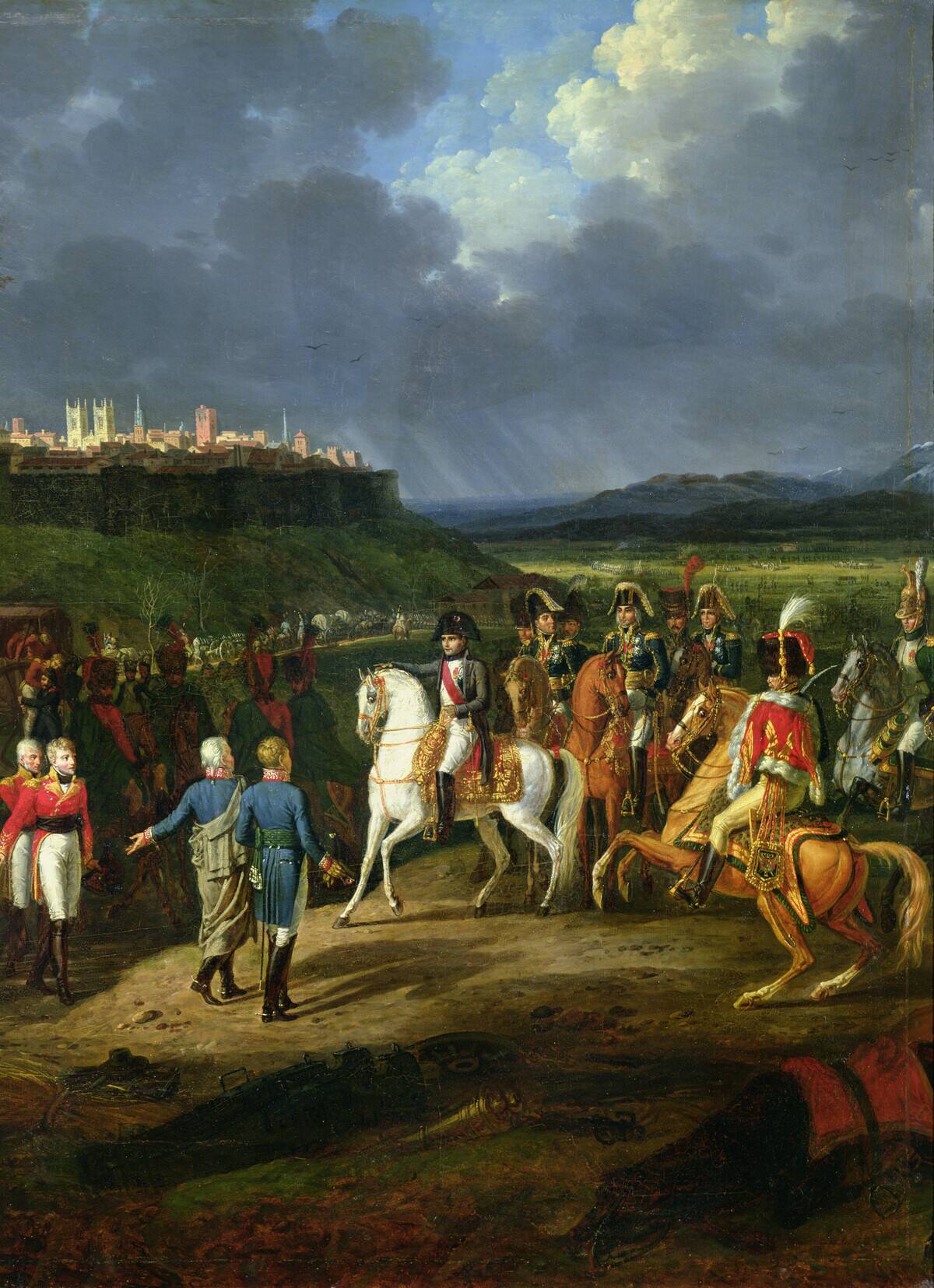
The Peninsular War exposed Napoleon’s inability to counter unconventional warfare tactics effectively. Spanish guerilla fighters, with intimate knowledge of the terrain, executed relentless attacks on French supply lines and troops.
This asymmetric warfare drained French resources and morale, highlighting the challenges of occupying a hostile territory. The conflict became a protracted struggle, emphasizing the difficulty of quelling local resistance through conventional military force alone.
The Divorce of Josephine: Personal Decisions, Political Consequences
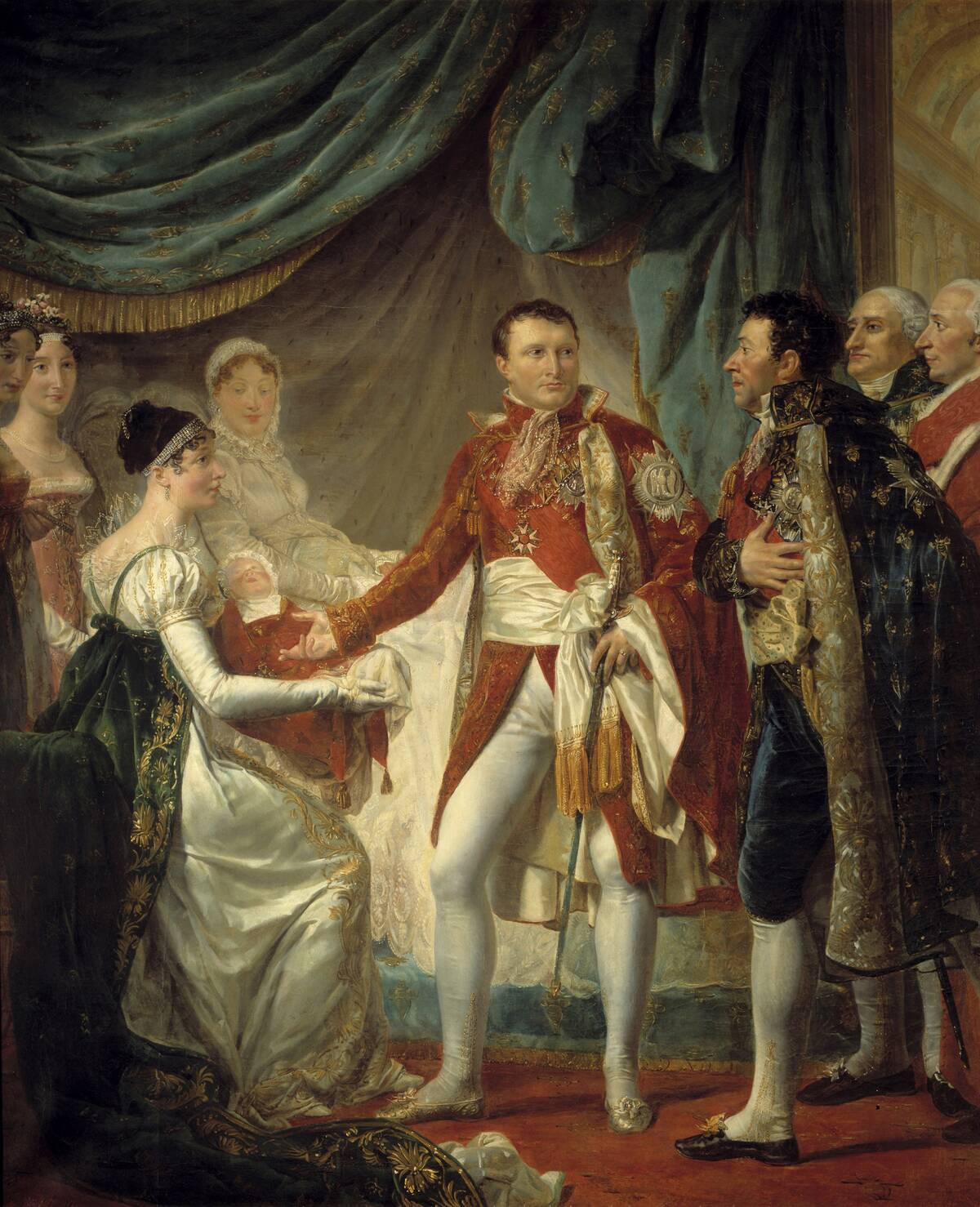
Napoleon’s decision to divorce Josephine, his beloved first wife, had profound personal and political ramifications. Seeking an heir, he married Marie Louise of Austria, hoping to solidify alliances.
While the union produced a son, it alienated many who admired Josephine. The divorce reflected the intersection of personal desires and political strategy, illustrating how personal decisions can have far-reaching impacts on leadership and public perception.
Misjudging Nationalism: The Power of the People
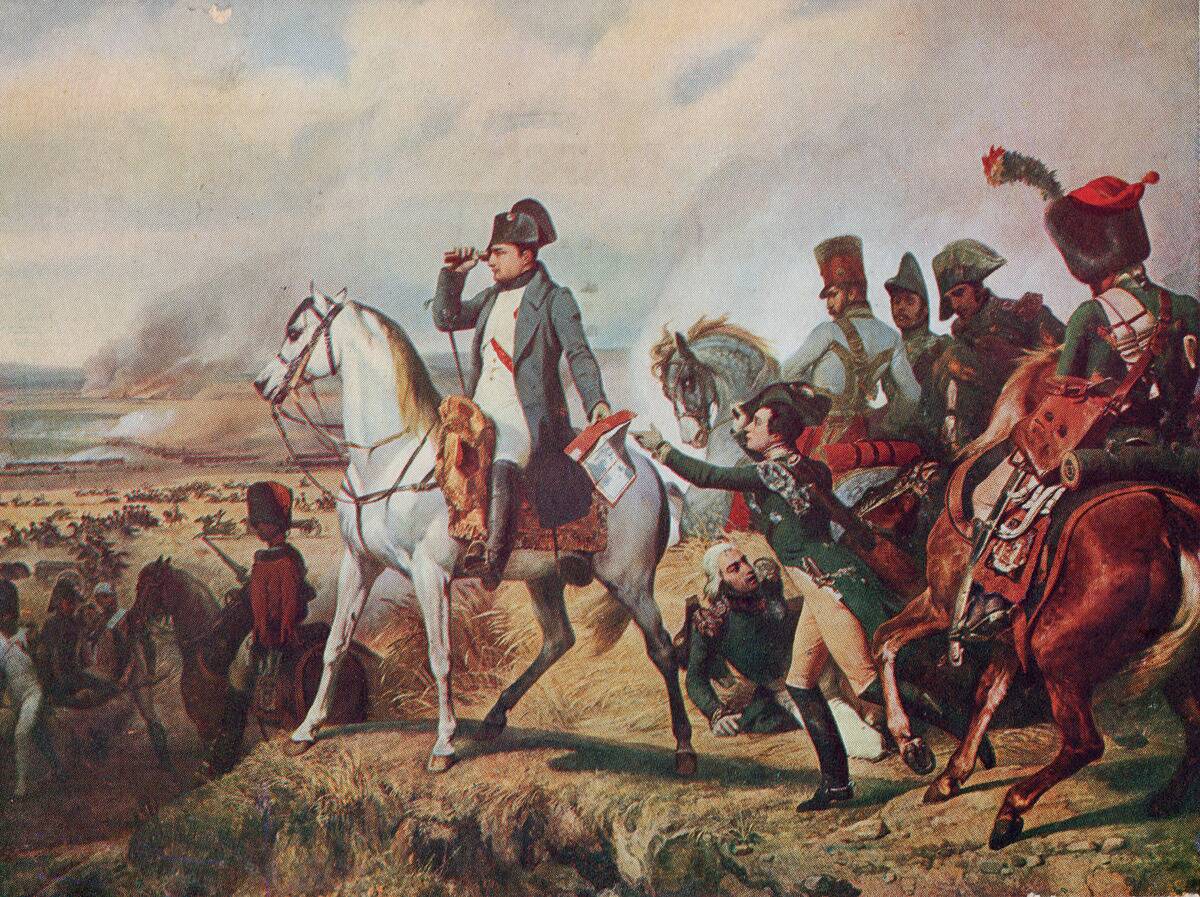
Napoleon’s expansionist policies often overlooked the growing power of nationalism among the people he sought to conquer. His imposition of French rule fueled nationalist sentiments, particularly in Germany and Italy, where local populations increasingly resisted foreign domination.
This misjudgment of national identity and unity contributed to the erosion of his control and the strengthening of opposition movements. It underscores the potent force of nationalism in shaping historical events.
The Hundred Days: A Brief Return, A Final Fall
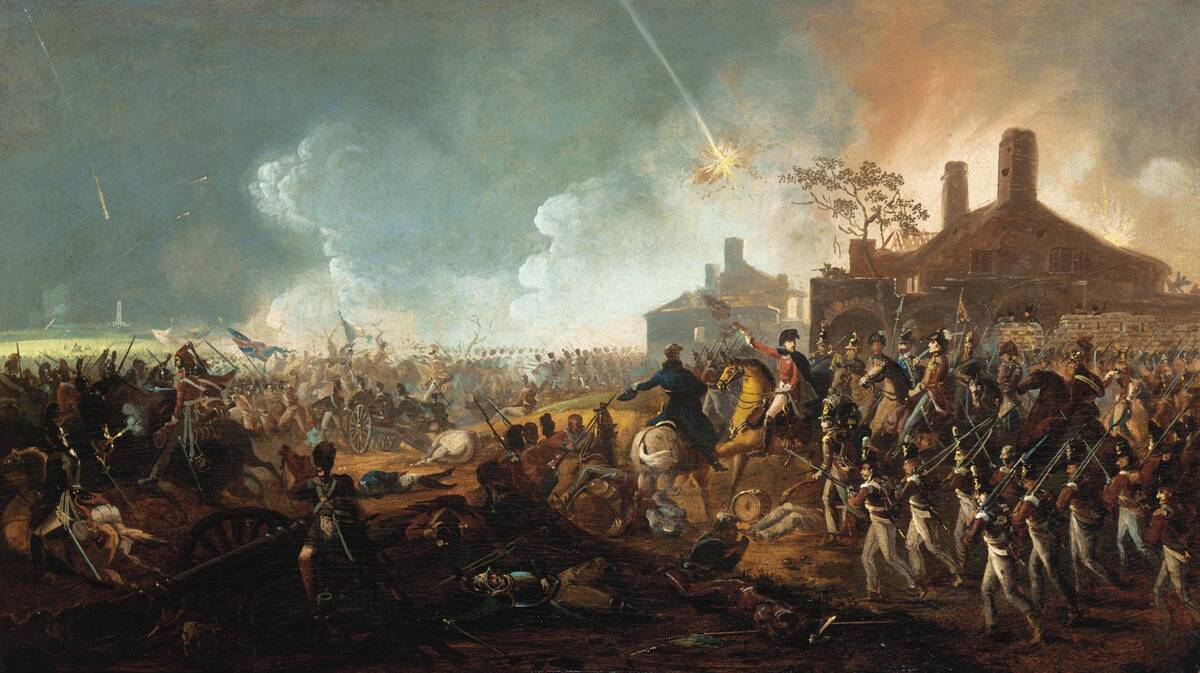
In 1815, Napoleon’s dramatic return to power during the Hundred Days captivated Europe, but his resurgence was short-lived. The Battle of Waterloo marked his final defeat, as the Duke of Wellington’s forces, bolstered by Prussian troops, delivered a decisive blow.
This brief period underscored the persistent opposition he faced and the challenges of reclaiming authority. The Hundred Days serve as a testament to both his enduring charisma and the limits of military prowess in the face of united adversaries.
Underestimating His Enemies: The Coalition Forces
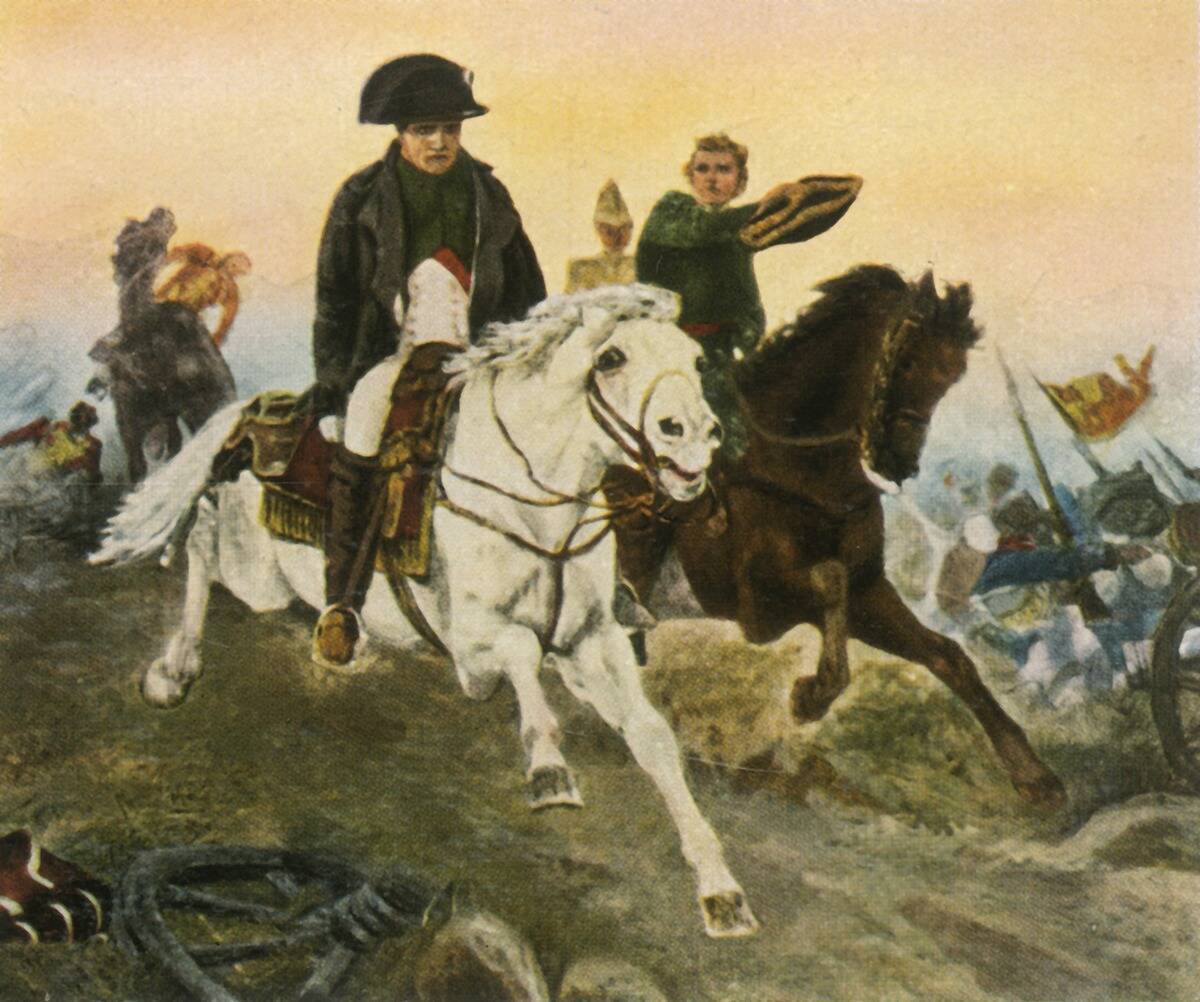
Throughout his reign, Napoleon often underestimated the resolve and capabilities of the coalition forces arrayed against him. Comprising various European powers, these coalitions learned from past defeats and adapted their strategies, ultimately outmaneuvering him.
The persistence and collaboration of these alliances highlighted the effectiveness of united opposition, proving that even the most formidable leaders can be overcome by well-coordinated efforts. It was a key factor in his eventual downfall.
The Battle of Leipzig: The Beginning of the End
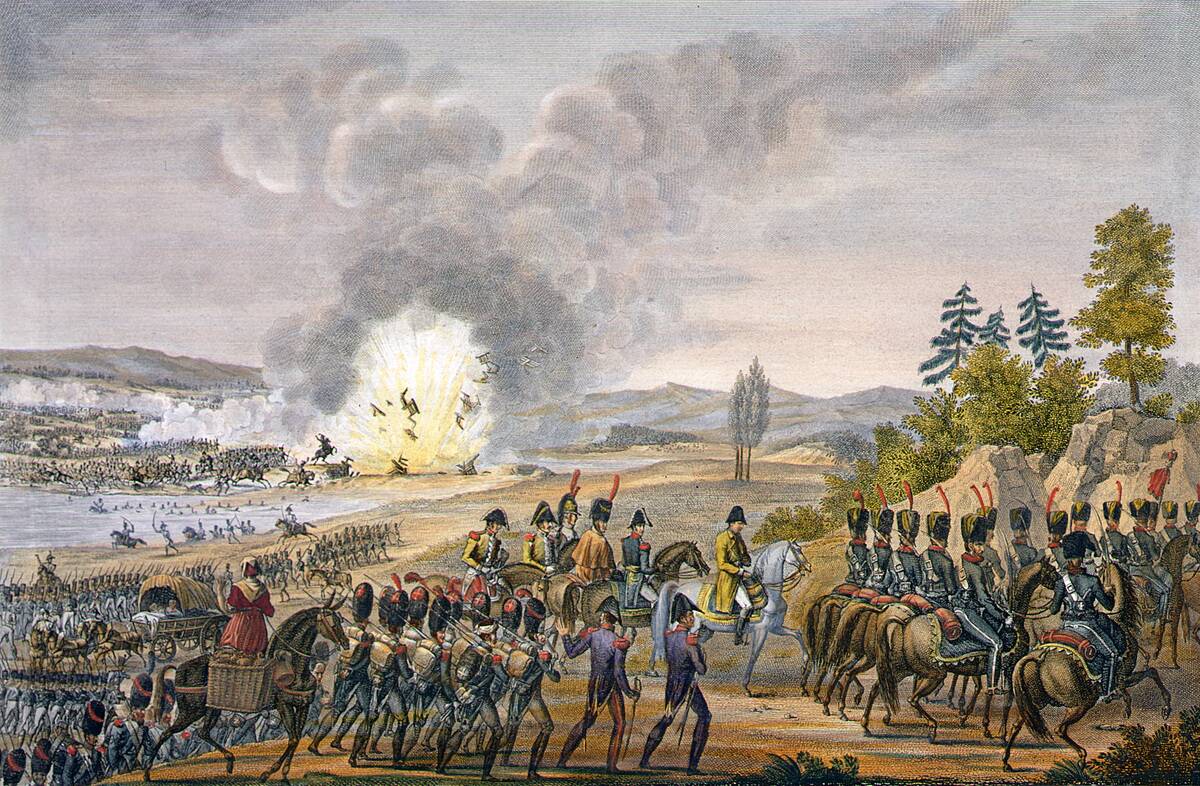
The Battle of Leipzig in 1813, also known as the Battle of Nations, marked a critical turning point against Napoleon. Facing a coalition of Russian, Prussian, Austrian, and Swedish forces, his army suffered a significant defeat.
The sheer scale of the opposing forces and their strategic cohesion overwhelmed the French military. This battle signaled the unraveling of Napoleon’s empire, as it emboldened his enemies and led to coordinated efforts to dismantle his power.
St. Helena Exile: The Final Curtain for an Emperor
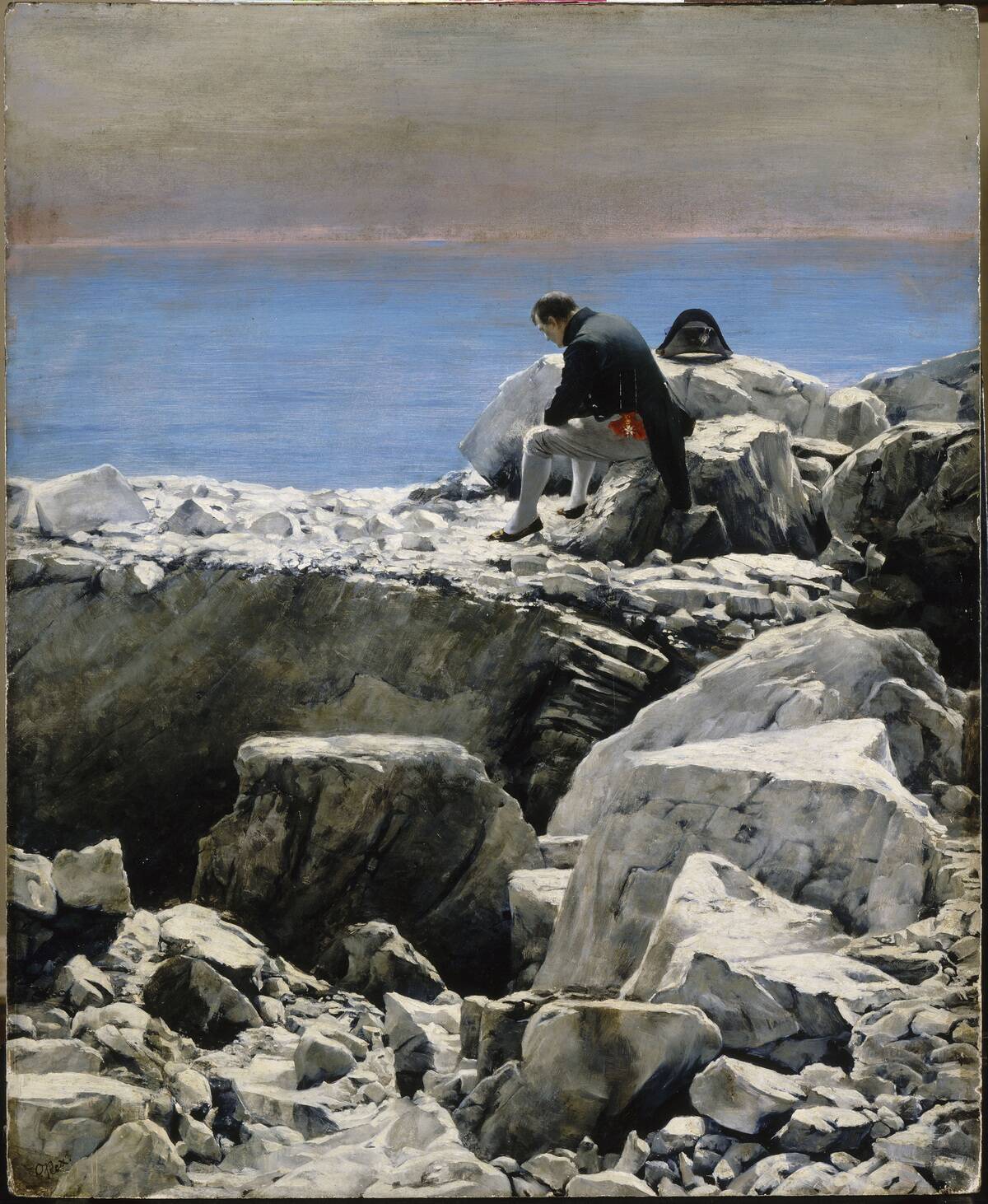
Following his defeat at Waterloo, Napoleon was exiled to the remote island of St. Helena, where he spent the last years of his life. Isolated and closely guarded, he was far removed from the power and influence he once wielded.
During his exile, he reflected on his legacy and dictated memoirs that contributed to the mythos surrounding him. St. Helena became the final chapter in his storied life, a somber end for an emperor who once dominated Europe.