The history of Venice and its foundations on water

Trending Now
Ah, Venice! The mere mention of its name conjures images of gondolas gliding through serene canals and historic buildings rising majestically from the water. This enchanting city, also known as La Serenissima, stands as a testament to human ingenuity and resilience.
With its rich history and unique geography, Venice captivates millions of visitors each year who come to experience its timeless charm and vibrant culture.
The Origins of Venice: From Refuge to Resilience
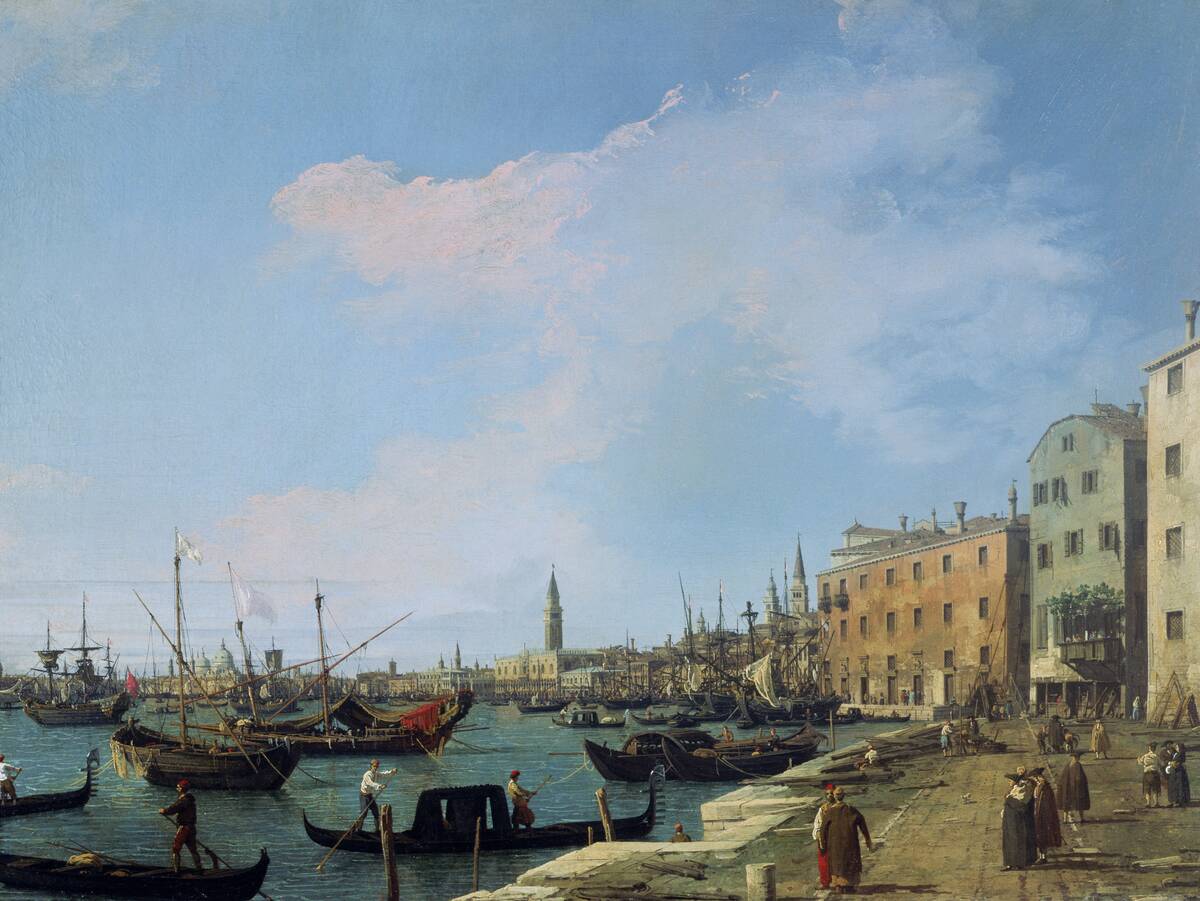
Venice’s story begins in the 5th century when people fled barbarian invasions on the mainland to seek refuge in the safety of the lagoon. These early Venetians transformed a marshy refuge into a thriving community through sheer determination and innovation.
Over time, they developed a unique society, blending their need for security with an indomitable spirit, eventually giving rise to a city that would become a beacon of wealth and power.
The Geographic Marvel: Settling on the Venetian Lagoon
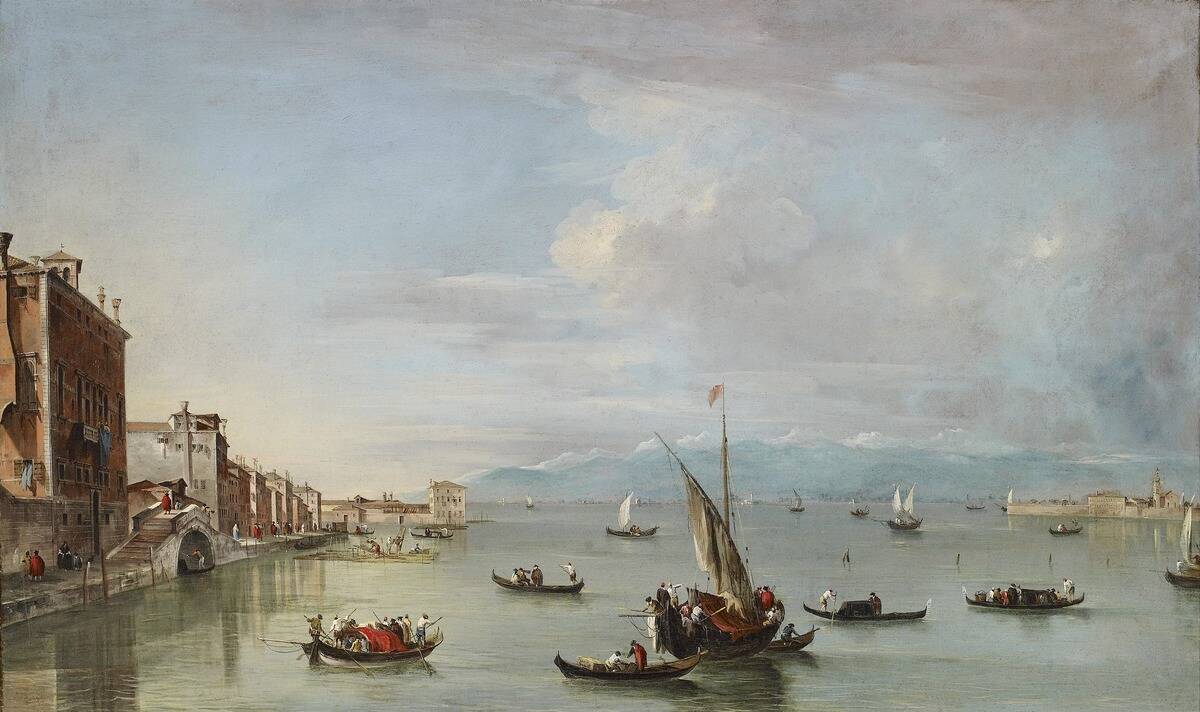
The Venetian Lagoon, stretching over 550 square kilometers, provided a natural barrier against invaders, making it an ideal location for settlement. Despite the challenges posed by its watery landscape, early Venetians saw opportunity where others saw obstacles.
The lagoon’s shallow waters and 118 small islands offered protection and resources, allowing Venice to flourish as a maritime hub while maintaining a delicate balance with its environment.
Why Water? The Strategic Choice of Location
Choosing to build a city amidst water may seem counterintuitive, but for the founders of Venice, it was a strategic decision. The lagoon offered a natural defense system, deterring enemies and controlling trade routes.
This unique position allowed the Venetians to dominate Mediterranean commerce, as they could easily monitor and manage maritime traffic, turning their aquatic surroundings into an asset rather than a hindrance.
Early Settlers: The Founding Families of Venice
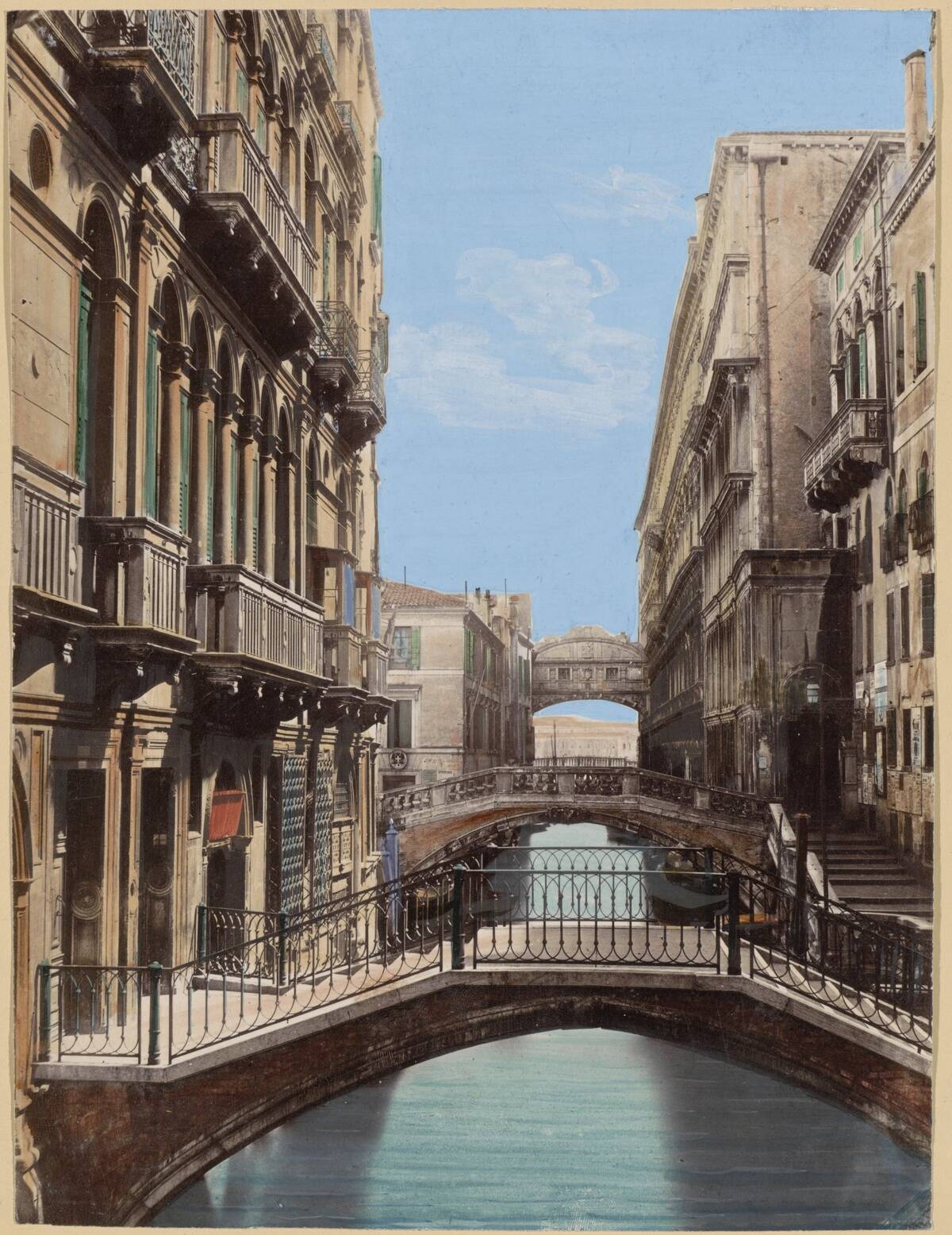
The original settlers of Venice were a diverse mix of fishermen, salt workers, and refugees. These pioneering families laid the foundation for the city’s future prosperity. Known for their resourcefulness and collaboration, they established a community that thrived on trade and commerce.
The legacy of these founding families is still evident today in the city’s intricate network of canals and architectural splendor, reflecting their enduring influence.
Building on Water: The Ingenious Use of Wood and Stone
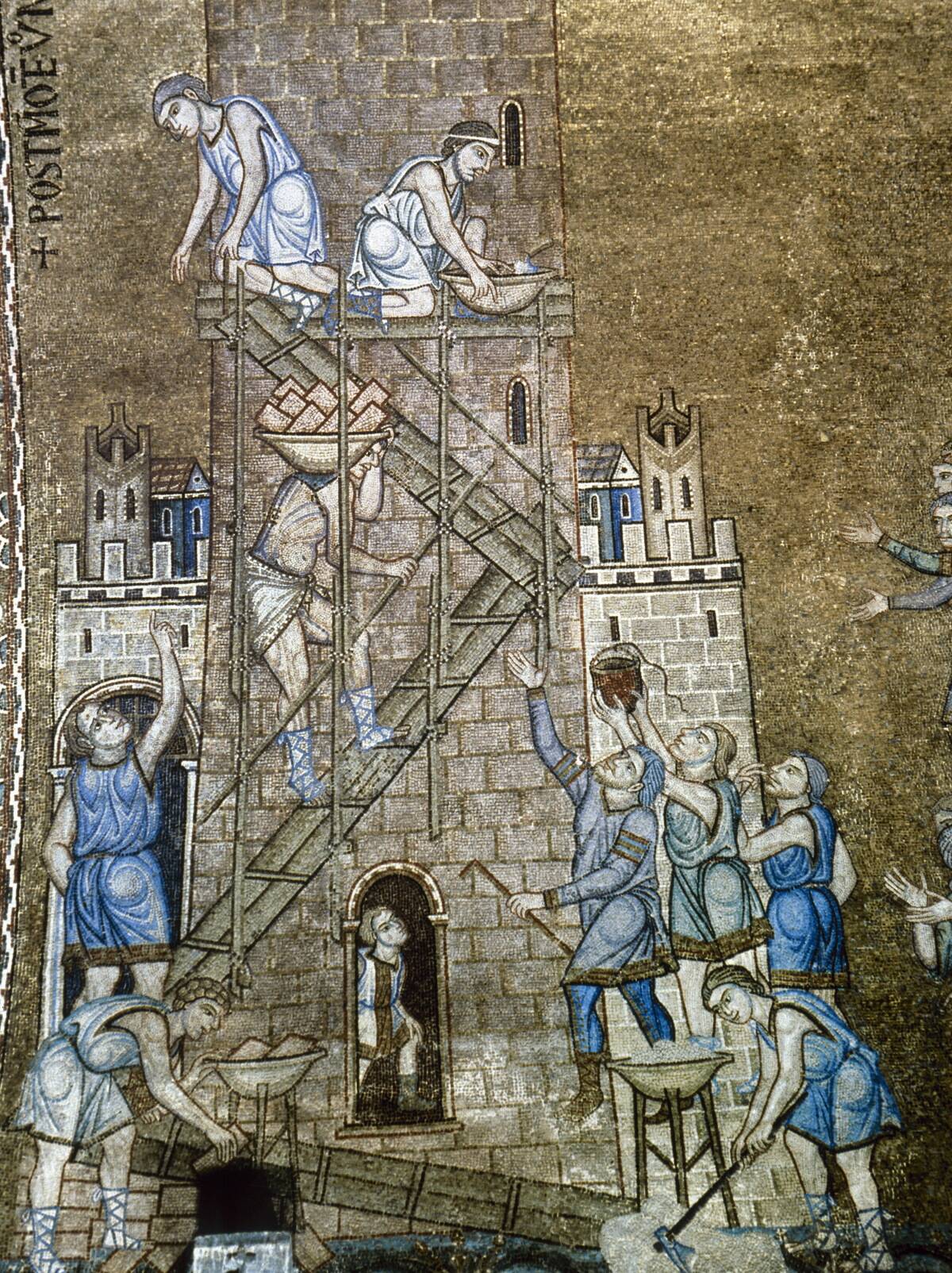
Constructing a city atop a lagoon required ingenuity, and Venetians rose to the challenge with a clever use of materials. Wood was driven deep into the seabed to form piles, while stone was used to create sturdy structures atop these foundations.
This method allowed buildings to stand firm despite the watery surroundings. The durability of these constructions is a testament to the innovative spirit that defined Venice’s development from its earliest days.
The Art of Piling: Crafting a Stable Foundation
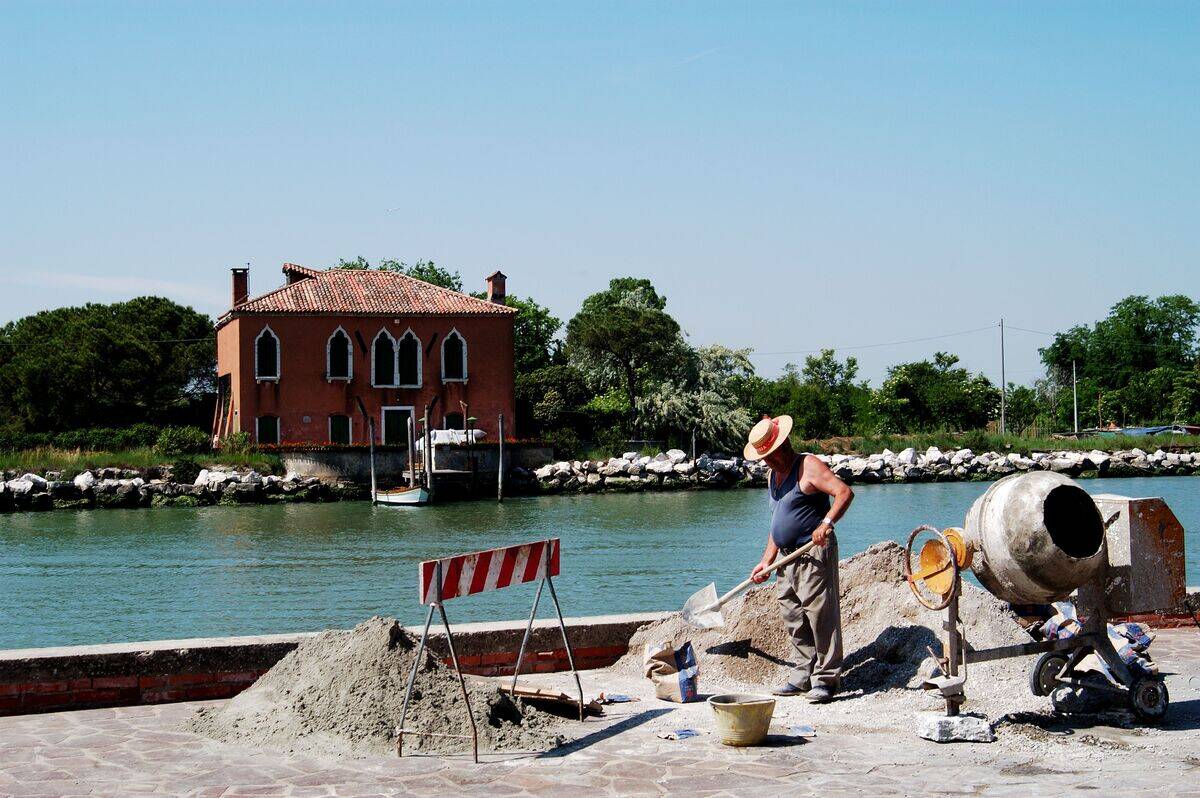
Piling was a critical technique in Venice’s construction, involving thousands of wooden stakes driven into the lagoon’s soft sediment. These piles, primarily made from water-resistant alder wood, created a stable base for the city’s structures.
Over time, the submerged wood petrified, forming a solid foundation. This technique, honed over centuries, allowed Venice to defy the odds and remain standing despite its precarious setting.
The Rise of the Venetian Republic: A Maritime Powerhouse
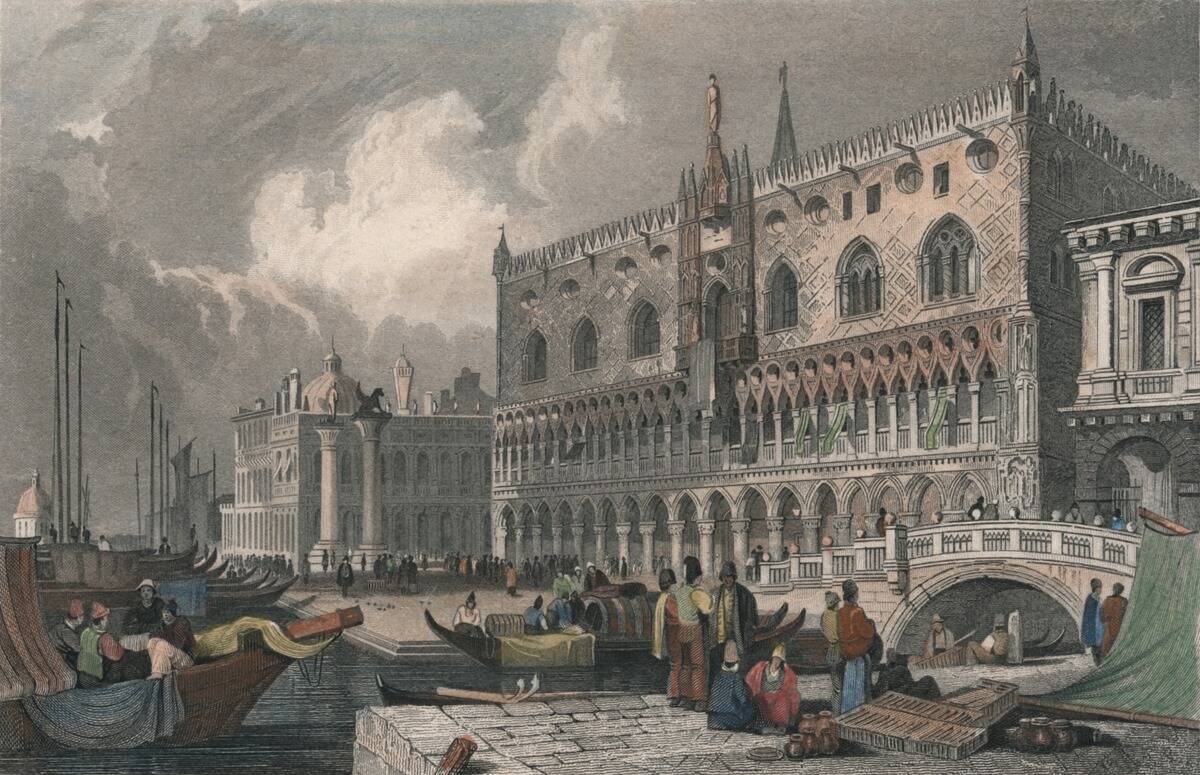
The Venetian Republic emerged as a formidable maritime power in the Middle Ages, commanding the seas with its impressive fleet. Its strategic location and skilled seafarers enabled Venice to become a central player in Mediterranean trade.
The Republic’s influence extended far beyond its borders, with its navy ensuring dominance over key sea routes, allowing the city to amass wealth and prestige that fueled its architectural and cultural zenith.
The Role of Trade: How Commerce Shaped the City
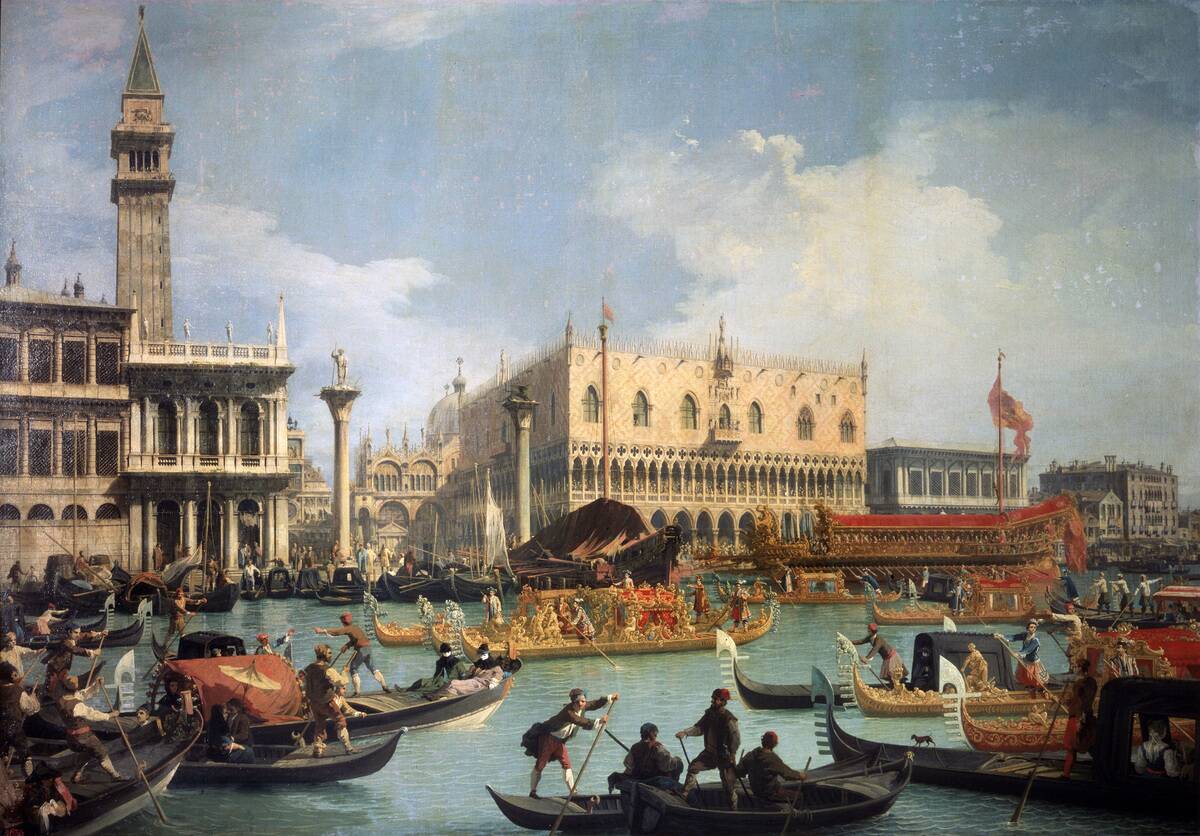
Trade was the lifeblood of Venice, shaping its economy and society. The city became a bustling trading port, linking Europe to the East through the Silk Road. Merchants exchanged goods like spices, silk, and art, enriching the city and its people.
This constant influx of wealth allowed Venice to invest in grand public works and cultural pursuits, cementing its reputation as a vibrant and cosmopolitan hub of commerce and creativity.
Architectural Wonders: The Grand Palaces and Basilicas
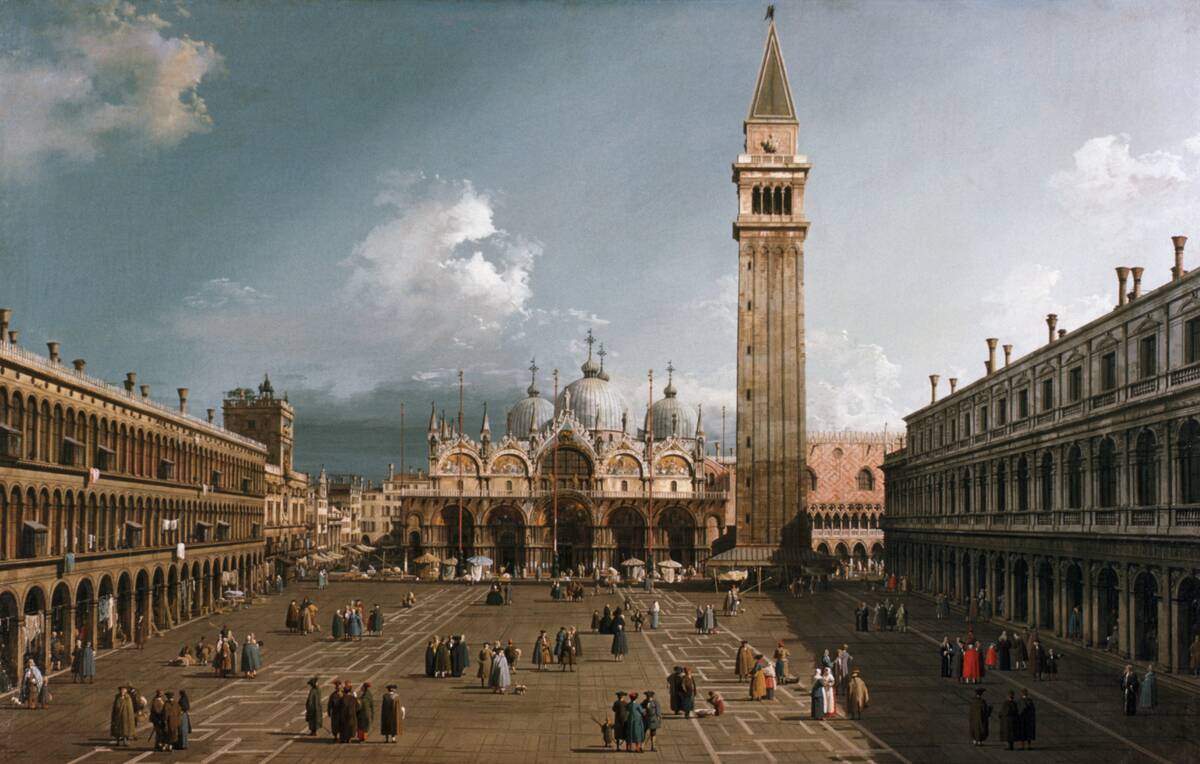
Venice’s wealth is reflected in its stunning architecture, with grand palaces and basilicas dotting its skyline. Structures like the Doge’s Palace and St. Mark’s Basilica showcase intricate Gothic and Byzantine designs, adorned with lavish decorations that speak to the city’s opulence.
These buildings not only served as symbols of power but also as cultural beacons, drawing artists and architects who contributed to Venice’s rich architectural tapestry.
The Intricate Canal System: Venice’s Unique Streets
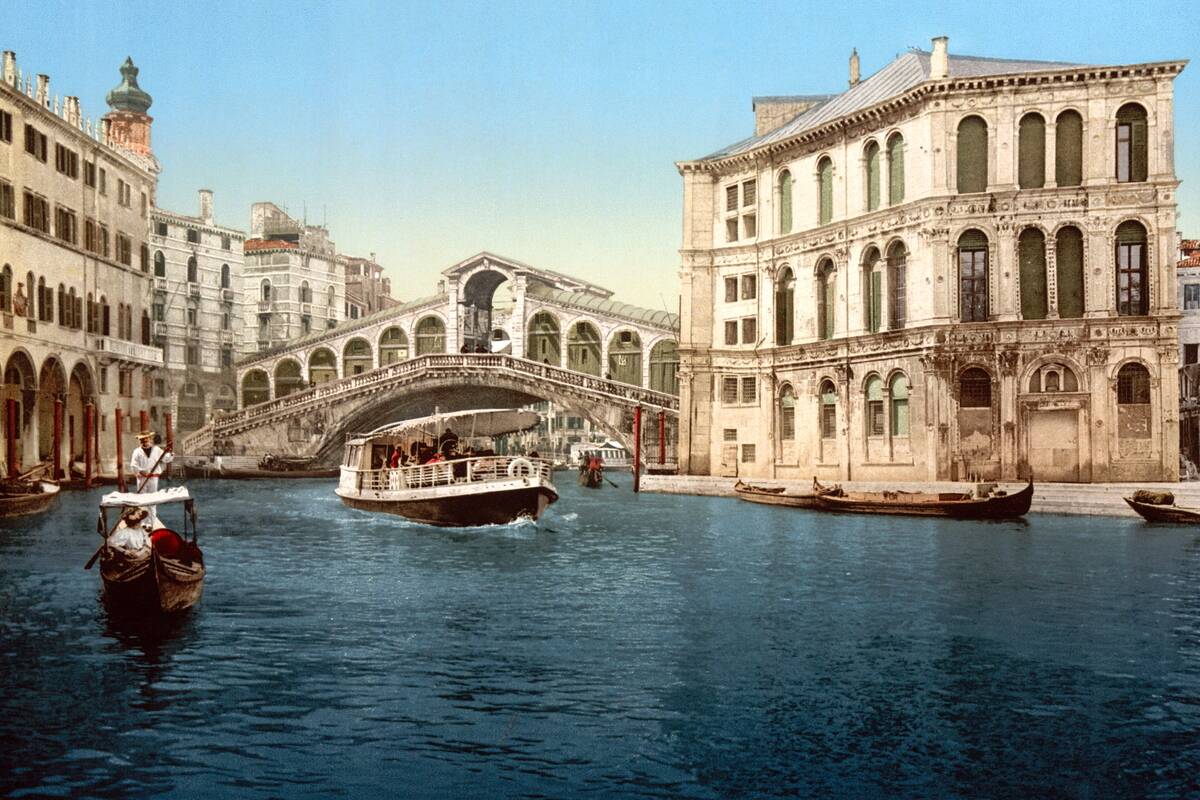
Venice’s canals serve as its streets, creating a unique transportation network unlike any other city. With over 150 canals weaving through its islands, Venice relies on boats and gondolas for movement and commerce.
The Grand Canal, the city’s main thoroughfare, bustles with activity, lined with historic buildings that narrate Venice’s storied past. This intricate waterway system not only defines the city’s geography but also its identity, enchanting visitors and residents alike.
The Engineering Feats: Bridges and Waterways
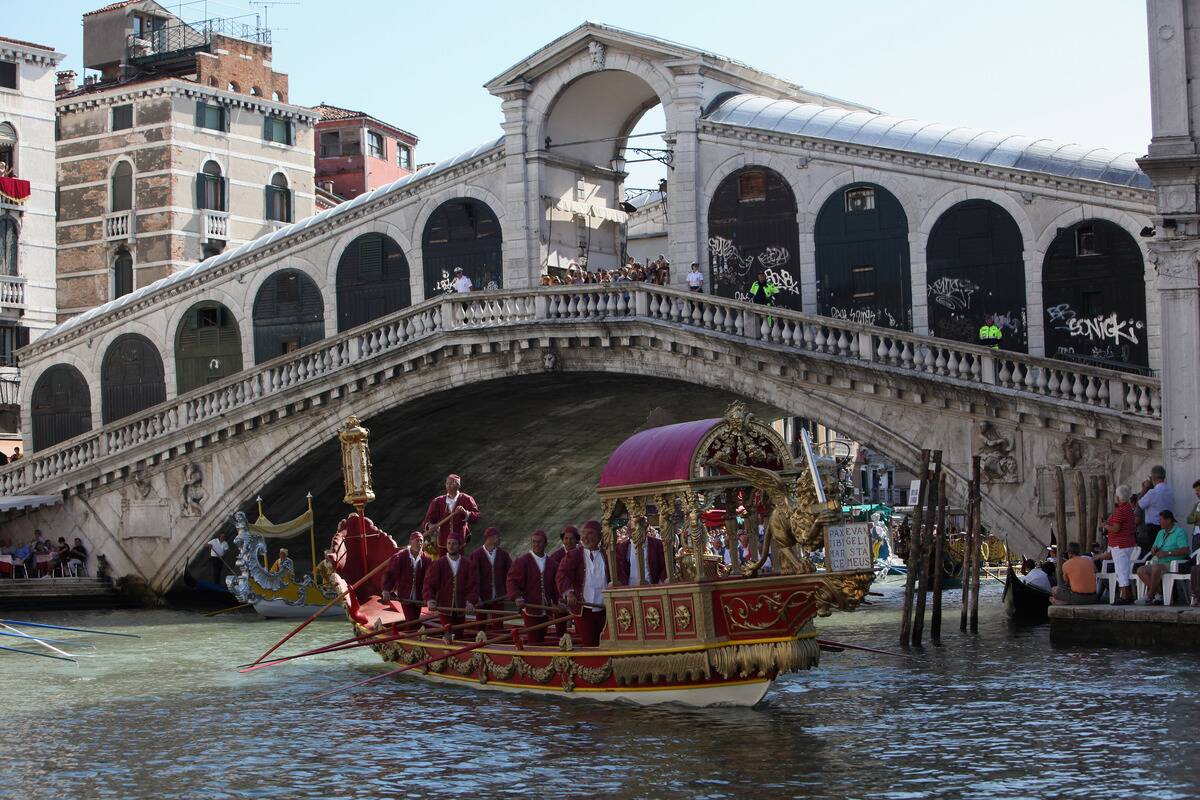
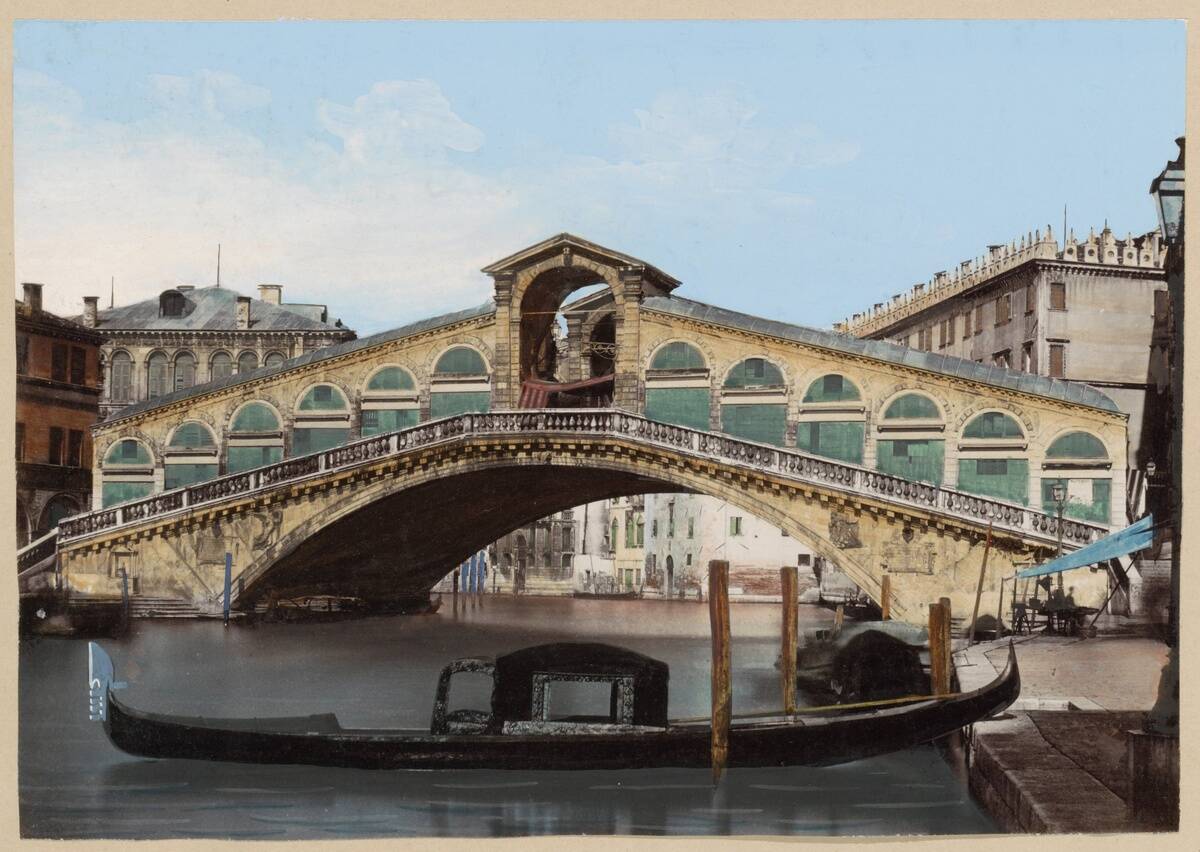
Engineering marvels abound in Venice, where bridges connect the city’s islands, facilitating movement and trade. The Rialto Bridge, one of Venice’s most iconic structures, exemplifies the city’s architectural prowess and resilience.
These bridges, often ornate and historically significant, are crucial to the city’s functionality. Venice’s mastery of engineering ensured that its waterways and bridges could withstand the test of time, maintaining both beauty and practicality.
Adapting to Nature: The Challenges of Tides and Floods
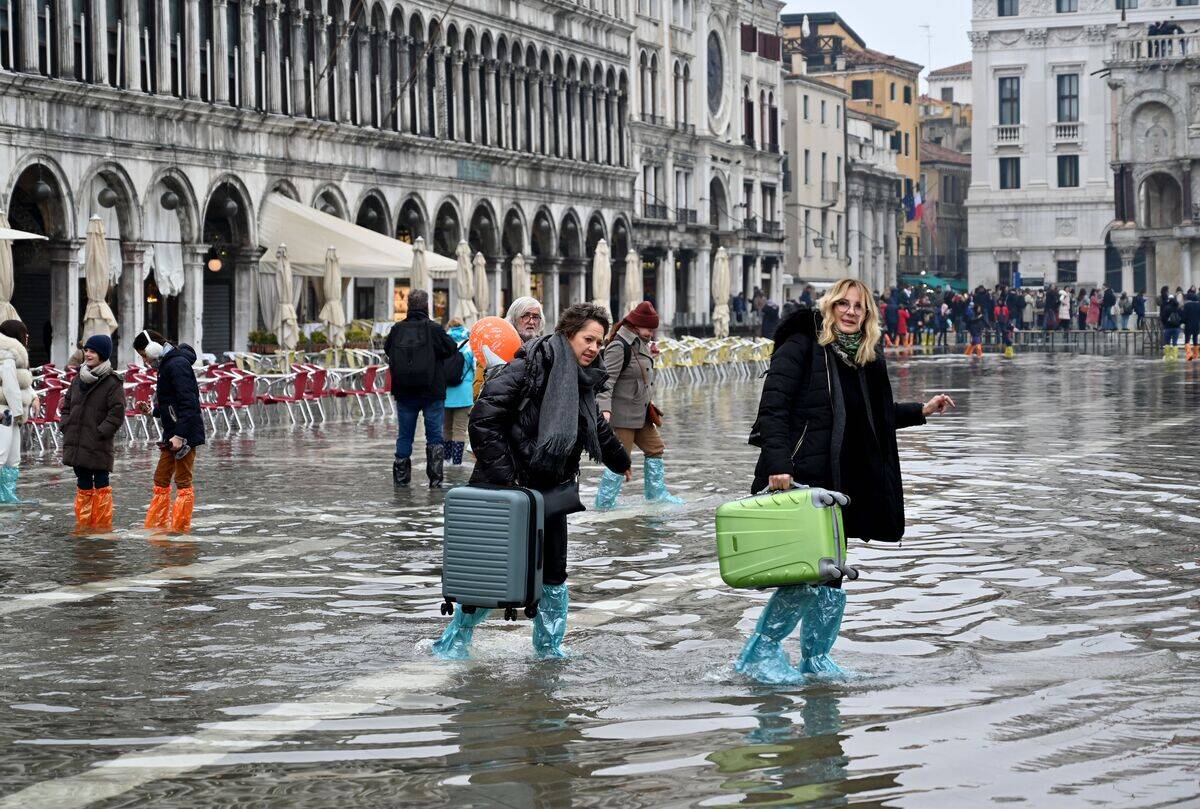
Living with water means constantly adapting to its whims, and Venice is no stranger to the challenges of tides and floods. Known as ‘acqua alta,’ these high tides can inundate the city, posing threats to its infrastructure and daily life.
Venetians have long employed strategies like elevated walkways and flood barriers to mitigate these effects. Despite these challenges, the city’s spirit of resilience endures, as it continues to adapt to its watery environment.
Cultural Flourish: Venice as a Hub of Art and Innovation
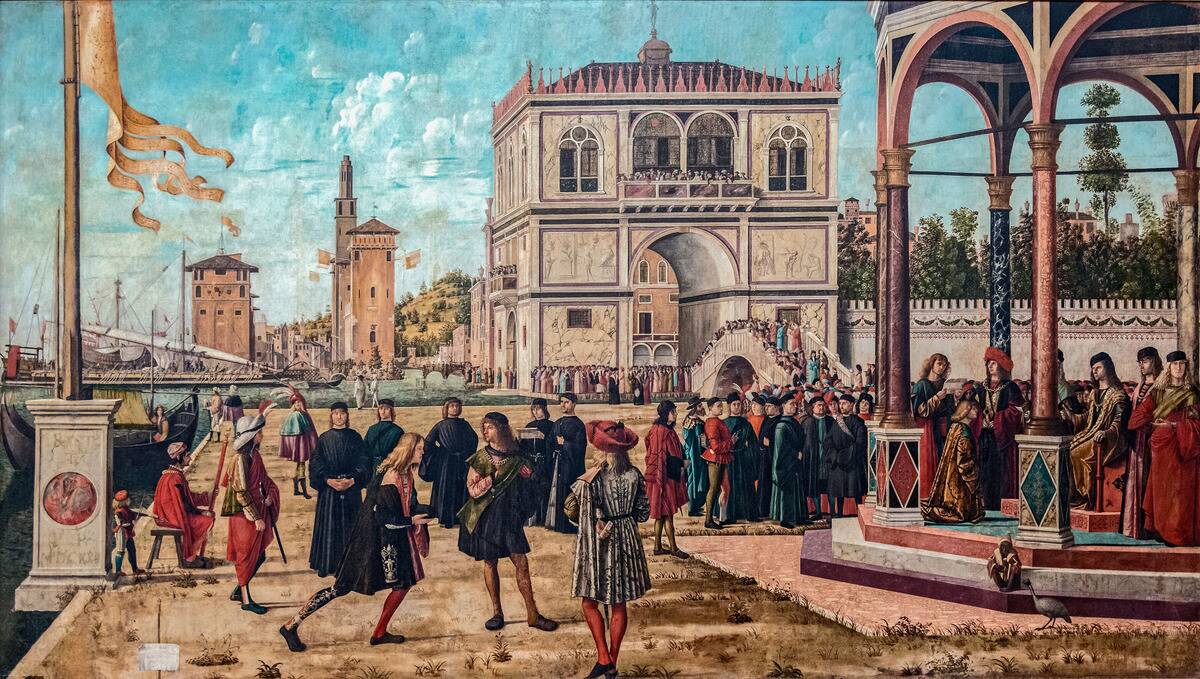
Venice has long been a crucible of cultural and artistic innovation. During the Renaissance, it was a vibrant center for art, music, and literature, attracting talents like Titian and Vivaldi. The city’s unique position fostered a melting pot of ideas, leading to groundbreaking developments in various fields.
Today, Venice continues to inspire artists and creatives, hosting events like the Venice Biennale, which showcases contemporary art from around the world.
The Historical Significance of St. Mark’s Square
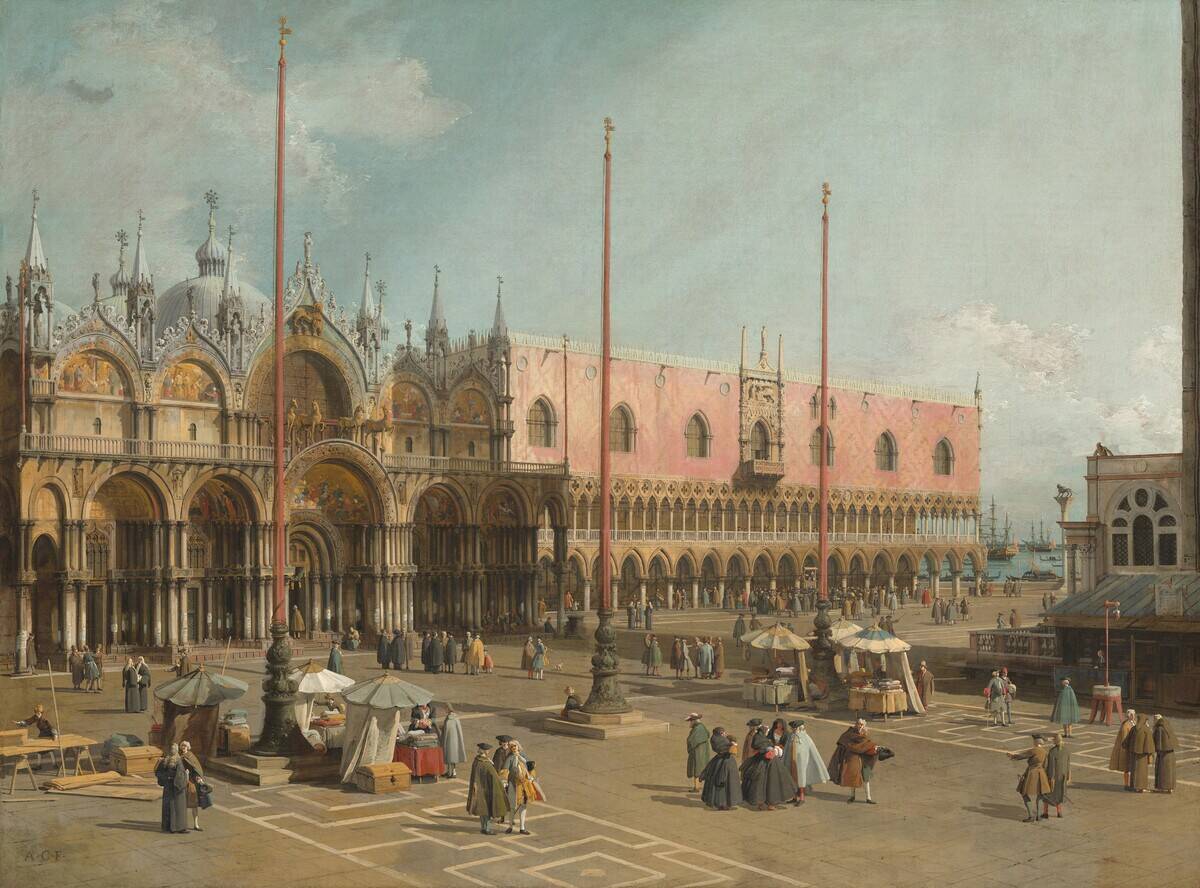
St. Mark’s Square, or Piazza San Marco, is the heart of Venice, steeped in history and grandeur. This iconic square has witnessed the city’s most significant events, serving as a gathering place for Venetians and visitors alike.
Flanked by stunning architecture, including St. Mark’s Basilica and the Campanile, the square embodies Venice’s rich cultural heritage. Its vibrant atmosphere, filled with music and life, continues to captivate those who visit this historic landmark.
The Decline and Preservation: Modern Venice on the Water
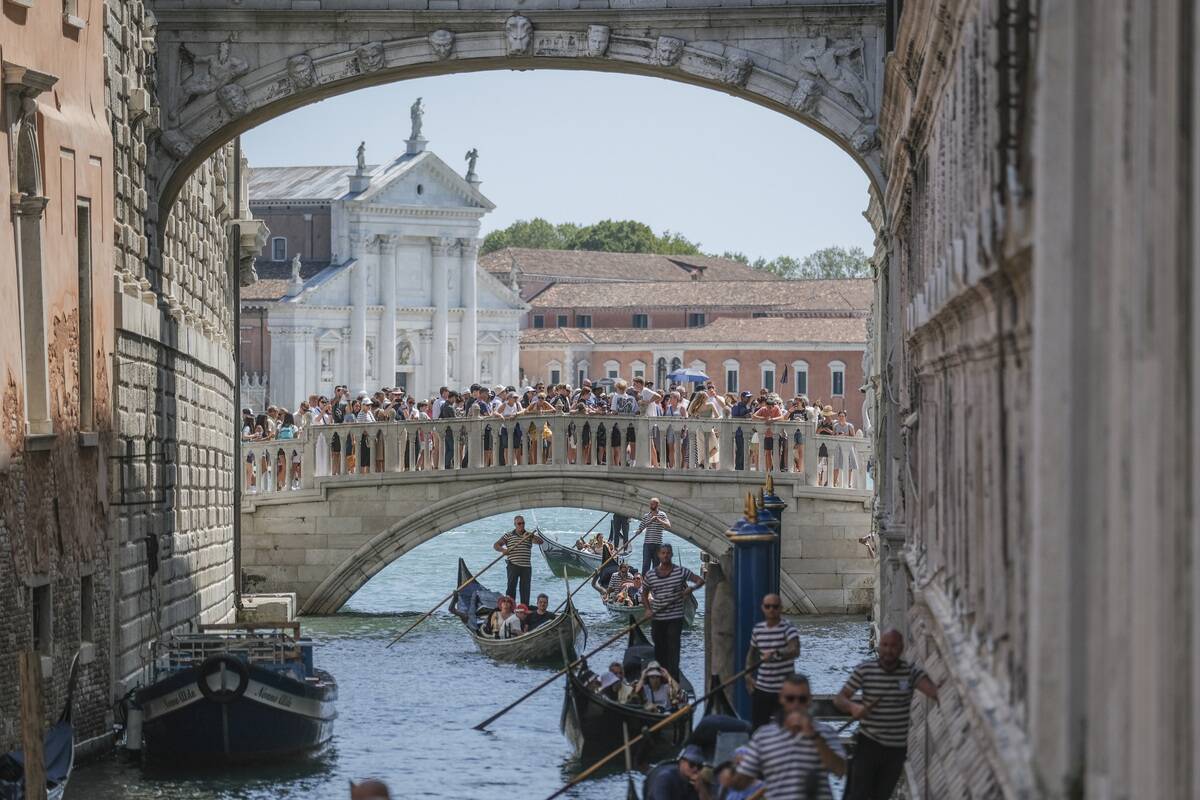
Despite its storied past, Venice faced decline in the 18th and 19th centuries, as its political and economic influence waned. However, efforts to preserve its heritage have ensured that the city remains a living museum of its glorious past.
Restoration projects and conservation initiatives have helped maintain Venice’s architectural treasures, allowing future generations to experience its beauty. Today, the city balances its historical legacy with the demands of modern life, continuing to enchant the world.