Popular supplements people take without need

Trending Now
In recent years, the supplement industry has exploded, with aisles in stores dedicated to pills and powders promising everything from better sleep to enhanced immunity.
This surge can be attributed to a growing health-conscious society eager to optimize their well-being. People are increasingly turning to supplements as a quick fix, hoping to fill nutritional gaps without altering their diets. But with so many options, how do we know what’s truly beneficial and what’s just clever marketing?
Multivitamins: The Daily Habit That Might Be Overkill

Multivitamins are a staple in many people’s daily routines, but their necessity is often debated. Studies have shown that for most people with a balanced diet, multivitamins may not provide significant health benefits.
The body can only absorb a certain amount of nutrients, and excess is often excreted. While they can be beneficial for those with specific deficiencies, for the average person, they might just be an expensive habit with minimal impact.
Fish Oil: More Omega-3 Than You Bargained For

Fish oil supplements are popular for their omega-3 fatty acids, which are linked to heart health. However, not all fish oil products are created equal, and the benefits can vary based on the type and source of omega-3s.
Some studies suggest that high doses might lead to adverse effects, such as increased bleeding risk. It’s essential to balance omega-3 intake with other nutrients and consult healthcare providers to ensure it’s necessary for your health goals.
Vitamin D: Sunshine in a Bottle or Unnecessary Hype?

Vitamin D is often touted as essential, especially in regions with limited sunlight. It plays a crucial role in bone health and immune function. However, not everyone needs supplementation, and excessive intake can lead to toxicity.
The body naturally produces Vitamin D when exposed to sunlight, and many foods are fortified with it. Before reaching for a bottle, it’s wise to check your levels and determine if supplementation is truly needed.
Probiotics: Gut Health Fad or Fiction?

Probiotics have gained fame for promoting gut health, but their effectiveness can be hit or miss. While some strains can aid digestion and boost immunity, others might not survive stomach acid.
The gut microbiome is complex, and not all probiotics are suitable for everyone. It’s important to choose products with clinically proven strains and consider dietary sources like yogurt and fermented foods, which can offer similar benefits without the uncertainty.
Vitamin C: The Cold-Fighting Myth

Vitamin C is often hailed as a cold remedy, but evidence supporting this claim is mixed. While it plays a role in immune function, studies show that it doesn’t necessarily prevent colds but might slightly reduce their duration.
Most people can get enough Vitamin C from a balanced diet rich in fruits and vegetables. Over-supplementation can lead to digestive issues, so it’s best to focus on natural sources unless a deficiency is diagnosed.
Calcium Supplements: Bone Health Misconceptions
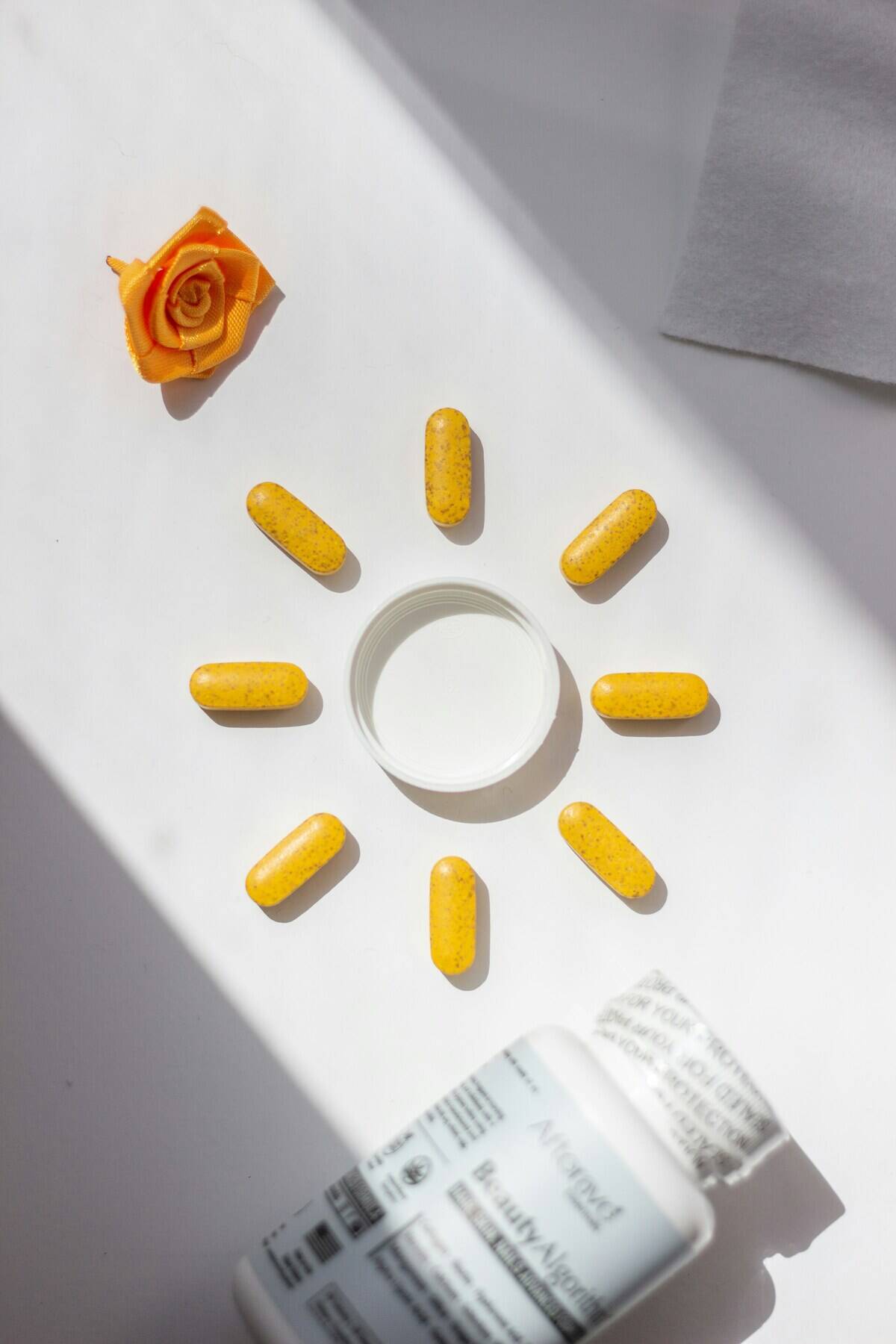
Calcium is crucial for bone health, but supplements aren’t always the best solution. Research indicates that high doses of calcium supplements may increase the risk of heart disease.
Most people can meet their calcium needs through diet, with dairy products and leafy greens being excellent sources. It’s important to balance calcium with other nutrients like Vitamin D and magnesium, which aid in absorption and bone health maintenance.
Iron: The Double-Edged Sword of Supplements
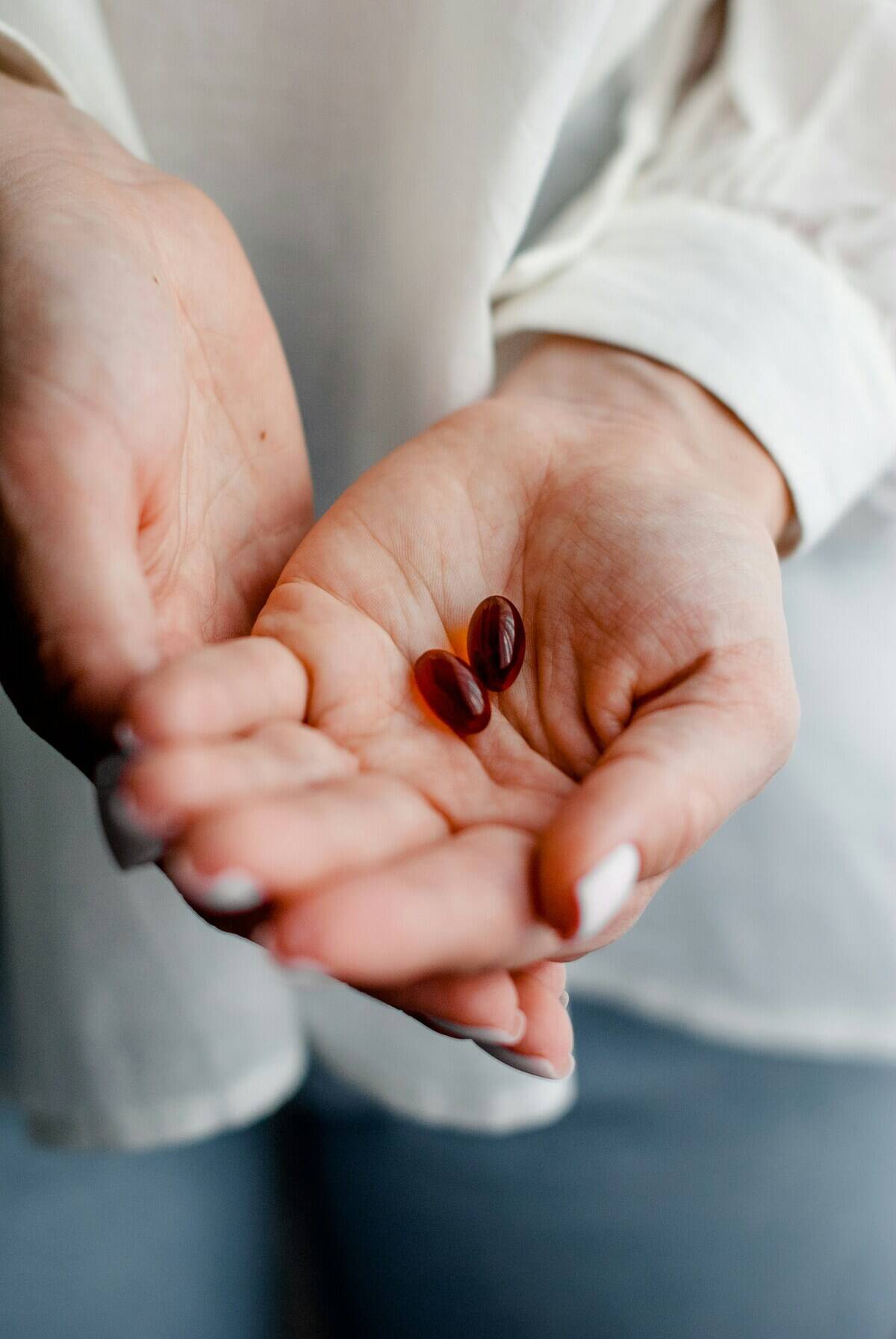
Iron supplements are often prescribed for anemia, but they can be a double-edged sword. While essential for oxygen transport in the body, excess iron can cause toxicity and damage organs.
It’s crucial to have iron levels tested before starting supplementation. Foods like red meat, beans, and spinach are rich in iron and can often meet dietary needs. For those requiring supplements, monitoring and guidance from a healthcare provider are key.
Biotin: The Hair and Nail Growth Hype

Biotin, or Vitamin B7, is popular for its supposed benefits for hair and nail growth. However, scientific evidence supporting these claims is limited. Most people get enough biotin from their diet, as it’s found in foods like eggs, nuts, and whole grains.
While deficiencies can lead to hair loss, they are rare. Before investing in biotin supplements, consider whether your diet already provides sufficient amounts of this nutrient.
Antioxidants: The Overestimated Health Boosters

Antioxidants are often marketed as miracle workers for preventing disease and aging. While they do combat oxidative stress, the benefits of supplements are often overstated.
Studies suggest that high doses of antioxidant supplements might not provide the expected health benefits and could even be harmful. A diet rich in fruits, vegetables, and whole grains naturally provides antioxidants, making supplements unnecessary for most people.
Magnesium: The Relaxation Mineral That’s Not Always Needed

Magnesium is hailed for its calming effects and role in muscle function. However, deficiency is uncommon in healthy individuals. Most people can meet their magnesium needs through a balanced diet with foods like nuts, seeds, and leafy greens.
While supplements can be beneficial for those with specific health conditions, unnecessary intake can lead to digestive issues. It’s important to evaluate dietary intake before considering supplementation.
Protein Powders: More Muscle, More Problems?

Protein powders are popular among fitness enthusiasts, but they aren’t always necessary. Most people can meet their protein needs through diet alone, with sources like meat, dairy, and legumes.
Excessive protein intake can strain the kidneys and lead to other health issues. For those who struggle to consume enough protein through food, powders can be convenient, but it’s crucial to choose high-quality products and avoid overconsumption.
Herbal Supplements: Nature’s Cure or Placebo Effect?

Herbal supplements are often seen as natural remedies, but their efficacy can vary greatly. While some herbs have proven benefits, others lack scientific backing. The supplement industry is less regulated, leading to inconsistencies in product quality and potency.
It’s important to research and choose reputable brands, and consult healthcare professionals before use, especially if taking other medications, to avoid potential interactions.
Collagen: The Skin Savior That Might Not Save You

Collagen supplements are marketed for skin health, but their effectiveness is debated. While collagen is a key component of skin, the body breaks it down during digestion, which may limit its benefits.
Some studies suggest potential improvements in skin elasticity, but more research is needed. A diet rich in protein and vitamin C can support natural collagen production, making supplements unnecessary for many people.
B Vitamins: Energy Boosters or Just Expensive Urine?

B vitamins are essential for energy production, but supplementation is often unnecessary for those with a balanced diet. Excess B vitamins are excreted in urine, leading some to call them “expensive urine.”
Foods like meat, eggs, and whole grains provide ample B vitamins. For individuals with specific deficiencies or dietary restrictions, supplements can be beneficial, but it’s important to assess dietary intake before adding them to your regimen.
Melatonin: The Sleep Aid That’s Not for Everyone

Melatonin is a popular sleep aid, but it’s not suitable for everyone. While it can help regulate sleep cycles, especially for shift workers or those with jet lag, its effectiveness varies. Overuse can disrupt natural hormone production and lead to dependency.
It’s best used for short-term sleep issues, and individuals should consider lifestyle changes, like improving sleep hygiene, before relying on supplements for long-term use.
Zinc: Immunity Booster or Just Hype?

Zinc is often promoted as an immunity booster, but its role is more complex. While it supports immune function, excessive zinc intake can interfere with the absorption of other essential minerals.
Most people can get enough zinc from a balanced diet, with foods like meat, shellfish, and legumes. Supplements might be beneficial during cold season or for individuals with specific deficiencies, but it’s important to avoid overuse.
The Role of Marketing in Supplement Popularity
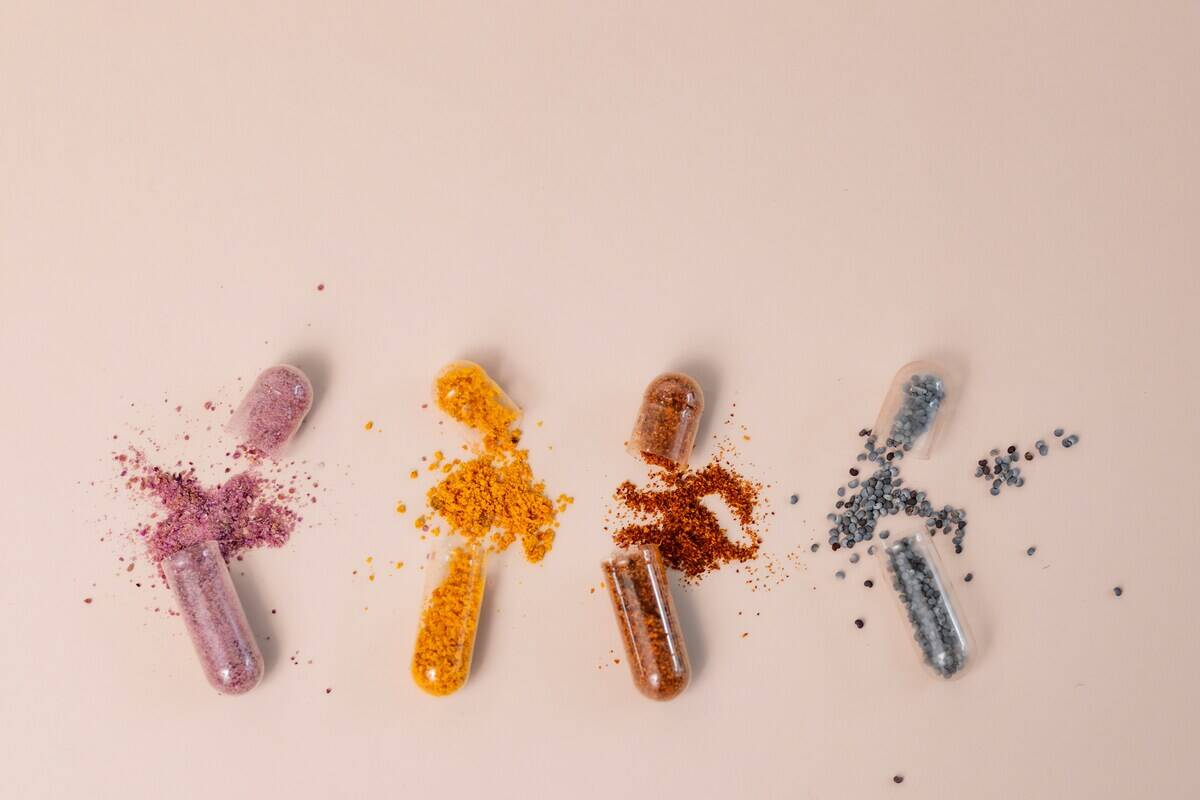
Marketing plays a significant role in the popularity of supplements. Companies often use persuasive advertising to highlight potential benefits while downplaying risks or the lack of scientific evidence.
Celebrity endorsements and social media influencers further amplify these messages, making supplements seem like essential health aids. Consumers should critically evaluate claims and seek information from reputable sources to make informed decisions about their health.