The vital balance behind thriving marine ecosystems

Trending Now
Beneath the ocean’s waves lies a world teeming with life, a vibrant, dynamic symphony of color and sound. From the gentle swaying of seaweed to the delicate flutter of a clownfish fin, every movement contributes to a complex, interconnected ecosystem.
These underwater realms are as diverse as they are mysterious, inviting explorers and scientists alike to dive into their depths and uncover the secrets of the sea.
The Ocean: A Vast and Vital Ecosystem
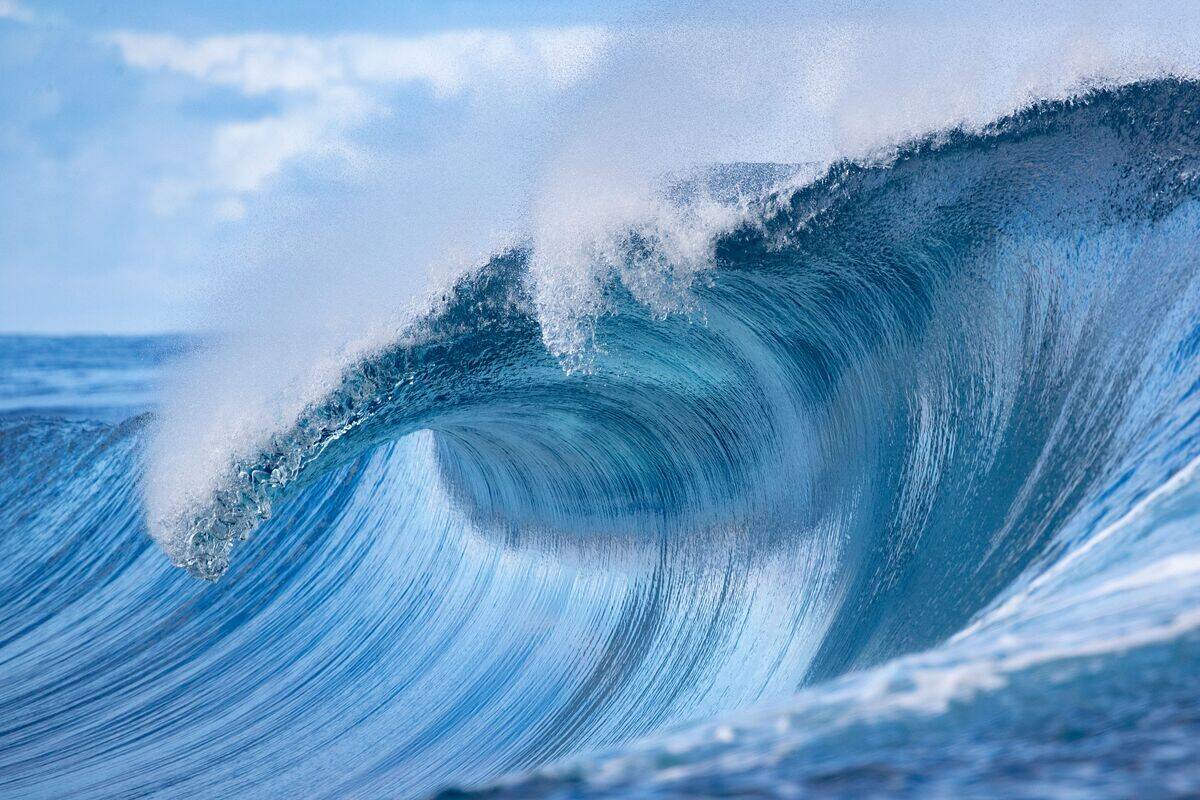
Covering over 70% of our planet’s surface, the ocean is a vast, life-sustaining force. It plays a crucial role in regulating the Earth’s climate, absorbing carbon dioxide, and producing more than half of the world’s oxygen through the photosynthetic activity of marine plants.
This immense body of water is home to an estimated 230,000 known species, with countless more yet to be discovered, offering endless opportunities for scientific discovery.
The Role of Coral Reefs: Nature’s Underwater Cities
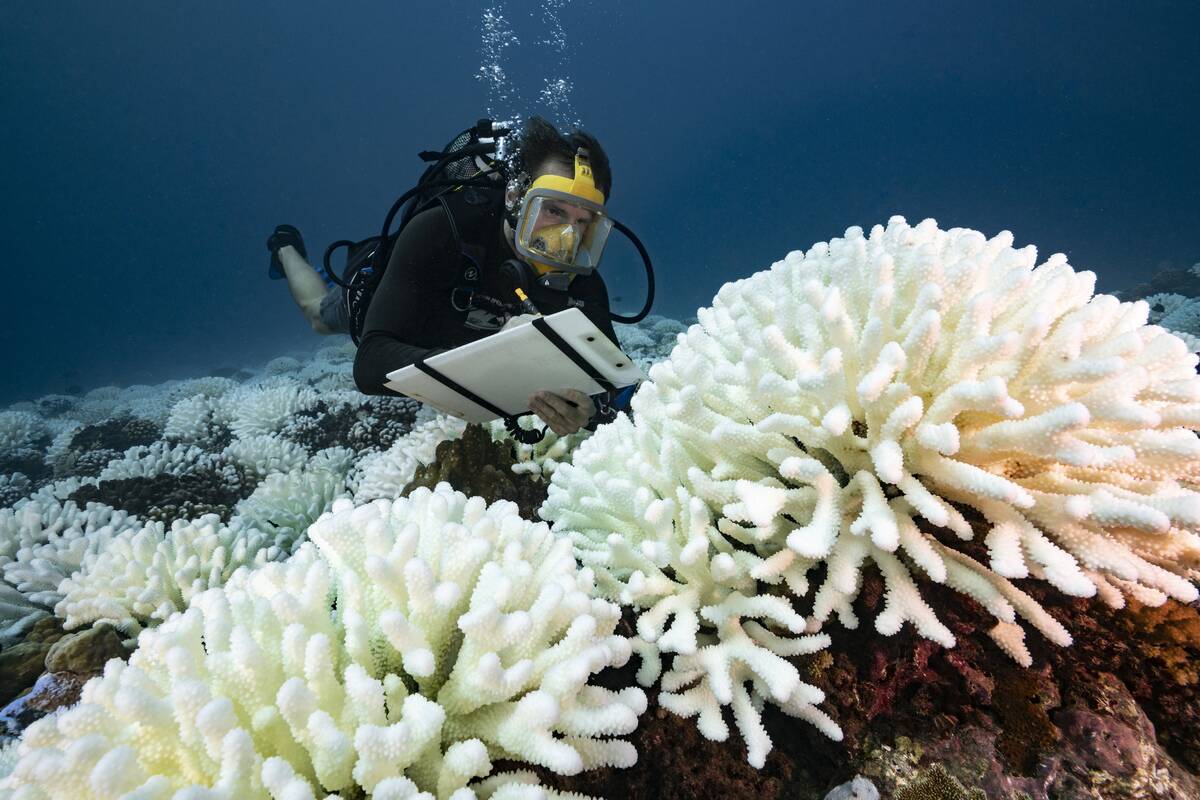
Coral reefs, often dubbed the ‘rainforests of the sea’, are bustling hubs of biodiversity. They provide shelter, food, and breeding grounds for at least 25% of all marine species, despite covering less than 1% of the ocean floor.
These vibrant structures are formed by colonies of tiny coral polyps, whose calcium carbonate skeletons create complex habitats that support a myriad of life forms, from colorful fish to enigmatic sea turtles.
The Importance of Mangroves: Coastal Guardians
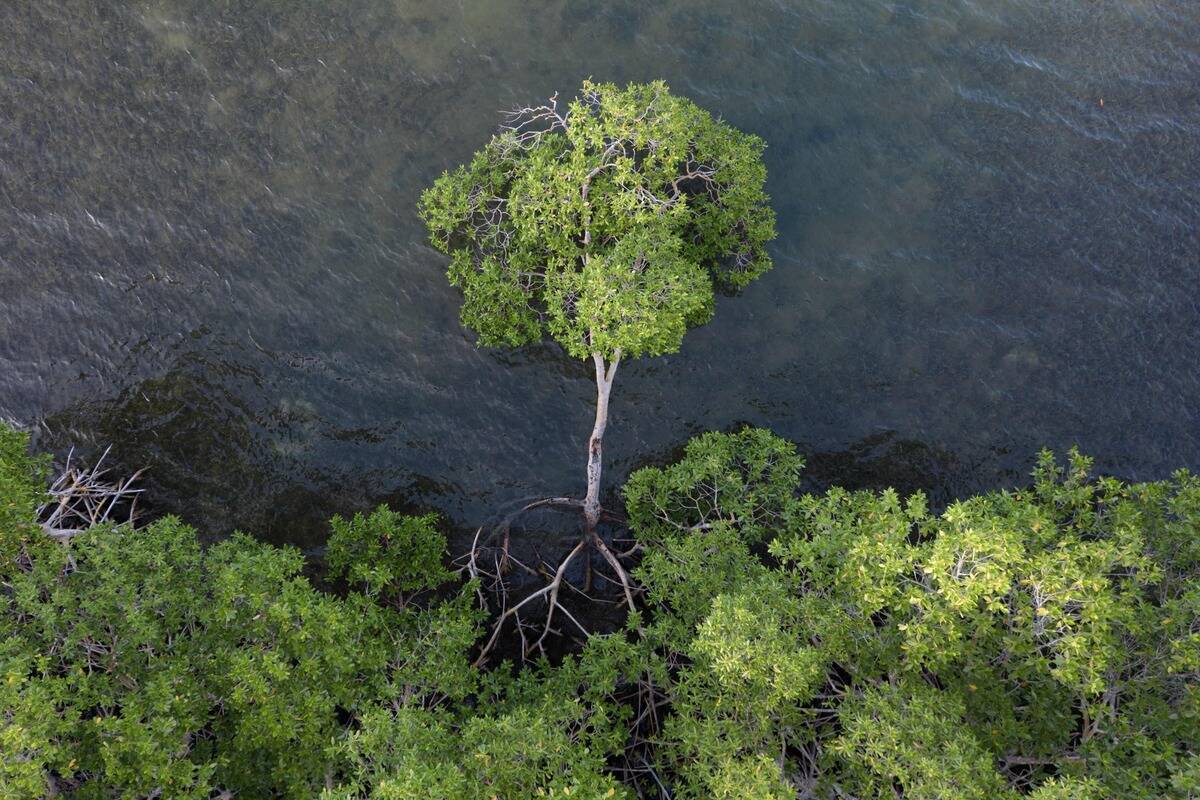
Mangroves are the unsung heroes of coastal ecosystems, acting as buffers against storm surges and erosion. These unique trees thrive in salty, waterlogged environments, where few other plants can survive.
Their intricate root systems provide critical nursery habitats for many marine species and help sequester carbon, mitigating the impacts of climate change. Mangroves are vital to both marine life and the human communities that depend on them.
The Phenomenon of Ocean Currents: Nature’s Conveyor Belts

Ocean currents are the great movers of the sea, transporting warm and cold water across the globe. These currents, driven by wind, salinity, and temperature differences, play a pivotal role in regulating the Earth’s climate by distributing heat.
They also aid in nutrient cycling, bringing up nutrients from the ocean depths to the surface, where they fuel the growth of phytoplankton, the foundation of the marine food web.
The Delicate Dance of Predator and Prey
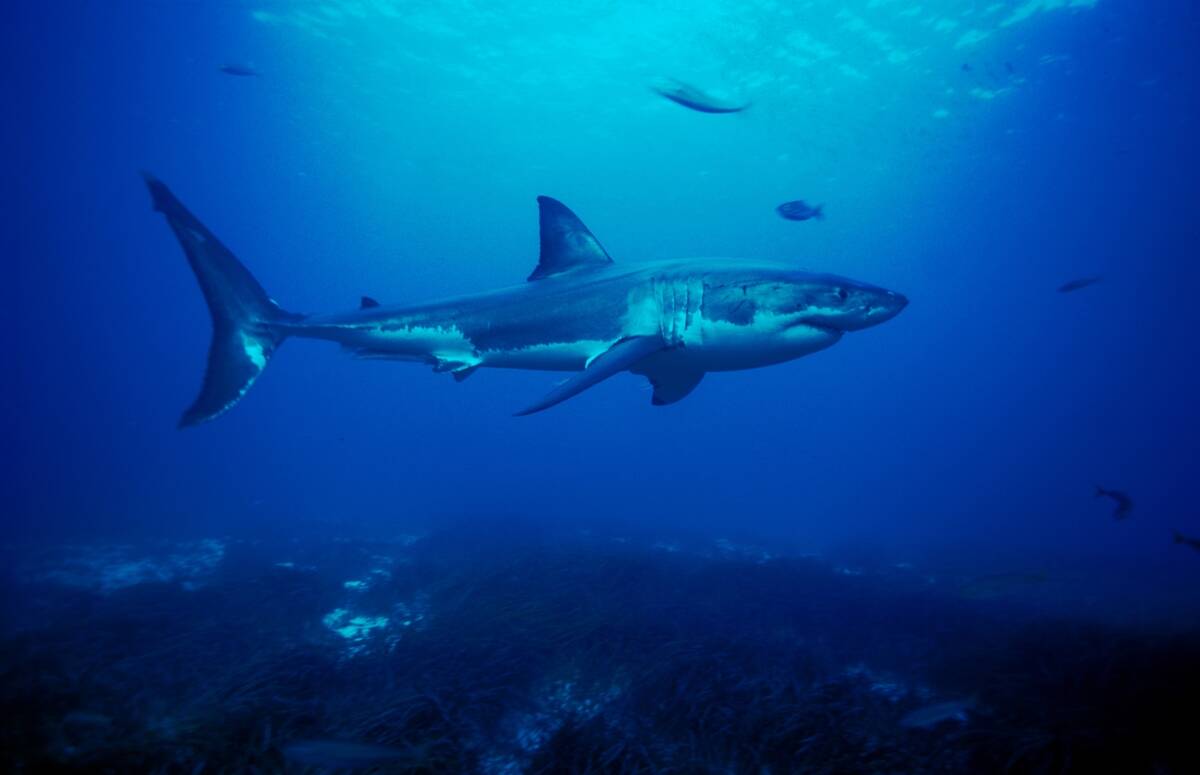
In the ocean, the relationship between predator and prey is a finely tuned balance that sustains marine ecosystems. Sharks, for instance, play a crucial role as apex predators, maintaining the health of fish populations by preying on the weak and sick.
This natural selection process ensures species diversity and ecosystem stability. The predator-prey dynamic is a testament to the ocean’s intricate balance and the importance of each species in maintaining it.
The Essential Role of Plankton: Tiny Titans of the Sea
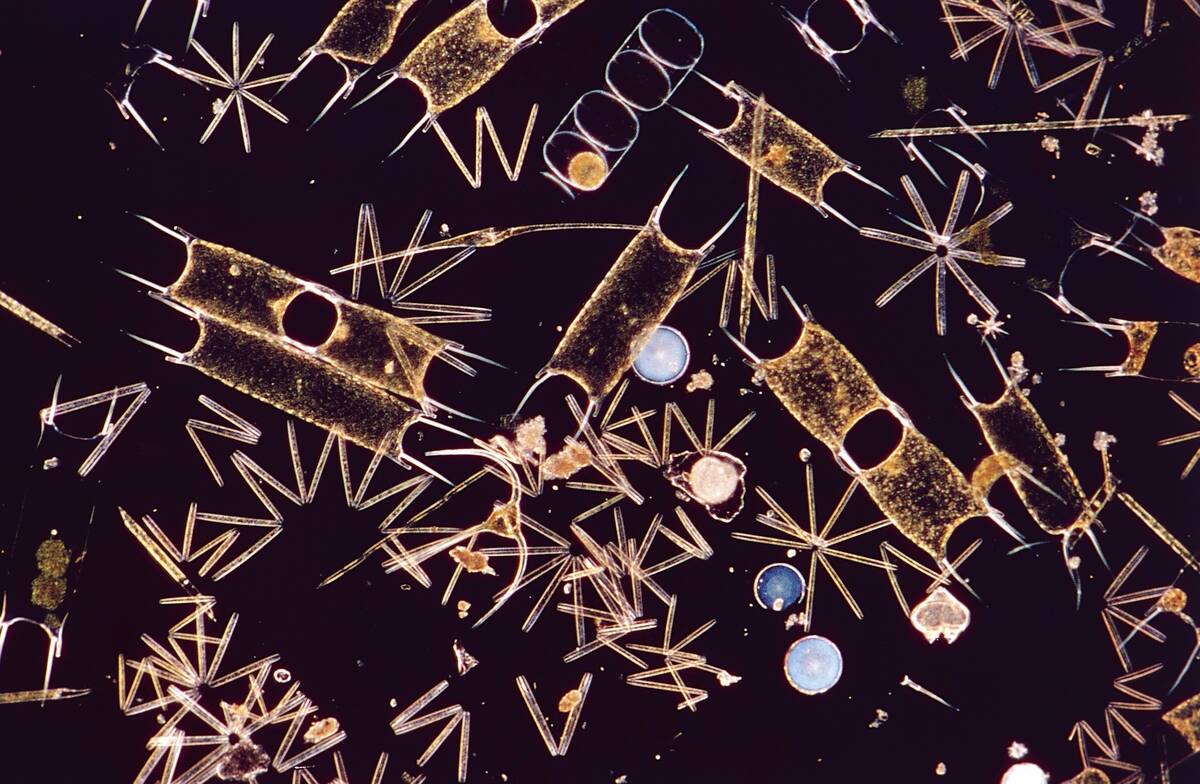
Plankton may be tiny, but their impact on the ocean and global ecosystems is immense. These microscopic organisms, which include phytoplankton and zooplankton, are the foundation of the marine food web.
Phytoplankton, through photosynthesis, produce about 50% of the oxygen we breathe, while zooplankton serve as a primary food source for many larger marine animals. Without plankton, ocean life as we know it would not exist.
The Symbiotic Relationships: Teamwork in the Ocean

Symbiotic relationships in the ocean showcase the incredible cooperation between species. Take the clownfish and sea anemone, for example.
The anemone provides the clownfish protection with its stinging tentacles, while the clownfish’s movements help circulate water, bringing food to the anemone. This mutually beneficial partnership is just one of many examples of how marine organisms rely on each other for survival in the vast ocean.
The Impact of Overfishing: A Tipping Point
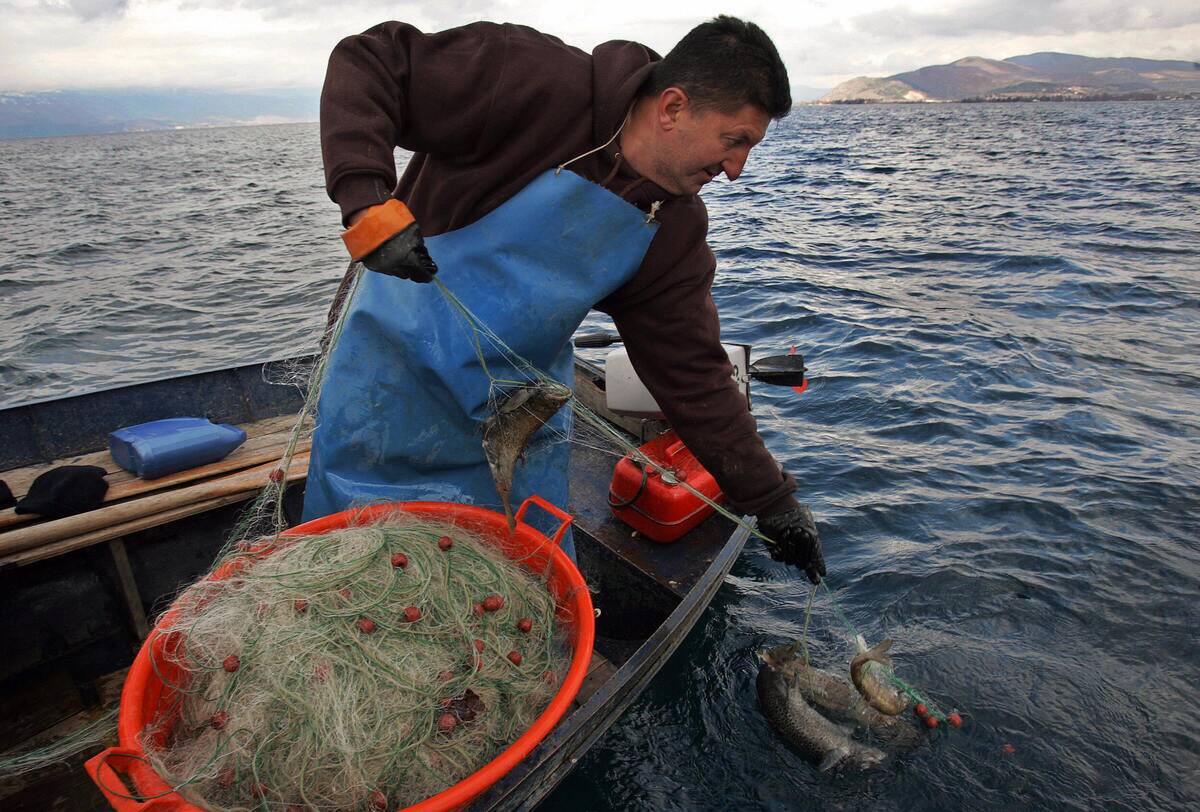
Overfishing poses a significant threat to marine ecosystems, pushing many fish populations to the brink of collapse. The annual global fish catch has increased dramatically since the mid-20th century, putting immense pressure on species like the Atlantic cod and Bluefin tuna.
By depleting key species, overfishing disrupts food chains and diminishes biodiversity, ultimately risking the health of the entire ocean ecosystem.
The Threat of Pollution: Oceans in Peril
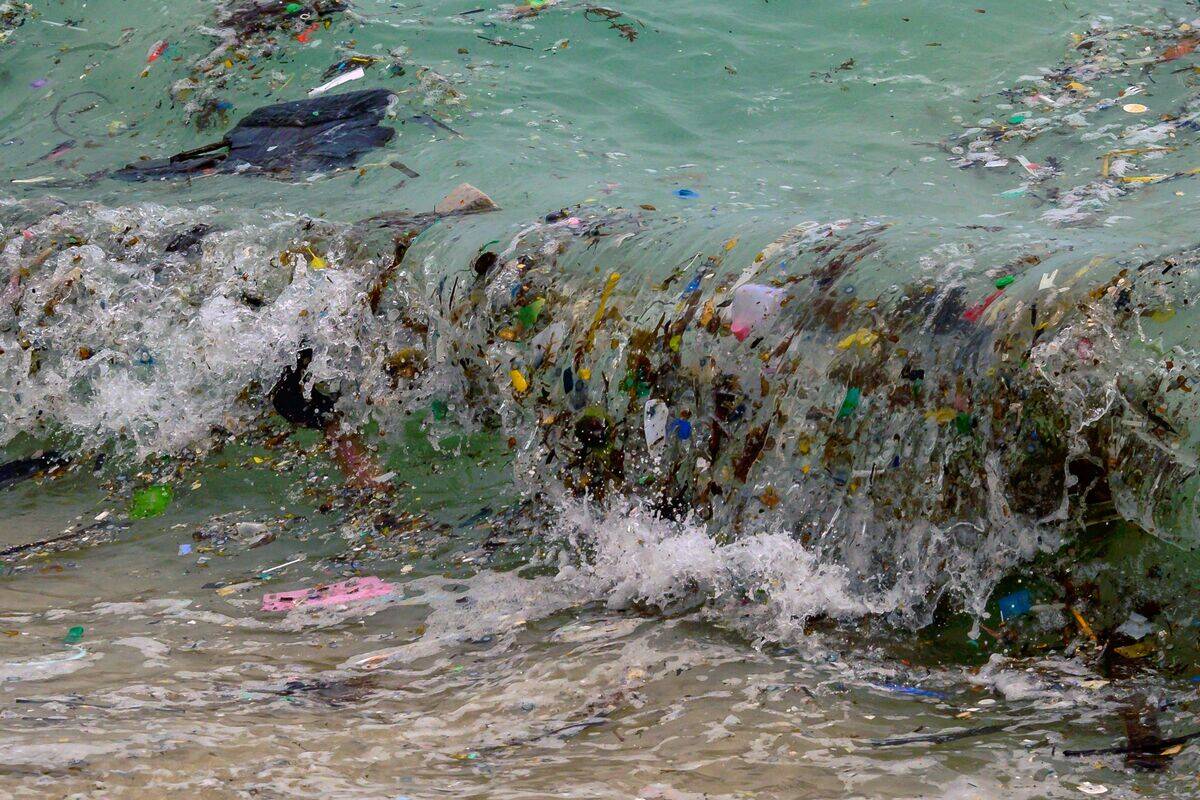
Pollution is another major threat facing our oceans, with plastic waste being particularly concerning. Every year, millions of tons of plastic enter the ocean, endangering marine life and ecosystems.
Sea turtles mistake plastic bags for jellyfish, and seabirds ingest plastic debris, leading to injury or death. Addressing ocean pollution requires global cooperation and innovative solutions to reduce plastic use and improve waste management systems.
The Effects of Climate Change: Warming Waters

Climate change is causing ocean temperatures to rise, leading to widespread consequences for marine life. Warmer waters disrupt migration patterns, coral bleaching events, and the distribution of fish species.
As polar ice melts and sea levels rise, coastal habitats face increased risks. The ocean’s ability to act as a carbon sink is also being compromised, highlighting the urgent need to address the root causes of climate change.
The Invasion of Non-Native Species: Unwelcome Guests
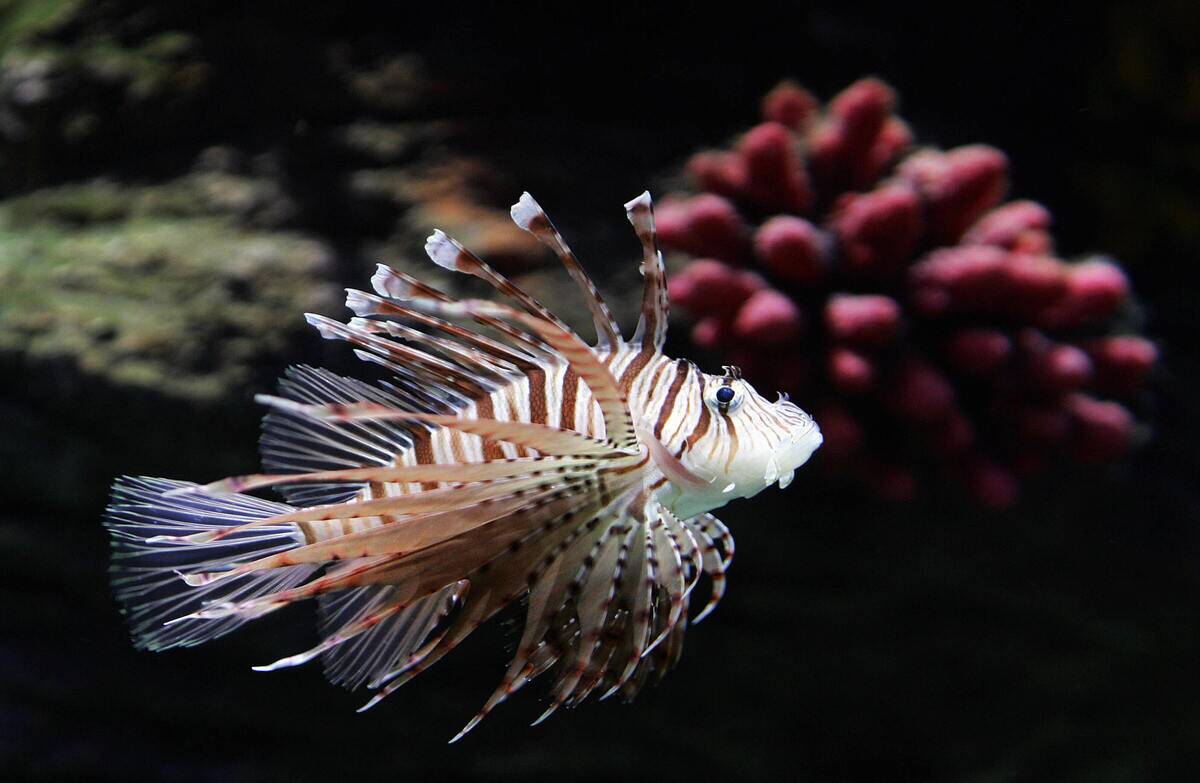
Non-native species, introduced through shipping or aquarium releases, can wreak havoc on marine ecosystems. The lionfish, native to the Indo-Pacific, has become an invasive species in the Atlantic, preying on native fish and competing for resources.
These invasions can lead to a decline in native biodiversity and alter ecosystem dynamics. Preventing the spread of invasive species is crucial to preserving ocean health and resilience.
The Significance of Marine Biodiversity: A Tapestry of Life
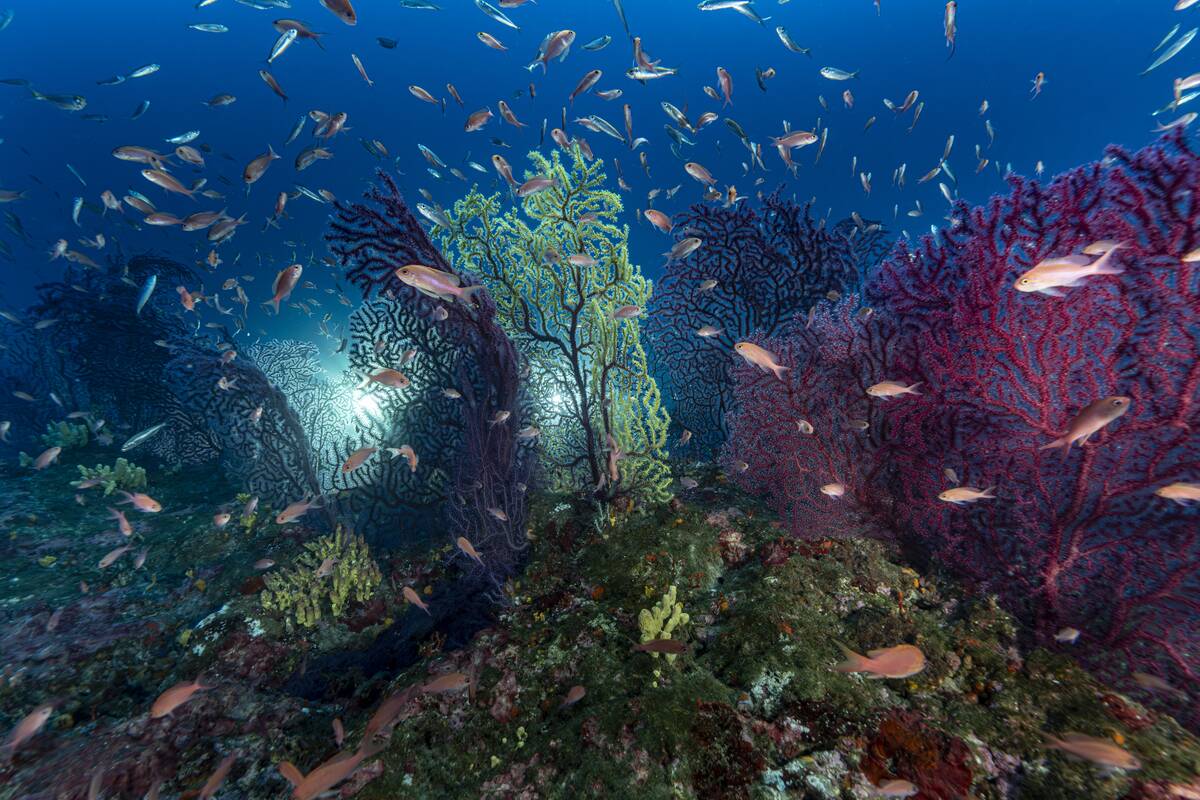
Marine biodiversity is the backbone of healthy ocean ecosystems, providing resilience against environmental changes. The wide variety of life forms, from the smallest plankton to the largest whales, ensures ecosystem stability and productivity.
Biodiverse systems are better equipped to withstand threats like pollution and climate change. Protecting marine biodiversity is essential for the health of the ocean and the well-being of future generations.
The Role of Marine Protected Areas: Sanctuaries of the Sea
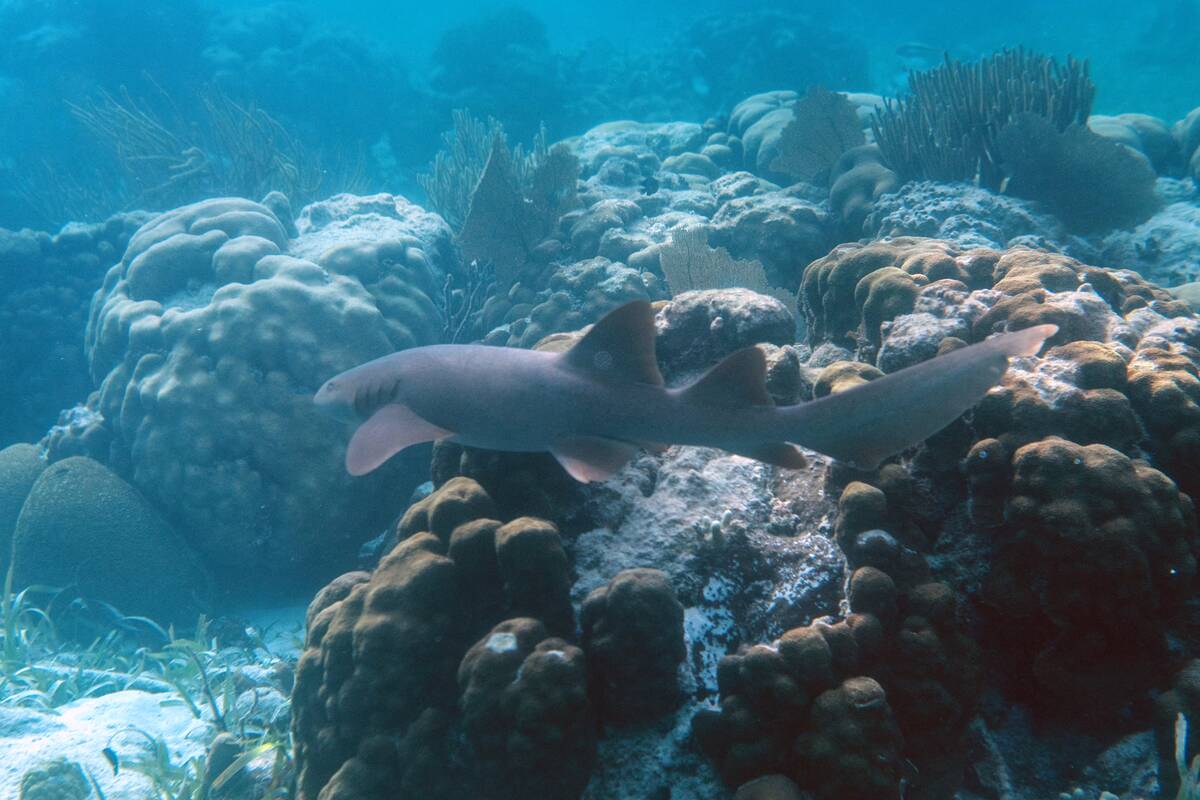
Marine Protected Areas (MPAs) are designated regions where human activities are managed to conserve marine ecosystems and biodiversity. MPAs help safeguard critical habitats, protect endangered species, and allow ecosystems to recover and thrive.
By limiting fishing and other disruptive activities, these sanctuaries provide a refuge for marine life and contribute to the overall health of the ocean, underscoring the importance of expanding and enforcing MPAs globally.
The Power of Restoration Efforts: Healing the Ocean
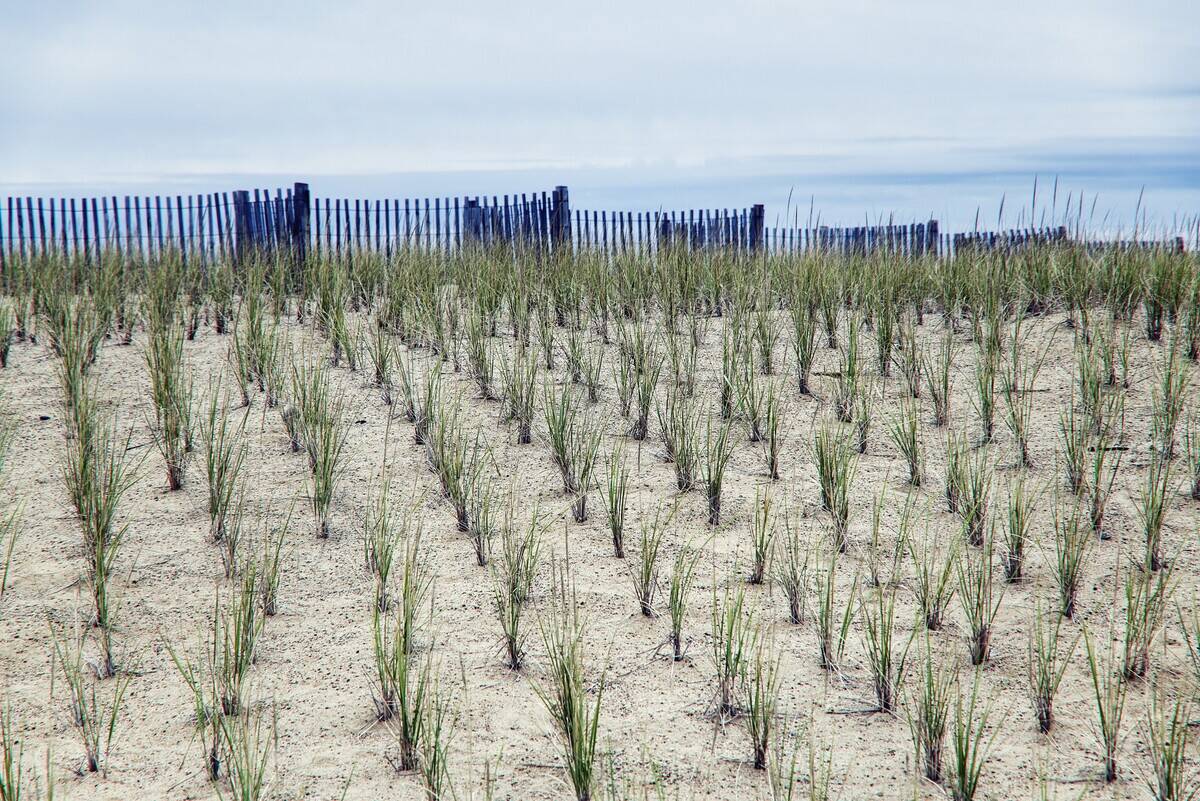
Restoration efforts are vital for reversing the damage done to marine environments. Initiatives like coral reef restoration and seagrass planting aim to rebuild damaged ecosystems and restore their ecological functions.
These projects, often community-driven, not only enhance biodiversity but also provide economic benefits through tourism and fisheries. Restoring ocean health is a complex but achievable goal, requiring collaboration and commitment from all sectors.