Understanding the science of sudden inspiration

Trending Now
Sudden inspiration often strikes when we’re least expecting it, transforming a mundane moment into a burst of creativity. Whether you’re a writer, artist, or scientist, the exhilarating ‘aha’ moment can lead to groundbreaking ideas.
But what triggers these moments of brilliance? Let’s embark on an exploration of the fascinating world of sudden inspiration and uncover the hidden mechanisms behind these creative sparks.
The Eureka Moment: A Brief History

The term ‘Eureka!’ is famously attributed to the ancient Greek scholar Archimedes, who reportedly exclaimed it upon discovering a method to determine the purity of gold. This classic eureka moment highlights how inspiration can strike unexpectedly.
Similarly, Isaac Newton’s contemplation under an apple tree led to his groundbreaking theory of gravity. Throughout history, these moments have often occurred during periods of reflection or relaxation rather than intense concentration.
The Brain’s Role in Creative Insights
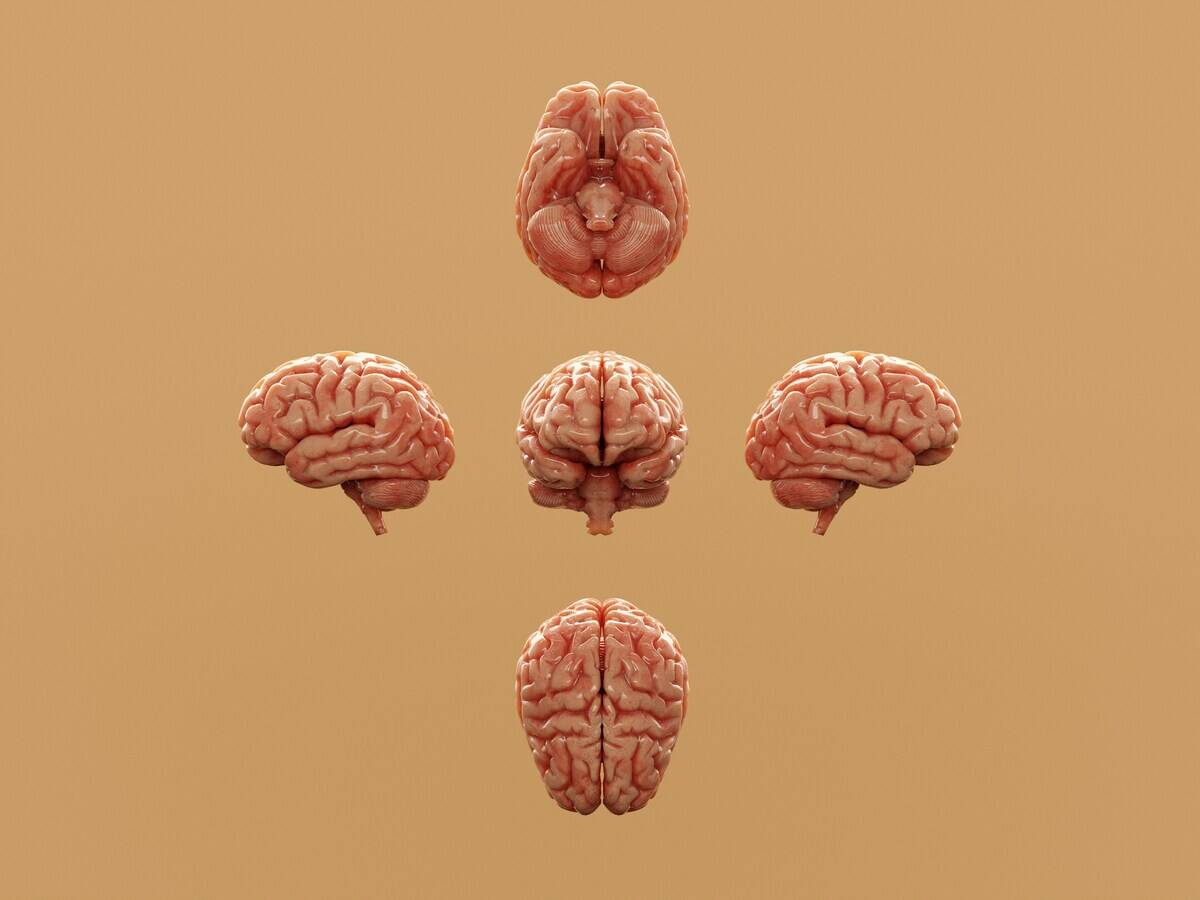
Creative insights are believed to stem from complex interactions within the brain. The prefrontal cortex, responsible for high-level thinking, often collaborates with the default mode network, which is active during rest and daydreaming.
This network allows for the integration of unrelated ideas, paving the way for novel connections and insights. It’s this seamless cooperation that often leads to those sudden bursts of inspiration that seem to appear out of nowhere.
The Science of the Subconscious Mind
Our subconscious mind works tirelessly, even when we’re not aware of it. It processes information, solves problems, and makes connections without our conscious effort. This behind-the-scenes activity can lead to sudden inspiration when our subconscious mind pushes an idea to the surface.
Studies have shown that stepping away from a problem can allow the subconscious to continue working, often leading to a solution that emerges unexpectedly.
Neuroscience and the Aha Moment
Neuroscientists have found that the ‘aha’ moment is associated with a burst of gamma-wave activity in the brain. These waves indicate a high level of neural communication, suggesting that the brain is rapidly piecing together information.
This phenomenon typically occurs in the right hemisphere, known for its role in creative thinking. It’s a vivid illustration of how the brain pulls together disparate pieces of information to create a coherent and innovative idea.
The Power of Daydreaming

Daydreaming is often dismissed as a waste of time, but it can be a powerful tool for creativity. When we let our minds wander, we open the door to a flow of ideas and connections. This mental downtime allows the brain to explore possibilities without constraints.
Studies suggest that individuals who daydream frequently are more adept at generating creative solutions, as their unfocused thoughts can lead to unexpected insights and ideas.
Sleep and Its Influence on Creativity

Sleep is a crucial component of the creative process. During sleep, the brain consolidates memories and processes information, often leading to the resolution of complex problems. REM sleep, in particular, is associated with increased creativity, as it fosters abstract connections between seemingly unrelated concepts.
It’s no wonder that many people report waking up with solutions to problems that eluded them the day before, highlighting the importance of a good night’s sleep for creative thinking.
The Right Hemisphere: The Creative Brain
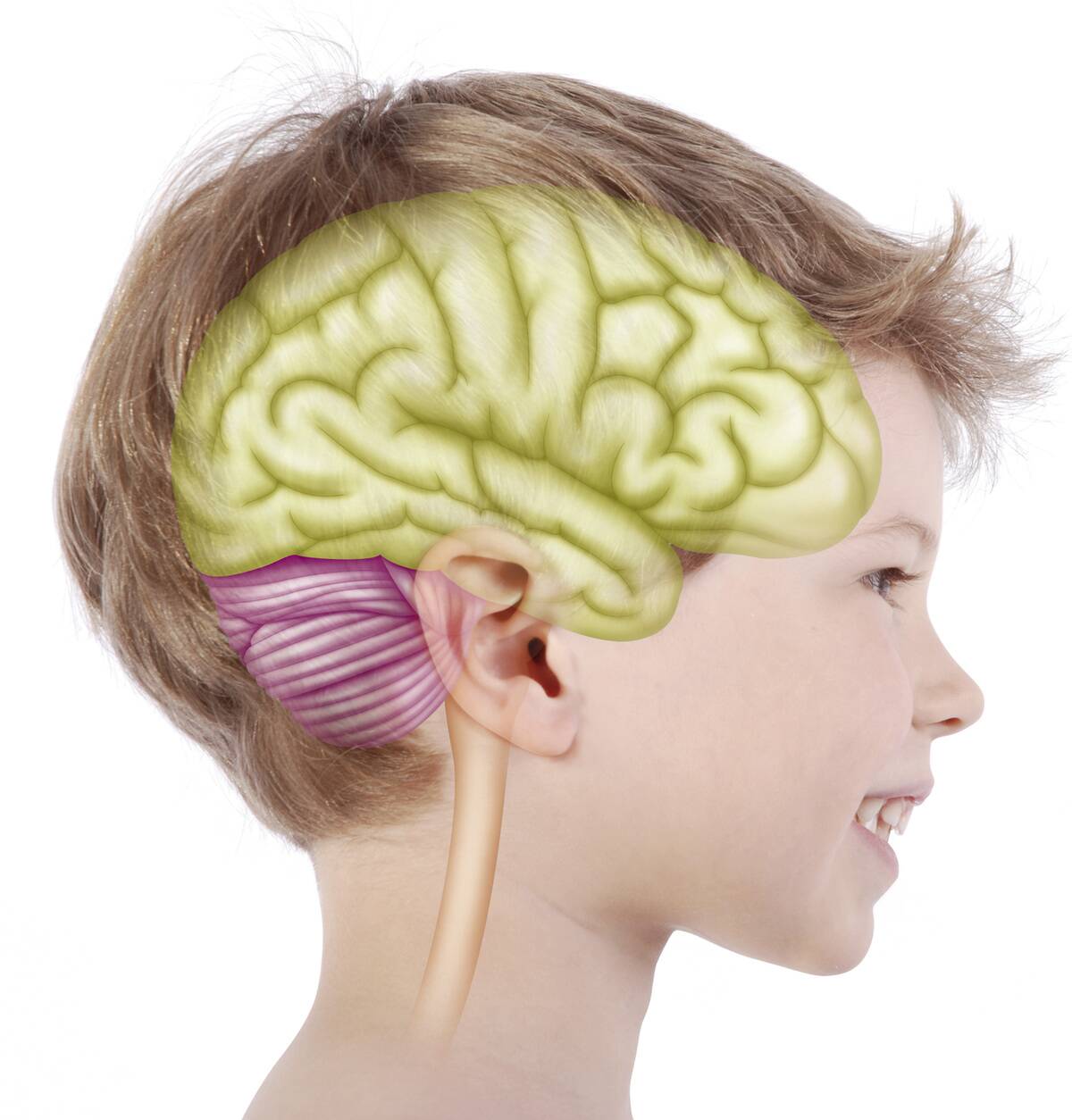
The right hemisphere of the brain is often dubbed the ‘creative side’ due to its role in processing visual and spatial information. It excels at seeing the big picture and making intuitive leaps.
This hemisphere is prominent in tasks that require imagination and creativity, such as art and music. While both hemispheres are essential for creativity, the right hemisphere’s ability to integrate diverse ideas is particularly crucial for those sudden flashes of inspiration.
The Role of Dopamine in Sudden Inspiration

Dopamine, a neurotransmitter often associated with pleasure and reward, plays a significant role in the creative process. High levels of dopamine can enhance cognitive flexibility, allowing individuals to make novel connections between ideas.
This neurotransmitter is also linked to motivation and drive, which can spur individuals to explore new concepts and pursue innovative solutions. It’s this chemical interplay that often underlies the exhilarating feeling of a sudden creative breakthrough.
How Stress and Relaxation Impact Creativity

Stress can be a major barrier to creativity, as it narrows focus and limits the brain’s ability to explore new ideas. In contrast, relaxation opens the mind to new possibilities and connections.
Techniques such as meditation and mindfulness can reduce stress and promote a state of relaxation, fostering an environment where creativity can flourish. By managing stress effectively, individuals can create the mental space necessary for inspiration to strike.
The Connection Between Exercise and Creative Thinking

Exercise is not just beneficial for physical health; it also boosts creativity. Physical activity increases blood flow and oxygen to the brain, enhancing cognitive function. It also promotes the release of endorphins, which can elevate mood and reduce stress.
Studies have shown that moderate aerobic exercise, such as walking or cycling, can improve divergent thinking, a key component of creativity. So, a brisk walk might just be the ticket to your next big idea.
The Importance of Environment in Sparking Ideas

Our environment plays a crucial role in shaping our creative potential. A cluttered or chaotic space can hinder inspiration, while a well-organized, aesthetically pleasing environment can enhance it.
Natural surroundings, in particular, have been shown to boost creativity, providing a calming backdrop that encourages free thought. Changing your environment, even slightly, can lead to fresh perspectives and unexpected insights, reinforcing the idea that where you think can be as important as how you think.
Breaking Down Mental Blocks

Mental blocks can feel like insurmountable obstacles, but they often stem from limiting beliefs or rigid thinking patterns. Overcoming these blocks involves challenging assumptions and exploring new perspectives.
Techniques like brainstorming, mind mapping, and free writing can help break down barriers, allowing creativity to flow more freely. By fostering an open and flexible mindset, individuals can overcome mental blocks and unlock their creative potential.
The Influence of Music on Creative Processes

Music has a profound impact on our emotions and can significantly influence the creative process. Listening to music can elevate mood, reduce stress, and stimulate the brain, creating an ideal environment for creativity.
Different genres can inspire different types of creative thinking, with classical music often associated with enhanced concentration and jazz fostering improvisation. Incorporating music into your creative routine can provide the spark needed for those moments of sudden inspiration.
Techniques to Encourage Sudden Inspiration

There are several techniques to foster sudden inspiration, including keeping a journal, engaging in new experiences, and practicing mindfulness. Journaling allows for reflection and idea generation, while new experiences provide fresh perspectives.
Mindfulness practices help quiet the mind, making space for new ideas to emerge. Combining these techniques with a curious mindset can create fertile ground for inspiration to strike, leading to those magical ‘aha’ moments.