Unusual Facts Completely Backed Up By Science

Trending Now
Welcome to the eccentric world of science, where the facts are stranger than fiction! Whether it’s the moon drifting away or the peculiar habits of animals, science never ceases to amaze. In this article, we will embark on a whimsical journey to uncover some of the most fascinating and quirky facts that nature and the universe have to offer. So, sit back, relax, and prepare to be intrigued by some truly astonishing nuggets of information!
Bananas are Radioactive

Bananas are a staple in many households, but did you know they are slightly radioactive? Bananas contain potassium-40, a naturally occurring isotope that is radioactive. However, the levels are so low that you would need to eat an enormous amount to experience any adverse effects. This quirky fact is a great reminder of how science can often surprise us with the unexpected!
Honey Never Spoils

Honey is truly a wonder of nature. Archaeologists have found pots of honey in ancient Egyptian tombs that are over 3,000 years old and still perfectly edible. Honey’s remarkable longevity is due to its low moisture content and acidic nature, which create an inhospitable environment for bacteria. It’s a testament to the incredible preservation properties of this sweet, sticky substance!
The Eiffel Tower Grows in the Summer

The Eiffel Tower, one of the most iconic landmarks in the world, experiences a seasonal transformation. In the summer, the iron structure expands due to the heat, causing the tower to grow by about six inches. This phenomenon is a fantastic example of thermal expansion, where materials expand when heated and contract when cooled. Who knew that even famous landmarks could have seasonal growth spurts?
The Heartbeat of a Blue Whale is Audible from Miles Away
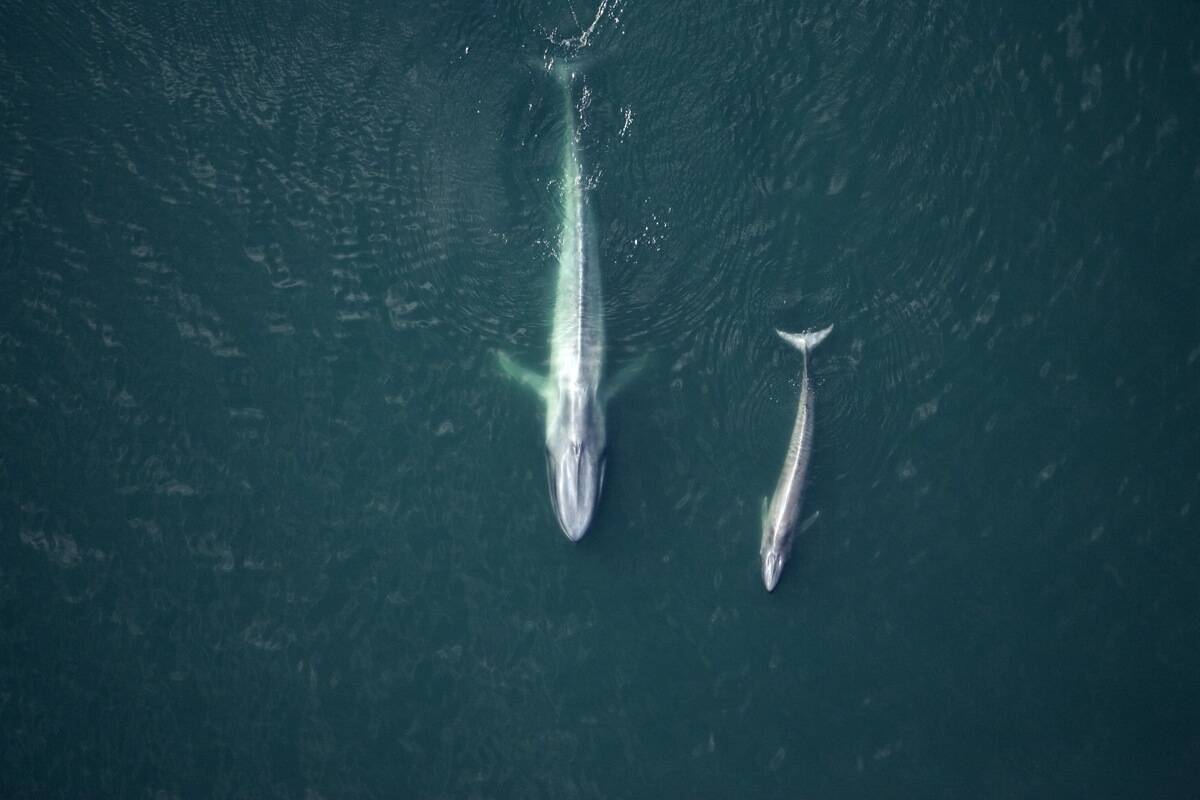
Blue whales, the largest animals on the planet, have a heartbeat that can be heard from over two miles away. Their massive hearts, weighing around 400 pounds, beat at a slow pace, especially when diving. This incredible fact underscores the sheer size and power of these majestic creatures, which continue to capture the imagination of scientists and nature enthusiasts alike.
The Average Cloud Weighs About a Million Pounds

Clouds might look light and fluffy, but an average cumulus cloud actually weighs about a million pounds! This weight comes from the vast amount of water droplets contained within. It’s a surprising revelation that something so seemingly weightless can have such a hefty presence. This fact is a perfect example of how appearances can be deceiving in the natural world!
The Hummingbird is the Only Bird that Can Fly Backwards
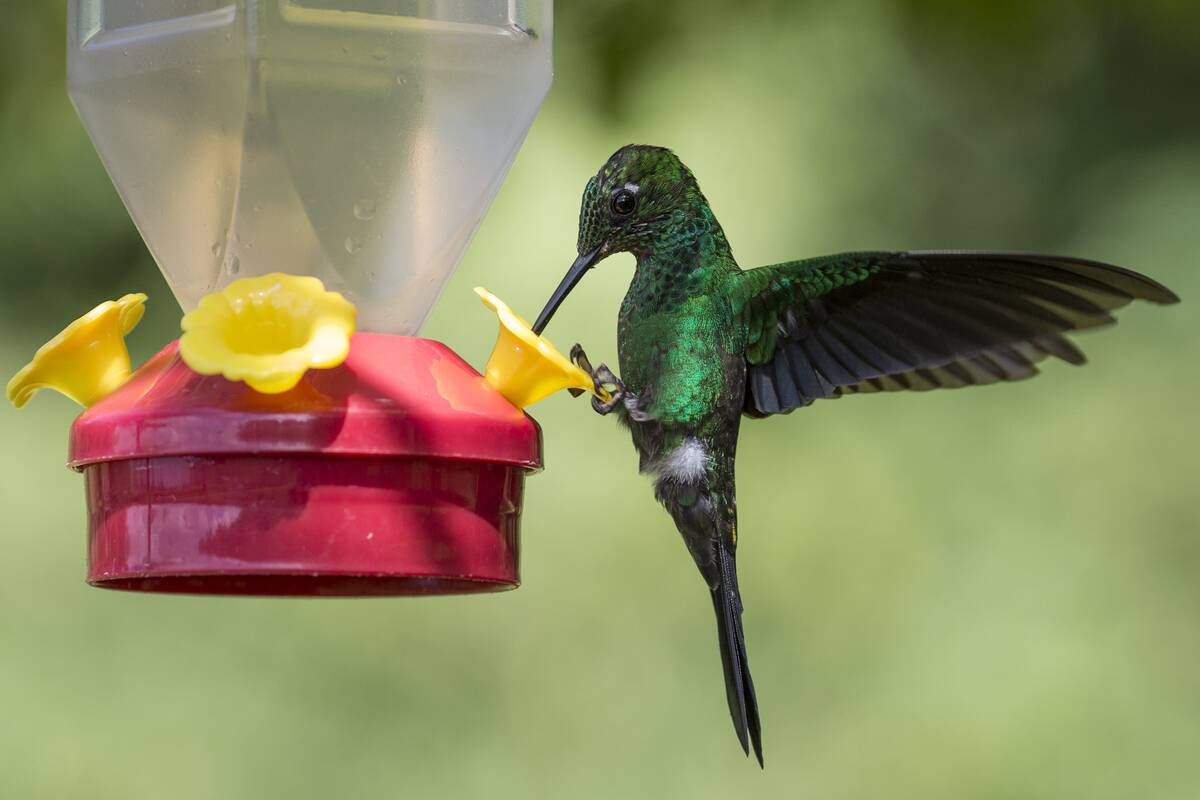
Hummingbirds are unique in the avian world for their ability to fly backwards. This acrobatic feat is made possible by their rapid wing beats and highly flexible shoulder joints. These tiny birds can beat their wings up to 80 times per second, allowing them to hover and maneuver with incredible precision. It’s no wonder hummingbirds are often compared to helicopters in their flight capabilities!
A Day on Venus is Longer than a Year on Venus

Venus, our neighboring planet, has a day longer than its year. It takes Venus about 243 Earth days to spin once on its axis, but only 225 Earth days to orbit the Sun. This peculiar rotation pattern results in a day that outlasts a year, making Venus one of the most intriguing planets in our solar system. It’s a celestial oddity that continues to fascinate astronomers and space enthusiasts alike.
Some Turtles Can Breathe Through Their Rear Ends
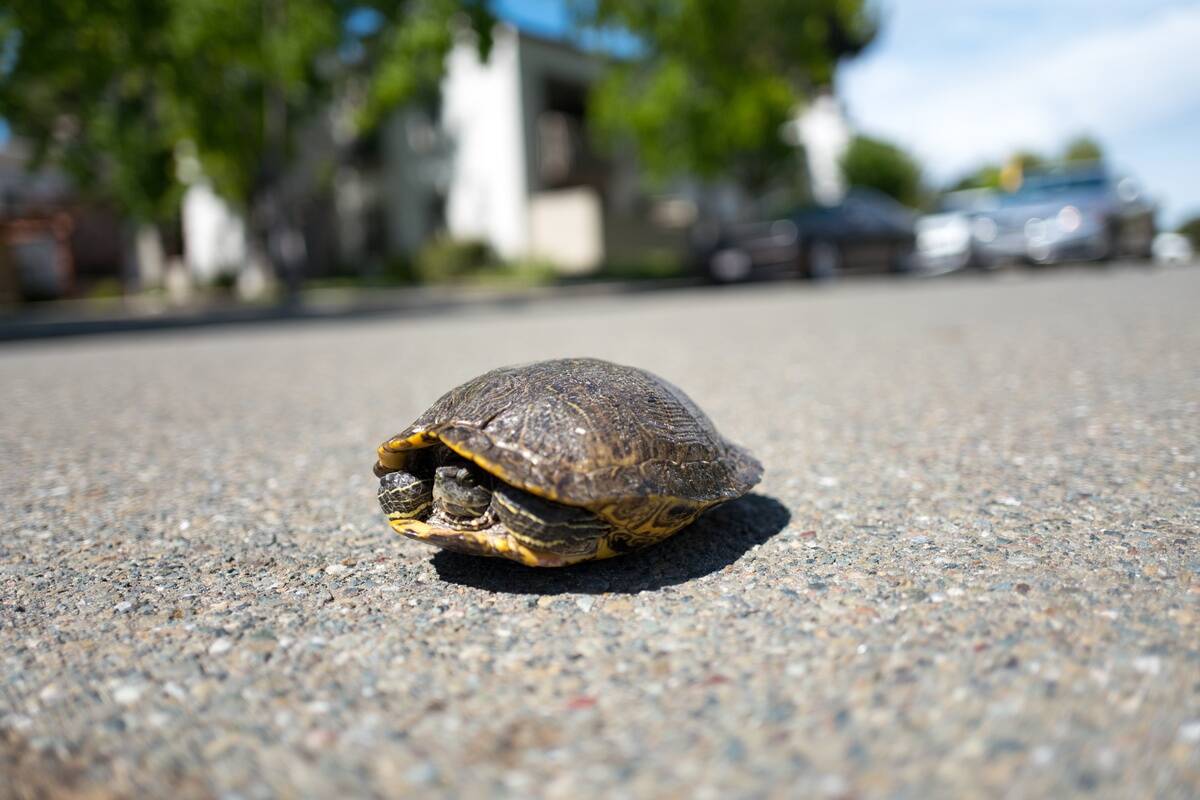
Certain species of turtles have an unusual adaptation that allows them to breathe through their rear ends. This process, known as cloacal respiration, enables turtles to extract oxygen from water. This adaptation is especially useful during hibernation when turtles remain underwater for extended periods. It’s just one of the many fascinating ways animals have evolved to survive in their environments.
The Shortest War in History Lasted 38 Minutes

The Anglo-Zanzibar War holds the record as the shortest war in history, lasting just 38 minutes. On August 27, 1896, a dispute between the British Empire and the Sultanate of Zanzibar escalated into a brief but intense conflict. The war ended almost as quickly as it began, with a decisive British victory. This historical tidbit showcases how rapidly geopolitical situations can unfold and resolve.
There’s a Species of Jellyfish that is Immortal
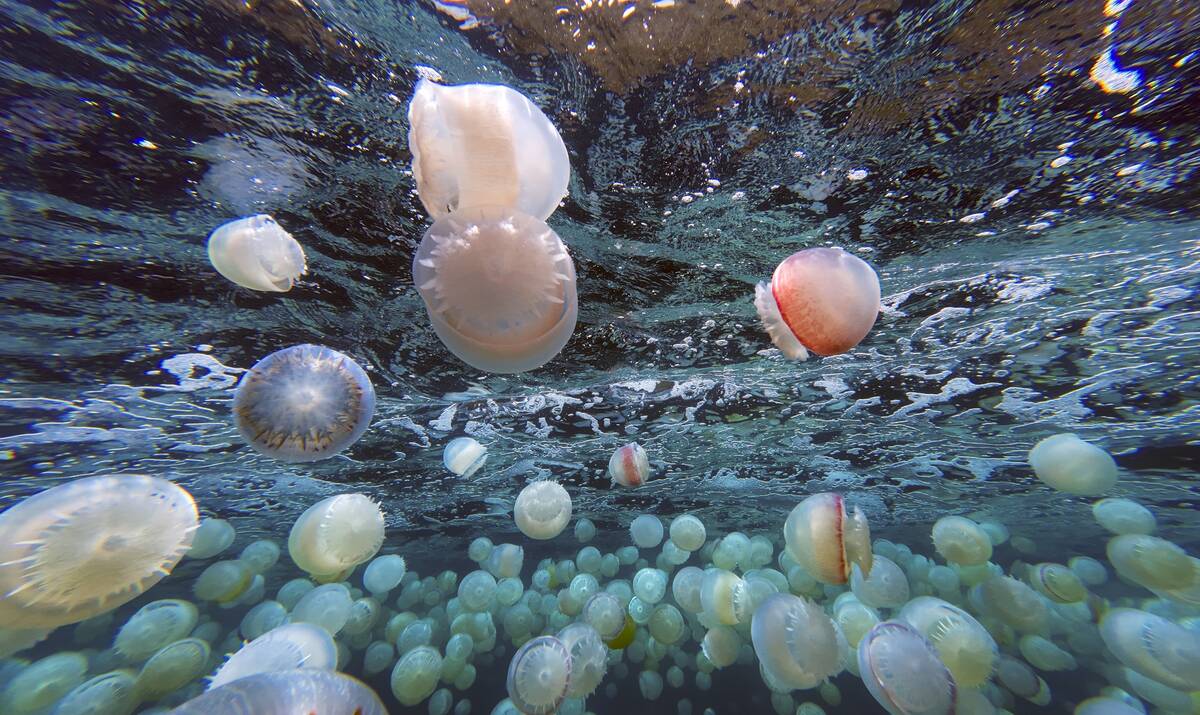
The Turritopsis dohrnii, a species of jellyfish, is often dubbed the “immortal jellyfish” due to its ability to revert to its juvenile form after reaching maturity. This remarkable process of transdifferentiation allows it to bypass death and effectively restart its life cycle. While not truly immortal in the conventional sense, this jellyfish’s unique ability to cheat death is a captivating phenomenon in the natural world.
Wombat Poop is Cube-Shaped
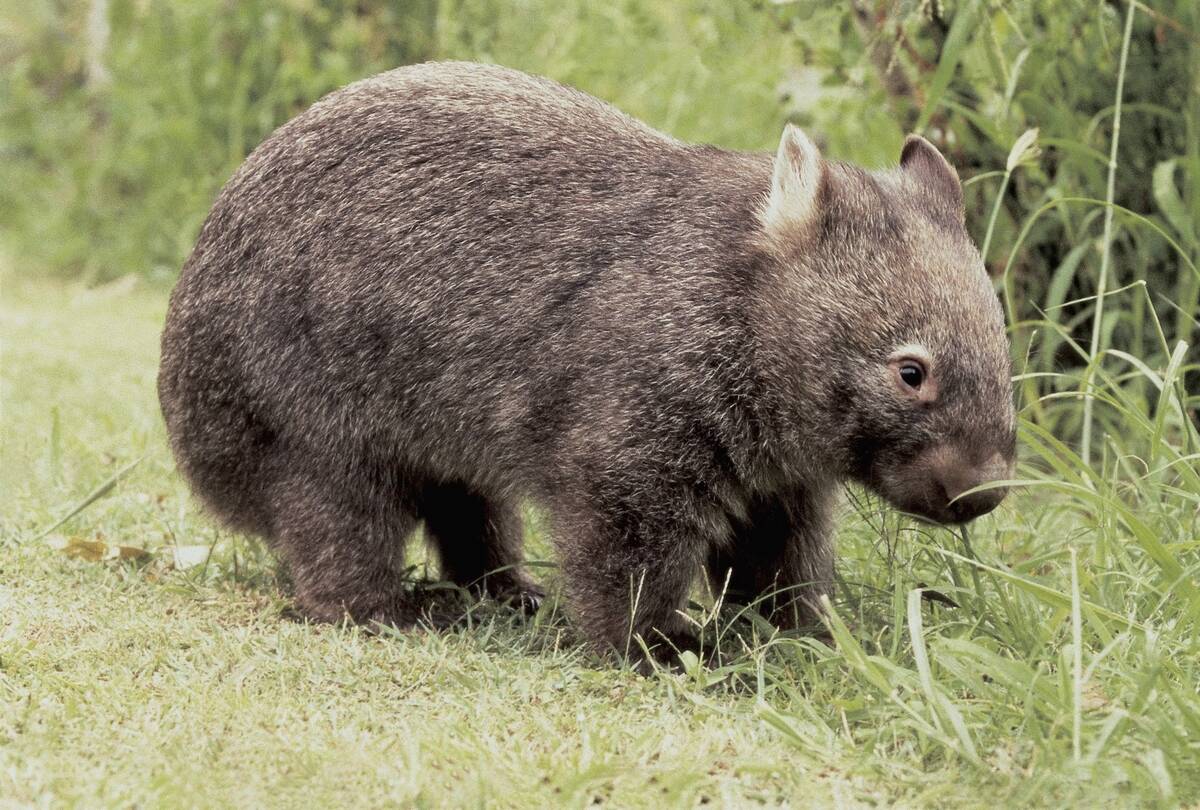
Wombats, native to Australia, have a peculiar characteristic: their poop is cube-shaped. This unusual shape helps prevent the feces from rolling away, marking their territory more effectively. The cube shape is achieved through the varied elasticity of the wombat’s intestines during the digestion process. It’s an odd yet functional adaptation that highlights the surprising diversity of animal biology.
Octopuses Have Three Hearts
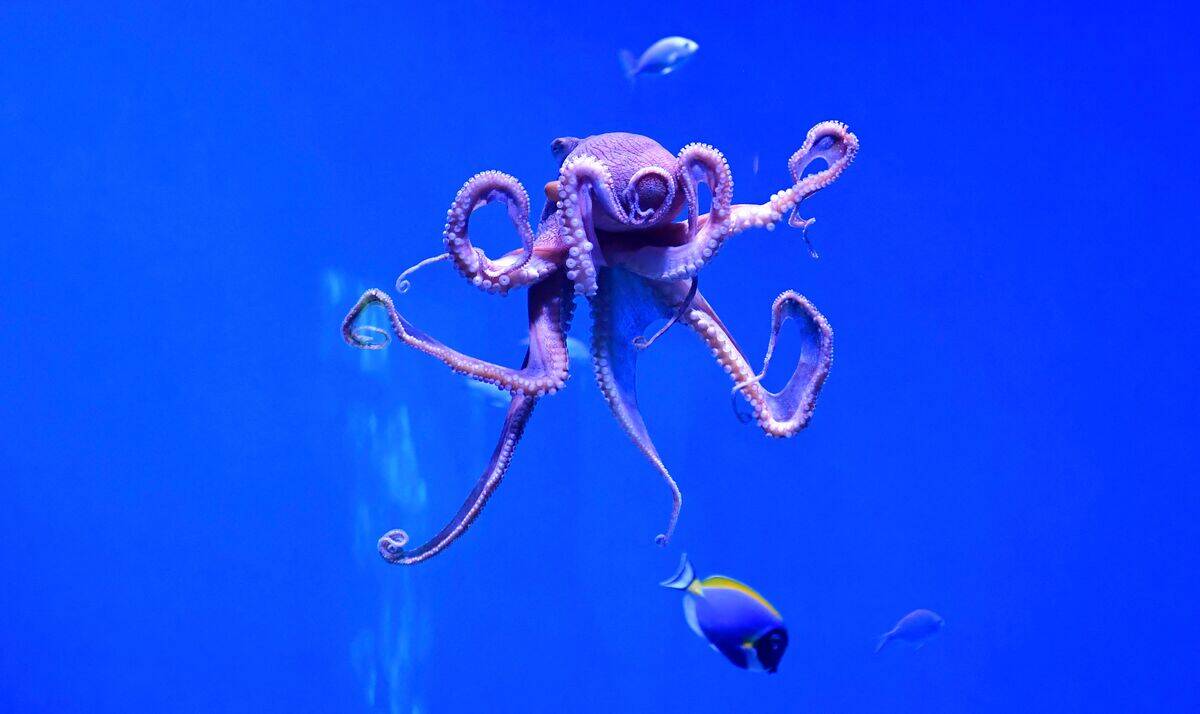
Octopuses are remarkable creatures with not one, but three hearts. Two of these hearts pump blood to the gills, while the third circulates it to the rest of the body. This unique circulatory system is essential for their active lifestyle and ability to navigate the ocean depths. The octopus’s three-heart anatomy is just one of the many extraordinary features that make them masters of the sea.
Cows Have Best Friends
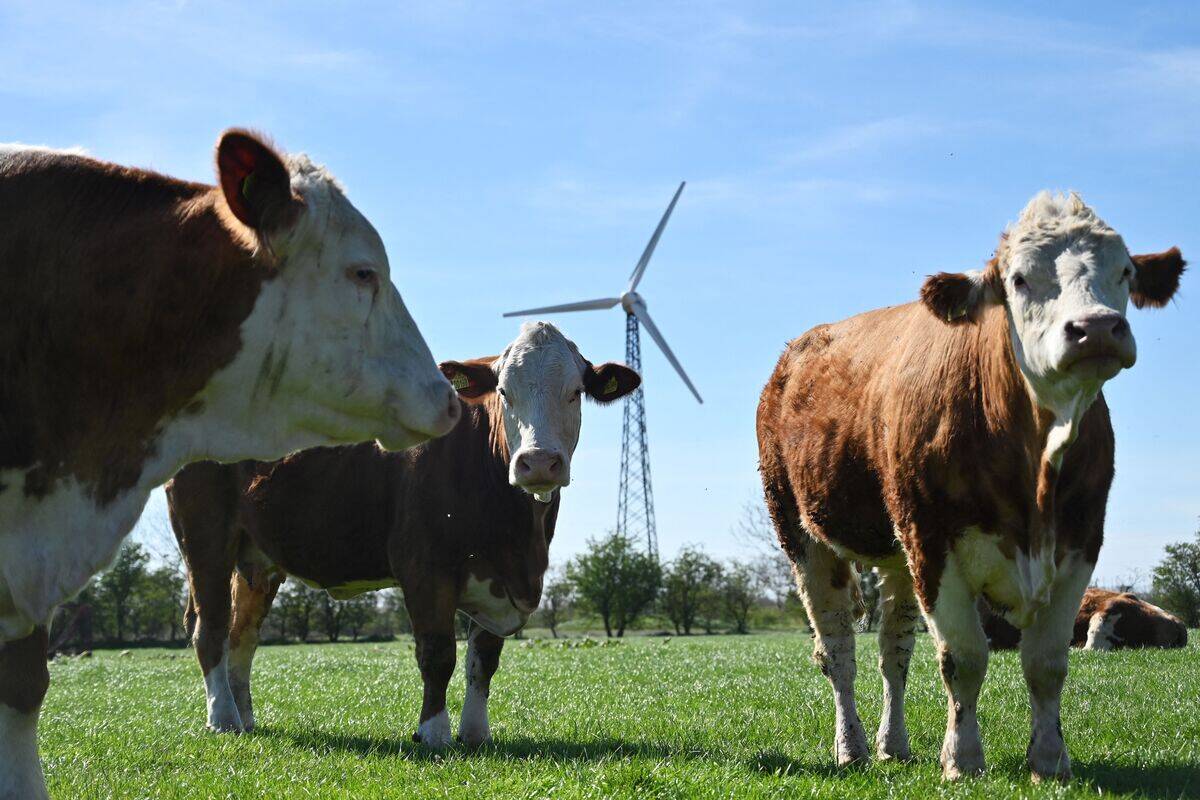
Cows aren’t just social creatures; they actually form close bonds with specific individuals, often referred to as their “best friends.” Research has shown that cows experience lower stress levels when they are with their preferred companions. This delightful fact sheds light on the emotional complexity of these gentle creatures and reminds us of the importance of social connections in the animal kingdom.
Humans Share 50% of DNA with Bananas
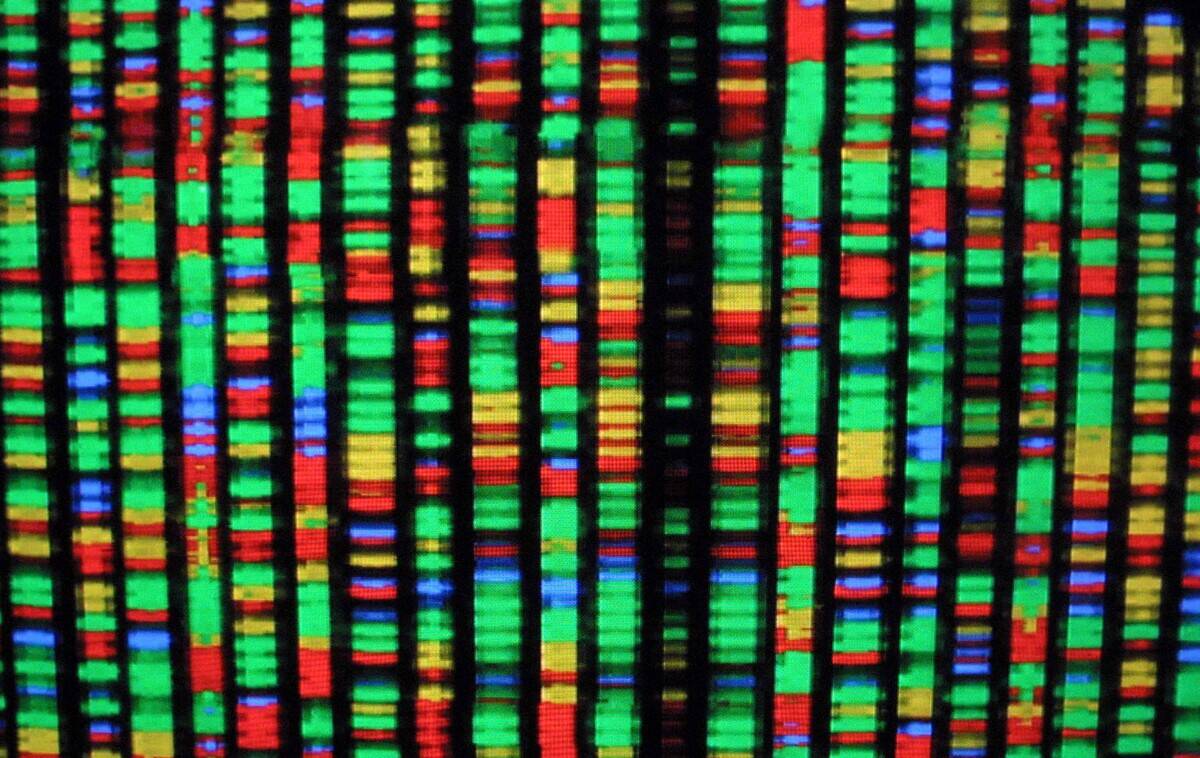
It’s a bizarre but true fact that humans share about 50% of their DNA with bananas. While this might sound like we’re more similar to fruit than we’d like to admit, it highlights the common genetic building blocks shared by all living organisms. This genetic similarity is a fascinating insight into the interconnectedness of life on Earth, reminding us of our shared evolutionary history.
The Human Nose Can Detect Trillions of Scents

The human nose is a marvel of nature, capable of detecting an estimated trillion different scents. This incredible sensory capability is due to the vast number of olfactory receptors in our noses, which enable us to distinguish a wide array of odors. Our sense of smell plays a crucial role in everyday life, from savoring delicious meals to detecting potential dangers in our environment.
The Moon is Moving Away from Earth

Did you know that the moon is slowly drifting away from us? It’s true! The moon is moving approximately 1.5 inches away from the Earth each year. This is due to the gravitational interactions between the Earth and the moon, which create tidal forces that are gradually pushing the moon farther into space. While this might not seem like much, over millions of years, it can have significant effects on our planet’s rotation and the length of our days.