Why your sense of time changes depending on your emotions

Time perception is a fascinating subject, intricately linked with our emotions. Have you ever felt that time flies by when you’re having a blast or drags on during a dull lecture?
This curious relationship between time and emotion affects us all. Understanding how emotions influence our perception of time can shed light on why we experience life at different speeds. It’s a journey into how our minds and feelings shape the ticking clock.
The Science of Time Perception: A Quick Overview
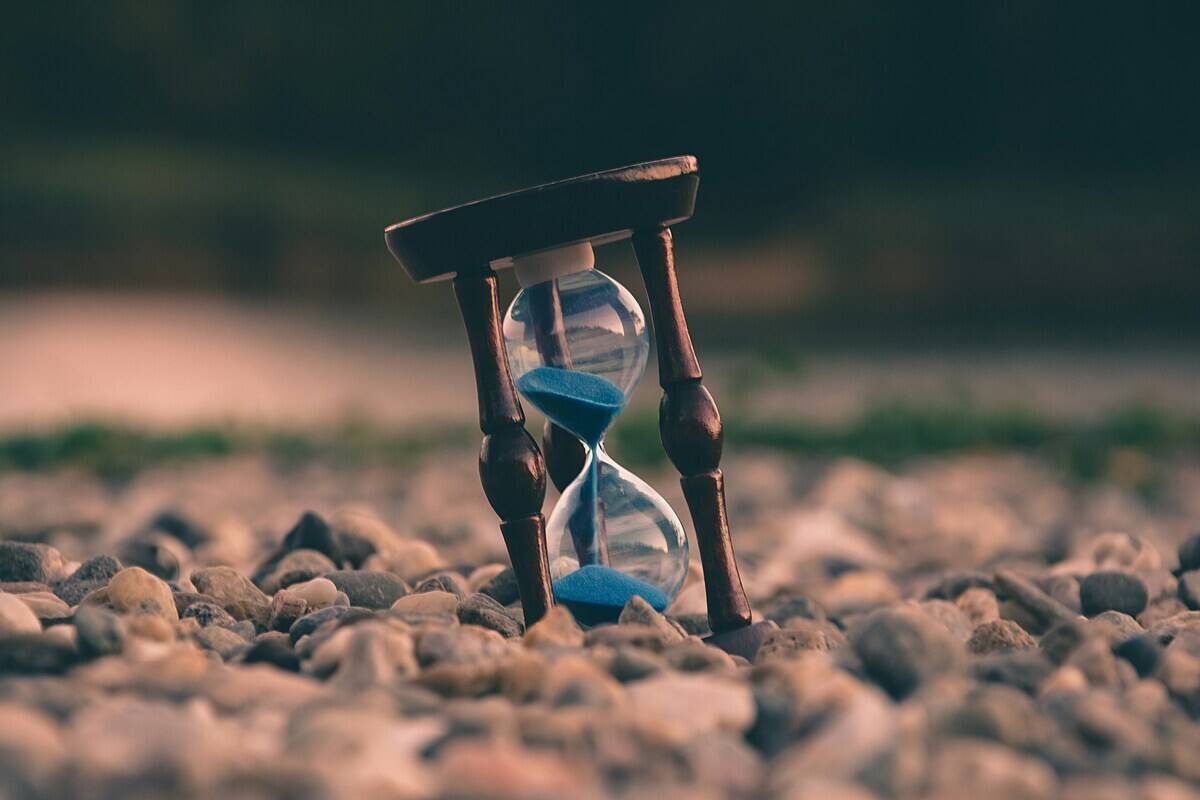
The science behind time perception involves complex neural mechanisms. Our brain’s internal clock, governed by the suprachiasmatic nucleus, helps regulate the sense of time. Neurotransmitters like dopamine play a crucial role in how we perceive time, influencing our sense of its passage.
Researchers use innovative experiments with visual and auditory stimuli to explore these processes, revealing that time perception can vary greatly depending on our mental state and surroundings.
Emotional States: How They Influence Our Experience of Time

Emotions shape our time perception in profound ways. When we’re joyful, time seems to sprint ahead, leaving us wishing for more hours in the day. Conversely, sadness can slow time to a crawl, making moments feel heavy and prolonged.
Each emotional state alters our perception, showing that our internal emotional landscape directly influences how we experience the ticking of the clock.
Why Time Flies When You’re Having Fun

The old adage ‘time flies when you’re having fun’ holds scientific truth. Enjoyment causes our brain to release dopamine, which speeds up our internal clock, making time appear to pass more quickly.
Engaging activities that capture our attention and immerse us in the moment contribute to this effect. Researchers suggest that being in a state of ‘flow,’ where the challenge perfectly matches our skills, heightens this sensation of fleeting time.
The Slow Motion Effect: Sadness and Extended Time Perception

Ever notice how sadness makes everything feel like it’s moving in slow motion? This phenomenon occurs because negative emotions can dampen the release of dopamine, which slows down our perception of time.
As we become more introspective and less focused on external stimuli, moments seem to stretch endlessly. This extended perception allows us to process emotions deeply, but it can also make the world feel sluggish and unchanging.
Anxiety and Time: When Every Second Feels Like an Eternity

Anxiety can distort time perception, making each second feel like an eternity. When we’re anxious, our heightened state of alertness causes us to overestimate the passage of time.
The brain’s amygdala, responsible for processing fear, plays a role in this distortion. As we focus intensely on our worries, time appears to drag, highlighting how stress can stretch our perception of its passage.
The Role of Stress in Distorting Time Perception

Stress can significantly warp our sense of time, causing minutes to feel like hours. Cortisol, the stress hormone, influences the brain’s timekeeping mechanisms, leading to a distorted experience of time.
Under stress, the mind becomes hyper-vigilant, focusing intensely on the present moment, which can make time seem to expand. This distortion can contribute to feelings of overwhelm and fatigue, as the weight of time bears down heavily.
Love and Time: Why Moments with Loved Ones Seem Fleeting

Time seems to fly when we’re with loved ones because positive emotions speed up our perception of time. The joy and affection we feel release dopamine, which accelerates our internal clock.
These cherished moments seem fleeting as we’re so engrossed in the interaction that we lose track of time. This phenomenon underscores the importance of savoring time with those we care about, as these moments are precious and ephemeral.
Fear Factor: The Brain’s Response to Threat and Time Dilation

Fear can cause a time dilation effect, where moments stretch out as the brain processes potential threats. During fear responses, the amygdala activates, enhancing our awareness and slowing down time perception.
This heightened state allows us to react more effectively to danger, an evolutionary mechanism for survival. By making time seem to expand, our brain ensures we have ample opportunity to assess and respond to threats.
Boredom: The Master of Making Time Crawl

Boredom is notorious for making time drag, as unengaging tasks fail to stimulate the brain’s reward centers. Without sufficient dopamine release, our perception of time slows, making minutes feel like hours.
This sluggish experience can lead to restlessness and frustration, emphasizing the importance of finding activities that hold our interest. In today’s fast-paced world, boredom is a reminder of the need for meaningful engagement and mental stimulation.
Excitement and Anticipation: Fast-Forwarding Through Life’s Highs

Excitement and anticipation can fast-forward our experience of time, propelling us through life’s highs. These emotions increase dopamine levels, which accelerates our perception of time.
When we’re eagerly awaiting an event or caught up in thrilling activities, time seems to fly by. This sensation can leave us yearning for more, highlighting the fleeting nature of exhilarating moments and encouraging us to fully embrace them when they occur.
The Influence of Nostalgia on Time Perception

Nostalgia can warp time perception by transporting us back to cherished memories. This sentimental longing triggers emotional responses that can make past moments feel vivid and present.
As we reminisce, time seems to blur, blending past and present into a seamless experience. Nostalgia’s power lies in its ability to evoke strong emotions, allowing us to relive moments that feel both distant and immediate, reminding us of the passage of time.
Cultural Differences in Emotional Time Perception

Cultural backgrounds can shape how we perceive time emotionally, with different societies emphasizing various aspects of time experience. For example, cultures with a focus on future planning may perceive time as a linear, fast-moving entity.
In contrast, cultures that value present-moment awareness might experience a more relaxed, cyclical sense of time. These cultural influences highlight the diverse ways emotions and societal norms intertwine to shape our time perception.
The Biological Basis: Brain Chemistry and Time Perception
Our brain chemistry plays a fundamental role in time perception, with neurotransmitters like dopamine and serotonin influencing our sense of time’s passage. Dopamine, linked to reward and motivation, speeds up time perception during enjoyable activities.
Serotonin, associated with mood regulation, can slow down time during periods of calmness and reflection. The interplay of these chemicals in the brain underscores the biological basis of how we experience time.
Mindfulness and Time: Living in the Present Moment

Practicing mindfulness can alter time perception by grounding us in the present moment. By focusing on the here and now, we become more aware of each passing second, which can either elongate or compress time.
Mindfulness encourages a balanced time perception, allowing us to savor experiences without getting lost in past regrets or future anxieties. This practice highlights the power of conscious awareness in shaping our experience of time.
The Impact of Modern Technology on Emotional Time Perception

Modern technology has a profound impact on our emotional time perception, often making it feel more fragmented. Digital distractions and constant connectivity can speed up our sense of time, as we juggle multiple tasks and stimuli.
Conversely, endless scrolling on social media can create a time warp, with hours slipping away unnoticed. Technology’s influence on time perception emphasizes the need for mindful management of our digital lives to maintain a healthy sense of time.
Can We Train Our Brains to Perceive Time Differently?
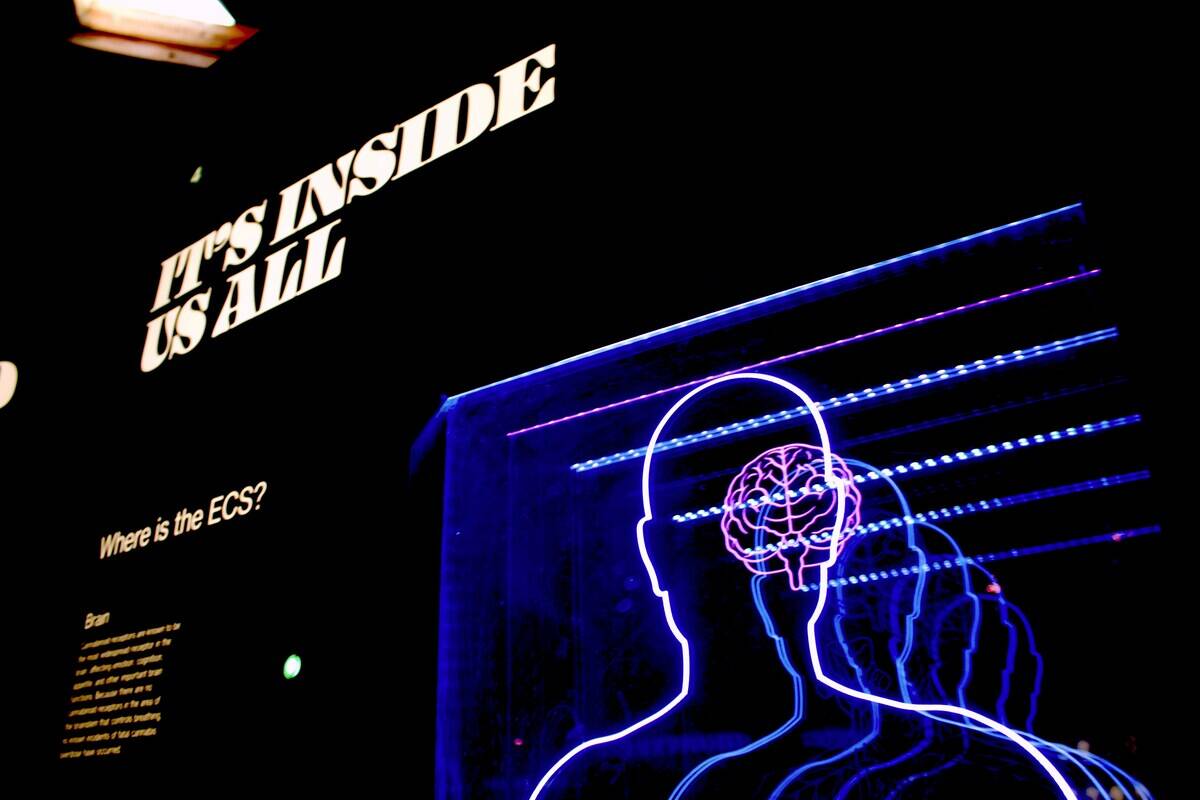
Training our brains to perceive time differently is an intriguing possibility. Techniques like mindfulness meditation and cognitive behavioral strategies can help shift our time perception. By cultivating awareness and altering thought patterns, we can enhance our focus on the present moment, potentially slowing down the experience of time.
This mental training suggests that while our perception of time is fluid, we have the power to influence it through intentional practices.
The Psychological Benefits of Understanding Time and Emotion
Understanding the interplay between time and emotion offers psychological benefits, such as improved mental well-being and stress management. By recognizing how emotions influence time perception, we can gain insights into our emotional states and make informed choices about how we spend our time.
This awareness can lead to greater life satisfaction, as we learn to appreciate the present and manage our emotional responses to time-related stressors.
Real-Life Applications: Using Emotion to Manage Time Perception

Harnessing emotions to manage time perception can transform our daily experiences. By engaging in activities that bring joy and fulfillment, we can make time feel more expansive and meaningful.
Conversely, recognizing when negative emotions are distorting time can help us address underlying issues and restore balance. This practical application of emotional awareness empowers us to create a more intentional relationship with time, enhancing both productivity and personal satisfaction.