Surprising facts about how little we know about life in the ocean

The ocean is a vast, mysterious realm that covers over 70% of our planet. Yet, we’ve only explored a mere fraction of its depths. It’s a world filled with wonder, offering glimpses of both beauty and enigma. From the sunlit surface to the pitch-black abyss, the ocean is a frontier that beckons explorers and scientists alike. So, grab your snorkels and flippers as we dive into the mysteries of the deep blue!
The Vastness of the Ocean: More Than Just a Pretty View

When gazing out over the ocean, it can be hard to comprehend its sheer size. The Pacific Ocean alone is larger than all of Earth’s landmasses combined. Beneath its waves lies a hidden world of mountain ranges, valleys, and trenches. Despite its beauty, the ocean is still largely uncharted and full of surprises. It harbors secrets that continue to challenge our understanding and inspire a sense of wonder.
Uncharted Waters: The Ocean’s Unexplored Depths
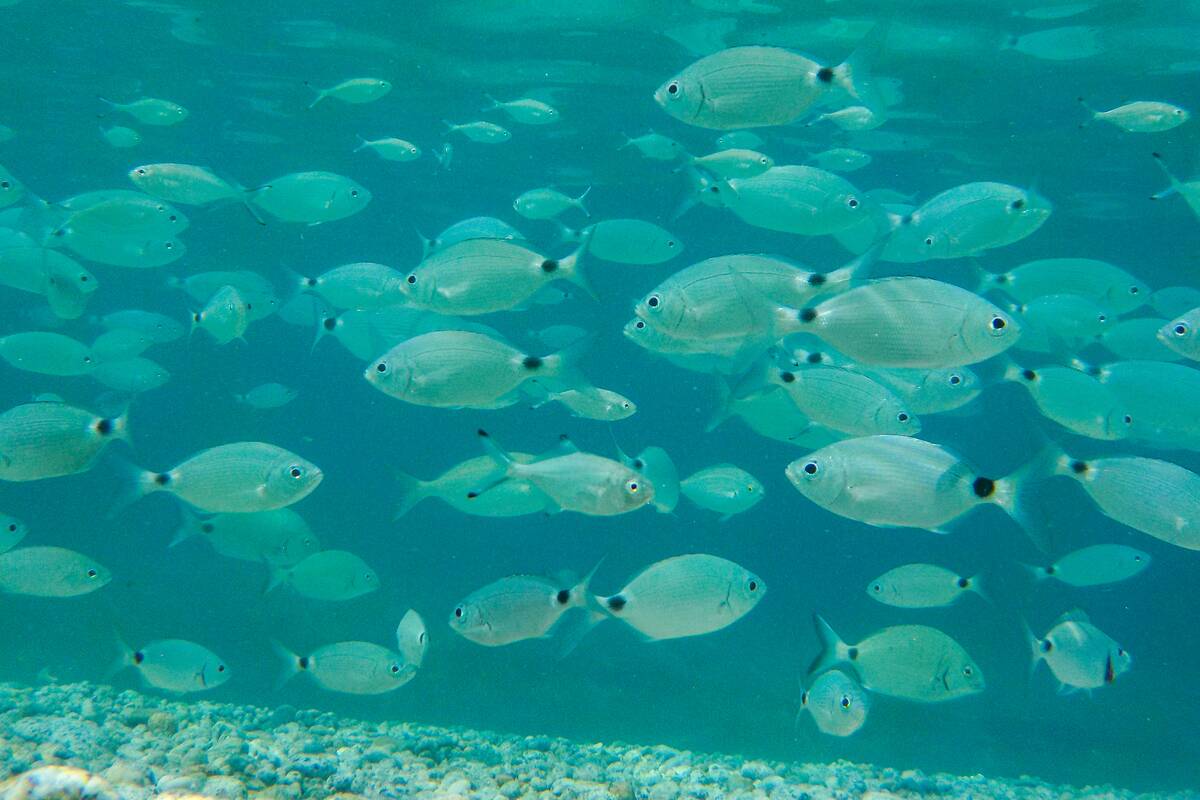
With over 80% of the ocean still unexplored, it’s a final frontier on our own planet. The Mariana Trench, for example, plunges deeper than Mount Everest is tall. This unexplored realm holds potential for countless new discoveries, including unknown species and geological formations. Each expedition into these depths is like opening a new chapter of an ancient and mysterious book.
Meet the Neighbors: Unknown Marine Species
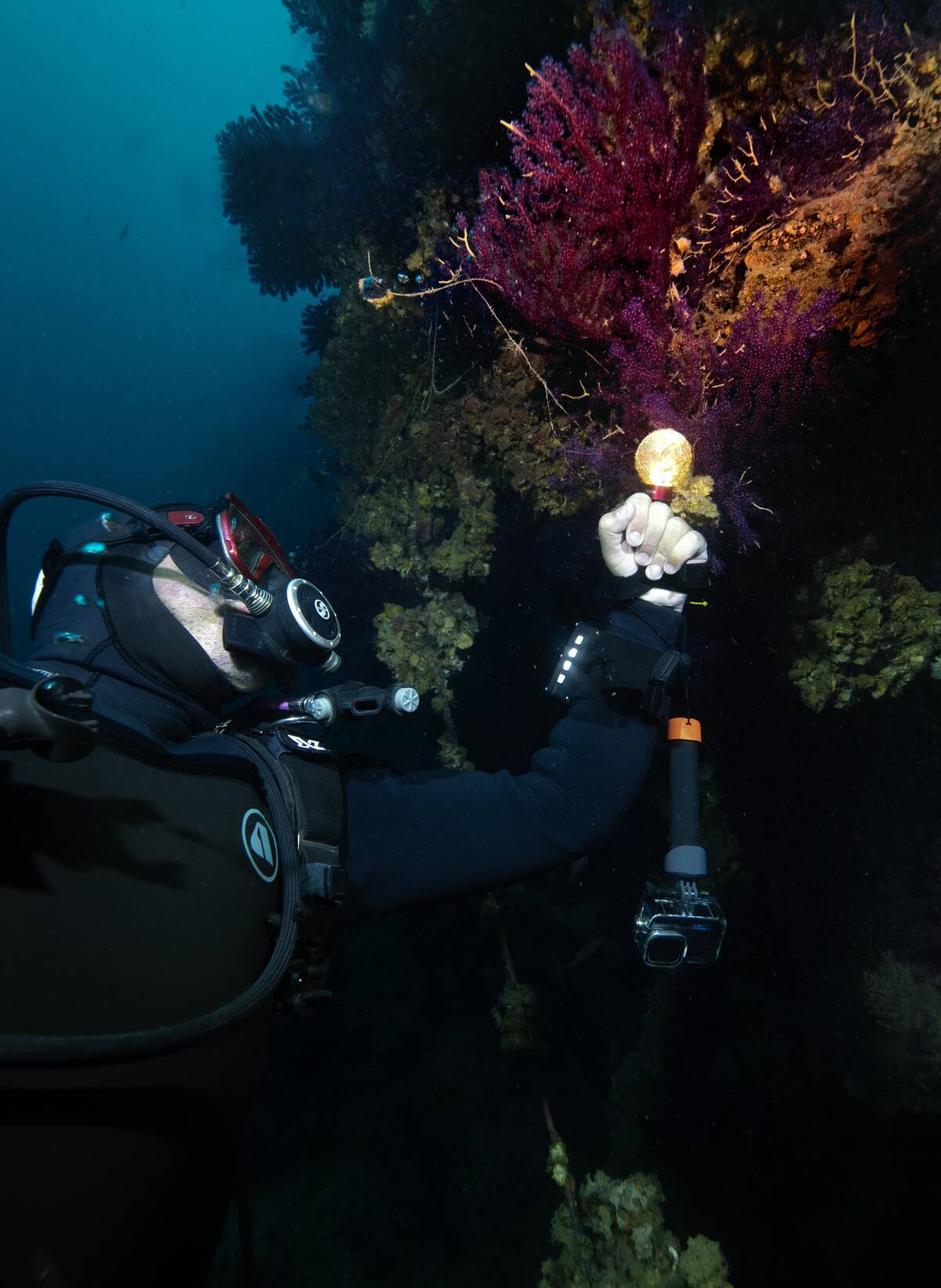
The ocean is teeming with life, much of which remains a mystery to us. Scientists estimate that there are potentially millions of undiscovered marine species. Each year, new species are identified, like the adorable dumbo octopus and the ghostly phantom jellyfish. These discoveries not only expand our understanding but also remind us of the ocean’s incredible biodiversity.
The Twilight Zone: Life in the Ocean’s Mid-Layers
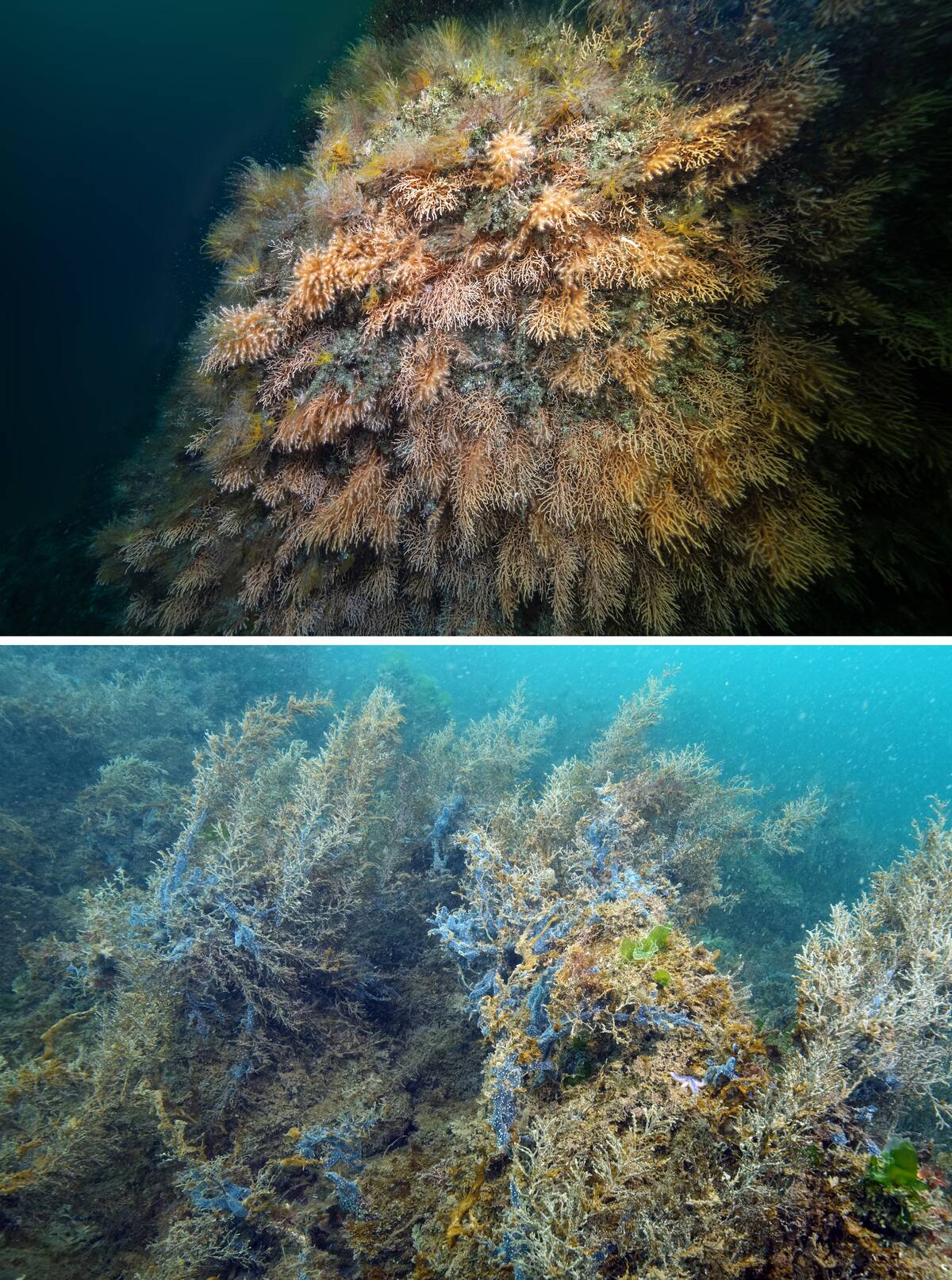
The ocean’s twilight zone, lying between 200 and 1,000 meters deep, is a region of dim light and mysterious inhabitants. It’s home to creatures like the lanternfish, which use bioluminescence to navigate and communicate. Despite the challenging conditions, this zone supports a unique ecosystem that plays a crucial role in the ocean’s health by supporting larger predators and contributing to carbon cycling.
Deep Sea Giants: The Great Unknowns of Oceanic Life
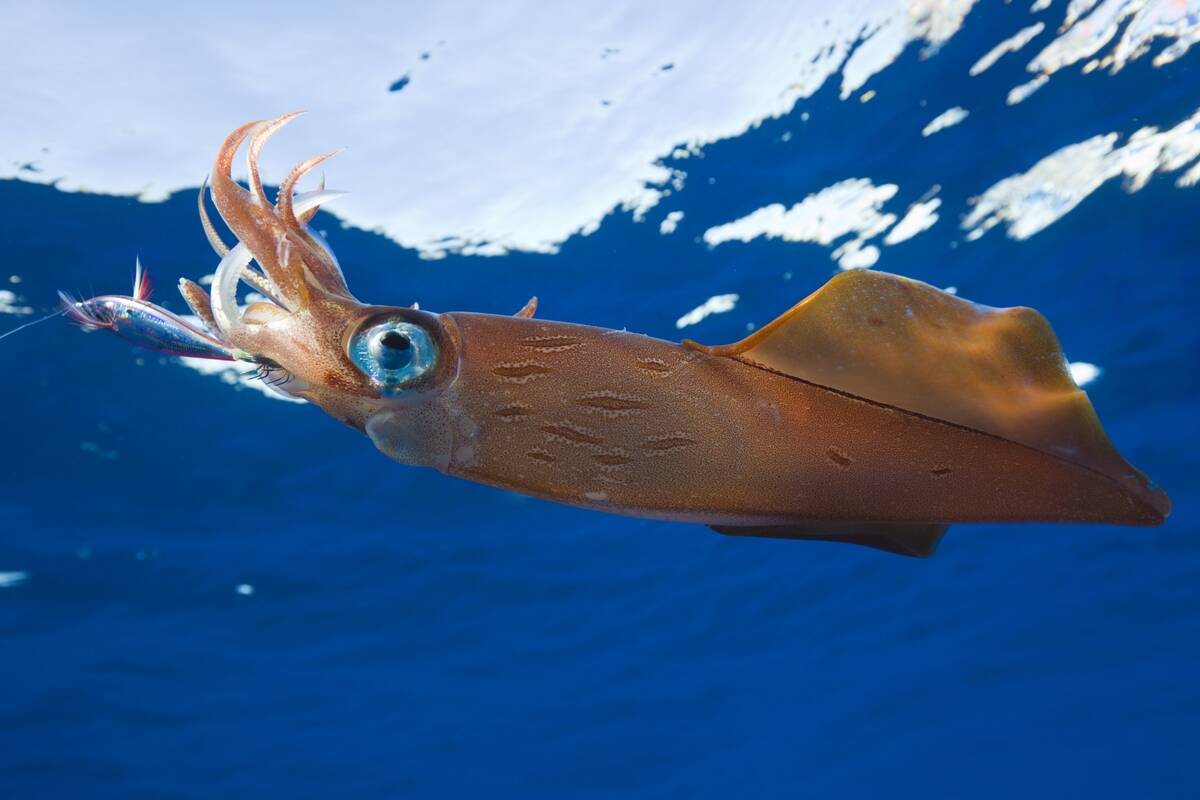
In the murky depths of the ocean, colossal creatures like the sperm whale and the elusive giant squid roam. The giant squid can grow up to 43 feet long, making it one of the largest invertebrates on Earth. These giants are both terrifying and fascinating, offering a glimpse into the extreme adaptations required to thrive in the deep sea’s dark and pressure-laden environment.
Strange Adaptations: How Marine Life Thrives in Darkness
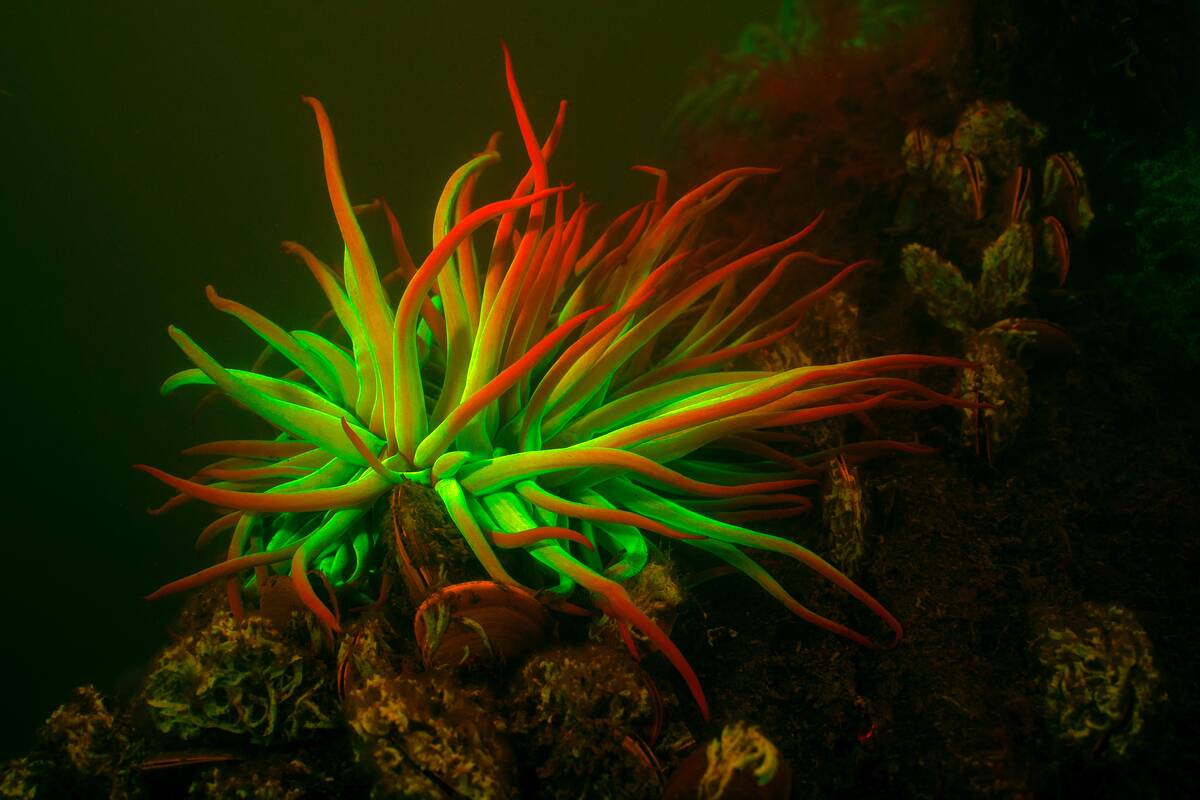
Marine life in the deep ocean has evolved some remarkable adaptations to survive in darkness. Bioluminescence is a common trait, allowing creatures like the anglerfish to lure prey with a glowing lure. Other species, like the barreleye fish, have developed transparent heads to improve their vision. These adaptations highlight the incredible resilience and ingenuity of life in some of the planet’s most inhospitable environments.
Oceanic Aliens: Creatures That Seem Out of This World
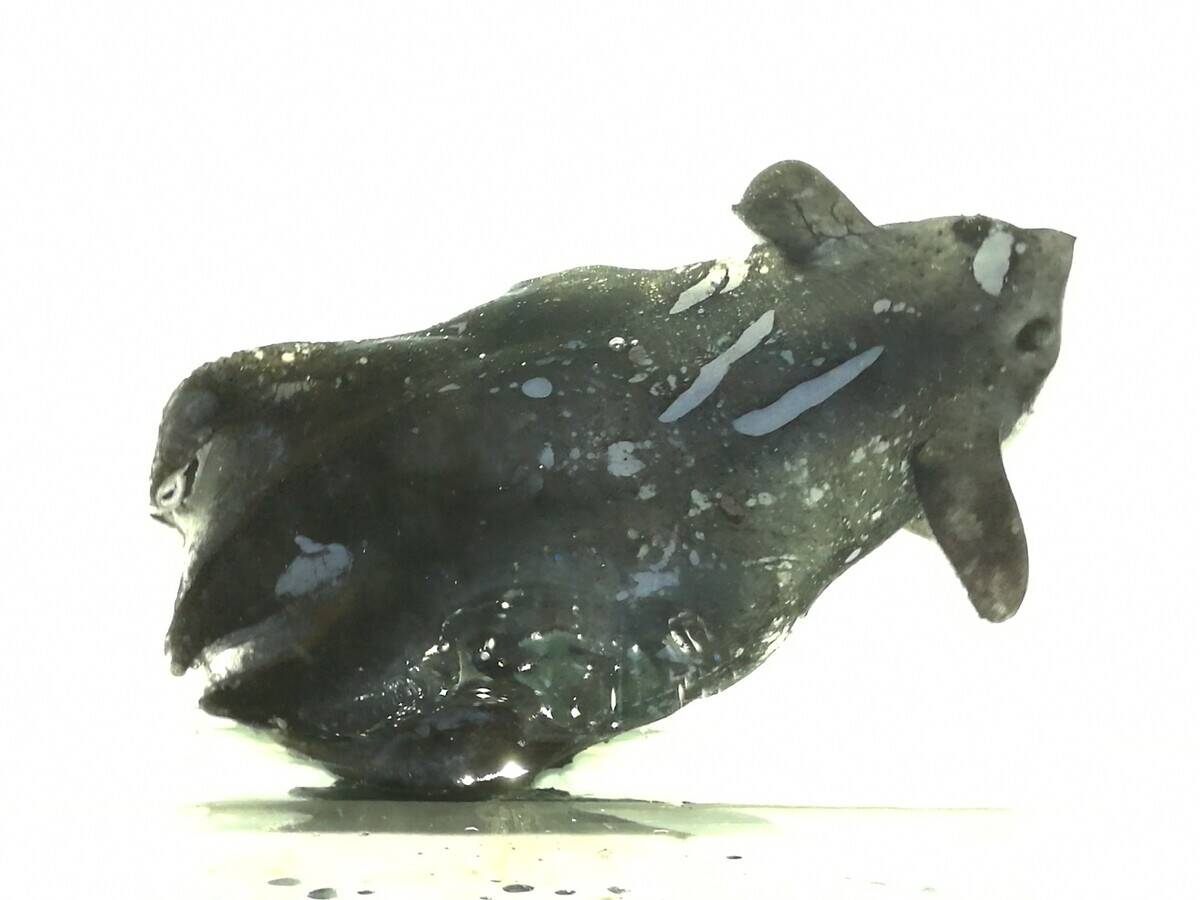
Some ocean creatures are so bizarre they seem like they belong in a science fiction movie. The vampire squid, with its cloak-like webbing, is a prime example. Another peculiar resident is the mimic octopus, known for its ability to imitate the appearance and behavior of other marine animals. These fascinating adaptations not only captivate our imagination but also underscore the ocean’s boundless creativity.
The Hidden World of Coral Reefs: More Than Just Clownfish
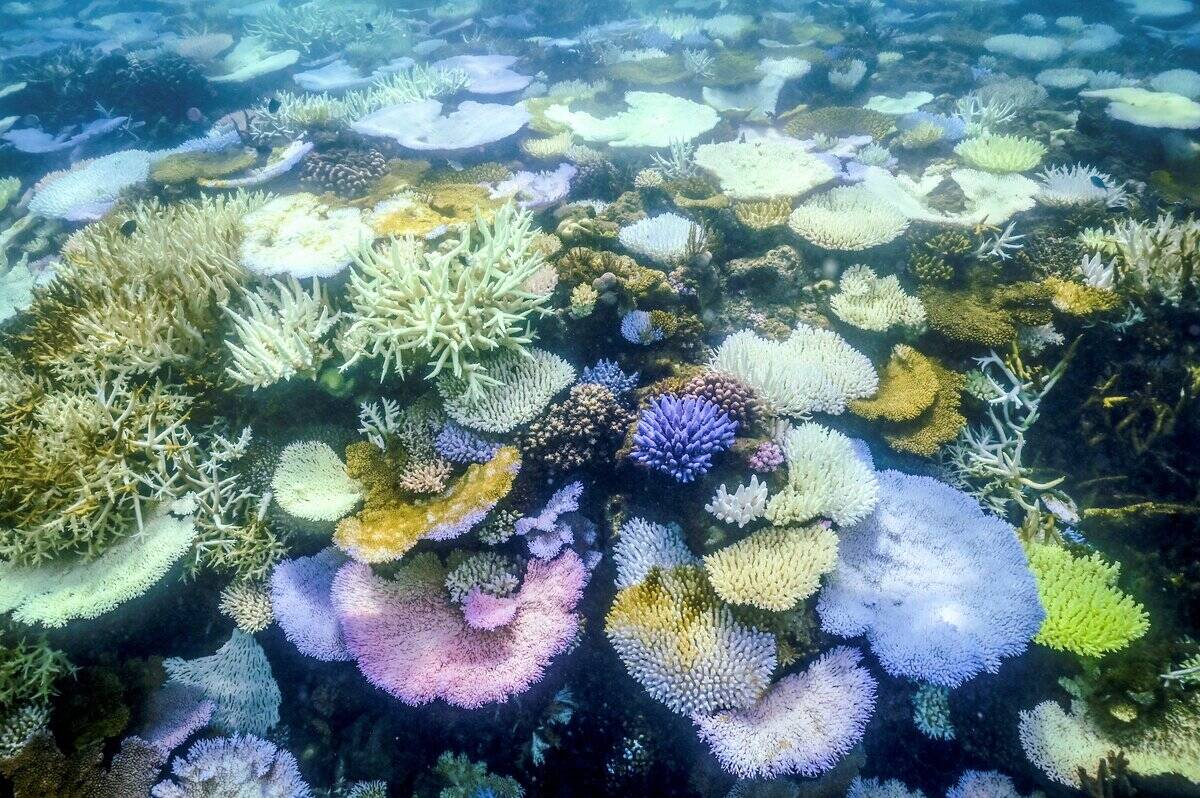
Coral reefs are vibrant underwater cities bustling with life, far beyond the iconic clownfish and anemones. These ecosystems support an estimated 25% of all marine species, despite covering less than 1% of the ocean floor. Coral reefs provide crucial services like coastal protection and habitat for fish. Yet, they face significant threats from climate change and human activities, making conservation efforts all the more important.
Soundless Symphony: Communication in the Ocean
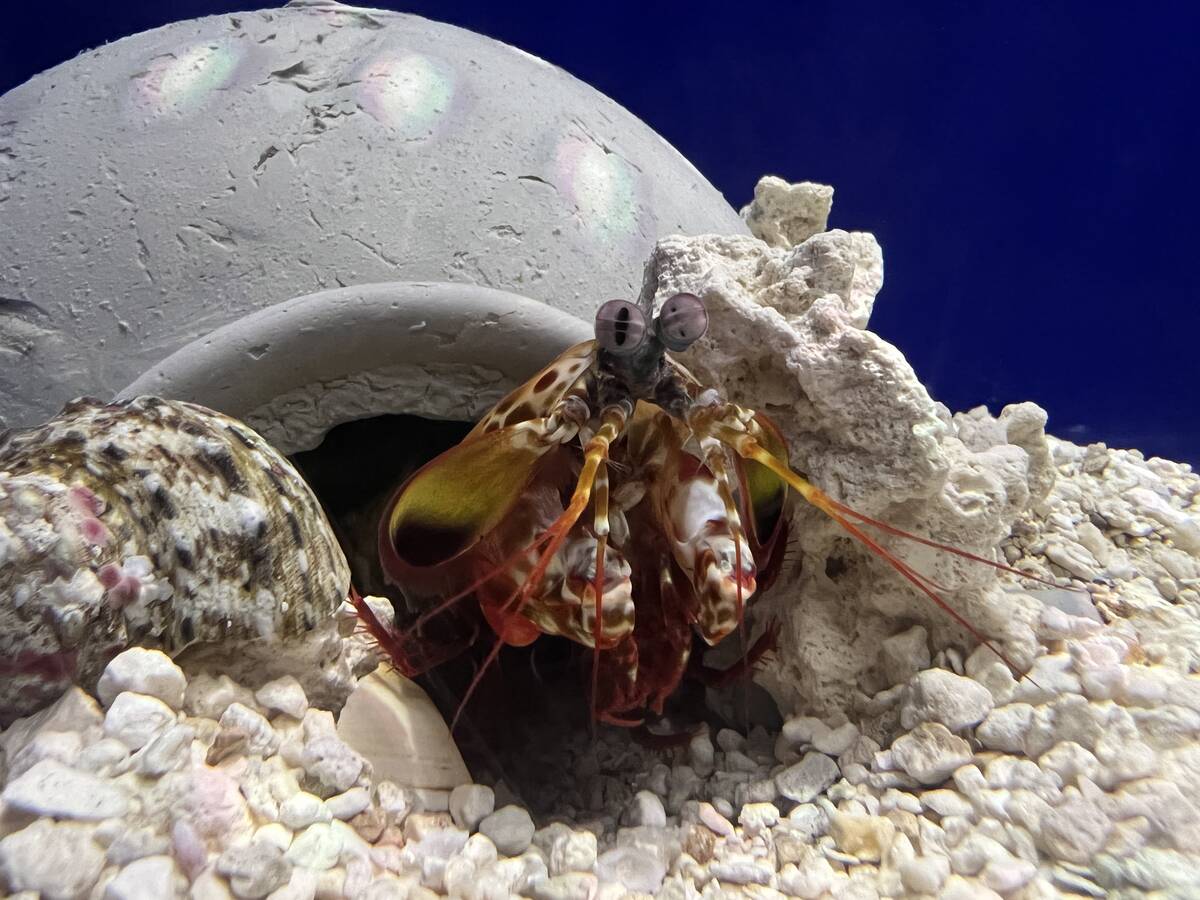
Beneath the waves, marine life relies on a symphony of sounds for communication. Whales sing complex songs that can travel miles, while dolphins use clicks and whistles to navigate and hunt. Even shrimp contribute to this underwater orchestra with their snapping claws. This communication network is vital for survival, showcasing the incredible ways marine life has adapted to the challenges of living in an aquatic environment.
The Elusive Giant Squid: Fact or Fiction?
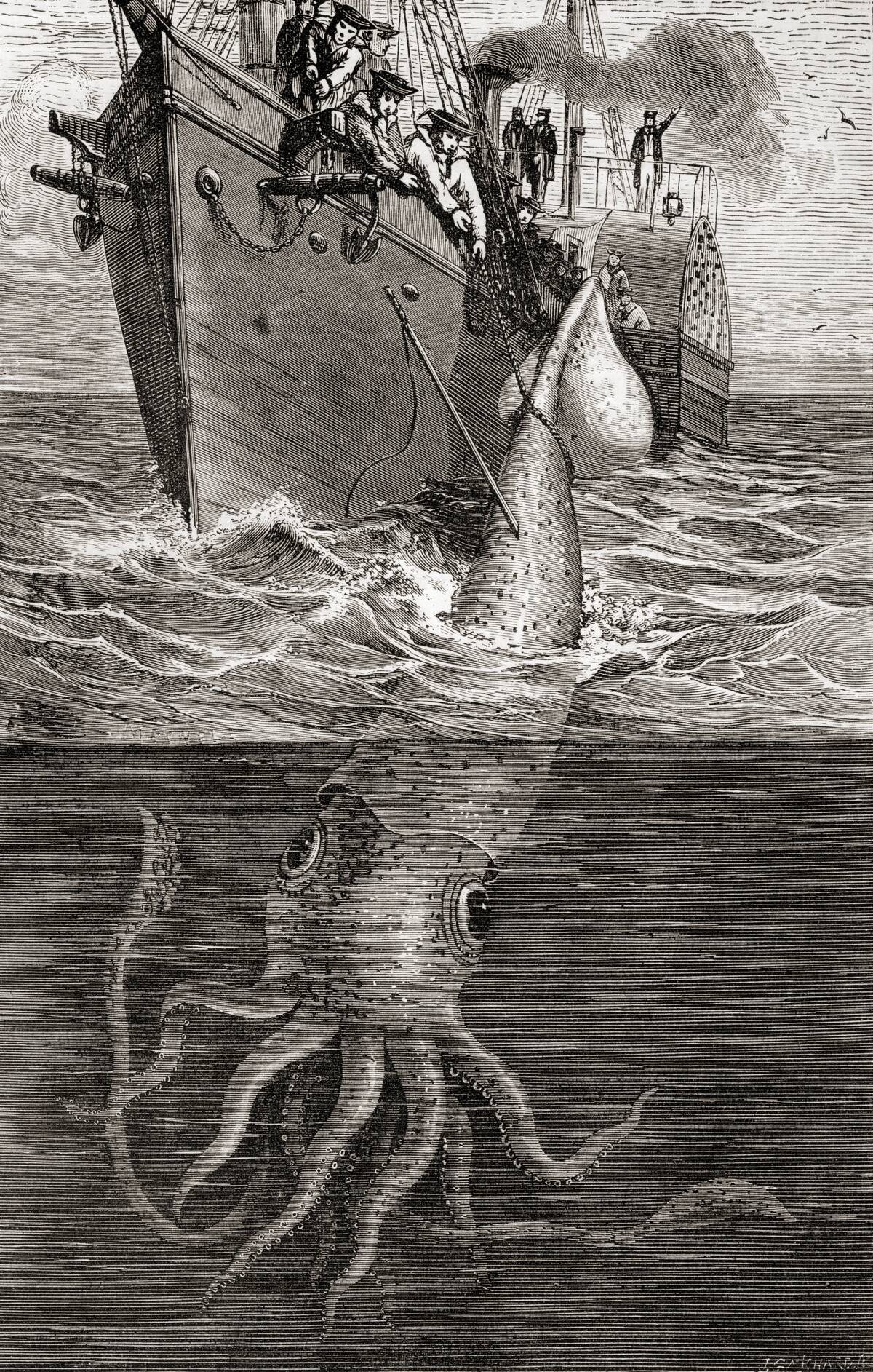
For centuries, the giant squid was the stuff of legend, fueling tales of sea monsters. However, scientific evidence has confirmed their existence, with the first live footage captured in 2004. These mysterious giants dwell in the deep ocean and remain elusive due to their remote habitat. The giant squid’s anatomy and behavior continue to intrigue researchers, adding an air of mystery to the vast oceanic tapestry.
Ocean Myths and Legends: Separating Truth from Tall Tales

The ocean has inspired countless myths and legends, from mermaids to the Kraken. While many are rooted in ancient lore, some have grains of truth. For instance, the Kraken legend likely originated from sightings of giant squids. These stories reflect humanity’s fascination with the sea and its inhabitants, highlighting the blend of fact and fiction that has shaped our understanding of the ocean.
Technology to the Rescue: New Tools to Explore Ocean Life
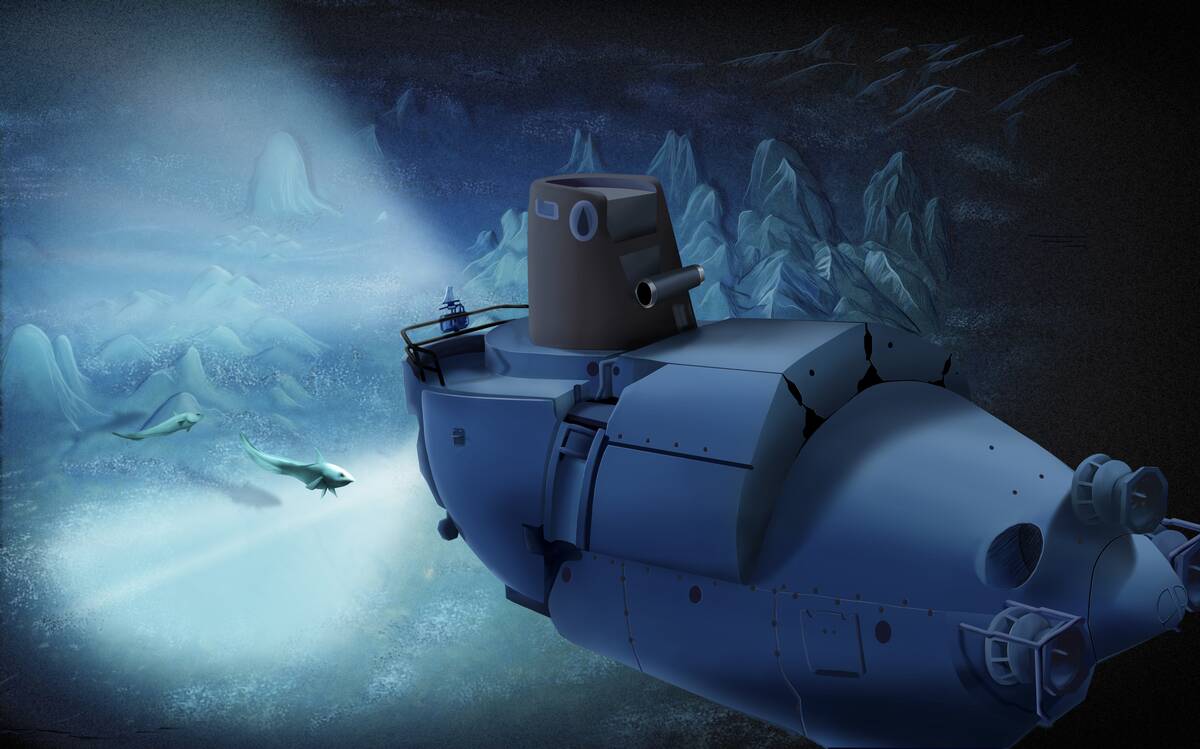
Advancements in technology are revolutionizing ocean exploration. Remotely operated vehicles (ROVs) and autonomous underwater vehicles (AUVs) allow scientists to study previously inaccessible depths. These tools have led to groundbreaking discoveries, such as hydrothermal vents and new marine species. As technology continues to evolve, it promises to unlock even more of the ocean’s secrets, paving the way for future exploration and understanding.
The Role of Ocean Currents: Highways of the Sea
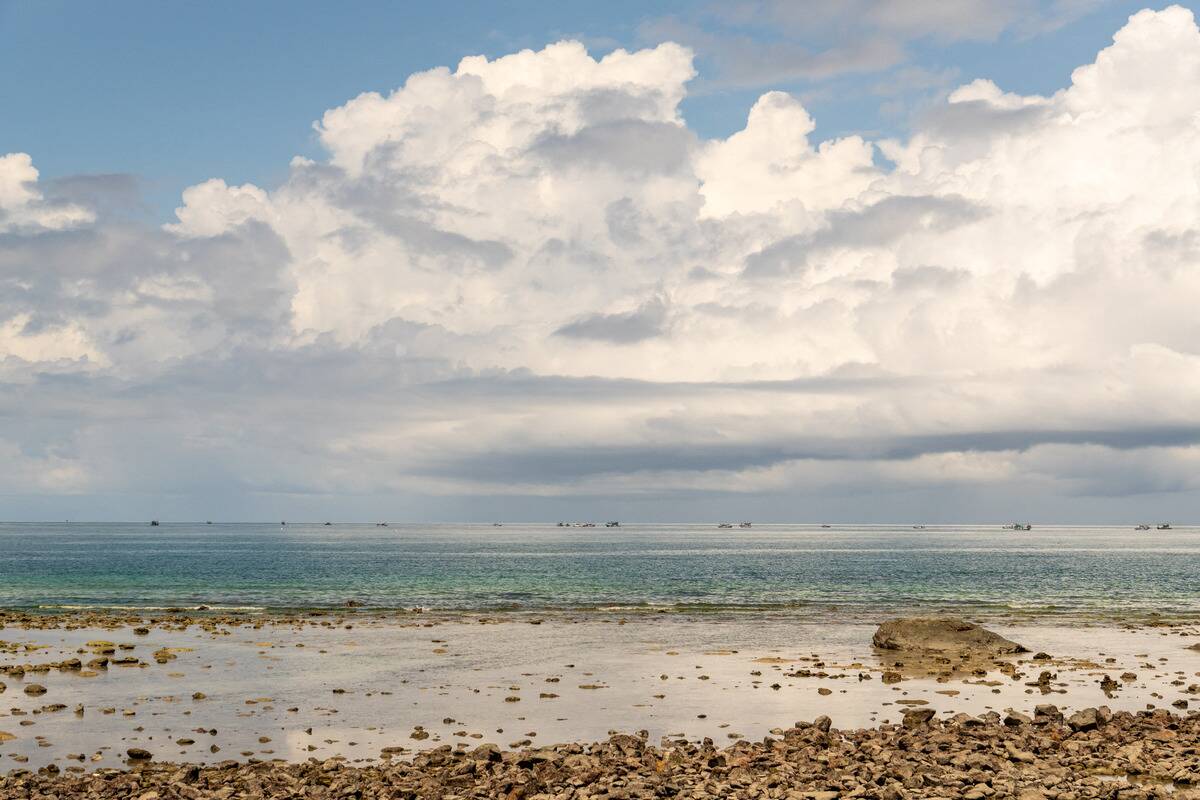
Ocean currents are the unseen highways of the sea, transporting heat, nutrients, and marine life across vast distances. The Gulf Stream, for example, influences weather patterns and marine ecosystems along its path. These currents play a vital role in regulating Earth’s climate and supporting biodiversity. Understanding them is key to unraveling the complexities of ocean dynamics and their impact on global systems.
Ocean Conservation: Protecting What We Don’t Understand

Despite our limited understanding, ocean conservation is crucial for preserving marine ecosystems. Overfishing, pollution, and climate change pose significant threats to ocean health. Efforts such as marine protected areas and sustainable fishing practices aim to mitigate these impacts. Protecting the ocean ensures the survival of countless species and maintains the ecological balance that supports life on Earth.
Surprising Discoveries: Recent Breakthroughs in Marine Biology
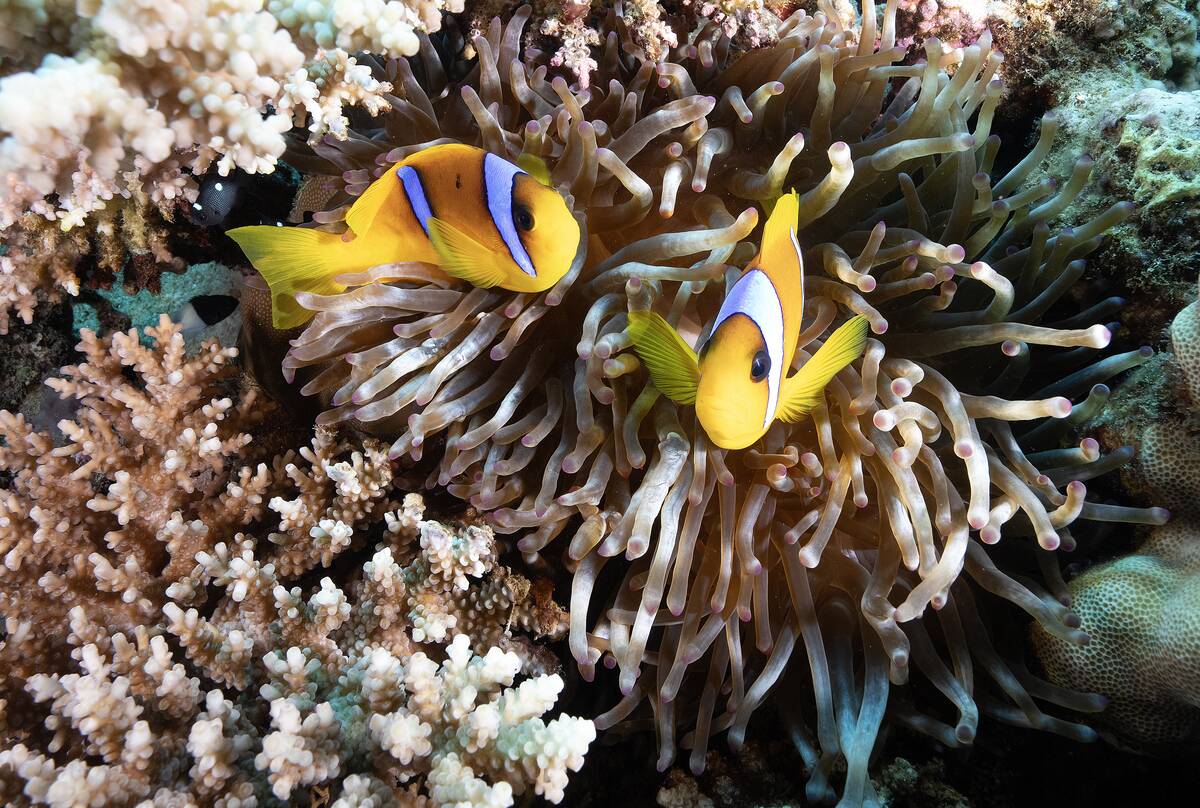
Recent breakthroughs in marine biology have shed light on the ocean’s mysteries. Scientists have discovered species like the ruby seadragon and the yeti crab, expanding our knowledge of marine biodiversity. Research on coral bleaching and deep-sea ecosystems has revealed insights into environmental changes. These discoveries underscore the importance of continued exploration and research to better understand and protect our oceans.
The Future of Ocean Exploration: What Lies Ahead?

The future of ocean exploration holds exciting possibilities, driven by technological innovation and global collaboration. Projects like the Ocean Observatories Initiative aim to provide real-time data on ocean conditions. As we embrace these advancements, we inch closer to unraveling the ocean’s enigmatic depths. Our continued exploration promises not only to reveal more secrets but also to inspire a deeper connection with the planet’s most mysterious realm.