Why laughter is contagious and good for your health

Trending Now
Laughter is a universal phenomenon that transcends cultures and languages. It’s often said that laughter is contagious, and there’s truth to that notion. When we hear someone laugh, it can be hard not to join in, even if we don’t know the joke.
This infectious nature of laughter is one of its most charming qualities, making it a powerful tool for social connection and emotional healing.
The Science Behind Laughter: How It Spreads

The spread of laughter can be attributed to social and neurological factors. Studies have shown that laughter triggers the release of endorphins, which create feelings of happiness and relaxation.
When we laugh, our brain’s pleasure centers are activated, encouraging others around us to mimic this behavior. This phenomenon is part of what makes laughter such an effective social glue, bringing people together in shared joy.
The Role of Mirror Neurons in Sharing Giggles

Mirror neurons are thought to play a role in the contagious nature of laughter. These neurons fire both when we perform an action and when we see someone else perform it, which helps explain why seeing someone laugh can make us laugh too.
This mirroring effect is a key component in empathy and social learning, allowing us to experience emotions vicariously through others, reinforcing social bonds.
Why We Laugh More in Groups

Laughter is often more prevalent in group settings due to social facilitation. Being in a group can amplify emotions and behaviors, making laughter more likely. According to research, individuals are significantly more likely to laugh in social situations than when alone.
This group dynamic not only enhances the enjoyment of humor but also strengthens group cohesion and social ties.
The Evolutionary Purpose of Laughter

From an evolutionary perspective, laughter likely developed as a social bonding mechanism. It may have served as a non-verbal way to signal safety and cooperation among early humans.
Laughter can defuse tension, establish social hierarchies, and foster group unity, all of which would have been advantageous for survival. This evolutionary role highlights the importance of laughter in human interaction.
Laughter as a Universal Language

No matter where you are in the world, laughter is recognized and understood. It’s a universal language that bridges cultural divides, allowing people to connect despite language barriers.
This universality underscores the role of laughter as a fundamental aspect of human communication, emphasizing its importance in fostering global understanding and empathy.
How Laughter Builds Social Bonds

Laughter is a powerful tool for building and maintaining social bonds. When people laugh together, they share a moment of vulnerability and trust, strengthening their connection.
This shared experience can enhance feelings of inclusion and belonging, making laughter an essential component of healthy relationships. Research suggests that couples who share laughter tend to report greater relationship satisfaction.
The Psychological Benefits of Sharing a Laugh

Sharing a laugh has profound psychological benefits. It can reduce feelings of anxiety and depression by promoting the release of mood-enhancing chemicals like dopamine and serotonin.
Laughter also increases our pain threshold by triggering the release of endorphins, the body’s natural painkillers. These effects make laughter a valuable tool in managing mental health and improving overall well-being.
Stress Reduction Through Laughter

Laughter is an effective stress reliever. It reduces the level of stress hormones like cortisol and adrenaline while increasing the production of endorphins. This physiological shift can create a relaxed state, helping individuals cope better with stress.
Regular laughter can lead to long-term improvements in stress management, making it an essential part of a healthy lifestyle.
Boosting Immune Function with a Good Chuckle

A hearty laugh may enhance your immune system. Studies suggest that laughter can increase the production of antibodies and activate immune cells like T-cells and natural killer cells.
This boost in immune function might improve your body’s ability to fight infections and illnesses, highlighting the potential health benefits of incorporating more laughter into your daily routine.
Laughter and Its Impact on Heart Health

Laughter has a positive impact on heart health by improving blood flow and vascular function. It causes the inner lining of blood vessels to expand, increasing blood circulation and reducing the risk of cardiovascular diseases.
By lowering blood pressure and heart rate, laughter can contribute to a healthier heart, making it a fun and enjoyable way to maintain cardiovascular health.
The Role of Laughter in Pain Management

Laughter’s role in pain management is well-documented. It triggers the release of endorphins, which act as natural painkillers. This effect can reduce the perception of pain, making laughter an effective complementary therapy for chronic pain conditions.
Incorporating laughter into treatment plans can enhance patient outcomes and improve quality of life, offering a lighthearted approach to managing discomfort.
How Laughter Enhances Mood and Fights Depression

Laughter is a powerful mood enhancer, capable of counteracting the effects of depression. It stimulates the release of neurotransmitters like dopamine, which can improve mood and increase feelings of pleasure.
Engaging in laughter therapy or simply finding ways to laugh more in everyday life can provide a natural boost to mental health, offering a joyful antidote to depressive symptoms.
The Connection Between Laughter and Longevity
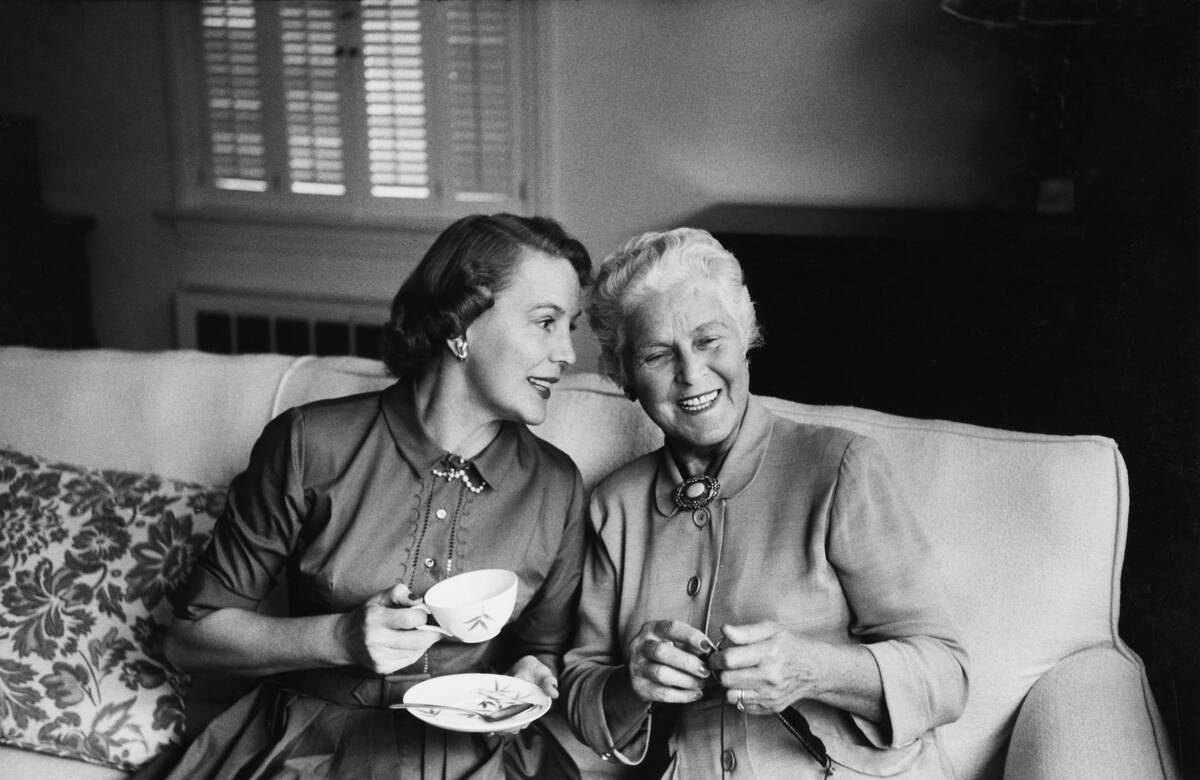
Could laughter be the secret to a longer life? Research suggests that individuals who frequently engage in laughter tend to have lower stress levels, stronger immune systems, and better cardiovascular health, all of which contribute to greater longevity.
While laughter alone can’t guarantee a longer life, its positive effects on health and well-being make it a valuable component of a life well-lived.
Promoting Cognitive Function with Humor

Humor and laughter can play a role in enhancing cognitive function. Engaging with humor stimulates the brain, improving memory, creativity, and problem-solving skills. It encourages flexible thinking and can enhance learning by making information more memorable.
Incorporating humor into educational settings or daily activities can boost cognitive performance, offering a playful approach to mental fitness.
Tips for Incorporating More Laughter into Daily Life

Want to add more laughter to your life? Try surrounding yourself with funny people, watching comedy shows, or reading humorous books. Consider joining laughter yoga classes or laughter clubs to meet like-minded individuals.
Making a conscious effort to find humor in everyday situations can also enhance your ability to laugh more often, improving your mood and overall well-being.
The Rise of Laughter Yoga and Laughter Clubs

Laughter yoga and laughter clubs have gained popularity as unique ways to promote well-being. These practices combine laughter exercises with yogic breathing techniques, offering a holistic approach to health.
Participants report feeling more relaxed and energized, with laughter acting as a natural stress reliever. The communal aspect of laughter clubs fosters social connections, making them an enjoyable way to enhance physical and emotional health.
How Media and Entertainment Spread Laughter Globally

Media and entertainment play a significant role in spreading laughter across the globe. Comedy shows, movies, and viral videos bring joy to millions, transcending cultural and language barriers.
With the rise of social media, funny content can be shared instantly, reaching vast audiences. This global spread of laughter highlights the power of entertainment to connect people and create shared moments of joy.
Real-Life Stories of Laughter Bringing People Together

Throughout history, there are countless stories of laughter bringing people together. Whether through shared jokes during difficult times or humorous exchanges that break down barriers, laughter has the power to unite individuals from diverse backgrounds.
These real-life anecdotes serve as a reminder of laughter’s ability to foster understanding and camaraderie, creating lasting bonds and cherished memories.
Laughter as a Tool for Conflict Resolution

Laughter can be a surprisingly effective tool for conflict resolution. It diffuses tension, clarifies misunderstandings, and fosters a more relaxed atmosphere. By encouraging open communication and empathy, laughter can help individuals find common ground and resolve disputes amicably.
Utilizing humor in conflict situations can lead to more positive outcomes, demonstrating laughter’s potential as a tool for peace and reconciliation.