Species that navigate without eyesight

Trending Now
In the animal kingdom, not all creatures rely on sight to navigate their world. Some have developed extraordinary abilities that allow them to thrive without the need for vision.
These fascinating adaptations are not just intriguing but are essential for their survival. From the depths of the ocean to the darkest caves, animals have evolved to use sound, touch, and even electricity to find their way. Let’s dive into the captivating world of nature’s blind navigators.
The Fascinating World of Echolocation

Echolocation is a remarkable navigation system used by certain animals to locate objects and prey by emitting sound waves and interpreting the returning echoes. This biological sonar is most famously used by bats and dolphins.
By listening to the echoes of their calls bouncing off objects, these animals can ‘see’ their surroundings with astonishing accuracy. This adaptation is so precise that bats can detect insects as thin as a human hair in complete darkness.
Bats: Masters of the Night Sky
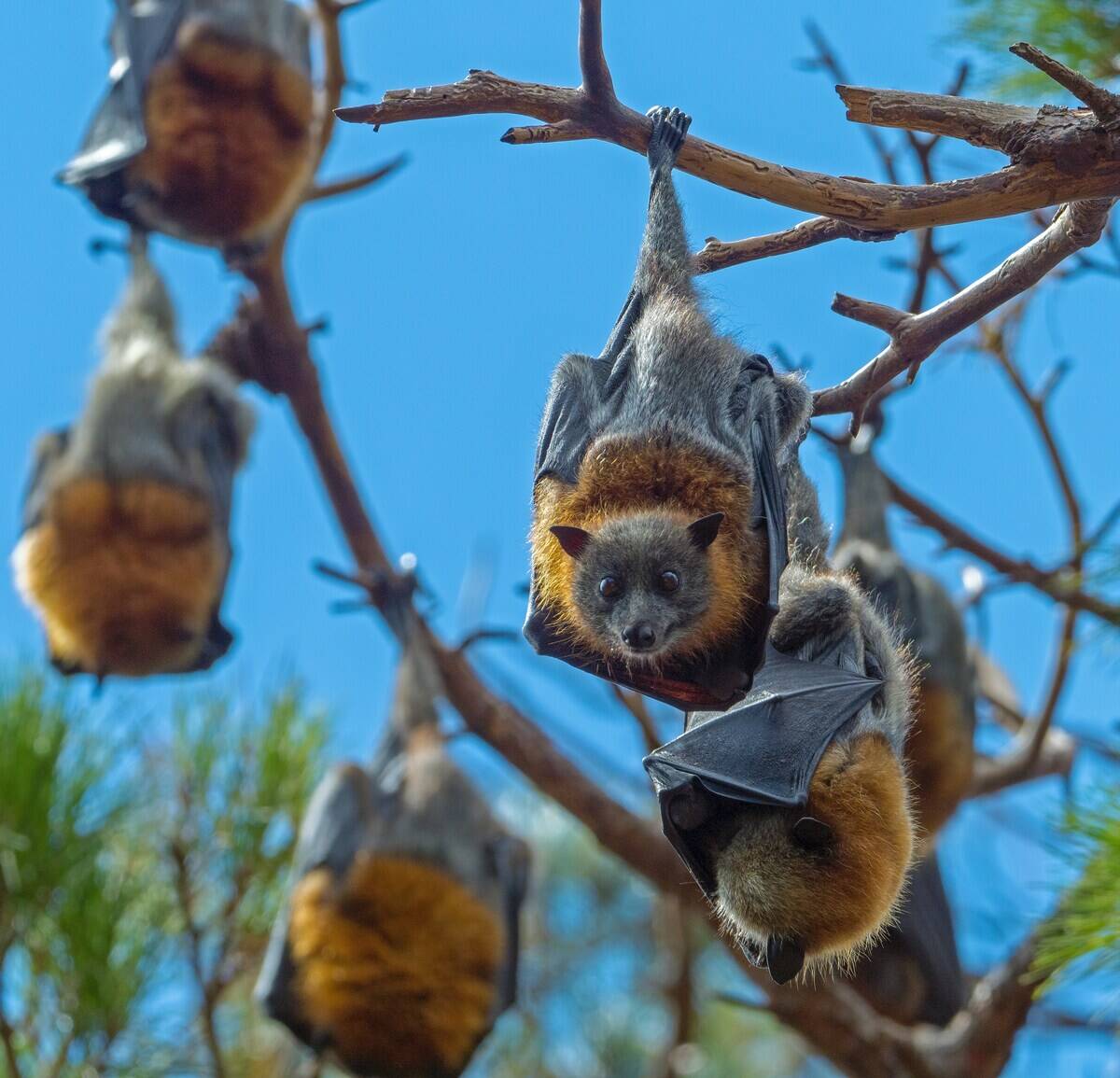
Bats are perhaps the most well-known echolocating animals. With over 1,500 species, they are incredibly diverse and found all over the world except in extreme deserts and polar regions.
Bats emit high-frequency sounds that bounce off objects, allowing them to hunt and navigate in the dark. Some species can even adjust their call frequency to focus on specific prey, showcasing their adaptability and mastery of nocturnal navigation.
Dolphins: Echolocation Under the Sea

Dolphins, the ocean’s playful navigators, use echolocation to hunt and communicate underwater. Their clicks and whistles are not just for show; they provide a detailed ‘image’ of their surroundings.
This ability allows dolphins to detect fish and other obstacles even in murky waters. Interestingly, dolphins’ echolocation is so sophisticated that they can differentiate between types of fish based on the echoes they receive.
Moles: Burrowing Through the Darkness
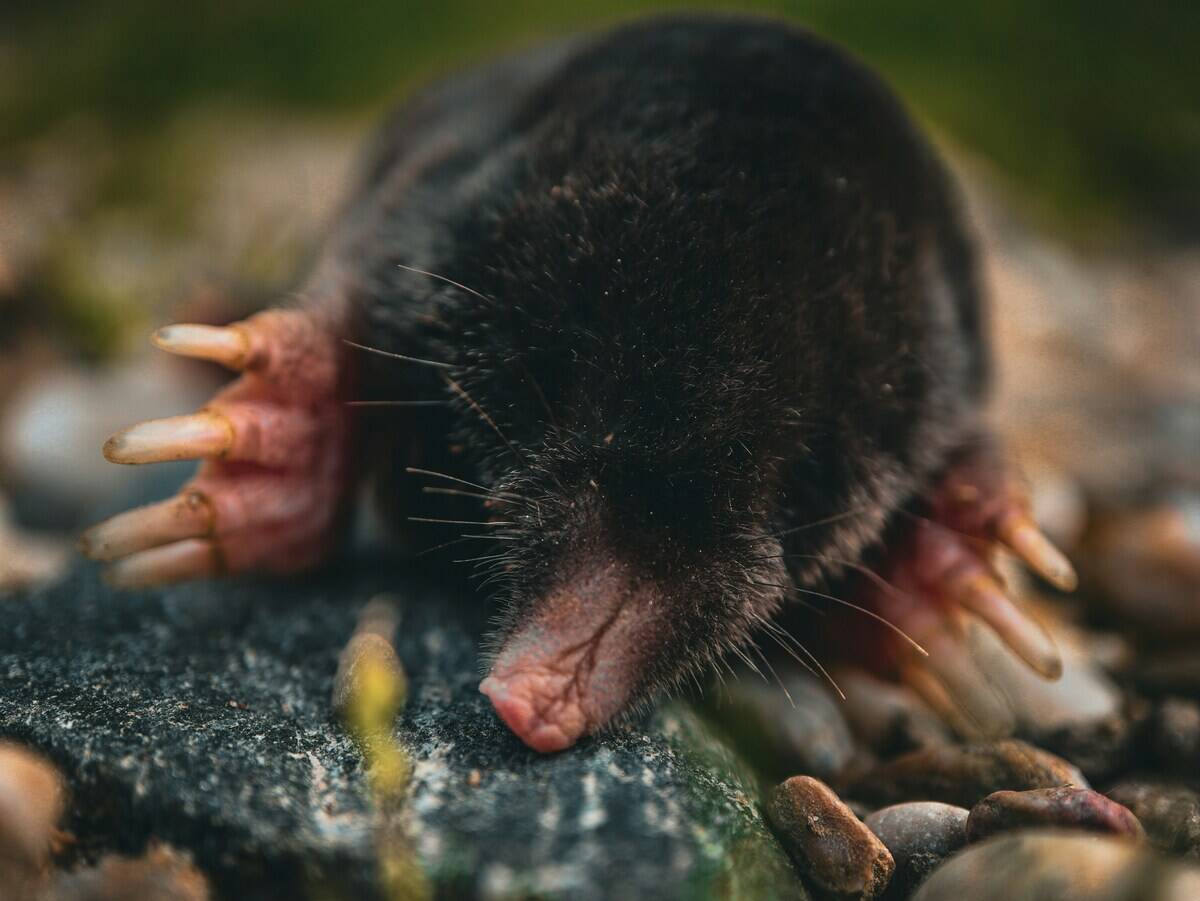
Moles are fascinating creatures that thrive underground, often in complete darkness. Their compact bodies and powerful forelimbs make them expert diggers, but it’s their acute sense of touch and smell that guides them.
Moles have highly sensitive vibrissae, or whiskers, which help them detect vibrations in the soil, allowing them to navigate and locate prey like earthworms with incredible precision.
Cave Fish: Life in Eternal Darkness
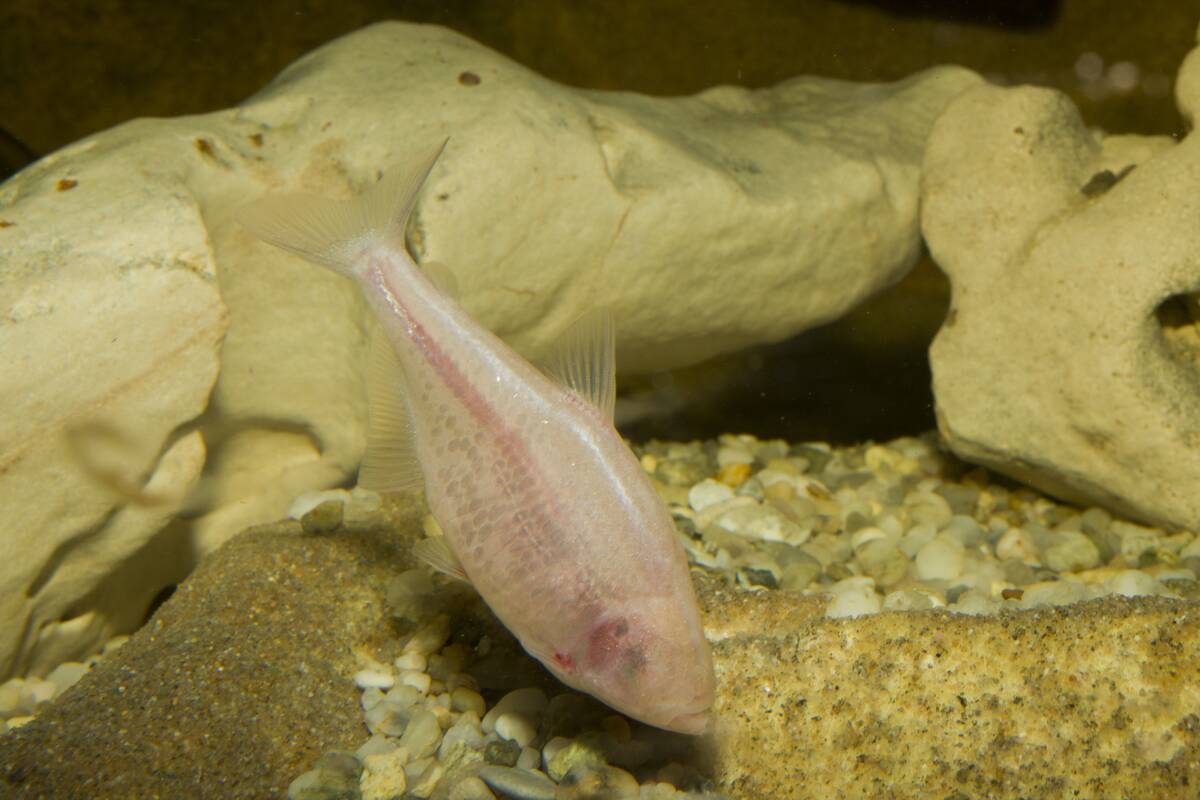
Cave fish are a testament to evolution’s adaptability, having lost their eyesight over generations due to living in pitch-black environments. Instead of sight, these fish rely on other senses, such as touch and sound, to navigate.
Many have developed heightened senses of smell and taste, and some even use lateral lines along their bodies to detect water currents and vibrations, allowing them to move with confidence in their dark, aquatic homes.
Star-Nosed Moles: Tactile Superstars
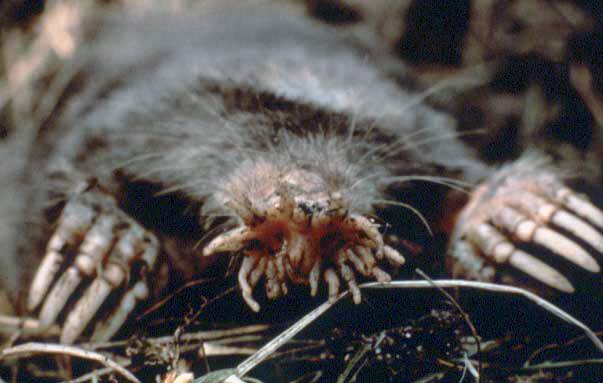
The star-nosed mole, with its distinctive star-shaped snout, is a tactile marvel. This unique appendage is covered in sensitive nerve endings that can detect the smallest of prey items with lightning speed.
The mole’s nose is one of the most sensitive touch organs in the animal kingdom, capable of identifying and consuming food in mere milliseconds. This adaptation makes the star-nosed mole a formidable hunter in its subterranean world.
Blind Snakes: Underground Explorers
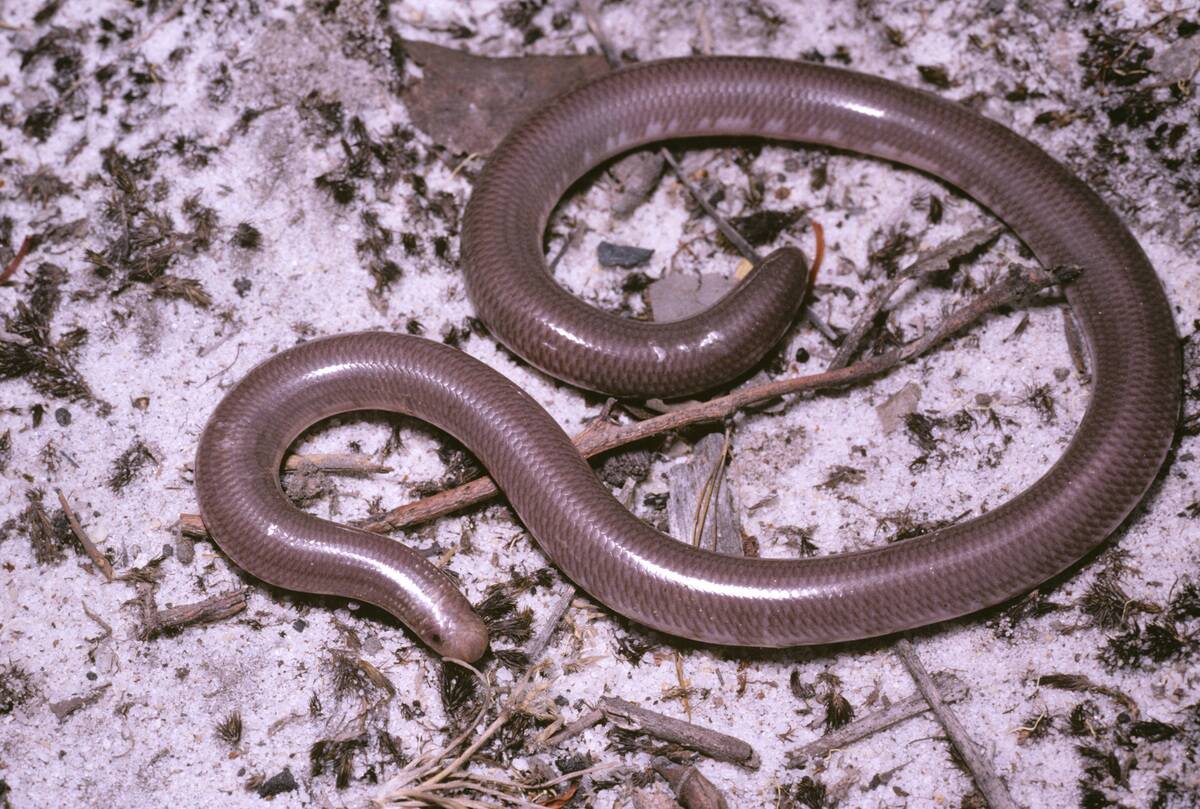
Blind snakes, though visually impaired, are expert navigators of the underground. These small, worm-like reptiles have evolved to rely on their sense of touch and smell to find food and avoid predators.
Their smooth scales allow them to move effortlessly through soil and leaf litter, while their sensitive tongues flick the air to detect chemical cues. This combination of adaptations helps them thrive in their hidden, subterranean habitats.
Spiders: Sensing the World with Vibration
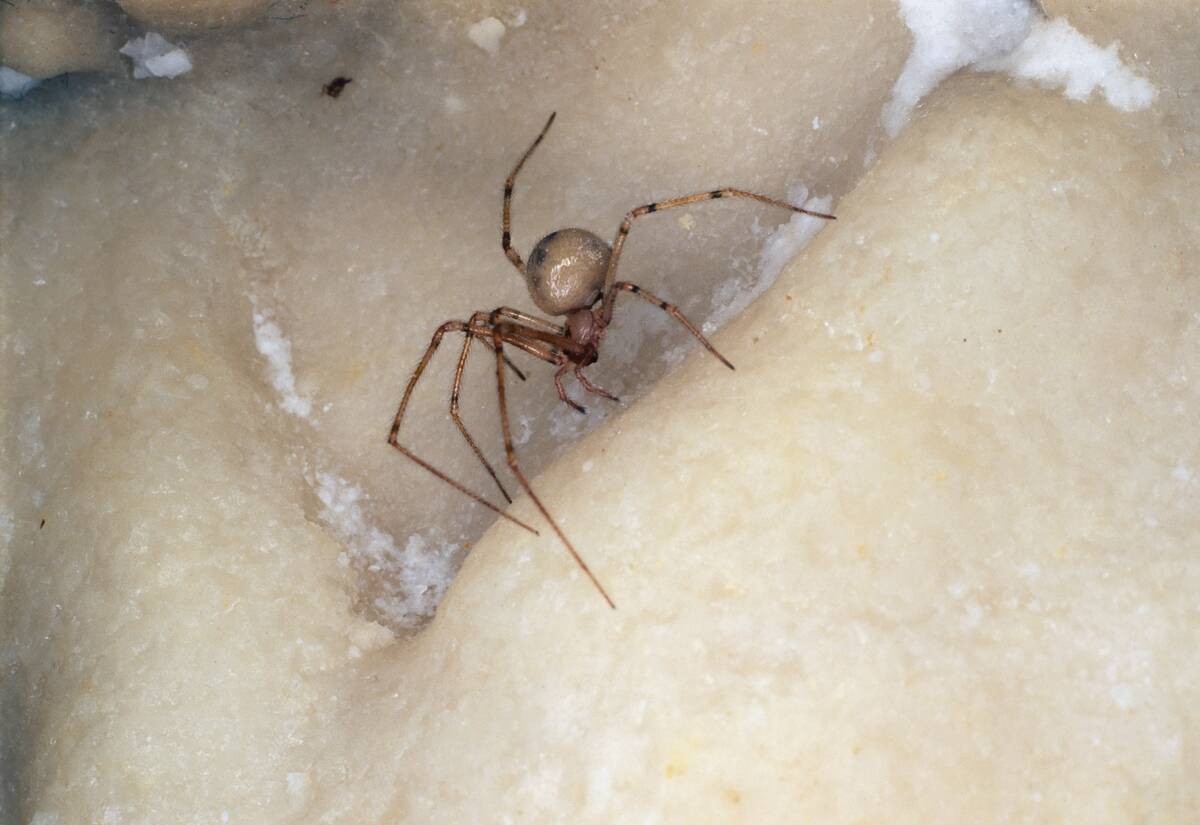
Spiders, particularly web-building species, rely on vibrations to understand their surroundings. By feeling the tremors in their webs, they can determine the size and location of trapped prey. Although some spiders have excellent eyesight, some cave species have no eyes at all.
Some spiders even use vibrations to communicate with potential mates. This ability to interpret subtle vibrations allows them to be effective hunters and communicators, even in the absence of sight.
Ants: Following the Trail of Pheromones
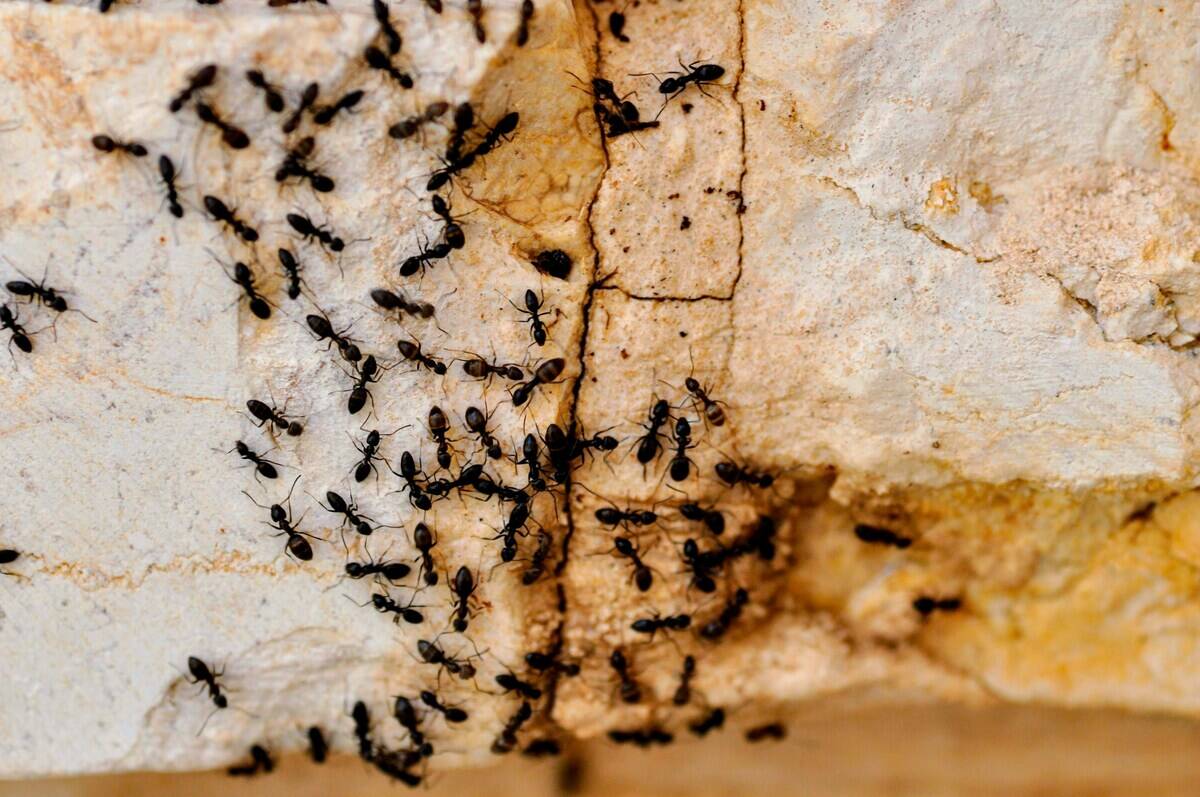
Ants are industrious creatures known for their impressive navigation skills, largely reliant on pheromone trails. These chemical signals help ants find food, return to their colony, and communicate with other members. Although some ants have fairly keen vision, others are completely blind.
Each ant species has a unique pheromone signature, ensuring clear communication within the colony. This chemical navigation system demonstrates how ants have adapted to efficiently explore and exploit their environments.
Electric Eels: Shocking Navigation Skills
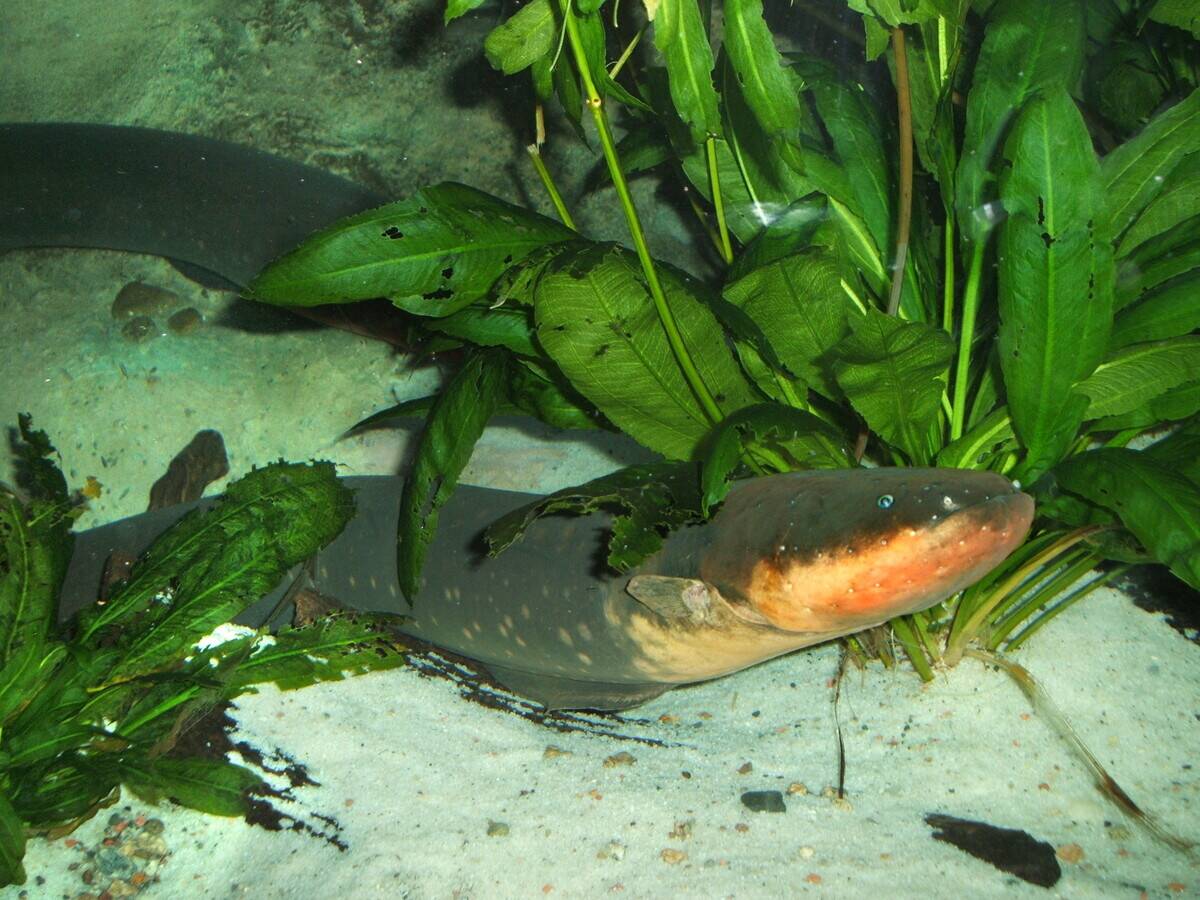
Electric eels are not only known for their shocking abilities but also for their unique navigation skills. These fascinating creatures generate electric fields around their bodies, which they use to detect objects and prey in murky waters.
This electric sense allows them to ‘see’ their surroundings, even in low visibility conditions. The ability to produce and sense electricity makes electric eels remarkable navigators of their aquatic habitats.