The most terrifying natural disasters in history

Trending Now
Nature has a way of reminding us of its immense power through natural disasters. These events, while terrifying, also offer insights into the planet’s dynamic systems.
From volcanic eruptions to devastating tsunamis, each disaster leaves a mark on history and teaches us about resilience and recovery. As we delve into some of the most significant natural disasters, we can appreciate the delicate balance between humanity and the natural world.
The Eruption of Mount Vesuvius: Pompeii’s Fiery Fate
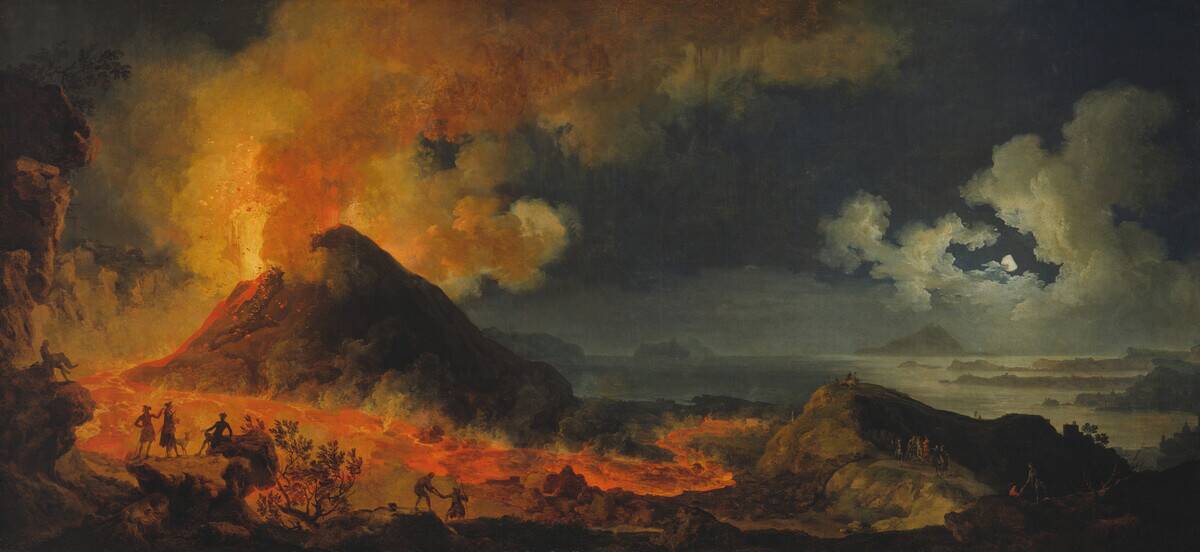
In 79 AD, Mount Vesuvius erupted with a force that buried the Roman cities of Pompeii and Herculaneum under ash and pumice. This catastrophic event preserved the cities in time, offering a unique archaeological snapshot of ancient Roman life.
The eruption released thermal energy equivalent to 100,000 times that of the Hiroshima-Nagasaki bombings, showcasing the sheer power of volcanic activity.
Krakatoa’s 1883 Eruption: The Day the World Heard

Krakatoa’s eruption in 1883 was so powerful that it was heard over 3,000 miles away in Australia and the island of Rodrigues near Mauritius. This colossal explosion generated tsunamis that reached heights of up to 120 feet, devastating coastal communities.
The eruption also led to global climate anomalies, with temperatures dropping and sunsets turning vivid red due to volcanic ash in the atmosphere.
The 1900 Galveston Hurricane: America’s Deadliest Storm

The 1900 Galveston hurricane remains the deadliest natural disaster in U.S. history, claiming between 6,000 to 12,000 lives. Striking the Texas coast as a Category 4 storm, it flattened buildings and left the city of Galveston in ruins.
The hurricane prompted significant advancements in meteorology and disaster preparedness, highlighting the need for better forecasting and communication systems.
The 1931 China Floods: A Deluge of Destruction

The 1931 China floods are considered one of the deadliest natural disasters of the 20th century, with death toll estimates ranging from 1 to 4 million people. Triggered by a combination of snowmelt, heavy rains, and cyclones, the floods inundated much of central China.
The disaster led to widespread famine and disease, underscoring the vulnerability of densely populated regions to extreme weather events.
The 1958 Lituya Bay Megatsunami: Nature’s Giant Wave

In 1958, a massive landslide in Alaska’s Lituya Bay generated a megatsunami with a record wave height of 1,720 feet, the tallest ever recorded. This extraordinary event was triggered by an earthquake that caused a massive rockfall into the bay.
The wave swept away trees and vegetation, leaving a visible high-water mark on the surrounding hillsides, a testament to the power of geological forces.
The 1960 Valdivia Earthquake: The Great Chilean Shaker
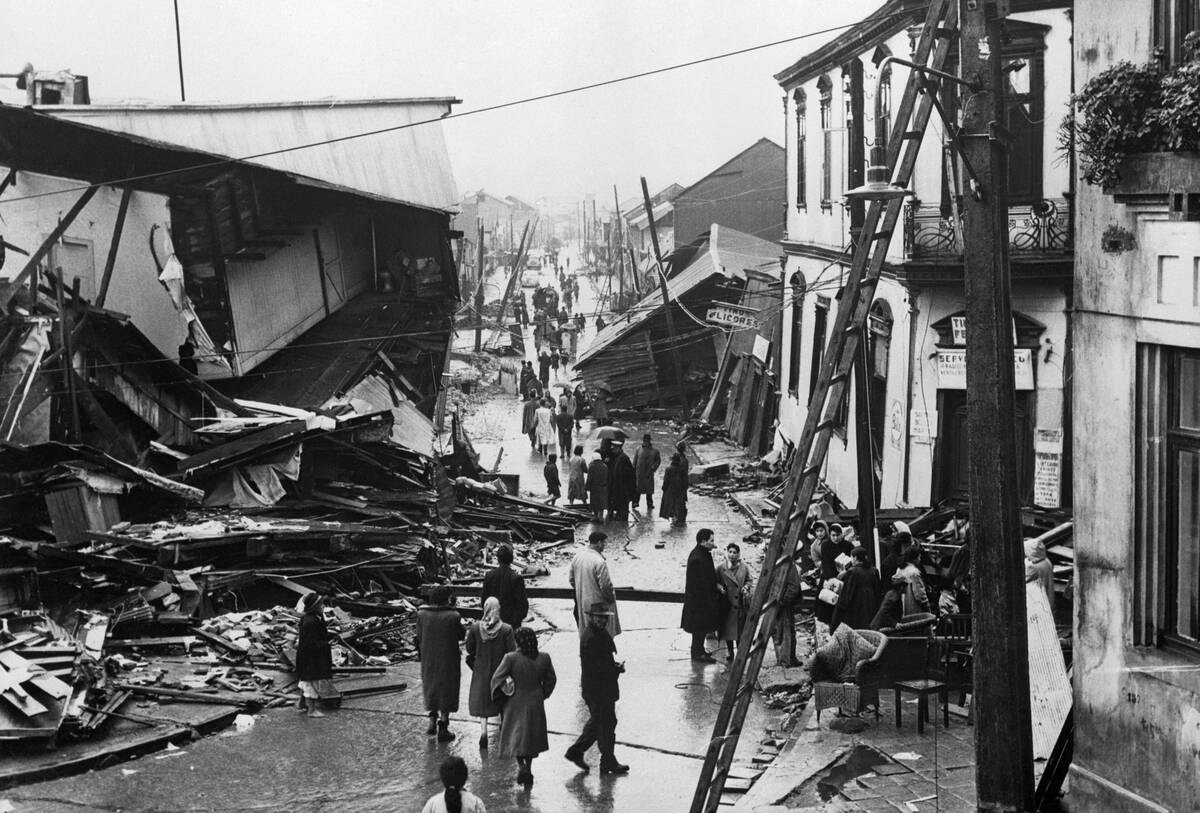
The 1960 Valdivia earthquake in Chile is the most powerful earthquake ever recorded, with a magnitude of 9.5. It triggered tsunamis that affected countries as far away as Japan and the Philippines.
The quake caused widespread destruction in southern Chile, displacing millions and resulting in over 5,000 deaths. This seismic event highlighted the need for better earthquake-resistant infrastructure.
The 1970 Bhola Cyclone: A Storm of Tragedy

The 1970 Bhola cyclone struck East Pakistan (now Bangladesh) and West Bengal, India, becoming the deadliest tropical cyclone on record. With wind speeds of up to 115 mph, it caused a storm surge that inundated coastal areas, leading to an estimated 300,000 to 500,000 fatalities.
The disaster highlighted the vulnerability of low-lying regions to cyclonic storms and the importance of effective disaster management.
The 1980 Mount St. Helens Eruption: A Volcanic Awakening

Mount St. Helens erupted on May 18, 1980, in Washington State, after months of seismic activity. The eruption was the most economically destructive volcanic event in U.S. history, causing $1.1 billion in damages.
The explosion reduced the mountain’s height by about 1,300 feet and created a mile-wide crater. This event emphasized the need for volcanic monitoring and research to predict future eruptions.
The 1985 Mexico City Earthquake: Urban Devastation

On September 19, 1985, a magnitude 8.1 earthquake struck Mexico City, causing widespread destruction and killing approximately 10,000 people. The city’s soft soil amplified the seismic waves, leading to the collapse of many buildings.
This disaster prompted significant changes in Mexico’s building codes and emergency response systems, highlighting the importance of urban planning in earthquake-prone areas.
The 2004 Indian Ocean Tsunami: A Global Catastrophe

The 2004 Indian Ocean tsunami was triggered by a massive undersea earthquake off the coast of Sumatra, Indonesia, with a magnitude of 9.1-9.3. The resulting waves devastated coastal communities across 14 countries, killing over 230,000 people.
This tragedy led to the establishment of the Indian Ocean Tsunami Warning System, aimed at preventing future loss of life through early detection and communication.
The 2010 Haiti Earthquake: A Nation in Ruins

On January 12, 2010, a magnitude 7.0 earthquake struck Haiti, causing widespread devastation in the capital, Port-au-Prince. The quake killed an estimated 230,000 people and displaced over 1.5 million.
The disaster exposed the country’s vulnerabilities, including poor infrastructure and inadequate emergency response, and highlighted the need for international aid and long-term recovery efforts.
The 2011 Tohoku Earthquake and Tsunami: Japan’s Triple Disaster
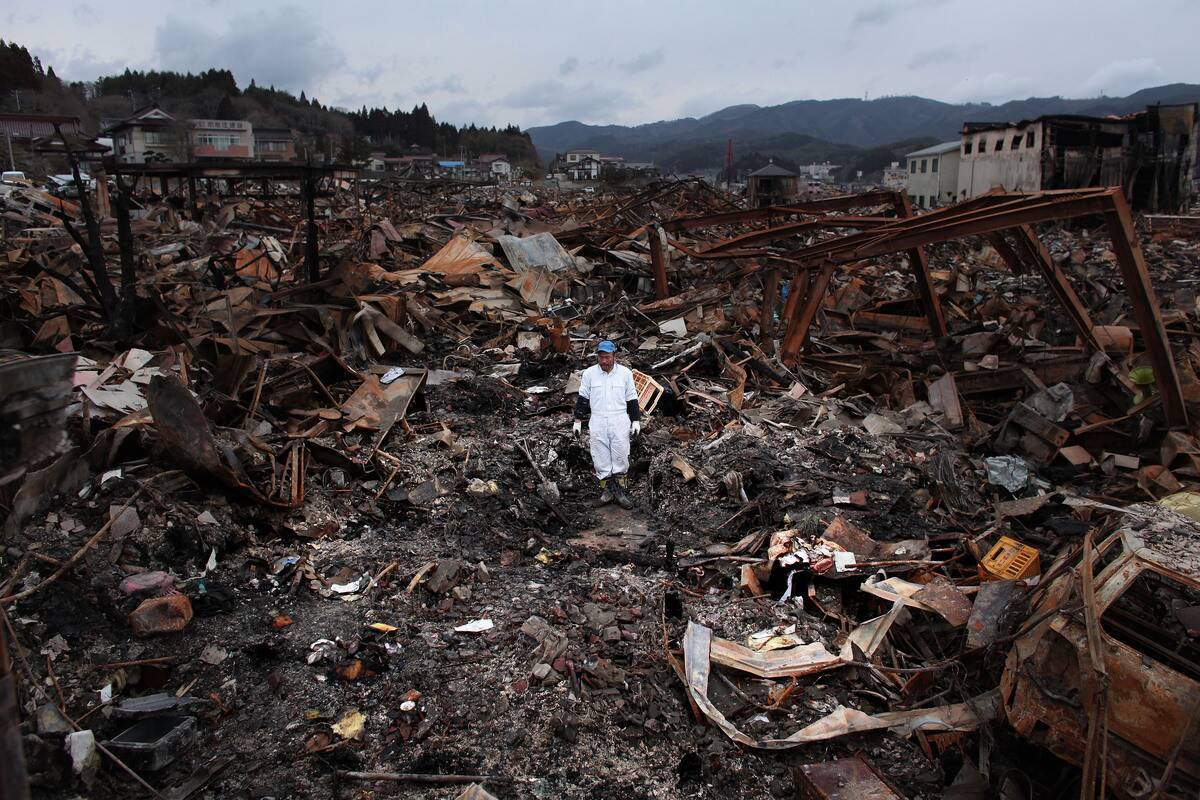
The 2011 Tohoku earthquake, with a magnitude of 9.0, was the most powerful ever recorded in Japan. It triggered a massive tsunami that caused widespread destruction and led to the Fukushima Daiichi nuclear disaster.
The triple disaster resulted in over 15,000 deaths and highlighted the need for improved nuclear safety measures and tsunami preparedness. Japan’s response showcased resilience and innovation in disaster recovery.
The 2018 Sulawesi Earthquake and Tsunami: A Double Whammy

In 2018, a magnitude 7.5 earthquake struck the Indonesian island of Sulawesi, triggering a tsunami that devastated the city of Palu. The disaster resulted in over 4,300 deaths and highlighted the challenges of disaster response in remote areas.
The event underscored the importance of early warning systems and community preparedness in mitigating the impacts of natural disasters.