The most risky mountains on Earth you can try to climb

Mountain climbing is an exhilarating pursuit that combines the thrill of adventure with the undeniable peril of nature’s might. Climbers are drawn to the majestic peaks, seeking both personal achievement and the breathtaking views that only the highest summits can offer.
However, these towering giants also present significant risks, from unpredictable weather to treacherous terrain, making each ascent a test of skill, endurance, and determination.
The Allure of High Peaks: Why Climbers Risk It All
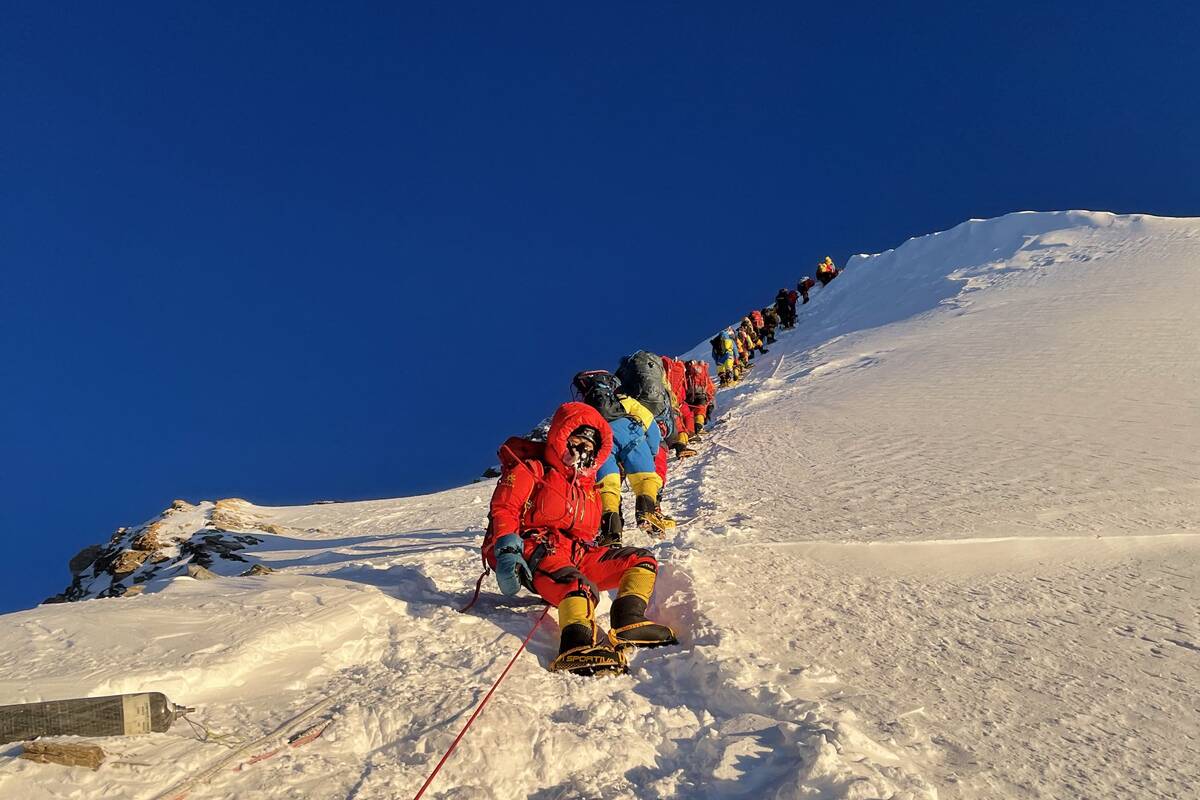
For many climbers, the allure of high peaks lies in the challenge and the sense of accomplishment that comes with conquering nature’s most formidable obstacles. The physical and mental demands of climbing push individuals to their limits, offering a unique opportunity for self-discovery and personal growth.
Additionally, the camaraderie and shared experiences among climbers create a strong sense of community and belonging, further fueling the desire to reach new heights.
Mount Everest: The Roof of the World with Hidden Dangers

Standing at 29,032 feet, Mount Everest is the highest mountain in the world and a coveted goal for climbers worldwide. Despite its popularity, Everest is fraught with hidden dangers, including avalanches, crevasses, and the infamous “death zone” above 26,000 feet, where oxygen levels are perilously low.
Climbers must also contend with extreme weather conditions, which can change rapidly and without warning, making the ascent a perilous endeavor.
K2: The Savage Mountain That Challenges Even the Best
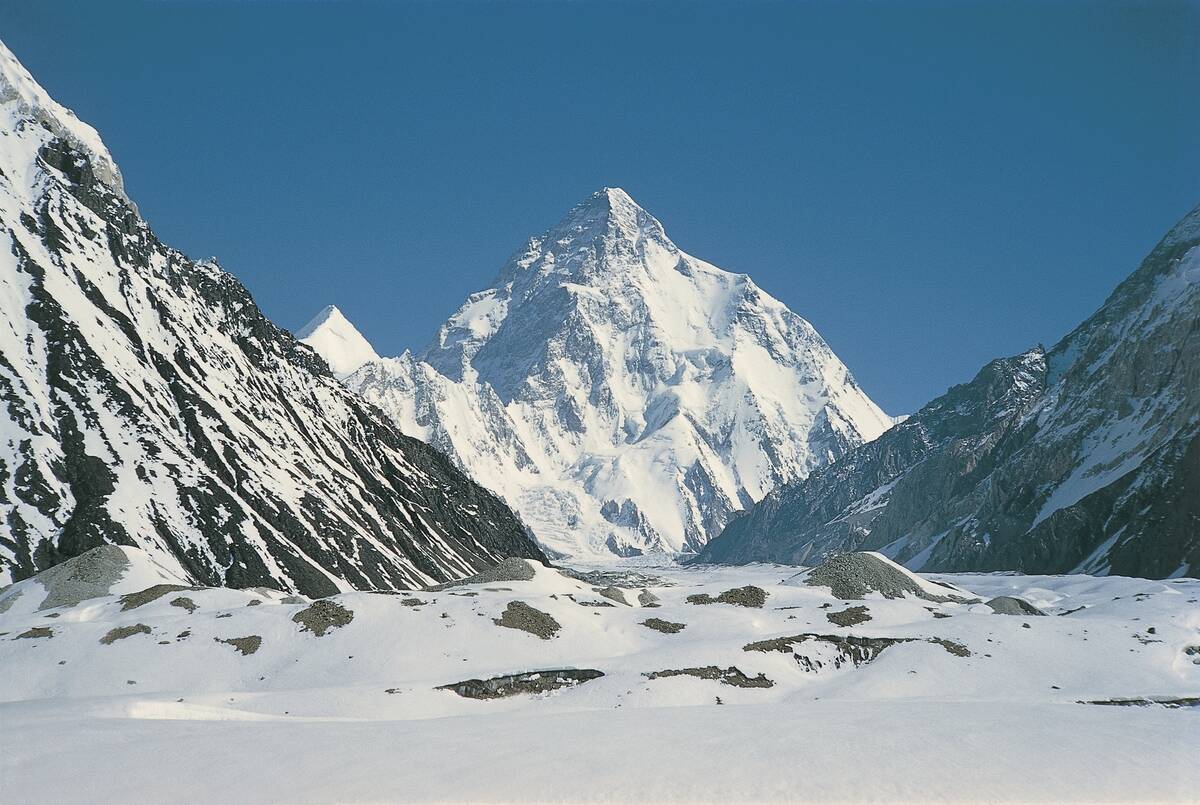
Known as the “Savage Mountain,” K2 is the second-highest peak on Earth, reaching 28,251 feet. It is renowned for its extreme difficulty and high fatality rate, with only a fraction of climbers successfully reaching the summit.
The mountain’s steep and icy slopes, frequent avalanches, and unpredictable weather make it a formidable challenge even for the most experienced climbers. K2’s reputation as one of the most dangerous climbs in the world is well-deserved.
Annapurna: The Deadliest Mountain by Percentage

Annapurna, part of the Himalayas in Nepal, is notorious for having the highest fatality-to-summit ratio among the world’s 8,000-meter peaks. Standing at 26,545 feet, it has claimed the lives of nearly a third of those who have attempted its ascent.
The mountain’s unpredictable weather, frequent avalanches, and technical climbing routes contribute to its deadly reputation, making it a daunting challenge for even the most seasoned mountaineers.
Nanga Parbat: The Killer Mountain with a Treacherous History

Nanga Parbat, the ninth-highest mountain globally at 26,660 feet, is often referred to as the “Killer Mountain” due to its long history of deadly expeditions. Located in Pakistan, its steep Rupal Face is one of the tallest in the world, presenting climbers with a formidable vertical challenge.
The mountain’s remote location, coupled with severe weather conditions and the risk of avalanches, has contributed to its fearsome reputation among climbers.
Kangchenjunga: The Five Treasures of Snow with a Deadly Reputation
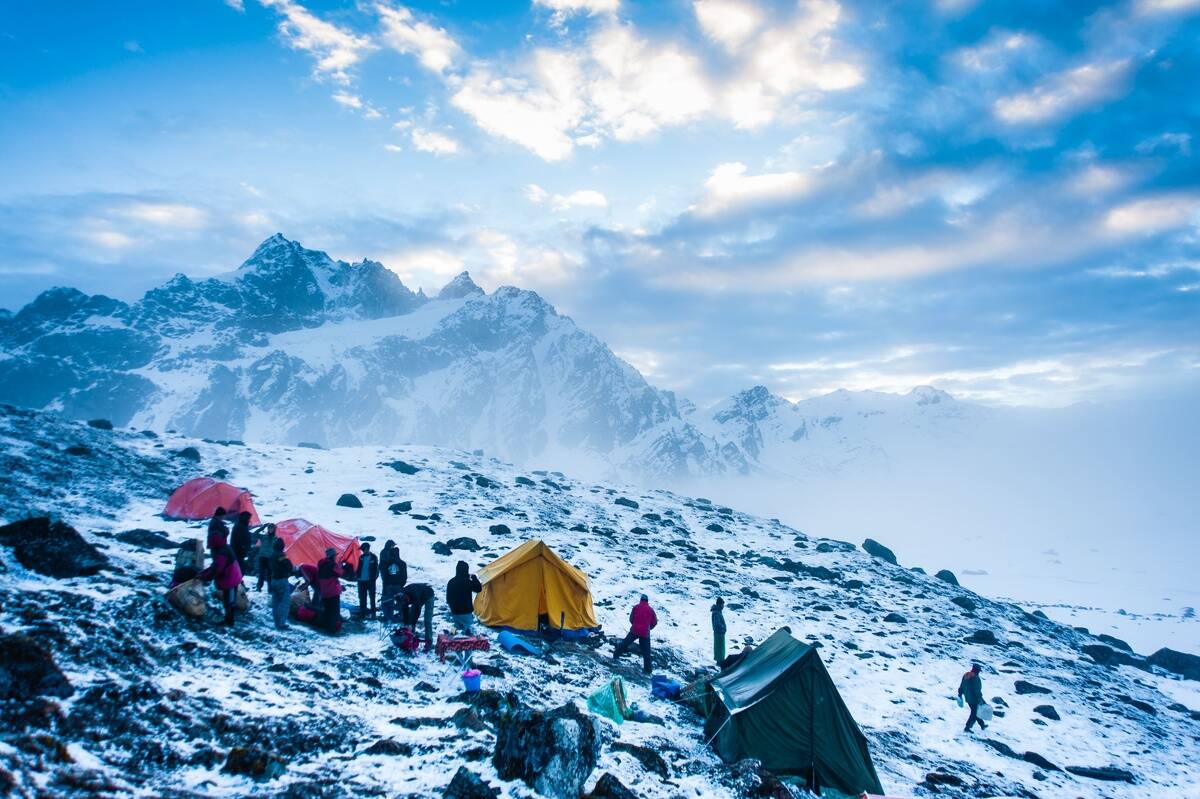
Kangchenjunga, the third-highest peak at 28,169 feet, is revered for its beauty and spiritual significance, often referred to as the “Five Treasures of Snow.” Despite its allure, the mountain is notoriously dangerous, with treacherous weather and challenging terrain.
Climbers must navigate through deep snow and ice, and the risk of avalanches is ever-present. Its remote location in the eastern Himalayas adds another layer of difficulty to the ascent.
The Eiger: The Ogre of the Alps and Its Infamous North Face
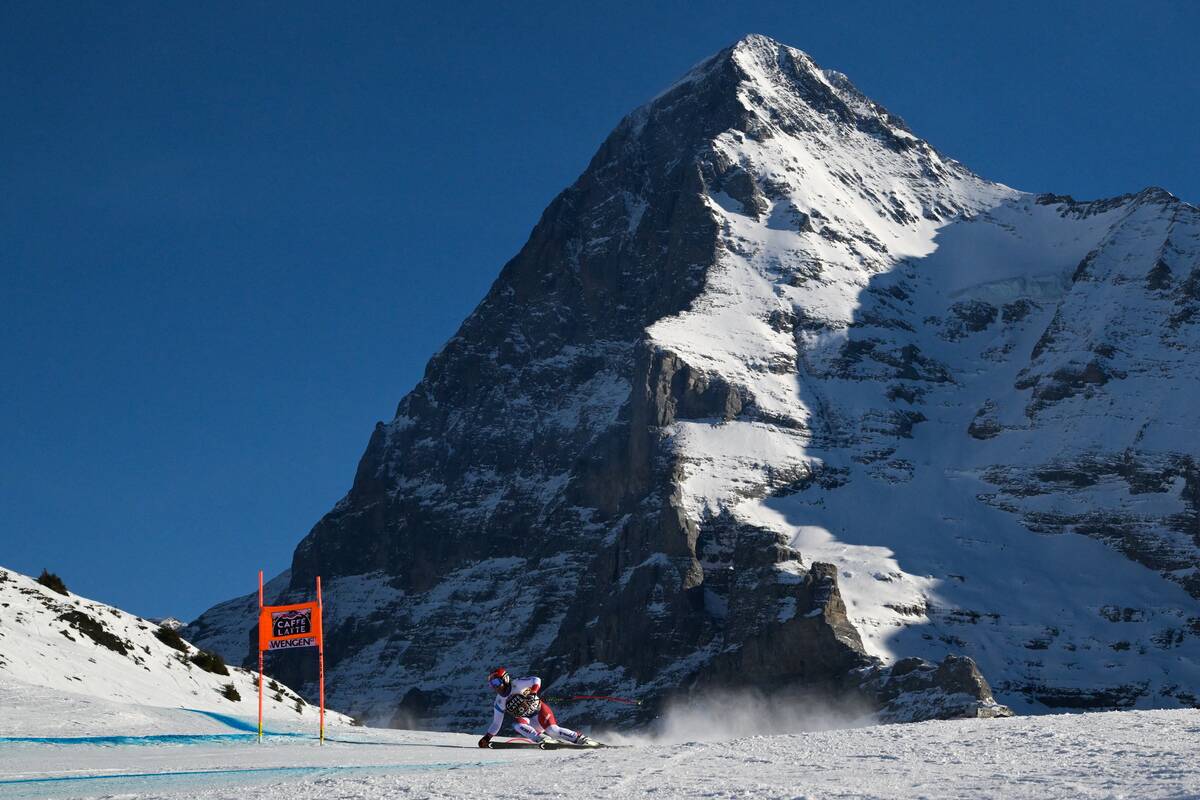
The Eiger, standing at 13,025 feet in the Bernese Alps of Switzerland, is infamous for its North Face, known as the “Mordwand” or “Murder Wall.” This sheer, icy face has claimed many lives due to its challenging rock and ice climbing routes, unpredictable weather, and frequent rockfalls.
Despite its dangers, the Eiger’s North Face remains a sought-after achievement for climbers, symbolizing the ultimate test of skill and endurance in the Alps.
Matterhorn: The Iconic Peak with a Dangerous Legacy
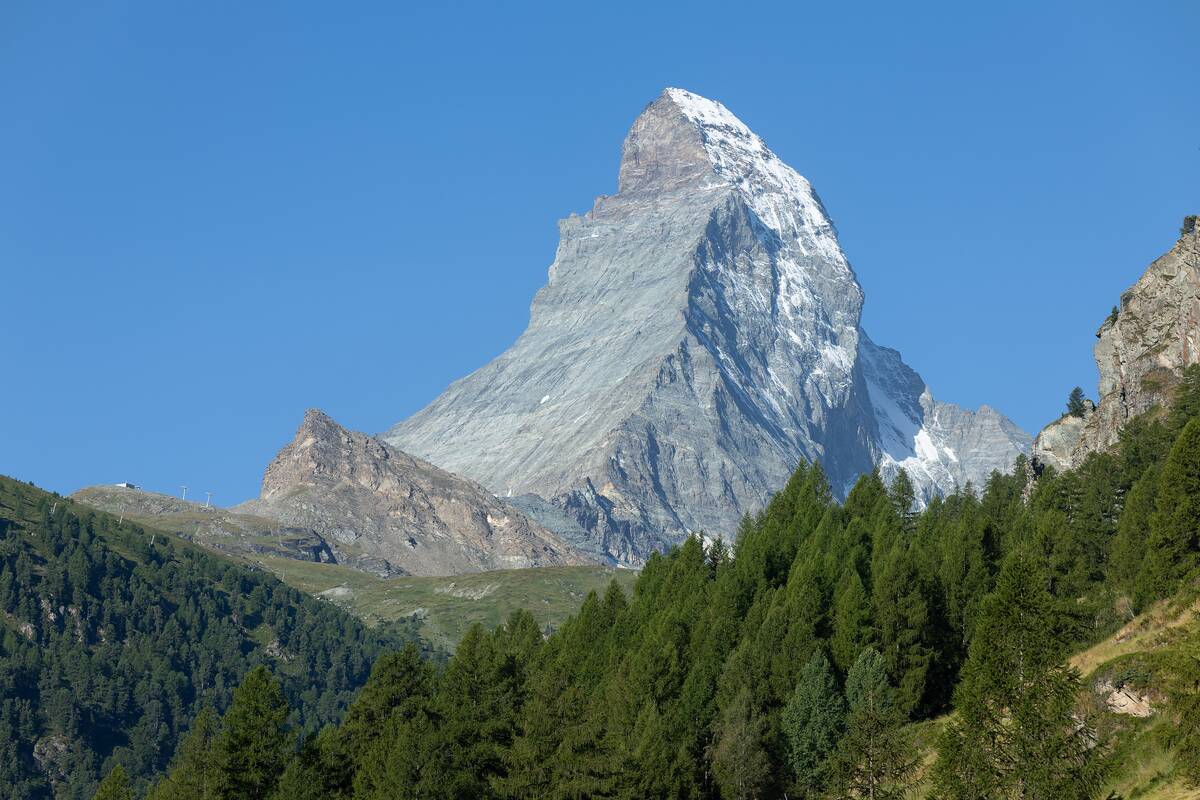
The Matterhorn, one of the most iconic peaks in the Alps, stands at 14,692 feet, straddling the border between Switzerland and Italy. Its distinctive pyramid shape has made it a symbol of mountaineering, but it also harbors a dangerous legacy.
The mountain’s steep, exposed ridges and frequent rockfalls pose significant risks to climbers. Despite these challenges, the Matterhorn continues to attract adventurers drawn to its beauty and the prestige of summiting this legendary peak.
Denali: North America’s Tallest and Most Treacherous Mountain

Denali, formerly known as Mount McKinley, is the tallest peak in North America, reaching 20,310 feet. Located in Alaska, it presents climbers with extreme cold, high winds, and the risk of altitude sickness.
The mountain’s remote location and unpredictable weather add to the challenges, making it a formidable climb. Despite these difficulties, Denali remains a popular destination for climbers seeking to conquer one of the Seven Summits, the highest peaks on each continent.
Mount Vinson: The Icy Challenge of Antarctica

Mount Vinson, the highest peak in Antarctica at 16,050 feet, offers climbers a unique and icy challenge. The mountain’s remote location on the frozen continent means that climbers must endure extreme cold, with temperatures often dropping below -30 degrees Celsius.
The isolation and logistical challenges of reaching the mountain add to the difficulty, making it a rare and sought-after achievement for those seeking to complete the Seven Summits.
Mount Fitz Roy: The Patagonian Marvel with Unpredictable Weather

Mount Fitz Roy, located in the Southern Patagonian Ice Field on the border between Argentina and Chile, is renowned for its striking granite spires and dramatic beauty.
Standing at 11,171 feet, it is not the tallest peak, but its technical climbing routes and notoriously unpredictable weather make it a formidable challenge. Climbers must be prepared for sudden storms and high winds, which can dramatically alter the difficulty of the ascent.
Mount Kilimanjaro: The Highest Freestanding Mountain with Hidden Risks
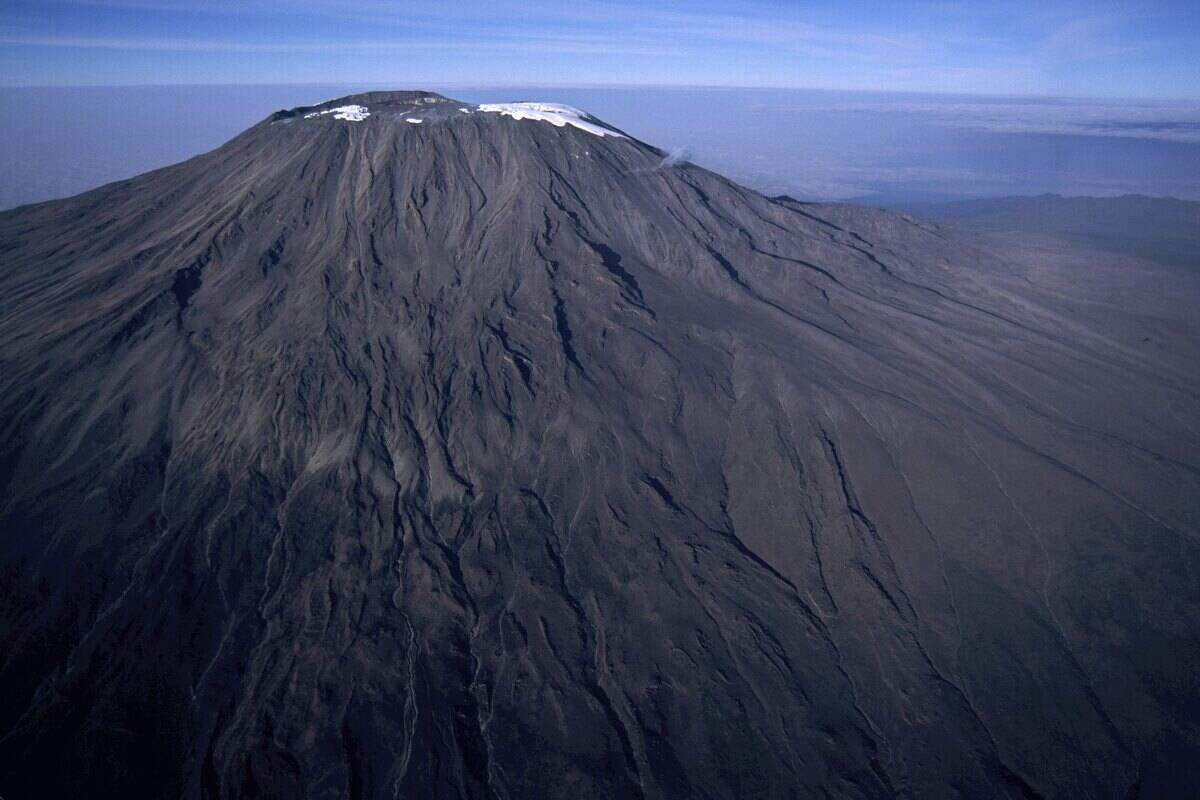
Mount Kilimanjaro, the highest freestanding mountain in the world at 19,341 feet, is a popular destination for climbers seeking a non-technical ascent. However, its hidden risks should not be overlooked.
The rapid ascent can lead to altitude sickness, and climbers must be prepared for a range of weather conditions, from tropical heat at the base to freezing temperatures at the summit. Despite these challenges, Kilimanjaro remains a bucket-list climb for adventurers worldwide.
The Drakensberg: South Africa’s Majestic Yet Perilous Range

The Drakensberg, meaning “Dragon Mountains,” is a majestic range in South Africa known for its stunning landscapes and diverse ecosystems.
While not as tall as some of the world’s highest peaks, the Drakensberg presents its own set of challenges, including steep cliffs, unpredictable weather, and the risk of rockfalls. The range’s remote and rugged terrain requires climbers to be well-prepared and experienced, making it a rewarding yet perilous adventure.
Aconcagua: The Stone Sentinel with Unexpected Hazards

Aconcagua, the highest peak in the Southern Hemisphere at 22,841 feet, is often referred to as the “Stone Sentinel.” While considered a non-technical climb, it presents unexpected hazards, including extreme cold, high winds, and the risk of altitude sickness.
The mountain’s barren, rocky terrain can be challenging to navigate, and climbers must be prepared for sudden weather changes. Despite these difficulties, Aconcagua remains a popular destination for mountaineers seeking to conquer the Seven Summits.
The Role of Weather: How Nature Adds to the Danger

Weather plays a crucial role in the dangers of mountain climbing, with sudden storms, high winds, and extreme temperatures posing significant risks. Climbers must be prepared for rapid weather changes, which can transform a straightforward ascent into a life-threatening situation.
Understanding weather patterns and being able to adapt to changing conditions are essential skills for climbers, as nature’s unpredictability can be the difference between success and disaster on the mountain.
The Human Factor: Why Experience and Preparation Matter

Experience and preparation are critical factors in the success and safety of any climbing expedition. Climbers must possess the technical skills and physical fitness required to tackle challenging routes, as well as the ability to make sound decisions under pressure.
Proper preparation, including acclimatization to high altitudes and understanding the specific risks of each mountain, can significantly reduce the dangers. Ultimately, a climber’s experience and preparation can mean the difference between a triumphant ascent and a perilous ordeal.