The most dangerous volcanoes that are still active today

Volcanoes have always fascinated humans with their raw power and beauty. Among the thousands of volcanoes on Earth, some are particularly notorious for their potential to cause destruction.
These active volcanoes are not only geological wonders but also pose significant risks to nearby communities. Understanding their behavior is crucial for both scientists and residents living in their shadows. In this article, we will explore some of the world’s most dangerous active volcanoes and the unique characteristics that make them so formidable.
What Makes a Volcano Dangerous?
![Mount [redacted] Erupting](http://media.didyouknowfacts.com/wp-content/uploads/2023/08/mount-vesuvius-erupting-67058.jpeg)
Volcanoes become dangerous primarily due to their eruption style and frequency. The viscosity of magma, gas content, and tectonic settings all contribute to a volcano’s potential threat. For instance, stratovolcanoes like Mount Vesuvius have explosive eruptions due to high-viscosity magma that traps gases.
In contrast, shield volcanoes like Kilauea have less explosive eruptions but can produce vast lava flows. Monitoring these factors helps scientists predict eruptions and mitigate risks for nearby populations.
Mount Vesuvius, Italy: A Sleeping Giant Near Naples

Mount Vesuvius is infamous for its catastrophic eruption in AD 79, which buried the cities of Pompeii and Herculaneum. Today, it remains one of the most closely monitored volcanoes in the world.
Located just 9 kilometers from Naples, a city with over 3 million residents, Vesuvius poses a significant threat. The volcano’s last eruption in 1944 was minor, but its history of explosive activity keeps the region on high alert.
Mount St. Helens, USA: The Explosive Power of the Pacific Northwest

Mount St. Helens captured global attention with its massive eruption on May 18, 1980. The eruption reduced the mountain’s height by about 400 meters and devastated over 500 square kilometers of forest.
This stratovolcano is part of the Cascade Range and continues to be active, with periodic dome-building eruptions. Its explosive history and potential for future activity make it a focal point for volcanic research in the United States.
Mount Merapi, Indonesia: The Fiery Mountain of Java

Mount Merapi is Indonesia’s most active volcano, with eruptions occurring every few years. Located on the densely populated island of Java, Merapi is known for its pyroclastic flows—fast-moving currents of hot gas and volcanic matter.
The 2010 eruption was particularly devastating, displacing thousands and causing significant loss of life. Despite the risks, the fertile volcanic soil supports agriculture, drawing people to live near its slopes.
Sakurajima, Japan: The Constantly Erupting Wonder

Sakurajima is one of the most active volcanoes in Japan, with frequent eruptions that can occur multiple times a day. Located in Kagoshima Bay, it was once an island before lava flows connected it to the mainland.
The volcano’s persistent activity produces ash clouds that impact daily life in nearby Kagoshima City. Despite the challenges, the region’s residents have adapted to living with Sakurajima’s constant rumblings.
Mount Nyiragongo, Democratic Republic of the Congo: The Lava Lake Threat
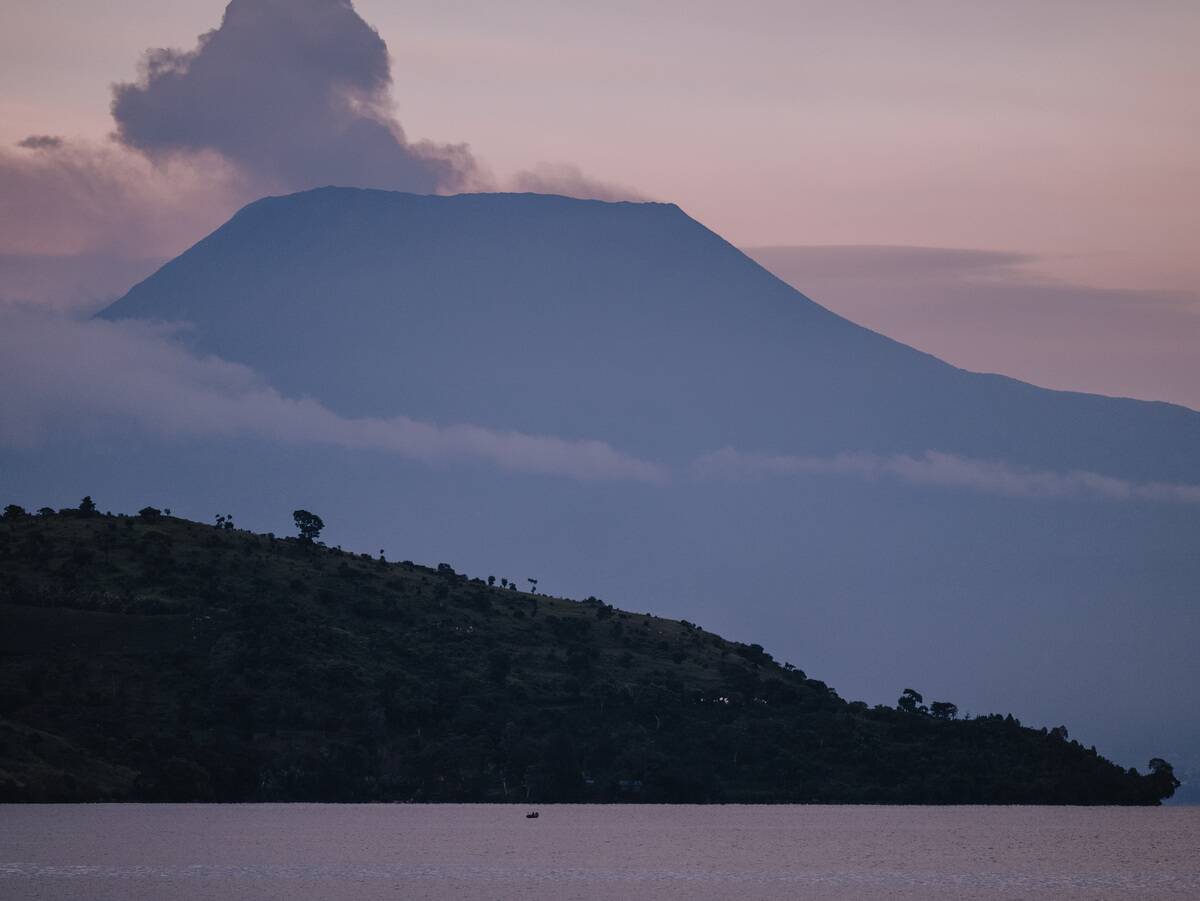
Mount Nyiragongo is renowned for its persistent lava lake, one of the few in the world. Its eruptions are characterized by fast-moving lava flows, which pose a significant threat to the nearby city of Goma.
The 2002 eruption displaced 400,000 people and destroyed a large portion of the city. Monitoring the volcano is challenging due to political instability in the region, but efforts continue to understand its behavior and protect local communities.
Popocatépetl, Mexico: The Smoking Mountain Near Mexico City

Popocatépetl, affectionately known as “El Popo,” is one of Mexico’s most active volcanoes. Located just 70 kilometers from Mexico City, its eruptions can affect millions of people. The volcano has been erupting intermittently since 1994, producing ash plumes and lava flows.
Authorities maintain a high level of alertness, and evacuation plans are in place to ensure the safety of nearby residents. The volcano’s majestic presence is a reminder of nature’s power.
Mount Etna, Italy: Europe’s Most Active Volcano

Mount Etna, located on the island of Sicily, is Europe’s most active volcano. It has been erupting for half a million years, with recent activity including spectacular lava fountains and ash emissions.
Etna’s eruptions are mostly effusive, but explosive events can occur, posing risks to nearby towns and air travel. The volcano is a UNESCO World Heritage site, attracting tourists who marvel at its fiery displays and the fertile landscapes it nurtures.
Kilauea, Hawaii: The Shield Volcano with a Fiery Personality

Kilauea is one of the most active volcanoes on Earth, located on the Big Island of Hawaii. Its eruptions are typically non-explosive, characterized by continuous lava flows that have reshaped the island’s landscape.
The 2018 eruption was particularly significant, destroying hundreds of homes and creating new land. Kilauea’s activity is closely monitored by the Hawaiian Volcano Observatory, providing valuable insights into volcanic processes and hazards.
Taal Volcano, Philippines: The Island Volcano with a Violent Past

Taal Volcano is one of the Philippines’ most active and dangerous volcanoes, situated on an island in Taal Lake. Its eruptions can be explosive, with the 2020 eruption forcing the evacuation of thousands and affecting air travel.
The volcano’s proximity to Manila, just 60 kilometers away, heightens its threat. Despite its volatility, Taal’s picturesque setting attracts tourists, who are drawn to its unique beauty and geological significance.
Mount Agung, Indonesia: The Balinese Volcano with a Big Impact

Mount Agung is Bali’s highest point and a sacred site for the Balinese people. Its eruptions can be highly explosive, with the 1963 eruption being one of the deadliest in Indonesia’s history.
The volcano’s activity in 2017 and 2018 caused widespread disruption, impacting tourism and prompting evacuations. Agung’s imposing presence is a constant reminder of the island’s volcanic nature and the need for preparedness in the face of potential eruptions.
Mount Mayon, Philippines: The Perfect Cone with a Volatile Nature

Mount Mayon is renowned for its near-perfect conical shape, making it a symbol of natural beauty in the Philippines. However, its frequent eruptions pose significant risks to surrounding communities.
The 2018 eruption resulted in the evacuation of tens of thousands of residents. Mayon’s eruptions are often accompanied by pyroclastic flows and ashfall, necessitating close monitoring by the Philippine Institute of Volcanology and Seismology to ensure public safety.
Mount Erebus, Antarctica: The Southernmost Active Volcano

Mount Erebus is the world’s southernmost active volcano, located on Ross Island in Antarctica. It is famous for its persistent lava lake, one of the few on Earth. The volcano’s remote location and harsh climate make monitoring challenging, but it provides unique opportunities for scientific research.
Erebus’s activity is relatively low, but its presence highlights the dynamic nature of Earth’s polar regions and the importance of studying volcanic processes in extreme environments.
Mount Tambora, Indonesia: The Volcano that Changed the World

Mount Tambora’s eruption in 1815 was the most powerful in recorded history, leading to the “Year Without a Summer” in 1816. The eruption released massive amounts of ash and sulfur dioxide into the atmosphere, causing global climate anomalies and crop failures.
The event had far-reaching impacts, influencing art, literature, and science. Tambora’s legacy serves as a reminder of the potential global consequences of large volcanic eruptions and the need for continued research and monitoring.
The Risk of Living Near Active Volcanoes: A Community Perspective

Living near an active volcano involves balancing the risks of eruptions with the benefits of fertile soil and natural beauty. Communities often develop strong cultural and spiritual connections to these landscapes. However, the threat of sudden eruptions necessitates preparedness and education.
Local governments and scientists work together to develop evacuation plans and early warning systems. Understanding the risks and fostering resilience are key to coexisting with these powerful natural phenomena.