Facts about the mysterious and mythical Bermuda Triangle

The Bermuda Triangle, often shrouded in mystery and intrigue, has captured the imagination of many. This enigmatic region, also known as the Devil’s Triangle, is located in the western part of the North Atlantic Ocean.
It is roughly bounded by Miami, Bermuda, and Puerto Rico. Over the years, numerous ships and aircraft have reportedly vanished without a trace, leading to a plethora of theories and stories. But what is the truth behind this mysterious area?
The Mysterious Geography of the Bermuda Triangle
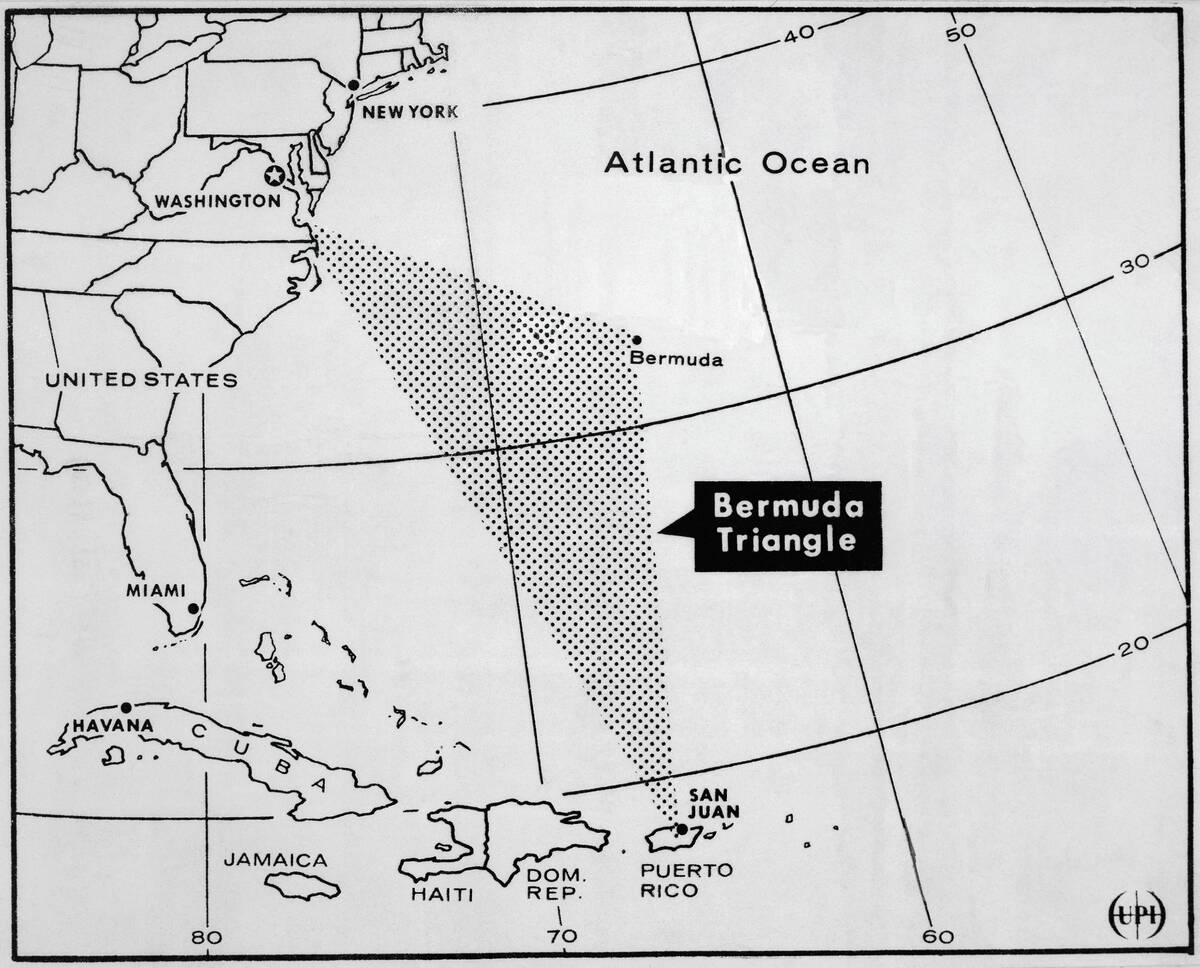
The geographical boundaries of the Bermuda Triangle are not officially defined, but it is generally accepted to cover about 500,000 square miles of ocean. The area is associated with hazards such as storms, sudden weather changes, the Gulf Stream, and busy shipping routes.
The Puerto Rico Trench is the deepest part of the Atlantic Ocean and lies near or along the southeastern edge of some definitions of the Bermuda Triangle. These geographical features contribute to the mystique of the Triangle, making it a hotspot for both scientific study and speculative theories.
A Brief History of the Bermuda Triangle’s Infamy

The Bermuda Triangle’s reputation as a mysterious and dangerous region began in the mid-20th century. The term “Bermuda Triangle” was first coined by writer Vincent Gaddis in a 1964 magazine article.
However, reports of strange occurrences in the area date back to Christopher Columbus, who noted compass malfunctions during his voyage in 1492. Over the decades, the Triangle has been linked to numerous unexplained disappearances, fueling its infamy.
Famous Disappearances: Ships That Vanished Without a Trace

One of the most famous maritime disappearances in the Bermuda Triangle is that of the USS Cyclops in 1918. The naval ship, carrying over 300 men and 10,000 tons of manganese ore, vanished without a trace.
Despite extensive searches, no wreckage was ever found. Another notable case is the disappearance of the cargo ship SS Marine Sulphur Queen in 1963. These incidents have added to the Triangle’s reputation as a place where ships mysteriously vanish.
Aircraft Mysteries: Planes Lost in the Triangle

The Bermuda Triangle is also notorious for the disappearance of aircraft. One of the most well-known cases is Flight 19, a group of five TBM Avenger torpedo bombers that vanished during a training flight in 1945.
Despite a massive search effort, no trace of the planes or their crew was found. Similarly, in 1948, a DC-3 aircraft with 32 people on board disappeared while en route from San Juan, Puerto Rico, to Miami, adding to the Triangle’s eerie lore.
Theories Galore: From Science to Science Fiction

The Bermuda Triangle has inspired a wide range of theories, from the scientific to the fantastical. Some scientists suggest that methane hydrates on the ocean floor could cause ships to sink.
Others propose magnetic anomalies that interfere with navigation instruments. On the more speculative side, theories range from alien abductions to time warps. While none of these theories have been definitively proven, they continue to captivate the public’s imagination.
The Role of Weather in Bermuda Triangle Incidents
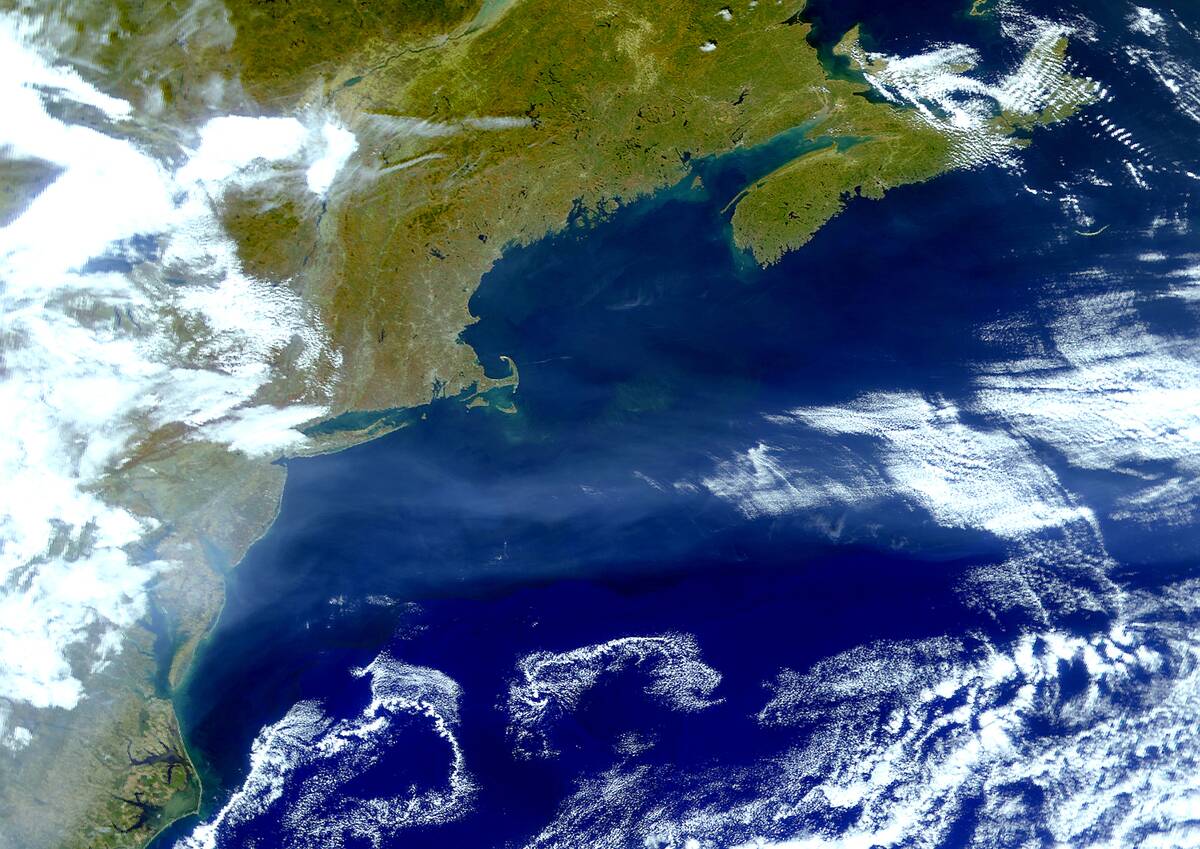
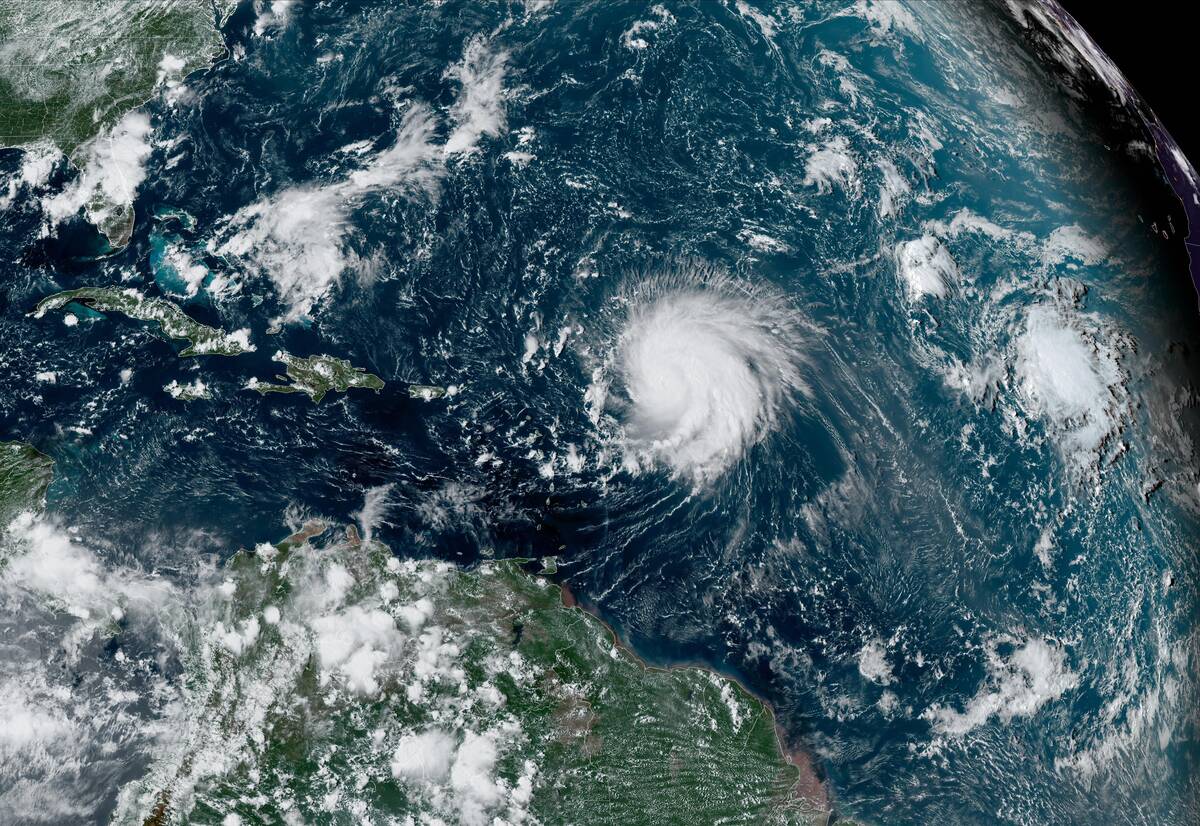
Weather plays a significant role in the incidents attributed to the Bermuda Triangle. The area is prone to sudden storms and waterspouts, which can be perilous for ships and aircraft.
The Gulf Stream, a major ocean current, can also produce rapid and unpredictable weather changes. These natural phenomena, combined with the region’s high traffic, contribute to the number of accidents and disappearances reported in the Triangle.
Magnetic Anomalies: Fact or Fiction?

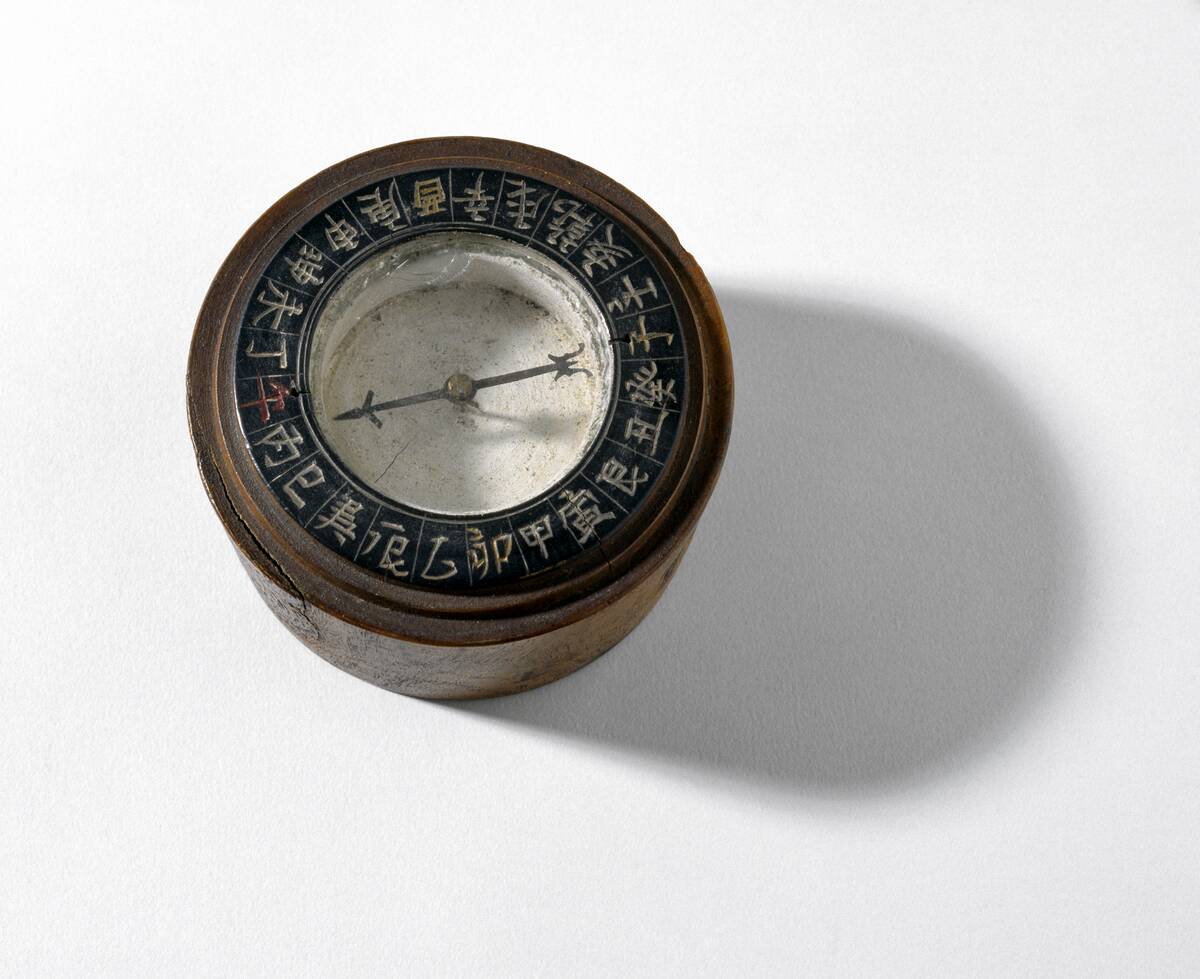
One of the most persistent theories about the Bermuda Triangle involves magnetic anomalies. Some claim that the region’s magnetic fields can cause compasses to malfunction, leading to navigational errors.
However, studies have shown that compass variations in the Triangle are not significantly different from those in other parts of the world. While magnetic anomalies are an intriguing idea, they remain largely unproven as a cause of the Triangle’s mysteries.
The Legend of Atlantis: A Connection to the Triangle?

The legend of Atlantis, a mythical lost city, has been linked to the Bermuda Triangle by some enthusiasts. The theory suggests that advanced technology from the sunken city might be responsible for the mysterious disappearances.
While this idea is more science fiction than fact, it has captured the imagination of many. Despite numerous searches, no evidence of Atlantis or its connection to the Triangle has ever been found.
The Human Factor: Navigational Errors and Misjudgments

Human error is often overlooked in discussions about the Bermuda Triangle. Navigational mistakes and misjudgments can lead to accidents, especially in an area with challenging weather and ocean conditions.
The Triangle is a heavily traveled region, increasing the likelihood of human error. While it’s tempting to attribute disappearances to mysterious forces, many incidents can be explained by the complexities of maritime and aerial navigation.
Debunking Myths: What Skeptics Say About the Triangle

Skeptics argue that the Bermuda Triangle’s reputation is largely a myth. They point out that the number of incidents in the Triangle is not significantly higher than in other heavily traveled regions.
Many disappearances can be attributed to natural causes or human error. Additionally, some reported incidents have been exaggerated or misreported. While the Triangle’s mysteries are intriguing, skeptics urge a more rational examination of the facts.
The U.S. Government’s Stance on the Bermuda Triangle
The U.S. government does not officially recognize the Bermuda Triangle as a hazardous area. The U.S. Coast Guard and other agencies have conducted investigations into incidents but attribute them to natural causes or human error.
The government maintains that the Triangle is no more dangerous than any other part of the ocean. Despite this stance, the Triangle remains a topic of fascination and speculation for many.
Tourist Attractions: Exploring the Triangle Safely

Despite its mysterious reputation, the Bermuda Triangle is a popular tourist destination. Visitors can explore the beautiful islands of Bermuda, Puerto Rico, and the Bahamas, all located within the Triangle.
Activities such as scuba diving, sailing, and sightseeing offer a safe way to experience the region’s allure. While the Triangle’s mysteries persist, tourists can enjoy its natural beauty without fear of disappearing into the unknown.
Personal Accounts: Stories from Survivors and Witnesses
Personal accounts from survivors and witnesses add a human element to the Bermuda Triangle’s mysteries. Some sailors and pilots have reported strange occurrences, such as sudden compass malfunctions or unexplainable weather changes.
While these stories are anecdotal, they contribute to the Triangle’s enigmatic reputation. Listening to these accounts provides insight into the experiences of those who have navigated the Triangle’s waters.