Meet the pistol shrimp, the ocean’s loudest little creature

The pistol shrimp is a fascinating marine creature that has captured the interest of scientists and nature enthusiasts alike. Known for its incredible snapping claw, this tiny crustacean can create a sound louder than a gunshot, earning its name.
Found in warm coastal waters, pistol shrimps are not only intriguing due to their unique abilities but also because of their role in the ecosystem. Let’s dive into the world of this remarkable shrimp and discover what makes it so special.
The Unique Anatomy of the Pistol Shrimp
Pistol shrimps have a distinctive anatomy that sets them apart from other shrimp species. Their most notable feature is the asymmetrical claws, with one being significantly larger and specialized for snapping. This larger claw is capable of producing a powerful shockwave.
Despite their small size, usually around 1 to 2 inches long, their anatomy is perfectly adapted for their unique lifestyle. Their bodies are streamlined for quick movements, making them efficient hunters and escape artists.
The Habitat of the Pistol Shrimp

Pistol shrimps are commonly found in tropical and subtropical regions, particularly in coral reefs, seagrass beds, and mangroves. They thrive in warm, shallow waters where they can easily burrow into sandy or muddy substrates.
These environments provide them with ample opportunities to hunt and hide from predators. The Indo-Pacific region is particularly rich in pistol shrimp diversity, with many species calling it home. Their choice of habitat plays a crucial role in their survival and interactions with other marine life.
The Pistol Shrimp’s Diet

Pistol shrimps have a varied diet that includes small fish, crustaceans, and worms. They use their snapping claw to stun or kill prey before consuming it. This method allows them to tackle prey larger than themselves, showcasing their hunting prowess.
In addition to live prey, they also scavenge for detritus and organic matter on the ocean floor. Their opportunistic feeding habits ensure they can thrive in diverse environments, adapting their diet to the available resources.
A Closer Look at the Pistol Shrimp’s Claw

The pistol shrimp’s claw is a marvel of natural engineering. It consists of two parts: the dactyl, which acts like a hammer, and the propus, which forms a socket. When the claw snaps shut, it creates a high-pressure cavitation bubble that collapses with a loud pop.
This action can stun prey or deter predators. The claw’s design allows for rapid closure, making it an effective tool for both hunting and defense. It’s a perfect example of form meeting function in the animal kingdom.
The Science Behind the Snap

The pistol shrimp’s snap is not just a simple sound; it’s a complex physical phenomenon. When the claw snaps shut, it expels water at such high speed that it creates a cavitation bubble.
As this bubble collapses, it generates temperatures as high as 8,000 degrees Fahrenheit and emits a flash of light. This process, known as sonoluminescence, is still a subject of scientific study. The snap is powerful enough to stun small fish and invertebrates, showcasing the shrimp’s impressive hunting capabilities.
Pistol Shrimp’s Underwater Acoustics

The pistol shrimp may be tiny, but it can produce a sound that rivals a gunshot. Using its oversized snapping claw, the shrimp rapidly shoots out a jet of water that creates a cavitation bubble. When that bubble collapses, it generates an explosive snap that can exceed 200 decibels underwater, which is loud enough to stun small prey and earn the shrimp its famous name.
In areas where pistol shrimps are abundant, thousands of these snaps combine to create a constant crackling noise beneath the waves. The sound is so common in some coastal waters that it can be detected from great distances and has even been mistaken for rain or distant boat traffic.
The Amazing Speed of the Pistol Shrimp’s Snap

The speed of a pistol shrimp’s snap is truly astonishing. The claw can close at speeds of up to 60 miles per hour, making it one of the fastest movements in the animal kingdom. This rapid action is crucial for both capturing prey and defending against threats.
The sheer speed of the snap generates the powerful shockwave and sound that the shrimp is famous for. It’s a remarkable adaptation that highlights the shrimp’s evolutionary success in its environment.
Pistol Shrimp vs. Other Marine Creatures

Despite their small size, pistol shrimps pack a punch that rivals much larger marine creatures. Typically measuring just 1 to 2 inches in length, they are dwarfed by many of their ocean counterparts. However, their snapping ability allows them to compete effectively for food and territory.
While they may not be the largest creatures in the sea, their impact is significant, proving that size isn’t everything in the underwater world. Their unique adaptations make them formidable opponents.
Pistol Shrimp’s Role in the Marine Ecosystem

Pistol shrimps play a vital role in the marine ecosystem. As both predators and prey, they help maintain the balance of marine life. Their burrowing behavior aerates the ocean floor, promoting healthy sediment turnover.
This activity benefits other organisms, such as seagrass and coral, by providing them with nutrients. Additionally, pistol shrimps often form symbiotic relationships with other marine species, further contributing to biodiversity. Their presence is essential for the health and stability of their habitats.
A Perfect Partnership

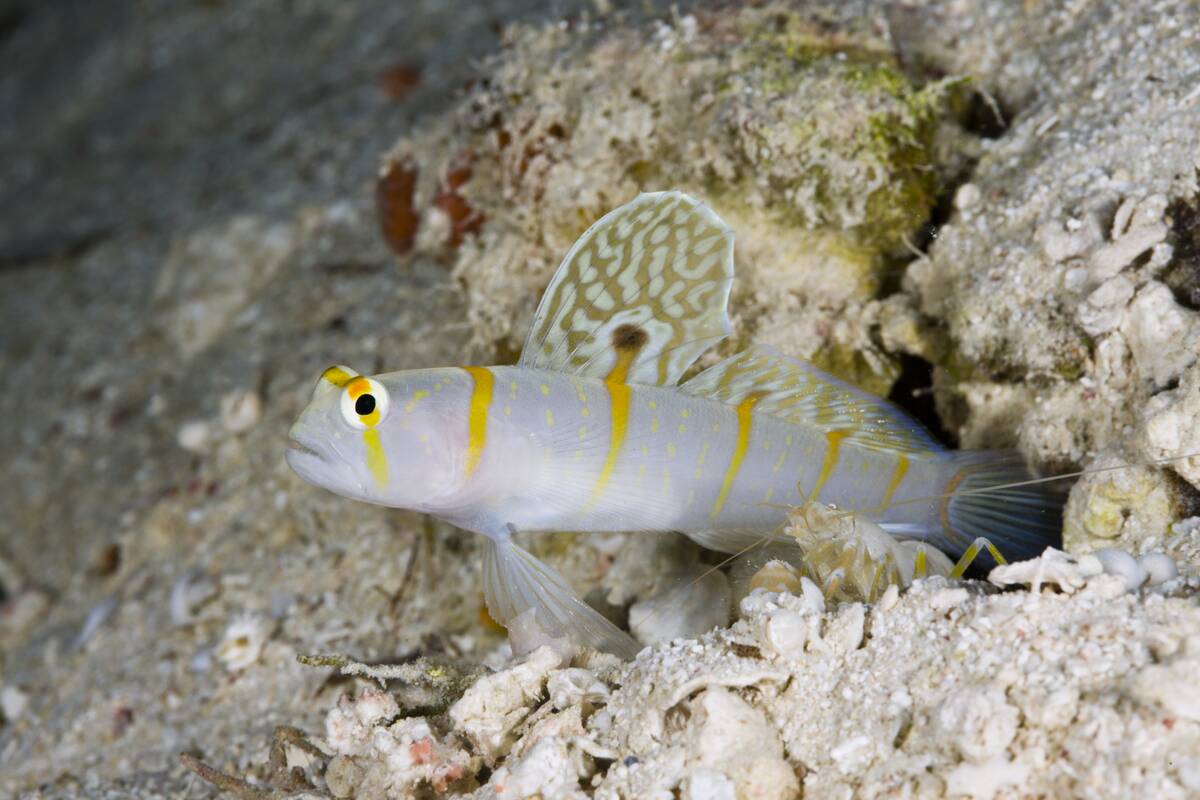
Pistol shrimps are known for their symbiotic relationships with goby fish. The shrimp provides a safe burrow for both itself and the goby, while the goby acts as a lookout for predators. This mutualistic partnership benefits both species, enhancing their survival chances.
The shrimp maintains the burrow, ensuring it’s clean and secure, while the goby warns of approaching danger with a flick of its tail. It’s a perfect example of cooperation in the animal kingdom, highlighting the interconnectedness of marine life.
The Life Cycle of the Pistol Shrimp

The life cycle of a pistol shrimp begins with the hatching of larvae from eggs. These larvae are planktonic, drifting in the ocean currents until they mature. As they grow, they undergo several molts, gradually developing into juvenile shrimps.
Once they settle on the ocean floor, they begin constructing burrows and developing their signature snapping claw. The transition from larvae to adult is a critical period, as young shrimps must quickly adapt to their environment to survive and thrive.
Fascinating Pistol Shrimp Species

There are over 600 species of pistol shrimp, each with unique characteristics and adaptations. Some species, like the tiger pistol shrimp, are known for their striking coloration and patterns. Others, such as the snapping shrimp, are renowned for their powerful snaps.
Despite their differences, all pistol shrimp share the common trait of a specialized snapping claw. This diversity highlights the adaptability of the species, allowing them to inhabit a wide range of marine environments across the globe.