Fascinating historical facts about the Salem witch trials

The Salem Witch Trials of 1692 are a fascinating chapter in American history, filled with intrigue and tragedy. These trials took place in colonial Massachusetts and led to the execution of 20 people, most of them women, accused of witchcraft.
The events have since become synonymous with mass hysteria and the dangers of extremism. Today, they continue to captivate the public imagination, serving as a cautionary tale about the perils of scapegoating and unfounded accusations.
The Historical Context of 1692 Salem

In 1692, Salem was a small, isolated Puritan community facing numerous challenges. The region was dealing with the aftermath of King Philip’s War, economic hardships, and a harsh winter.
These stressors created a tense atmosphere, ripe for conflict and suspicion. The Puritans, who had settled in Massachusetts Bay Colony, were deeply religious and believed that the devil was constantly at work, leading them to see witchcraft as a very real threat.
The Puritan Beliefs and Their Influence

Puritan beliefs played a significant role in the Salem Witch Trials. The Puritans adhered to a strict interpretation of the Bible and believed in predestination, the idea that God had already chosen who would be saved.
This belief system fostered a sense of fear and paranoia, as any deviation from the norm could be seen as evidence of witchcraft. The Puritans’ fear of the devil and their belief in the supernatural made them particularly susceptible to the witchcraft accusations that swept through Salem.
The Role of Fear and Hysteria

Fear and hysteria were key drivers of the Salem Witch Trials. As accusations of witchcraft spread, a sense of panic gripped the community. People were quick to point fingers, often targeting those who were different or marginalized.
This atmosphere of fear was exacerbated by the lack of scientific understanding at the time, leading people to attribute unexplained events to supernatural causes. The resulting hysteria created a dangerous environment where reason and justice were overshadowed by fear and suspicion.
Key Figures in the Witch Trials

Several key figures played pivotal roles in the Salem Witch Trials. Reverend Samuel Parris, the minister of Salem Village, was instrumental in fueling the hysteria. His daughter, Betty Parris, and niece, Abigail Williams, were among the first to exhibit symptoms of supposed witchcraft.
Another notable figure was Tituba, an enslaved woman who was one of the first to be accused and confessed to practicing witchcraft, further igniting the frenzy. These individuals, among others, were central to the unfolding drama.
The First Accusations: How It All Began
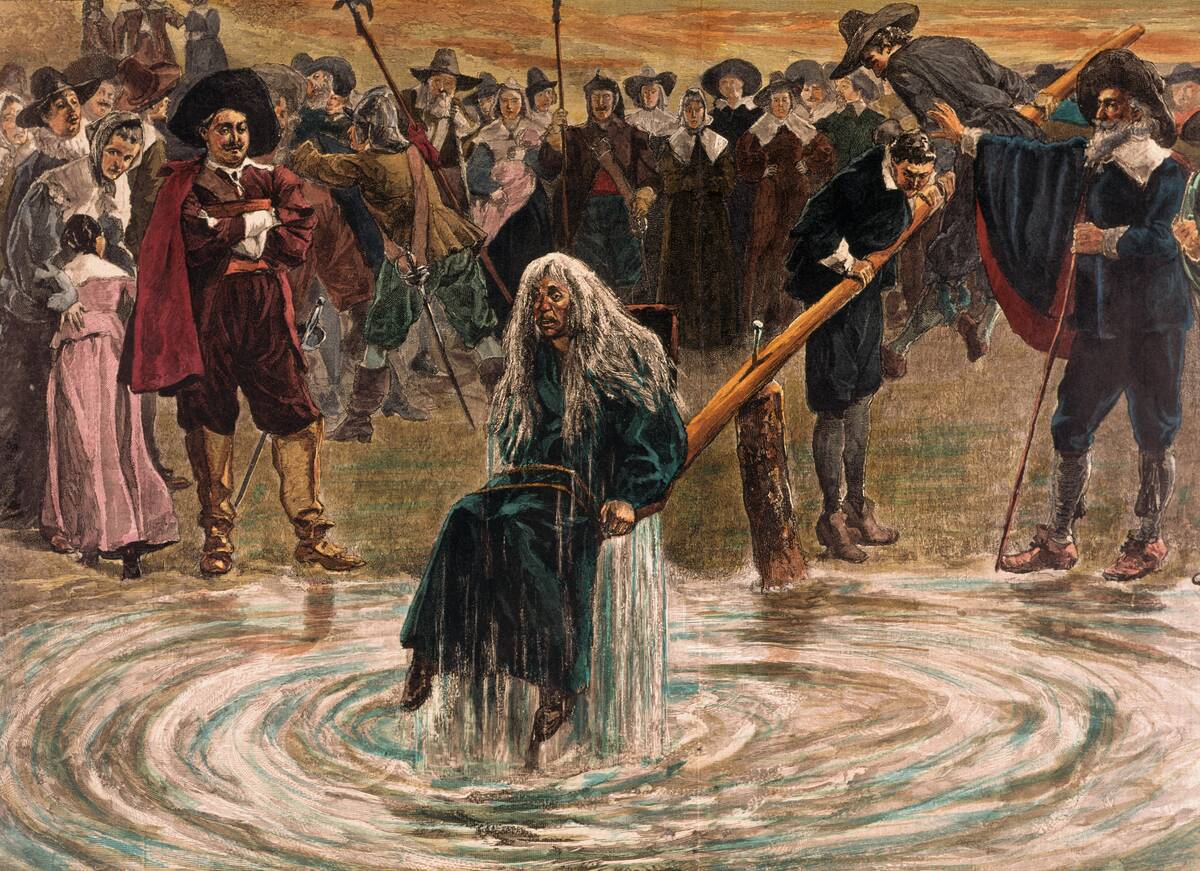
The Salem Witch Trials began with the strange behavior of young girls in the village. In January 1692, Betty Parris and Abigail Williams began experiencing fits, contortions, and outbursts of screaming. Unable to find a medical explanation, the community turned to the supernatural.
The girls accused three women of bewitching them: Tituba, Sarah Good, and Sarah Osborne. These accusations set off a chain reaction, leading to a wave of hysteria and further accusations throughout the community.
The Infamous Witch Cake and Its Role
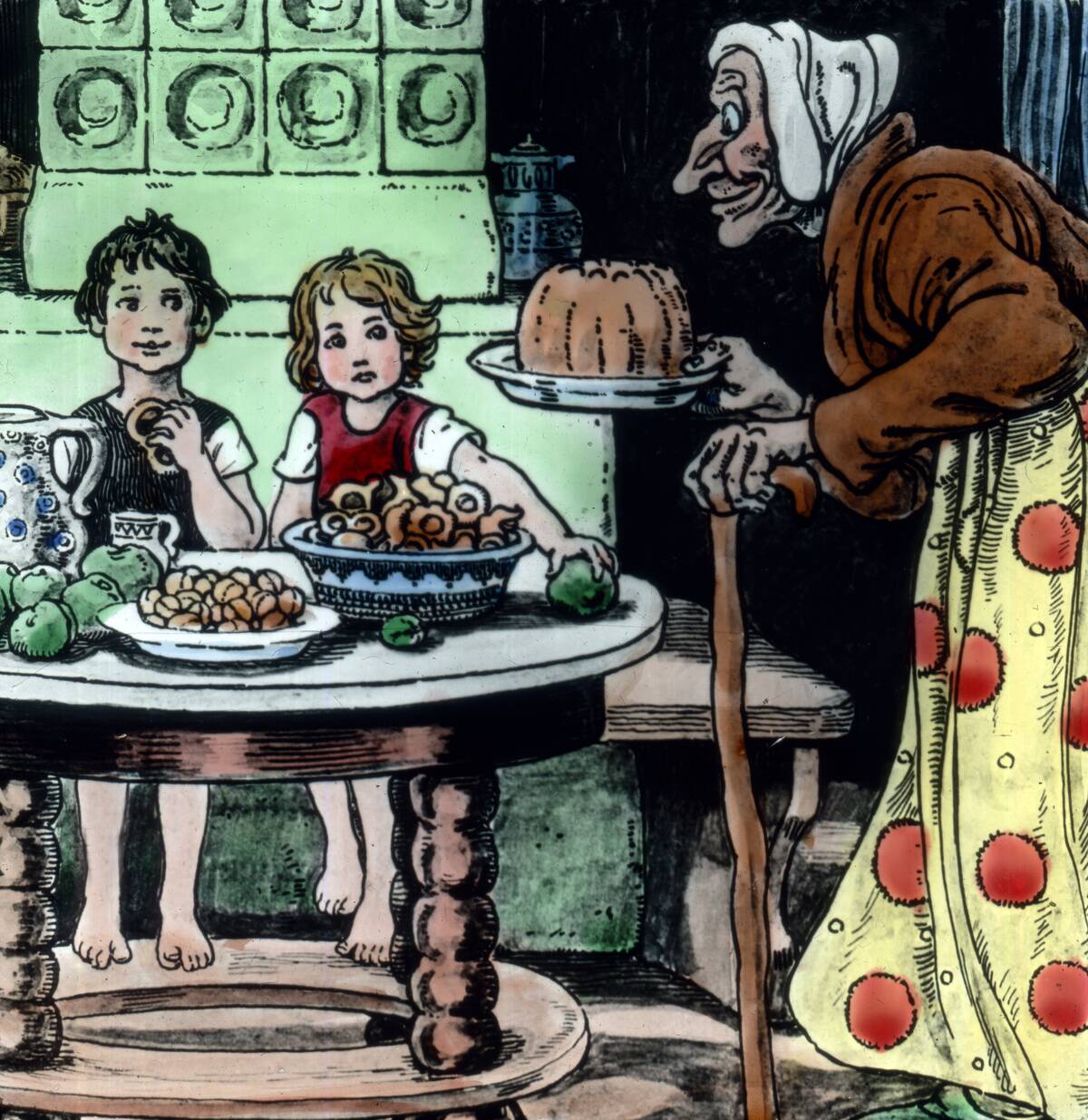
The witch cake was a bizarre and infamous method used to identify witches in Salem. This “cake” was made from rye meal and the urine of the afflicted girls, then fed to a dog. The belief was that the dog, being bewitched, would reveal the identity of the witch.
This practice, rooted in superstition, reflects the desperation and irrationality that characterized the trials. Despite its absurdity, the witch cake was taken seriously and contributed to the escalating panic.
The Trials: A Breakdown of the Legal Proceedings

The legal proceedings of the Salem Witch Trials were fraught with irregularities and injustices. The trials were conducted by a special Court of Oyer and Terminer, which allowed for the admission of spectral evidence, or testimony based on dreams and visions.
The accused had little chance to defend themselves, and the court’s procedures were heavily biased against them. This lack of due process led to the conviction and execution of many innocent people, highlighting the dangers of a flawed legal system.
The Spectral Evidence: Ghostly Testimonies

Spectral evidence played a controversial role in the Salem Witch Trials. This type of evidence was based on the belief that witches could project their spirits to harm others.
Accusers claimed to see the specters of the accused tormenting them, and these ghostly testimonies were accepted as valid evidence in court. The reliance on spectral evidence was heavily criticized, even at the time, as it was impossible to verify and led to many wrongful convictions.
The Role of Gender in the Accusations

Gender played a significant role in the Salem Witch Trials, as the majority of those accused were women. In Puritan society, women were often seen as more susceptible to sin and the devil’s influence.
This perception, combined with societal norms that limited women’s power and autonomy, made them easy targets for witchcraft accusations. The trials exposed underlying gender biases and highlighted the vulnerability of women in a patriarchal society.
The Impact of the Trials on the Community
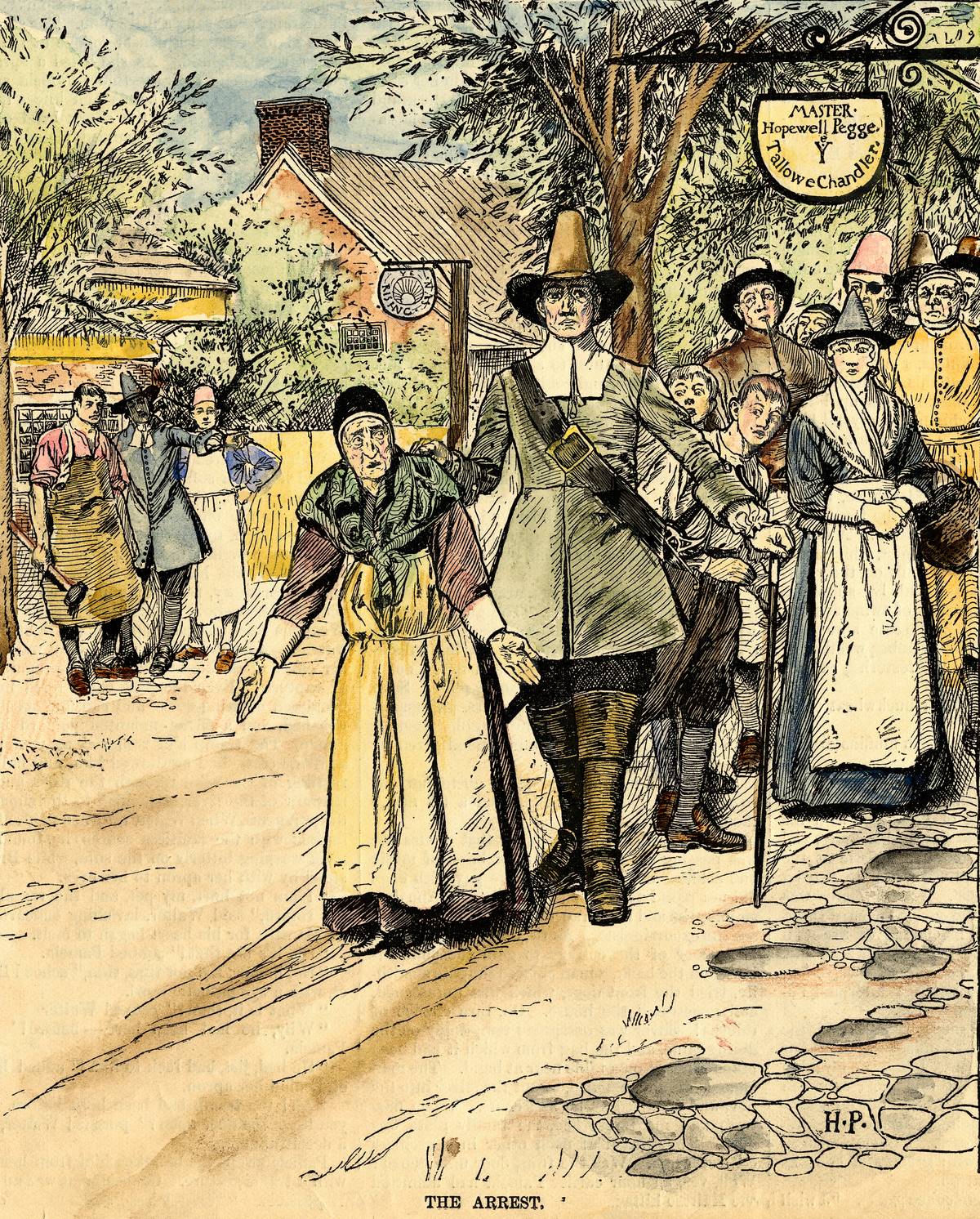
The Salem Witch Trials had a profound impact on the community, leaving lasting scars. Families were torn apart, and trust within the community was shattered. The trials created an atmosphere of fear and suspicion that lingered long after they ended.
Many of those involved were left with feelings of guilt and regret, and the community struggled to come to terms with the injustices that had occurred. The trials served as a painful reminder of the consequences of unchecked hysteria.
The End of the Trials: How Sanity Was Restored

Sanity was gradually restored in Salem as skepticism about the trials grew. By the end of 1692, public opinion began to turn against the proceedings. Influential figures, including Increase Mather, criticized the use of spectral evidence, and Governor William Phips eventually dissolved the Court of Oyer and Terminer.
In 1693, the remaining accused were released, and the trials came to an end. This shift marked a return to reason and a rejection of the hysteria that had gripped the community.
The Aftermath: Lives and Legacies

The aftermath of the Salem Witch Trials was marked by attempts to heal and reconcile. In the years following the trials, the colony made efforts to compensate the families of the accused and restore their reputations.
The events left a lasting legacy, prompting reflection on the dangers of extremism and the importance of due process. The trials became a symbol of the consequences of mass hysteria and the need for justice and fairness in legal proceedings.
The Influence of the Trials on American Legal System

The Salem Witch Trials had a significant influence on the American legal system. The trials highlighted the dangers of relying on unreliable evidence and the importance of protecting the rights of the accused. In the aftermath, there was a greater emphasis on due process and the need for concrete evidence in legal proceedings.
These lessons helped shape the development of the American legal system, contributing to the principles of fairness and justice that underpin it today.
Famous Literature and Films Inspired by the Trials
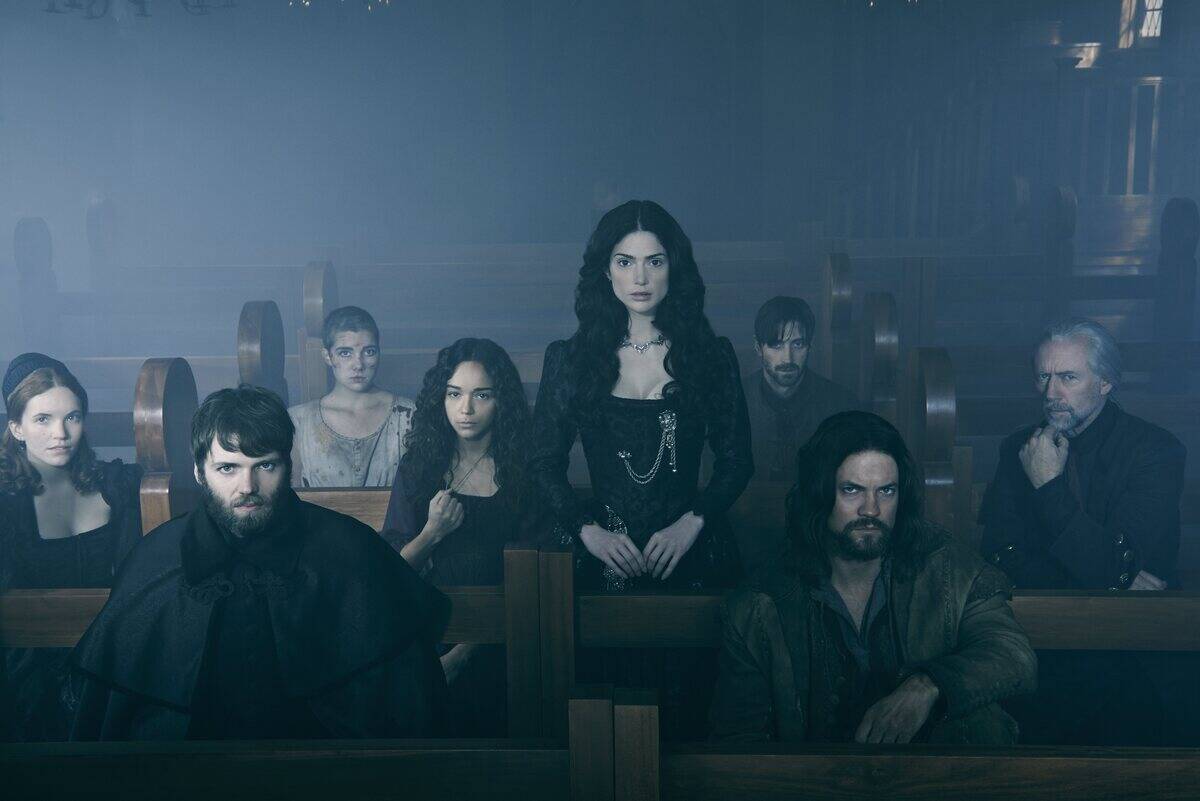
The Salem Witch Trials have inspired countless works of literature and film. Arthur Miller’s “The Crucible” is perhaps the most famous, using the trials as an allegory for McCarthyism.
The trials have also been depicted in films like “The Witch” and “Salem,” which explore themes of fear, power, and societal pressure. These works have helped keep the story of the Salem Witch Trials alive, ensuring that their lessons continue to be relevant and thought-provoking.
Visiting Salem Today: A Tourist’s Guide

Today, Salem is a popular tourist destination, drawing visitors interested in its witch trial history. The Salem Witch Museum offers an in-depth look at the events of 1692, while the Witch House, the former home of Judge Jonathan Corwin, provides a glimpse into the period’s architecture.
October is an especially popular time to visit, with Halloween events and festivals celebrating the town’s spooky past. Salem’s rich history and vibrant culture make it a fascinating place to explore.
Fun Facts and Misconceptions About the Trials

Despite their notoriety, there are many misconceptions about the Salem Witch Trials. For instance, contrary to popular belief, none of the accused were burned at the stake; most were hanged.
Another interesting fact is that the term “witch hunt” originated from these events, symbolizing the pursuit of perceived enemies. The trials have also sparked curiosity about the role of ergot poisoning, a theory suggesting that contaminated rye could have caused the symptoms exhibited by the afflicted girls.