Military disasters that altered the course of history

Military disasters have shaped the course of history in profound ways, often altering the balance of power and leading to significant political and social changes. These catastrophic events serve as stark reminders of the unpredictability of warfare and the consequences of strategic miscalculations.
From ancient battles to modern conflicts, each disaster has left an indelible mark on history, influencing the future of nations and the lives of countless individuals.
The Battle of Salamis: A Turning Point in the Greco-Persian Wars
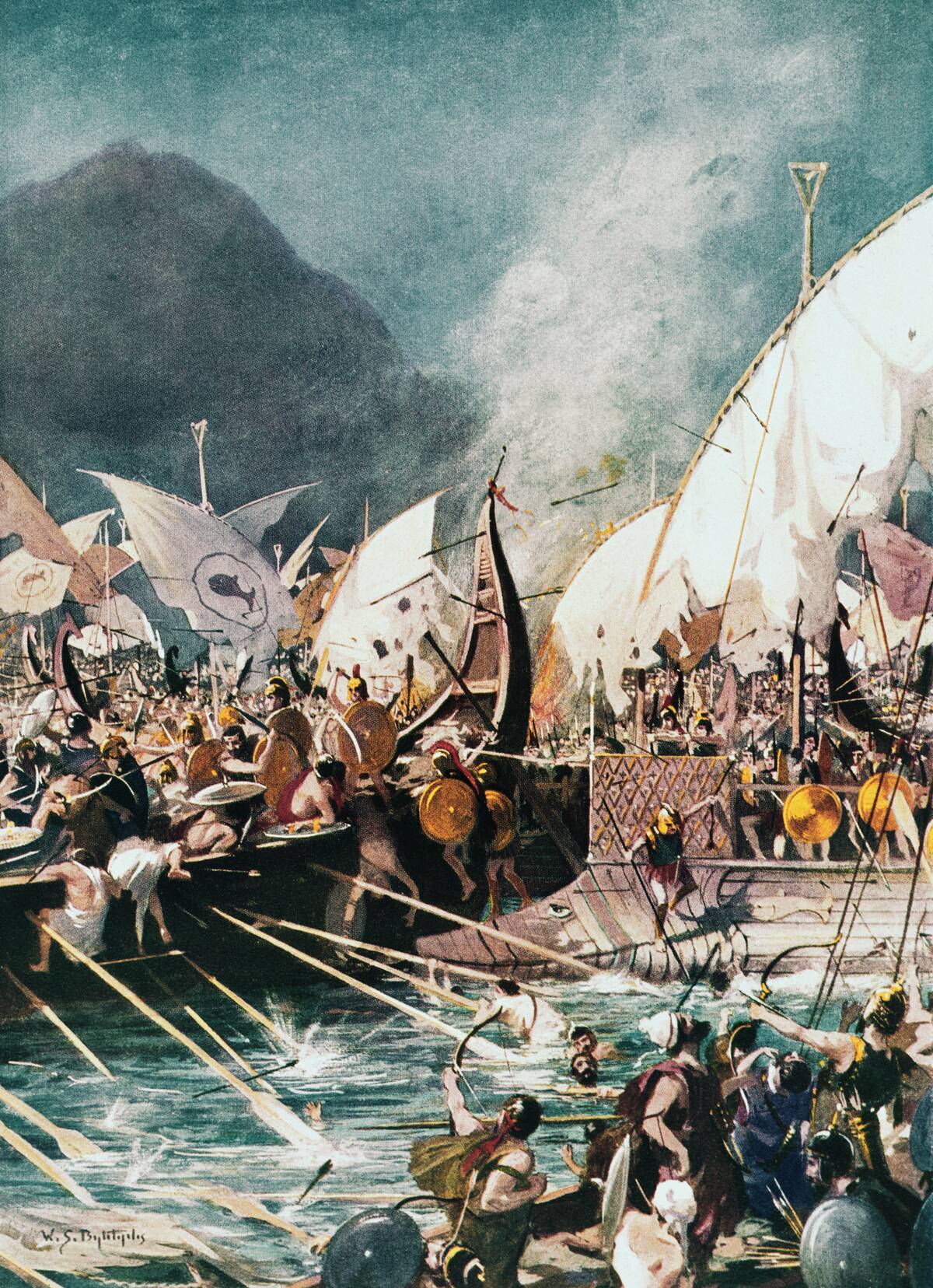
The Battle of Salamis in 480 BC was a crucial naval engagement between the Greek city-states and the Persian Empire. The Greeks, led by Themistocles, used their smaller, more maneuverable ships to outwit the larger Persian fleet.
This victory halted the Persian advance and preserved Greek independence, allowing the flourishing of Greek culture and democracy. It demonstrated the effectiveness of naval power and strategic cunning in warfare.
The Battle of Adrianople: The Fall of the Roman Empire Begins

The Battle of Adrianople in 378 AD marked a significant turning point for the Roman Empire. The Visigoths, rebelling against Roman mistreatment, delivered a crushing defeat to the Roman army, killing Emperor Valens.
This loss exposed the vulnerability of the once-mighty Roman military and paved the way for further invasions. It signaled the beginning of the end for the Western Roman Empire, leading to its eventual collapse in the 5th century.
The Battle of Hattin: The Crusaders’ Catastrophic Defeat
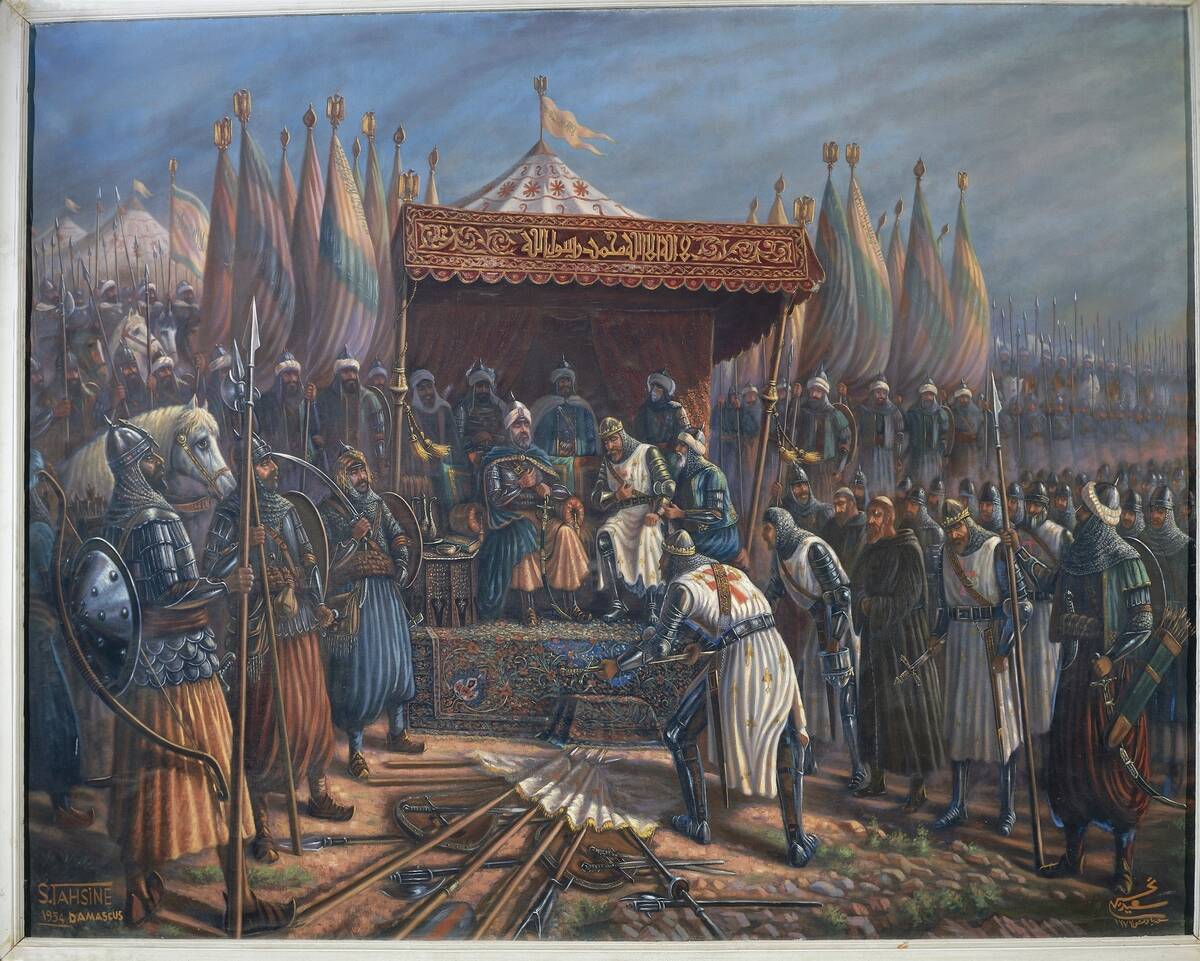
In 1187, the Battle of Hattin saw the Crusader forces decisively defeated by the Muslim army led by Saladin. The Crusaders, suffering from thirst and exhaustion, were overwhelmed and their king captured.
This defeat led to the loss of Jerusalem and much of the Crusader-held territory in the Holy Land. It was a turning point in the Crusades, demonstrating the importance of logistics and morale in military campaigns.
The Battle of Agincourt: Longbows and the Hundred Years’ War

The Battle of Agincourt in 1415 showcased the effectiveness of the English longbow against French knights. Despite being heavily outnumbered, the English forces, led by King Henry V, achieved a stunning victory.
The muddy battlefield and strategic use of archers decimated the French cavalry. This battle highlighted the changing nature of warfare and contributed to the eventual English dominance in the Hundred Years’ War.
The Spanish Armada: A Naval Catastrophe for Spain
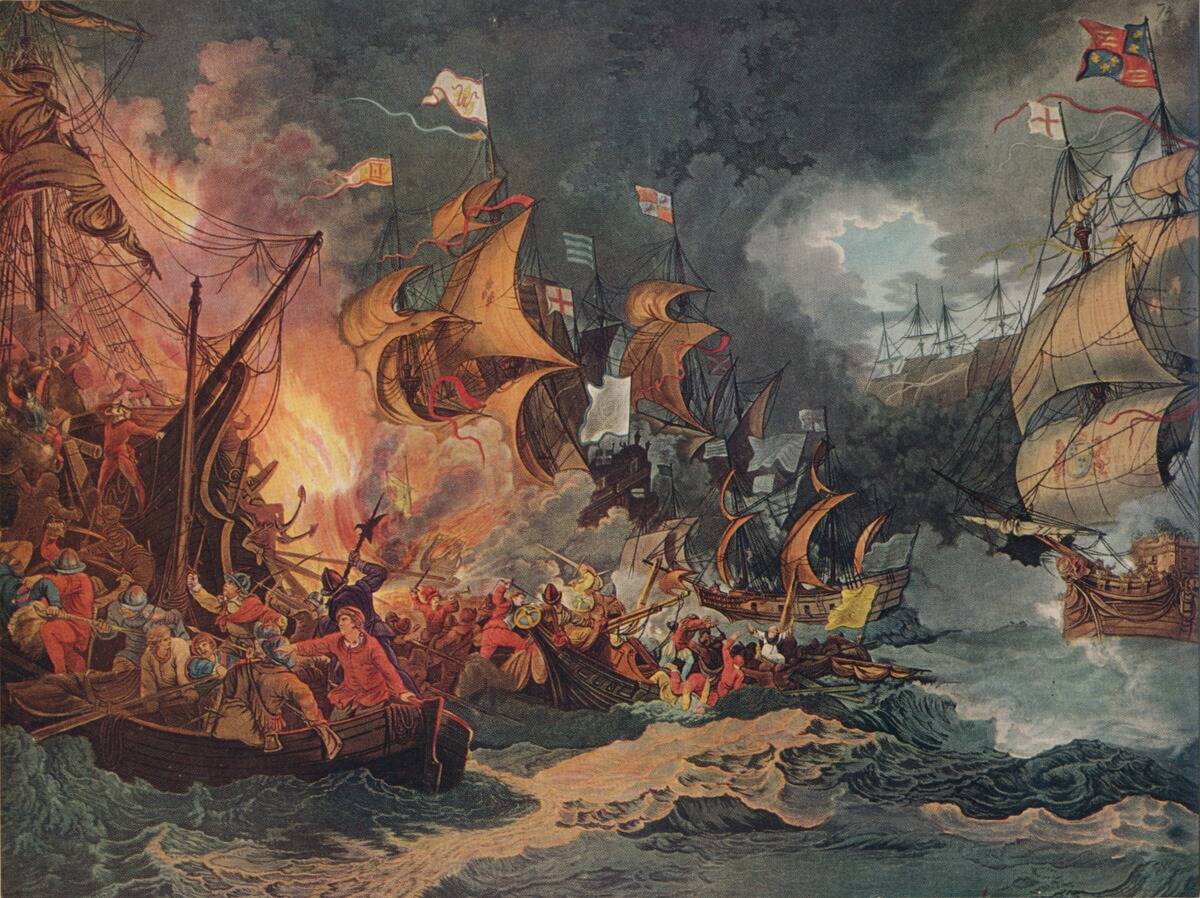
In 1588, the Spanish Armada set sail to invade England, but it ended in disaster. The English navy, utilizing faster ships and innovative tactics, inflicted heavy damage on the Spanish fleet.
Storms further compounded Spain’s misfortunes, scattering their ships. This defeat marked the decline of Spanish naval supremacy and the rise of England as a dominant maritime power. It underscored the impact of weather and technology in naval warfare.
The Battle of Saratoga: A Pivotal Moment in the American Revolution

The Battle of Saratoga in 1777 was a turning point in the American Revolution. American forces, led by General Horatio Gates, defeated the British army, convincing France to join the war on the American side.
This alliance provided crucial military support and resources, ultimately leading to American independence. Saratoga demonstrated the importance of alliances and strategic victories in achieving political goals.
Napoleon’s Invasion of Russia: The Grande Armée’s Downfall

In 1812, Napoleon’s invasion of Russia ended in disaster for the French. The Russian strategy of scorched earth and harsh winter conditions decimated the Grande Armée. Out of 600,000 troops, only a fraction returned to France.
This catastrophic campaign weakened Napoleon’s forces and emboldened his enemies, leading to his eventual downfall. It highlighted the perils of overextension and the brutal impact of climate on military operations.
The Battle of Waterloo: Napoleon’s Final Stand

The Battle of Waterloo in 1815 marked the end of Napoleon’s reign. Allied forces, led by the Duke of Wellington and Prussian General Blücher, defeated Napoleon’s army. The battle was a culmination of strategic errors and fierce resistance by the Allies.
Napoleon’s defeat at Waterloo led to his exile and the restoration of the French monarchy. It was a pivotal moment in European history, reshaping the continent’s political landscape.
The Charge of the Light Brigade: A Misguided Cavalry Attack
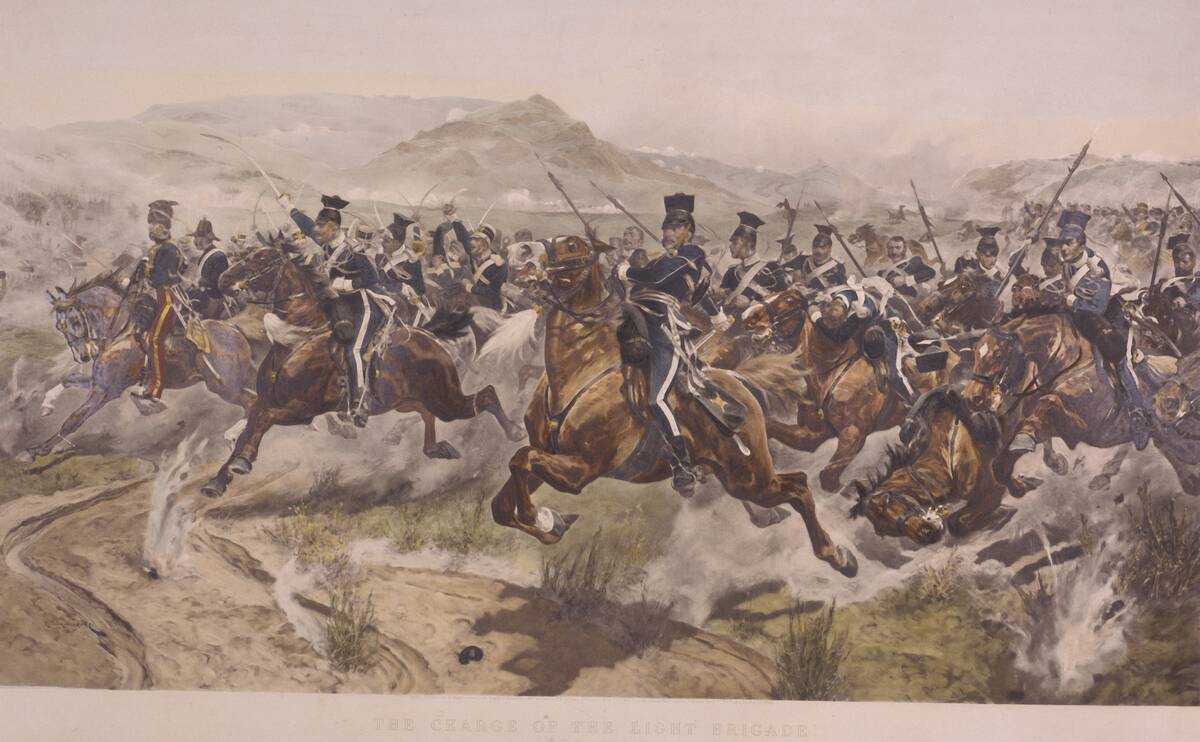
During the Crimean War, the Charge of the Light Brigade in 1854 became infamous for its tragic futility. Miscommunication and poor leadership led to a cavalry charge into a valley surrounded by Russian artillery.
The attack resulted in heavy casualties and little strategic gain. This event highlighted the importance of clear communication and the dangers of rigid command structures in military operations.
The Battle of the Little Bighorn: Custer’s Last Stand
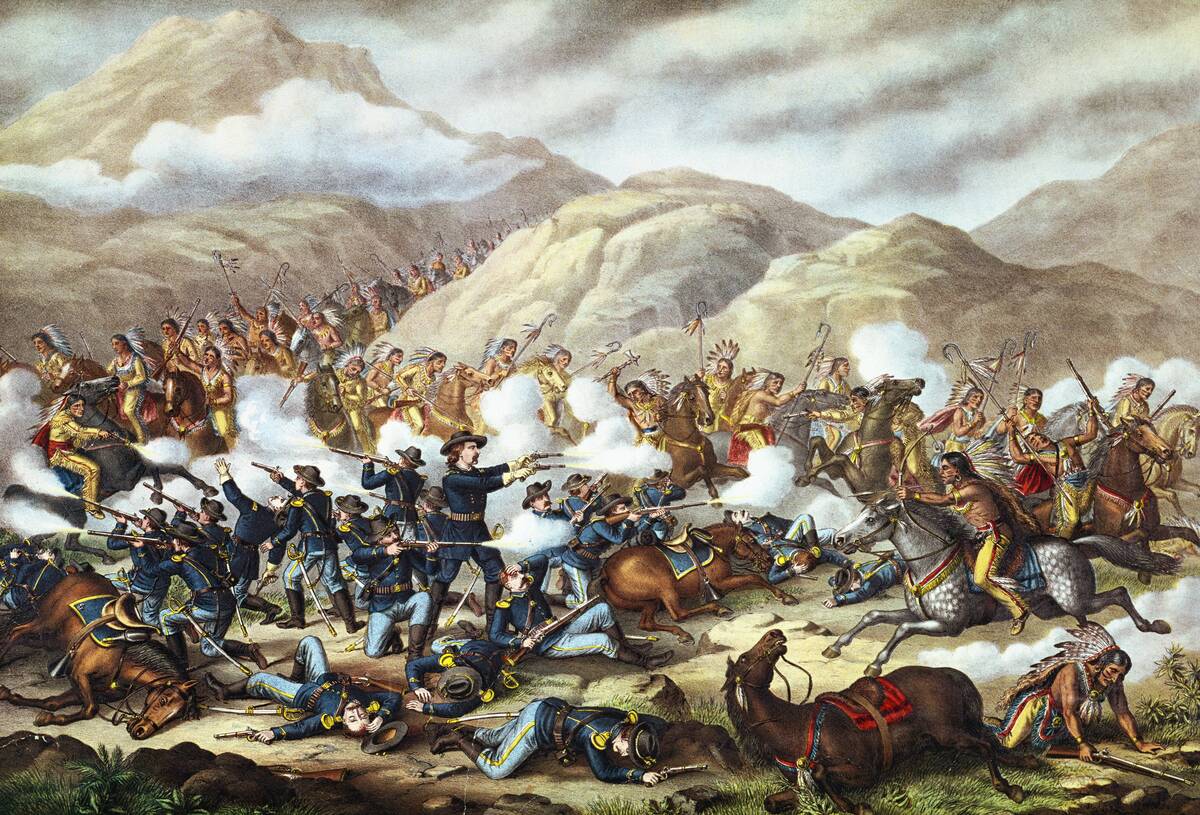
In 1876, the Battle of the Little Bighorn saw the defeat of U.S. forces led by General Custer against a coalition of Native American tribes. Underestimating the strength of the Native forces, Custer’s troops were overwhelmed.
This battle became a symbol of Native American resistance against U.S. expansion. It underscored the consequences of underestimating an opponent and the complexities of frontier warfare.
The Battle of Gallipoli: A Costly Allied Failure

The Gallipoli Campaign in 1915 was a failed attempt by the Allies to secure a sea route to Russia during World War I. Poor planning and fierce Ottoman resistance led to heavy casualties and a prolonged stalemate.
The campaign’s failure had significant political and military repercussions, contributing to the resignation of British leaders and reshaping military strategies. It highlighted the challenges of amphibious operations and the importance of intelligence.
Operation Barbarossa: Hitler’s Fateful Eastern Front
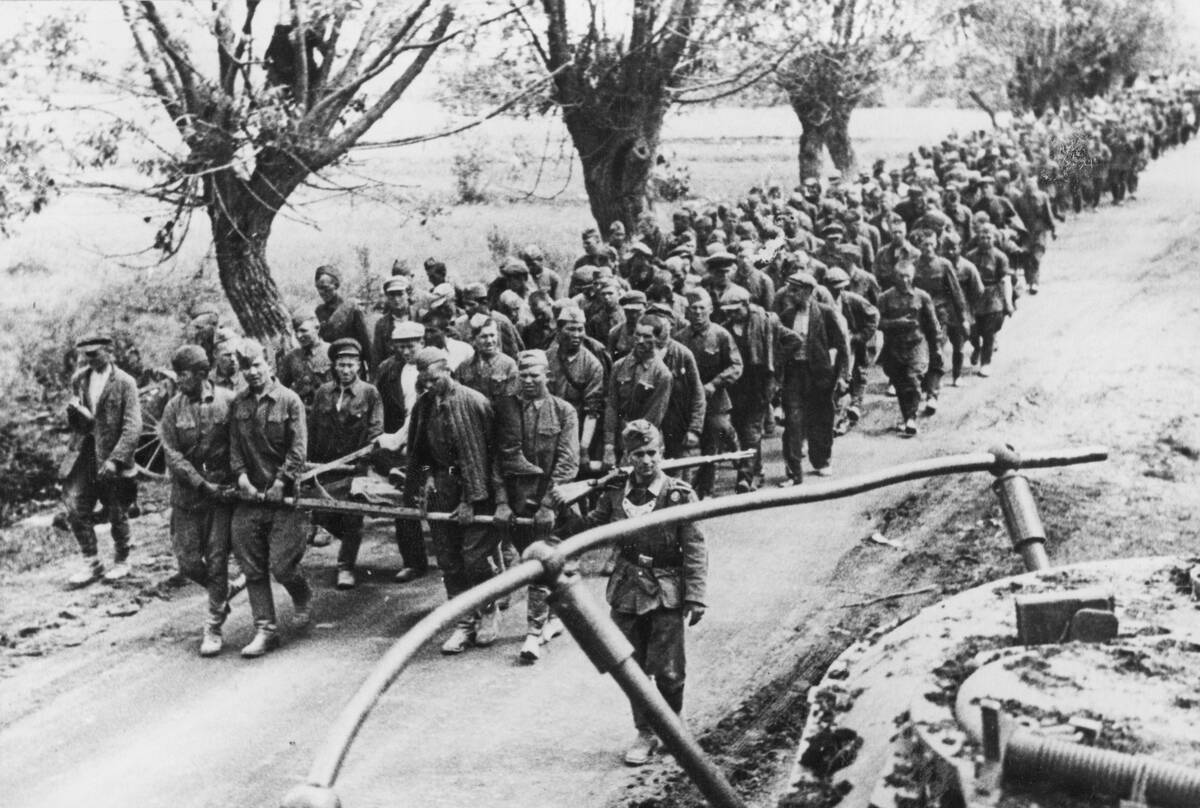
In 1941, Operation Barbarossa was Nazi Germany’s invasion of the Soviet Union. Initially successful, the campaign faltered due to logistical challenges and harsh winter conditions. The Soviet resistance and counteroffensive turned the tide against Germany.
This operation marked a turning point in World War II, leading to the eventual defeat of Nazi Germany. It demonstrated the perils of underestimating an opponent’s resilience and the impact of strategic overreach.
The Battle of Stalingrad: A Turning Point in World War II

The Battle of Stalingrad, fought between 1942 and 1943, was a brutal confrontation between Nazi Germany and the Soviet Union. The Soviets encircled and defeated the German 6th Army, marking a turning point in the war.
This victory boosted Soviet morale and marked the beginning of the German retreat from the Eastern Front. Stalingrad highlighted the importance of urban warfare and the resilience of defending forces in determining the outcome of battles.
The Fall of Saigon: The End of the Vietnam War
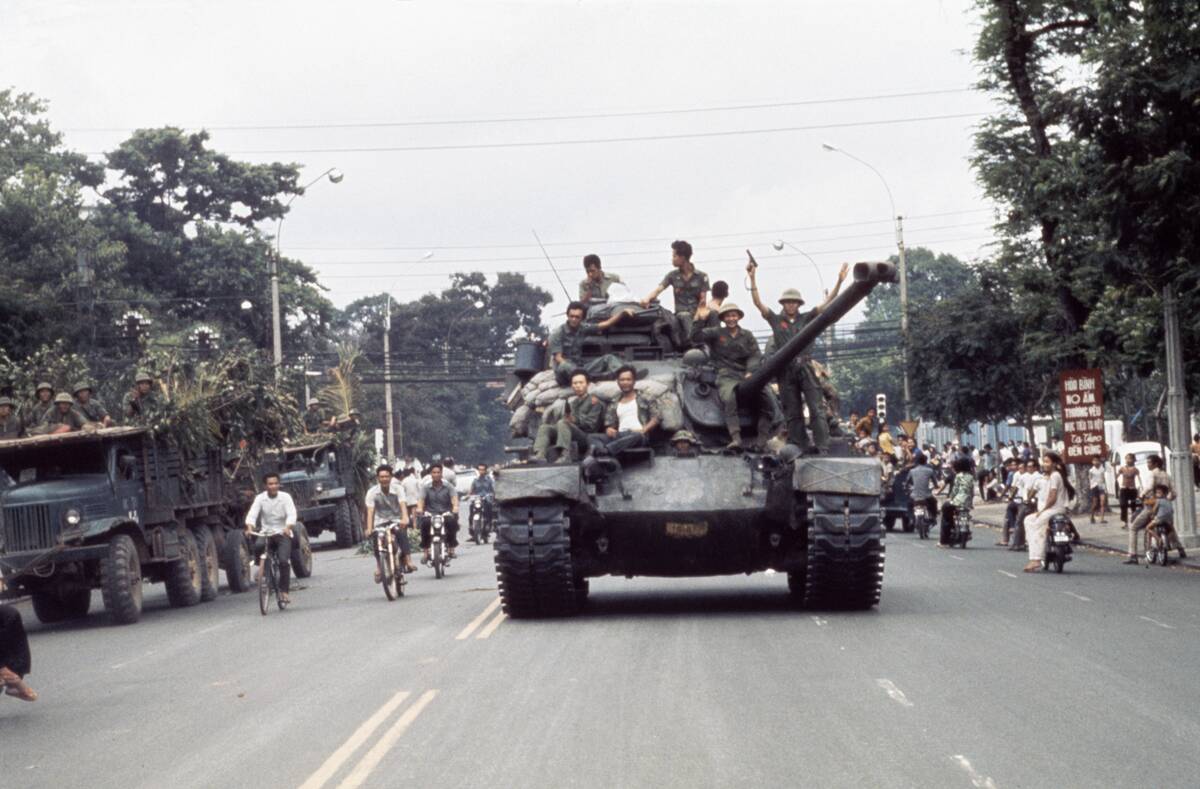
In 1975, the Fall of Saigon marked the end of the Vietnam War, as North Vietnamese forces captured the capital of South Vietnam. The chaotic evacuation of American personnel and South Vietnamese allies symbolized the failure of U.S. intervention.
This event led to the reunification of Vietnam under communist control. It underscored the limitations of military power in achieving political objectives and the complexities of asymmetric warfare.
The Bay of Pigs Invasion: A Failed Attempt at Cuban Liberation
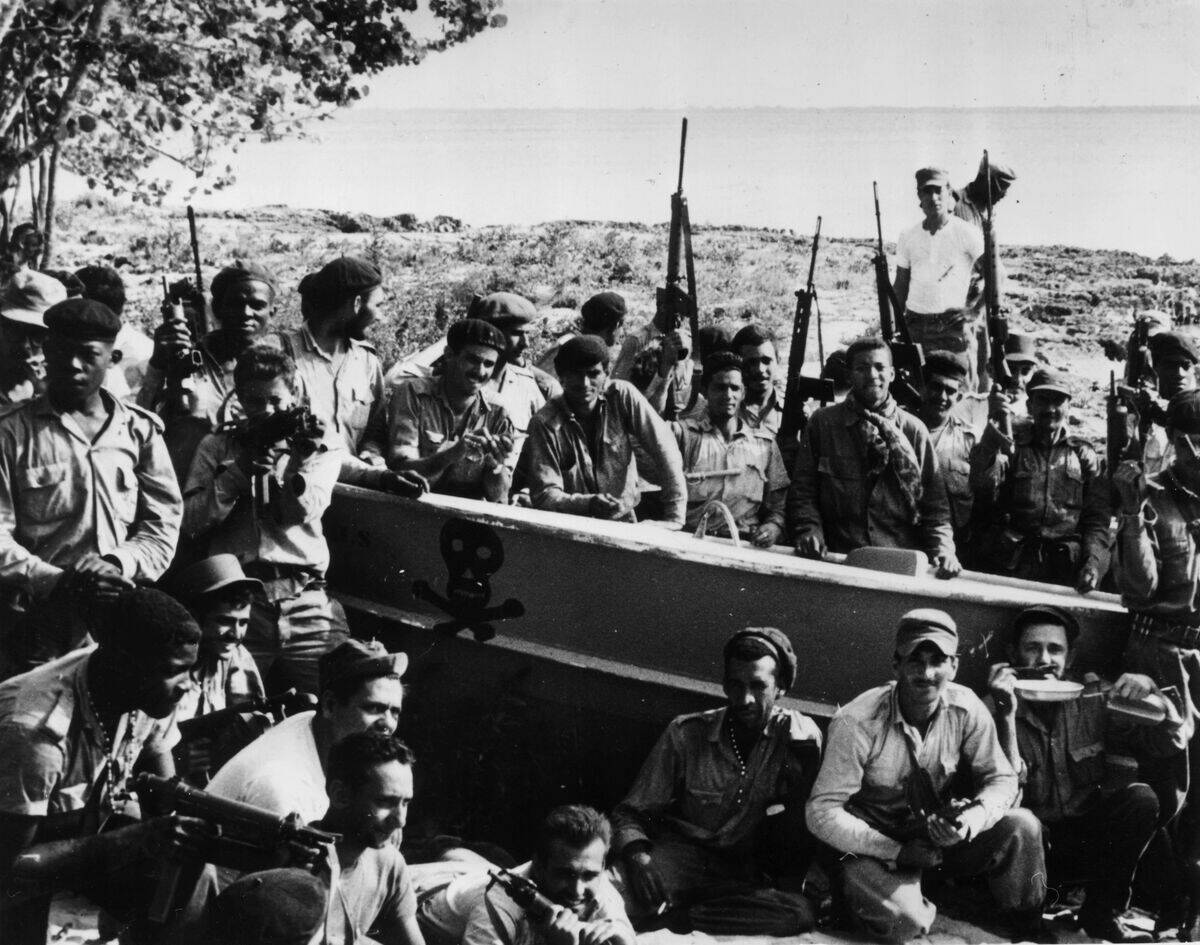
In 1961, the Bay of Pigs Invasion was an unsuccessful attempt by U.S.-backed Cuban exiles to overthrow Fidel Castro’s government. Poor planning, lack of air support, and strong Cuban resistance led to a swift defeat.
This failure embarrassed the U.S. and strengthened Castro’s position. It highlighted the challenges of covert operations and the importance of intelligence and local support in achieving military objectives.