Why Saturn’s rings continue to interest scientists

Trending Now
Saturn’s rings are one of the most captivating features in our solar system. These dazzling bands of ice and rock have intrigued astronomers and stargazers alike for centuries.
Their sheer size and beauty make them a favorite subject of study and admiration. As we peer through telescopes, the rings appear as a shimmering halo, casting an enchanting glow around the gas giant. But what lies beneath their ethereal appearance?
A Brief History of Saturn’s Rings Discovery

The discovery of Saturn’s rings dates back to 1610 when Galileo Galilei first observed them through his telescope. However, he couldn’t quite make out their true nature, describing them as “ears” or “handles” on either side of the planet.
It wasn’t until 1655 that Dutch astronomer Christiaan Huygens correctly identified them as rings. Using a more advanced telescope, Huygens proposed that these were indeed a series of rings encircling Saturn.
The Composition of Saturn’s Rings: Ice and Rock
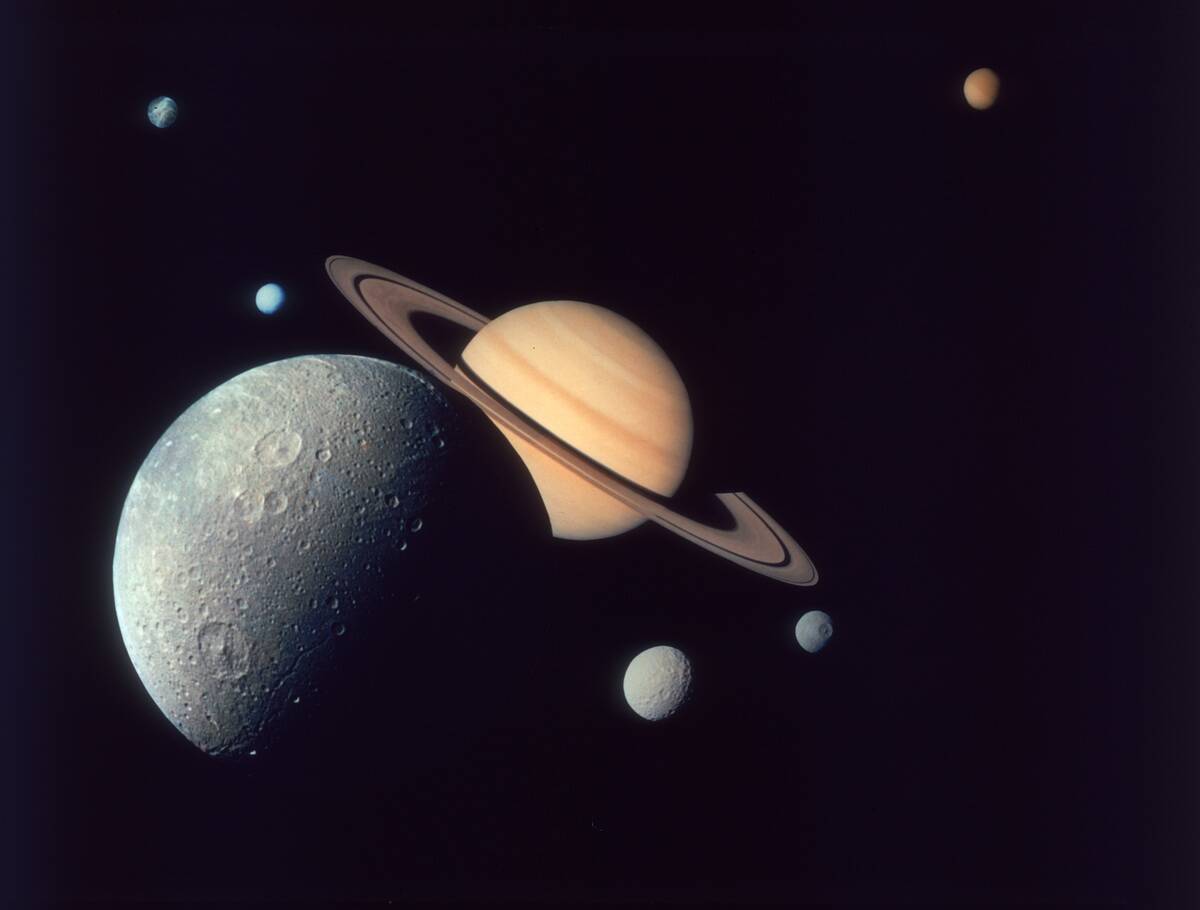
Saturn’s rings are primarily composed of countless small particles, predominantly ice, with a smattering of rock and dust. These particles range in size from tiny grains to massive chunks as large as mountains.
The icy composition is what gives the rings their brilliant, reflective quality. This composition also suggests that the rings could have formed from comets or icy moons that were shattered by Saturn’s powerful gravity.
The Age-Old Debate: How Old Are Saturn’s Rings?

The age of Saturn’s rings is a topic of ongoing debate among scientists. Some studies suggest they are relatively young, perhaps only 100 million years old, while others propose they could be as ancient as the planet itself.
Recent data from the Cassini mission indicates that the rings might be younger, possibly formed during the age of the dinosaurs. This youthful age challenges previous assumptions and continues to spark lively scientific discussions.
The Mystery of Ring Formation: Theories and Speculations

The formation of Saturn’s rings remains one of the great mysteries of our solar system. One leading theory is that they formed from the remnants of a moon or comet that was torn apart by Saturn’s gravity.
Another possibility is that they are the leftover building blocks from the planet’s formation. Despite extensive research, the exact process that led to their creation is still unknown, leaving room for speculation and further study.
The Role of Saturn’s Moons in Ring Dynamics
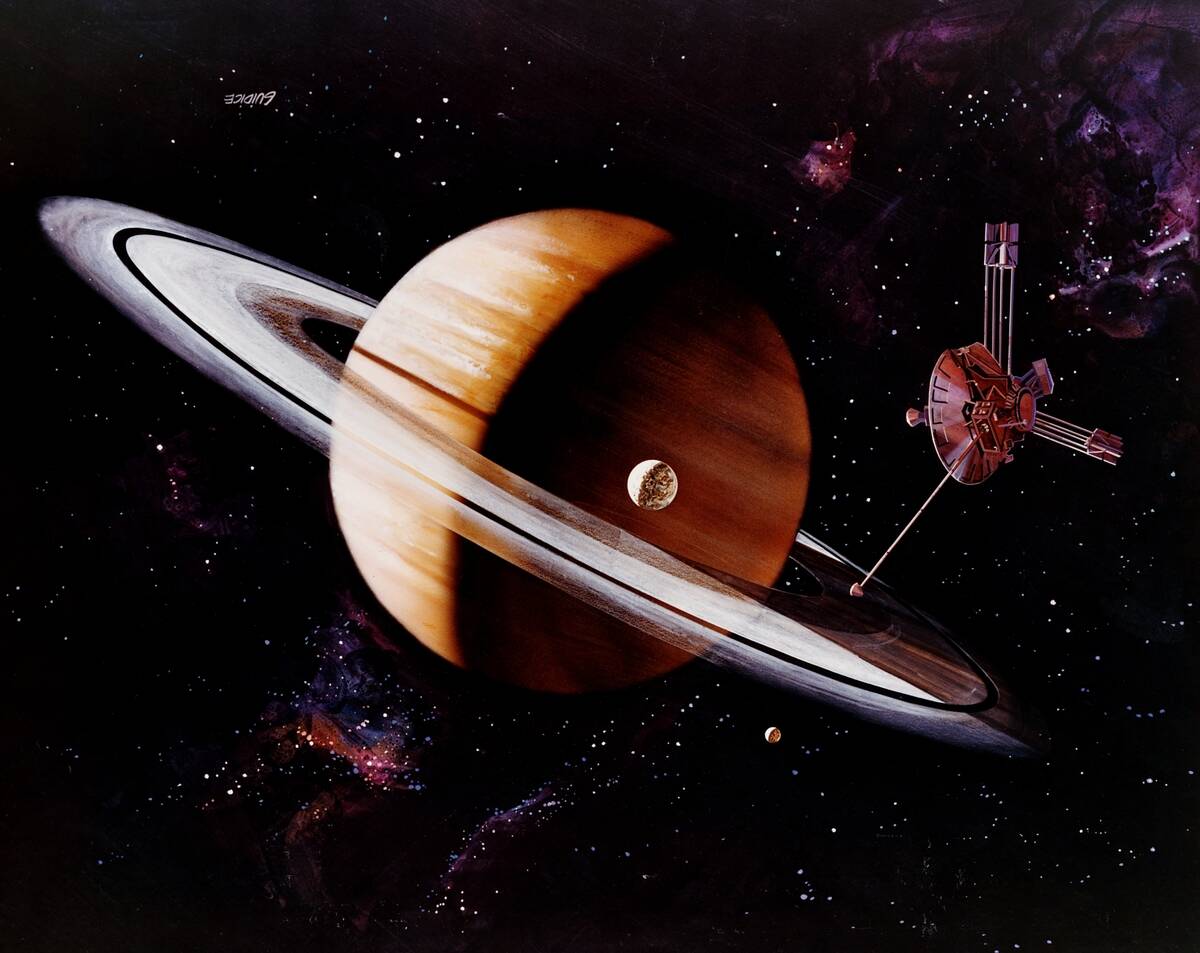
Saturn’s moons play a crucial role in the dynamics of its rings. Smaller ring moons and shepherd moons, such as Prometheus, Pandora, Pan, and Daphnis, help shape ring edges, create gaps, and produce waves or disturbances in the rings.
This intricate dance between the moons and the rings adds another layer of complexity to Saturn’s celestial display.
The Enigmatic “Spokes” in Saturn’s Rings

Among the many fascinating features of Saturn’s rings are the mysterious “spokes.” These are transient, radial features that appear and disappear over time. First observed by the Voyager spacecraft in the 1980s, spokes are thought to be caused by the planet’s magnetic field interacting with ring particles.
Despite decades of study, the exact mechanism behind their formation remains elusive, adding to the rings’ enigmatic allure.
Cassini Mission: Unveiling New Mysteries
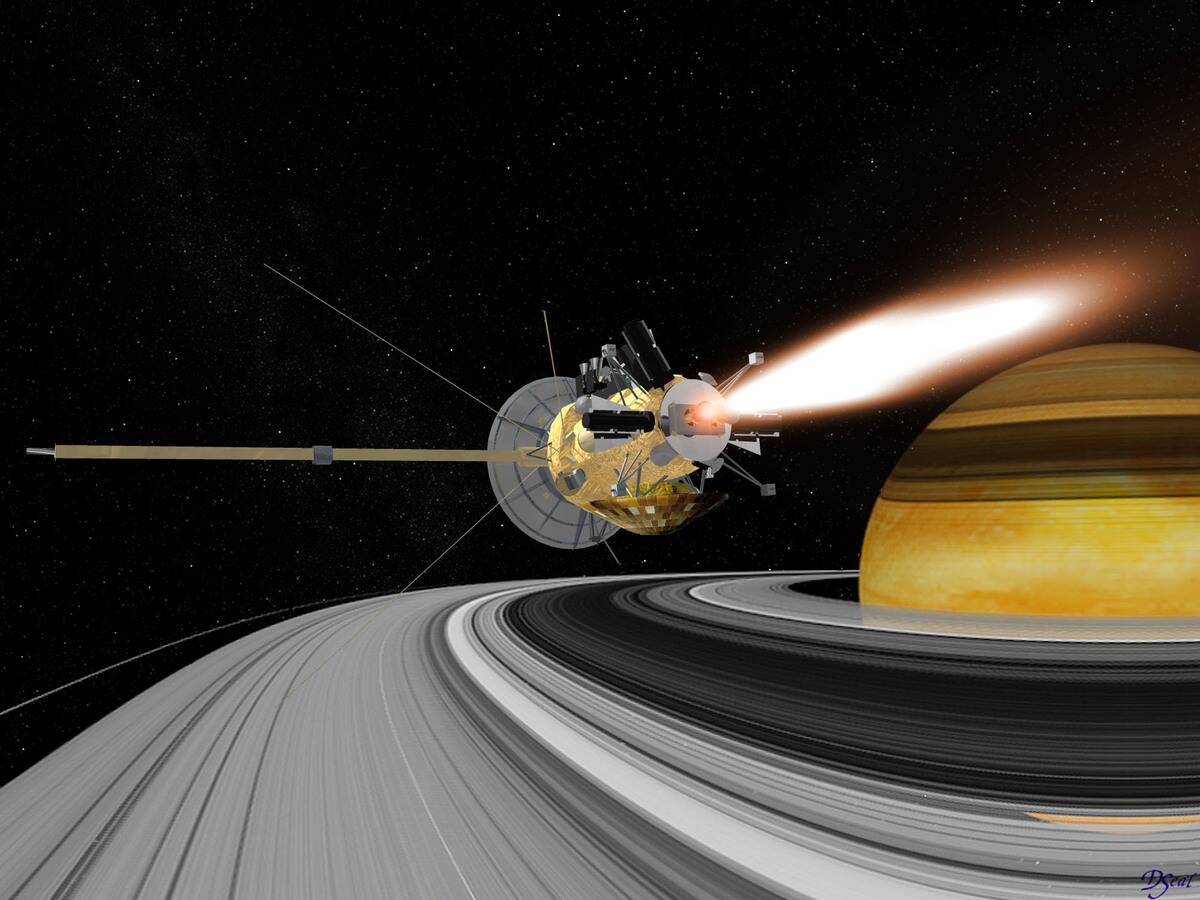
The Cassini mission, which orbited Saturn from 2004 to 2017, provided unprecedented insights into Saturn, its moons, and its rings. Cassini’s close-up observations revealed intricate details about the rings’ structure, composition, and interaction with Saturn.
During its final orbits, Cassini detected complex organic compounds in material raining from Saturn’s rings into the planet’s upper atmosphere. These discoveries have reshaped our understanding of Saturn and highlighted the need for further exploration.
The Disappearing Act: Why Are Saturn’s Rings Fading?
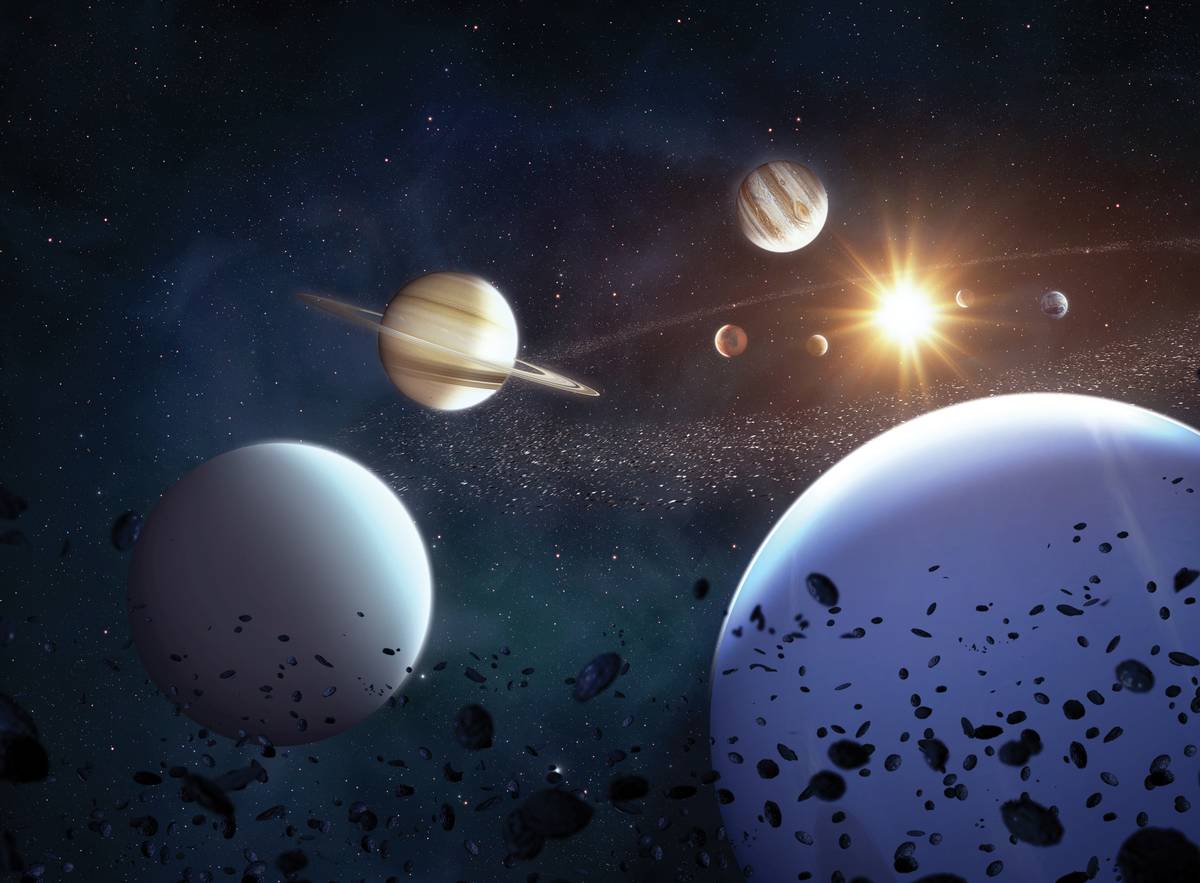
Saturn’s rings are gradually fading, a phenomenon known as “ring rain.” Particles from the rings are slowly being pulled into Saturn’s atmosphere by its gravity. This process is accelerated by the planet’s magnetic field, which causes charged particles to spiral inward.
Scientists estimate that the rings could disappear in as little as 100 million years, making the current era a unique opportunity to study them before they vanish.
The Influence of Saturn’s Gravity on Ring Structure

Saturn’s immense gravity is a key factor in shaping the structure of its rings. The planet’s gravitational pull keeps the ring particles in orbit, preventing them from dispersing into space.
This force also creates gaps and divisions within the rings, such as the prominent Cassini Division. Understanding how gravity influences the rings helps scientists learn more about the complex interactions within planetary systems.
Seasonal Changes and Their Impact on Saturn’s Rings

Saturn experiences seasonal changes due to its axial tilt, much like Earth. These changes affect the rings’ appearance and dynamics. During equinoxes, when the sun shines edge-on to the rings, shadows cast by the rings become more pronounced.
This unique lighting condition allows scientists to study the rings’ vertical structure in greater detail. Seasonal variations also influence the distribution of particles within the rings.
The Puzzle of Ring Particle Size and Distribution
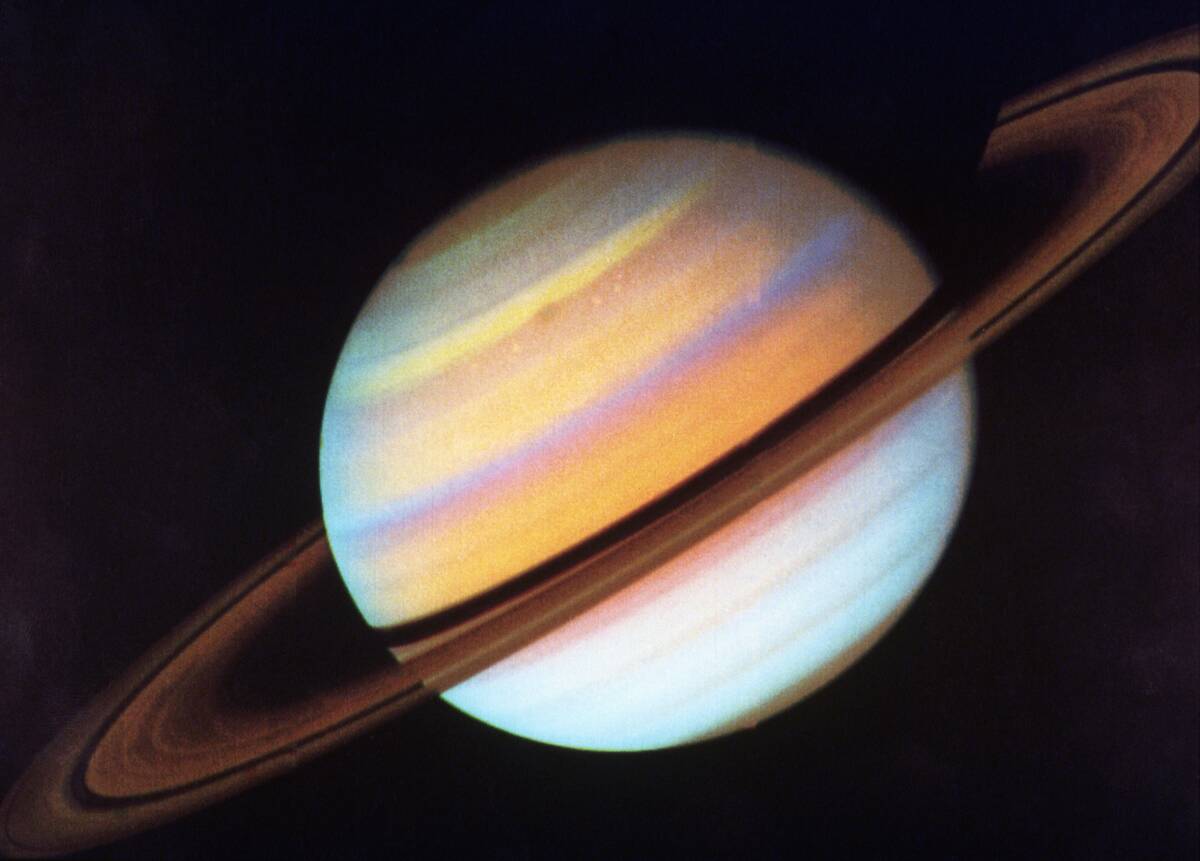
The size and distribution of particles within Saturn’s rings are surprisingly diverse. While most particles are small, ranging from dust-sized grains to pebbles, some are as large as boulders.
The distribution of these particles is not uniform, with some areas densely packed and others more sparse. Understanding why this variation occurs is crucial for unraveling the history and evolution of the rings.
The Colorful Spectrum: Why Saturn’s Rings Shine
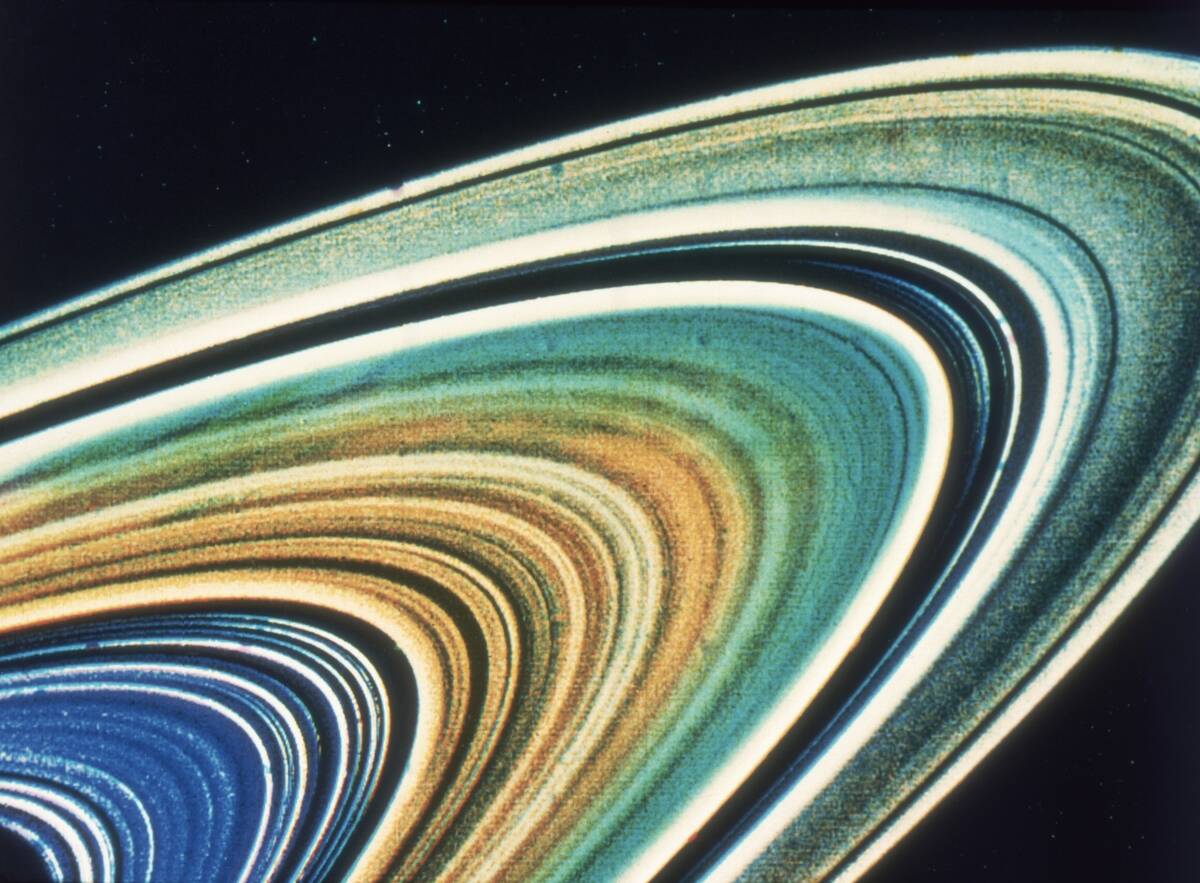
Saturn’s rings exhibit a stunning array of colors, ranging from bright white to shades of red and brown. This colorful spectrum is due to the composition and size of the ring particles. Ice particles reflect sunlight, giving the rings their bright appearance, while impurities and varying particle sizes add subtle hues.
The interplay of light and material composition creates the rings’ mesmerizing glow, captivating observers from Earth and beyond.
Saturn’s Rings and Their Role in Understanding Planetary Systems

Studying Saturn’s rings offers valuable insights into the formation and evolution of planetary systems. The rings serve as a natural laboratory for understanding disk dynamics, similar to the protoplanetary disks that give birth to planets.
By examining the interactions within the rings, scientists can draw parallels to the processes that shape other planetary systems. Saturn’s rings thus provide a window into the broader workings of the cosmos.