How volcanoes have helped shaped human history

Trending Now
Volcanoes have influenced human history in remarkable ways, shaping civilizations, transforming landscapes, and even preserving moments from the distant past. While their eruptions have caused widespread destruction, they have also provided archaeologists and scientists with extraordinary insights into ancient cultures and the forces that continue to shape our planet.
From cities buried beneath volcanic ash to discoveries that have deepened our understanding of history, here’s a look at the many ways volcanoes have left their mark on the world.
The Fiery Fury of Volcanoes
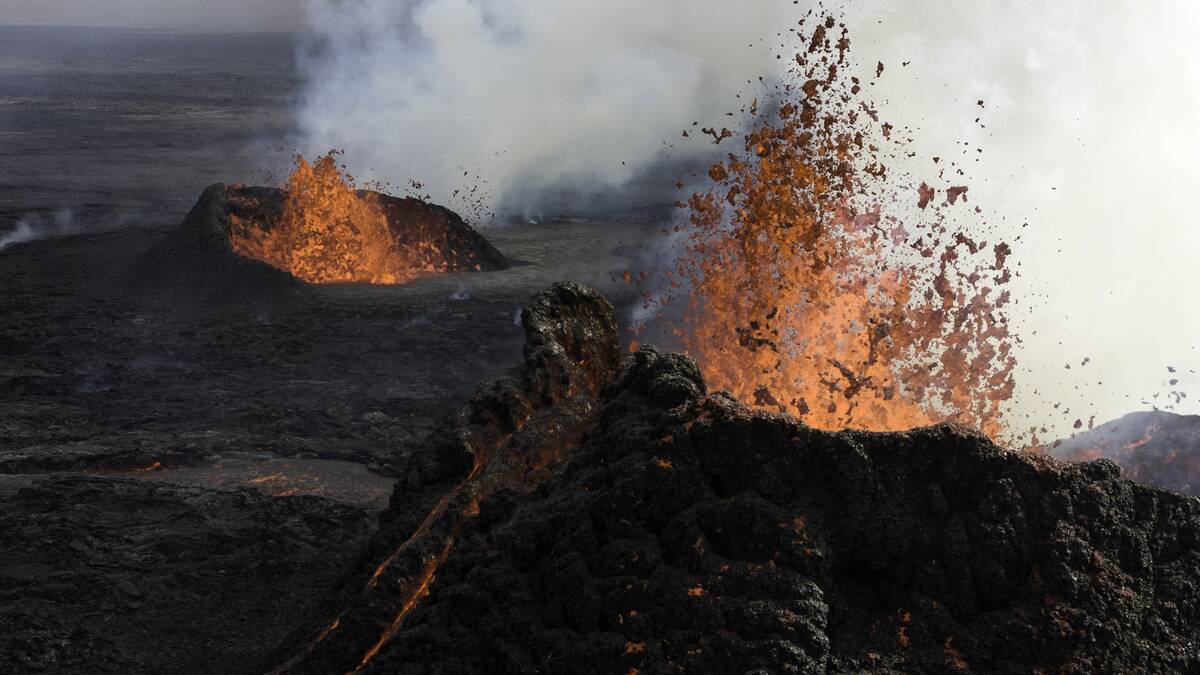
Volcanoes are fascinating geological formations that result from magma rising from beneath the Earth’s crust. When pressure builds, they can erupt with explosive force, spewing lava, ash, and gases into the atmosphere.
The most active volcanoes are found along tectonic plate boundaries, where the Earth’s plates either converge or diverge, creating the perfect conditions for volcanic activity.
How Volcanoes Have Shaped Our World

Volcanoes have not only sculpted our landscapes with their fiery eruptions but have also contributed to the formation of entire islands and mountain ranges. Over millions of years, volcanic activity has played a pivotal role in shaping the continents.
For instance, the Hawaiian Islands were formed by a hotspot of volcanic activity in the Pacific Ocean, creating a chain of islands that continue to grow to this day.
Ancient Civilizations and Their Volcanic Neighbors
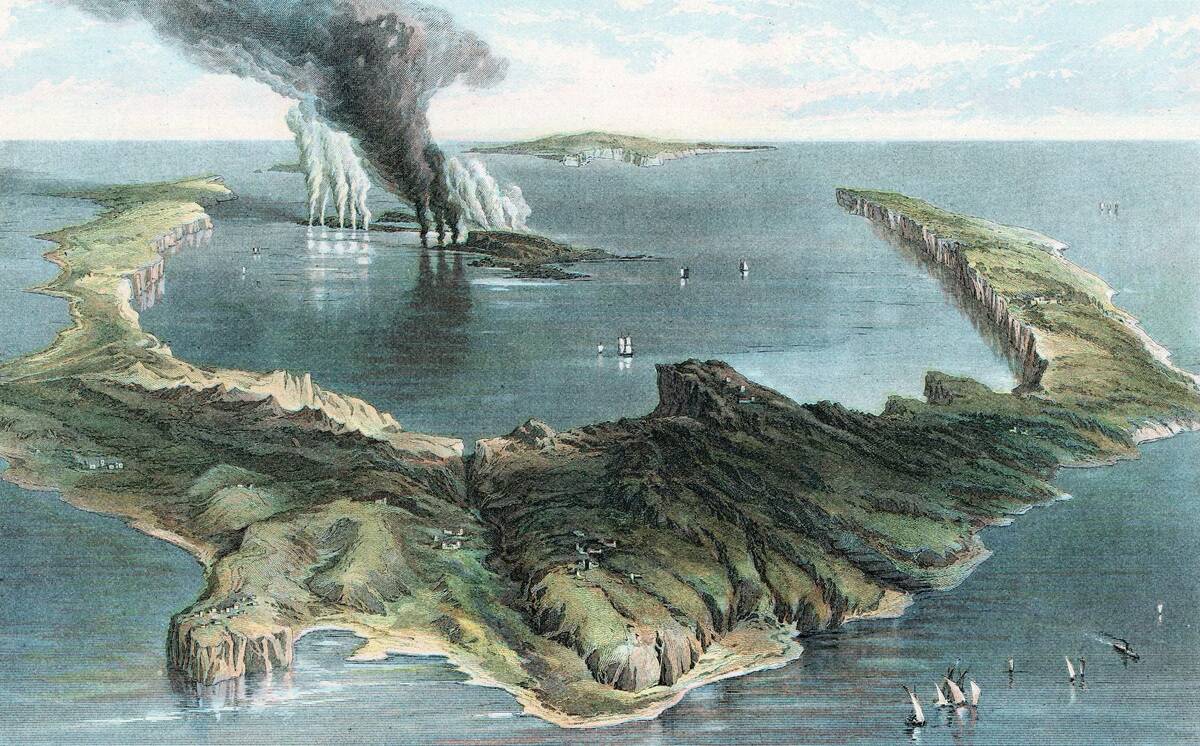
Many ancient civilizations thrived in the shadows of volcanoes, often relying on their fertile soils for agriculture. The Minoans, for example, lived near the Santorini volcano, which erupted around 1600 BCE in one of the largest volcanic events in history.
Despite the risks, the benefits of living near a volcano often outweighed the dangers, as volcanic soil is rich in nutrients that support crop growth.
The Famous Eruption of Mount Vesuvius
![Destruction Of [redacted]](http://media.didyouknowfacts.com/wp-content/uploads/2023/09/destruction-of-pompeii-28141.jpeg)
Mount Vesuvius is infamous for its catastrophic eruption in 79 AD, which devastated the Roman cities of Pompeii and Herculaneum. This eruption released a cloud of stones, ashes, and fumes to a height of 33 kilometers, spewing molten rock and pulverized pumice.
The event was so sudden that it caught many residents by surprise, preserving their lives in remarkable detail for future discovery.
Pompeii: A City Frozen in Time

Pompeii’s tragic fate turned it into a time capsule, offering a snapshot of Roman life frozen under layers of ash. Excavations have revealed remarkably preserved buildings, frescoes, and even the forms of people caught in their final moments.
This site provides invaluable insights into Roman architecture, daily activities, and social structures, making it a cherished archaeological treasure.
Volcanic Ash and Its Preservative Powers

Volcanic ash is a key factor in the preservation of ancient sites like Pompeii. The fine particles can settle over a wide area, sealing and protecting objects from the elements.
This natural protective layer slows decay, allowing organic materials, such as wooden structures and textiles, to survive for millennia. In this way, ash acts as both a destructive and preservative force.
Rediscovering Herculaneum

While Pompeii often steals the spotlight, Herculaneum offers equally fascinating insights into the past. Unlike Pompeii, Herculaneum was buried under a thicker layer of volcanic material, which preserved wooden structures and even food items.
This site provides a different perspective on Roman life, showcasing the wealth and lifestyle of its inhabitants in impressive detail.
Lava Flows Play a Role in Preserving History

Lava flows can be both destructive and preservative, encasing objects and structures in a protective shell. When lava cools, it forms a solid crust that can shield artifacts from the elements.
In places where lava has engulfed settlements, it can preserve the layout of entire communities, offering archaeologists a unique opportunity to study ancient urban planning and architecture.
Volcanic Disasters and Their Contributions to Archaeology

Volcanic disasters, while destructive, have inadvertently contributed to the field of archaeology by preserving historical sites. The sudden burial of cities like Pompeii and Herculaneum has kept them intact for thousands of years.
This preservation allows archaeologists to uncover details about ancient societies, including their art, technology, and daily life, providing a window into the past that would otherwise be lost.
How Volcanic Eruptions Aid Fossilization

Volcanic eruptions can play a surprising role in fossilization, the process by which organic materials are preserved as fossils. Ash and lava flows can rapidly cover and protect the remains of plants and animals, creating perfect conditions for fossilization.
This helps scientists study ancient ecosystems and understand the evolution of life on Earth, offering insights into species that thrived long before humans.
The Surprising Silver Lining: Volcanoes and Soil Fertility
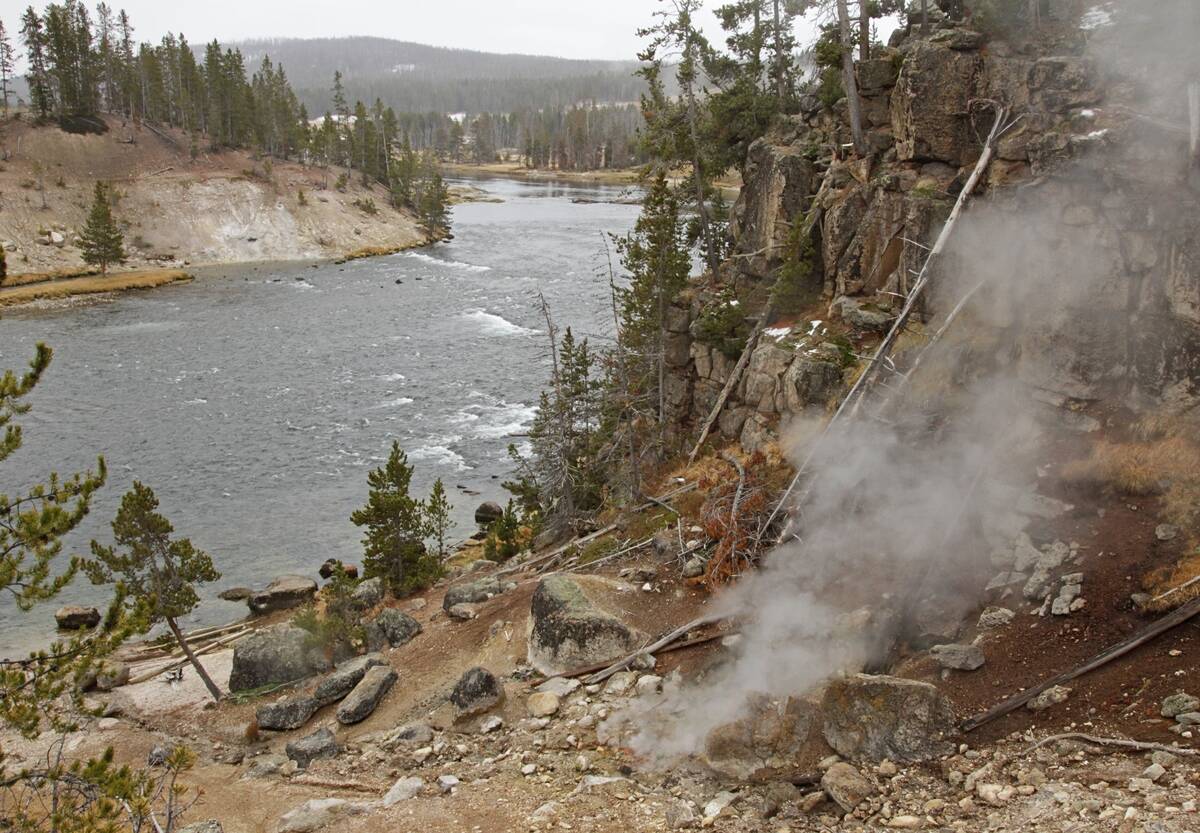
Despite their destructive potential, volcanoes have a silver lining: they enrich the soil. Volcanic ash contains minerals that enhance soil fertility, making it ideal for agriculture. This is why many ancient civilizations settled near volcanoes, as the fertile ground supported abundant crop yields.
Today, volcanic regions continue to be some of the most productive agricultural areas in the world.
Modern Methods of Studying Ancient Volcanic Disasters

Today, scientists use a combination of modern technology and traditional archaeology to study ancient volcanic disasters. Techniques such as remote sensing, ground-penetrating radar, and geochemical analysis allow researchers to uncover buried sites and reconstruct past eruptions with incredible detail.
These methods offer new insights into how ancient societies adapted to and were affected by volcanic events.
What Ancient Artifacts Tell Us About Past Volcanic Events

Artifacts unearthed from volcanic sites provide a wealth of information about past volcanic events and their impact on human societies. These objects reveal how people lived, worked, and worshipped, and how they responded to the threat of eruptions.
From pottery and tools to religious icons, these artifacts offer a tangible connection to the past and help us understand the resilience of ancient communities.
The Lessons We Can Learn from Past Catastrophes

Studying past volcanic disasters teaches us valuable lessons about resilience and adaptation. By understanding how ancient societies coped with sudden and catastrophic changes, we can better prepare for future events.
These lessons underscore the importance of disaster preparedness and the need to respect the powerful forces of nature. As we face an uncertain future, history reminds us of the strength and creativity of the human spirit.