The mental health benefits of gardening as a hobby

Trending Now
Gardening is a timeless hobby that offers much more than just pretty flowers and fresh vegetables. It’s a therapeutic practice that can soothe the soul and invigorate the mind.
Whether you’re digging in the dirt or simply admiring the beauty of a blooming garden, the act of gardening provides a sense of peace and accomplishment. Many find solace in the rhythmic tasks associated with gardening, making it a perfect escape from the hustle and bustle of daily life.
The Historical Roots of Gardening as Therapy

The therapeutic benefits of gardening have been recognized throughout history. In ancient Egypt, gardens were used as places of rest and healing. Monasteries in the Middle Ages often had herb gardens that served both medicinal and spiritual purposes.
Fast forward to the 19th century, Dr. Benjamin Rush, a signer of the Declaration of Independence, documented the positive effects of horticulture on mental health. This rich history underscores gardening’s longstanding role in promoting well-being.
Horticultural Therapy

Horticultural therapy is a formal practice that uses gardening activities to improve physical and mental health. This approach is often employed in rehabilitation centers, prisons, and nursing homes.
It has been shown to enhance cognitive abilities, improve mood, and even assist in physical recovery. By involving participants in plant care and garden creation, horticultural therapy fosters a sense of purpose and achievement, contributing to overall life satisfaction.
How Plants Soothe the Soul

Plants have a unique ability to calm and rejuvenate the human spirit. The sight of greenery and the act of nurturing plants can lower cortisol levels, a stress hormone, and increase feelings of happiness.
The simple act of walking through a garden can boost mood and reduce anxiety. This connection to nature is deeply rooted in our biology, reminding us of the innate bond we share with the natural world.
The Science Behind Gardening and Stress Reduction

Research has shown that gardening can significantly reduce stress. A study conducted by Wageningen University in the Netherlands found that gardening can lower cortisol levels more effectively than reading indoors.
Furthermore, the physical activity involved in gardening releases endorphins, which are known to elevate mood. By engaging both mind and body, gardening offers a holistic approach to stress management.
The Physical Benefits of Gardening

Gardening is a great form of exercise that can improve strength, stamina, and flexibility. Tasks like digging, planting, and weeding engage various muscle groups and promote cardiovascular health.
According to the Centers for Disease Control and Prevention (CDC), gardening for at least 30 minutes a day is considered moderate exercise. Moreover, being outdoors provides exposure to sunlight, boosting vitamin D levels essential for bone health.
Gardening as a Meditation Practice
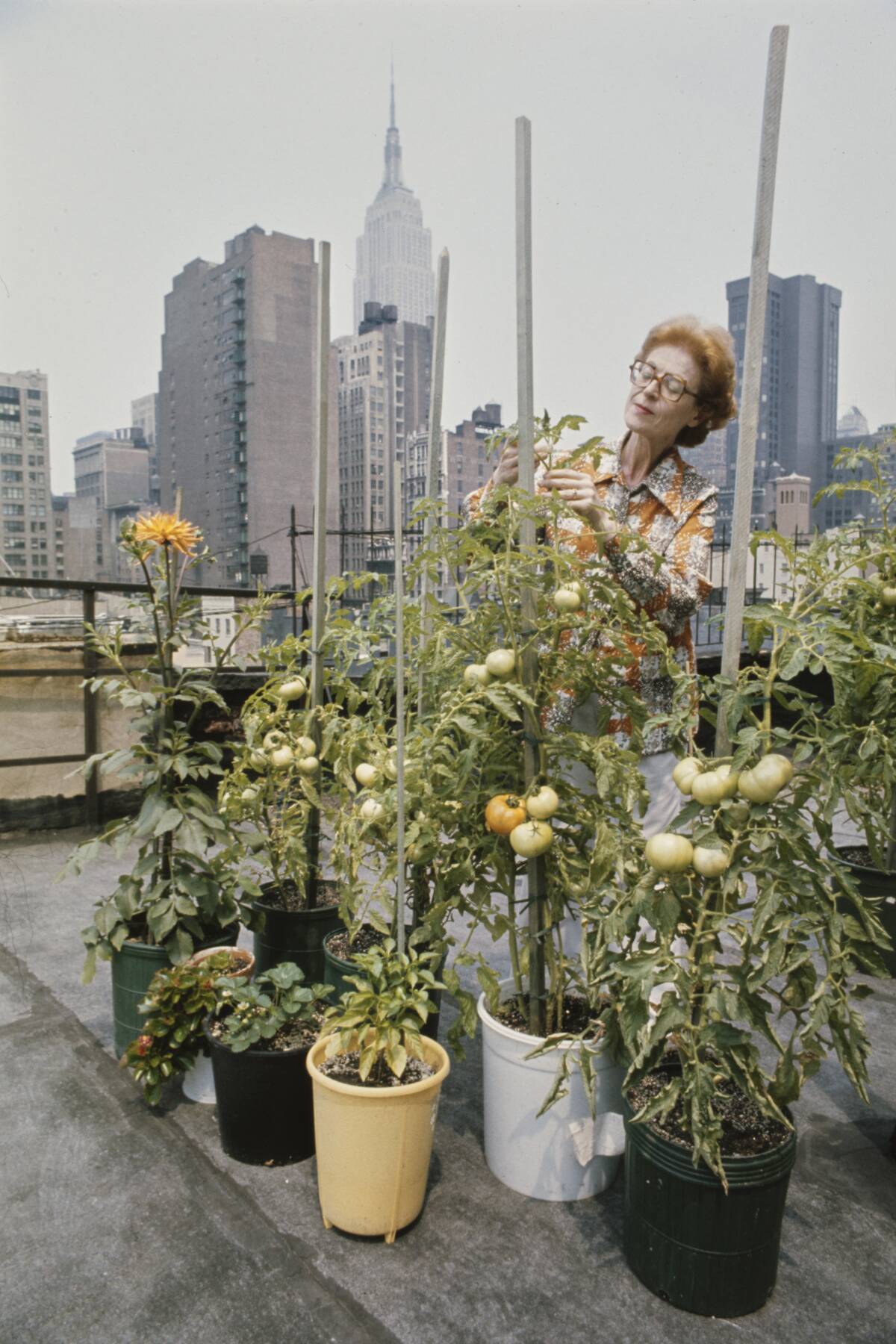
Gardening offers a perfect opportunity to practice mindfulness, helping individuals focus on the present moment. The repetitive nature of tasks such as sowing seeds or pruning leaves allows gardeners to enter a meditative state.
This serene mental space can help reduce anxiety and enhance clarity. By paying close attention to the sights, sounds, and scents of the garden, one can achieve a deeper sense of inner peace.
Gardening for All Ages

Gardening is an inclusive activity that can be enjoyed by people of all ages. For children, it offers a hands-on learning experience about nature and responsibility.
For seniors, it can provide a gentle form of exercise and a way to stay connected with the community. Intergenerational gardening projects can also bridge gaps, fostering communication and understanding between different age groups.
Reaping the Fruits of Your Labor

There’s nothing quite like the satisfaction of harvesting your own fruits and vegetables. The process of growing and nurturing plants to maturity is a rewarding experience that culminates in the joy of picking ripe produce.
Not only does this fresh bounty offer nutritional benefits, but it also reinforces a sense of self-reliance and accomplishment. Sharing this harvest with family and friends can further enhance the joy of gardening.
Gardening and Mental Health

Gardening has been shown to have a positive impact on mental health, offering relief from symptoms of depression and anxiety. Engaging with nature encourages mindfulness and helps shift focus away from negative thoughts.
A study published in the Journal of Health Psychology found that gardening can improve mood and self-esteem. By providing a calming environment, gardens serve as a refuge for those seeking mental clarity and emotional balance.
Healing Scents and Sensations

Many plants in the garden offer aromatic benefits that can enhance mood and well-being. Herbs like lavender, rosemary, and mint have been used for centuries in aromatherapy to reduce stress and improve mental clarity.
The simple act of inhaling these scents while gardening can provide a sense of relaxation and rejuvenation. Incorporating fragrant plants into your garden can create a multi-sensory experience that uplifts the spirit.
Creating Your Zen Garden

A Zen garden is a minimalist and contemplative space designed to promote relaxation and meditation. For beginners, starting a Zen garden can be as simple as selecting a small area and incorporating elements like sand, stones, and carefully chosen plants.
The act of raking patterns in the sand can be meditative, helping to clear the mind. This tranquil setting offers a peaceful retreat from the chaos of everyday life.
Connecting with the Earth Through Gardening

Eco-therapy, or nature-based therapy, uses natural environments to enhance psychological well-being. Gardening is an excellent form of eco-therapy, providing a direct connection to the earth.
This practice encourages environmental stewardship and an appreciation for the planet’s resources. By engaging with nature, individuals can experience a sense of grounding and connectedness, fostering a deeper understanding of their place in the ecosystem.
The Role of Gardening in Stress Management Programs

Incorporating gardening into stress management programs can provide profound benefits for participants. Many wellness centers and therapeutic retreats now offer gardening as a tool for stress reduction and relaxation.
By focusing on the rhythm of planting and tending, individuals can shift their mindset away from stressors. This hands-on approach helps cultivate a sense of calm and focus, making it a valuable component of holistic wellness programs.
Gardening with a Purpose

Gardening with biodiversity in mind can support local ecosystems and wildlife. By planting native species and creating habitats for pollinators like bees and butterflies, gardeners can make a positive environmental impact.
This purposeful approach not only enhances garden health but also contributes to global biodiversity efforts. By cultivating diverse plant life, gardeners play a crucial role in sustaining the natural world.