How the brain deceives you in daily life

Trending Now
Welcome to the fascinating realm of brain tricks, where perception often diverges from reality. Our brains, while powerful, are prone to quirks and shortcuts that can lead us astray.
These mental oddities, known as cognitive biases and illusions, can influence our thoughts, memories, and decisions. Delving into these phenomena not only sheds light on how our minds work but also offers insights into human behavior. So, let’s embark on this journey to uncover the mysteries of the mind.
The Power of Perception: Seeing Isn’t Always Believing

Our perception is a remarkable yet sometimes deceptive tool. Optical illusions, like the famous “Rubin’s Vase,” demonstrate how our brains can flip between two interpretations of the same image. This occurs because our visual system is wired to recognize patterns, even when they aren’t there.
Another example is the “checker shadow illusion,” where two squares appear different in color due to surrounding shadows, yet are identical. These examples highlight how context can dramatically alter our perception.
Memory Mix-Ups: Why We Remember Things That Never Happened

Memory is not as reliable as we might think. The “Mandela Effect” is a phenomenon where large groups of people remember events differently from how they occurred. For instance, many recall the Berenstain Bears as “Berenstein Bears.”
This occurs due to the brain’s tendency to fill in gaps with familiar patterns. Additionally, false memories can be implanted through suggestion, as demonstrated in studies where participants recalled events that never happened after being told about them.
Cognitive Bias: The Brain’s Shortcut to Quick Decisions
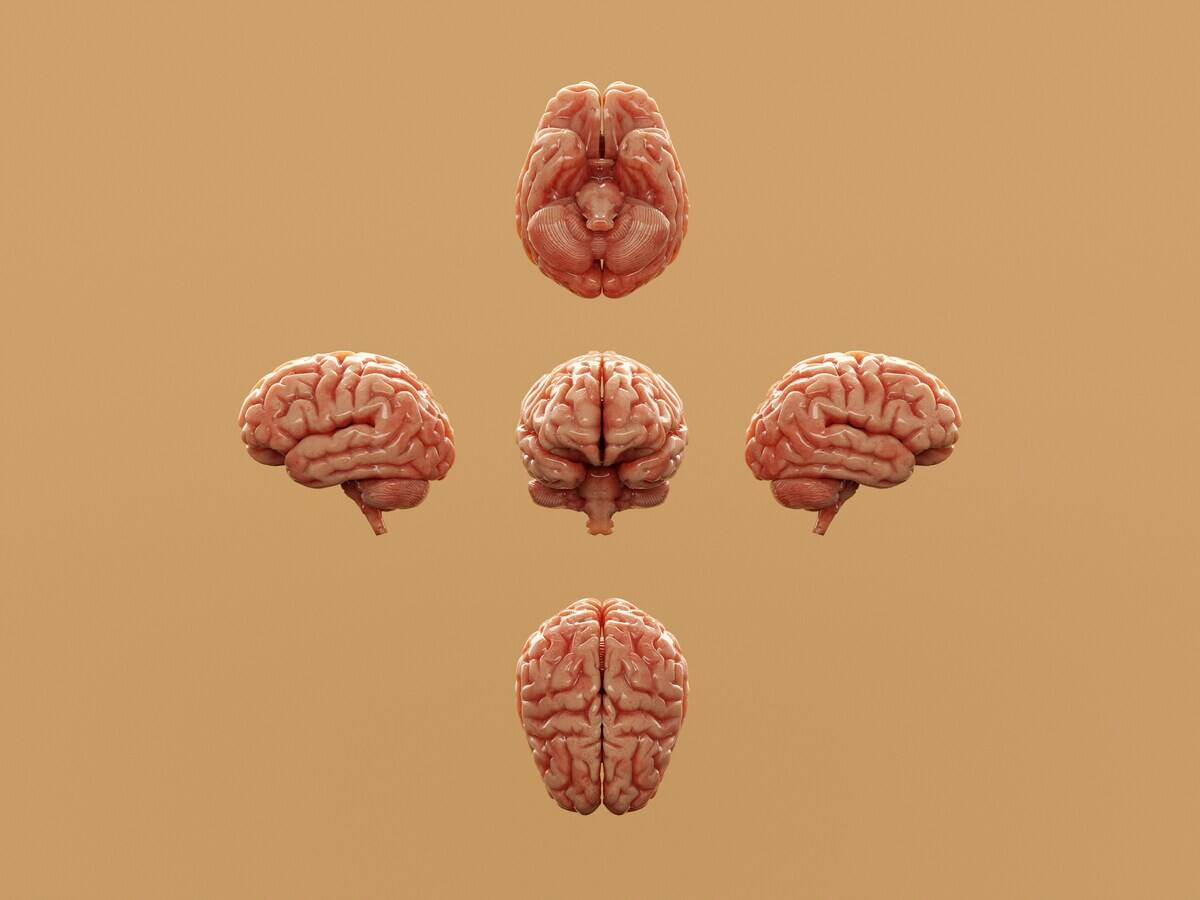
Cognitive biases are mental shortcuts that help us make decisions quickly but can lead to errors. The “availability heuristic” is one such bias, where people assess the probability of an event based on how easily examples come to mind.
For example, after hearing about a plane crash, one might overestimate the risk of flying. These biases are not inherently bad; they evolved to help us navigate complex environments efficiently, though they sometimes mislead us.
The Illusion of Control: Feeling in Charge When You’re Not

The illusion of control is the tendency to overestimate our influence over events. A classic example is gamblers believing they can influence dice rolls with a lucky throw. This illusion is comforting, providing a sense of agency in uncertain situations.
Studies show that people prefer to pick their lottery numbers, believing it increases their chances of winning, despite the randomness. This bias highlights our desire for control, even when it’s an illusion.
The Spotlight Effect: Overestimating How Much Others Notice You

The spotlight effect refers to our tendency to overestimate how much others notice our actions and appearance. This occurs because we are acutely aware of ourselves, leading us to assume others are equally focused on us.
In reality, most people are preoccupied with their own concerns. Studies have shown that people often believe their social faux pas are more noticeable than they actually are, which can lead to unnecessary anxiety in social situations.
Anchoring Bias: How First Impressions Stick

Anchoring bias is the tendency to rely too heavily on the first piece of information encountered. This can skew our judgments and decisions. For instance, when negotiating prices, the initial offer often sets the stage for the final agreement.
Even irrelevant numbers can influence decisions, as seen in experiments where participants guessed the number of countries in Africa based on arbitrary numbers. This bias shows how first impressions can have a lasting impact.
The Placebo Effect: Healing Through Belief

The placebo effect demonstrates the power of belief in healing. When patients believe they are receiving treatment, they often experience real improvements in their condition, even if the treatment is inactive.
This effect is well-documented in clinical trials, where placebo groups sometimes show significant health benefits. The underlying mechanisms are complex, involving psychological and physiological factors. This phenomenon highlights the mind-body connection and the potential of belief in influencing health outcomes.
The Gambler’s Fallacy: Misjudging Randomness

The gambler’s fallacy is the erroneous belief that past random events affect future outcomes. A common example is assuming a coin is “due” to land heads after several tails. In reality, each flip is independent, with a 50/50 chance.
This fallacy often leads gamblers to make poor decisions, believing they can predict random events. Understanding this fallacy is crucial in recognizing the independence of random events and avoiding misguided expectations.
Confirmation Bias: The Comfort of Agreeable Information

Confirmation bias is our tendency to favor information that confirms our existing beliefs. This bias can lead to selective exposure, where we seek out sources that align with our views, reinforcing our opinions.
It also affects how we interpret information, often leading us to dismiss contradictory evidence. This bias is prevalent in areas like politics and health, where people hold strong beliefs. Recognizing this bias can help us approach information more objectively.
The Dunning-Kruger Effect: Confidence vs. Competence

The Dunning-Kruger effect is a cognitive bias where individuals with low ability overestimate their competence. Conversely, highly skilled individuals may underestimate their abilities.
This effect was identified by psychologists David Dunning and Justin Kruger, who found that people often lack the self-awareness to recognize their deficiencies. This bias can lead to overconfidence in decision-making, highlighting the importance of self-reflection and seeking feedback to accurately assess one’s abilities.
Change Blindness: Missing the Obvious Changes Around You

Change blindness is the failure to notice significant changes in a visual scene. This phenomenon occurs because our brains focus on the gist of a scene rather than every detail.
Experiments, such as the “door study,” where a person asking for directions is swapped with another behind a passing door, reveal how easily we can miss changes. This highlights the limits of our attention and the importance of context in perceiving our environment.
The Halo Effect: Letting First Impressions Color Everything

The halo effect is a cognitive bias where positive impressions in one area influence opinions in another. For instance, attractive individuals are often perceived as more competent and trustworthy.
This bias can affect hiring decisions, where a candidate’s charisma might overshadow their qualifications. The halo effect underscores the power of first impressions and the need to evaluate people and situations based on objective criteria rather than superficial attributes.
The Zeigarnik Effect: Why Unfinished Tasks Haunt You

The Zeigarnik effect is the tendency to remember unfinished tasks better than completed ones. Named after psychologist Bluma Zeigarnik, who observed waiters recalling unpaid orders more vividly, this effect suggests that incomplete tasks create cognitive tension.
This tension acts as a mental reminder, prompting us to finish the task. Understanding this effect can help in managing tasks and reducing stress by breaking projects into smaller, manageable parts.
The Baader-Meinhof Phenomenon: Suddenly Seeing Things Everywhere

The Baader-Meinhof phenomenon, or frequency illusion, occurs when something you’ve recently noticed suddenly seems to appear everywhere. This is not due to an actual increase in frequency but rather an increased awareness.
Once a concept is in your mind, your brain is more attuned to noticing it. This phenomenon highlights how selective attention can shape our perception of reality, making us more aware of certain stimuli while filtering out others.
The Endowment Effect: Overvaluing What You Own

The endowment effect is the tendency to assign more value to things simply because we own them. This bias is evident in studies where people demanded more money to sell an item they owned than they would pay to buy it.
Ownership creates an emotional attachment, increasing perceived value. This can lead to irrational decision-making, such as holding onto investments longer than is wise. Recognizing this bias can aid in making more objective financial decisions.
Choice Overload: When More Options Lead to Less Satisfaction

Choice overload occurs when an abundance of options leads to decision paralysis and dissatisfaction. Studies, like the famous “jam experiment,” show that people are less likely to make a purchase when faced with too many choices.
Even when a decision is made, individuals often experience regret, wondering if another option was better. This paradox of choice suggests that simplifying options can lead to greater satisfaction and ease in decision-making.
The Backfire Effect: When Facts Fail to Change Minds

The backfire effect is a cognitive bias where presenting evidence against a belief can strengthen that belief. This occurs because people tend to double down on their views when confronted with contradictory information.
Studies have shown that attempts to correct misinformation can sometimes reinforce false beliefs. Understanding this effect is crucial in discussions and debates, highlighting the importance of empathy and open-mindedness in changing minds.
The Sunk Cost Fallacy: Sticking with Bad Decisions

The sunk cost fallacy is the tendency to continue an endeavor once an investment in money, effort, or time has been made. This bias can lead to irrational decision-making, such as staying in a failing project because of the resources already spent.
The fallacy lies in considering past costs rather than future benefits. Recognizing this bias can help in making more rational decisions by focusing on future outcomes rather than past investments.
The Curse of Knowledge: Forgetting What It’s Like to Not Know

The curse of knowledge is a cognitive bias where individuals, once they know something, find it difficult to imagine not knowing it. This can lead to communication challenges, as experts may struggle to explain concepts to novices.
Studies show that knowledgeable individuals often overestimate others’ understanding, assuming information is more obvious than it is. Overcoming this bias requires empathy and clear communication, ensuring that information is accessible to all audiences.
The Pygmalion Effect: Expectations Shape Reality

The Pygmalion effect is the phenomenon where higher expectations lead to improved performance. Named after the Greek myth of Pygmalion, this effect has been demonstrated in educational settings, where teachers’ expectations influence student achievement.
Positive reinforcement and belief in someone’s potential can motivate them to succeed. This effect underscores the power of expectations and the importance of fostering supportive environments that encourage growth and development.
The Barnum Effect: Why Vague Statements Feel Personal
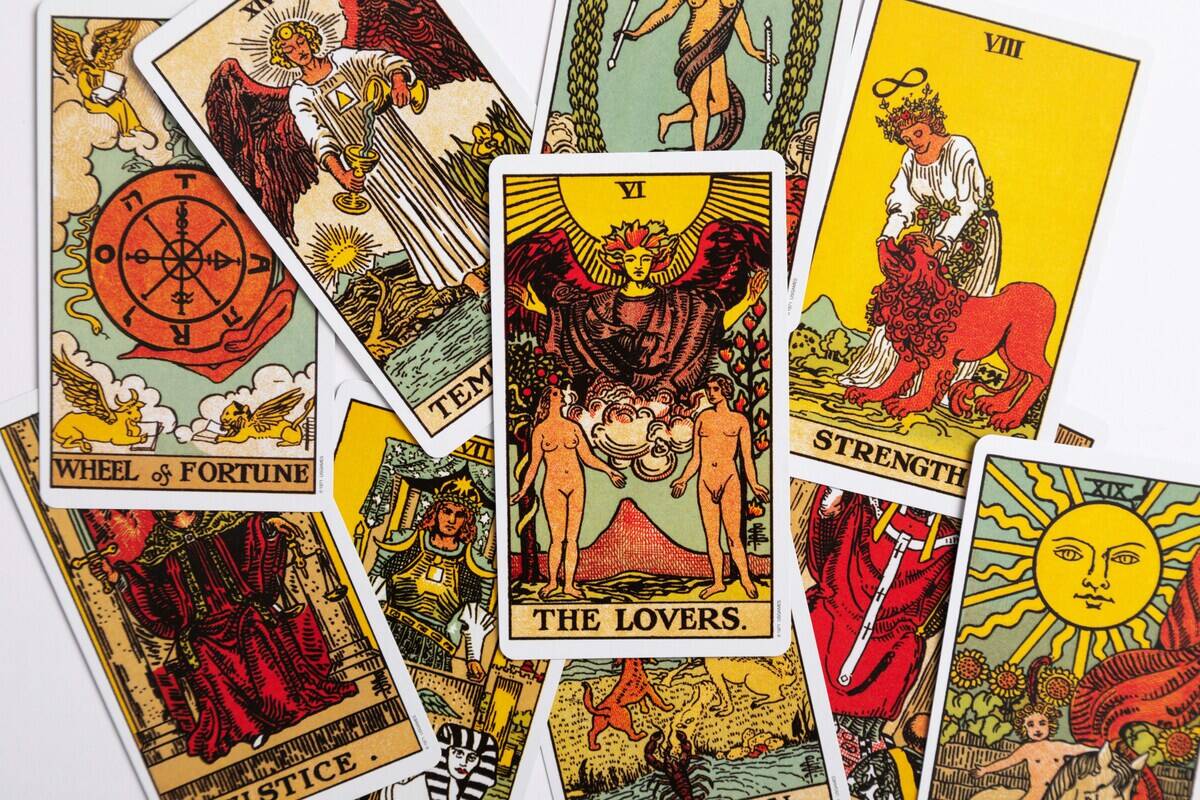
The Barnum effect is the tendency to perceive vague or general statements as highly accurate for oneself. This is often exploited in horoscopes and personality tests, where people find personal meaning in broad descriptions.
Named after showman P.T. Barnum, who believed in offering “something for everyone,” this effect highlights our desire for self-understanding. Recognizing this bias can help us approach such statements with a critical eye, understanding their general nature.