The science behind lakes that change color

Trending Now
Color-changing lakes are nature’s own kaleidoscopes, captivating onlookers with their shifting hues. These lakes can transform from brilliant pinks to deep blues, or even vibrant greens, depending on various factors.
The phenomenon is not just a visual delight but also a fascinating subject for scientists and nature enthusiasts alike. Understanding why these lakes change colors can offer insights into the delicate balance of ecosystems and the environmental conditions that influence them.
The Science Behind Lake Colors: A Brief Overview

The colors of lakes can change due to a combination of biological, chemical, and physical factors. At the core, it’s often the interaction between sunlight, water, and the substances within the lake that creates these stunning visual effects.
The presence of organisms like algae, minerals, and varying temperatures all play a role in this natural spectacle. Scientists use these color changes to study the health and composition of aquatic ecosystems, providing valuable data for environmental research.
The Role of Algae in Transforming Lake Hues
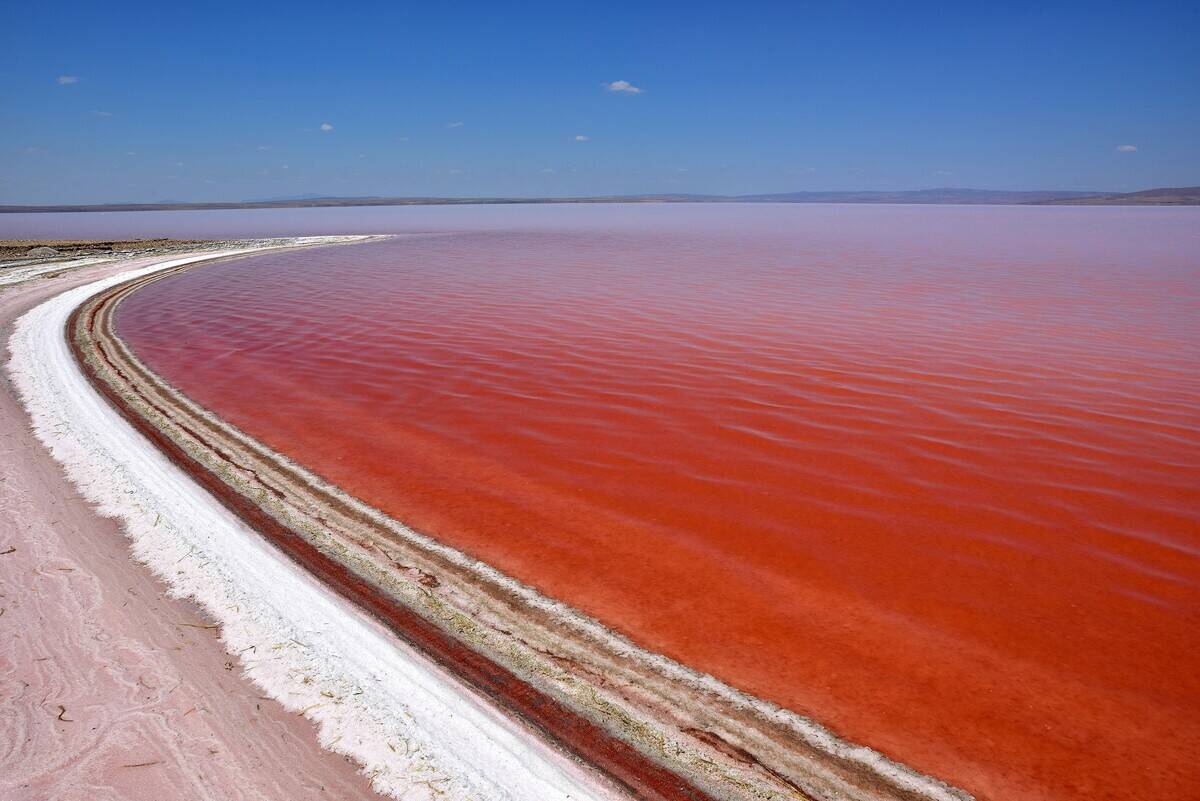
Algae are one of the primary contributors to the color changes in lakes. Different types of algae can produce a range of colors, from the red hues of Dunaliella salina to the green shades of chlorophyll-rich algae.
When conditions are right, algae can bloom in large numbers, dramatically altering the lake’s appearance. These blooms are not just beautiful but also indicate the nutrient levels in the water, often influenced by factors like pollution or natural mineral deposits.
How Minerals Contribute to Lake Color Variations

Minerals dissolved in lake water can reflect and absorb sunlight in unique ways, leading to a spectrum of colors. For instance, high concentrations of calcium carbonate can give lakes a milky turquoise hue, while iron oxides might turn them reddish-brown.
These mineral-induced color changes are not only visually striking but also tell a story of the geological history and chemical processes occurring beneath the surface. Such insights can be crucial for geologists studying the Earth’s crust.
The Impact of Temperature on Lake Colors
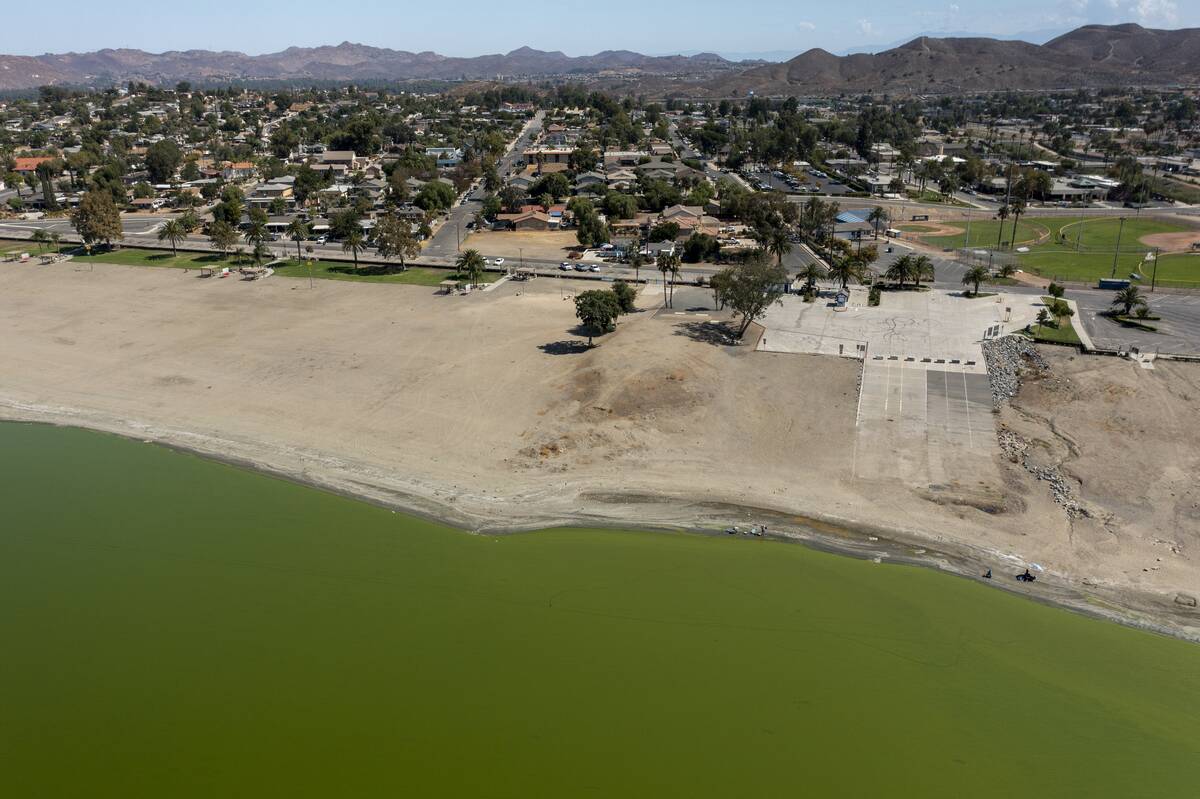
Temperature fluctuations can significantly affect the color of lakes by influencing chemical reactions and biological activity. Warmer temperatures often promote algae growth, which can lead to more vibrant colors.
Conversely, cooler temperatures might slow down these processes, leading to more subdued hues. Understanding these temperature-related changes helps researchers predict how lakes might respond to climate variations, providing a glimpse into future ecological shifts.
Seasonal Changes and Their Effect on Lake Appearance

As seasons change, so do the colors of many lakes. In spring and summer, increased sunlight and warmer temperatures can lead to algae blooms, creating vivid displays of color. During autumn and winter, reduced light and cooler temperatures can cause these blooms to die off, resulting in clearer, more muted waters.
This seasonal cycle is a natural rhythm that reflects the dynamic interactions between climate and aquatic ecosystems, offering a living calendar of environmental change.
The Influence of Weather Patterns on Lake Colors

Weather patterns, such as rainfall and wind, can also alter lake colors. Heavy rains can wash sediments and nutrients into lakes, leading to temporary color changes. Similarly, strong winds can mix the water, redistributing algae and sediments, which might change the lake’s appearance.
These weather-induced changes are often temporary but can provide important clues about the health and resilience of lake ecosystems in the face of environmental stress.
The Role of Light and Reflection in Perceived Lake Colors

The angle and intensity of sunlight can dramatically affect how we perceive lake colors. Sunlight can enhance or mute the colors depending on the time of day and weather conditions.
Reflection from surrounding landscapes, such as mountains or forests, can also influence the perceived color of a lake. This interplay of light and reflection creates a dynamic visual experience, making each visit to a color-changing lake unique and ever-changing.
The Enchanting Colors of Lake Hillier, Australia
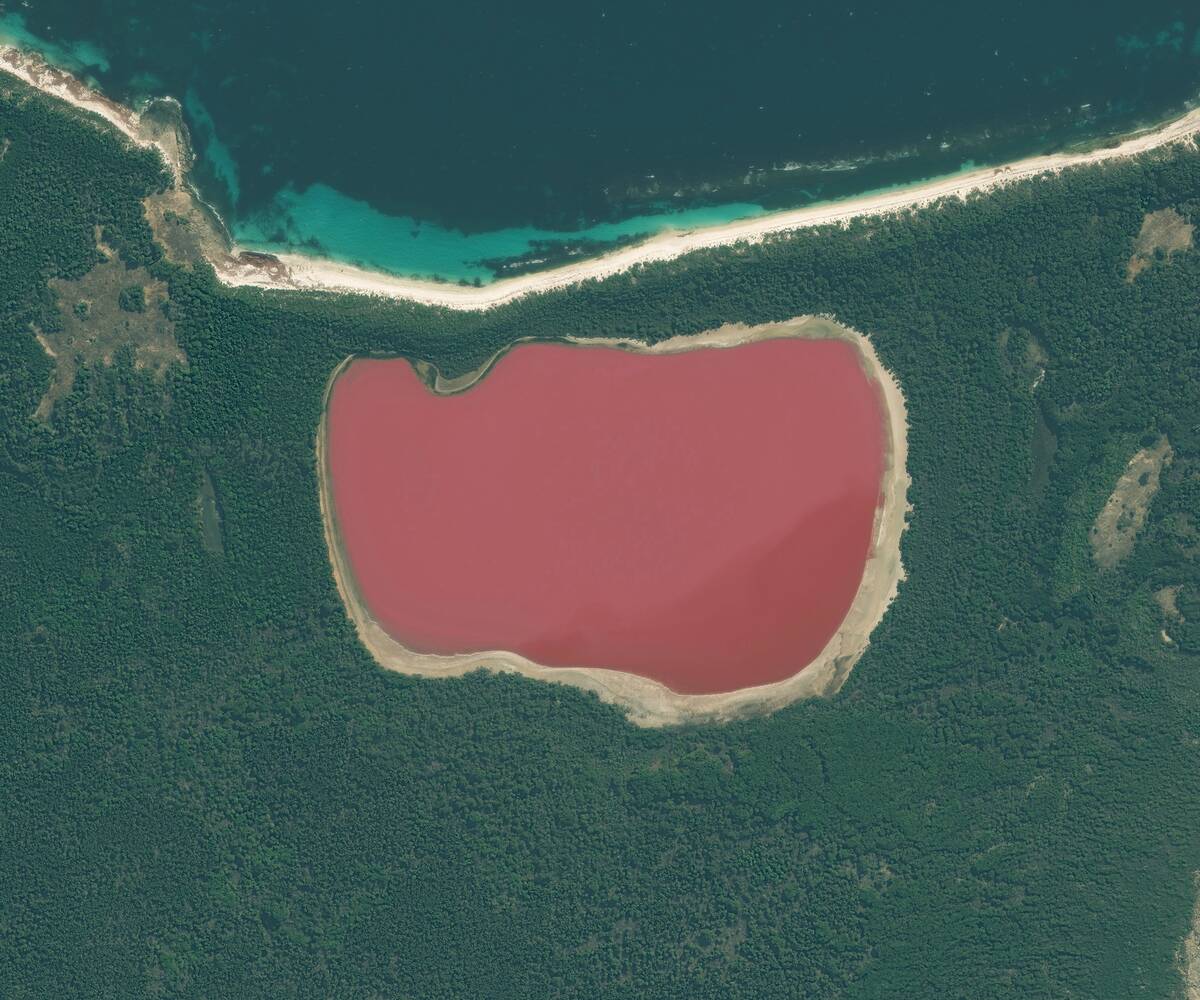
Lake Hillier, located on Middle Island in Western Australia, is famous for its bubblegum-pink waters. This unusual color is attributed to the presence of Dunaliella salina algae and high salinity levels.
Unlike other pink lakes, Lake Hillier’s color remains constant year-round, making it a unique natural wonder. The lake’s remote location and striking appearance have made it a popular subject for photographers and a must-see destination for adventurous travelers.
The Ever-Changing Hues of Lake Retba, Senegal
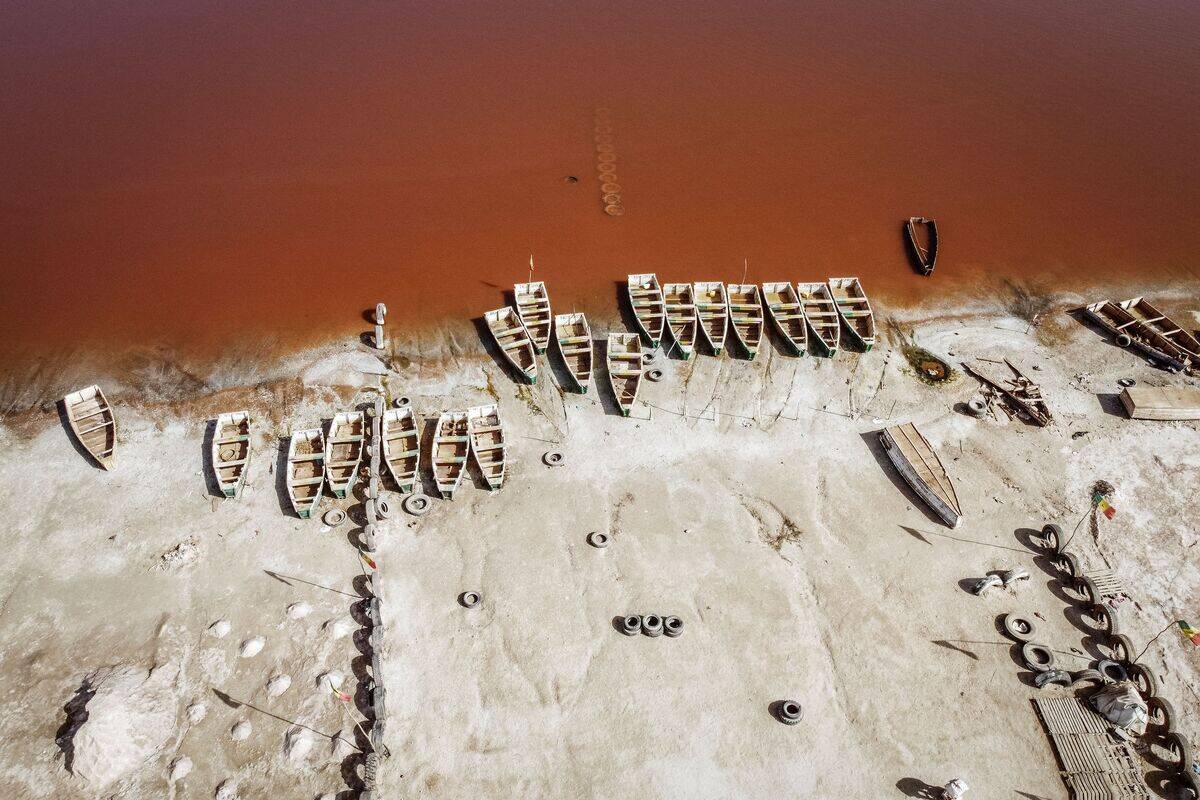
Lake Retba, or Lac Rose, in Senegal is known for its pink waters, which can vary in intensity depending on the season. The lake’s color is most vivid during the dry season when the water evaporates, increasing the concentration of Dunaliella salina algae.
This phenomenon, coupled with the lake’s high salt content, creates a surreal landscape that has become a major tourist attraction. The lake is also an important site for salt harvesting, providing livelihoods for local communities.
The Vibrant Waters of Laguna Colorada, Bolivia

Laguna Colorada, located in Bolivia’s Eduardo Avaroa Andean Fauna National Reserve, is a shallow salt lake known for its striking red coloration. The lake’s vibrant hue is due to a combination of red algae and sediments rich in minerals.
It is also a crucial habitat for the endangered James’s flamingo, which adds to the lake’s visual appeal. The contrasting colors of the lake, flamingos, and surrounding landscapes create a breathtaking panorama that draws visitors from around the world.
The Turquoise Beauty of Moraine Lake, Canada

Nestled in the Valley of the Ten Peaks in Banff National Park, Moraine Lake is renowned for its stunning turquoise color. This vibrant hue is the result of light refracting off the fine rock flour deposited in the lake by surrounding glaciers.
The lake’s color is most intense in late spring and early summer when the glaciers melt. Moraine Lake’s picturesque setting and vivid colors make it a favorite spot for photographers and nature lovers seeking the perfect alpine scene.
Human Activities and Their Impact on Lake Colors

Human activities, such as agriculture and industrial processes, can significantly impact the natural colors of lakes. Runoff containing fertilizers and pollutants can lead to nutrient overloads, causing algae blooms that alter the lake’s appearance.
Additionally, construction and deforestation can increase sedimentation, affecting water clarity and color. These human-induced changes highlight the importance of sustainable practices to preserve the natural beauty and ecological balance of color-changing lakes.