Animals that freeze themselves to survive winter

Trending Now
Imagine being able to freeze solid during the winter and then thaw out come spring, ready to hop, crawl, or swim away. This isn’t science fiction—it’s nature’s coolest trick! Some animals have evolved to survive harsh winters by literally freezing themselves.
This fascinating adaptation allows them to endure temperatures that would otherwise be lethal, demonstrating nature’s incredible ingenuity.
The Science Behind Freezing: How Animals Pull Off This Chilly Feat
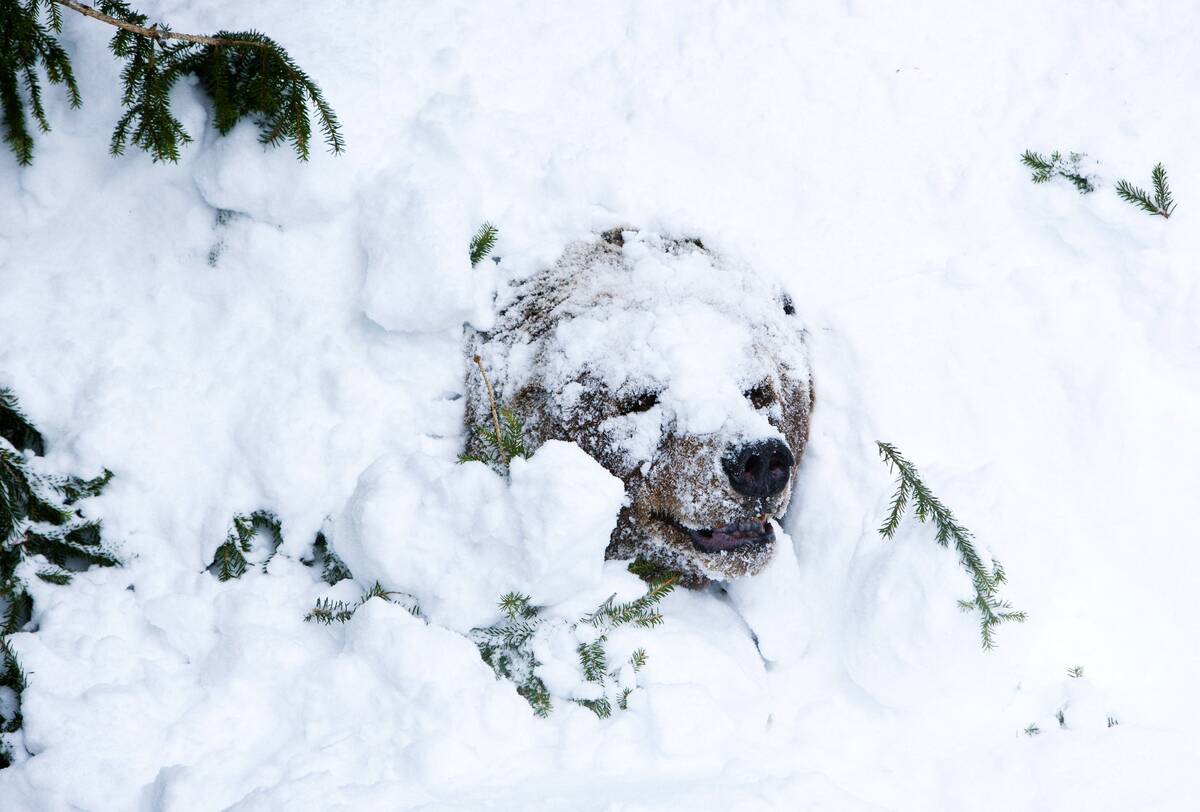
The secret to these animals’ survival lies in their ability to control ice formation within their bodies. Freeze-tolerant animals survive by carefully controlling where and how ice forms in their bodies.
Cryoprotectants such as glucose, glycerol, or urea help protect cells from dehydration and freezing damage, while ice formation is generally restricted to spaces outside the cells, which would otherwise cause them to burst. It’s a delicate balance of biochemistry and evolution that allows these creatures to brave the cold.
Frogsicles: The Wood Frog’s Icy Transformation
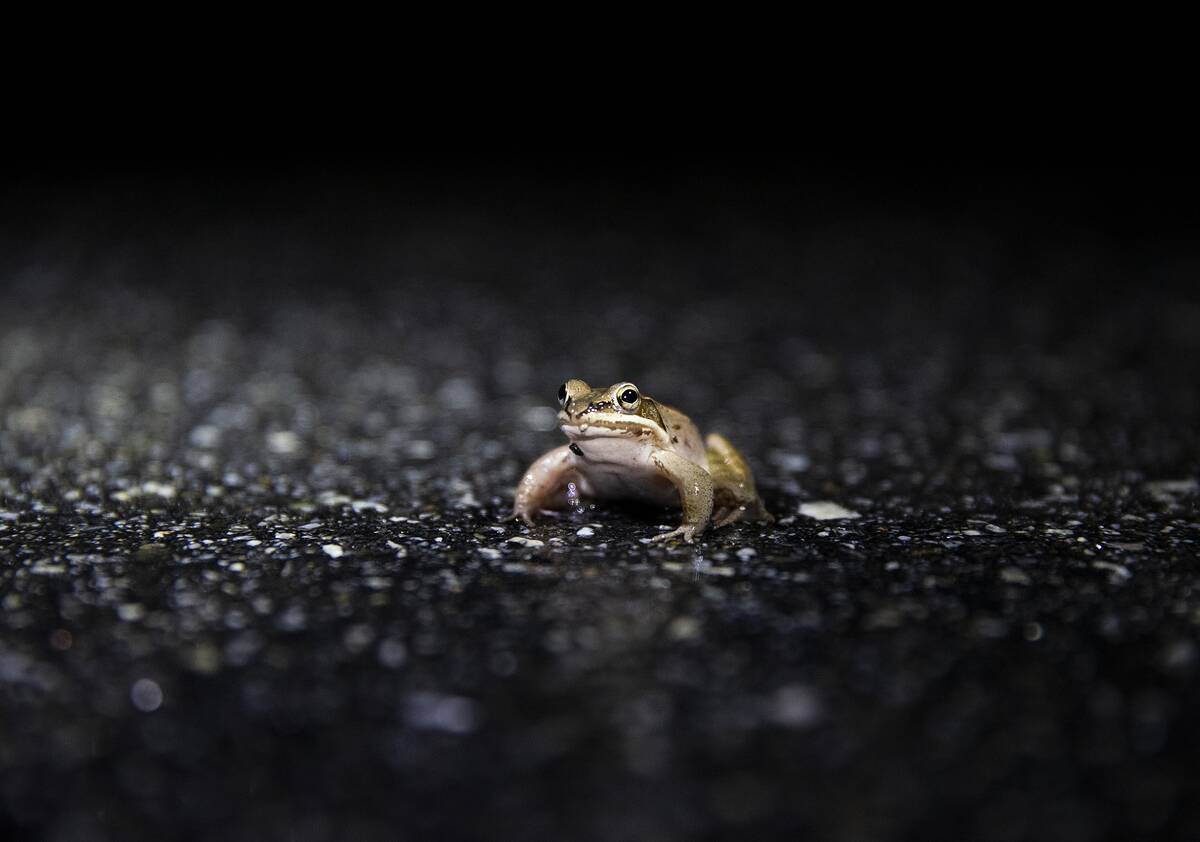
The wood frog is a master of cold survival, able to freeze up to 70% of its body water. During the winter, these frogs stop breathing and their heart stops beating, essentially entering a state of suspended animation.
When spring arrives, they thaw out and resume their normal activities, as if nothing happened. This remarkable ability is due to high levels of glucose in their blood, which acts as a natural antifreeze.
Tundra Tactics: The Alaskan Upis Beetle’s Frosty Defense
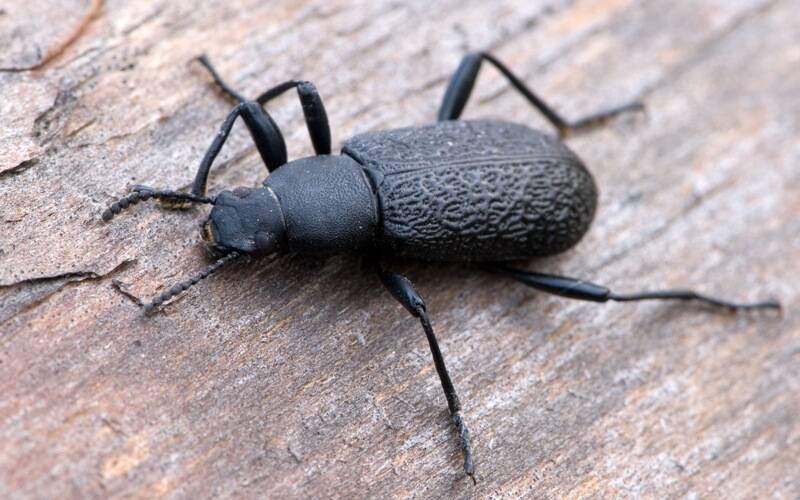
The Alaskan beetle Upis ceramboides can survive extraordinarily low temperatures, tolerating freezing to about −60°C (−76°F) in midwinter. Rather than relying on antifreeze proteins, it produces a non-protein antifreeze called xylomannan, along with cryoprotective compounds such as threitol and sorbitol.
Xylomannan inhibits ice growth and recrystallization, helping protect the beetle during freezing. This adaptation is crucial for the beetle’s survival in its frigid habitat, where it spends much of the year in a frozen state.
Frozen Fish: The Arctic Cod’s Winter Strategy
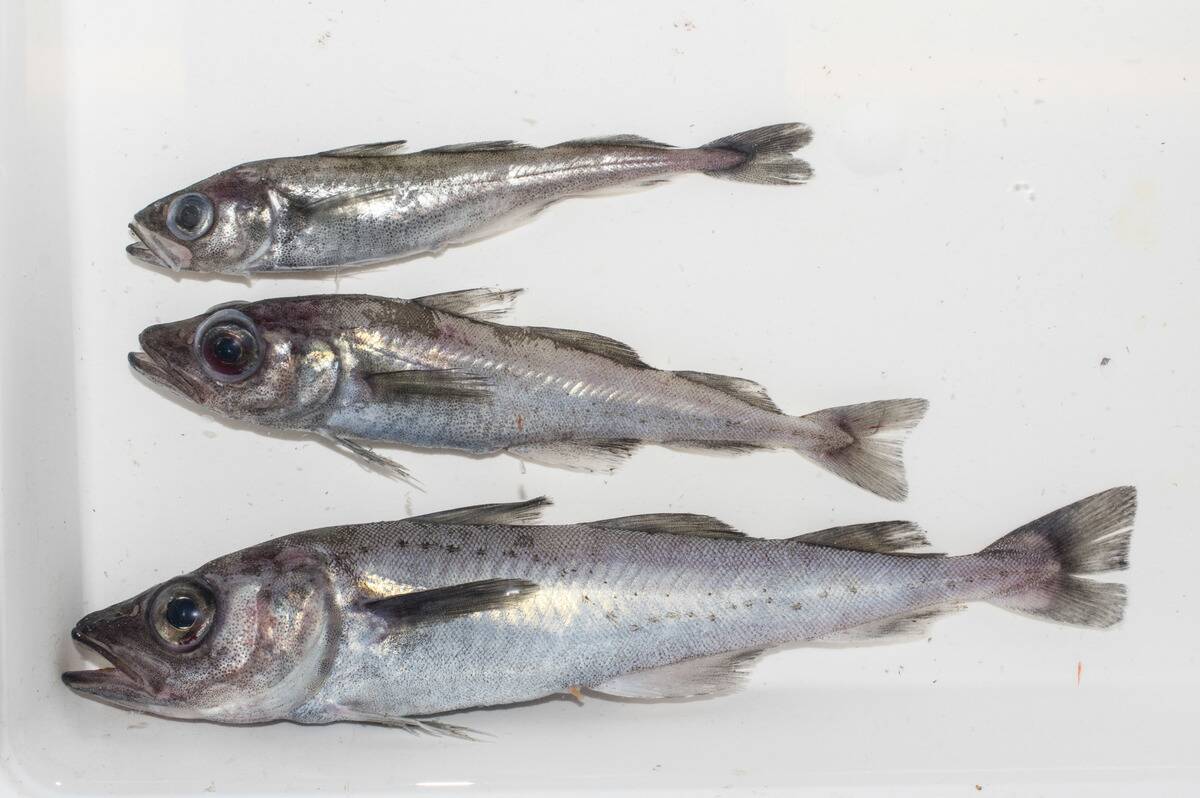
The Arctic cod has developed a unique strategy to survive icy waters. It produces antifreeze glycoproteins that prevent its blood from freezing. These proteins work by binding to small ice crystals, stopping them from growing.
This adaptation allows the Arctic cod to swim in waters that would freeze the blood of most other fish, giving it a competitive edge in its chilly environment.
Cold-Blooded Survivors: Painted Turtles in Deep Freeze
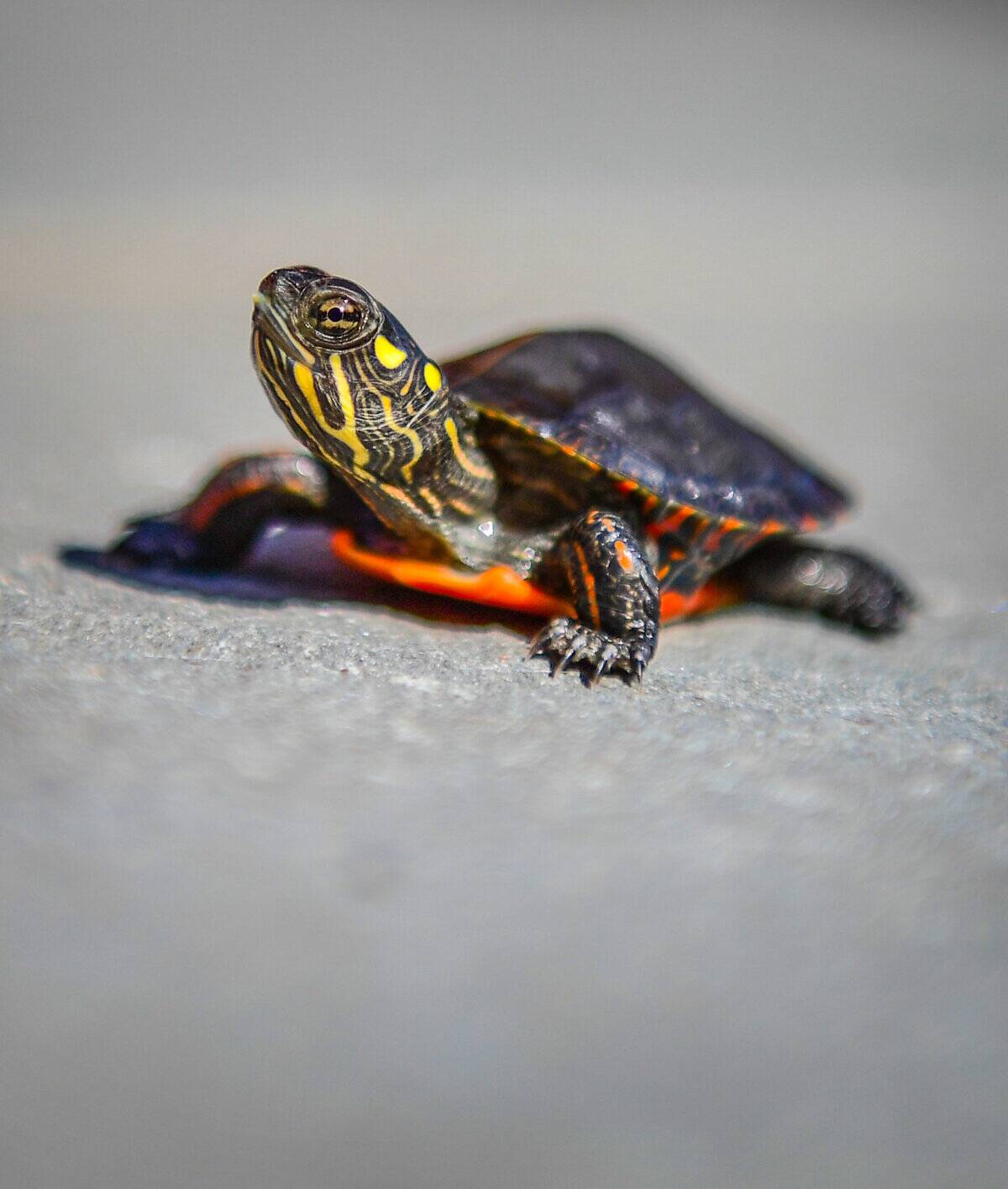
Painted turtles are remarkable for their ability to survive being frozen solid. They hibernate in the mud at the bottom of ponds, where they can endure temperatures below freezing.
During this time, their metabolism slows dramatically, and they rely on stored energy reserves. This ability to freeze and then thaw out unharmed is a key survival strategy for these turtles in their cold habitats.
Insect Ice Queens: The Woolly Bear Caterpillar’s Winter Nap
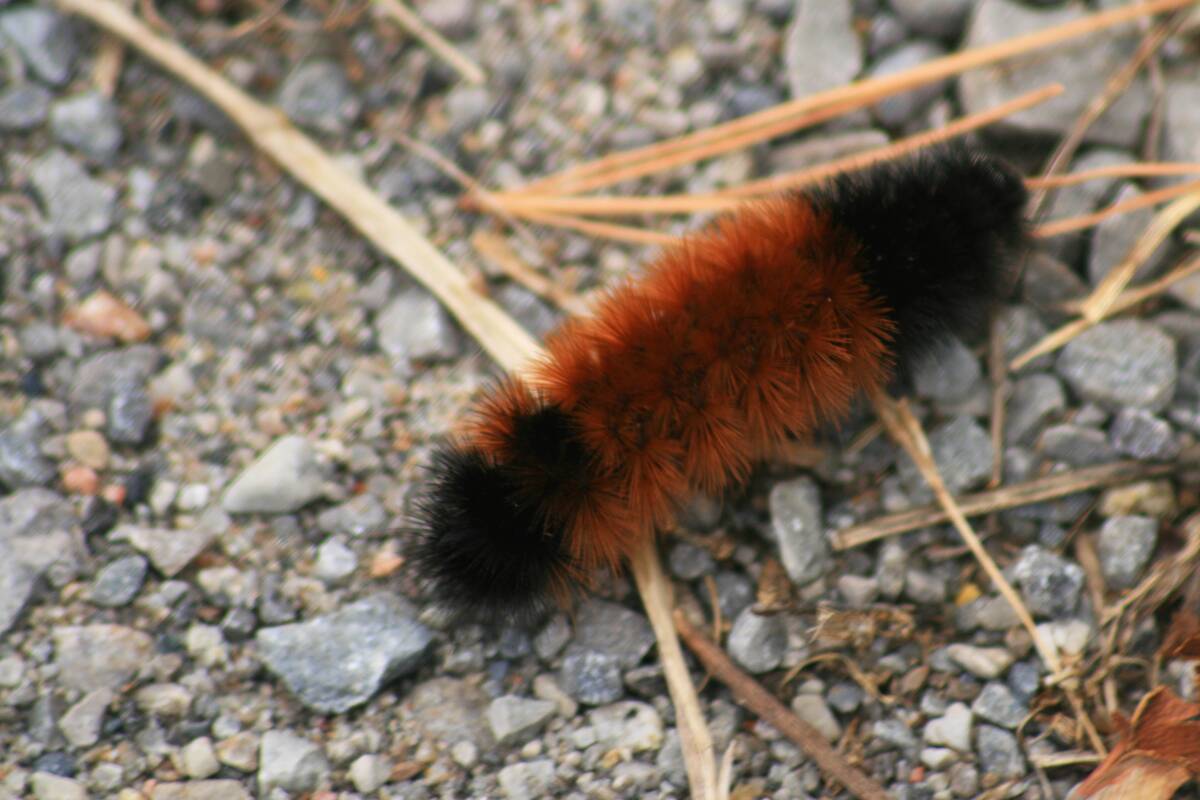
The woolly bear caterpillar is famous for its ability to survive freezing temperatures. It produces cryoprotectants that prevent ice from forming in its tissues. This allows it to endure winter’s chill, even when temperatures drop well below freezing.
Come spring, the caterpillar thaws out and continues its transformation into a moth, showcasing nature’s resilience in the face of cold.
Hibernation vs. Freezing: What’s the Difference?
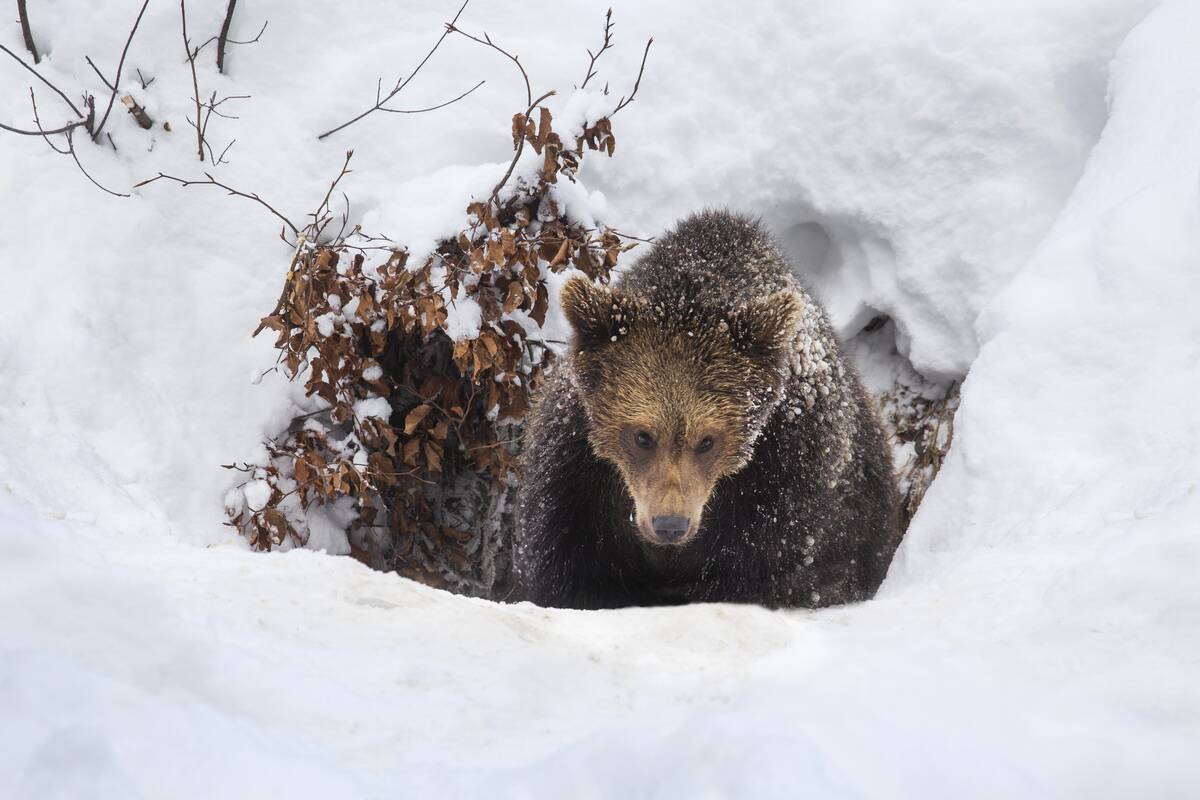
While both hibernation and freezing are strategies to survive winter, they are fundamentally different. Hibernation involves lowering metabolic rates and body temperature, but animals remain unfrozen.
In contrast, freezing involves actual ice formation in the body, with metabolic processes nearly halting. Each strategy has its advantages, depending on the species and environment, showcasing the diversity of survival tactics in the animal kingdom.
The Role of Antifreeze Proteins in Animal Survival
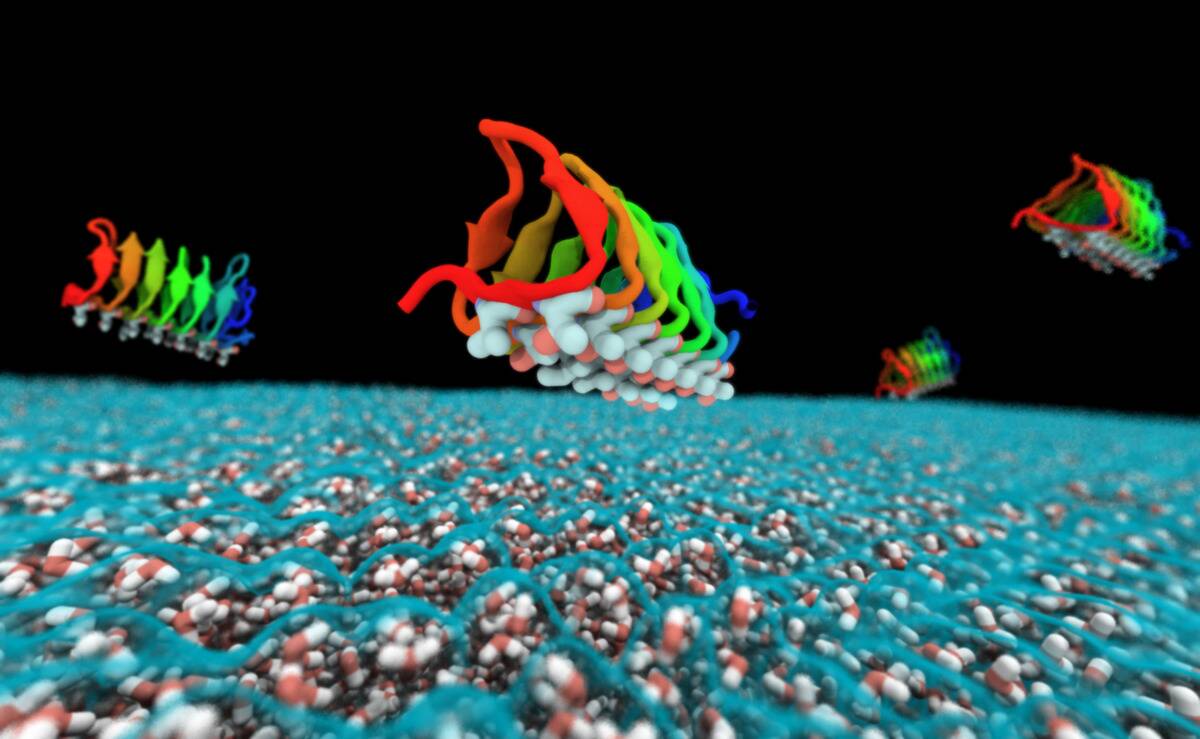
Antifreeze proteins are crucial for many animals that survive freezing temperatures. These proteins prevent ice crystals from growing by binding to them, a process known as thermal hysteresis.
This ability is vital for animals like the Arctic cod and Alaskan beetle, allowing them to maintain cellular integrity even in subzero conditions. Without these proteins, many species would be unable to survive their harsh environments.
The Ice Age Experts: Snapping Turtles’ Winter Wait
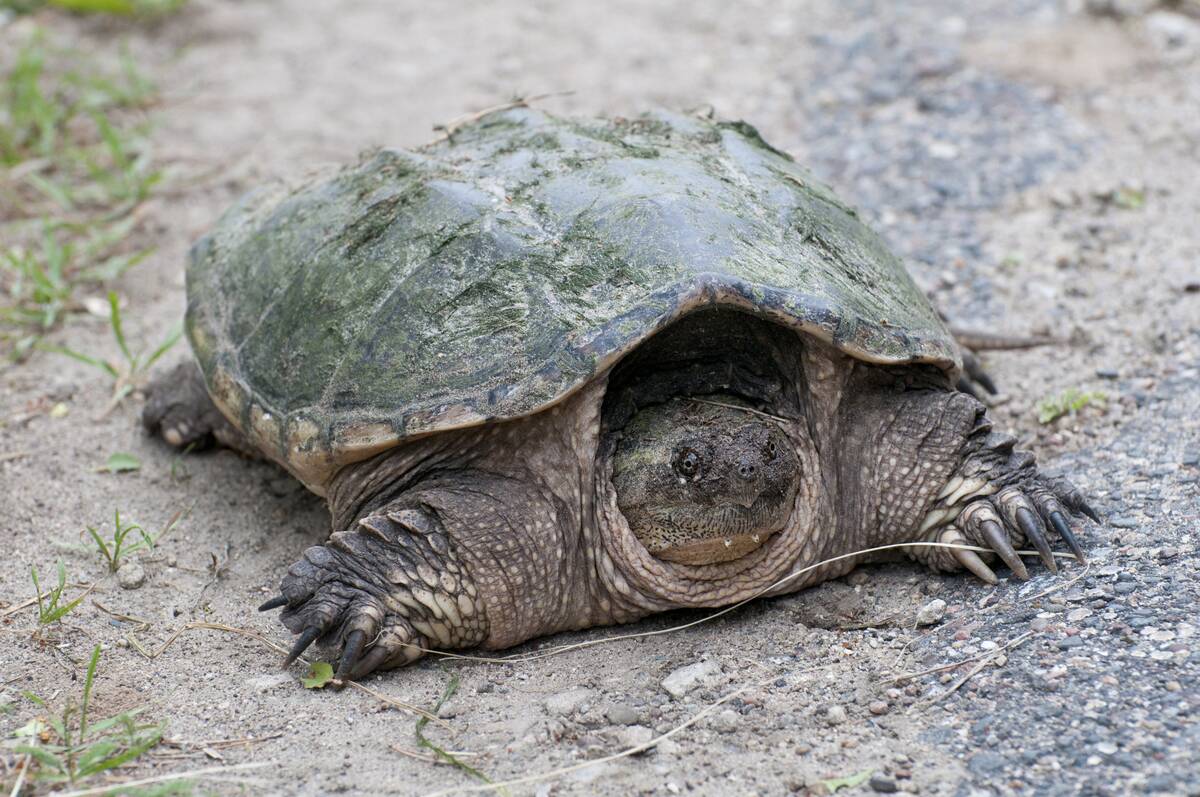
Snapping turtles are adept at surviving cold winters by hibernating underwater. They bury themselves in mud and slow their metabolism, allowing them to survive without oxygen for months.
This adaptation is essential for enduring the freezing temperatures of their habitats. Unlike some animals, snapping turtles do not freeze, but their ability to hibernate in near-freezing conditions is equally impressive.
Arctic Amphibians: The Chorus Frog’s Frozen Symphony
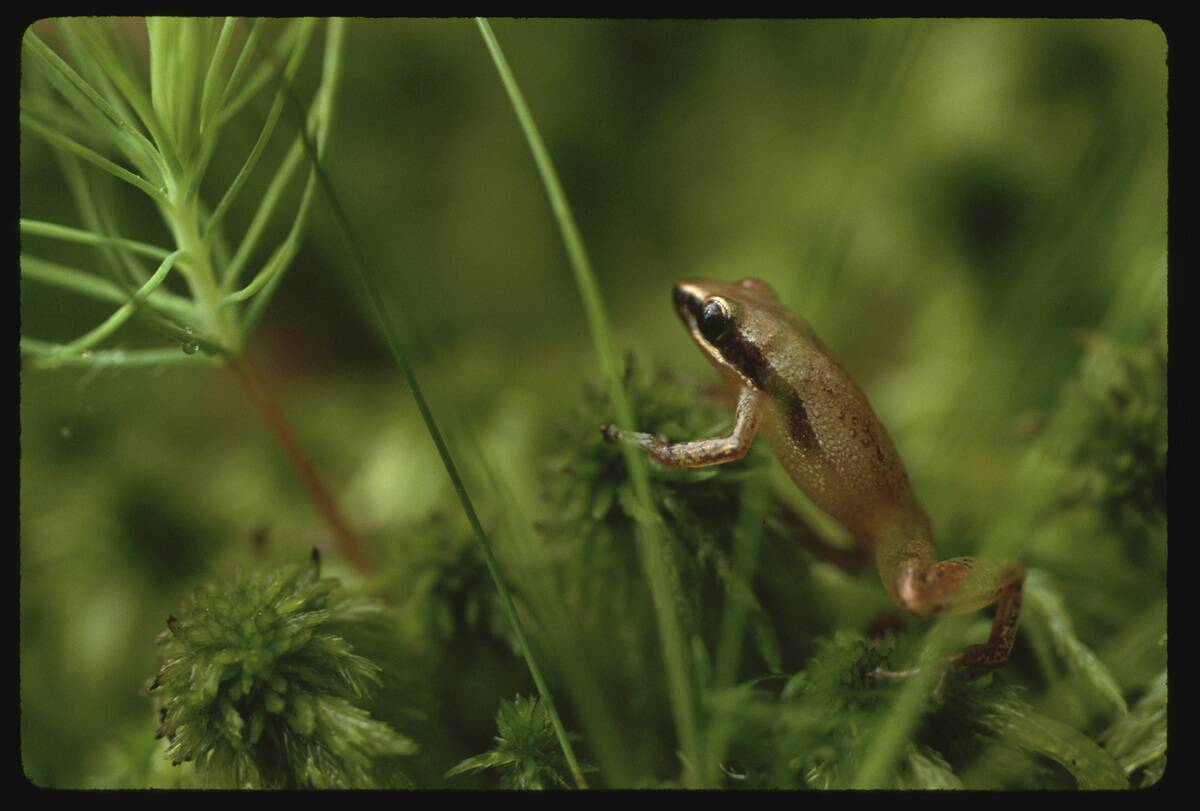
The chorus frog is another amphibian that can survive being frozen. It enters a state of suspended animation during winter, with its body temperature dropping to match the surrounding environment.
High concentrations of glucose in its tissues act as a cryoprotectant, preventing ice damage. When temperatures rise, the frog thaws and resumes its life, a testament to its remarkable adaptation to cold climates.
Surviving the Chill: The European Common Lizard’s Strategy

The European common lizard employs a unique strategy to survive cold winters. It hibernates in burrows, where it can avoid the harshest temperatures.
During this time, its metabolic rate drops significantly, conserving energy until spring. This ability to enter a state of dormancy is crucial for its survival in temperate regions, where winter conditions can be unforgiving.
Frozen in Time: The Siberian Salamander’s Cold Weather Adaptation
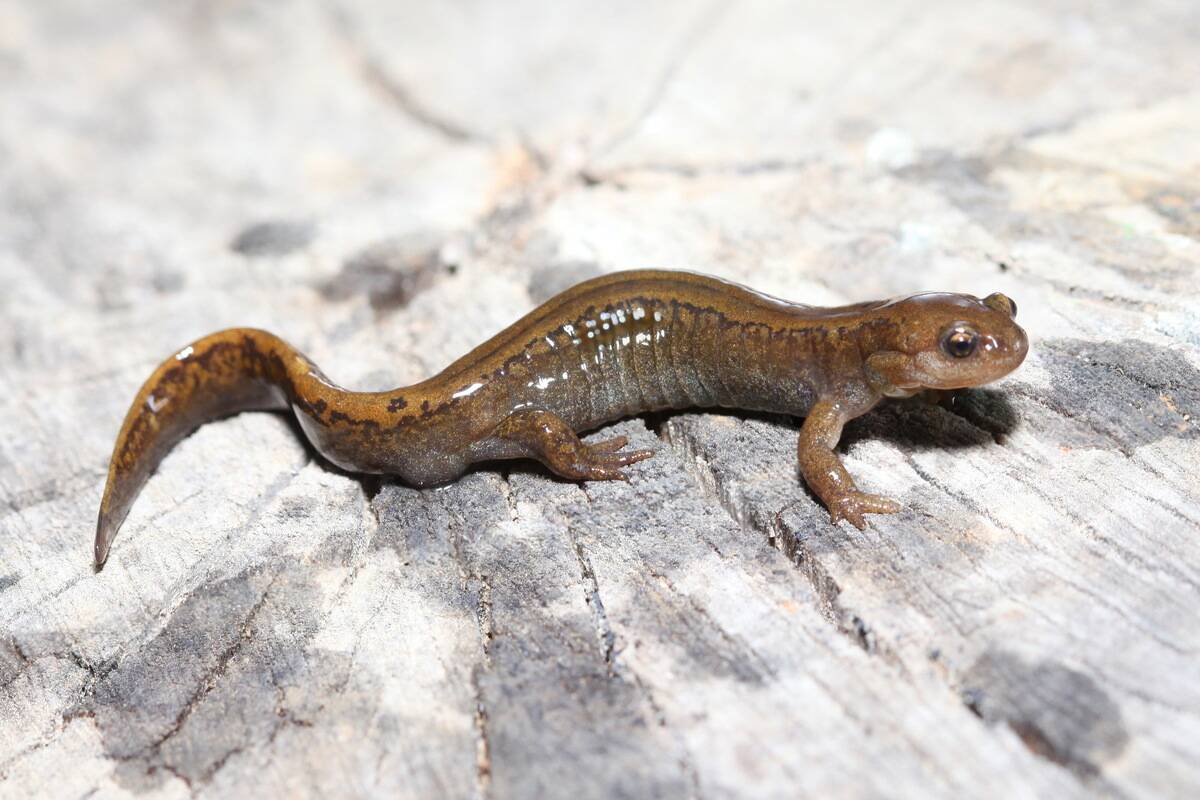
The Siberian salamander is a marvel of cold adaptation, capable of surviving temperatures as low as -40°F. It can remain frozen for years, thanks to cryoprotectants in its body that prevent ice damage.
This ability allows it to endure the extreme cold of its habitat, emerging unscathed when conditions improve. The salamander’s resilience is a testament to nature’s ability to adapt to even the harshest environments.