The rituals of the Japanese tea ceremony

Trending Now
The Japanese tea ceremony, or ‘chanoyu’, is more than just a ritual of drinking tea. It is a cultural art form that emphasizes aesthetics, mindfulness, and the appreciation of simplicity.
Rooted deeply in Japanese culture, it offers participants a chance to step away from the chaos of daily life and into a serene, meditative space. The ceremony is a harmonious blend of art, nature, and tradition, making it a unique experience for those who partake.
Historical Origins of the Japanese Tea Ceremony

The origins of the Japanese tea ceremony date back to the Heian period, when tea was introduced to Japan from China. The practice developed gradually over the following centuries, taking important steps toward its later form in the 15th and 16th centuries through tea masters such as Murata Jukō and Sen no Rikyū.
These masters emphasized simplicity, harmony, and the spiritual and aesthetic dimensions of tea preparation and drinking. Over time, the ceremony evolved, incorporating influences from Zen Buddhism and distinctive Japanese aesthetics.
The Influence of Zen Buddhism on the Tea Ceremony

Zen Buddhism has played a significant role in shaping Japanese tea culture. Zen-influenced principles of discipline, attentiveness, and presence are reflected in the practice. The tea ceremony encourages participants to focus on the experience at hand, appreciating the beauty of simplicity, restraint, and imperfection.
This influence can be seen in the understated design of the tea room and the deliberate movements of the host. The ceremony combines aesthetic, social, and, for some participants, spiritual dimensions.
Key Philosophies Embodied in the Tea Ceremony

The Japanese tea ceremony is guided by four key principles associated with Sen no Rikyū: harmony (wa), respect (kei), purity (sei), and tranquility (jaku). These principles are not just abstract ideas but are actively expressed throughout the ceremony.
Harmony is cultivated through the careful arrangement of the tea room and the interactions between host and guests. Respect is shown in the way utensils, the tea space, and fellow participants are treated. Purity involves both physical cleanliness and mental clarity, while tranquility emerges through the practice of the other three principles, creating a peaceful and reflective atmosphere.
The Role of Harmony in the Tea Ceremony
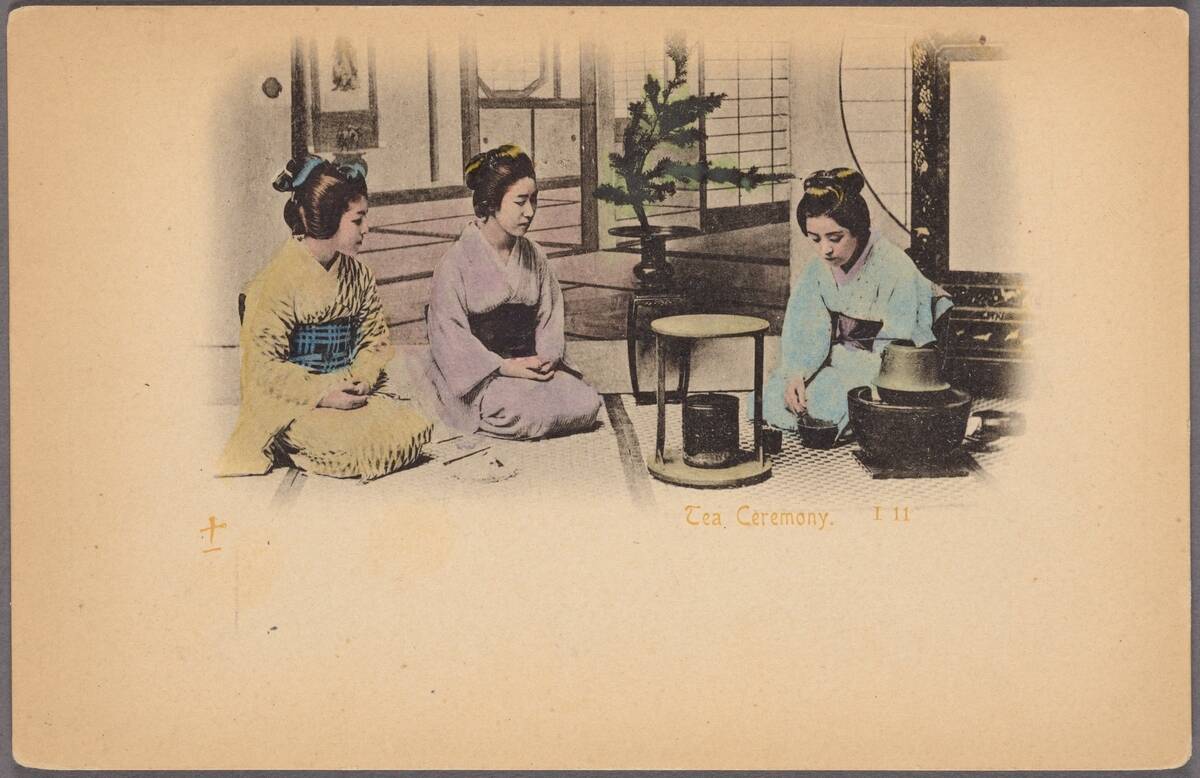
Harmony, or wa, is a cornerstone of the Japanese tea ceremony. It is reflected in the interactions between the host, guests, and their surroundings. Elements ranging from the tea utensils to the seasonal decorations and garden are carefully considered to create a cohesive setting.
This sense of harmony extends to the relationships between participants, fostering mutual respect and attentiveness. The tea ceremony becomes a shared experience, with host and guests participating in a carefully structured and contemplative rhythm.
Respect as a Core Value in the Tea Ceremony

Respect, known as kei, is deeply ingrained in the practice of the Japanese tea ceremony. This value is evident in the meticulous care with which the host prepares the tea and the thoughtful way guests receive it.
The deliberate movements and gestures of the ceremony reflect consideration for the host, guests, utensils, and setting, emphasizing mutual respect and attentiveness. The practice demonstrates that respect extends beyond simple politeness to include appreciation for the people, objects, and occasion that make each tea gathering meaningful.
The Significance of Purity in the Tea Ritual

Purity, or sei, is a principle expressed through cleanliness, order, and simplicity in the Japanese tea ceremony. Physically, it involves cleaning the utensils and tea room, helping create a carefully prepared and uncluttered environment.
In a broader philosophical sense, sei can also represent mental clarity and composure, encouraging participants to focus their attention on the gathering. This emphasis on purity helps create a space of simplicity and calm, allowing guests to temporarily set aside everyday distractions.
Tranquility: Finding Peace Through Tea

Tranquility, or jaku, is the fourth principle of the Japanese tea ceremony’s wa-kei-sei-jaku philosophy. It refers to the calm and composure cultivated through the practice. The ceremony’s deliberate pace and carefully structured actions can encourage concentration and a sense of inner peace, giving participants a temporary respite from everyday concerns.
Rather than guaranteeing lasting contentment, jaku represents an ideal of calm that may extend beyond the tea gathering. The ceremony can therefore provide a quiet, reflective space away from the distractions of daily life.
The Traditional Setting for a Tea Ceremony
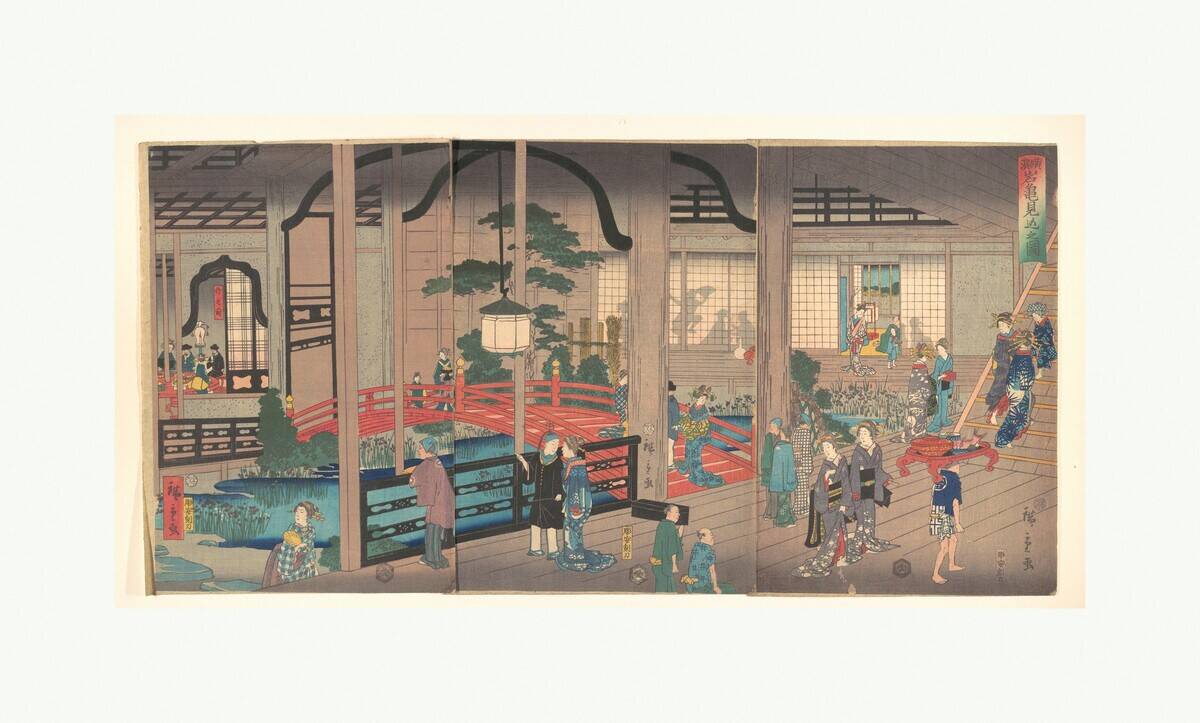
The setting of a Japanese tea ceremony is an important part of the experience. Traditionally held in a tea room, or chashitsu, the space often emphasizes simplicity and restraint, using natural materials and understated decoration.
A tea garden, or roji, is commonly associated with the tea room and helps create a transition from the outside world into the tea gathering. The environment is carefully arranged to promote harmony, attentiveness, and calm, allowing participants to focus on the people, objects, and rituals of the experience.
Essential Utensils Used in the Tea Ceremony
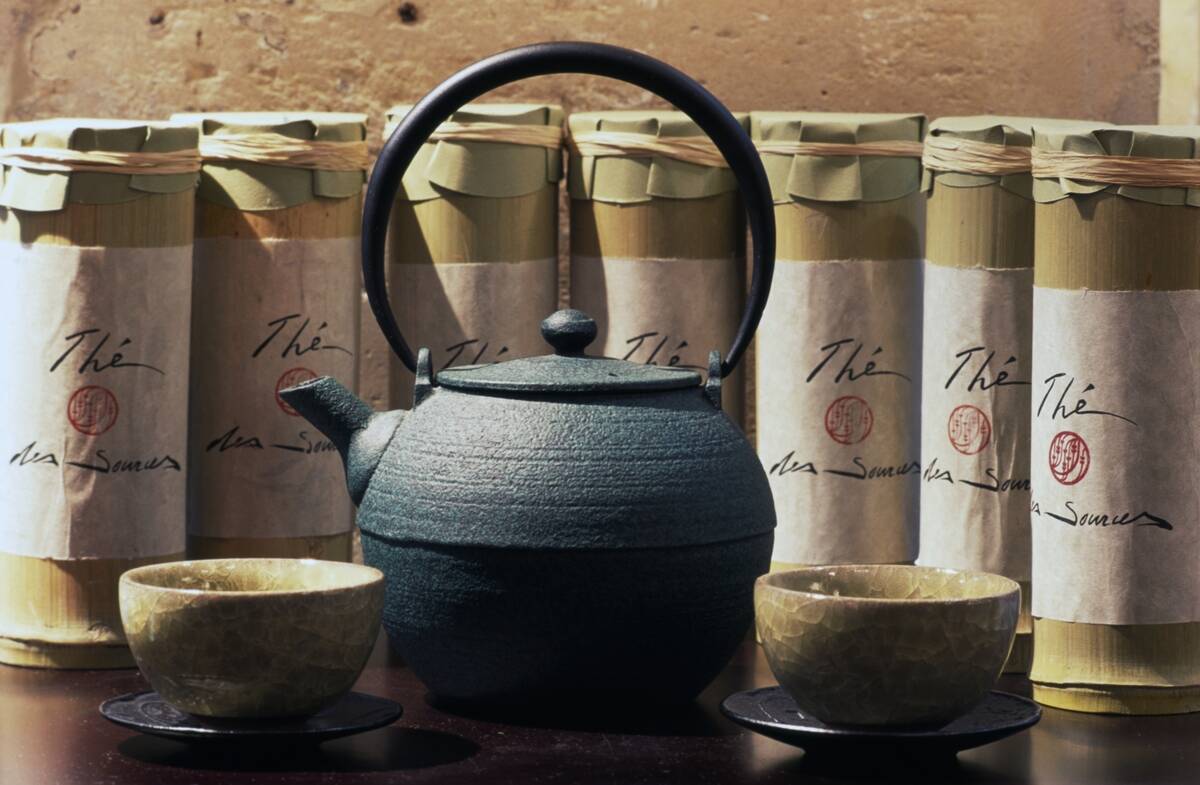
The Japanese tea ceremony involves a variety of specialized utensils, each with its own purpose and significance. Key items include the chawan (tea bowl), chasen (bamboo whisk), chashaku (tea scoop), and natsume (tea container). Utensils are carefully selected for their craftsmanship, materials, history, and aesthetic qualities, with some treasured and passed down through generations.
The selection and handling of these tools are integral to the ceremony, reflecting values of simplicity, attentiveness, and respect. Their deliberate use contributes to the ceremony’s carefully choreographed character.
The Art of Preparing Matcha Tea

Preparing matcha in the Japanese tea ceremony requires skill and careful attention to detail. The process begins with measuring an appropriate amount of matcha powder using a chashaku. Hot water is then added, and for usucha, the mixture is whisked with a chasen until a light layer of foam forms.
This deliberate preparation encourages concentration and attentiveness, with the host carefully following established procedures. The result is a vibrant, flavorful beverage that forms an integral part of the tea ceremony.
The Role of the Tea Host and Their Responsibilities

The tea host plays a crucial role in the Japanese tea ceremony, responsible for coordinating many aspects of the gathering. Their duties include preparing and serving the tea, arranging the tea room and utensils, and attending carefully to the guests.
The host must possess a deep understanding of the practice, as well as the ability to create a welcoming and harmonious atmosphere. Their role combines technical skill, aesthetic judgment, knowledge of tradition, and hospitality, requiring careful attention to both the ceremony and the guests.
Etiquette for Guests Attending a Tea Ceremony

Guests attending a Japanese tea ceremony are expected to follow established etiquette to show respect for the host, other participants, and the tradition. This may include arriving on time, dressing appropriately, and observing appropriate decorum during the ceremony. Guests should handle the tea bowl with care and, in common usucha practice, turn it slightly before drinking.
These customs are more than simple formalities, expressing gratitude and appreciation for the host, the tea, and the occasion. By observing these guidelines, guests contribute to the ceremony’s harmonious and respectful atmosphere.
Seasonal Variations in the Tea Ceremony

The Japanese tea ceremony is deeply connected to the changing seasons, with many aspects of the practice reflecting the natural world. Spring is associated with the new tea harvest, while autumn brings seasonal flowers, sweets, utensils, and decorations inspired by the changing landscape.
The tea room’s decor and the choice of utensils often change throughout the year, creating a varied experience that emphasizes seasonality. This close connection to nature encourages appreciation of seasonal beauty and the changing character of each tea gathering.
Modern Interpretations and Adaptations of the Tea Ceremony
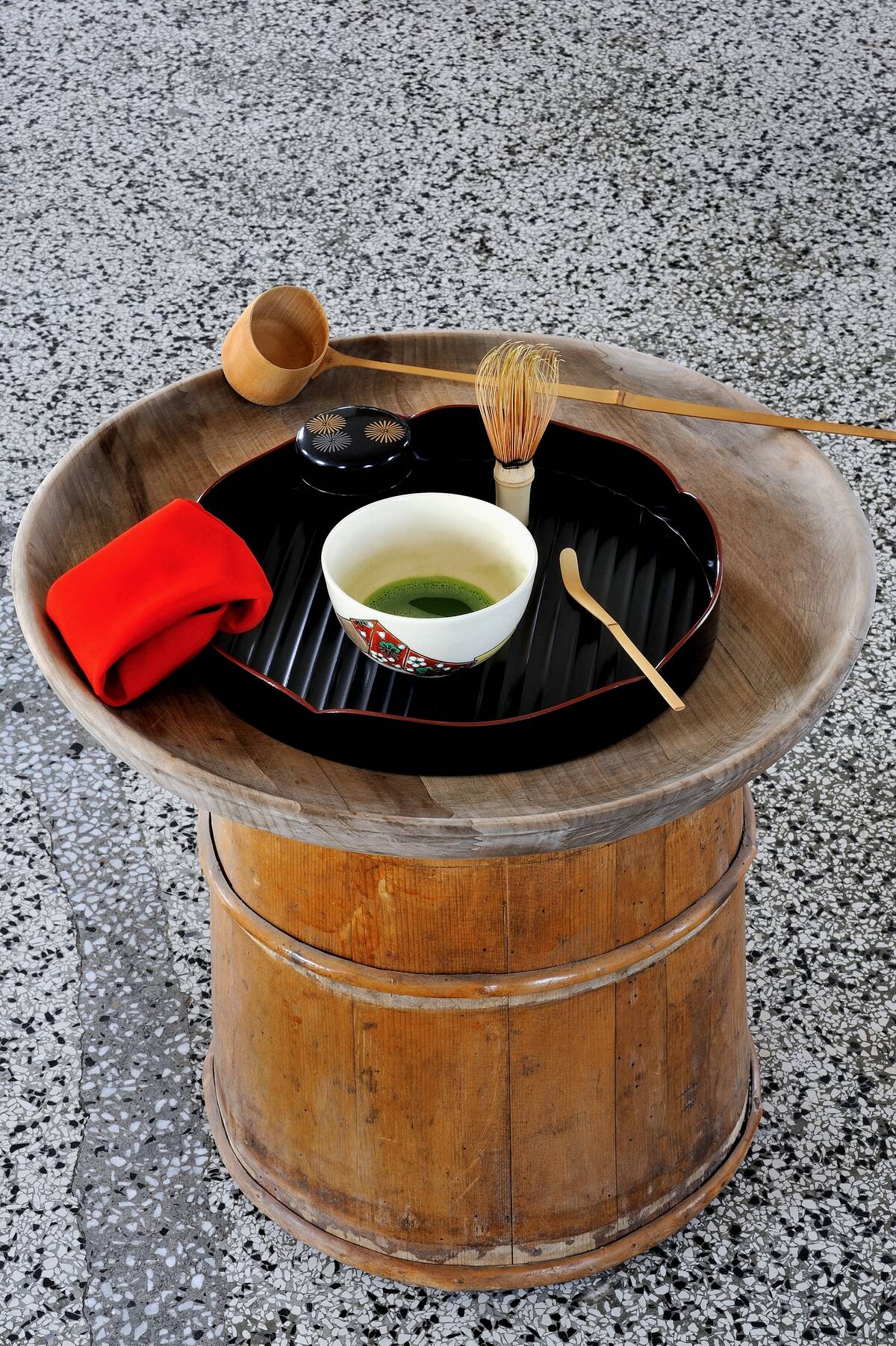
While the traditional Japanese tea ceremony remains a revered practice, contemporary interpretations have emerged alongside established forms. Some practitioners experiment with new settings, utensils, and approaches while continuing to engage with the ceremony’s core principles.
Traditional chanoyu, however, continues to center primarily on matcha and established procedures. These contemporary expressions, together with traditional schools and practices, help introduce tea culture to new generations and demonstrate its continuing cultural and aesthetic appeal.
Experiencing a Tea Ceremony as a Visitor in Japan

For visitors to Japan, participating in a tea ceremony offers a unique glimpse into the country’s rich cultural heritage. Many tea houses welcome tourists, providing an opportunity to experience the ritual firsthand. Visitors can learn about the history and significance of the ceremony while enjoying the serene atmosphere. This immersive experience allows travelers to connect with Japanese culture on a deeper level, gaining insight into the values and philosophies that shape the tea ceremony.
The Cultural Impact of the Japanese Tea Ceremony

The Japanese tea ceremony has had a significant influence on Japanese culture, shaping aspects of art, architecture, gardens, and social customs. Its emphasis on simplicity, attentiveness, and seasonal awareness has influenced fields ranging from garden design and ceramics to flower arrangement and food presentation.
The ceremony’s principles of harmony, respect, purity, and tranquility continue to resonate within tea culture and broader Japanese aesthetics. As an important cultural tradition, the tea ceremony remains a distinctive expression of Japan’s enduring appreciation for craftsmanship, hospitality, and beauty.