What daily life was like for the Vikings

Trending Now
When you think of Vikings, images of fierce warriors and epic sea voyages often come to mind. But beyond the battles and legendary raids, Vikings led rich and varied everyday lives.
From their homes to their social gatherings, each aspect of Viking life was deeply rooted in tradition and community. Let’s embark on a journey to explore the fascinating world of Viking daily life, uncovering the customs and practices that defined their existence.
The Viking Home: Longhouses and Cozy Hearths
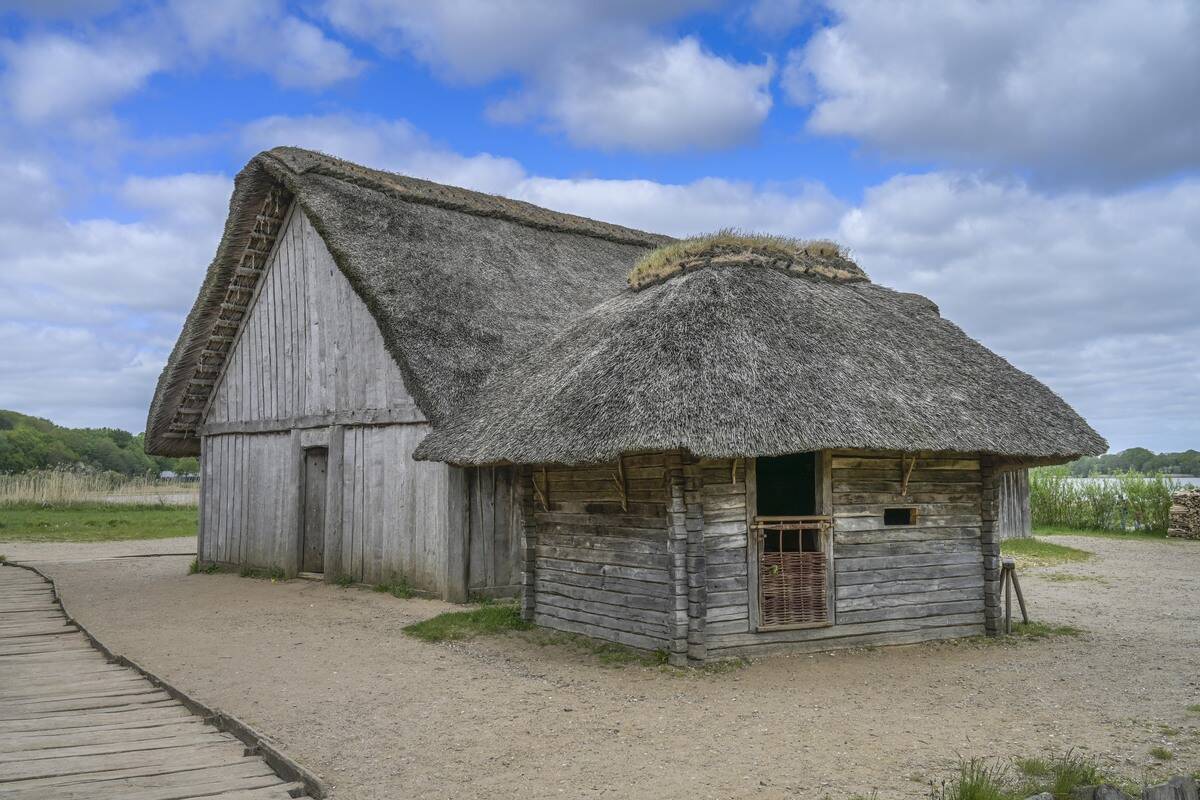
Viking Age homes often took the form of longhouses, elongated structures commonly built from timber and covered with thatch or turf roofs. Depending on the region and household, some longhouses could accommodate both people and livestock, providing shelter and warmth in Scandinavia’s often harsh climate.
Inside, a central hearth was an important feature, providing heat, light, and a place for cooking. The space around the hearth likely also served as an important area for family and community life, making it a central feature of many Viking households.
Family Dynamics: Roles and Responsibilities

In Viking Age households, family members often had different responsibilities, although roles varied according to social status, location, and circumstances. Men commonly worked in farming, fishing, hunting, crafts, trade, and warfare, while women often managed household activities, prepared food, produced textiles, and cared for children.
Viking women could also have significant legal rights, including, in some Norse societies, the ability to own property and seek divorce. Children contributed to household tasks as they grew older, gradually learning practical skills needed for adult life. Cooperation among family members was essential to the household economy, even though many communities also relied on trade and exchange.
Viking Cuisine: From Mead to Meat

Viking Age cuisine relied heavily on locally available foods, with diets varying according to region, season, and social status. Grains, dairy products, vegetables, legumes, fish, and meat all played important roles, with pork, beef, and mutton among the meats consumed. Fish and seafood were particularly important in many coastal communities, while foods could be preserved through drying, smoking, salting, or fermentation.
Ale was a common beverage, while mead was also enjoyed, particularly in some feasting and ceremonial settings. Viking meals reflected the agricultural resources, environment, and trading connections of their communities.
Clothing and Fashion: Dressing the Norse Way
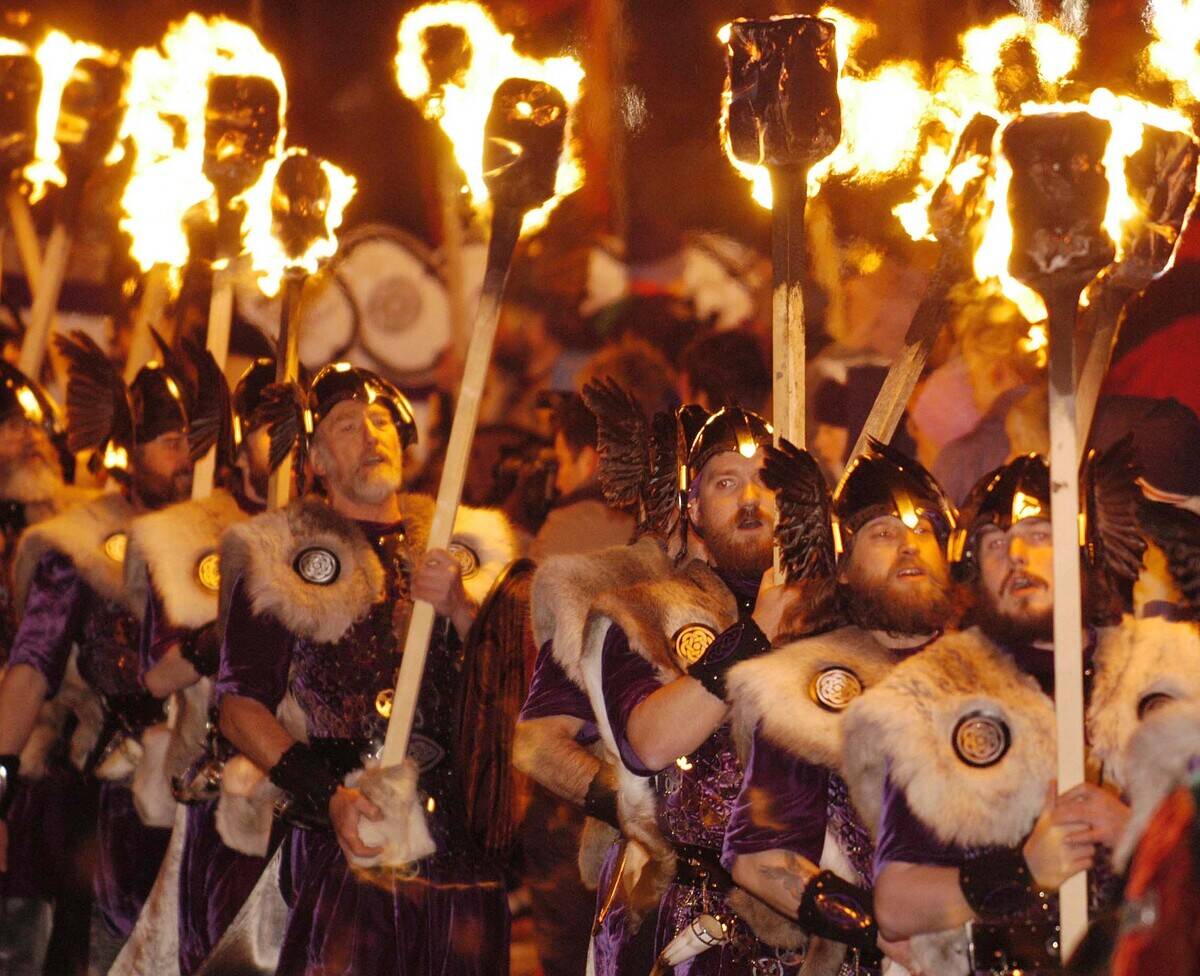
Viking Age clothing was generally practical and suited to the Scandinavian climate and daily activities. Men commonly wore tunics with trousers or other leg coverings, while women often wore long dresses with apron-like overdresses. Wool and linen were important textile materials, and garments could be dyed in a range of colors using natural dyes.
Jewelry, including brooches, rings, beads, and pendants, was worn by both men and women and could reflect wealth, identity, or social status. Archaeological evidence also suggests that Vikings paid considerable attention to grooming, clothing, and personal adornment, revealing a stronger interest in appearance than the popular image of them as simply rugged warriors might suggest.
A Day in the Life: Daily Routines and Chores

Daily life in a Viking Age household revolved around work, with routines shaped by the season, location, and needs of the family. Household members shared responsibilities that could include farming, fishing, food preparation, textile production, animal care, and other practical tasks. Men commonly participated in farming, fishing, trade, and travel, while women often managed households and produced textiles, although these roles could overlap.
Children likely learned practical skills by helping with household and agricultural activities as they grew older. Alongside the demands of daily work, gatherings, feasting, and storytelling provided opportunities for social interaction and helped preserve cultural traditions.
Farming and Agriculture: Sustaining the Community
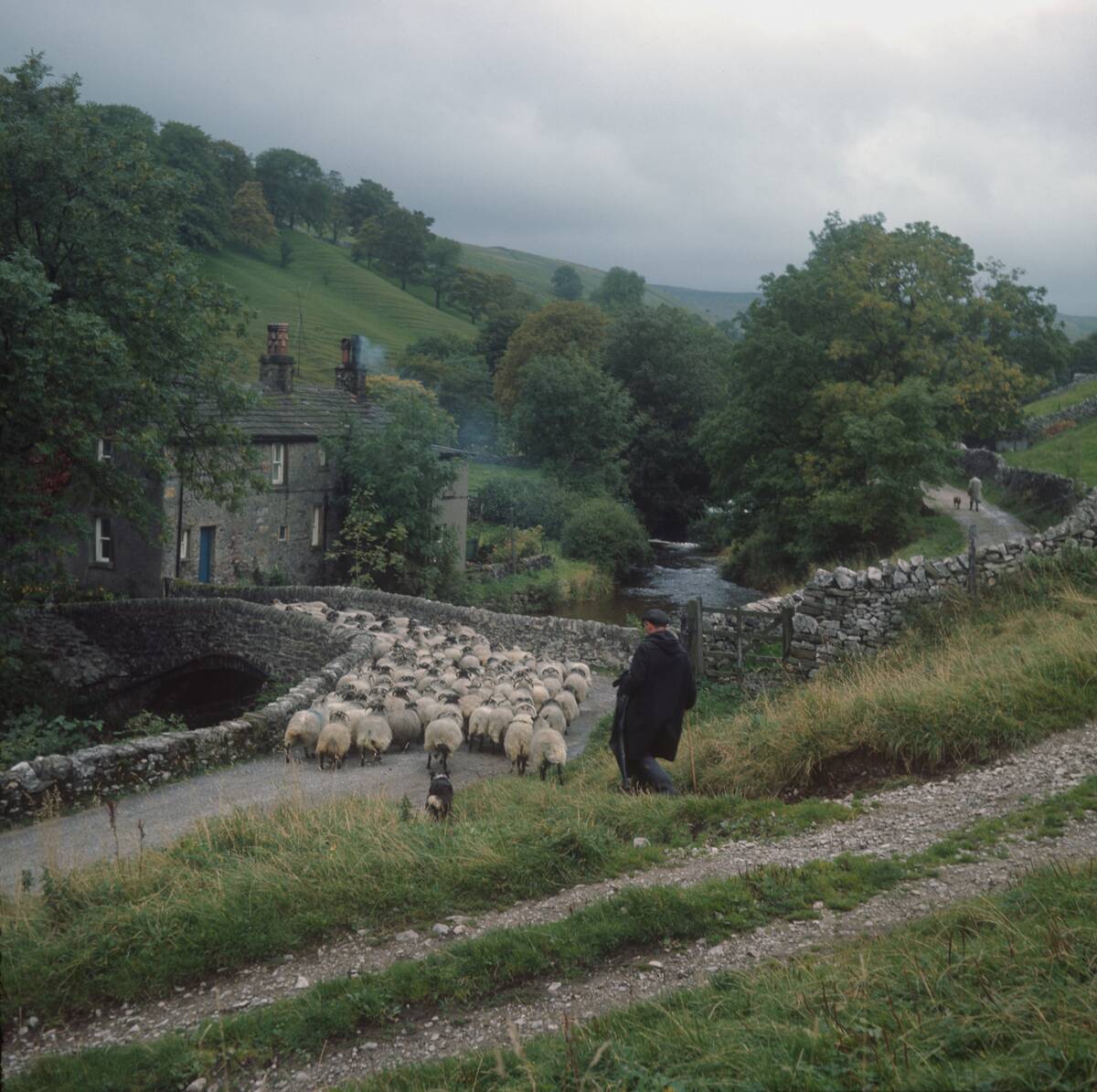
Agriculture was fundamental to many Viking Age communities, with farms spread across much of the Scandinavian landscape. Farmers cultivated crops such as barley, oats, and rye, which provided important sources of food and animal feed. Livestock, including cattle, sheep, and pigs, supplied meat and other useful products, while cattle and sheep also provided dairy products and wool.
Farming required considerable seasonal labor, with family members working together on planting, harvesting, food processing, and animal care. The agricultural calendar closely followed the seasons, shaping daily life and helping communities prepare food and supplies for the long Scandinavian winters.
Trade and Commerce: A Network of Exchange
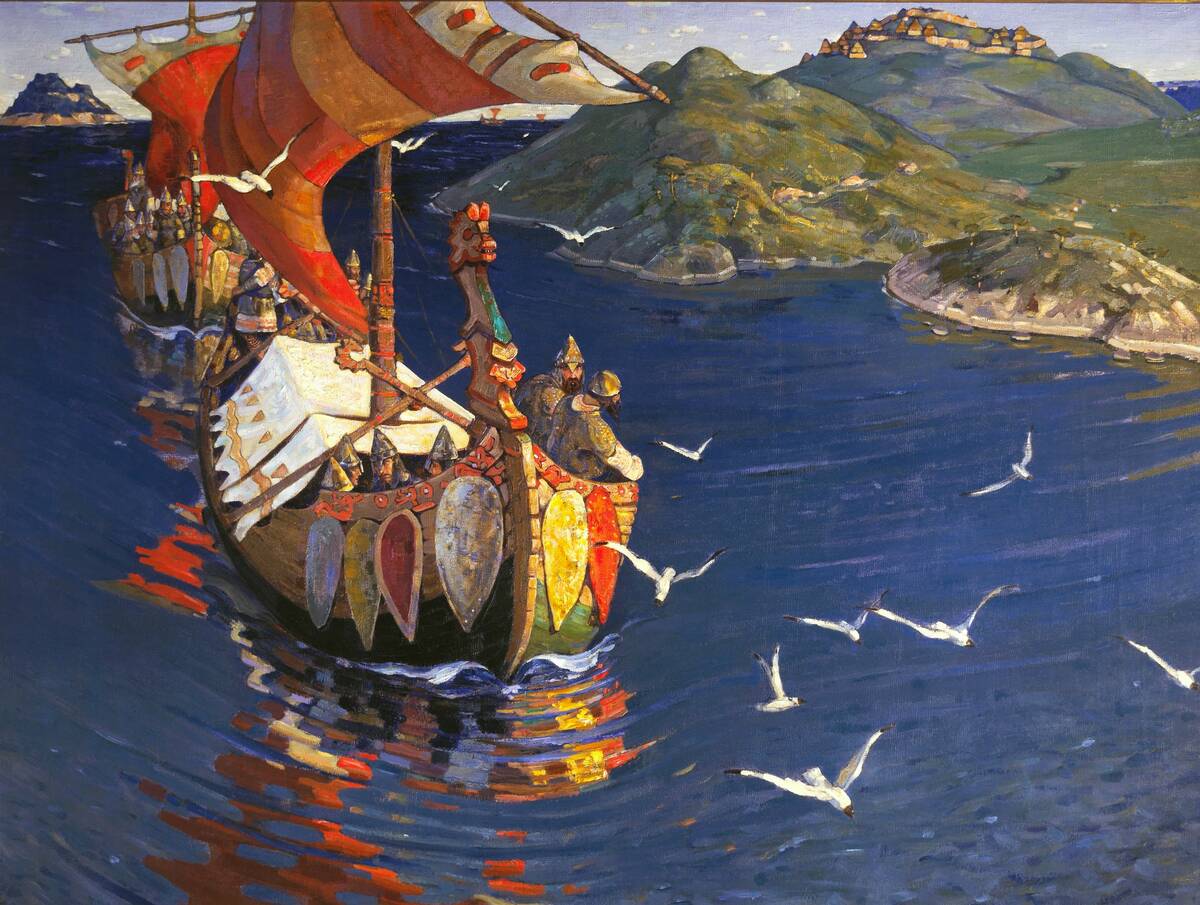
Vikings were not only warriors but also skilled traders who participated in extensive commercial networks across Europe and beyond. They traded goods such as furs, amber, walrus ivory, and other local products in exchange for silver, textiles, glass, and other valuable commodities. Viking traders traveled by sea and along major river routes, reaching distant markets in places such as Constantinople and the Islamic world.
These networks encouraged contact between different cultures and facilitated the movement of goods, artistic influences, technologies, and ideas. Trade brought considerable wealth and access to foreign products, particularly to important trading centers and wealthier members of Viking society.
Viking Seafaring: Beyond the Longship Legends
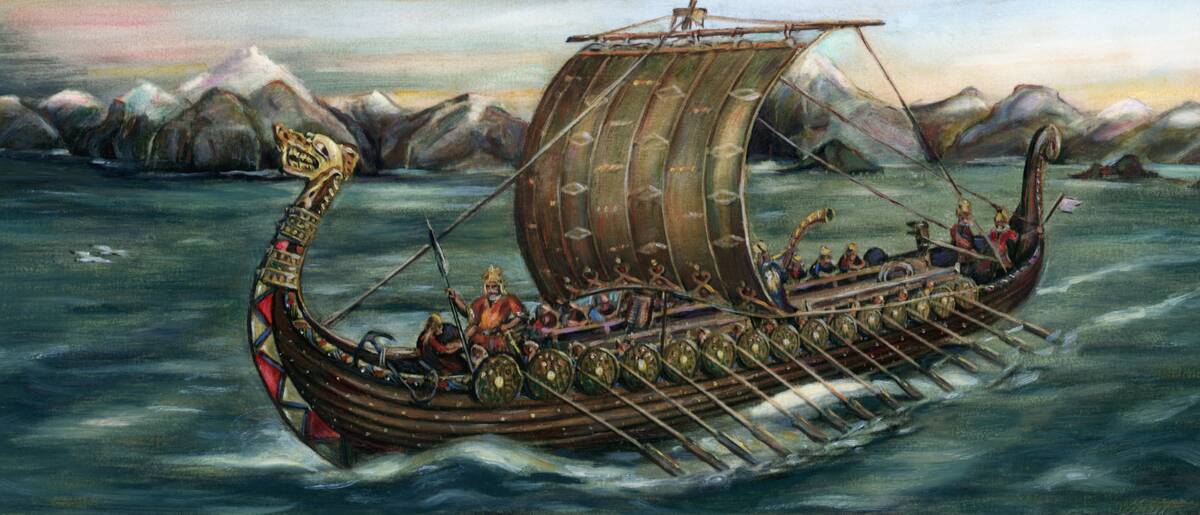
Viking seafaring was a remarkable achievement, with their ships designed for speed, maneuverability, and long-distance travel. Longships could cross open seas while their shallow drafts allowed them to approach shorelines and navigate some rivers. Vikings used different types of vessels for warfare, exploration, trade, and transportation, traveling as far as Iceland, Greenland, and North America.
Their navigation relied on environmental clues such as coastlines, landmarks, the position of the sun and stars, winds, and ocean currents. Seafaring played an important role in Viking Age society, enabling exploration, trade, migration, and raids across vast distances.
Social Gatherings: Feasts, Games, and Storytelling

Social gatherings played an important role in Viking Age communities, providing opportunities for feasting, celebration, political interaction, and socializing. Feasts could be held to mark occasions such as weddings, funerals, seasonal festivals, religious ceremonies, or important visits, with food and drink playing a central role.
Games, including board games such as hnefatafl, as well as various physical contests, were also popular forms of entertainment. Storytelling and poetry were important parts of Norse culture, with poets and storytellers preserving stories about gods, heroes, rulers, and notable events. These gatherings helped strengthen social connections and pass cultural traditions from one generation to the next.
Religion and Beliefs: Gods, Myths, and Rituals

Viking Age religion was largely polytheistic, involving numerous gods and supernatural beings, with figures such as Odin, Thor, Freyja, Freyr, and Tyr holding important places in different communities and traditions. Norse myths explored the origins of the cosmos, the relationships between gods and humans, and the fate of the world.
Rituals and offerings, including ceremonies known as blót, were performed to honor supernatural powers and seek fertility, prosperity, protection, or other forms of favor. Religious beliefs were closely connected to everyday life, influencing practices and traditions surrounding agriculture, warfare, political authority, celebrations, and death.
Education and Skills: Learning the Viking Way
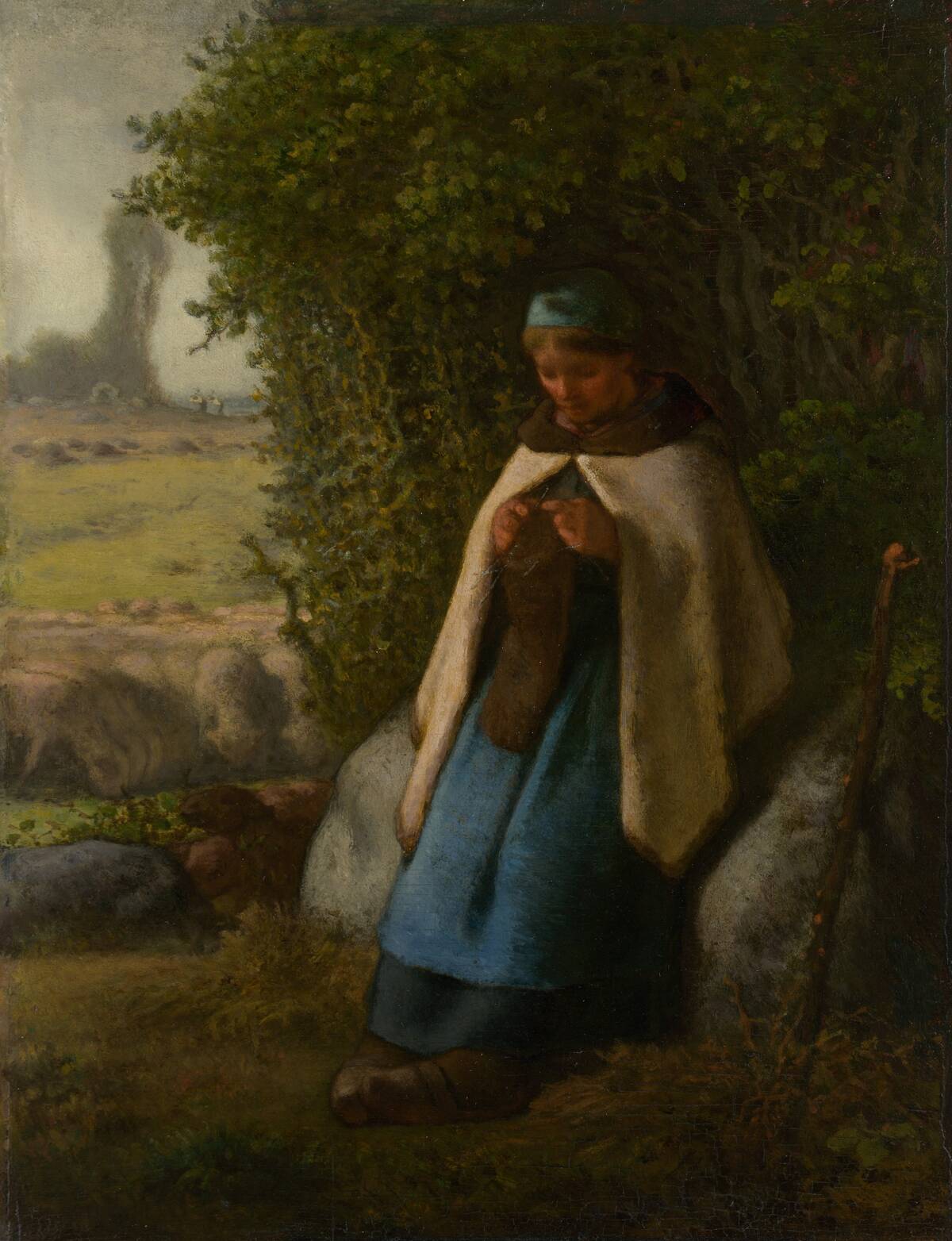
Education in Viking Age society was largely informal, with practical skills and cultural knowledge passed from one generation to the next through family life, work, and community activities. Children learned skills appropriate to their circumstances, including farming, animal care, cooking, textile production, crafts, and other household or occupational tasks.
Storytelling and oral traditions helped transmit history, legends, customs, and social values. Specialized skills such as shipbuilding, metalworking, and rune carving were practiced by skilled craftspeople and could be highly valued within communities. This hands-on approach allowed important practical knowledge and cultural traditions to be passed down through generations.
Art and Craftsmanship: Creativity in Viking Society

Viking Age art and craftsmanship were characterized by intricate patterns and sophisticated workmanship. Craftspeople produced finely decorated metal objects, including jewelry, weapons, tools, and fittings, while woodcarving was also an important artistic tradition, particularly in ships, buildings, and other wooden objects.
Runes were widely used for inscriptions on materials such as stone, wood, and metal, providing evidence of the importance of written communication in Norse society. Viking Age art was often both decorative and functional, with designs appearing on everyday, ceremonial, and valuable objects and sometimes expressing religious beliefs, identity, or social status.
Seasonal Celebrations: Festivals and Traditions

Seasonal celebrations were integral to Viking life, marking the passage of time and honoring the gods. Festivals like Yule and Midsummer were occasions for feasting, music, and dancing. These celebrations were tied to the agricultural calendar, ensuring good harvests and fertility.
Rituals and offerings were made to deities, seeking their favor and protection. These traditions reinforced community bonds and provided a sense of continuity, connecting the Vikings to their ancestors and the natural world.