Inside the life of the Komodo dragon, the world’s largest lizard

The Komodo dragon, scientifically known as Varanus komodoensis, holds the title of the world’s largest lizard. These impressive reptiles can grow up to 10 feet long and weigh over 150 pounds.
Found primarily on the Indonesian islands of Komodo, Rinca, Flores, and Gili Motang, they are truly a sight to behold. Despite their fearsome reputation, Komodo dragons are fascinating creatures that have captured the imagination of many.
A Peek into History: Discovery of the Komodo Dragon

The Komodo dragon was first documented by Western scientists in 1910, when Lieutenant van Steyn van Hensbroek of the Dutch colonial administration stumbled upon them.
The discovery was a sensation, leading to further exploration and study. Prior to this, local legends spoke of these ‘land crocodiles,’ but it wasn’t until the early 20th century that the world took notice of these incredible reptiles.
Where in the World? The Natural Habitat of Komodo Dragons

Komodo dragons are native to a few Indonesian islands, with Komodo Island being the most famous. They thrive in hot, dry climates and are often found in open grasslands, savannas, and tropical forests.
These habitats provide ample opportunities for hunting and basking in the sun, which are crucial for their survival. The isolation of these islands has allowed the Komodo dragon to evolve uniquely, making them a rare and fascinating species.
Size Matters: How Big Can a Komodo Dragon Get?
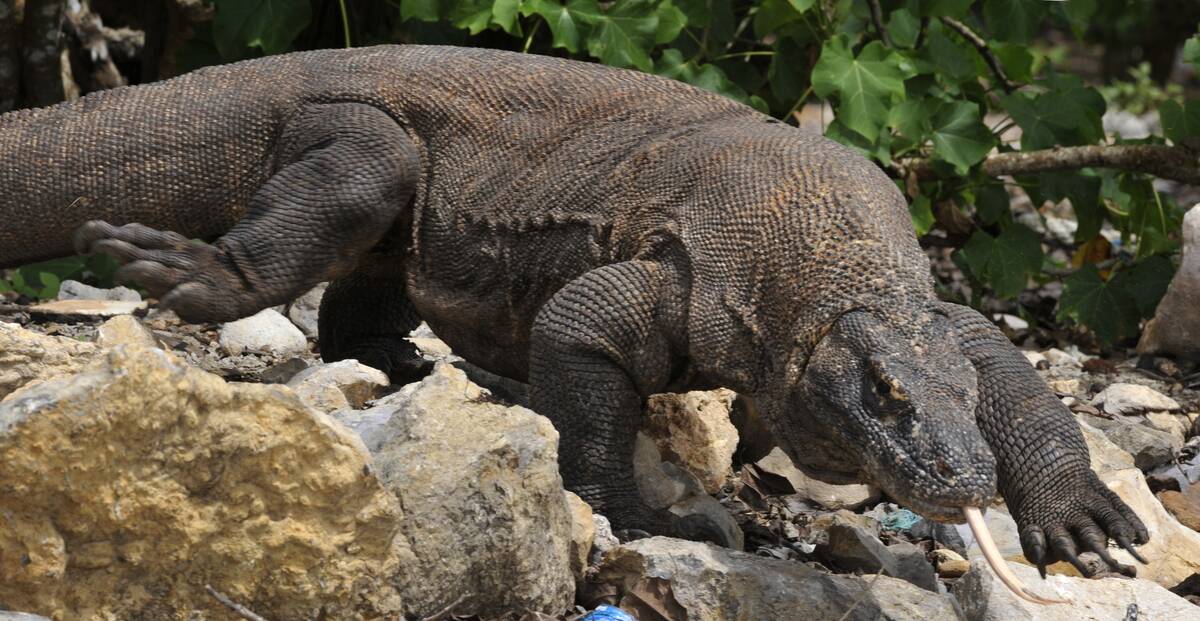
Komodo dragons are the giants of the lizard world, with males typically larger than females. The largest recorded Komodo dragon measured over 10 feet and weighed around 366 pounds.
Their massive size is not just for show; it plays a vital role in their hunting strategy and dominance over their territory. Despite their size, they are surprisingly agile and can run at speeds of up to 12 miles per hour when needed.
A Day in the Life: The Behavior and Habits of Komodo Dragons
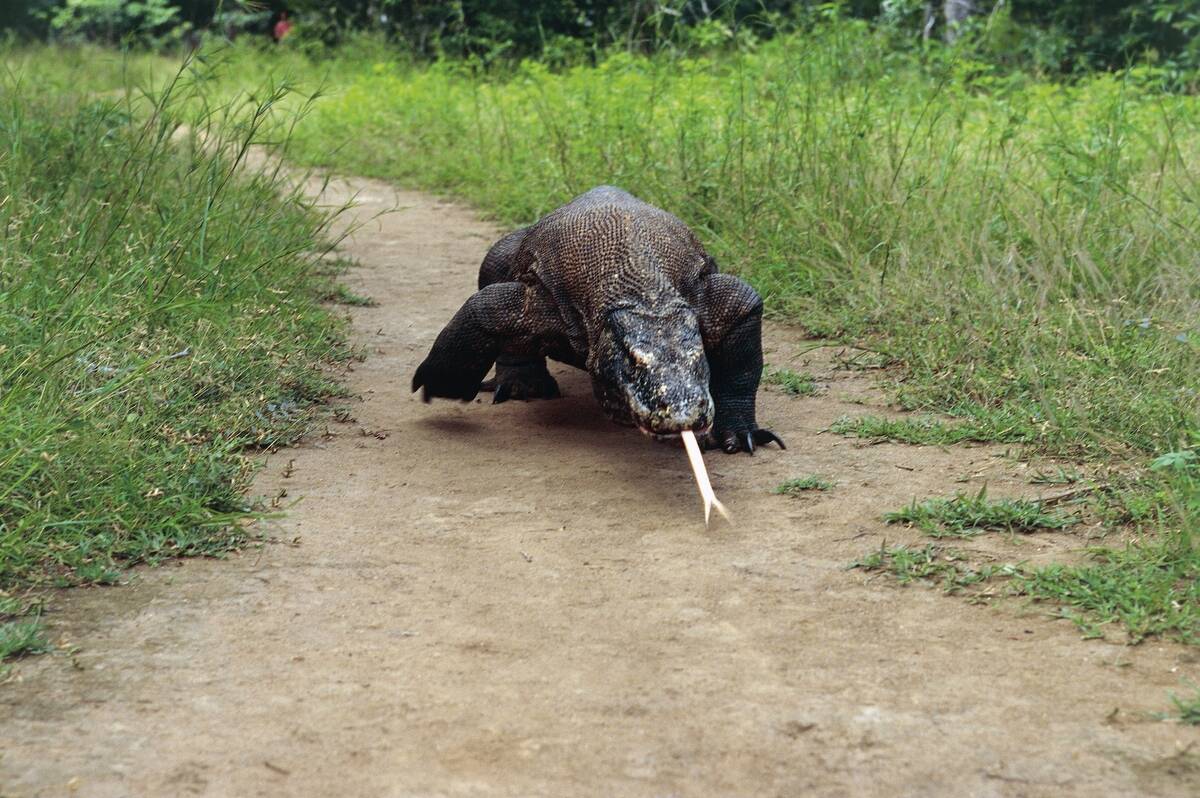
Komodo dragons are solitary creatures, spending much of their day patrolling their territory in search of food. They are most active during the day, using their keen sense of smell to locate prey.
When not hunting, they can often be found basking in the sun to regulate their body temperature. Despite their solitary nature, they do come together during the breeding season, where males compete for the attention of females.
What’s on the Menu? The Diet of a Komodo Dragon
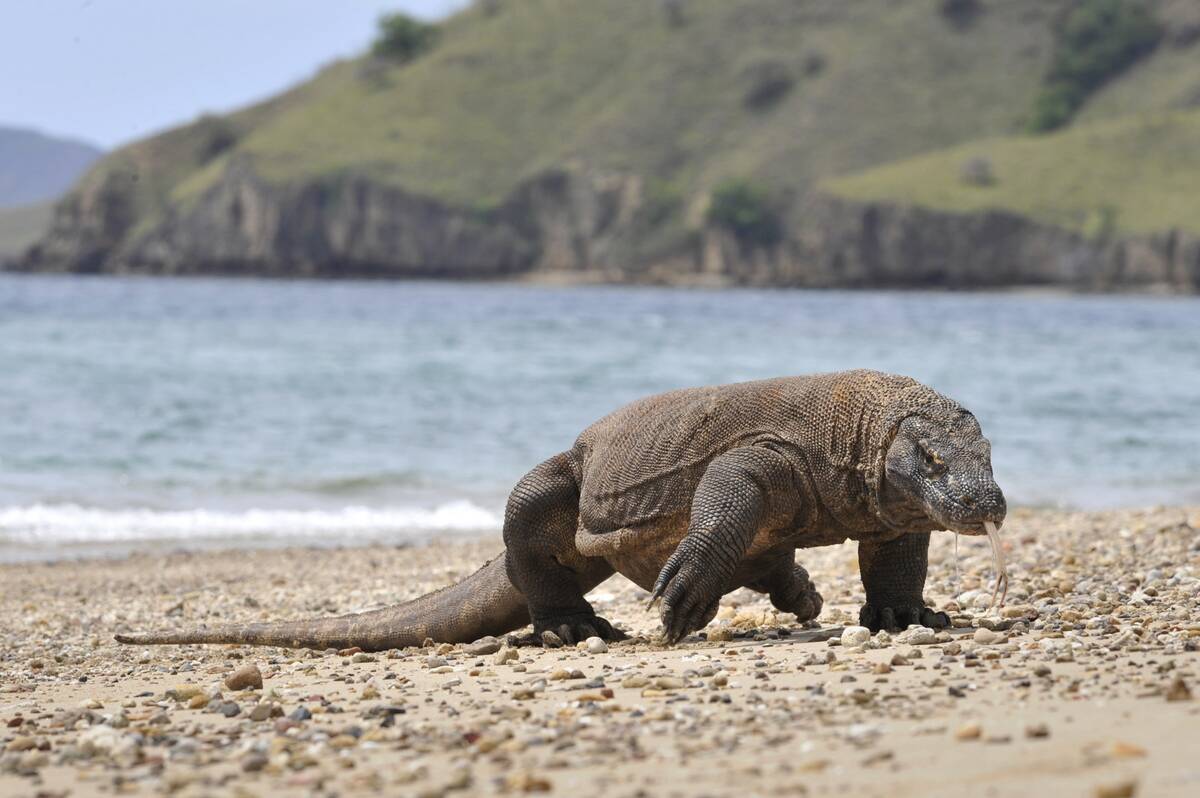
Komodo dragons are carnivorous and have a varied diet that includes deer, pigs, and even water buffalo. They are opportunistic feeders, meaning they’ll eat almost anything they can catch.
Their powerful jaws and sharp teeth allow them to consume large prey, and they can eat up to 80% of their body weight in one meal. This ability to gorge helps them survive in environments where food can be scarce.
The Art of the Hunt: How Komodo Dragons Catch Their Prey
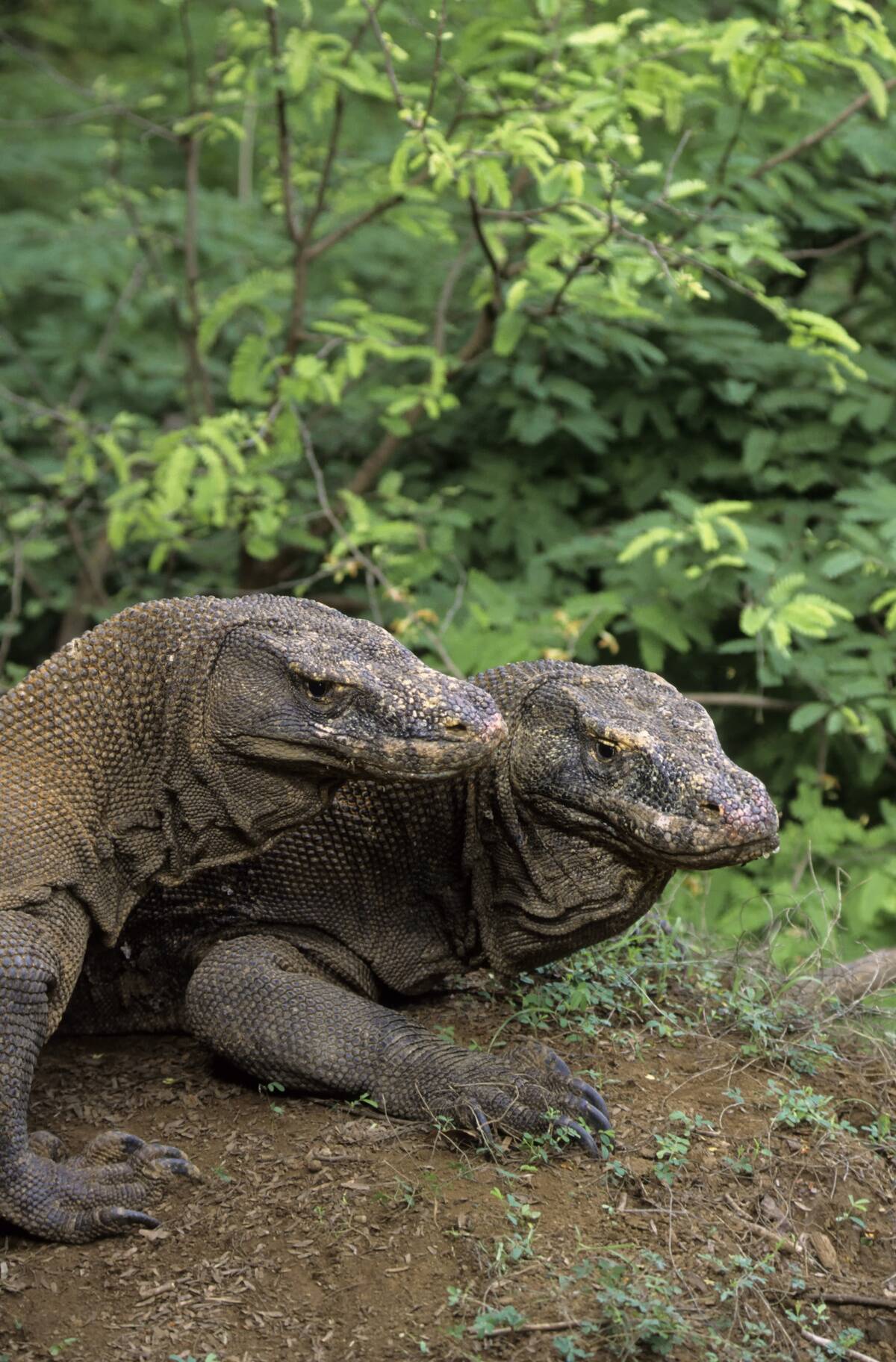
Komodo dragons are ambush predators, relying on stealth and patience to catch their prey. They use their camouflage to blend into their surroundings and wait for the perfect moment to strike.
Once they have their target in sight, they use their powerful legs to launch a swift attack. Their hunting strategy is highly effective, allowing them to take down animals much larger than themselves with relative ease.
Venomous Bite: The Secret Weapon of the Komodo Dragon
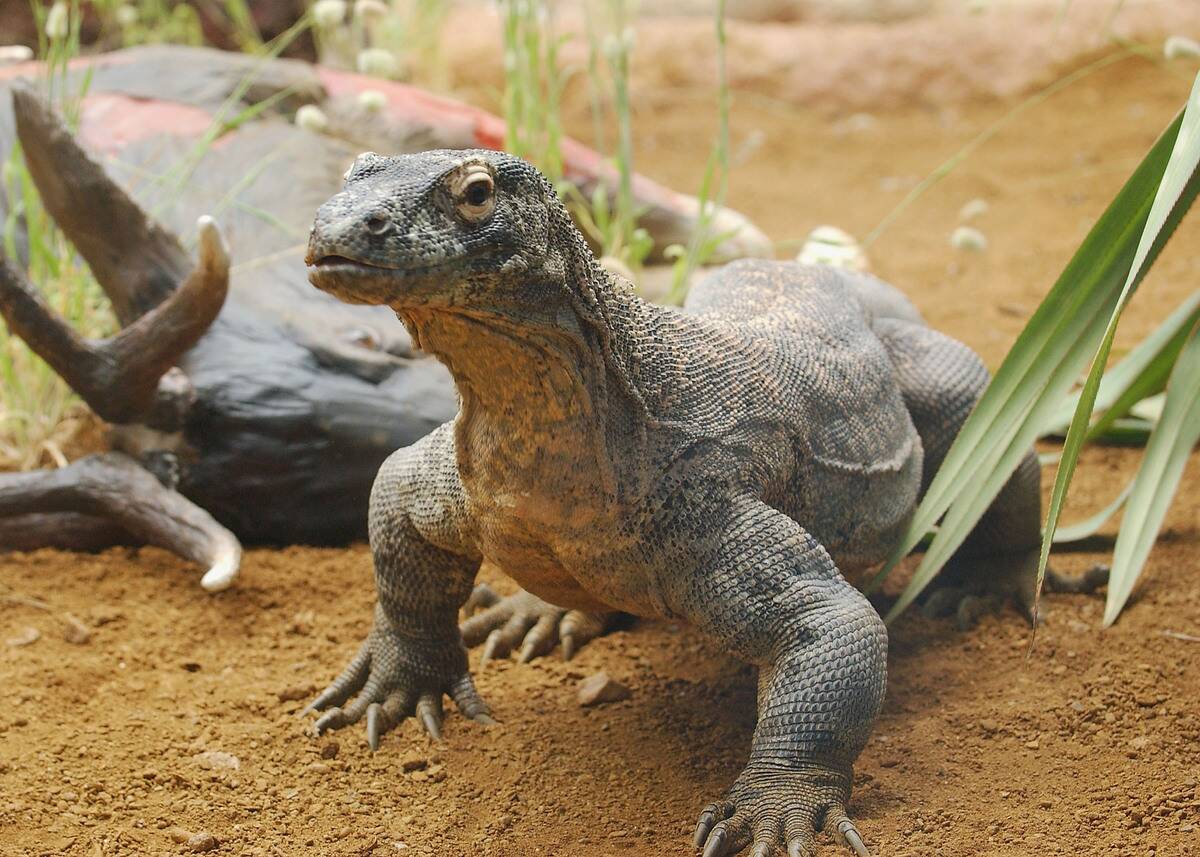
While it was once believed that Komodo dragons killed their prey through bacteria in their saliva, recent studies have shown they actually possess venom glands. This venom contains toxins that lower blood pressure and prevent clotting, leading to shock and death in their prey.
This discovery has shed new light on the hunting capabilities of these formidable reptiles, proving they are even more dangerous than previously thought.
Scaly Skin and Sharp Claws: Physical Features of the Komodo Dragon

The Komodo dragon’s skin is covered in tough, scaly armor, providing protection against injuries and harsh environmental conditions. Their claws are sharp and strong, perfect for digging and climbing.
These physical adaptations make them well-suited to their rugged island habitats. Their forked tongues, much like those of snakes, help them detect scents in the air, aiding in their hunt for prey.
Social or Solitary? The Social Structure of Komodo Dragons

Komodo dragons are largely solitary animals, coming together only for breeding and feeding. During feeding, a strict hierarchy is observed, with larger dragons eating first. This social structure helps maintain order and reduces the risk of injury during feeding frenzies.
Despite their solitary nature, they communicate through body language and vocalizations, especially during the breeding season when males compete for mates.
Baby Dragons: The Reproduction and Life Cycle of Komodo Dragons

Female Komodo dragons lay between 15 and 30 eggs, which they bury in the ground to incubate. The eggs hatch after about eight months, and the young dragons are left to fend for themselves.
Hatchlings are vulnerable to predators, including adult Komodo dragons, so they often take to the trees for safety. As they grow, they gradually move to the ground, reaching maturity around 8 to 9 years of age.
The Long Nap: How Komodo Dragons Regulate Their Body Temperature
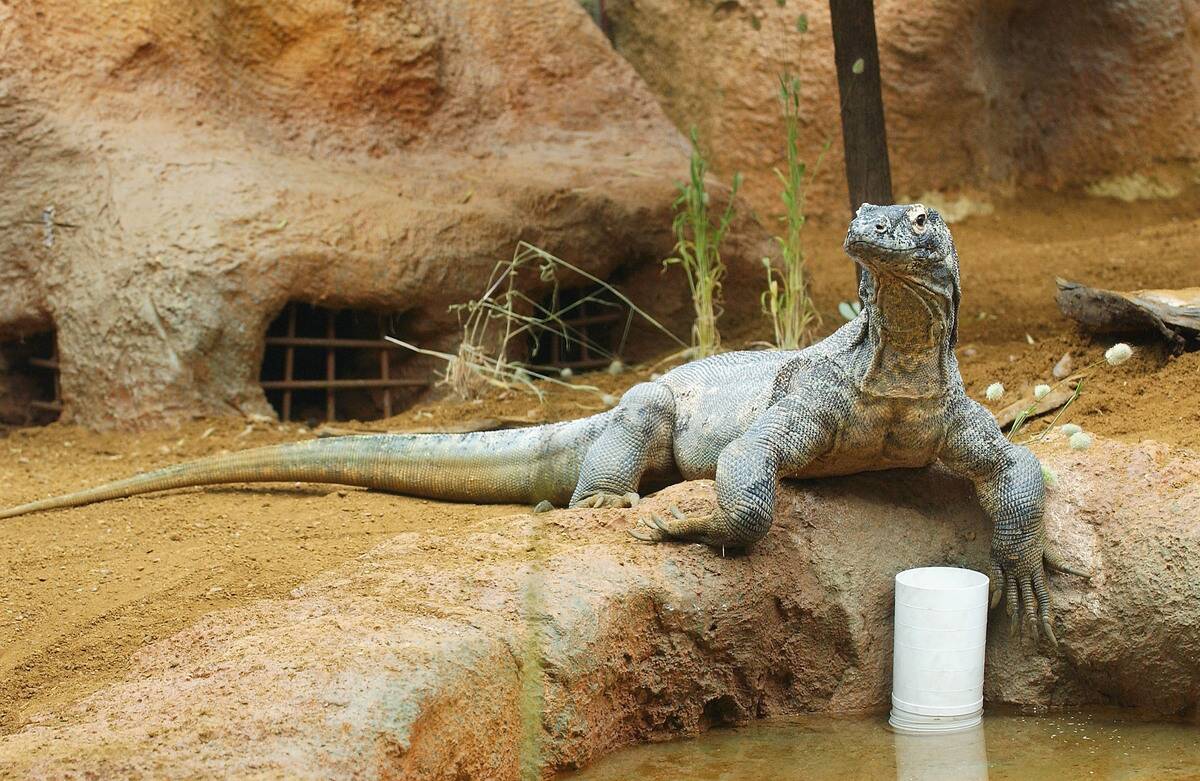
Komodo dragons are ectothermic, meaning they rely on external sources to regulate their body temperature. They bask in the sun to warm up and retreat to shaded areas or burrows to cool down.
This behavior is crucial for their survival, as it allows them to conserve energy and maintain optimal body function. Their ability to thermoregulate efficiently is one of the many adaptations that make them successful predators.
Conservation Concerns: The Threats Facing Komodo Dragons

Komodo dragons face several threats, including habitat loss, poaching, and climate change. The encroachment of human activities on their natural habitats has led to a decline in their population. Additionally, illegal hunting of their prey species further exacerbates the problem.
Conservation efforts are crucial to ensure the survival of these magnificent creatures, as they are currently listed as Endangered by the International Union for Conservation of Nature (IUCN).
Guardians of the Dragons: Conservation Efforts and Success Stories

Efforts to conserve Komodo dragons have been ongoing, with the establishment of Komodo National Park in 1980 being a significant milestone. This protected area provides a safe haven for the dragons and their prey.
Conservation programs focus on habitat restoration, anti-poaching measures, and community education. These initiatives have seen some success, with stable populations on certain islands, offering hope for the future of these incredible reptiles.
Fun Facts: Quirky Tidbits About Komodo Dragons

Did you know that Komodo dragons can swim? Despite their bulky appearance, they are excellent swimmers, able to travel between islands in search of food. Another interesting fact is that they can reproduce asexually through a process called parthenogenesis, allowing females to produce offspring without a male.
These quirky traits add to the intrigue and allure of Komodo dragons, making them one of nature’s most fascinating creatures.
Visiting the Dragons: Komodo National Park and Tourism

Komodo National Park is a popular tourist destination, attracting visitors from around the world eager to see these legendary lizards in their natural habitat. The park offers guided tours, allowing tourists to observe Komodo dragons safely.
This influx of tourism provides economic benefits to local communities and funds conservation efforts. However, it also requires careful management to ensure the protection of the dragons and their environment.