The most notorious prison escapes in history

Trending Now
Some prison escapes become famous not just because they succeeded, but because of the planning, determination, and risks involved. Over the years, a handful of breakouts have captured public attention, inspiring books, movies, and endless debate about how they were carried out.
From high-security prisons to daring wartime escapes, these stories remain some of the most remarkable prison breaks in history.
The Alcatraz Escape of 1962
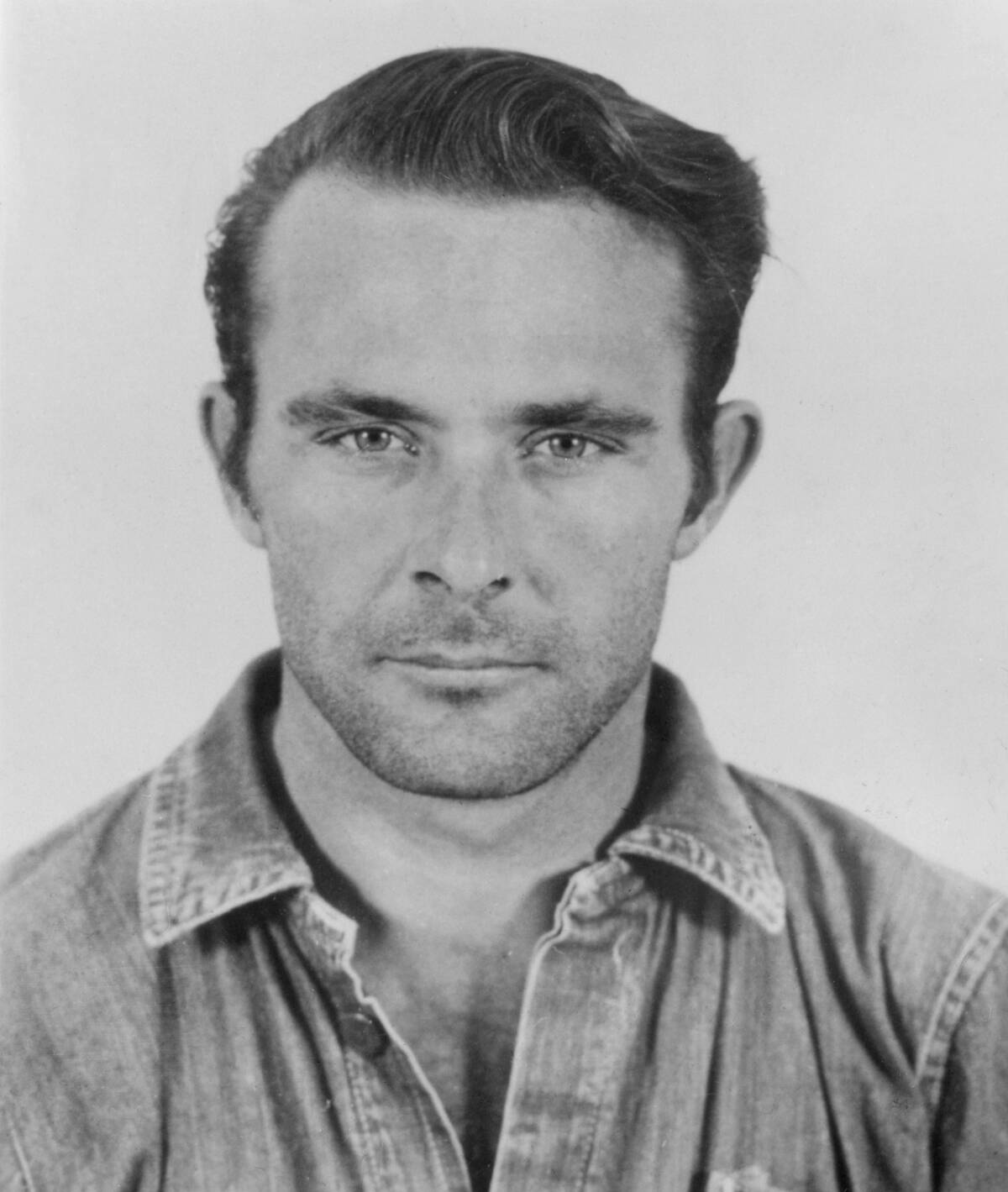
Alcatraz, the infamous island prison, was thought to be inescapable, yet in 1962, Frank Morris and the Anglin brothers challenged that notion. Using makeshift tools, they dug through the walls of their cells and crafted a raft from raincoats.
Though their fate remains unknown, their escape sparked a wave of fascination and speculation. The mystery of whether they survived the treacherous waters of San Francisco Bay continues to intrigue escape enthusiasts and conspiracy theorists alike.
The Great Escape from Stalag Luft III

During World War II, Stalag Luft III was a German POW camp designed to be escape-proof. However, in March 1944, 76 Allied airmen managed to tunnel their way out in what became known as “The Great Escape.”
The escape was meticulously planned, involving the construction of three tunnels named Tom, Dick, and Harry. While only three men ultimately reached freedom, the escape demonstrated incredible ingenuity and courage, later inspiring the famous 1963 film.
The Infamous Escape of El Chapo

Joaquín “El Chapo” Guzmán, the notorious Mexican drug lord, is known for his dramatic prison escapes. In 2015, he escaped from a maximum-security prison through a mile-long tunnel equipped with ventilation and lighting.
The tunnel led from his cell to a nearby construction site, showcasing the lengths to which his cartel went to free him. This escape not only highlighted the corruption within the prison system but also cemented El Chapo’s reputation as a master of escape.
The Libby Prison Break
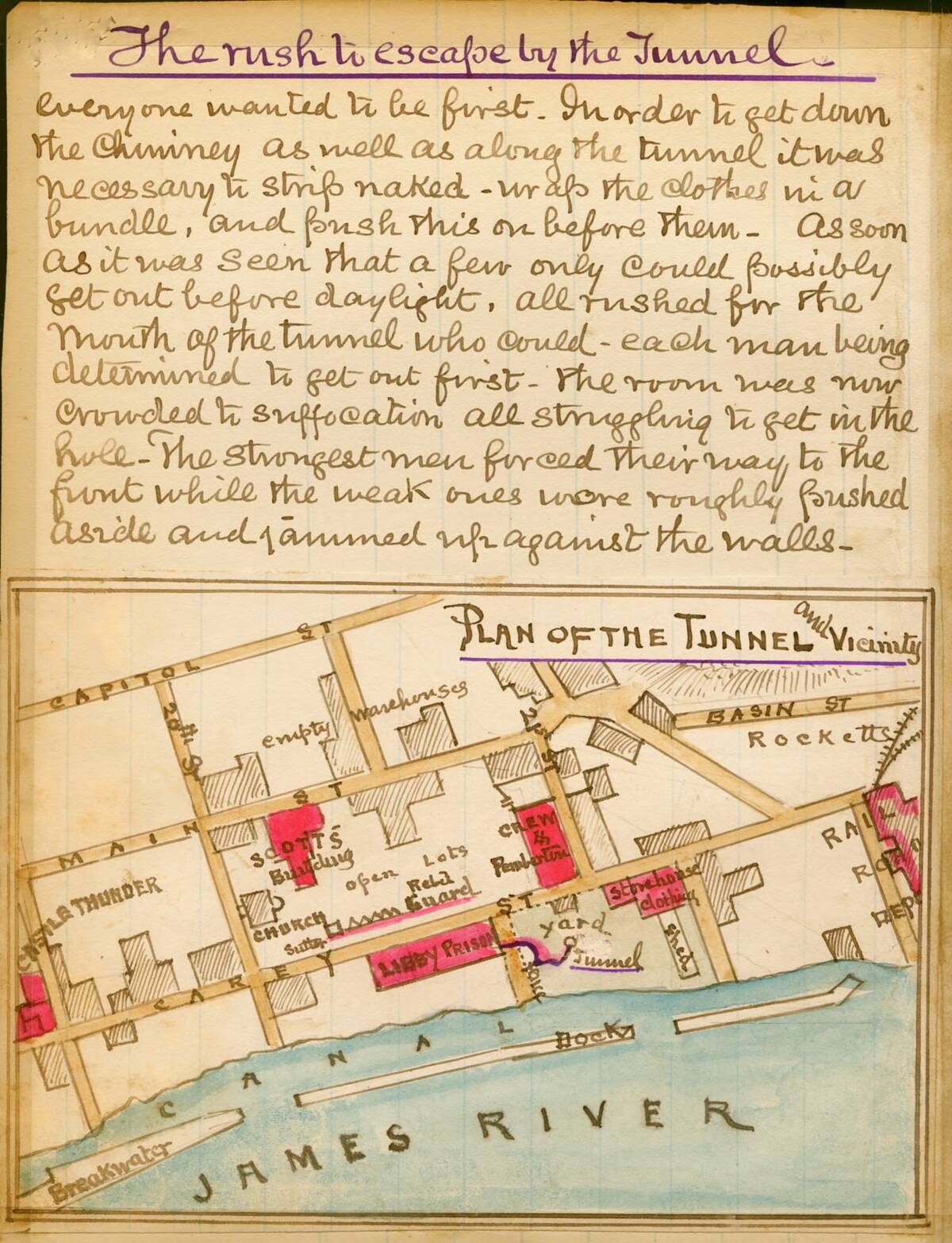
In 1864, during the American Civil War, over 100 Union soldiers escaped from the Confederate Libby Prison in Richmond, Virginia. The prisoners dug a tunnel from the basement of the prison to a nearby vacant lot, using only rudimentary tools.
This daring escape was one of the largest of the war, with 59 men successfully reaching Union lines. The Libby Prison Break remains a testament to the resilience and determination of those who refused to be confined.
The Escape from Devil’s Island

Devil’s Island, part of the French Guiana penal colony, was infamous for its harsh conditions. In 1938, Henri Charrière, known as “Papillon,” made a daring escape by building a raft and braving the treacherous seas.
His story of survival and determination was immortalized in his autobiography and later adapted into a film. The tale of Papillon’s escape highlights the indomitable will to survive against all odds, capturing the imagination of audiences worldwide.
The Maze Prison Escape

The Maze Prison in Northern Ireland was considered one of the most secure prisons in Europe. Yet, in 1983, 38 IRA prisoners managed to escape in what became the largest prison break in British history. The escape involved smuggling guns into the prison and overpowering guards.
The event had significant political repercussions, highlighting the tensions between the British government and Irish nationalists. The escapees became symbols of resistance for many, further fueling the ongoing conflict.
The Texas Seven

In December 2000, seven inmates escaped from the John B. Connally Unit in Texas, sparking a nationwide manhunt. The group, known as the Texas Seven, overpowered guards and stole firearms, setting off on a crime spree that included robbing a sporting goods store.
Their escape and subsequent actions captivated the nation, leading to their capture a month later. The story of the Texas Seven is a modern-day tale of outlaws, reminiscent of the Wild West.
The Escape from Dannemora

The 2015 escape from Clinton Correctional Facility in Dannemora, New York, involved a complex love triangle. Richard Matt and David Sweat, two convicted murderers, were aided by prison employee Joyce Mitchell, who smuggled tools to them.
The pair cut through steel walls and pipes, eventually emerging from a manhole outside the prison. The escape led to a three-week manhunt, with Matt being killed and Sweat recaptured. The scandalous affair was later dramatized in a popular TV miniseries.
The Story of Frank Abagnale

Frank Abagnale’s life is a testament to the art of deception. Before his 21st birthday, he successfully impersonated an airline pilot, doctor, and lawyer, cashing over $2.5 million in fraudulent checks. His exploits were so impressive that they inspired the film “Catch Me If You Can,” starring Leonardo DiCaprio.
After serving time, Abagnale used his skills for good, becoming a consultant for the FBI and helping to prevent fraud. His story is a fascinating blend of crime and redemption.
The Alfréd Wetzler and Rudolf Vrba Escape

In 1944, Alfréd Wetzler and Rudolf Vrba escaped from Auschwitz, one of the most notorious Nazi concentration camps. Their escape was meticulously planned, involving hiding in a woodpile for days before making their way to Slovakia.
Once free, they provided detailed reports of the atrocities occurring in the camps, which were instrumental in saving thousands of lives. Their courageous act of defiance remains a powerful reminder of the human spirit’s resilience in the face of unimaginable horror.
The Sobibor Uprising

The Sobibor Uprising of 1943 was a remarkable act of resistance against the Nazis. Led by Alexander Pechersky, prisoners at the Sobibor extermination camp orchestrated a revolt, killing several guards and allowing hundreds to escape.
Though many were recaptured or killed, about 50 survived the war. This courageous act of defiance demonstrated the strength and determination of those who refused to succumb to tyranny, leaving a legacy of hope and resilience.
The San Quentin Six

In 1971, a violent incident at San Quentin State Prison in California unfolded during an alleged escape attempt involving George Jackson. The confrontation left several people dead and became tied to broader debates over prison conditions, racial injustice, and political activism behind bars.
The San Quentin Six were six prisoners later charged in connection with the incident, and their case became a symbol for supporters of the struggle against injustice within the prison system.
The Escape from Pretoria

In 1979, Tim Jenkin and Stephen Lee, two anti-apartheid activists, escaped from Pretoria Central Prison in South Africa. Using wooden keys they crafted themselves, they unlocked several doors and made their way to freedom.
Their escape was a testament to their ingenuity and determination to fight against apartheid. The daring escape was later depicted in the film “Escape from Pretoria,” showcasing their bravery and the power of human ingenuity in the face of oppression.
The Helicopter Escape of Pascal Payet

Pascal Payet, a notorious French criminal, pulled off not one, but two helicopter escapes from prison. In 2001, he escaped from Luynes Prison, and in 2007, he orchestrated another escape from Grasse Prison, both involving helicopters hijacked by his accomplices.
These high-flying heists captured the world’s attention, highlighting the audacity and creativity of Payet’s escape plans. His story is a thrilling reminder of the lengths some will go to break free from confinement.