The volcanic islands of the Azores few know about

Trending Now
Nestled in the heart of the Atlantic Ocean, the Azores are a stunning archipelago that often flies under the radar of many travelers. Known for their lush landscapes and vibrant culture, these islands offer a unique blend of adventure and relaxation.
Whether you’re an avid hiker or a culinary enthusiast, the Azores provide a perfect backdrop for a memorable getaway. So, pack your bags and get ready to explore one of Europe’s best-kept secrets.
A Quick Geography Lesson: Where Exactly Are the Azores?

The Azores are situated about 1,500 kilometers west of mainland Portugal, making them a remote yet accessible destination. This group of nine volcanic islands is spread across the North Atlantic Ocean, forming an autonomous region of Portugal.
Despite their isolation, the Azores are well-connected by air, with regular flights from major European cities. Their strategic location has historically made them an important stopover for transatlantic flights.
A Blend of Cultures: The Unique Heritage of the Azores

The Azores’ culture is a fascinating blend of Portuguese, Moorish, and even Flemish influences. This rich tapestry is reflected in the islands’ architecture, music, and cuisine.
Traditional festivals, such as the Holy Ghost Festival, showcase the islands’ strong religious heritage and community spirit. The Azorean people are known for their warm hospitality, making visitors feel right at home as they share stories of their island’s history and traditions.
The Nine Islands: A Brief Overview of the Archipelago

Each of the nine islands in the Azores has its own distinct charm and character. São Miguel, the largest island, is famous for its stunning crater lakes and geothermal hot springs. Pico Island boasts Portugal’s highest mountain, while Terceira is known for its vibrant festivals and historic architecture.
From the rugged cliffs of Flores to the tranquil beaches of Santa Maria, there’s something for everyone in this diverse archipelago.
Weather Wonders: The Azores’ Enchanting Climate

The Azores enjoy a mild, maritime climate, with temperatures rarely dipping below 10°C in winter or rising above 25°C in summer. This makes the islands a year-round destination, perfect for escaping the extremes of continental weather.
The frequent rain showers contribute to the lush greenery that blankets the islands, earning them the nickname ‘The Hawaii of Europe.’ Just be sure to pack a raincoat, as the weather can change quickly!
Volcanic Beauty: The Geological Marvels of the Islands

The Azores are a geological wonderland, with volcanic craters, hot springs, and lava tubes waiting to be explored. The islands’ volcanic origins are evident in their dramatic landscapes, such as the Caldeira do Faial and the Sete Cidades crater lakes.
These natural features offer stunning vistas and unique opportunities for exploration. Don’t miss the chance to relax in a natural hot spring, heated by the Earth’s geothermal energy.
Flora and Fauna: Biodiversity in the Azores

The Azores are home to a rich array of flora and fauna, with many species found nowhere else on Earth. The islands’ isolation has allowed unique ecosystems to thrive, including endemic plants like the Azorean heather and the laurel forest.
Birdwatchers will delight in spotting rare species such as the Azores bullfinch. Marine life is equally abundant, with dolphins and whales frequently spotted in the surrounding waters.
Adventure Awaits: Outdoor Activities for Every Traveler
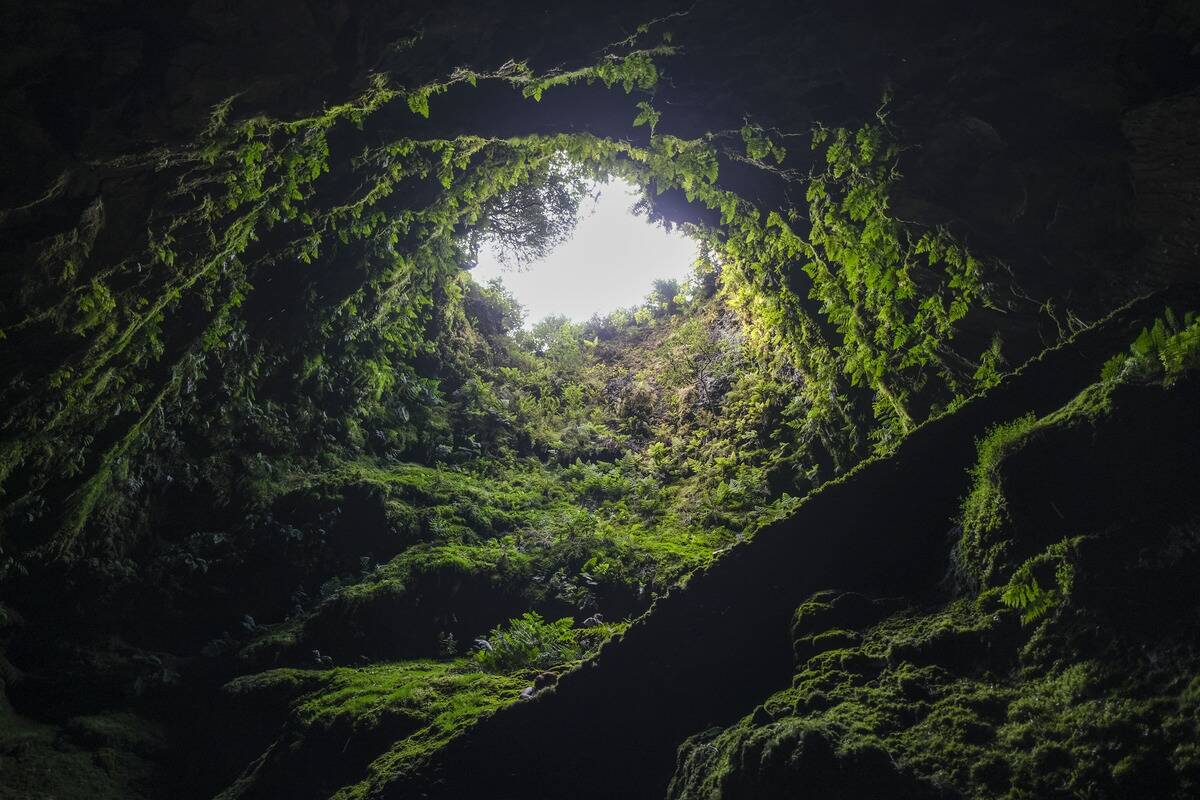
Outdoor enthusiasts will find no shortage of activities in the Azores, from hiking and biking to diving and surfing. The islands’ varied landscapes provide the perfect playground for adventure seekers.
Explore volcanic caves, kayak along rugged coastlines, or take a scenic horseback ride through lush pastures. With so much to see and do, the Azores are a haven for those looking to connect with nature and experience the great outdoors.
Whale Watching: A Must-Do Experience in the Azores

The Azores are one of the best places in the world for whale watching, with over 20 species of cetaceans frequenting the waters. Sperm whales, blue whales, and dolphins are just a few of the majestic creatures you might encounter on a guided tour.
The peak season for whale watching is from April to October, but sightings are possible year-round. This unforgettable experience offers a chance to witness these gentle giants in their natural habitat.
Hiking Trails: Explore the Islands on Foot

Hiking in the Azores is an adventure like no other, with trails that take you through lush forests, past volcanic craters, and along dramatic coastlines. The islands offer a range of hikes for all skill levels, from leisurely walks to challenging treks.
One popular route is the trail around Sete Cidades, which offers breathtaking views of the twin lakes. Lace up your boots and discover the natural beauty of the Azores on foot.
The Azorean Cuisine: A Culinary Delight

Azorean cuisine is a delightful fusion of traditional Portuguese flavors and local ingredients. Seafood lovers will be in heaven with dishes like octopus stew and fresh grilled fish.
Don’t miss the chance to try cozido das Furnas, a hearty stew cooked underground using volcanic heat. For dessert, indulge in queijadas, sweet cheese tarts that are a local favorite. Pair your meal with a glass of Azorean wine for a true taste of the islands.
Festivals and Traditions: A Peek into Azorean Culture

The Azores are alive with festivals and traditions that celebrate the islands’ rich cultural heritage. The Festas do Senhor Santo Cristo dos Milagres in Ponta Delgada is one of the largest religious festivals in Portugal, drawing thousands of visitors each year.
Traditional bullfighting events, known as touradas à corda, are also popular on Terceira Island. These lively celebrations offer a glimpse into the Azorean way of life and are not to be missed.
The Best Time to Visit: Planning Your Azorean Adventure

The best time to visit the Azores depends on your interests, but generally, the months from May to October offer the most favorable weather for outdoor activities. Spring and early summer are ideal for hiking and enjoying the islands’ vibrant flora.
Whale watching is best from April to October, while the summer months are perfect for beachgoers. If you prefer fewer crowds, consider visiting in the shoulder seasons of spring or fall.
Accommodations: Where to Stay in the Azores

The Azores offer a range of accommodations to suit every traveler’s needs, from charming guesthouses to luxurious resorts. São Miguel and Terceira have the widest selection, with options ranging from boutique hotels to budget-friendly hostels.
For a unique experience, consider staying in a traditional Azorean cottage or a rural farmhouse. No matter where you choose to stay, you’ll be greeted with the warm hospitality that the Azores are known for.