What the Dead Sea Scrolls revealed about the ancient world

The Dead Sea Scrolls are a collection of ancient manuscripts that have fascinated scholars and history enthusiasts alike. Discovered in the mid-20th century, these scrolls offer a glimpse into the religious and cultural practices of ancient Jewish communities.
With texts dating back over two millennia, they provide invaluable insights into the world of the Second Temple period. Their discovery has been likened to finding a time capsule from an era long past.
The Discovery of the Scrolls

The discovery of the Dead Sea Scrolls is often described as one of the greatest archaeological finds of the 20th century. It all began in 1947 when a Bedouin shepherd stumbled upon a cave near the Dead Sea.
Inside, he found clay jars containing ancient scrolls. This accidental discovery led to further excavations, revealing a treasure trove of over 900 documents spread across 11 caves.
Where Were the Scrolls Found?

The scrolls were found in the Qumran Caves, located on the northwest shore of the Dead Sea in what is now the West Bank. This region, characterized by its rugged terrain and arid climate, proved an ideal environment for preserving ancient texts.
The dry conditions helped protect the scrolls from the ravages of time, allowing them to survive for centuries until their rediscovery.
Who Found the Dead Sea Scrolls?

The initial discovery of the scrolls was made by a young Bedouin shepherd named Muhammed edh-Dhib. While searching for a lost goat, he stumbled upon a cave that contained the first of the scrolls.
His find sparked the interest of archaeologists and scholars worldwide, leading to a series of excavations and further discoveries in the area.
The Age of the Scrolls

Radiocarbon dating and paleographic analysis have determined that the Dead Sea Scrolls date from the third century BCE to the first century CE. This places them in a critical period of Jewish history, around the time of the Second Temple.
The age of the scrolls makes them some of the oldest known manuscripts of biblical texts, offering a unique window into the past.
What Materials Were Used to Create the Scrolls?
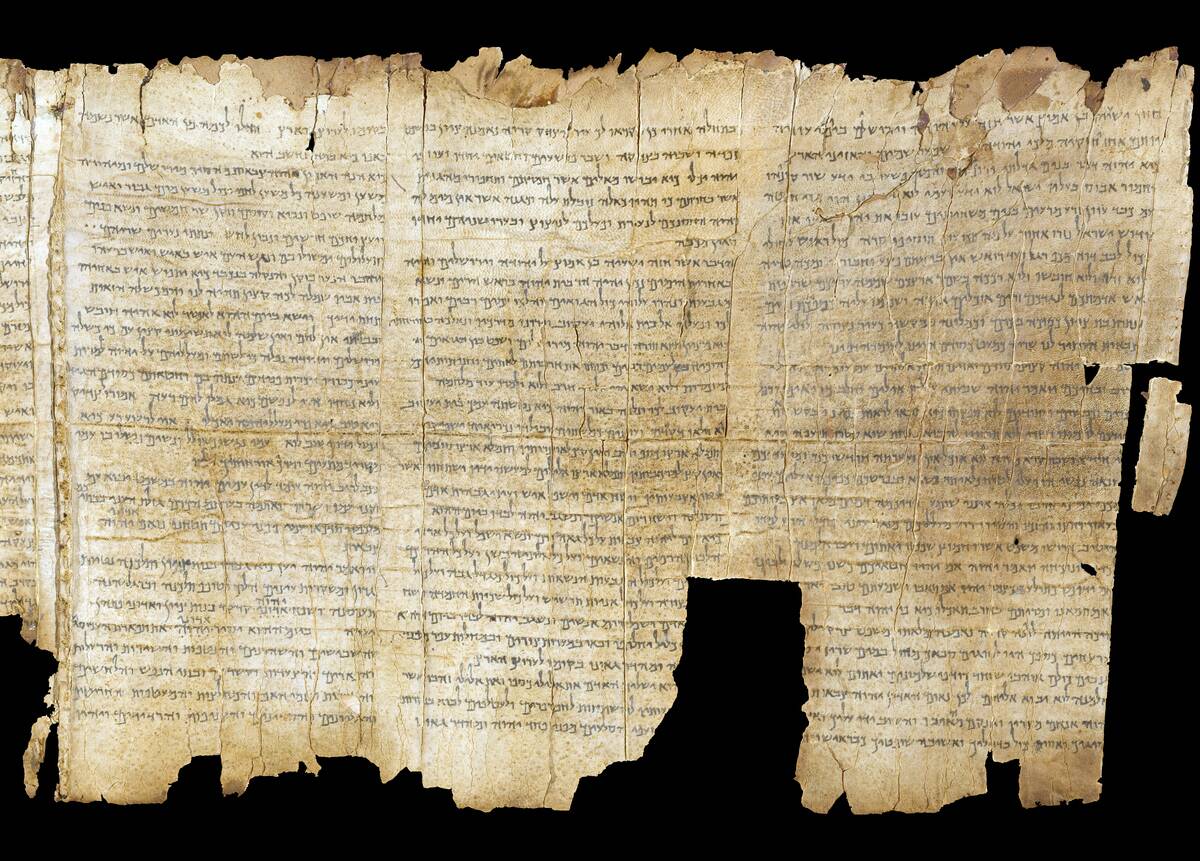
The scrolls were primarily written on parchment made from animal skins, although some were inscribed on papyrus.
The ink used was typically made from carbon black mixed with gum arabic and water. These materials, combined with the dry climate of the region, contributed to the remarkable preservation of the scrolls over the centuries.
Languages Found in the Scrolls

The Dead Sea Scrolls are written in a variety of languages, reflecting the diverse linguistic landscape of the time.
The majority of the texts are in Hebrew, but there are also significant portions in Aramaic and a few in Greek. This multilingual nature highlights the cultural and religious exchanges that occurred in the region during the Second Temple period.
The Content of the Scrolls

The scrolls contain a wide range of texts, including biblical manuscripts, sectarian writings, and liturgical works. Among the most famous is the Isaiah Scroll, which is nearly complete and offers a version of the Book of Isaiah.
The sectarian texts provide insights into the beliefs and practices of the community that lived at Qumran, shedding light on their daily lives and religious observances.
The Mystery of the Essenes

Many scholars believe that the scrolls were the work of the Essenes, a Jewish sect known for their ascetic lifestyle. The Essenes are thought to have lived in the Qumran area, and their communal practices are detailed in some of the scrolls.
However, the exact relationship between the Essenes and the scrolls remains a topic of debate, adding an element of mystery to their origins.
The Scrolls and Their Connection to the Bible

The Dead Sea Scrolls include some of the oldest known copies of biblical texts, predating the Masoretic Text, the authoritative Hebrew Bible. This has provided scholars with a valuable resource for understanding the development and transmission of biblical literature.
The scrolls have confirmed the accuracy of many biblical texts while also revealing variations that offer new perspectives on ancient scripture.
The Scrolls’ Journey Through History
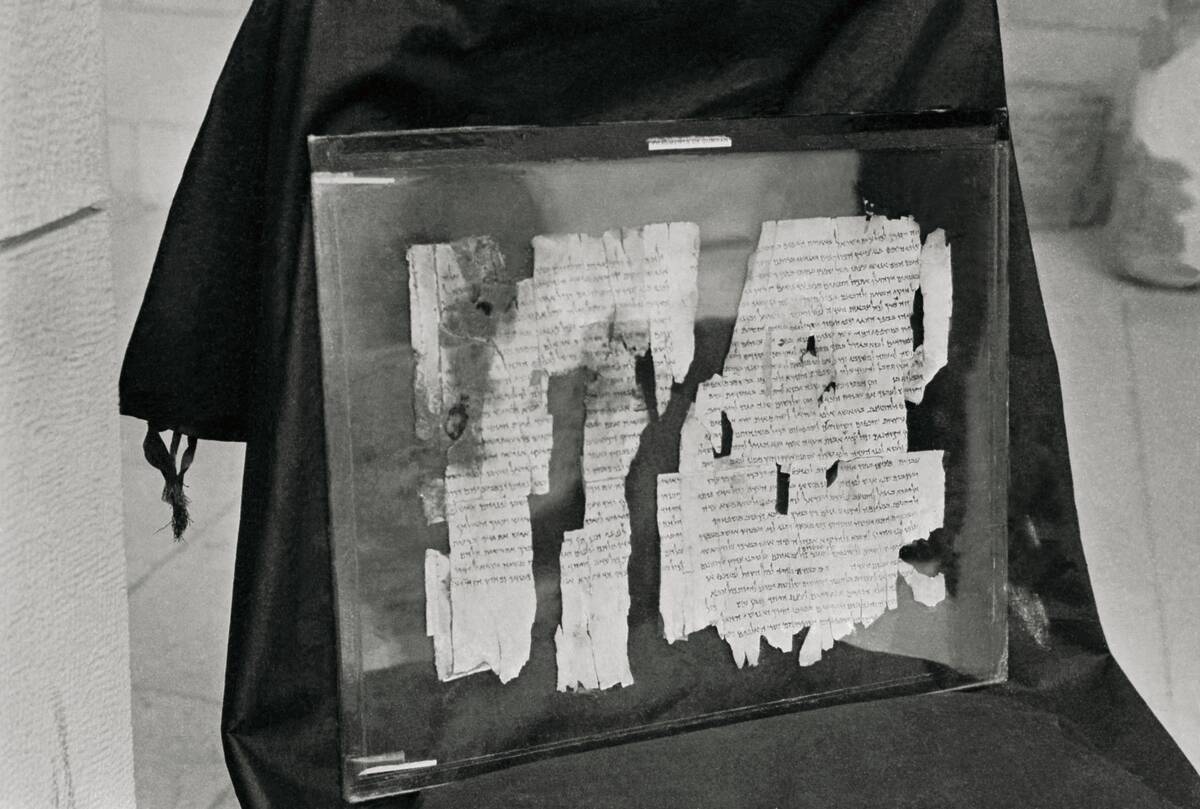
After their discovery, the scrolls embarked on a complex journey involving scholars, collectors, and even smugglers. Initially, some scrolls were sold in the black market, but eventually, they found their way into the hands of academics and institutions.
Today, they are housed in various museums and research centers, where they continue to be studied and preserved for future generations.
The Role of the Bedouins in the Scrolls’ Discovery

The Bedouins played a crucial role in the discovery and preservation of the Dead Sea Scrolls. Their knowledge of the desert landscape allowed them to locate the caves where the scrolls were hidden.
Even after the initial find, Bedouin tribes continued to explore the area, uncovering additional scrolls and fragments that might have otherwise remained lost to history.
The Scrolls’ Impact on Religious Studies

The Dead Sea Scrolls have had a profound impact on religious studies, offering new insights into early Judaism and the origins of Christianity. They have provided evidence of the diversity of religious thought and practice during the Second Temple period.
Scholars are now able to better understand the historical context of biblical texts and the development of religious traditions.
The Debate Over the Scrolls’ Ownership

The question of who owns the Dead Sea Scrolls has been a contentious issue. Disputes have arisen between Israel, Jordan, and the Palestinian Authority, each claiming rights to the scrolls based on historical and political grounds.
Despite these disagreements, the scrolls remain a shared cultural heritage, and efforts continue to ensure their preservation and study.
How the Scrolls Changed Our Understanding of History

The Dead Sea Scrolls have fundamentally altered our understanding of ancient history and religious development. They have provided new insights into the diversity of Jewish thought and practice during a pivotal period.
By challenging previous assumptions and offering fresh perspectives, the scrolls have reshaped the narrative of religious and cultural history in the ancient Near East.
Visiting the Dead Sea Scrolls Today

Today, visitors can view the Dead Sea Scrolls at the Shrine of the Book, part of the Israel Museum in Jerusalem. This specially designed building houses many of the scrolls, allowing the public to appreciate their historical and cultural significance.
The museum offers a unique opportunity to connect with the past and explore the rich history of these ancient texts.