Places around the world with some of the most unique time zones

Time zones are usually straightforward, but some places around the world have embraced unique quirks. From half-hour offsets to entire countries sharing a single time, these oddities add a splash of intrigue to the world of timekeeping.
Whether it’s for historical reasons, geographical anomalies, or political decisions, these time zones make the world a bit more interesting.
Newfoundland: Canada’s Half-Hour Time Zone Oddity

Newfoundland stands out with its unusual half-hour time zone, being 3.5 hours behind GMT.
This unique offset dates back to the early 20th century when local customs and the need for a distinct identity led to this decision. It’s a charming quirk that sets Newfoundland apart from the rest of Canada.
The Curious Case of India’s IST: 5.5 Hours Ahead

India Standard Time (IST) is 5.5 hours ahead of GMT, a decision made to unify the country under one time zone.
This half-hour difference is a nod to India’s vast geographical expanse and cultural diversity. Despite spanning multiple longitudinal zones, India chose a single time to foster unity.
Nepal: The Only Country with a 45-Minute Offset

Nepal is the only sovereign country in the world with a 45-minute time offset, being 5 hours and 45 minutes ahead of GMT/UTC. This unusual choice is often linked to Nepal’s geography and its desire to maintain a distinct national time.
The current UTC+5:45 offset was adopted in 1986, aligning the country more closely with a local meridian-based standard.
Chatham Islands: New Zealand’s 45-Minute Time Zone

The Chatham Islands, part of New Zealand, operate on a 45-minute time zone offset, 45 minutes ahead of New Zealand’s mainland time. During standard time, they use Chatham Island Standard Time, which is UTC+12:45; during daylight saving time, they use UTC+13:45.
This unusual timekeeping reflects the islands’ location east of mainland New Zealand and their historical use of a separate local time.
The Dual Time Zones of Australia’s Lord Howe Island
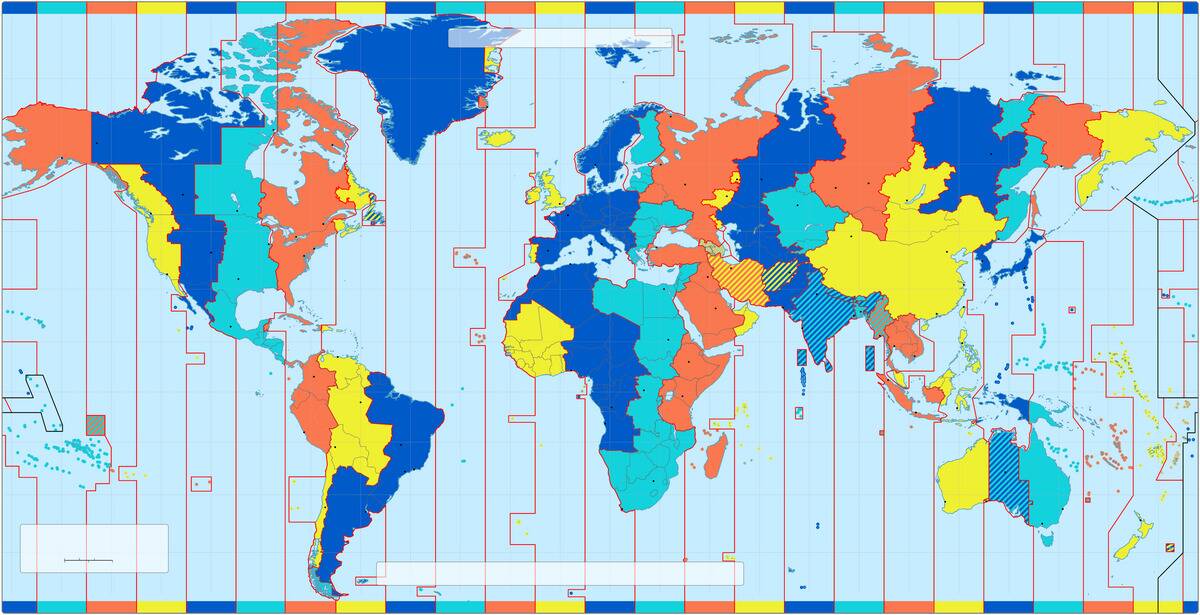
Lord Howe Island, part of New South Wales, Australia, uses a distinctive half-hour standard time zone: UTC+10:30. During daylight saving time, it advances by only 30 minutes to UTC+11:00, rather than by a full hour.
This adjustment helps the island make better use of daylight and reflects its unique local timekeeping arrangements.
Iran’s 3.5-Hour Offset: A Unique Middle Eastern Time Zone
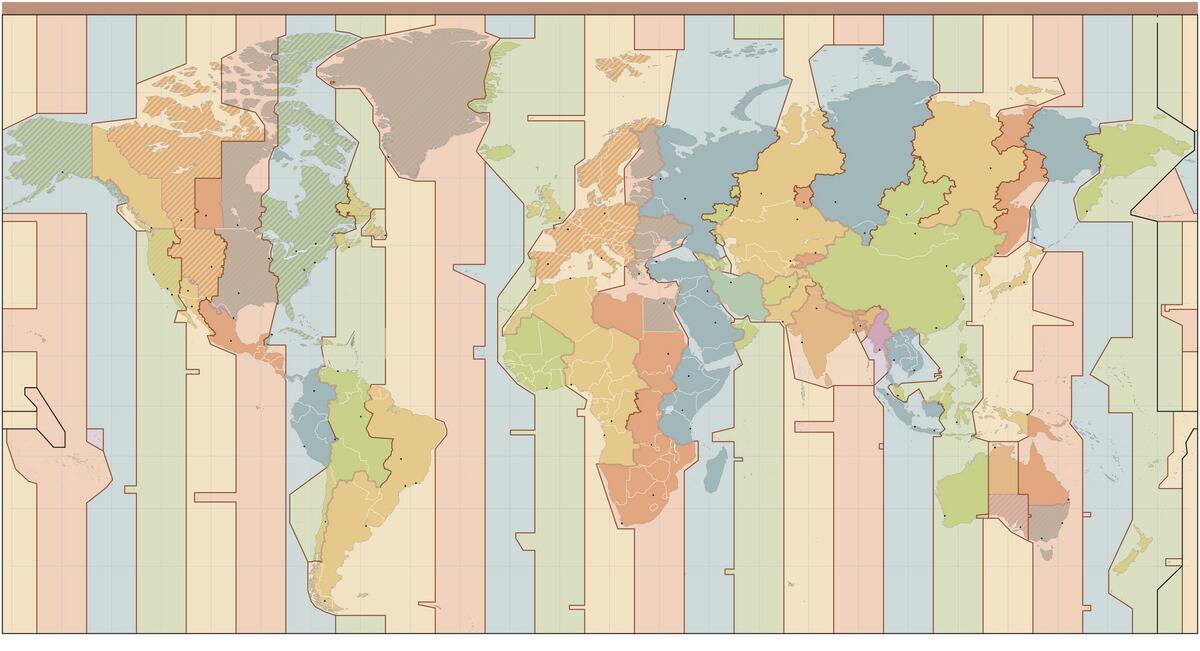
Iran’s time zone is set at UTC/GMT+3:30, a half-hour offset that dates back to the 20th century. Iran now observes this offset year-round, with no daylight saving time changes.
The offset is tied to Iran’s chosen standard meridian and its geographical position, rather than mainly being a cultural statement or a deliberate balance between neighboring countries.
The Peculiar 15-Minute Difference in Eucla, Australia
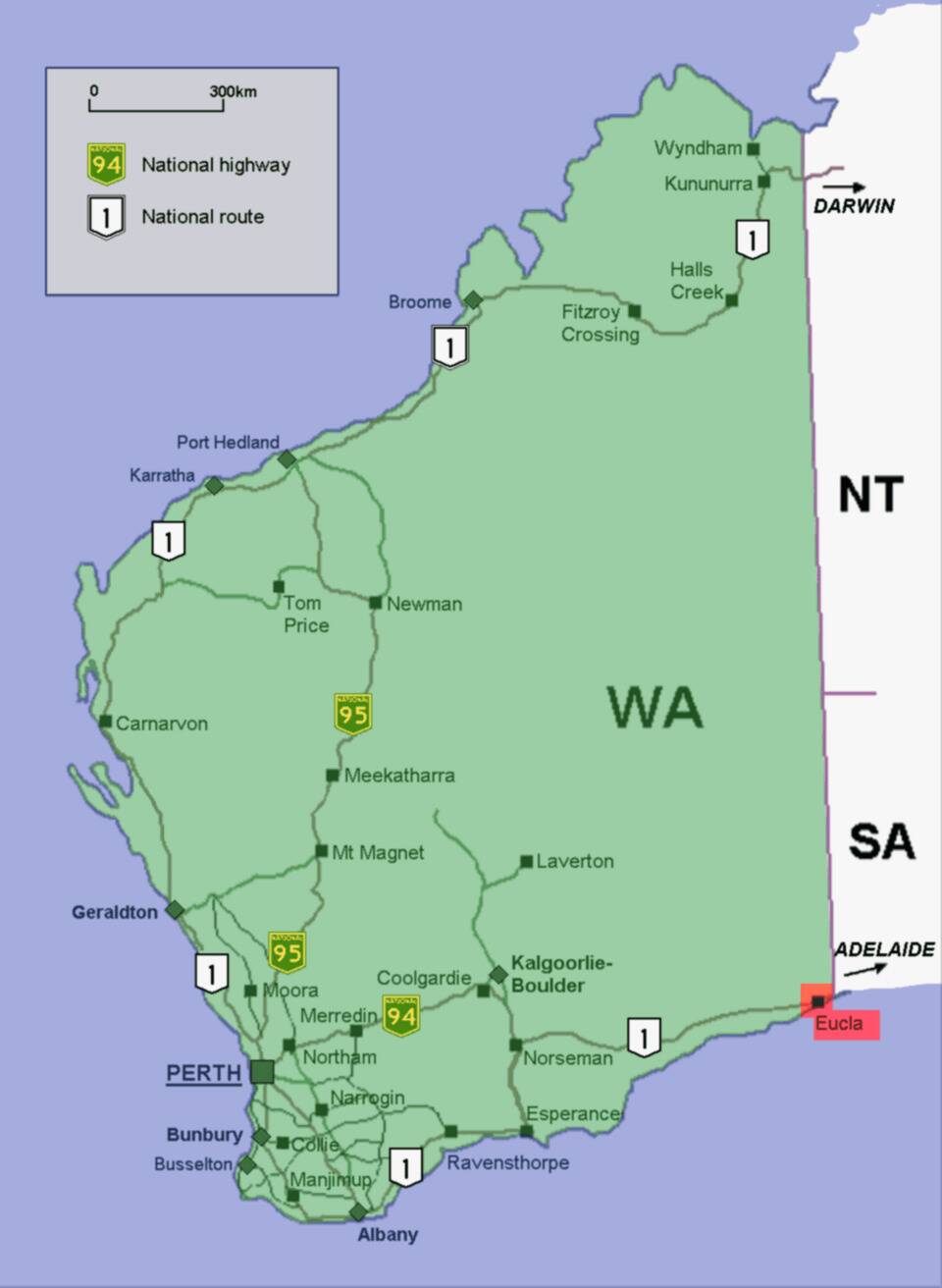
Eucla, a small town in Western Australia, uses an unusual unofficial local time zone known as Australian Central Western Standard Time, or “Eucla Time,” at UTC/GMT+8:45. It is 45 minutes ahead of the rest of Western Australia and 45 minutes behind South Australia during standard time.
This quirky practice is linked to Eucla’s remote location near the Western Australia–South Australia border and local timekeeping convenience.
The Unusual Time Zones of Antarctica

Antarctica is a land of extremes, and its time zones are no exception. With no permanent population, research stations follow the time zones of their home countries or supply lines.
This results in a patchwork of time zones across the continent, adding to its mysterious allure.
Kiribati: The Country That Skipped a Day

In 1995, Kiribati made a bold move by shifting its time zone to the west of the International Date Line, effectively skipping a day.
This decision ensured that the entire country shared the same calendar day, fostering unity and simplifying international relations.
The Bizarre Time Zone of China: One Time for a Vast Land

Despite its vast size, China operates on a single time zone, China Standard Time (CST), which is 8 hours ahead of GMT.
This decision, made in 1949, was intended to unify the country. However, it results in unusual daylight hours in the western regions, showcasing China’s unique approach to time.
Samoa’s Leap Across the International Date Line
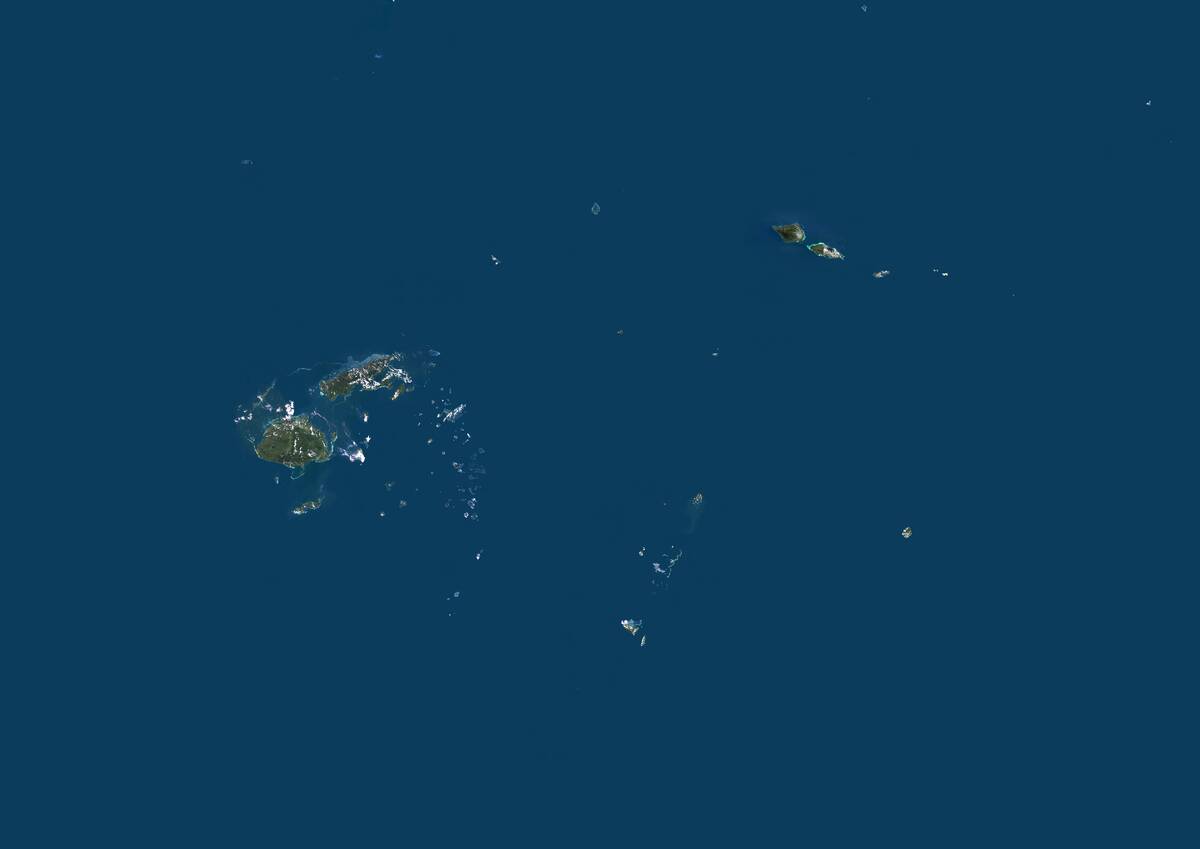
In 2011, Samoa made a significant change by moving west of the International Date Line, effectively skipping December 30th.
This shift aligned Samoa’s time zone more closely with its major trading partners, Australia and New Zealand, highlighting the island nation’s strategic economic considerations.
The Oddity of North Korea’s Pyongyang Time

North Korea introduced Pyongyang Time in 2015, setting its clocks 30 minutes behind South Korea and Japan at UTC/GMT+8:30. This move was a symbolic gesture marking the 70th anniversary of Korea’s liberation from Japanese rule.
However, North Korea reversed the change in 2018, returning to UTC/GMT+9:00 to match South Korea.
The Strange 30-Minute Time Zone of Myanmar

Myanmar operates on a distinctive time zone, being 6.5 hours ahead of GMT/UTC. This half-hour offset has roots in the British colonial period and has remained in use since.
It reflects historical influences on Myanmar’s timekeeping practices and the country’s geographic position between neighboring time zones.
Marquesas Islands: French Polynesia’s 30-Minute Time Zone

The Marquesas Islands, part of French Polynesia, operate on a time zone that is 9.5 hours behind GMT/UTC. This half-hour offset reflects the islands’ remote location and distinct geographic position within the Pacific.
It also highlights the diverse timekeeping practices found within French Polynesia.
The Historical Time Zone Changes of Sri Lanka

Sri Lanka has experienced several time zone changes throughout its history, reflecting its colonial past and post-independence adjustments.
Currently, it is 5.5 hours ahead of GMT, aligning with India. These changes highlight the island nation’s evolving identity and regional connections.
The Uncommon Time Zone of Afghanistan: 4.5 Hours Ahead

Afghanistan operates on a time zone that is 4.5 hours ahead of GMT, a decision that reflects its geographical position between Iran and India.
This unique offset underscores Afghanistan’s distinct cultural and historical influences, setting it apart from its neighbors.
The Unique Time Zone of St. Pierre and Miquelon

St. Pierre and Miquelon, a French territory off the coast of Canada, operates on a time zone that is 3 hours behind GMT.
This choice reflects its historical ties to France while acknowledging its geographical proximity to North America. It’s a fascinating blend of cultural and geographical influences.