Tiny creatures that have a huge impact on our world

Trending Now
In the grand tapestry of life, tiny creatures often play colossal roles. These minuscule beings might not have the size to impress, but their impact on ecosystems and human life is monumental.
From the soil beneath our feet to the vast ocean depths, these small wonders are the unsung heroes of our planet. Let’s dive into the fascinating world of tiny creatures and discover their mighty influence.
Ants: The Underground Architects
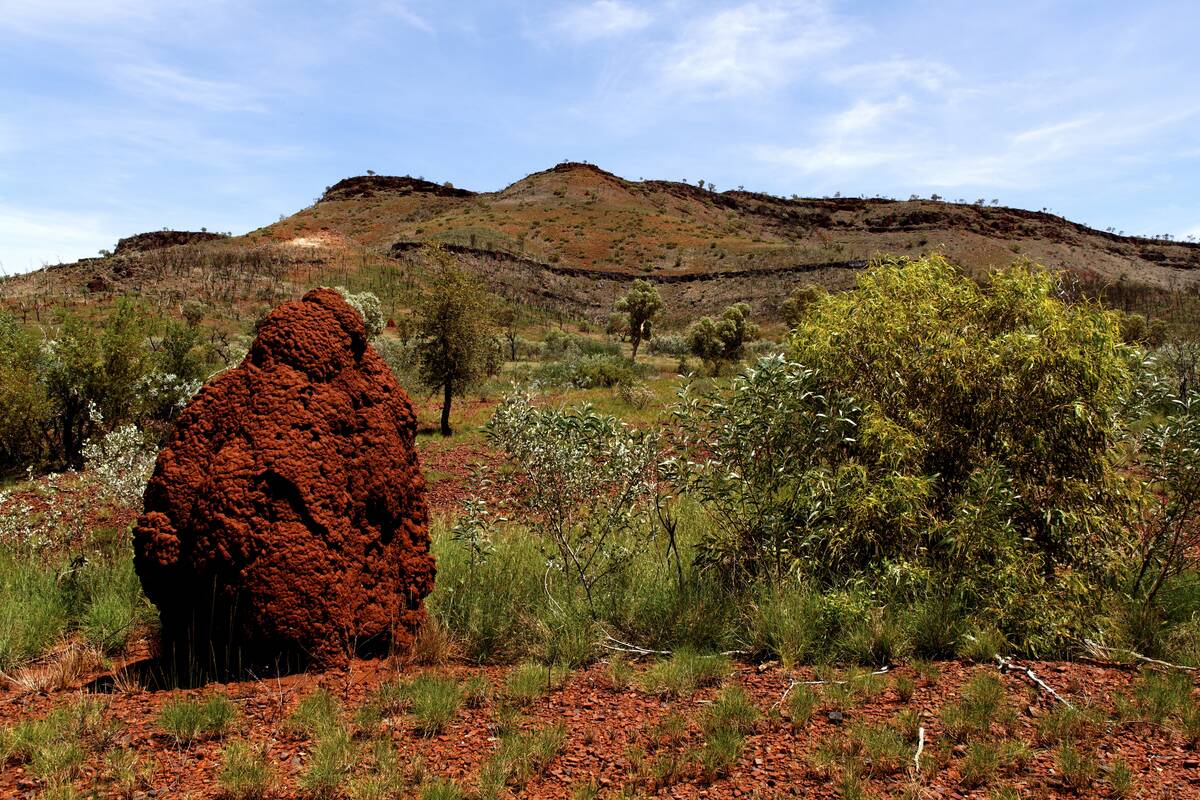
Ants are remarkable engineers, constructing intricate underground colonies that can house millions of individuals. These structures are not only homes but also serve as air conditioning systems, regulating temperature and humidity.
Ants are also crucial for soil aeration and nutrient recycling, helping plants thrive. Their teamwork and organization are truly astonishing, making them a vital part of many ecosystems.
Bees: The Pollinators of the Planet
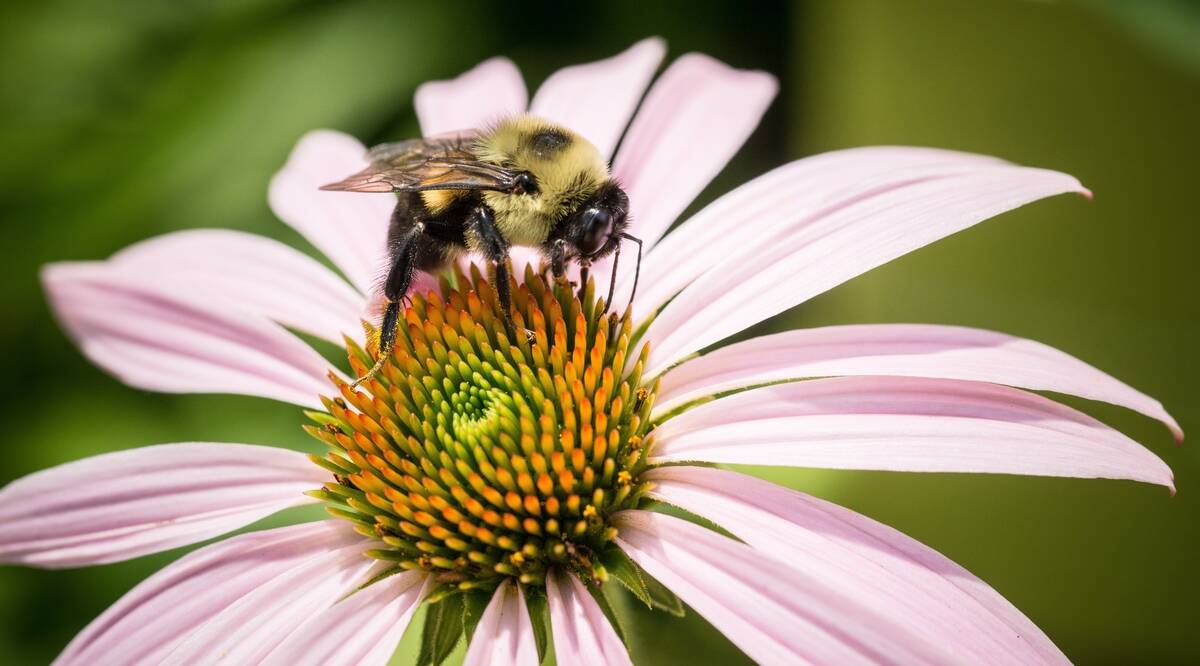
Bees are indispensable pollinators, responsible for the reproduction of many flowering plants. Without them, we would lose a significant portion of our food crops, including fruits, nuts, and vegetables.
Bees have a unique way of communicating, using a ‘waggle dance’ to inform others about the location of food sources. Their hard work ensures biodiversity and food security for countless species, including humans.
Earthworms: Nature’s Soil Engineers
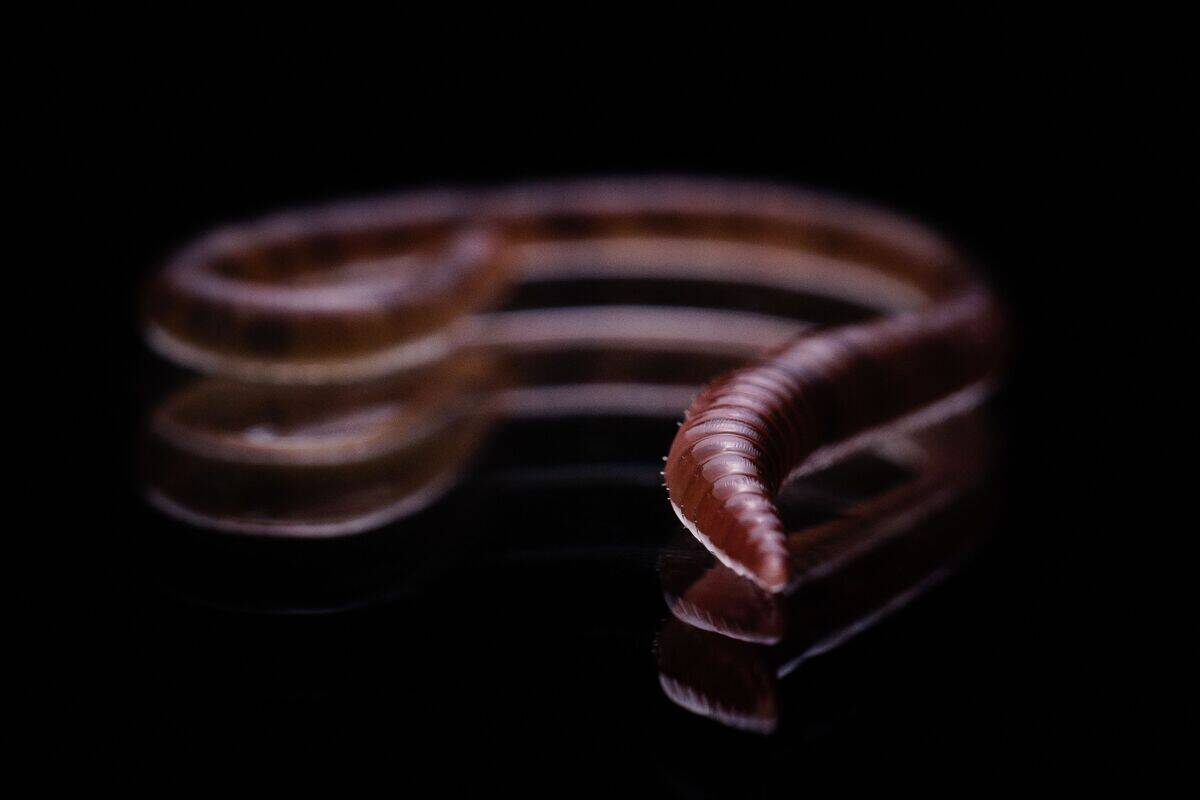
Earthworms play a crucial role in maintaining healthy soil. As they burrow, they aerate the soil, allowing air and water to reach plant roots. Their digestion process breaks down organic matter, enriching the soil with nutrients.
This natural tilling and fertilization make earthworms indispensable for agriculture and gardening. Their presence is a sign of a thriving ecosystem beneath our feet.
Plankton: The Ocean’s Life Force
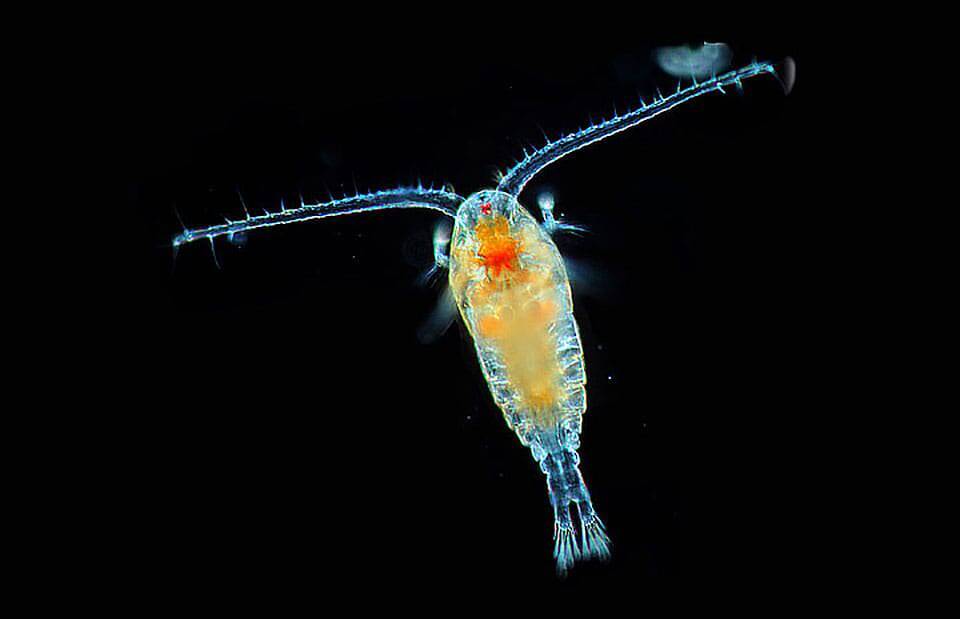
Plankton may be tiny, but they are the foundation of the ocean’s food web. These microscopic organisms, including phytoplankton and zooplankton, are primary producers, converting sunlight into energy through photosynthesis.
They provide food for a vast array of marine creatures, from small fish to the largest whales. Plankton also play a vital role in carbon cycling, helping regulate the Earth’s climate.
Termites: The Wood Recyclers
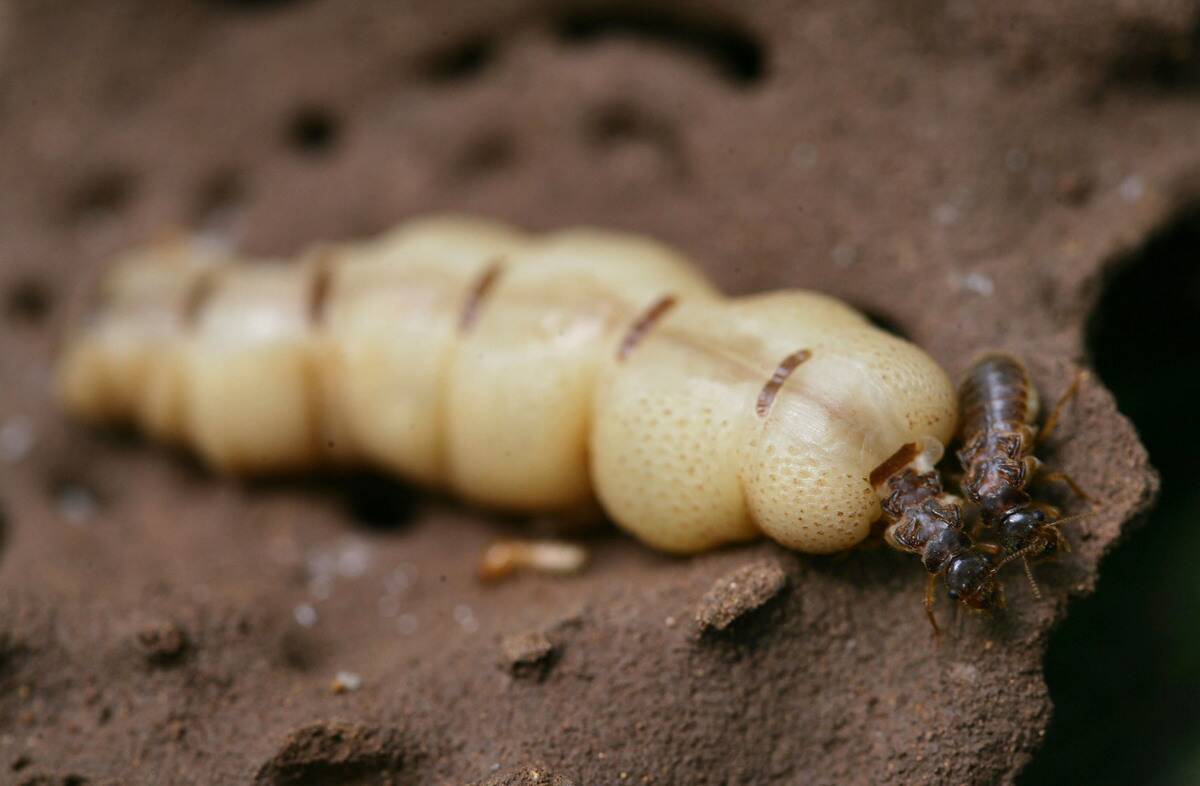
Termites are often seen as pests, but they are essential for breaking down tough plant fibers like cellulose. This decomposition process recycles nutrients back into the ecosystem, promoting plant growth.
Termites are also a food source for many animals, contributing to biodiversity. Their ability to digest wood is thanks to symbiotic bacteria in their guts, showcasing a fascinating example of cooperation in nature.
Ladybugs: The Garden’s Pest Control
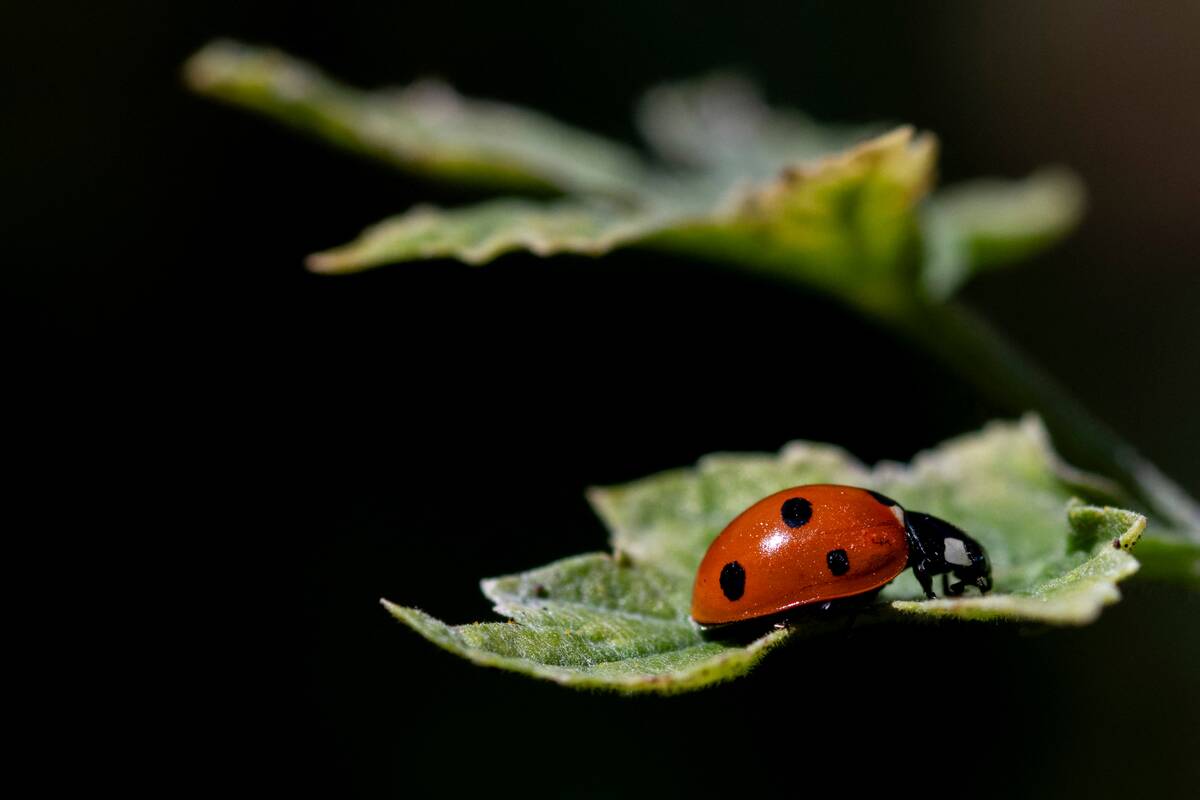
Ladybugs are beloved by gardeners for their appetite for pests. A single ladybug can consume up to 5,000 aphids in its lifetime, protecting plants from damage. These colorful beetles are a natural form of pest control, reducing the need for chemical pesticides.
Their presence in gardens and farms is a sign of a healthy, balanced ecosystem, where nature’s checks and balances are at work.
Bacteria: The Invisible Powerhouses
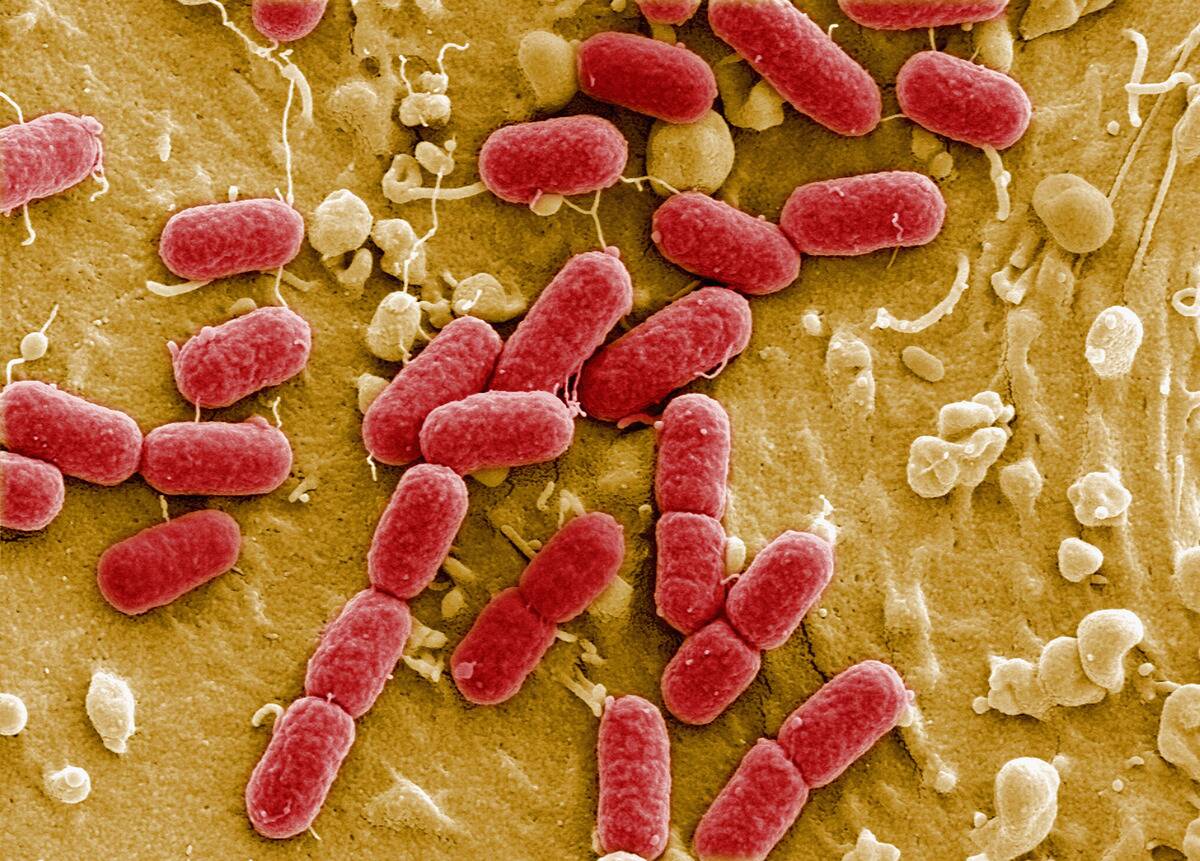
Bacteria are microscopic powerhouses that perform a wide range of functions. They decompose organic matter, fix nitrogen in the soil, and even help humans digest food.
Despite their small size, bacteria are incredibly diverse, with millions of species inhabiting every environment on Earth. Their ability to adapt and thrive makes them essential players in maintaining ecological balance and supporting life.
Fungi: The Decomposers of the Ecosystem
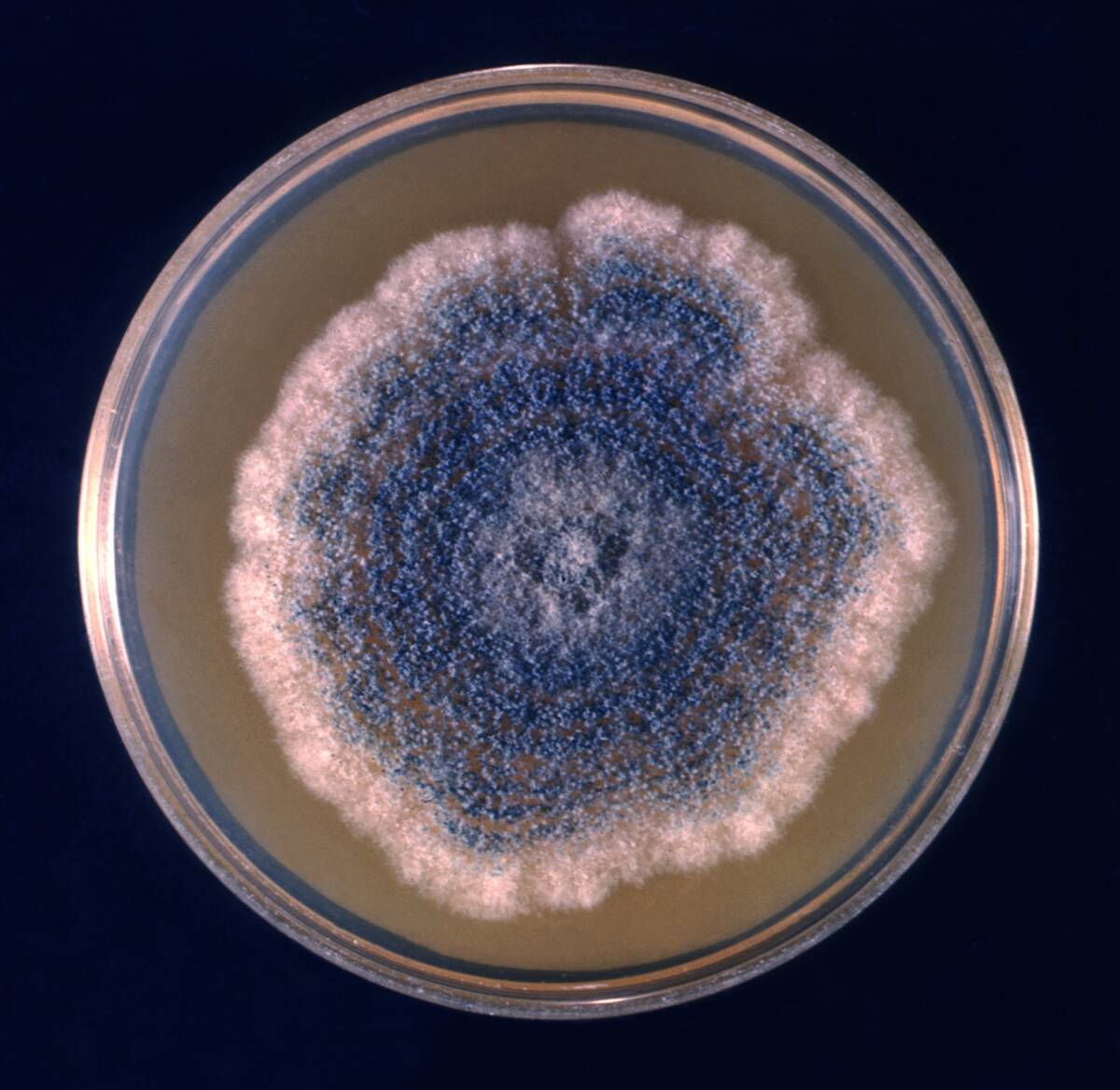
Fungi are nature’s decomposers, breaking down dead organic material and recycling nutrients back into the soil. This process is crucial for nutrient cycling and soil health. Fungi form symbiotic relationships with plants, aiding in nutrient absorption.
They also produce antibiotics, like penicillin, highlighting their importance in medicine. Fungi’s diverse roles make them key contributors to ecosystem sustainability.
Coral Polyps: The Builders of Underwater Cities
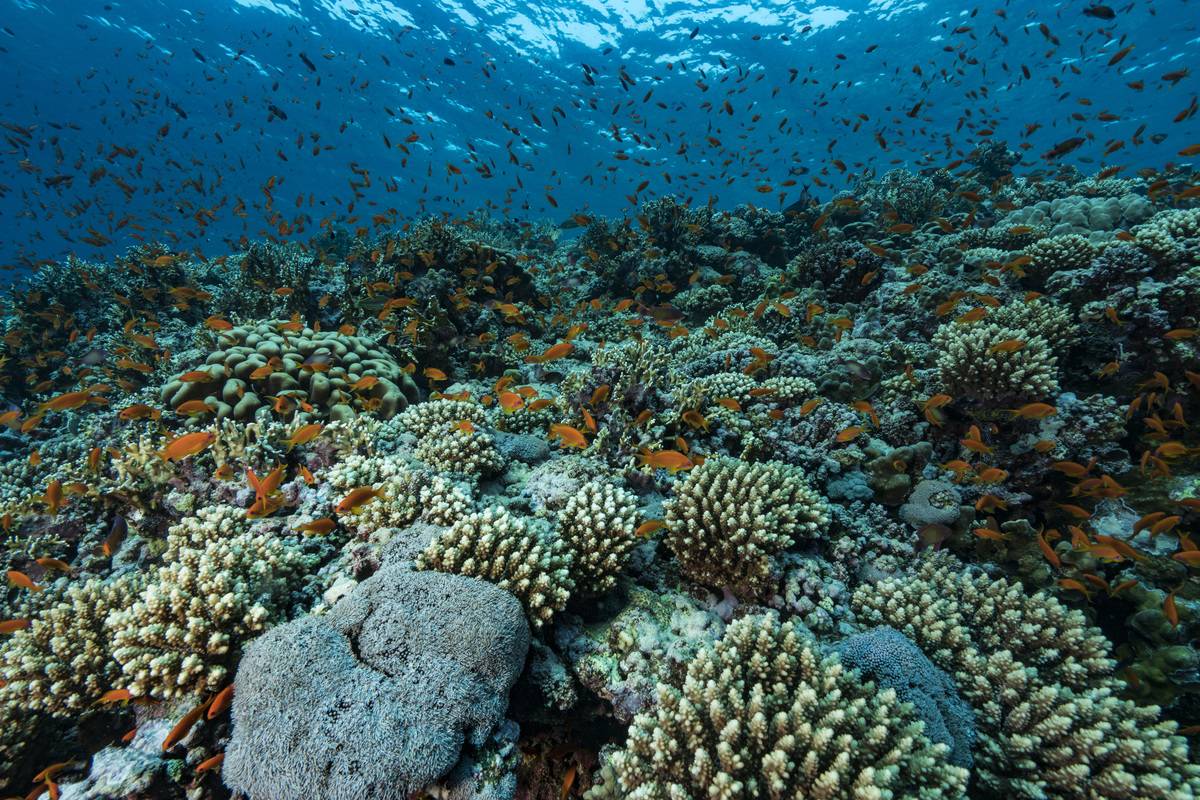
Coral polyps are tiny animals that build massive underwater structures known as coral reefs. These reefs provide habitat and shelter for a quarter of all marine species, making them biodiversity hotspots.
Coral polyps secrete calcium carbonate, forming the hard skeletons that support the reef. Their symbiotic relationship with algae, which provide energy through photosynthesis, is vital for reef health and growth.
Krill: The Foundation of the Marine Food Web
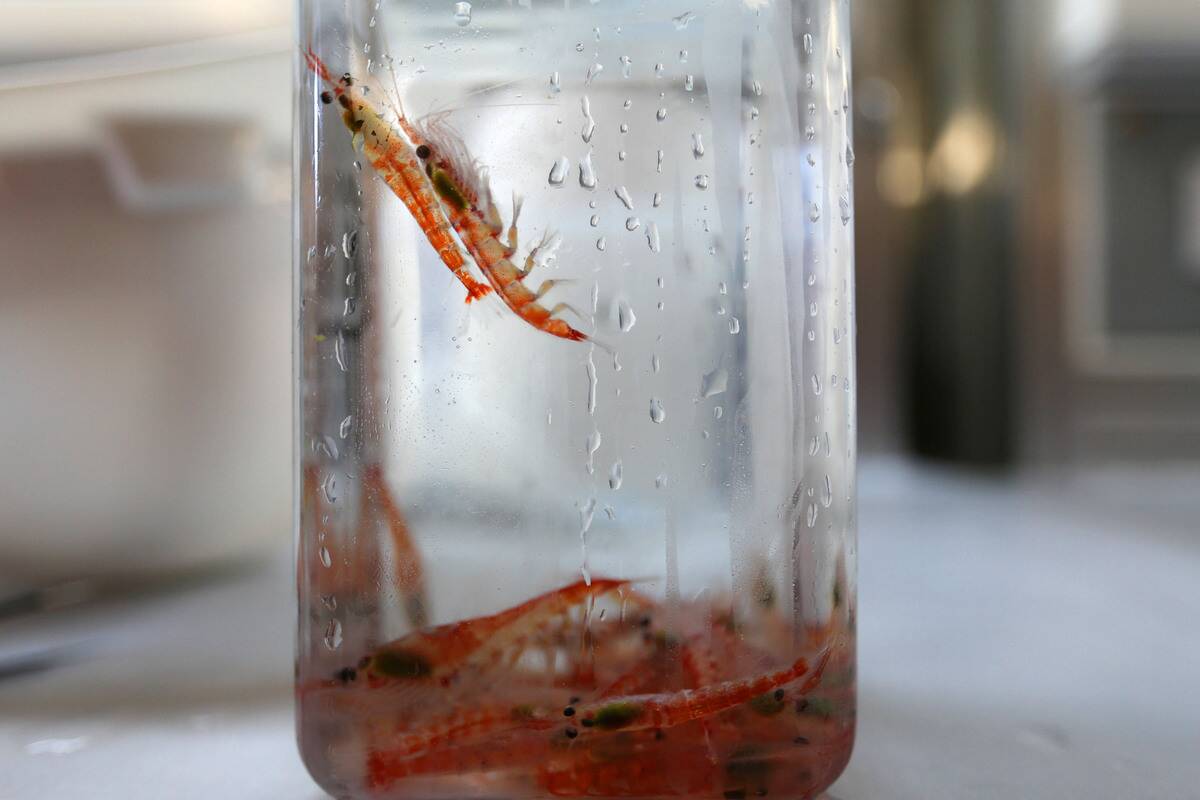
Krill are small crustaceans that form the base of the marine food web. They are a primary food source for many marine animals, including whales, seals, and penguins.
Krill play a crucial role in the ocean’s carbon cycle by feeding on phytoplankton and excreting carbon-rich waste. Their swarming behavior and massive biomass make them a key component of oceanic ecosystems and global carbon cycling.
Dung Beetles: The Waste Management Experts
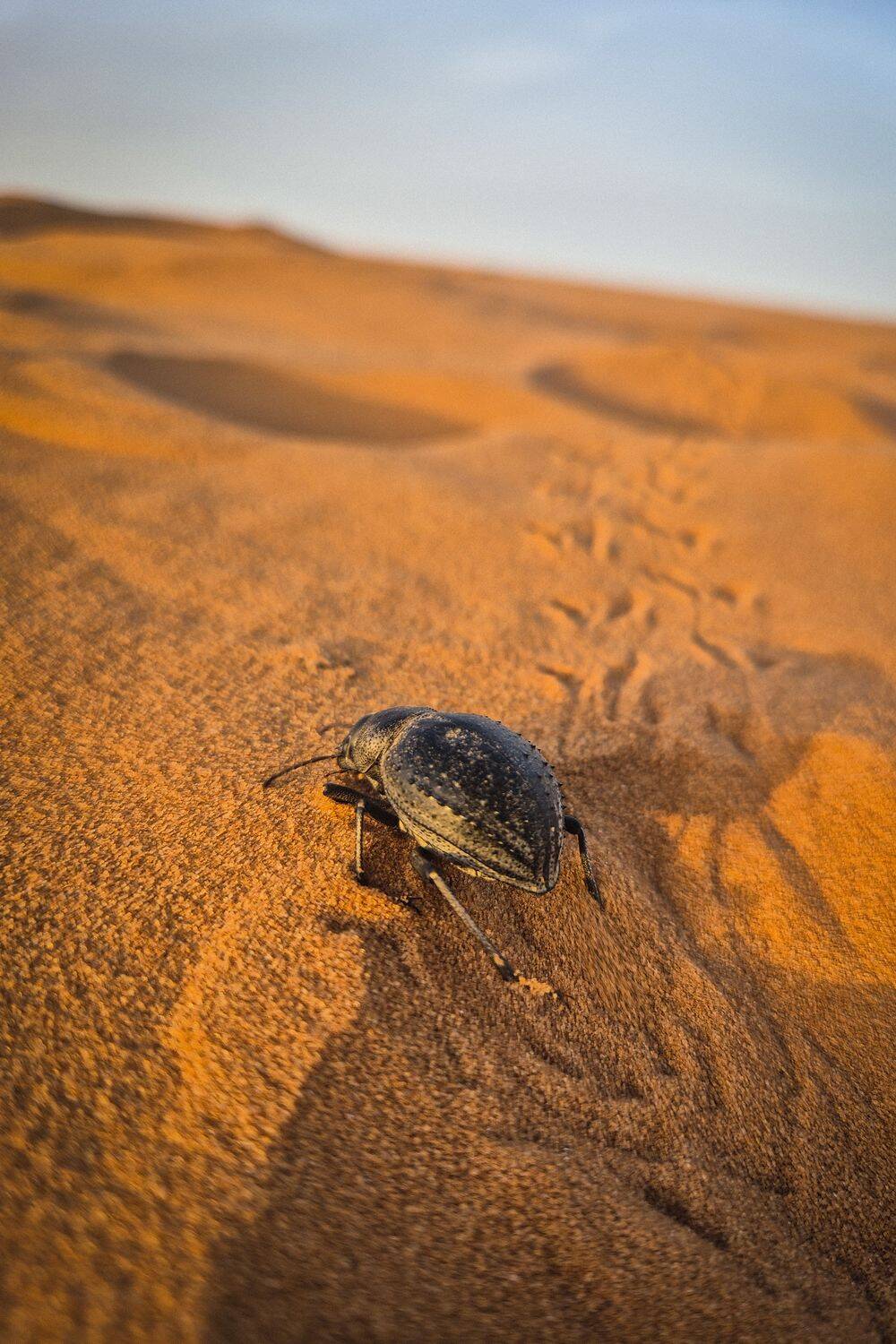
Dung beetles are nature’s waste managers, efficiently recycling animal waste. By burying and consuming dung, they improve soil health and reduce greenhouse gas emissions. This process also controls parasites and flies, benefiting livestock and wildlife.
Dung beetles’ diverse behaviors, from rolling to tunneling, showcase their adaptability and ecological importance in maintaining clean and healthy environments.
Tardigrades: The Indestructible Survivors
Tardigrades, also known as water bears, are microscopic creatures renowned for their resilience. They can survive extreme conditions, from the vacuum of space to intense radiation and freezing temperatures.
Tardigrades achieve this by entering a cryptobiotic state, effectively suspending their metabolism. Their ability to endure harsh environments makes them fascinating subjects of scientific study, offering insights into life’s adaptability.