Fascinating mushroom facts that will surprise you

Trending Now
Welcome to the incredible and often mysterious world of mushrooms! These fascinating fungi have captured the curiosity of humans for centuries, appearing in everything from ancient folklore to modern science.
Whether you’re a mycology enthusiast or just someone who enjoys a good portobello burger, mushrooms offer a wealth of intrigue and discovery.
Mushrooms Are Neither Plants Nor Animals

Mushrooms belong to the kingdom Fungi, which distinguishes them from plants and animals. Unlike plants, mushrooms do not perform photosynthesis; instead, they obtain nutrients by breaking down and absorbing organic matter. This unique method of feeding places fungi in their own biological category.
Scientists have found that fungi are more closely related to animals than plants, sharing a common ancestor with animals more than 900 million years ago. This surprising connection highlights the remarkable diversity and complexity of life on Earth.
The Largest Living Organism on Earth Is a Mushroom

In the forests of Oregon, USA, lives one of the largest known organisms on Earth—a honey fungus colony of Armillaria ostoyae. Spanning an estimated 2,385 acres, this massive organism is mostly hidden underground, with its presence revealed by the mushrooms it produces above the surface.
Its extensive mycelial network is believed to be thousands of years old, making it one of the oldest and largest living organisms ever identified. The colony is a remarkable example of the resilience, longevity, and adaptability of fungi in forest ecosystems.
Mushrooms Have Been Around for Millions of Years
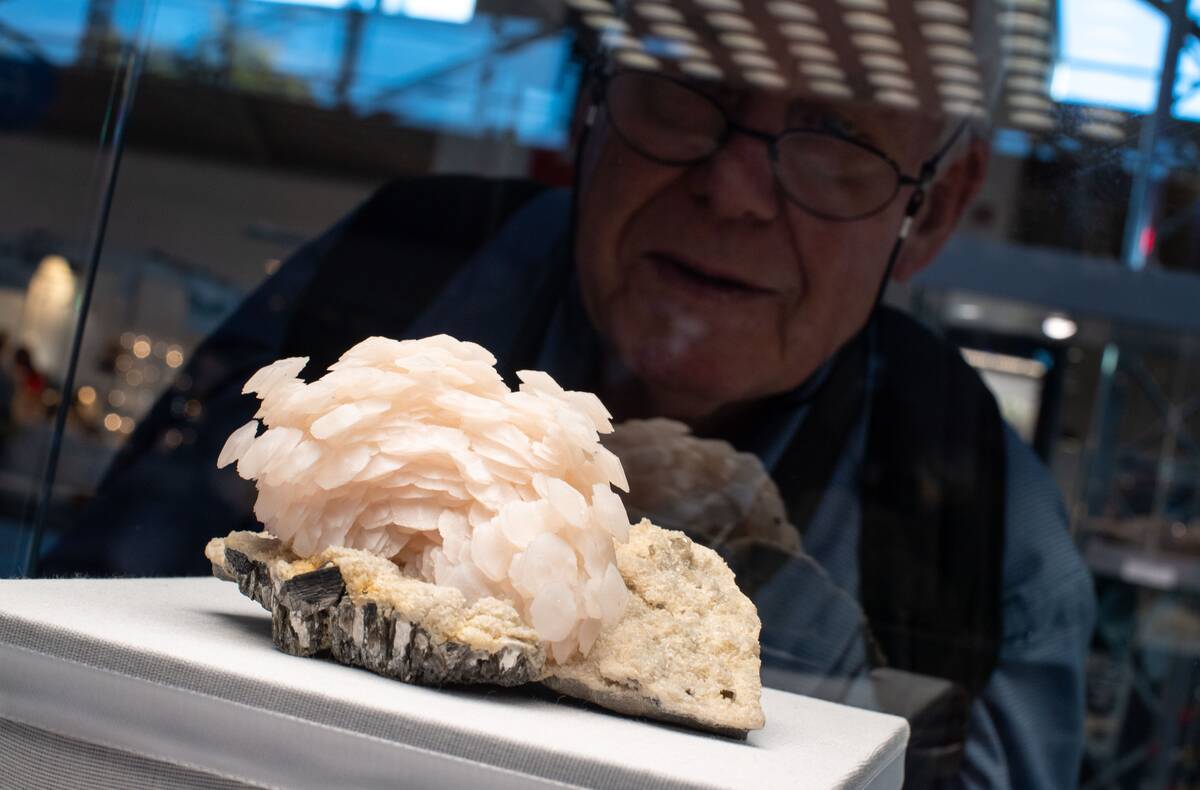
Fungi have existed for hundreds of millions of years, with fossil evidence suggesting that ancient fungal lineages date back more than 800 million years. These organisms have survived through major periods of Earth’s history, including the age of dinosaurs and the evolution of mammals.
Their long history demonstrates their remarkable adaptability and ecological importance. Mushroom-forming fungi and other fungal groups have played a crucial role in decomposing organic material, recycling nutrients, and supporting plant life across ecosystems for millions of years.
There Are Over 10,000 Known Types of Mushrooms

The world of mushrooms is incredibly diverse, with thousands of known species and many more likely awaiting discovery. These fungi appear in a remarkable variety of shapes, sizes, and colors, each playing important ecological roles.
From tiny and delicate Mycena species to the large and impressive giant puffball, mushrooms reveal the extraordinary diversity of fungal life. Their variety has also led to many culinary uses and ongoing research into their potential medicinal properties.
Some Mushrooms Glow in the Dark

Bioluminescent mushrooms, including the ghost fungus and jack-o’-lantern mushrooms, emit a faint greenish glow in the dark. This remarkable phenomenon is produced by a chemical reaction involving luciferin, the enzyme luciferase, and oxygen.
Scientists believe the glow may attract insects that help disperse spores in some species, although its exact ecological purpose is still being studied. These glowing fungi create an eerie yet beautiful spectacle on the forest floor, making them some of nature’s most fascinating organisms.
Mushrooms Can Create Their Own Wind
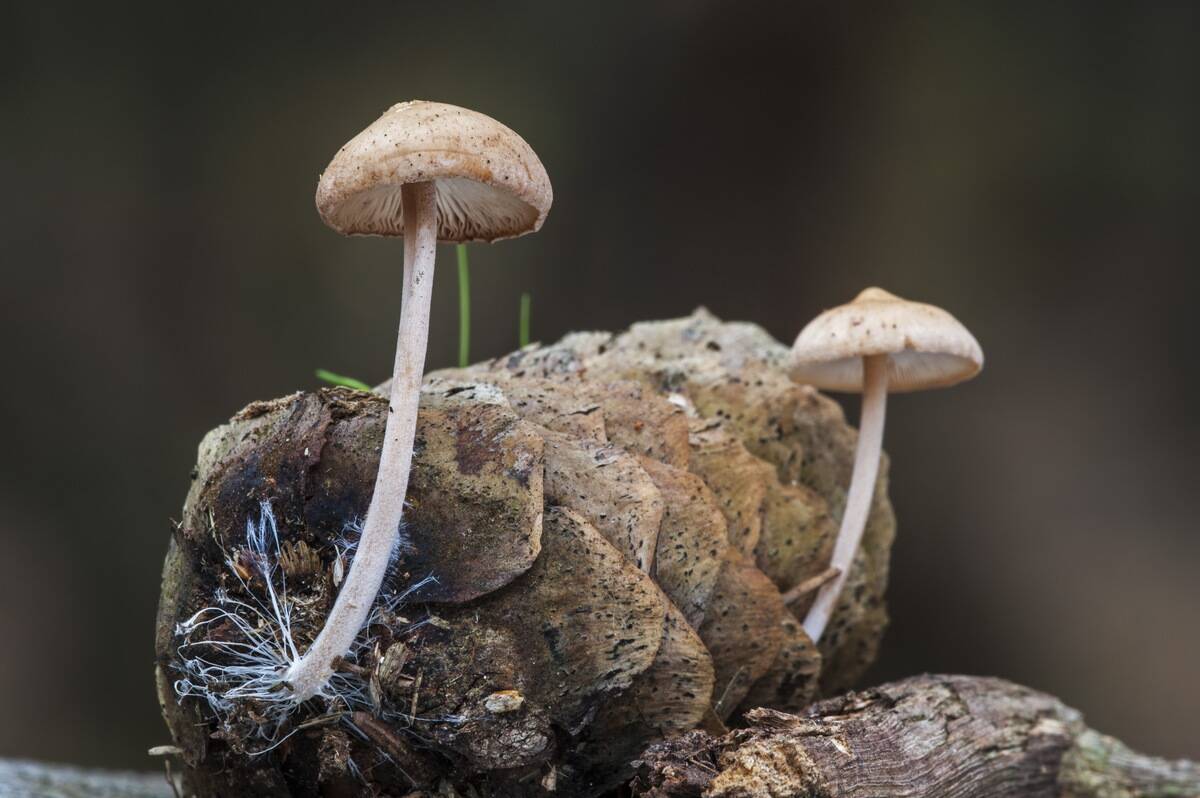
Some mushrooms have developed a remarkable way to spread their spores by generating their own tiny air currents. As they release water vapor, evaporation cools the surrounding air, causing it to become denser and flow outward, creating convection currents.
These currents help lift and carry spores into the surrounding air, increasing their chances of reaching suitable places to grow. This ingenious adaptation demonstrates the sophisticated strategies fungi use to reproduce and thrive in a wide range of environments.
The Surprising Health Benefits of Mushrooms

Mushrooms are not only flavorful but also highly nutritious. They provide important nutrients such as selenium, B vitamins, antioxidants, and, when exposed to ultraviolet light, vitamin D. Some species, including shiitake and reishi, have been used in traditional medicine for centuries, and researchers continue to study their potential health benefits.
While some studies have linked regular mushroom consumption with improved heart health and a lower risk of certain cancers, more research is needed to confirm these effects. Their rich nutritional profile makes mushrooms a valuable addition to a balanced diet.
Mushrooms Are Used in Bioremediation

Fungi play an important role in bioremediation, the process of using living organisms to clean up environmental pollutants. Certain mushrooms and other fungi can break down organic contaminants such as oil and industrial chemicals, while also absorbing or immobilizing heavy metals in contaminated soils.
These abilities make fungi valuable tools for restoring damaged ecosystems. Known as mycoremediation, this growing field harnesses the natural capabilities of fungi to help address a wide range of environmental challenges.
The Role of Mushrooms in Ancient Cultures

Mushrooms have held a significant place in various ancient cultures, often associated with spiritual and medicinal practices. In Mesoamerican societies, psilocybin mushrooms were used in religious ceremonies for their psychoactive properties.
In ancient China, reishi mushrooms were revered as symbols of longevity and immortality. These cultural connections highlight the deep-rooted relationship between humans and fungi, spanning centuries and continents.
Mushrooms Are a Source of Natural Dye

Certain mushrooms can be used to produce natural dyes, offering a sustainable alternative to synthetic dyes. The pigments extracted from fungi can create a wide range of colors, from vibrant reds to subtle blues.
This eco-friendly dyeing method has been embraced by artisans and crafters seeking to reduce their environmental impact. Mushroom dyes not only provide beautiful hues but also connect us to traditional practices and the natural world.
The Quirky World of Mushroom Hunting

Mushroom hunting, or foraging, is a popular pastime for nature enthusiasts and foodies alike. It combines the thrill of a treasure hunt with the joy of discovering edible delicacies in the wild.
Foragers must be knowledgeable about mushroom identification to avoid poisonous varieties. This hobby fosters a deeper connection to nature and an appreciation for the intricate ecosystems where mushrooms thrive. It’s a quirky yet rewarding adventure for those who partake.
Mushrooms in Space: Experiments on the ISS

Mushrooms and other fungi have even made their way into space, with scientists conducting experiments aboard the International Space Station (ISS) to study how they grow in microgravity.
These studies help researchers understand fungal biology in space and explore their potential as a sustainable food source for future long-term missions. Scientists are also investigating how fungi could contribute to life support systems by recycling organic waste and producing useful materials for space habitats. This research represents an exciting frontier in the effort to support human life beyond Earth.
The Connection Between Mushrooms and Fairytales
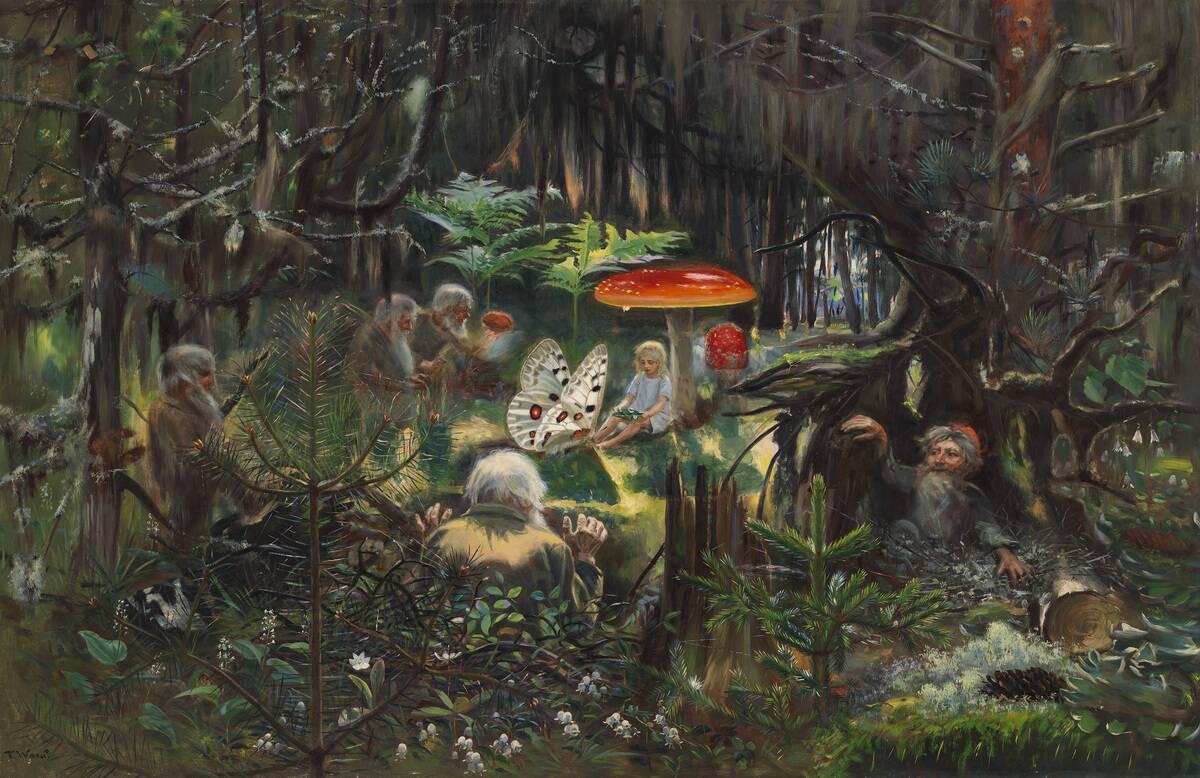
Mushrooms have long appeared in fairy tales and folklore, where they often symbolize mystery, magic, and the supernatural. The iconic red-and-white fly agaric mushroom is frequently portrayed as a fairy seat, a magical ingredient, or a symbol of enchanted forests.
These associations likely arose from its distinctive appearance and its psychoactive properties. Today, mushrooms continue to inspire storytellers and artists, adding a sense of wonder and enchantment to myths, fantasy, and popular culture.
How Mushrooms Communicate with Each Other
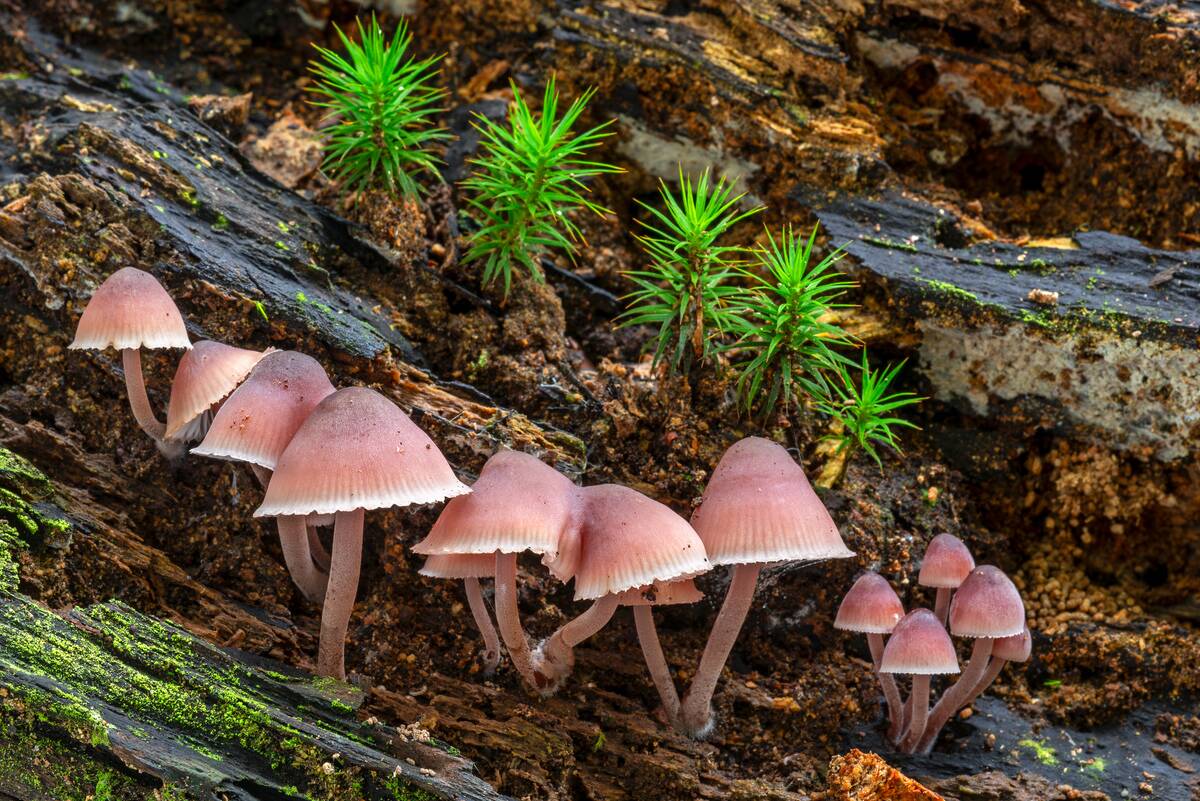
Fungi form vast underground mycelial networks that are often referred to as the “Wood Wide Web.” These networks connect with the roots of many plants through mycorrhizal partnerships, allowing fungi and plants to exchange water, minerals, and nutrients.
Research also suggests that these networks can transmit certain chemical signals between connected plants, although the extent and significance of this signaling are still being studied. By improving nutrient uptake and supporting healthy forests, mycorrhizal fungi play a crucial role in maintaining the balance and resilience of many ecosystems.
The Art of Growing Your Own Mushrooms at Home
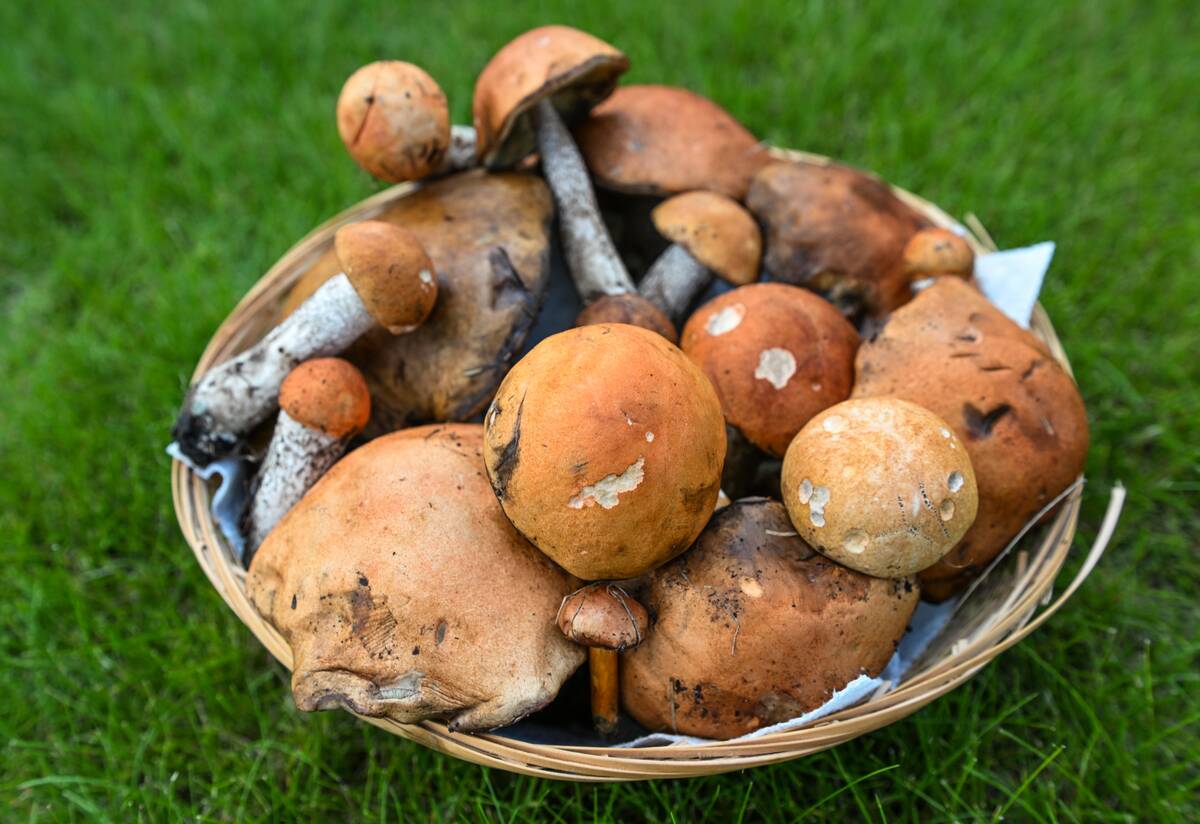
Growing mushrooms at home is an accessible and rewarding hobby for those interested in sustainable food production. With a variety of kits and resources available, even beginners can cultivate mushrooms like oyster or shiitake in their kitchens.
Home cultivation allows for a fresh supply of mushrooms and reduces reliance on store-bought produce. It’s a fun way to explore the world of fungi while enjoying the fruits of your labor in delicious meals.
Edible vs. Poisonous Mushrooms: What to Know

Distinguishing between edible and poisonous mushrooms is crucial for foragers and mushroom enthusiasts. While many mushrooms are safe and delicious, others can be deadly if consumed.
The death cap and the destroying angel are two of the most notorious poisonous varieties. Proper identification and knowledge are essential to avoid potentially fatal mistakes. When in doubt, it’s always best to consult an expert or refrain from consuming wild mushrooms.
The Culinary Delights of Gourmet Mushrooms

Gourmet mushrooms, such as truffles, morels, and chanterelles, are prized for their unique flavors and textures. These culinary gems elevate dishes with their earthy and umami-rich profiles.
Chefs and food lovers alike celebrate their versatility in various cuisines, from French to Asian. Whether sautéed, grilled, or incorporated into sauces, gourmet mushrooms offer a delightful dining experience that showcases the diverse world of fungi.
Fun Mushroom Festivals Around the World

Mushroom festivals celebrate the diversity and cultural importance of fungi around the world. Events such as the Telluride Mushroom Festival in Colorado and various mushroom festivals held in Italy attract enthusiasts with educational workshops, foraging activities, and culinary experiences.
These gatherings provide opportunities to learn about mushrooms, sample mushroom-based dishes, and connect with fellow fungi enthusiasts. Mushroom festivals offer an enjoyable way to explore the fascinating world of fungi and appreciate their ecological and cultural significance.